
You’re sitting on your couch, enjoying a peaceful evening, and suddenly you feel something warm and wet on your arm. You look down, and there it is: a generous rope of drool courtesy of your beloved Saint Bernard. If you own one of the naturally slobbery breeds, this is practically a daily ritual. If you don’t, you might be wondering whether you’re even living the same dog ownership experience.
The biggest difference lies in the structure of the mouth. Breeds with loose, sagging jowls, such as Saint Bernards, Mastiffs, and Bloodhounds, simply cannot contain saliva the way breeds with tighter lips can. Understanding why your dog drools the way they do isn’t just interesting trivia – it directly affects how you care for them, what health signs to watch for, and whether your furniture stands any chance of survival. Here’s a thorough, empathetic breakdown of the big droolers and the surprisingly tidy breeds you may not have expected.
1. Saint Bernard: The Crowned King of Slobber
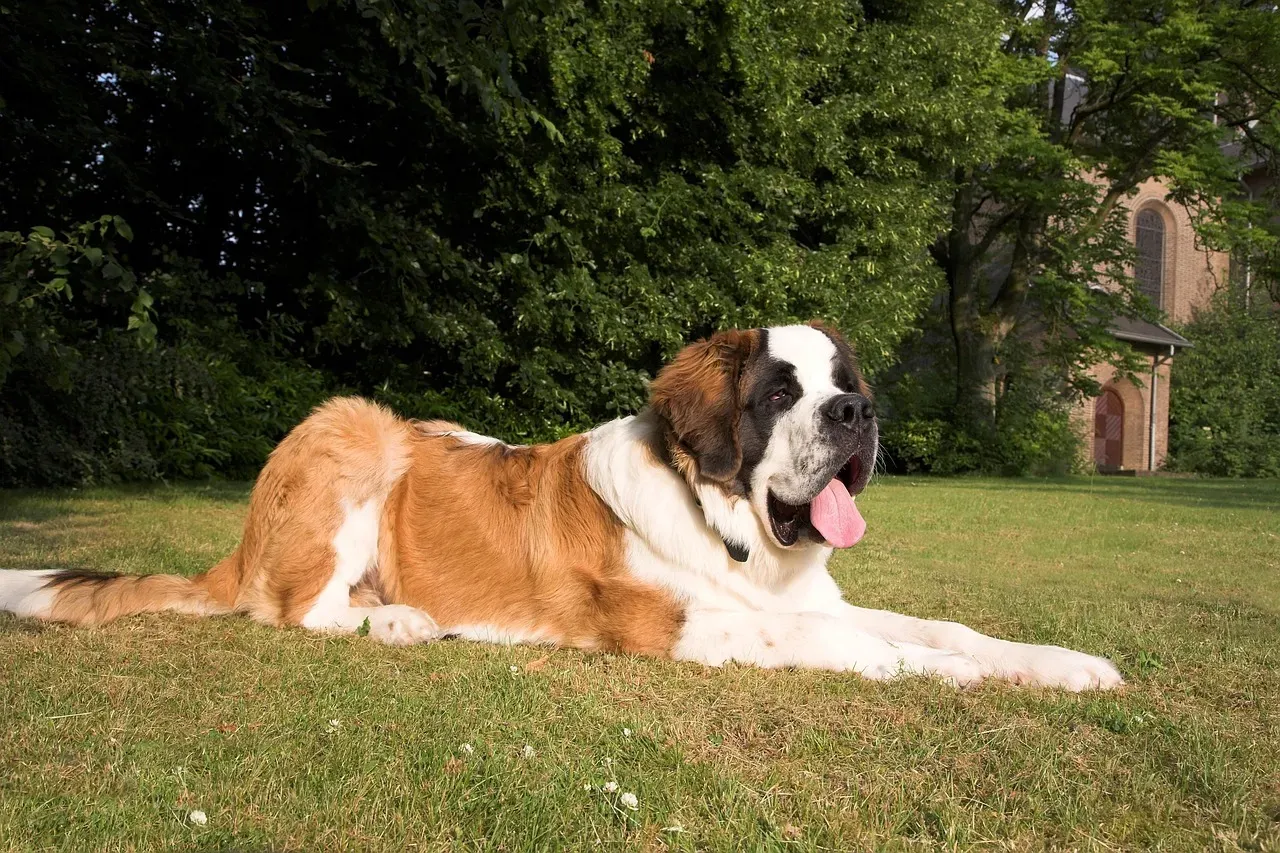
If there is one breed that is practically synonymous with drooling, it’s the Saint Bernard. One Saint Bernard characteristic is their big head, which produces a lot of drool. Keeping the area around their mouth clean is essential for their comfort and hygiene. Their legendary role as alpine rescue dogs is matched only by their legendary capacity for slobber.
If you prefer to maintain an immaculate and orderly house, a Saint Bernard may not be the ideal dog for you. Due to their lower-hanging jowls, these dogs tend to drool, and when they shake their head, extra drool may go flying. Some Saint Bernard parents find that carrying around a towel or dog-friendly wipes is a decent way to clean up any doggy drool. You can even be proactive about minimizing drool by wiping your dog’s mouth after they eat or drink. Keep a dedicated “drool station” near their water bowl with absorbent towels always within reach. It genuinely changes daily life with this breed.
2. Mastiff: Big Body, Bigger Slobber Potential
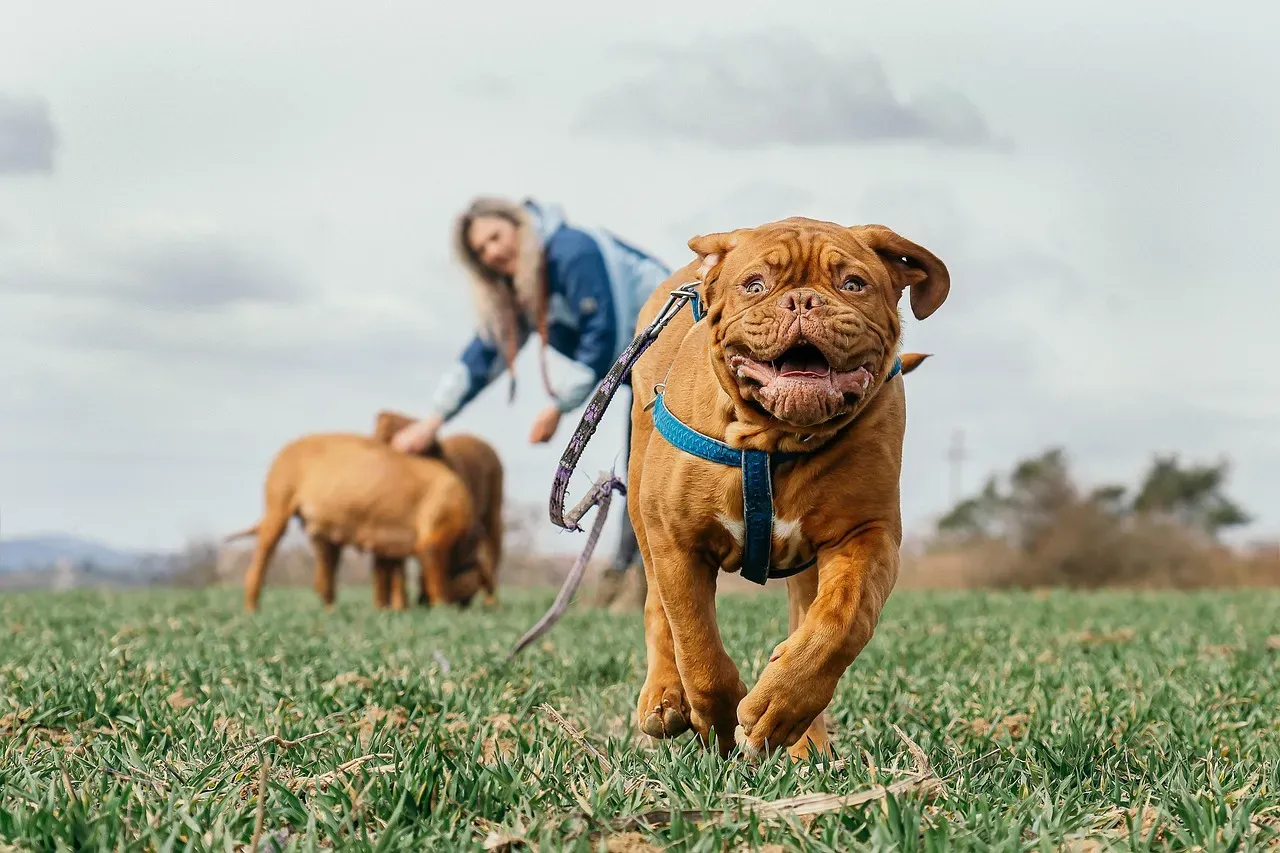
Mastiffs, including English Mastiffs, Bullmastiffs, and Neapolitan Mastiffs, are heavy droolers. These breeds have loose skin around their mouths and large, heavy lips that can trap saliva, causing it to spill out when they shake their heads. It’s not just occasional dampness – it’s an ongoing, daily commitment to clean-up.
Drooling is seen commonly in breeds such as the Bloodhound, Saint Bernard, and Mastiff, whose head and lip conformations cannot retain the amount of drool they produce. These dogs have extra skin around their lips and muzzle, which allows saliva to collect in the folds. Then, it either drips from their flews or is flung into the air when they shake their heads. One important health tip: those skin folds around the muzzle need regular cleaning to prevent bacterial buildup, which can cause odor and skin irritation. A quick daily wipe with a dog-safe cleaning cloth goes a long way.
3. Newfoundland: Sweet, Fluffy, and Very Damp
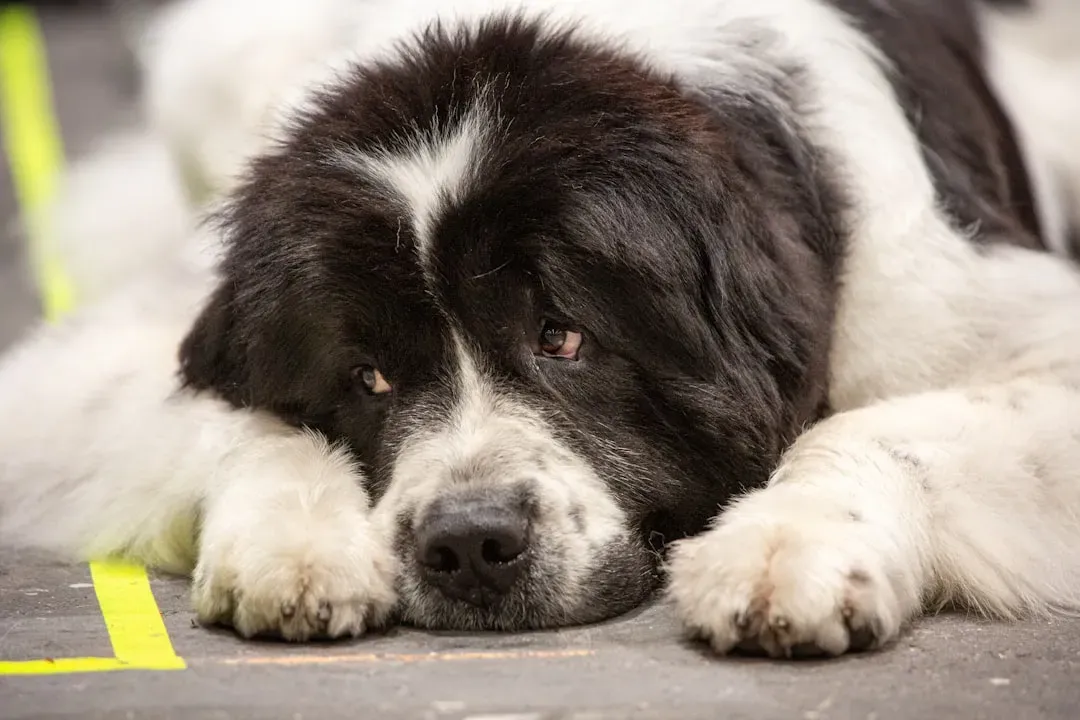
Often called “gentle giants,” Newfoundlands are heavy droolers due to their massive size and loose lips. They are excellent swimmers, but their love for water doesn’t stop their mouths from dripping on land. Combine their love of water with naturally droopy jowls, and you have a dog that is perpetually moist around the muzzle.
Because the anatomy of their mouths allows liquid to dribble out, some dogs’ saliva production appears excessive. Giant breeds are known for their saggy lips and drooping jowls, which do not effectively hold saliva in and allow it to drain. After drinking, a Newfoundland can leave a trail from the water bowl to the living room sofa. It’s important to mop your dog’s face whenever they eat or drink. A handkerchief or bandana tied around your dog’s neck can help absorb the drool. These practical steps genuinely reduce the mess and keep your dog comfortable.
4. Bloodhound: Those Famous Droopy Lips Come at a Price
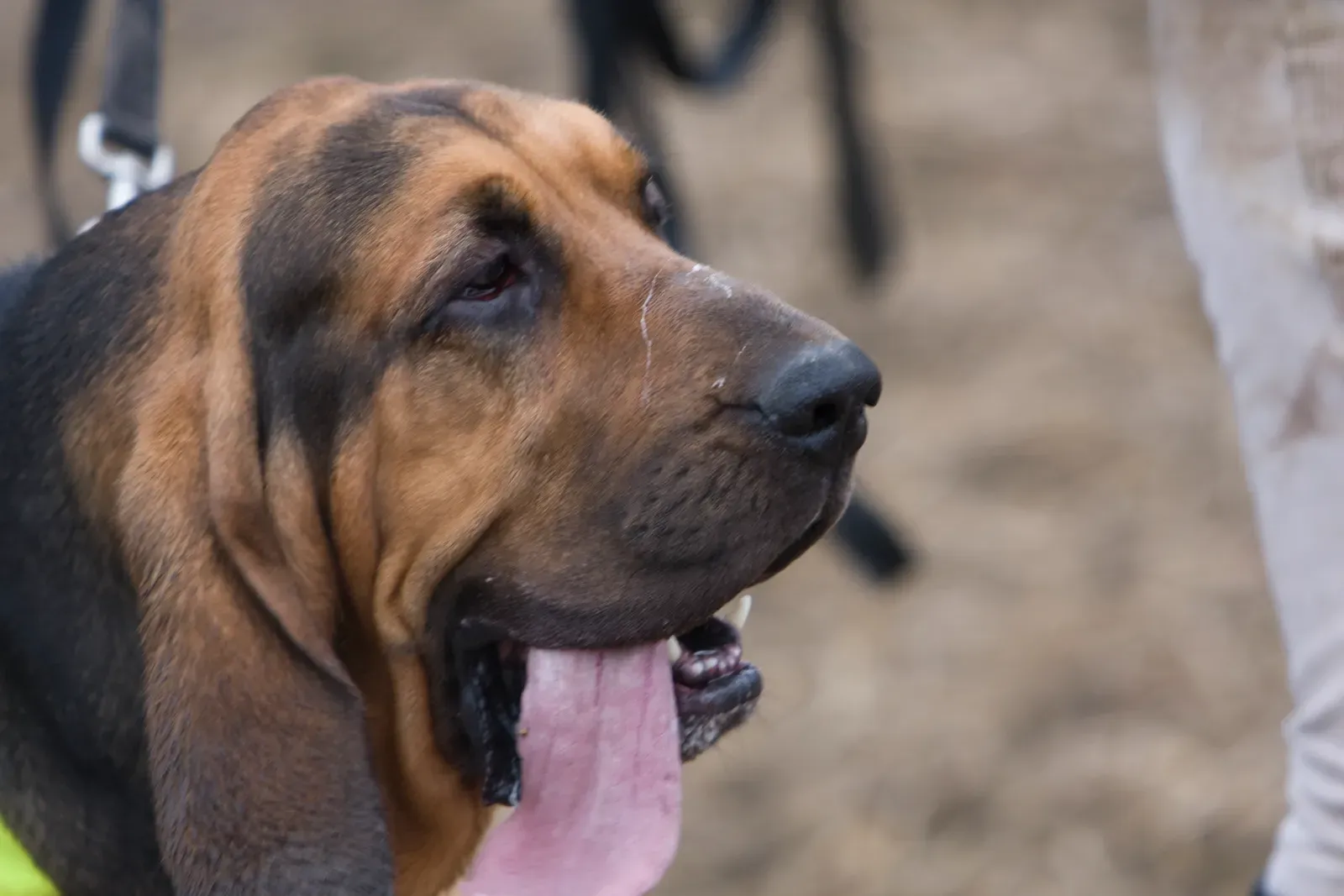
Bloodhounds are famous for their tracking abilities and their droopy facial features. Unfortunately, those droopy lips also mean they’re prone to excessive drooling, especially after drinking or eating. Their scent-tracking genius is entirely tied to those magnificent, pendulous lips that collect and concentrate scent molecules – but saliva comes along for the ride.
Make sure you’re brushing your dog’s teeth daily and having their dental health monitored with yearly veterinary checkups. Keep an eye on the inside of your dog’s mouth for yellow or brown plaque deposits on their teeth or red and inflamed gums. Both of these signs would indicate the need for a dental cleaning. A sudden increase in drooling in a Bloodhound should always prompt a closer look. Abnormal drooling happens when a dog that doesn’t typically drool starts doing so excessively, or when a naturally drooly dog shows much more drooling than usual. This change often points to a health issue that needs attention.
5. Great Dane: Gentle Giant With a Slobbery Smile
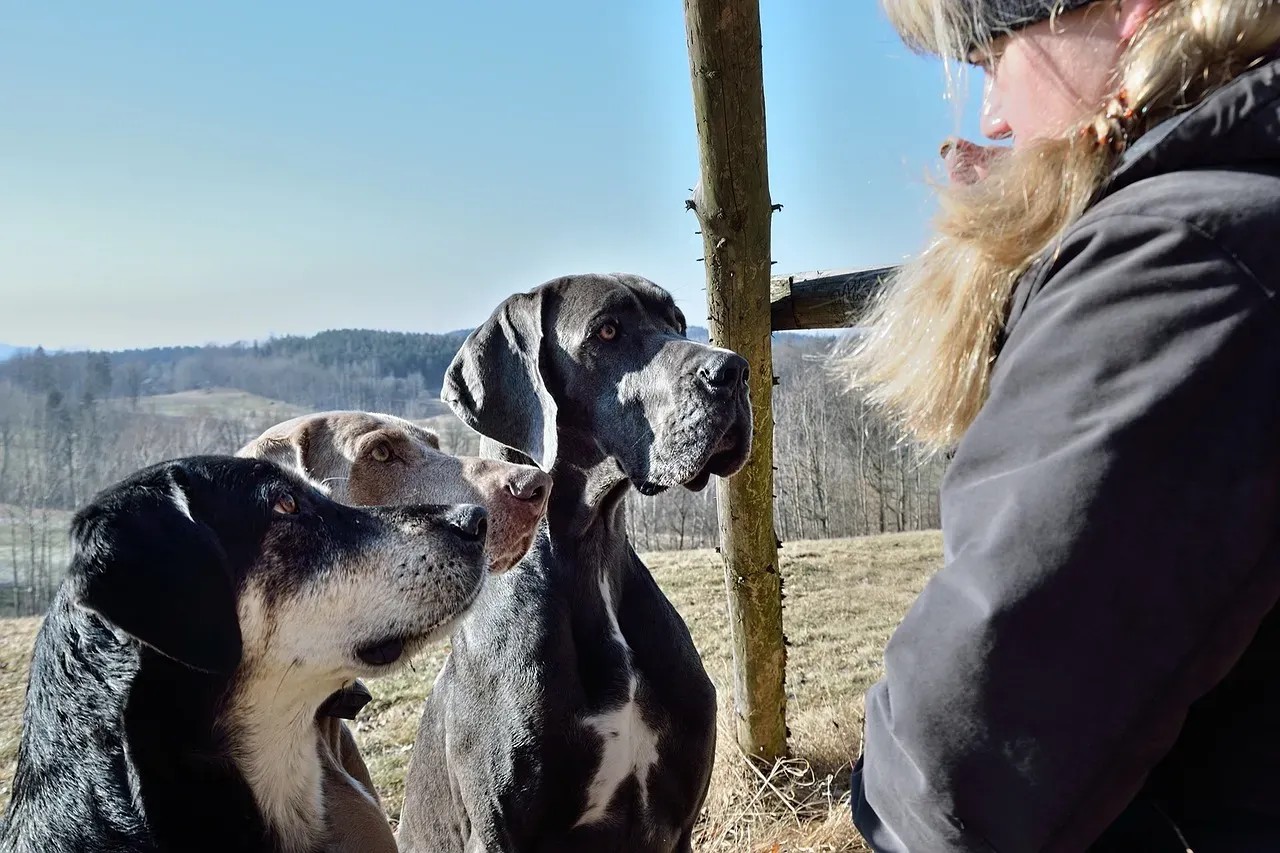
Great Danes, one of the largest dog breeds, also rank high in the drooling department. Their massive size and loose lips mean that they produce and release a lot of saliva, especially after meals or drinking. Anyone who has hugged a Great Dane and walked away with a damp shoulder knows exactly what this means in practice.
Bloat is a life-threatening emergency where the stomach fills with gas and may twist. When this happens, dogs often drool excessively while trying to vomit without success. Other signs include a swollen stomach, restlessness, and rapid decline. Large, deep-chested breeds face higher risk, but bloat can affect any dog and requires emergency care. This is a critical warning sign for Great Dane owners specifically. Drooling combined with restlessness and a distended belly is an emergency that requires immediate veterinary care, not a wait-and-see approach.
6. Boxer: Brachycephalic, Bouncy, and Brazenly Slobbery
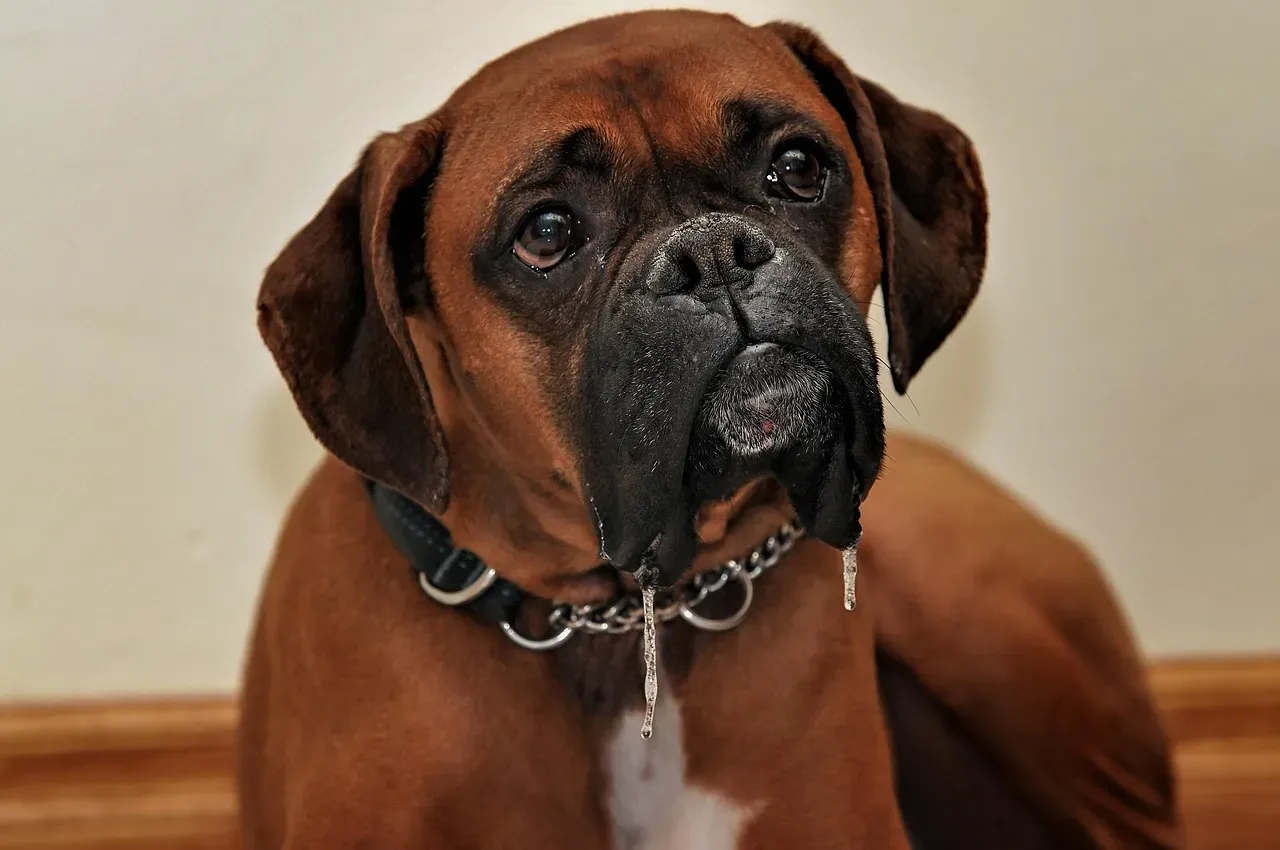
Dog breeds with large, hanging lips, short noses, or facial folds are more prone to drooling than others. Hanging jowls, prominent upper lips, short noses, facial folds, and dental malocclusions can all contribute to drooling. Boxers tick several of these boxes at once, making them reliable droolers, especially during play or after physical activity.
Regular wiping not only cuts down on drool around the house, but it also helps prevent skin irritation and bacteria from forming in the folds of a dog’s skin, especially for breeds like Bulldogs and Boxers. Boxers are also known for drooling when excited or anxious. You might notice excessive salivation as the result of anxiety caused by going to the vet, moving to a new home, or even riding in a car. Your dog may also be restless, pant, or have diarrhea along with the drooling. Knowing your Boxer’s triggers helps you prepare, and sometimes just a calm routine makes all the difference.
7. English Bulldog: Wrinkled, Wonderful, and Perpetually Moist
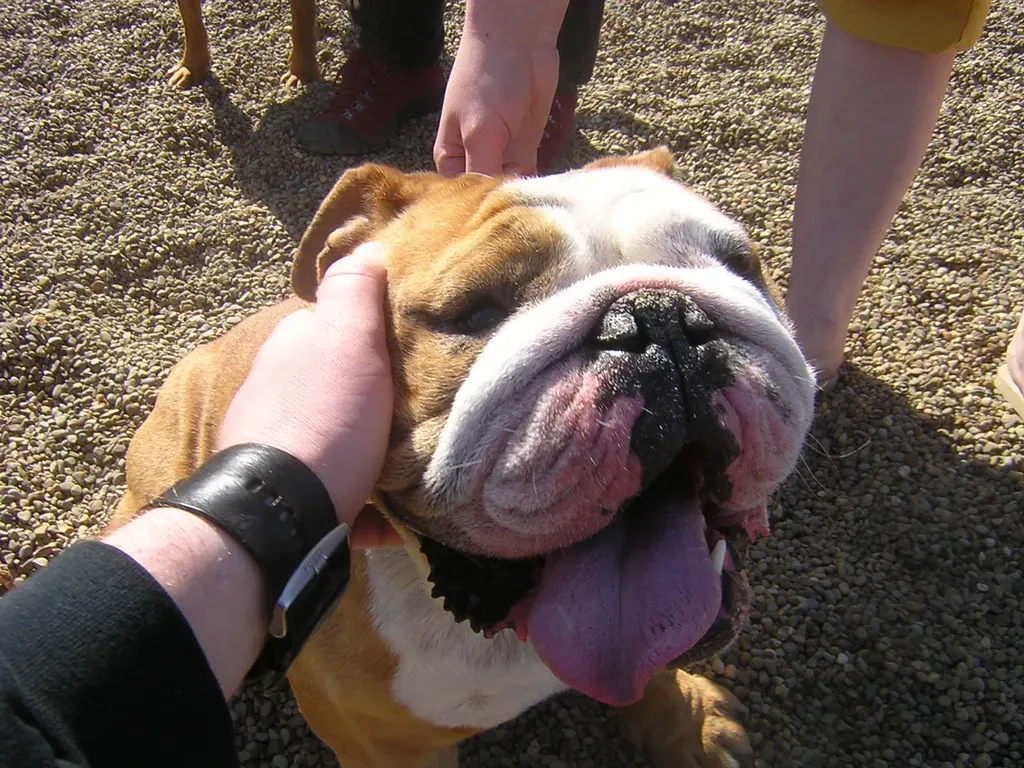
Bulldogs, English and French, have wrinkled faces and short snouts that mean extra slobber, especially in hot weather. The flat-faced structure that gives Bulldogs their signature charm is also the reason their mouths can’t contain saliva the way other breeds can. It’s simply a matter of anatomy.
Saliva helps dogs break down food, lubricate their mouths, and even regulate body temperature. For breeds developed to work outdoors or in hot climates, the ability to cool down quickly through drooling was often an advantage. However, Bulldogs are not well suited to heat, and dogs experiencing heat stroke may drool to help cool themselves down. Along with excessive drooling and panting, other signs of heat stroke include vomiting and loss of coordination. If you believe your dog may be experiencing heat stroke, call your vet right away. Keeping your Bulldog cool, hydrated, and shaded during summer months is non-negotiable.
8. Siberian Husky: The Surprisingly Dry-Mouthed Athlete
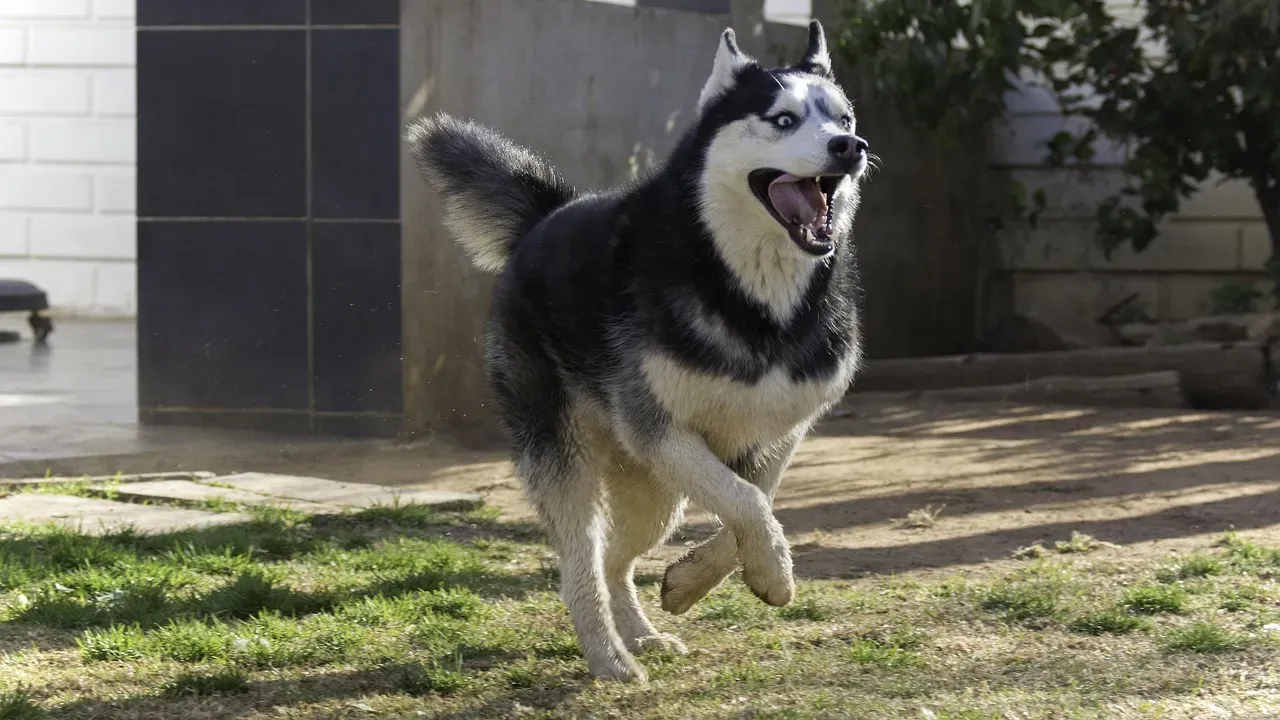
Here’s one that surprises a lot of people. Huskies are large, powerful, incredibly energetic dogs – yet they are known for being relatively low droolers. Not all large breeds are heavy droolers. Breeds like the Siberian Husky and Alaskan Malamute are big but have tighter lips, which reduces drooling. Those tighter lips make a profound anatomical difference.
Owners with slobbery dog breeds should establish a baseline for their dog’s normal drooling levels. There may be instances where excessive drooling indicates an underlying issue rather than typical breed behavior. Excessive drooling can serve as an indicator of potential underlying issues. For Husky owners, this is particularly useful advice: since your dog normally drools very little, any sudden uptick in saliva warrants a closer look. Don’t dismiss it as just a quirk. Trust what you know about your dog’s normal patterns.
9. Standard Poodle: Elegantly Clean From Nose to Tail
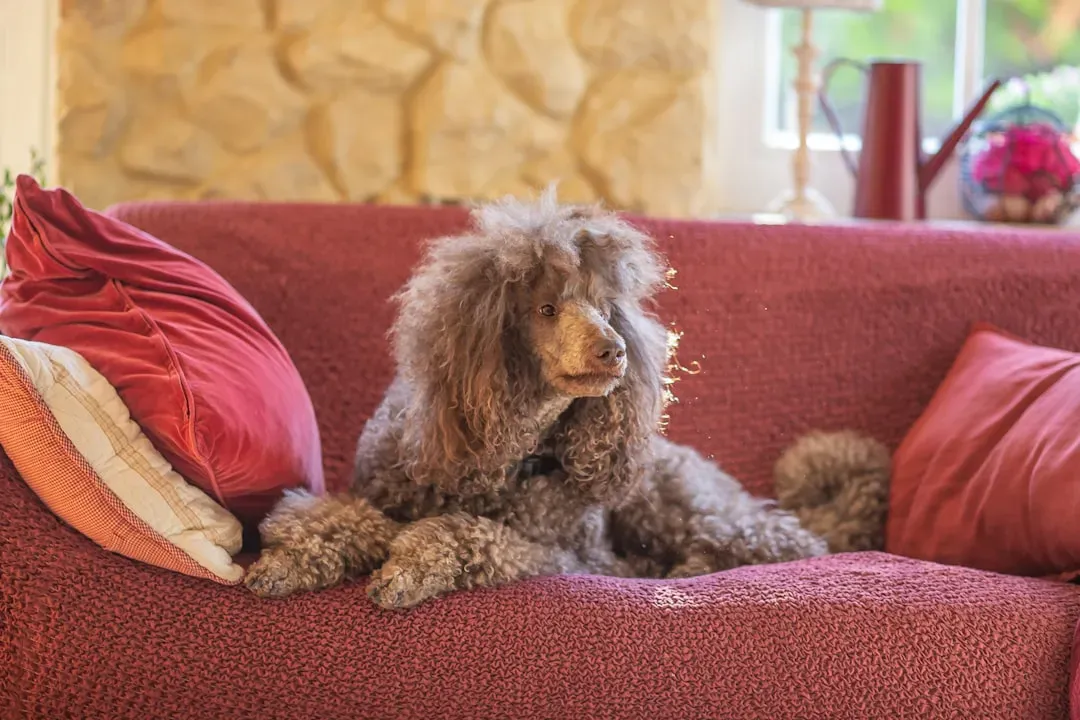
The Standard Poodle usually has a clean face, does not drool much, and does not make a mess when drinking. This makes them one of the most practical choices for people who love large dogs but don’t love the cleanup. Poodles, whether Toy, Miniature, or Standard, are among the cleanest and least drool-prone breeds. With their tight lips and elegant posture, Poodles are well known for their hypoallergenic coats and minimal shedding, and the lack of drool only adds to their appeal.
If you are worried about excessive drooling because of allergies to dog saliva, this really is a great breed. Besides the clean face and lips that discourage drooling, Poodles are usually bathed and brushed often to keep the coat in shape. It’s also worth noting that Poodles are highly intelligent and easy to train, making them great companions for families, singles, and seniors. They bring so much to the table without leaving anything wet behind.
10. Basenji: The Self-Grooming Dog That Barely Drips
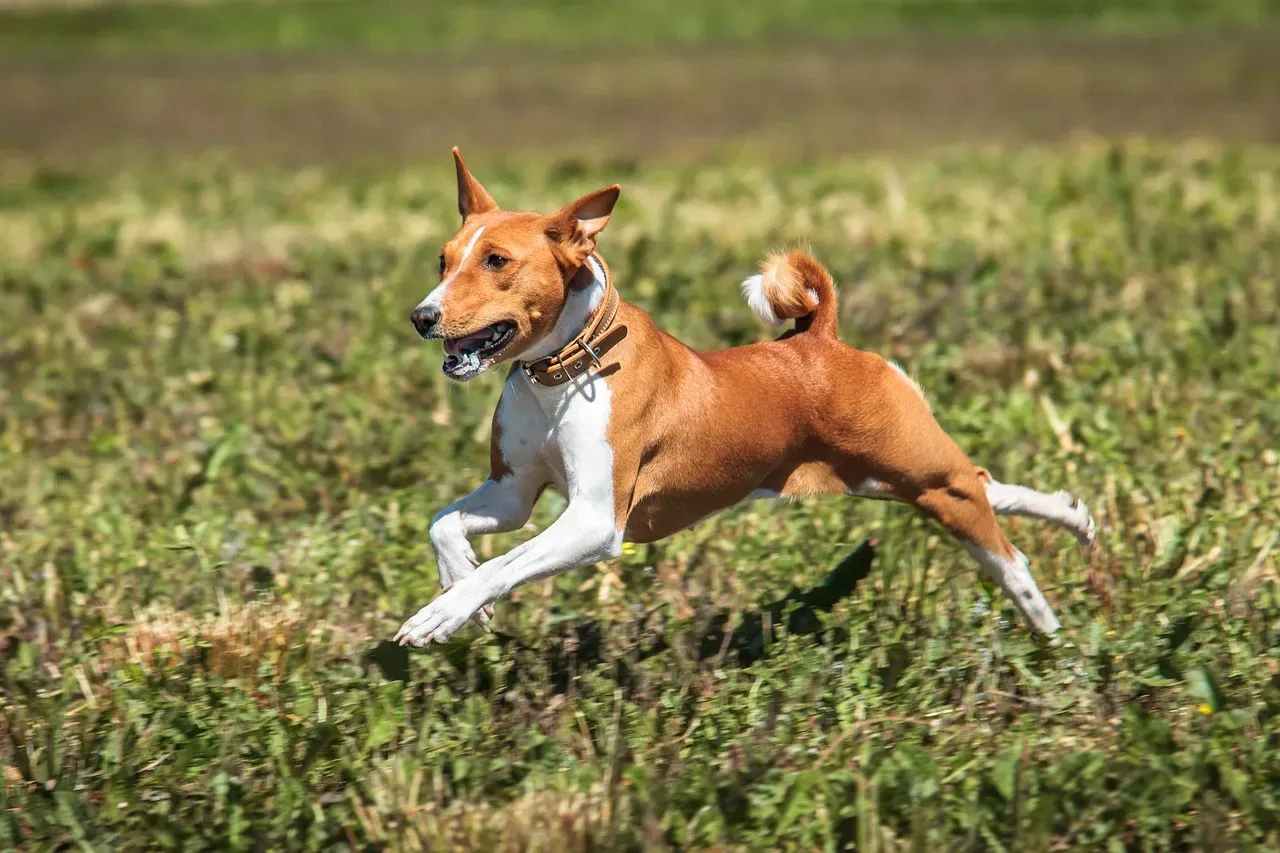
Known as the “barkless dog,” the Basenji is quiet and one of the cleanest dog breeds. This breed is often compared to a cat due to its self-grooming habits, and they certainly don’t produce a lot of drool. With their short coat and elegant appearance, Basenjis are low-maintenance in grooming, and their tight lips mean minimal drooling.
Basenjis are independent and intelligent, often displaying a strong will but incredibly loyal to their families. Their tidy, drool-free nature makes them an excellent choice for owners looking to avoid constant mess. They do come with their own set of challenges, particularly a strong prey drive and an independent streak that can make training feel like gentle negotiation. Still, for a clean, low-slobber household, the Basenji is hard to beat.
11. Border Collie: The Neatest Overachiever in the Dog World
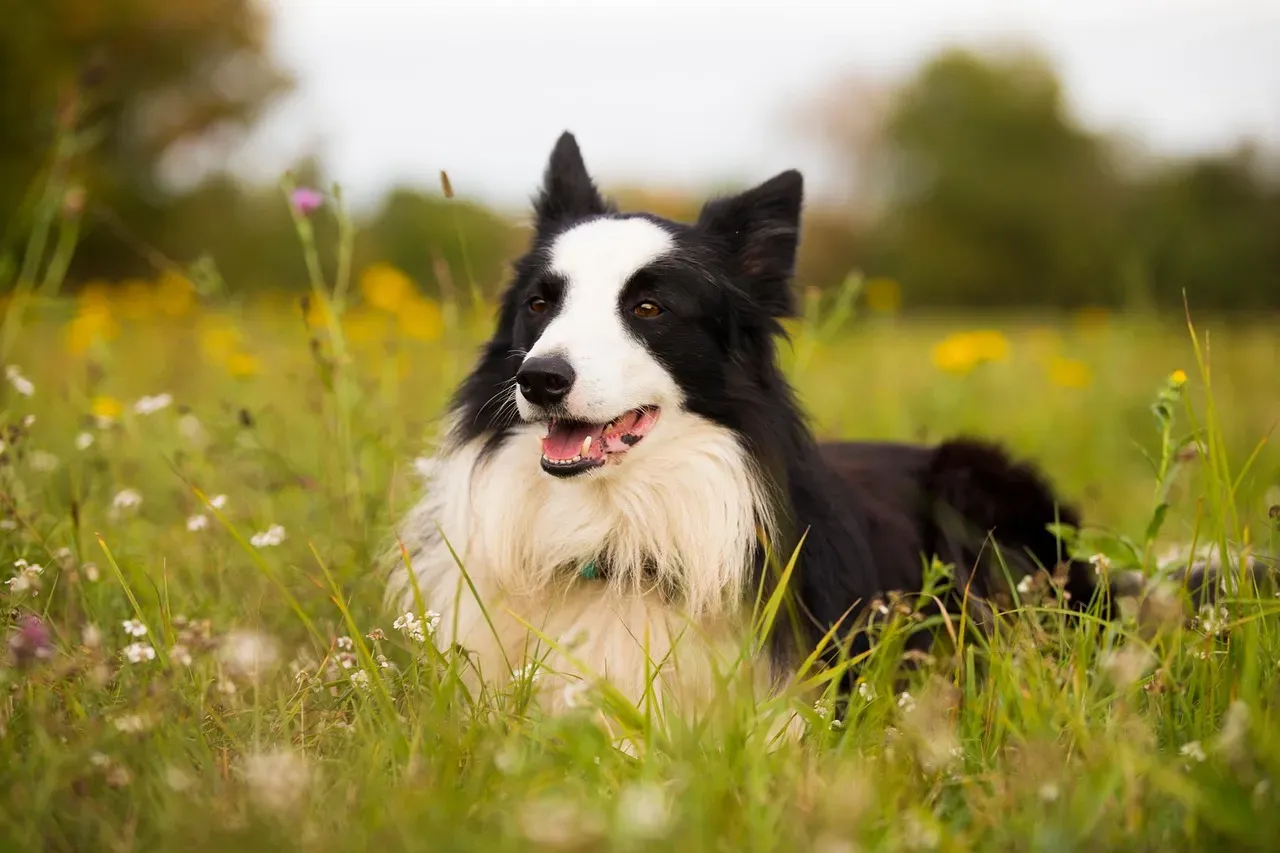
Border Collies are known for their intelligence and energy, but they are also among the least drooly breeds. These herding dogs are always on the move, and their tight lips keep drooling to a minimum. Border Collies require plenty of mental and physical stimulation, but you’ll avoid the mess of constant slobber.
The Border Collie is widely regarded as one of the smartest dog breeds in the world. Bred in Britain to herd sheep, this energetic dog is always ready for a job. With its intense “herding eye” and sharp focus, the Border Collie rarely slows down – even to drool. If you adopt a Border Collie, channel that energy constructively through agility training, fetch, or herding games. Their need for mental engagement is real, and a bored Border Collie will find ways to entertain themselves that you may not appreciate.
12. Borzoi: Aristocratic, Graceful, and Gloriously Dry
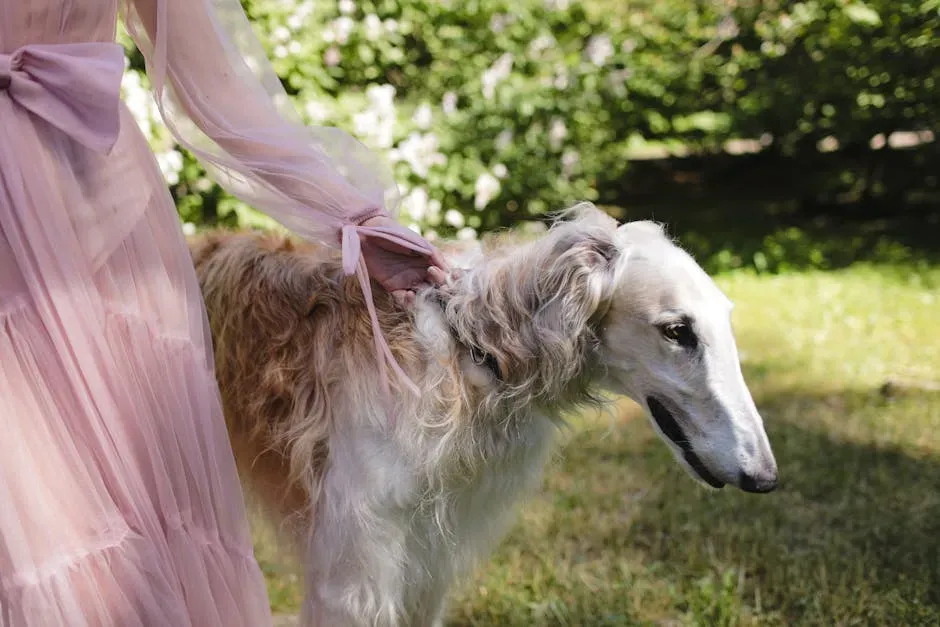
Borzoi are known for being remarkably clean dogs with minimal drooling or doggy odor. This Russian sighthound has a long, narrow muzzle and tight lips that keep things surprisingly tidy. The breed is not a high-maintenance dog; the Borzoi cleans and takes care of his own grooming, much like cats do. For a large dog, that’s a remarkable quality.
Borzoi know they are aristocrats, but they also hide a bit of court jester. They are good-natured, gentle and calm, seemingly amused at whatever entertainment comes their way. They are happiest when that entertainment involves running. One practical note: because the breed is prone to bloat, it is better to feed them a few small meals throughout the day instead of one large meal. If sudden excessive drooling accompanies restlessness, treat it as a potential emergency.
13. Chihuahua: Tiny Dog, Minimal Mess
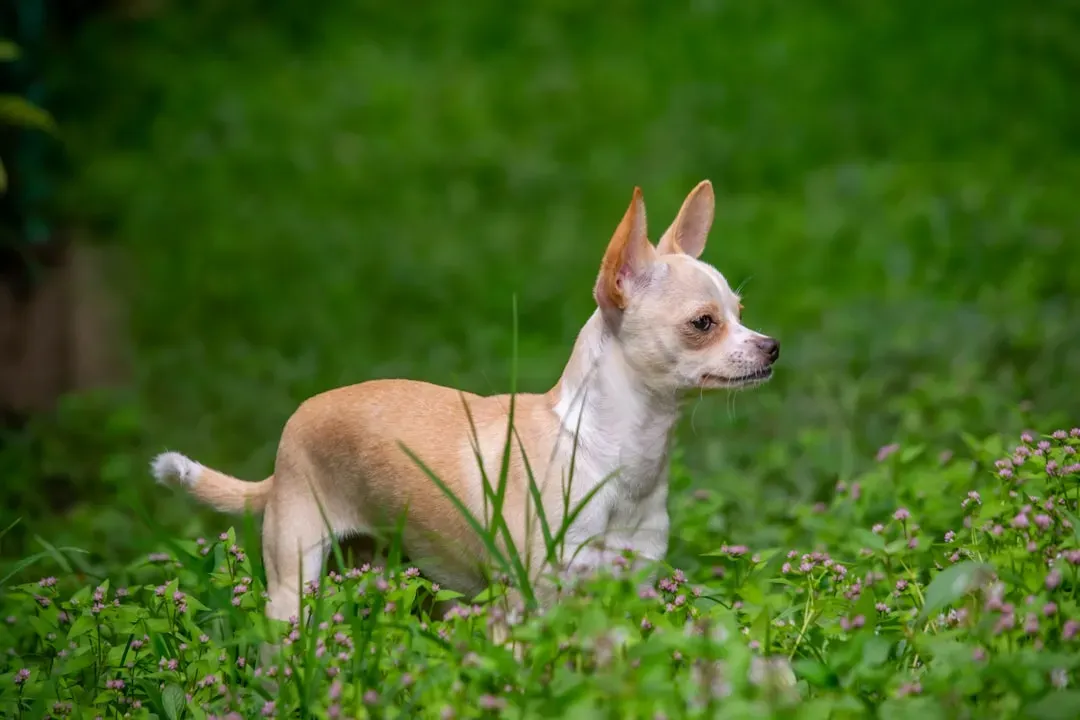
The tiny Chihuahua may have a big personality, but it certainly doesn’t have a big drooling problem. Known for their confidence and spunky attitudes, Chihuahuas are among the least drool-prone dog breeds. Their small mouths and tight lips help keep the slobber at bay, making them a great choice for owners who want a clean, low-maintenance companion.
Chihuahuas are incredibly loyal to their owners, often forming strong bonds and loving nothing more than curling up on a lap. Their small size makes them adaptable to apartment living, and their clean mouths mean you can enjoy that closeness without worrying about a damp shoulder. Dental damage, disease, or foreign bodies can all increase drooling in any dog, as can certain physical conditions. Even a naturally neat breed like the Chihuahua can develop drooling if dental disease goes unaddressed, so regular tooth brushing matters just as much for small breeds.
14. Pembroke Welsh Corgi: Short in Stature, Neat in Habit
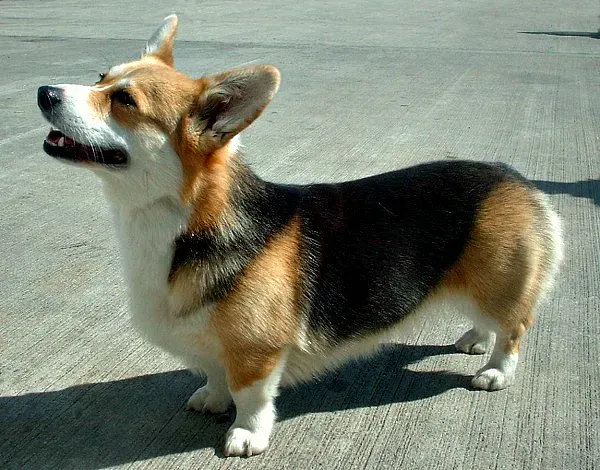
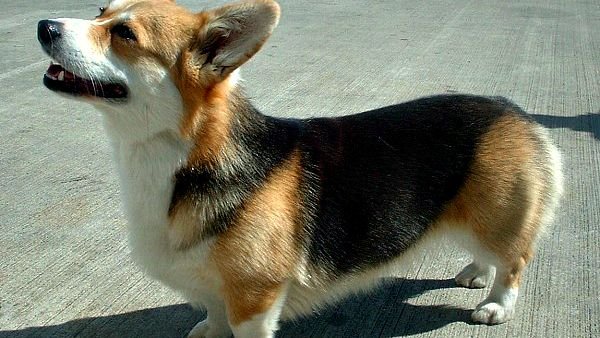
The Pembroke Welsh Corgi may be a heavy shedder, but drooling is rarely an issue with this energetic breed. Despite their short stature, Corgis boast a big-dog attitude due to their origins as cattle herders in Wales. What they lack in leg length they more than make up for in personality, agility, and surprisingly tidy mouths.
While Corgis are known for heavy shedding, they rarely drool. Their tight lips keep slobber under control, which makes life with them tidier than with many other breeds. You may find yourself brushing fur often, but you won’t be wiping drool off your clothes or furniture. Corgis are quite intelligent and independent thinkers, and they prove to be loyal watchdogs with a big bark. They are a wonderful compromise for someone who wants an active, alert family dog without the wet furniture.
A Final Note: When Drooling Becomes a Warning Sign
Knowing your dog’s normal drooling baseline is one of the most underrated aspects of responsible pet ownership. While some breeds are naturally more prone to drooling due to their anatomical features, excessive drooling or hypersalivation can be indicative of underlying health issues that require attention. If your dog exhibits signs of excessive drooling accompanied by other concerning symptoms like lethargy, mouth pain, or loss of appetite, it’s crucial to consult a veterinarian.
Serious excessive drooling often comes with other concerning symptoms. Watch for trouble swallowing, pawing at the mouth, bad breath, bleeding from the mouth, or visible swelling. These are signals, not quirks. Being vigilant about your pup’s oral health may also be a good way to help prevent dental problems that can lead to drooling.
Whether your dog is a slobbery Saint Bernard or a pristine Poodle, the key to being a great dog owner is the same: know what’s normal for your individual dog, maintain their oral and physical health consistently, and act quickly when something seems off. A drool towel by the water bowl and a dental check every six months costs very little – but the peace of mind, and the health of your dog, is worth everything.


