
You reach down to pick up a sock from the floor, and your dog freezes. Then comes the low growl, the hard stare, the stiffened body. You didn’t see it coming, but your dog absolutely did. That moment is called resource guarding, and it rattles even the most seasoned dog owners.
Resource guarding, also known as possessive aggression, is an instinct that dogs have to protect something valuable to them, and it helped ancient wild dogs survive. The behavior itself isn’t a character flaw or a sign that your dog is “bad.” People don’t like to hear that resource guarding in dogs is completely natural. They also don’t understand they may be responsible for making it worse. Understanding which breeds carry a stronger predisposition, and which ones are naturally more relaxed about sharing, gives you a real head start in building a peaceful, safe home.
The Rottweiler: Loyal Guardian Who Doesn’t Easily Let Go
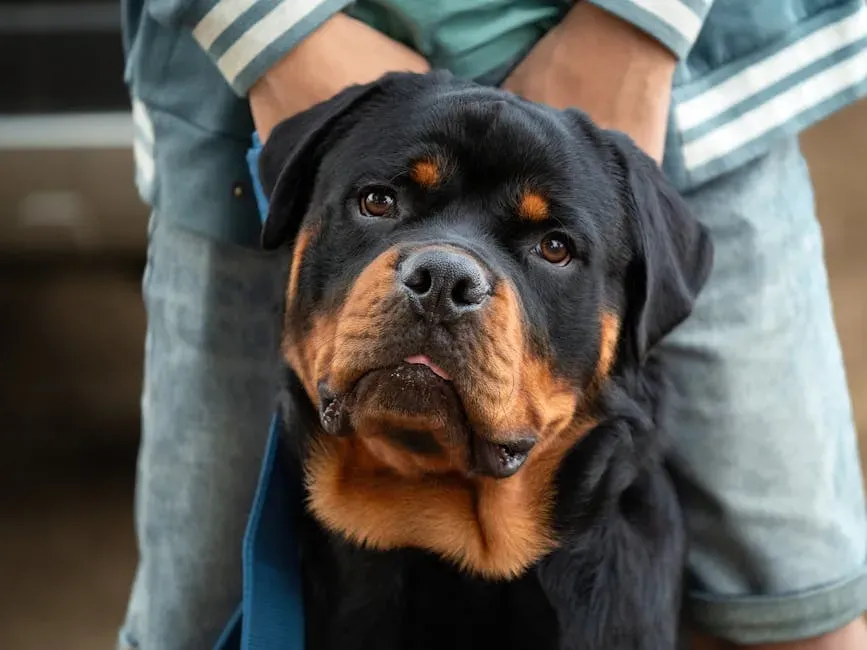
Rottweilers are large, powerful dogs that have a reputation for being fiercely loyal and protective of their families. However, this protective nature can sometimes lead to resource guarding, where they become possessive or defensive of their food, toys, or other possessions. This isn’t random aggression. It’s deeply wired into who they are as a breed.
Breeds that are bred to guard livestock or property are selected for certain guarding traits which can unintentionally generalize to resource guarding, and the Rottweiler is specifically listed among them. Watch for body stiffening, a hard direct stare, or a low rumble when you approach their bowl or a prized chew. Desensitization and counter-conditioning are powerful techniques to help your Rottweiler overcome resource guarding. Desensitization involves gradually exposing your dog to the triggering situations, starting with low-intensity encounters and gradually increasing the intensity. Counter-conditioning involves teaching your dog to associate the presence of the trigger with positive experiences. Early, consistent socialization is the single most important prevention tool with this breed.
The Cocker Spaniel: A Sweetheart With a Possessive Streak

Cocker Spaniels are usually listed as one of the breeds most prone to resource guarding. It’s a surprise to many owners, given how soft and affectionate the breed looks and generally behaves. The guarding can show up in unexpected ways too.
One real-world case involved a three-year-old male Cocker Spaniel who guarded napkins that fell on the floor, along with remotes, socks, and laundry. He also resource guarded his owners, making it impossible for them to kiss, hug, or even sit next to each other on the couch without aggressive reactions. That level of possessiveness is extreme, but it illustrates the range the behavior can take. Positive reinforcement works well here. Reward your Cocker Spaniel when they exhibit non-guarding behavior, and teach the trade-up method so your dog learns that giving up a valued item doesn’t mean they lose it forever, by offering a higher-value item in exchange.
The Chihuahua: Small Dog, Surprisingly Big Guarding Energy
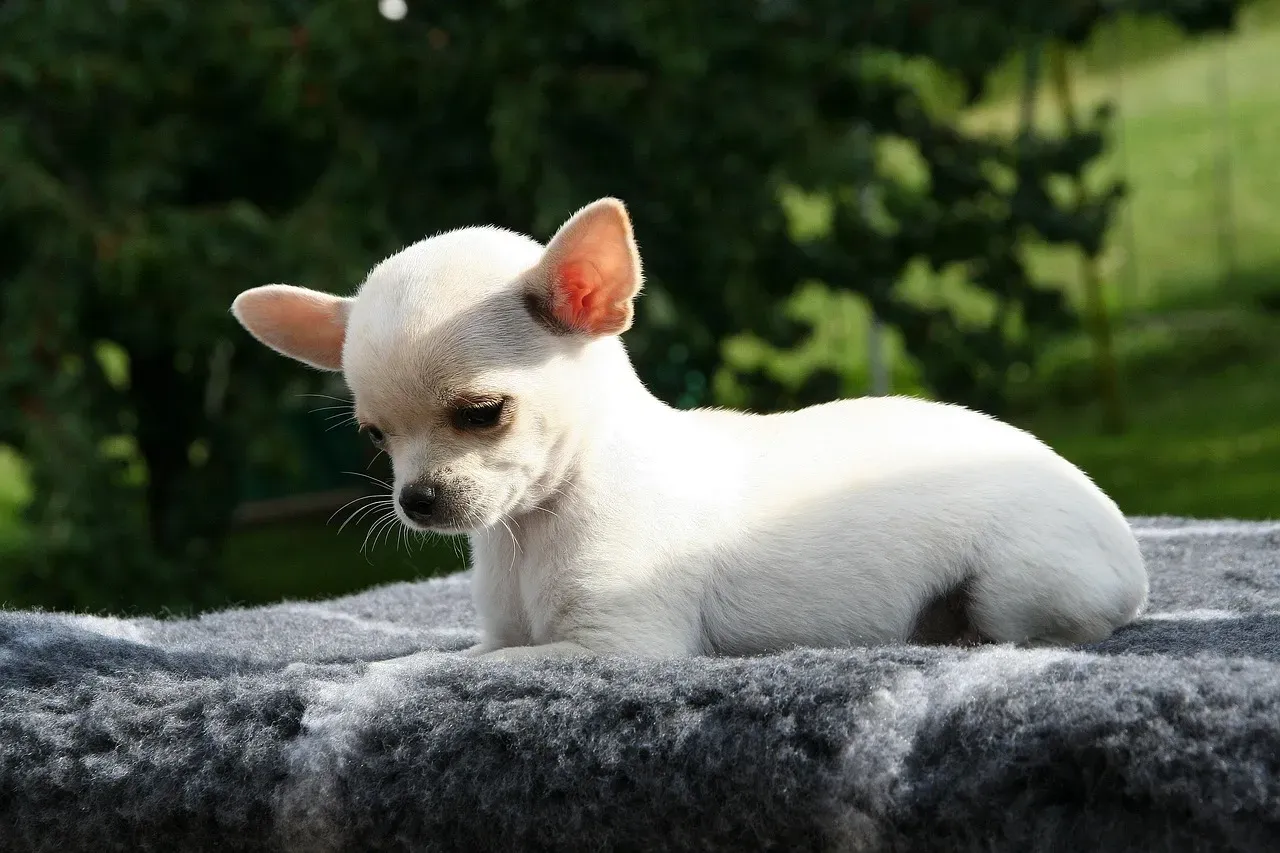
Certain breeds of lap dogs are prone to resource guarding given the personality traits selected to happily sit on laps, and the Chihuahua is specifically named among them. Their size makes people dismiss the behavior, which is actually part of why it often escalates without intervention.
Resource guarding can look remarkably different across individual dogs, from a twelve-year-old Chihuahua who growls whenever they have an item but would never result in biting, to a mixed breed who attacks its owner over something as unexpected as ice. Don’t let the small stature fool you into tolerating the growling. Never punish a dog for resource guarding. It can increase their anxiety around an item and intensify the guarding behavior or make it happen more frequently. Instead, use calm, reward-based redirection every single time.
The German Shepherd: Intelligence That Cuts Both Ways
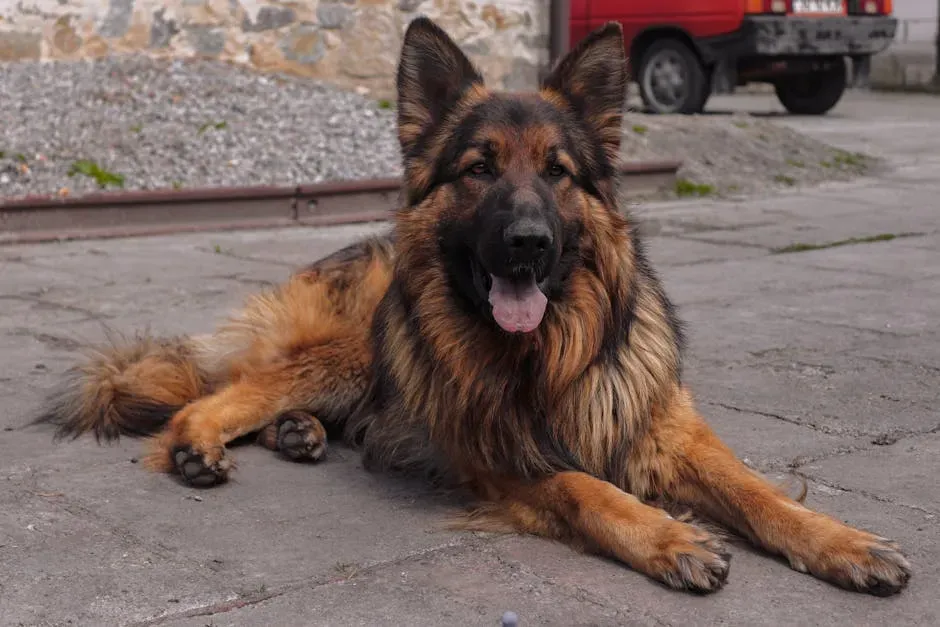
German Shepherds are among the breeds identified as more prone to resource guarding behaviors due to genetics. They are working dogs at heart, bred to protect, patrol, and control access to spaces and assets. That instinct doesn’t fully switch off at home.
German Shepherds are among the breeds historically used for guarding, which contributes to their predisposition toward this behavior. The good news is their intelligence makes them highly trainable. Some dogs develop resource guarding after reaching adulthood and become unusually protective about their food, toys, and beds. Before training these dogs, it’s a good idea to take them to the vet, as a change in behavior or a sign of aggressive behavior may indicate the presence of an underlying medical issue. If your German Shepherd’s guarding seems to come out of nowhere, rule out a health concern before focusing purely on behavior modification.
The Basset Hound: Nose-Led and Food-Possessive
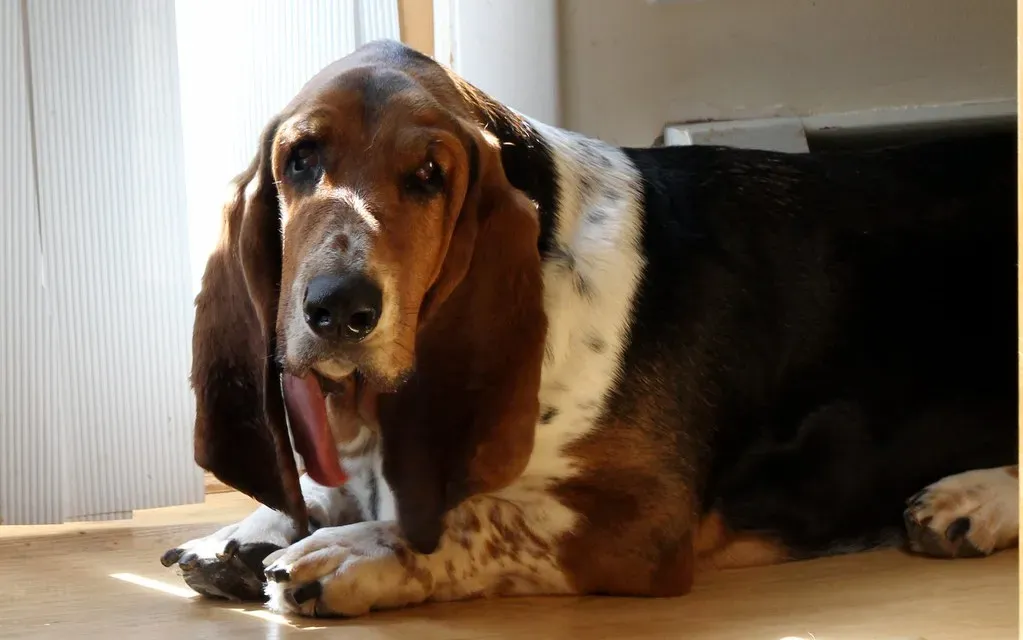
Scent hounds are also prone to resource guarding due to their strong sense of smell, and the Basset Hound is specifically included in this group. For a breed so famously laid-back, this catches a lot of owners off guard. The connection to their nose is key.
When a Basset Hound locks onto a high-value food item, their scent-driven brain essentially says: this is mine, this is extraordinary, and I am not letting go. A dog’s breed or breed mix may have predispositions for increased guarding behavior, and a history of resource scarcity in previous homes or environments may increase guarding behavior further. Feeding Basset Hounds in a calm, low-competition environment, and practicing regular “trade” exercises from puppyhood, goes a long way in keeping food guarding from taking root. Trading items is one of the most effective ways to prevent resource guarding. The key is to always trade for either the same value item or give the dog a higher value item than what they currently have.
The Cane Corso: Calm Until It Isn’t
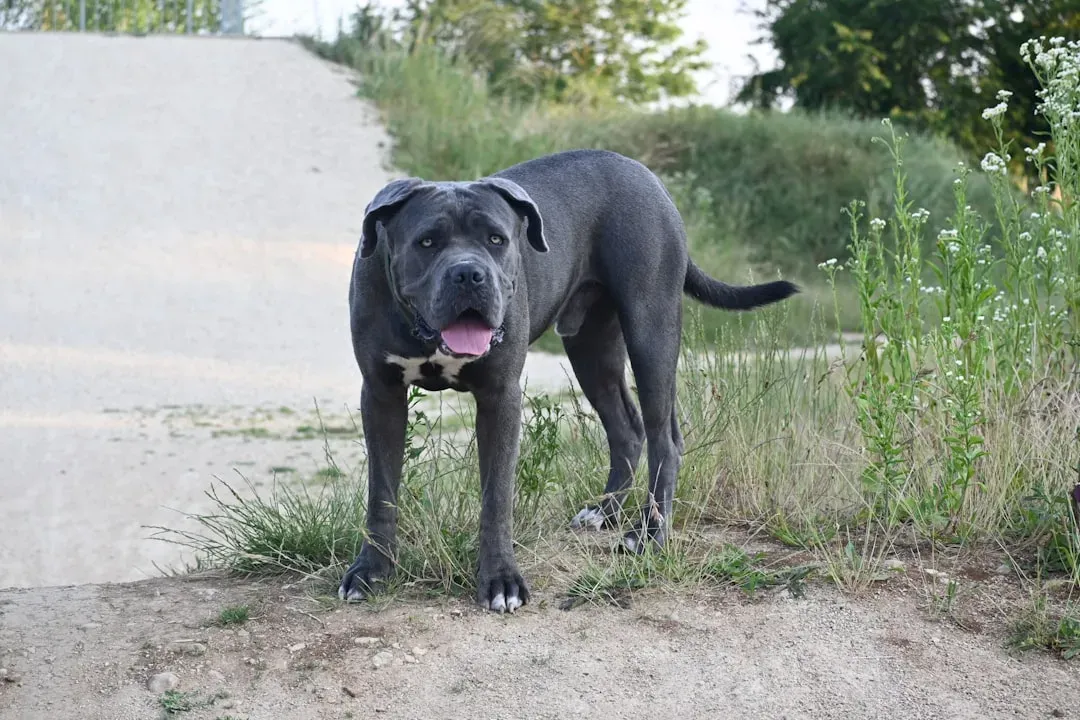
The Cane Corso is among the breeds bred to guard livestock or property, and those guarding traits can unintentionally generalize to resource guarding. In daily life they can appear beautifully calm and composed, which makes the intensity of their guarding all the more startling when it does surface.
The Cane Corso is a protective guard dog that bonds closely with its family. Training is key, but once the dog is well-trained, it can deter intruders and protect other pets and people. The same principle applies to resource guarding. Structure, early training, and consistent boundaries are what keep this breed well-balanced. When resources are limited, such as when there’s only one chew but two dogs, there tends to be an increase in guarding. You may also see an increase in resource guarding when a new pet joins the home. If you have a Cane Corso in a multi-dog household, manage high-value items with care and never leave feeding situations unsupervised.
The Golden Retriever: The Dog Who Just Wants You to Have Some Too
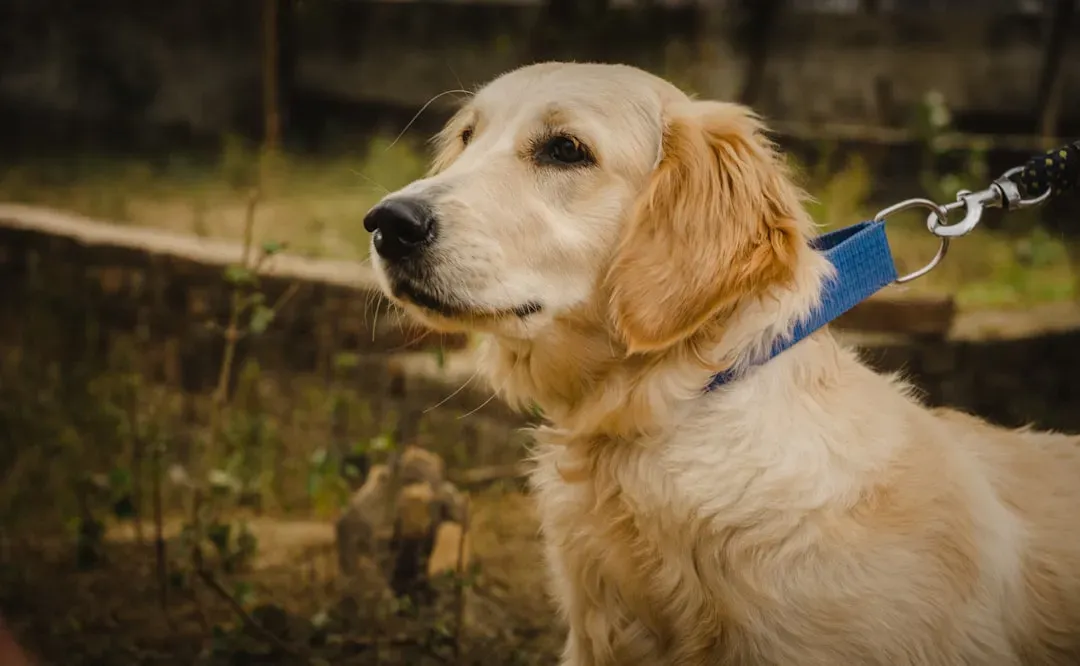
With a well-established reputation as being friendly, playful, and smart, the Golden Retriever is among the friendliest breeds to bring home and one of the least likely breeds to have owners rate their behavior as unfriendly. Their relationship to food and objects is famously generous, not guarded.
Labs, Golden Retrievers, and others are prone to being quite oral, picking items up left and right. That mouthiness is actually a retriever instinct rooted in carrying, not keeping. Golden Retrievers were bred specifically to excel at assisting their humans in the hunting field but also to be gentle and loyal in the home. While they can be somewhat goofy, Golden Retrievers are very intelligent dogs and are in fact the number one breed of service dogs to assist the blind, deaf, and disabled. Their eagerness to cooperate with people makes them a natural fit for households with children or multiple pets.
The Labrador Retriever: The World’s Most Enthusiastic Sharer
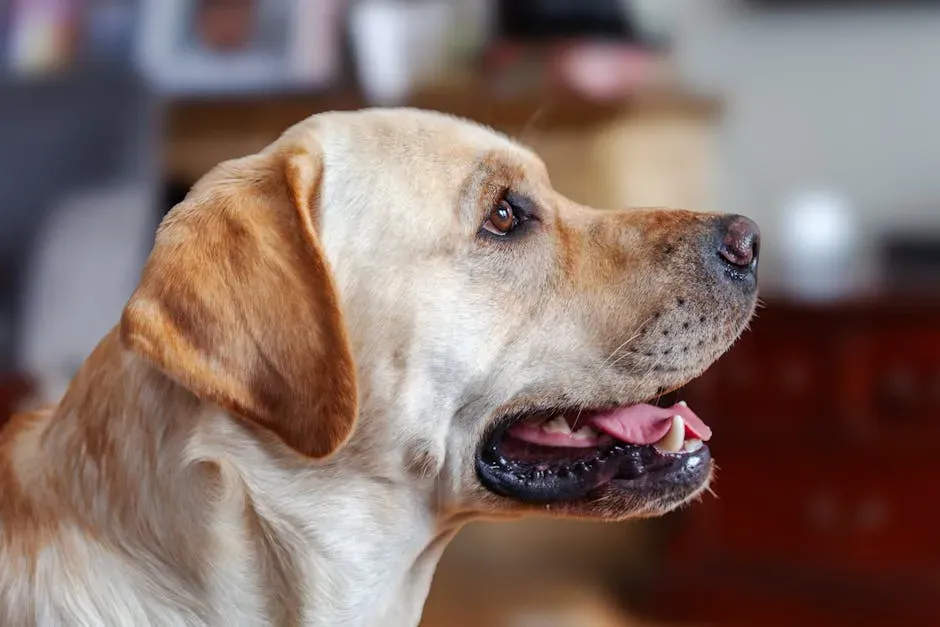
There is a reason the lovable Labrador Retriever was the AKC’s most popular dog breed in America for nine years: they love everyone and have a happy personality. That warmth extends to their attitude around resources. Labs are far more likely to bring you their favorite toy in greeting than growl at you for approaching it.
Labrador Retrievers are well-regarded for their obedience, loyalty, and sweet disposition, and they are fast learners, so they make the best assistance, search, and rescue dogs. Their trainability also means that if a Lab does show any mild guarding tendencies, they respond quickly and well to positive reinforcement training. Training is the first line of defense against resource guarding. Teaching your dog a “leave it” or “drop it” command, especially early on as a puppy, can be invaluable later on. Use positive reinforcement to help them understand that “trading up” will get them something even better than what they are protecting.
The Cavalier King Charles Spaniel: Bred to Give, Not to Guard
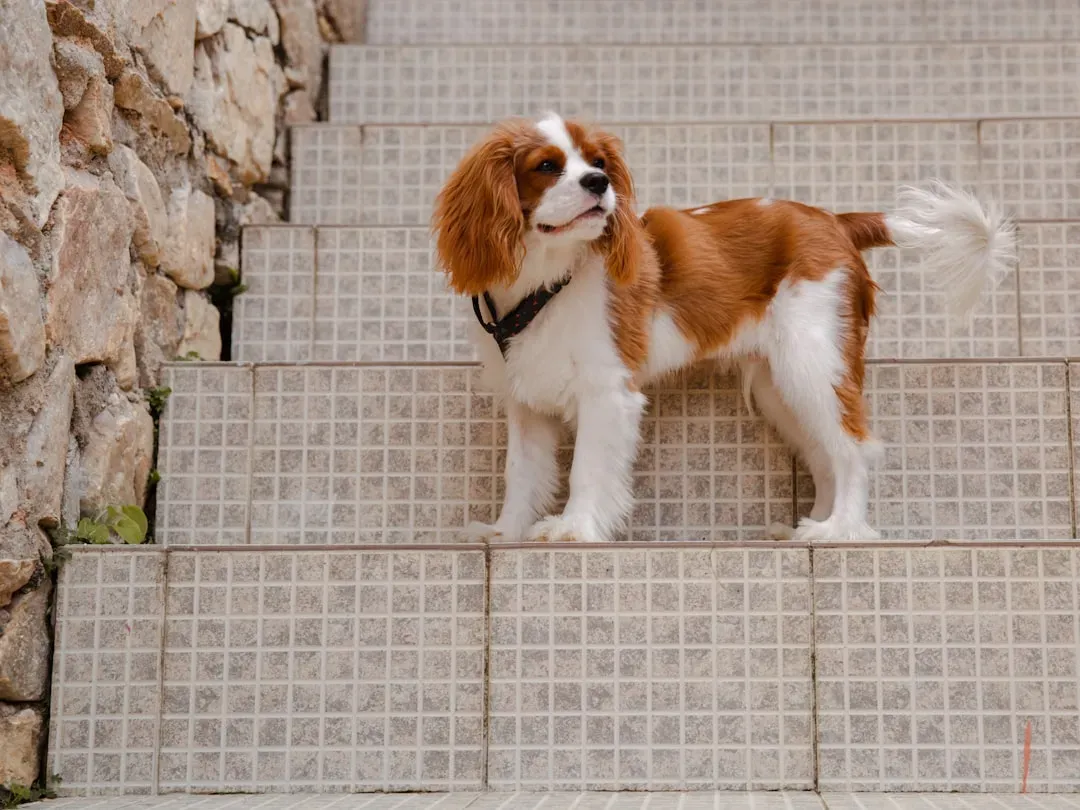
Because of their adaptable, easy-to-train nature and sweet disposition, the Cavalier King Charles Spaniel has gained the favor of many royals over the centuries. For over a century, they were the favorite breed of the English monarchy. As you can imagine, they love to be pampered. Their whole genetic purpose has been companionship, not competition.
For hundreds of years, the Cavalier King Charles Spaniel has been bred as a companion dog, and the breed is an affectionate people-pleaser. They are fundamentally oriented toward closeness with humans rather than control of things. The Cavalier King Charles Spaniel is a renowned breed known for being affectionate and gentle. That said, no dog is completely immune to situational guarding. Good habits around feeding and toys still matter, even with the most naturally relaxed breeds.
The Bernese Mountain Dog: Gentle Giant, Open-Pawed
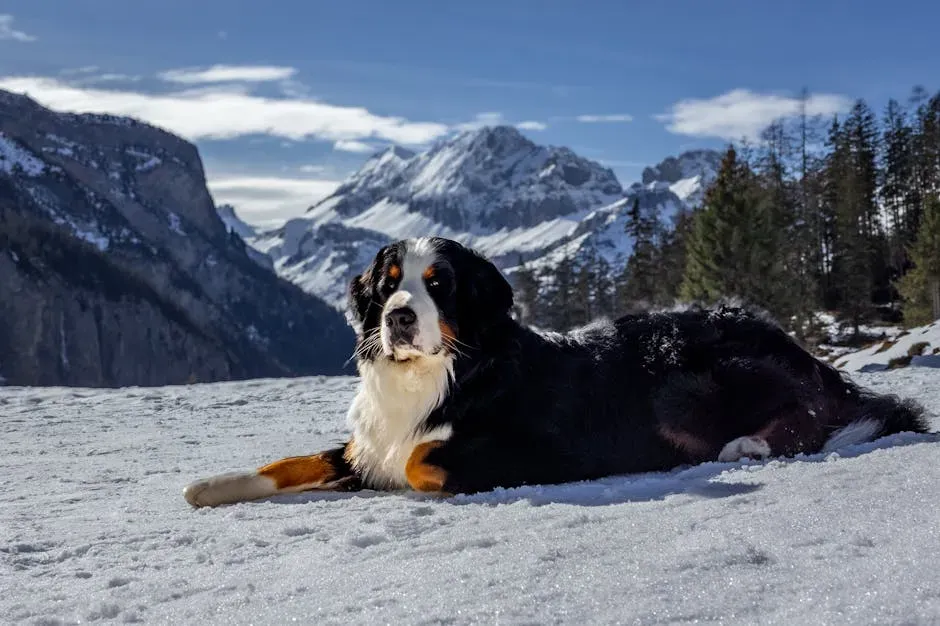
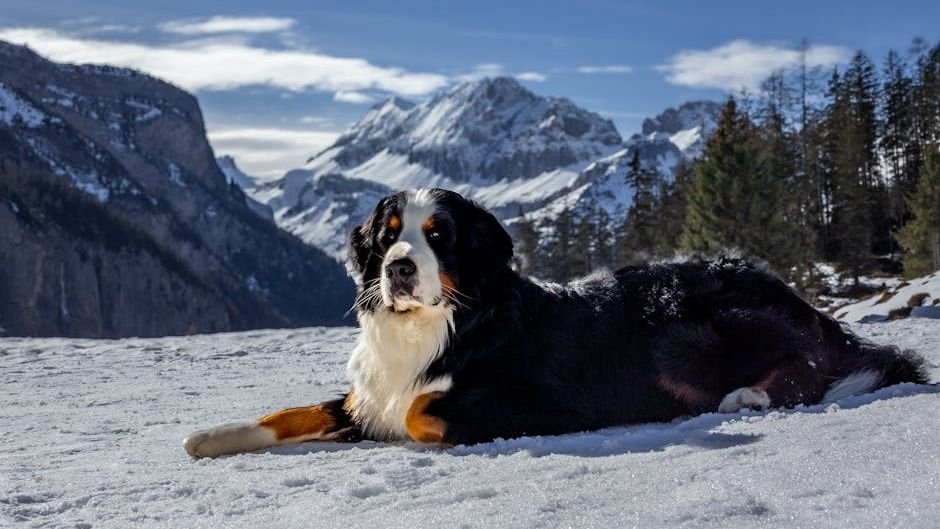
Despite their gigantic size, Bernese Mountain Dogs are very amiable, calm, and friendly with strangers. These dogs were originally bred in Switzerland to herd cattle, and they are known for being easily trained. Bernese Mountain Dogs are very sweet and loyal, especially with kids, and they make excellent watchdogs. They are generally very tolerant, and it’s relatively hard to make them lose their composure.
Bernese Mountain Dogs rank as the least likely dog breed to be defensive and rarely warm up to newcomers, with only a very small percentage of owners describing their dog as defensive. In practice, this relaxed temperament tends to carry over into how they interact with food and toys. Bernese Mountain Dogs have a calm, good-natured temperament and also have a guardian-like instinct to protect their family. While not as intense as other protection dogs, they make a great family dog and can serve as a gentle deterrent. Their capacity to feel secure in the home is naturally high, and a secure dog rarely feels the need to guard.
The Labrador and Beagle Mix (Beagador): The Social Eater

Often described as “happy-go-lucky,” Beagles are extremely easygoing, curious, and friendly. Bred as hunting dogs, Beagles are used to running in packs, which likely contributes to their friendly nature. They also enjoy people and don’t mind when company comes over to visit. When a Beagle’s friendly pack instinct combines with a Labrador’s generous nature, the result is typically a dog that eats communally without drama.
That said, it’s worth noting that purebred Beagles on their own carry some resource guarding risk due to their scent hound background. It’s best to supervise children when they play with Beagles, since they generally don’t like sharing their toys. The Labrador influence in mixed-breed dogs tends to soften that edge considerably. Dogs who feel bored or frustrated are more likely to engage in resource guarding. Exercise, mental stimulation, play, and attention can all help ease your pup’s anxiety and keep excess energy to a minimum. Try mental enrichment activities like puzzle toys and make sure you take your pup on plenty of walks.
The Collie: Sharing Is Part of the Job Description
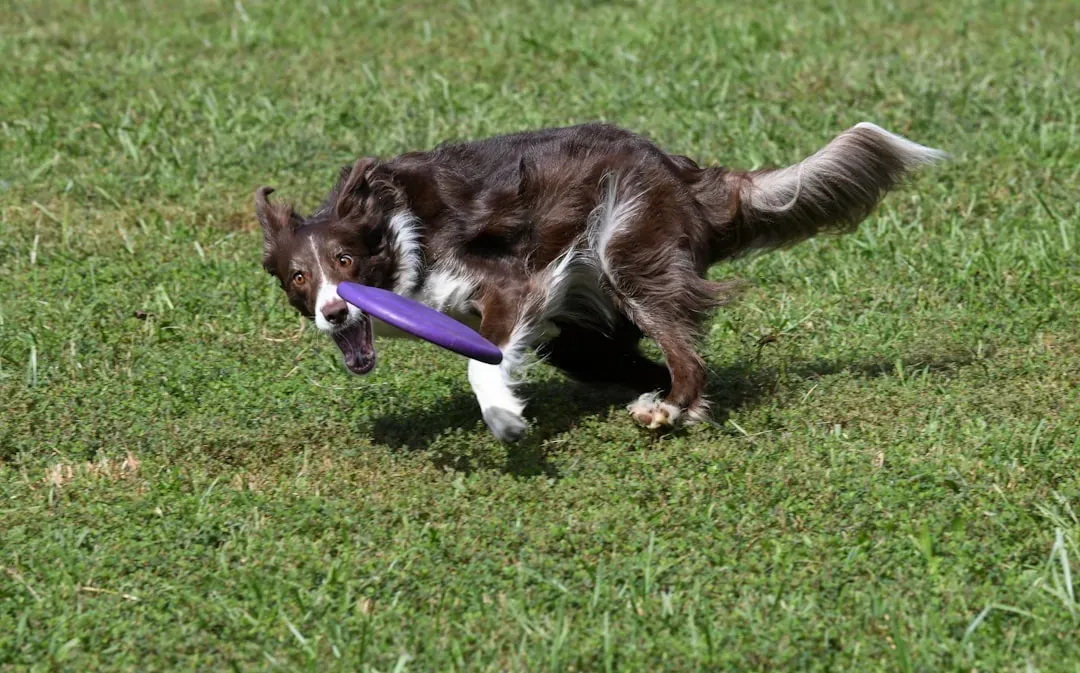
Just like the famed Lassie of the silver screen, Collies are well-known for their sociable and loyal personalities. As one of the best dog breeds for kids, Collies are athletic herding dogs who are intelligent, easy to train, and love to play. Their herding instinct is about inclusion, not exclusion. They move others together rather than blocking access.
Collies are famous for being very protective and getting along well with kids and other pets. That cooperative social nature tends to translate into low possessiveness around toys and food in well-socialized individuals. Dogs with limited socialization may feel threatened by unfamiliar people, animals, and situations, so early exposure remains important even for naturally easy breeds. A Collie raised with consistent socialization and positive reinforcement is one of the most harmonious dogs you can share a home with.
Understanding the Full Picture
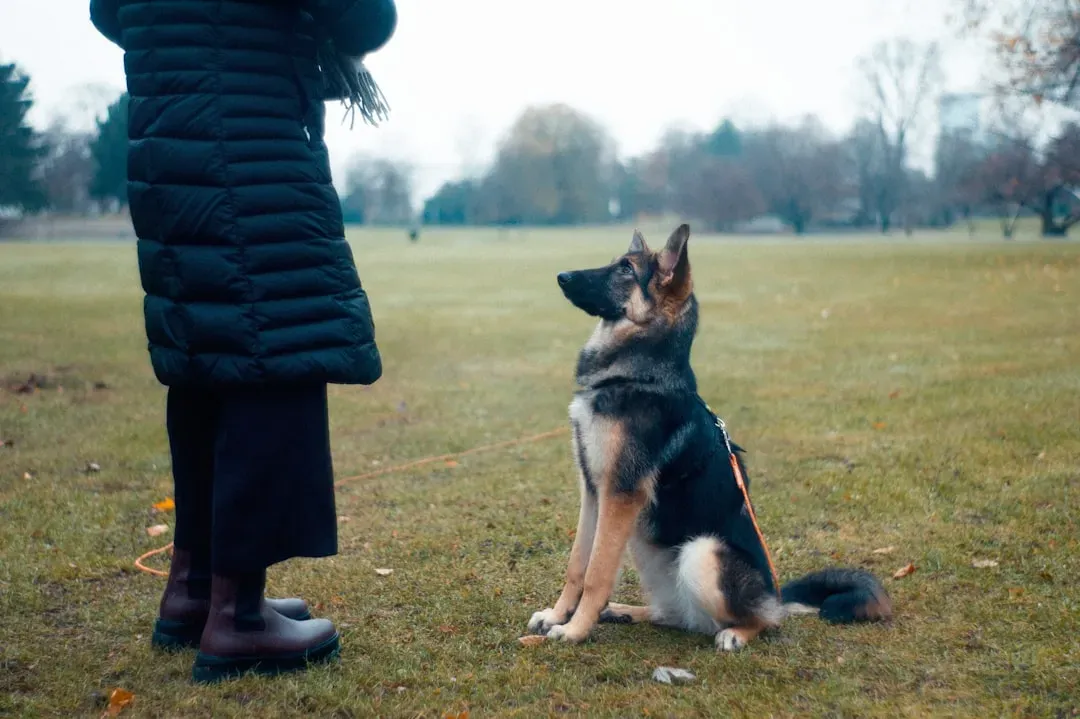
Breed tendencies are a starting point, not a sentence. Just because a breed might be prone to resource guarding does not mean an individual dog will resource guard. Breed is best considered a potential risk factor, but not a cause. The environment you create, the training you invest in, and the habits you build around feeding and play all matter enormously.
The intensity with which a dog guards their food, items, or space can be affected by other contributing factors such as genetics and history of resource scarcity in previous homes or environments. A Rottweiler raised thoughtfully with consistent “trade” exercises from puppyhood may outshine a Golden Retriever that was inadvertently rewarded for possessive behavior. You won’t be able to fix resource guarding overnight. It’s best if you can start early as a puppy through training, but patience and consistency can fix the problem in older dogs. If it doesn’t seem to be working, or if your dog’s level of aggression is intense, call in professional help to make your home more harmonious.
Every dog deserves the chance to feel safe without having to guard anything. When they trust that their resources are secure and that sharing never means losing, most of the growling tends to go quiet on its own.


