
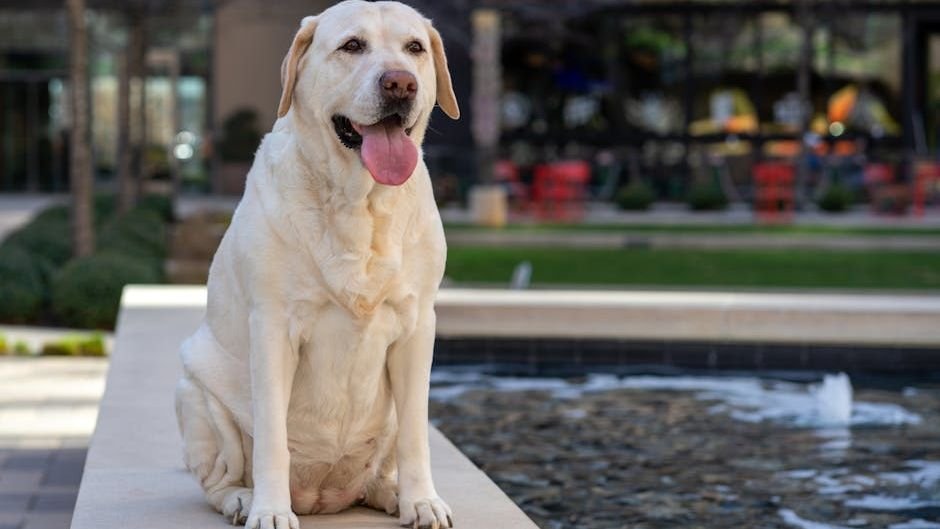
There’s a quiet kind of joy that comes from having a dog greet you at the door every single day. No judgment, no attitude, just pure and unconditional enthusiasm. For people over 60, that daily connection can mean more than most people realize. Dogs decrease feelings of loneliness, keeping us company at home and helping us meet new people when we step outside, and in one study of adults 60 and older, pet owners were significantly less likely to consider themselves lonely than non-pet owners.
Dog ownership can also reduce stress levels and blood pressure, lower the risk of heart disease related death, and help owners stick to a healthy daily routine. The challenge, of course, is choosing the right dog. Size matters, but so does temperament, energy, grooming demands, and how well a breed’s personality fits your lifestyle. Many people assume that large dogs are automatically too much to handle after 60. That assumption deserves a second look.
1. Golden Retriever: The Timeless Companion
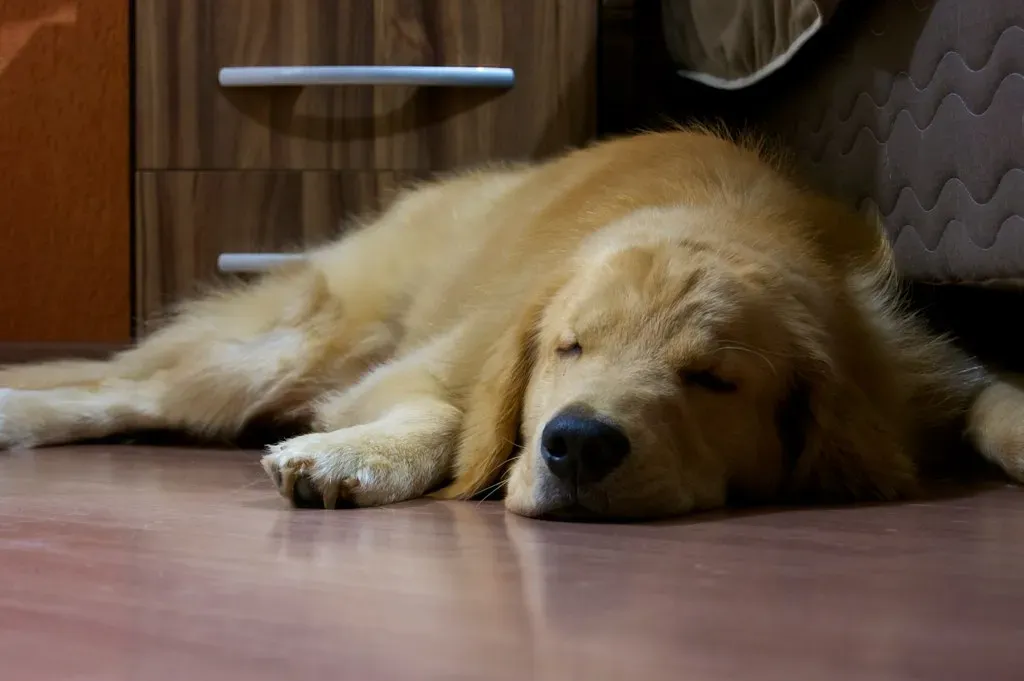
Golden Retrievers are widely regarded as excellent choices for seniors, known for their friendly, patient attitude and intelligence, with their gentle temperament and kind nature extending warmly to all humans. If you’re looking for a calm, affectionate companion who enjoys moderate activity and loves human interaction, a Golden Retriever may be the perfect match.
Goldens thrive in homes where they’re included as family members and given the opportunity to engage physically and mentally. They have a moderate amount of energy even in their later years, enjoying activities such as long walks, retrieving, and swimming, though they love to be with their owners and settle into calm behavior when they’ve had enough exercise. Watch for signs of hip stiffness as they age, since joint issues are common in this breed. Regular vet checkups and keeping their weight in a healthy range go a long way.
2. Labrador Retriever: Loyal, Eager, and Endlessly Warm
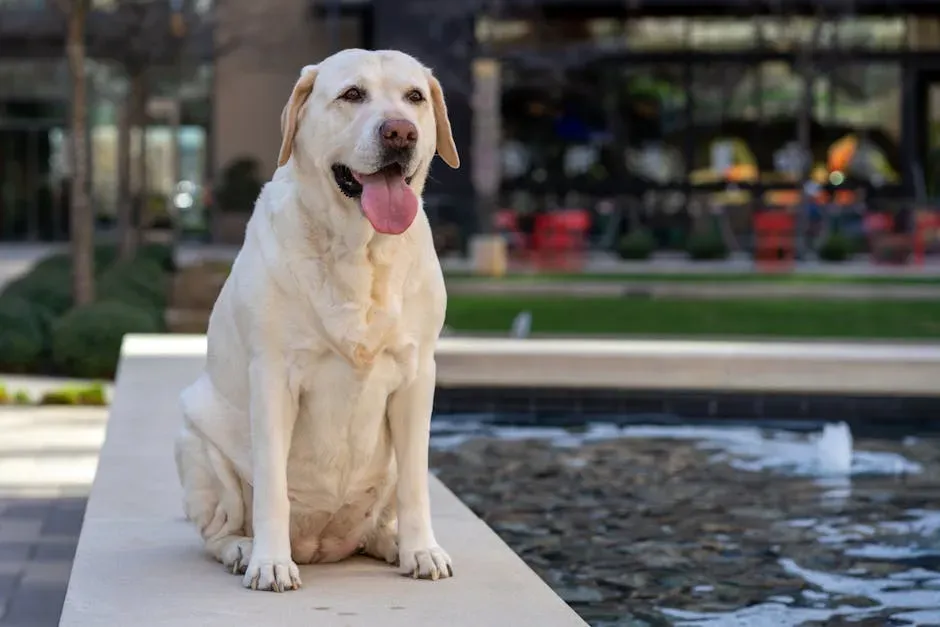
For people above 60 who want a reason to stay active, Labradors are a great match. Their loving and loyal personalities encourage daily walks and outdoor play, and although larger, they are gentle and family-oriented. Labs are one of the most consistently recommended breeds for people looking for a dependable large dog, and their eagerness to please makes training relatively straightforward even for first-time dog owners.
Labs are highly trainable, making them great companions for active seniors who enjoy outdoor activities. While Labradors have higher energy levels compared to some other breeds, they are also incredibly adaptable and can settle down nicely after their exercise needs are met. Regular brushing is necessary to manage their shedding, but their devoted, eager-to-please personality makes them worth the effort. Labs are also known for being good with grandchildren and other pets.
3. Greyhound: The Gentle Speedster Who Loves the Sofa
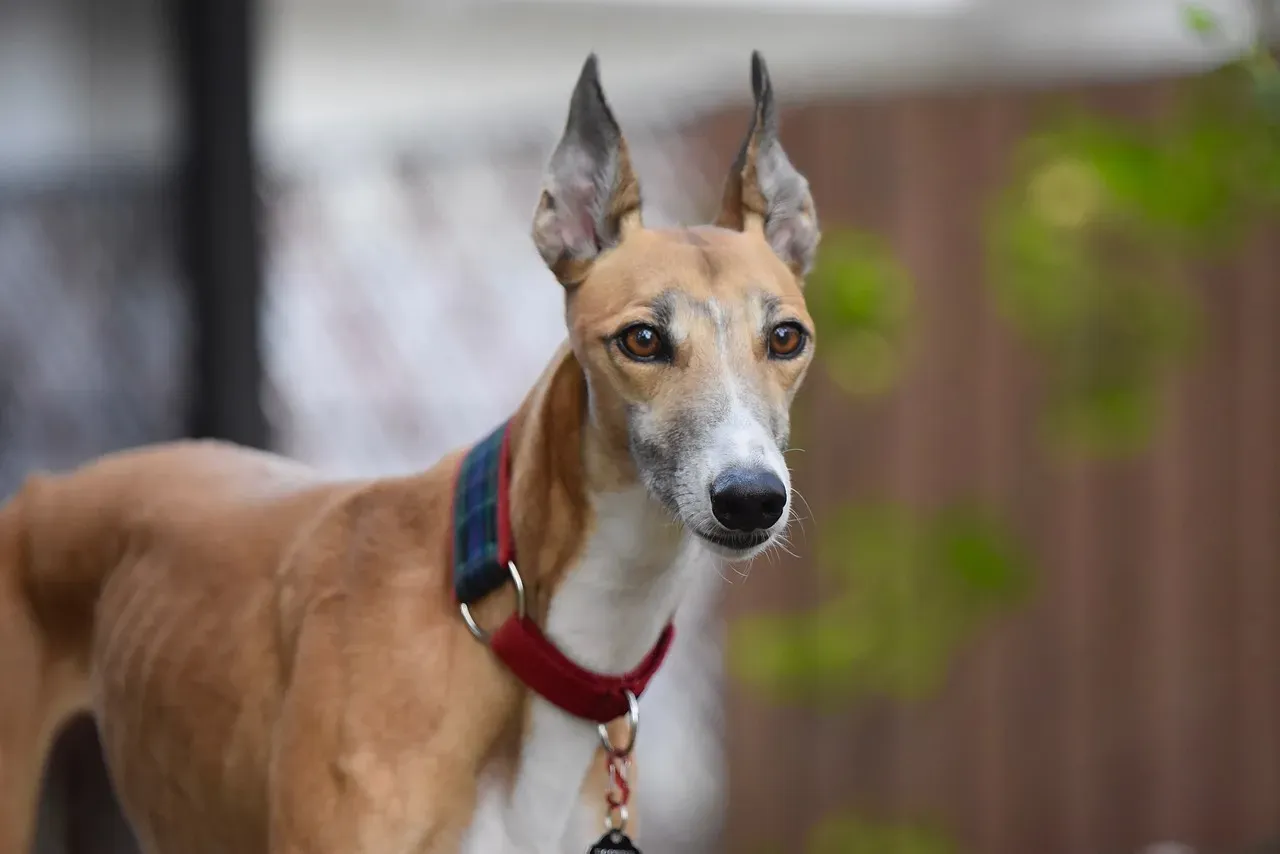
With their lean bodies, flexible spines, and long legs, Greyhounds are known for their athletic ability and for being the fastest dog breed. What is not as well-known is that their gentle and sensitive temperament and minimal grooming needs make them one of the best dogs for seniors. Their personality genuinely surprises most people. You’d expect an animal bred to sprint to be bouncing off the walls indoors. The opposite is true.
Greyhounds are among the most low-maintenance large breeds, and are known as “couch potatoes” who enjoy lounging indoors but appreciate a daily walk. Their calm nature makes them wonderful for retirees seeking a peaceful companion. Weighing anywhere from 60 to 75 pounds, these gentle giants are content to lounge around the house, accepting pets and back rubs. Older, retired racing Greyhounds are particularly worth considering, since they tend to be calmer and deeply appreciative of a loving home.
4. Bernese Mountain Dog: The Gentle Giant With a Steady Heart
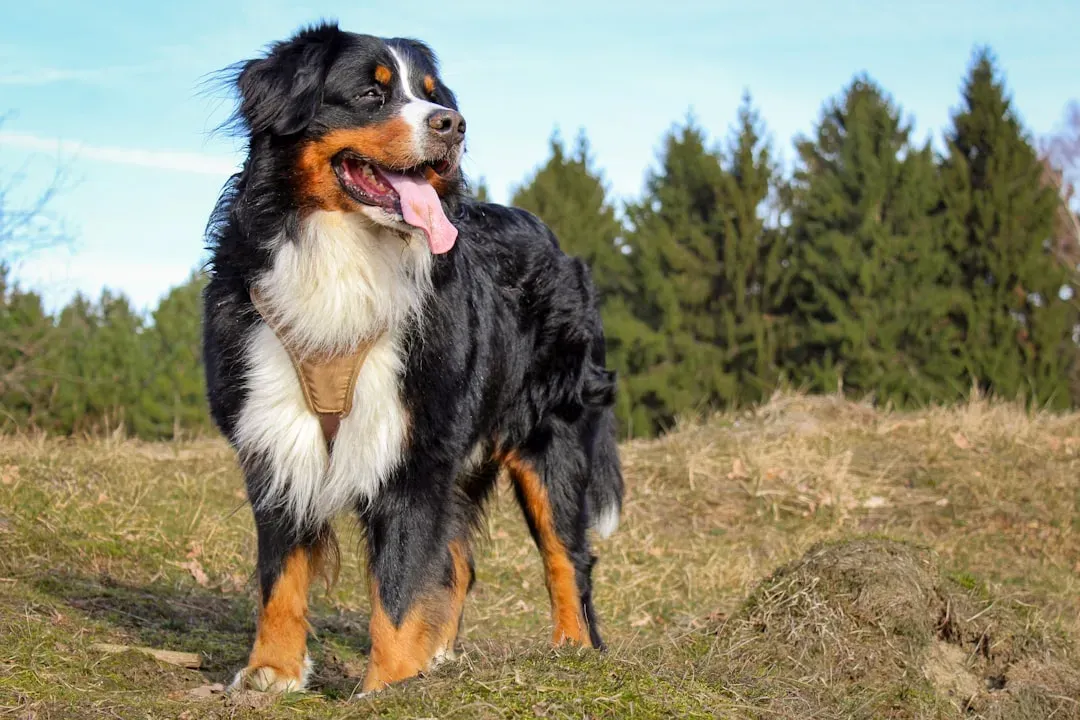
Despite their imposing stature, Bernese Mountain Dogs are the epitome of gentleness and affection, with their calm and easy-going nature making them ideal companions for families, as they thrive on interaction and are happiest when involved in family activities, be it a leisurely stroll through the neighborhood, a spirited game of fetch in the backyard, or simply relaxing at home with their loved ones.
Bernese Mountain Dogs are well-suited for homes with larger living areas or yards where they can move around comfortably. While they do need regular exercise, their energy levels are moderate compared to some other large breeds. Daily walks and some playtime are usually enough to keep them happy and healthy. Because of their long, thick coat, Bernese Mountain Dogs may need occasional professional grooming. Health-wise, Berners can be prone to hip dysplasia, cancer, and bloat, so scheduling consistent vet appointments and being proactive about preventive care is essential with this breed.
5. Standard Poodle: Brainy, Beautiful, and Surprisingly Easy
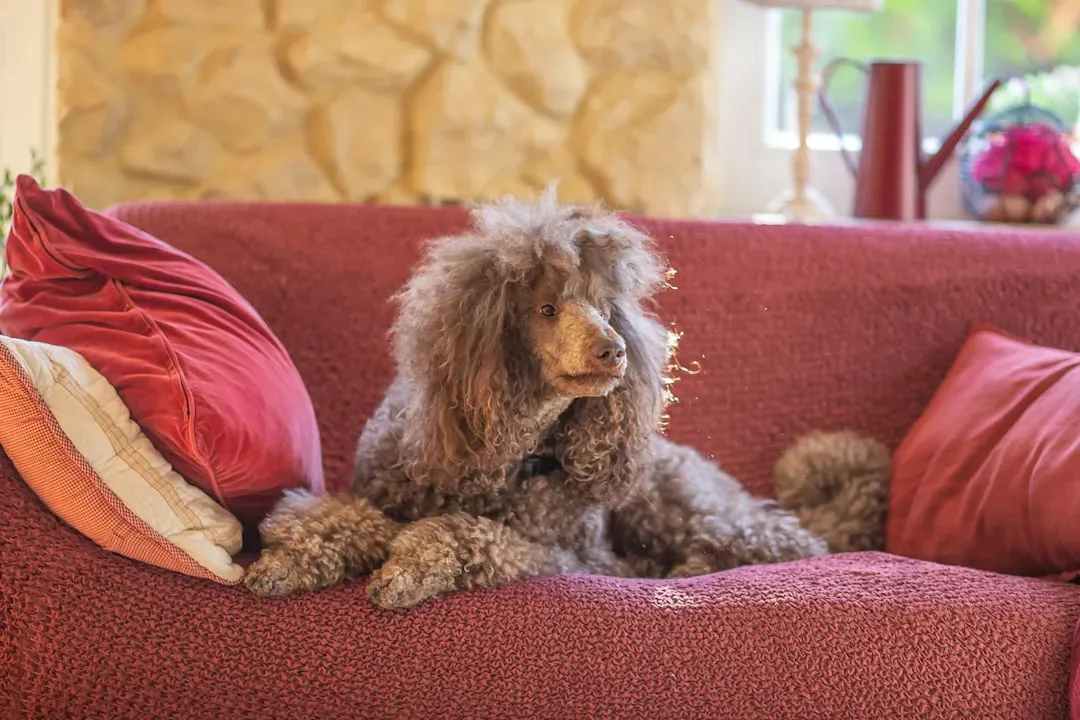
For pet parents seeking an easy-to-train dog, the highly intelligent Poodle is one of the best dogs for older people. Poodles must receive ample exercise so they can release excess energy and maintain their well-mannered demeanor. This breed comes in three sizes, with the Standard being the largest, to meet anyone’s preference. The Standard Poodle has a regal, almost understated quality to its personality that many seniors find deeply appealing. They’re calm without being dull.
Poodles are loyal companions who form strong bonds with multiple family members, so they especially thrive with couples. They have a fun sense of humor and enjoy being pampered, and this proud and obedient breed is also one of the most clever of all dogs. Their hypoallergenic coat makes them a great choice for allergy-prone seniors. Just note that their coat does require regular professional grooming, so factoring in grooming costs as part of your care budget is wise.
6. Goldendoodle: The Allergy-Friendly Social Butterfly
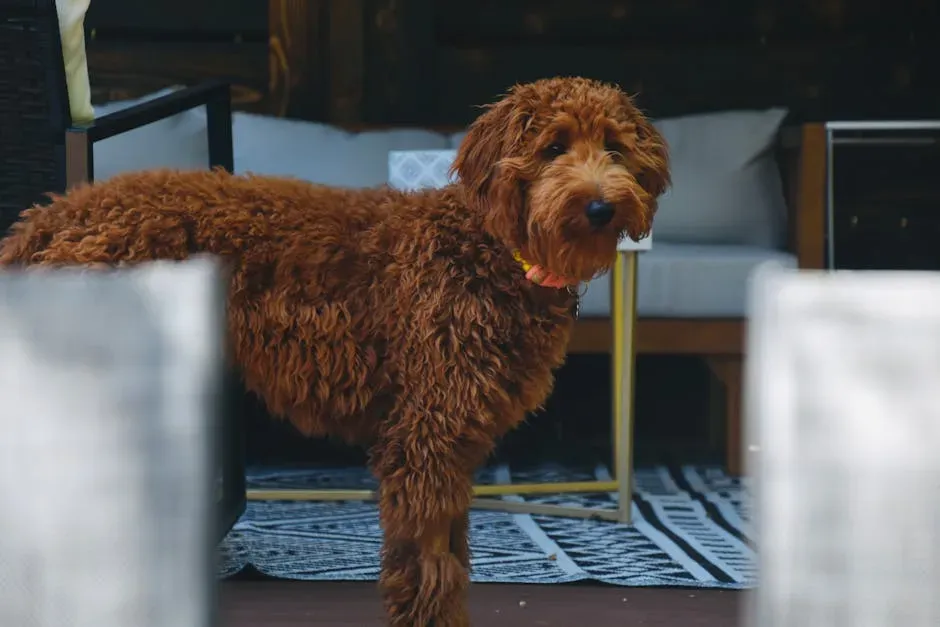
A cross between Poodles and Golden Retrievers, Goldendoodles, which can weigh anywhere from 50 to 90 pounds, are known for possessing the best traits of both breeds. They’re loyal, obedient, and loving. For seniors with allergies, or those who prefer to avoid daily vacuuming, Goldendoodles, who mostly shed minimally, make great companions. You don’t need to have been an experienced pet owner to adopt one, as their intelligence and easy-going temperament make them easy to train.
Goldendoodles can be a great match for active seniors, as they enjoy physical activities and social interaction. While they tend to have higher energy levels compared to certain breeds, they are also very adaptable and can settle down after an adequate exercise regimen. Regular maintenance is necessary to manage their curly or wavy coats, but their warm and playful nature makes them well worth the effort. Goldendoodles are also good with children and other pets, making them a versatile choice for mature adults with families.
7. Irish Wolfhound: The Calm Giant With a Soulful Presence
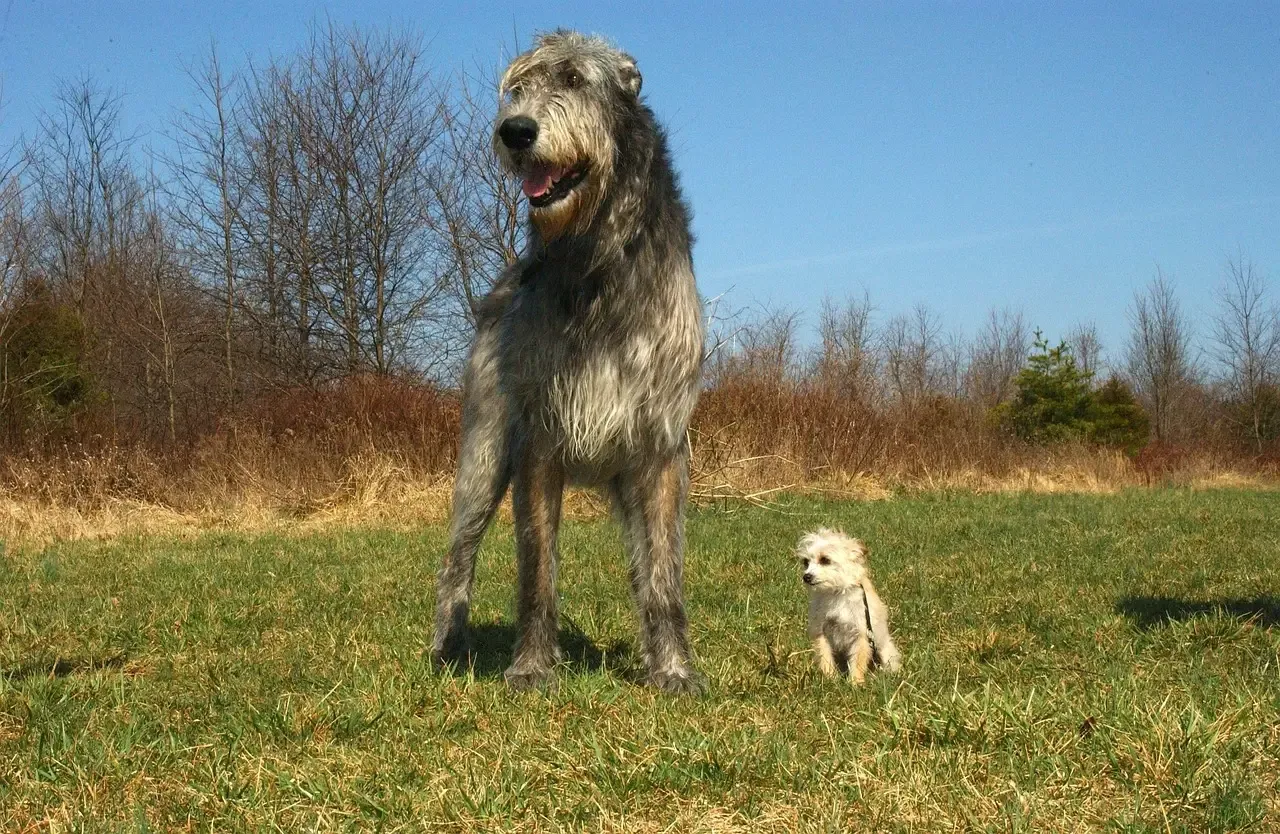
Irish Wolfhounds are among the tallest dog breeds in the world, yet they carry themselves with quiet dignity and a surprisingly gentle temperament. They are not high-strung or reactive. Their disposition is calm, thoughtful, and deeply affectionate toward those they love. For a senior who values presence over performance in a dog, few breeds deliver that sense of steady, grounded companionship quite like an Irish Wolfhound.
They need moderate daily walks but are far from hyperactive indoors. Because of their size, leash training early is important, since a startled Wolfhound pulling hard on a lead can be challenging for anyone. Their lifespan is shorter than many breeds, typically around six to eight years, which is worth considering honestly before committing. It’s wise to think about the life expectancy of different dogs and who will care for your dog if they outlive you, and the reverse question applies here too.
8. Great Dane: Surprisingly Laid-Back and Deeply Devoted
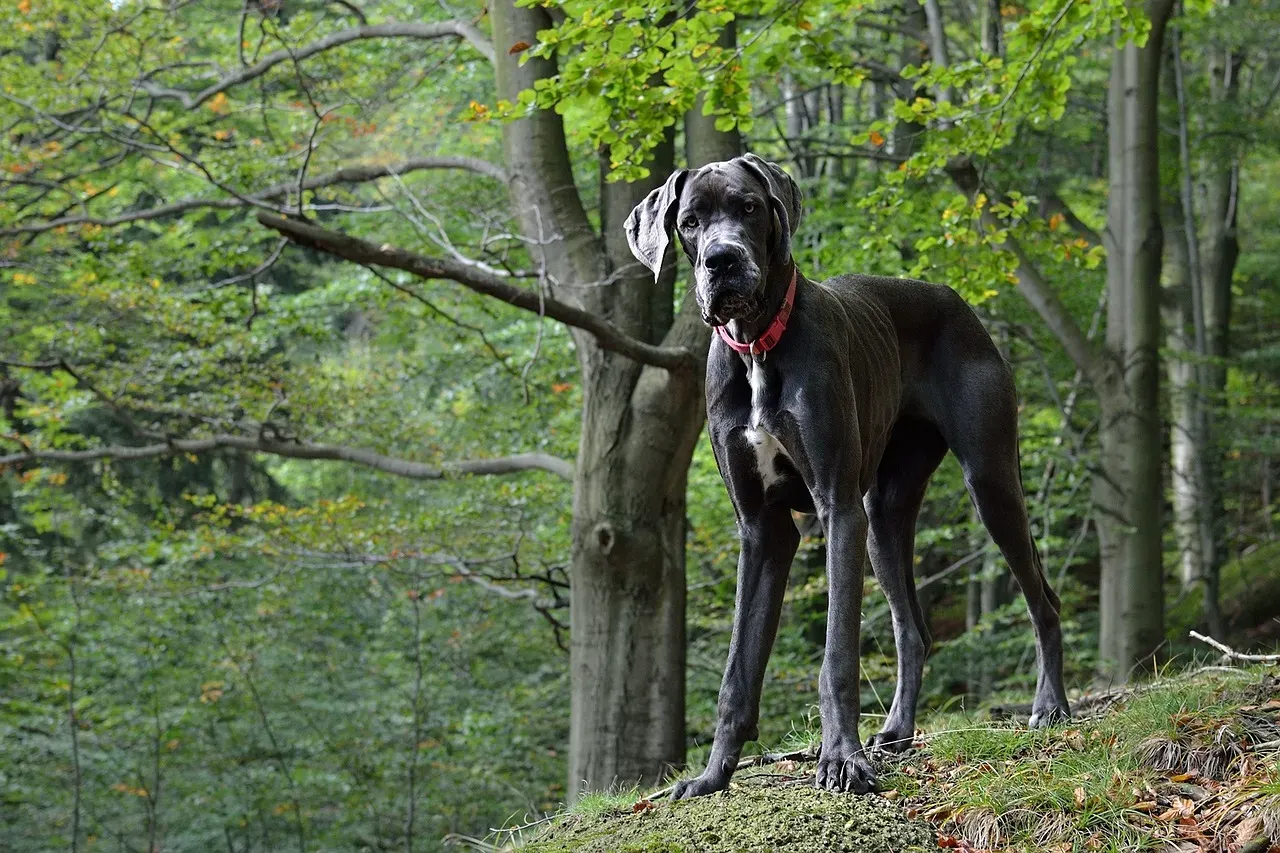
Great Danes have a reputation that doesn’t quite match reality. Yes, they’re enormous. Their sheer size can be intimidating at first glance. Once you spend a few hours with one, though, you quickly realize they’re among the most relaxed, people-loving dogs imaginable. Docile larger dogs that don’t require much maintenance can be a genuinely good choice for seniors, and Great Danes fit that description well when properly raised and socialized.
They don’t need marathon runs or intense exercise sessions. A couple of moderate daily walks satisfy them nicely. What they do need is your company. They form deep attachments and can become anxious if left alone for long stretches. A dog with a calm, friendly demeanor will be more suitable for older adults, and these dogs can provide emotional comfort without being too demanding. Great Danes deliver on both counts, provided you have the space for their long, sprawling body.
9. Boxer: Playful Energy That Mellows With Age
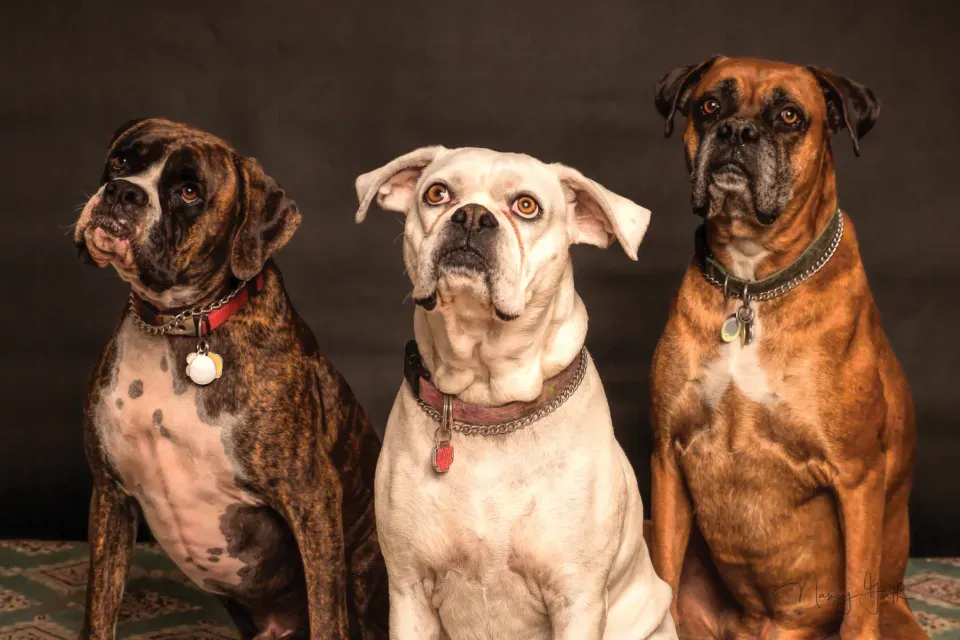
Boxers tend to get energetic when they’re young, almost comically so. The good news is that an adult Boxer, particularly one aged three years or older, settles considerably. Their playfulness never fully disappears, which keeps life lively, but the frantic puppy energy calms into a warm, attentive companionship that many seniors absolutely adore. Boxers are considered a working breed and thrive with long, consistent exercise, so they suit seniors who genuinely enjoy regular outdoor activity.
Boxers are intensely loyal and often bond so closely with one person that they follow them from room to room. They’re also naturally alert, which gives some seniors an added sense of security at home. One practical health note: Boxers are a brachycephalic breed, meaning their shortened muzzle can make breathing harder in heat. Flat-faced breeds have a lower exercise tolerance due to breathing constraints, and extreme caution should be taken in hot weather, as even ten minutes in the sun on a hot summer day can be more than they can handle.
10. Mastiff: The Quiet Protector and Gentle Couch Companion
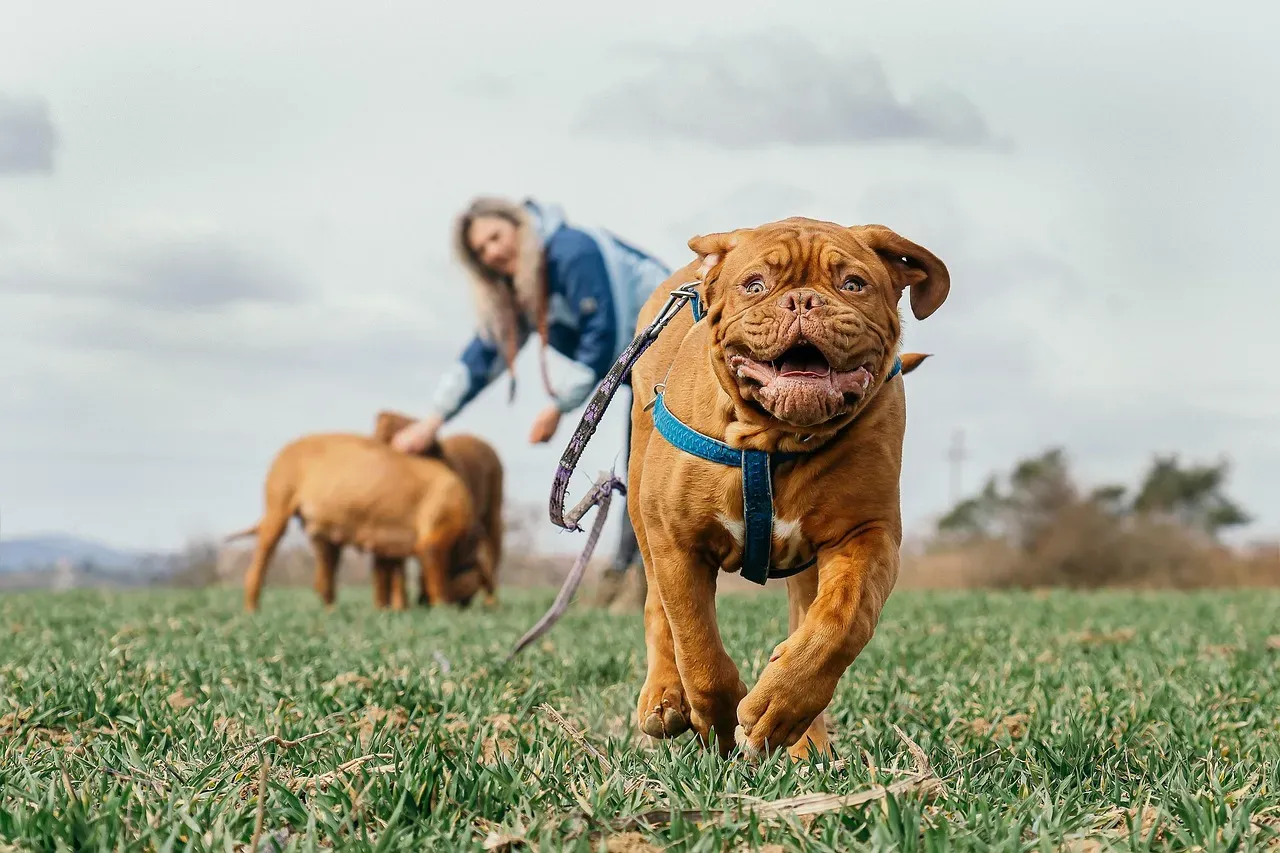
Although they are a large breed of dogs, Mastiffs are relatively low energy and don’t have high endurance. While they’ll still need exercise to remain reasonably healthy, these dogs are more likely to be big couch potatoes. That combination of imposing size and truly low-key temperament makes them genuinely underrated companions for people over 60 who want a large presence in the home without a high-demand exercise schedule.
Mastiffs are calm, patient, and devoted without being needy or excitable. They tend to be quiet indoors and adapt well to a relaxed daily rhythm. No matter which breed you choose, regular veterinary care is essential to ensure your pet stays happy and healthy. Routine checkups, vaccinations, and preventive care not only extend your dog’s lifespan but also enhance their quality of life, and a trusted veterinarian can guide you on nutrition, exercise, and breed-specific health concerns. With Mastiffs specifically, monitoring joint health and keeping their weight balanced is particularly important as they age.
How to Choose the Right Large Breed for Your Life After 60
Finding the right large breed means looking beyond size to discover gentle temperaments, moderate exercise needs, and most importantly, that special connection that makes coming home feel complete. Before choosing, be honest about your own daily energy level, your living space, your grooming tolerance, and whether you have family nearby who could help with care when needed.
When considering dog ownership, older adults should look into adopting an adult dog rather than a puppy. Puppies require a lot of energy, training, and patience, which may not be ideal for older adults. Adult dogs are often calmer and already trained, making them easier to manage. Adult dogs are typically already housetrained and well-socialized with people, and mature dogs tend to be calmer, with more predictable behavior patterns.
Some important factors to think about include energy levels, the size of your home, the breed’s sociability, and a dog’s age and temperament. Grooming needs and vet costs matter too. Dogs can help many seniors feel more safe and secure, lower stress levels, encourage more time exercising or walking, and even feel more confident and connected. Getting this decision right means that connection lasts for years.
Conclusion: A Big Dog, A Fuller Life
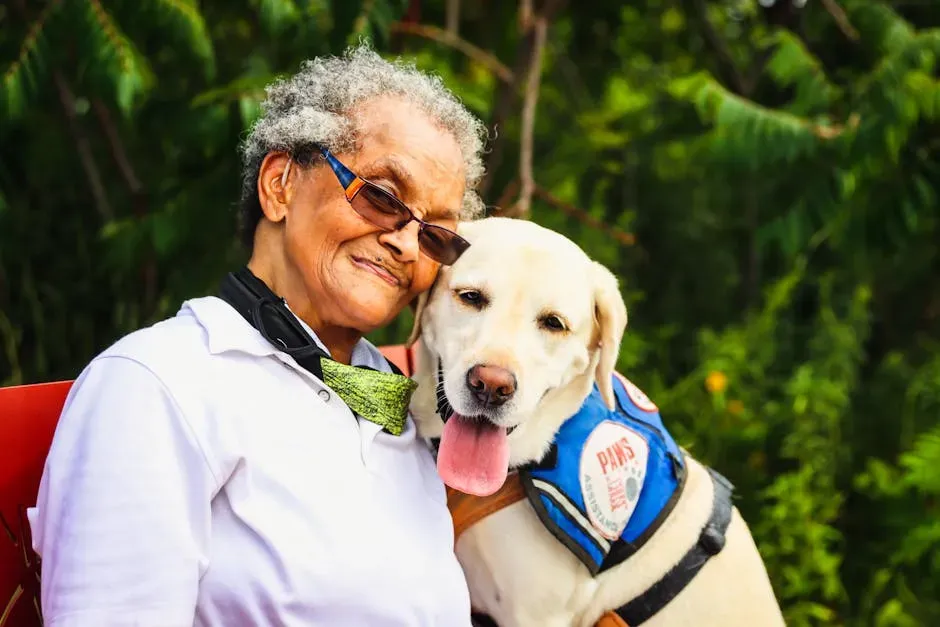
The idea that life after 60 calls for a smaller, quieter, lower-effort dog is worth questioning. The right large breed doesn’t demand more than you can give. It gives back more than you expected. Large dogs can be absolutely perfect for seniors, offering incredible companionship, emotional support, and even health benefits that smaller breeds sometimes can’t provide.
Whether it’s a Golden Retriever curled up beside you on a quiet afternoon, a Greyhound stretched across the couch in complete bliss, or a Mastiff sitting calmly by your feet like a gentle guardian, the right match is out there. The physical, emotional, and psychological impact of owning a pet can be life-changing, and according to several studies, having a dog can lower blood pressure, increase activity, and even ease anxiety and depression.
Take your time, do your research, visit rescues, and meet the dog before you commit. The bond you build with the right large breed in your 60s, 70s, or beyond isn’t a compromise. It’s one of the most rewarding decisions you can make.


