
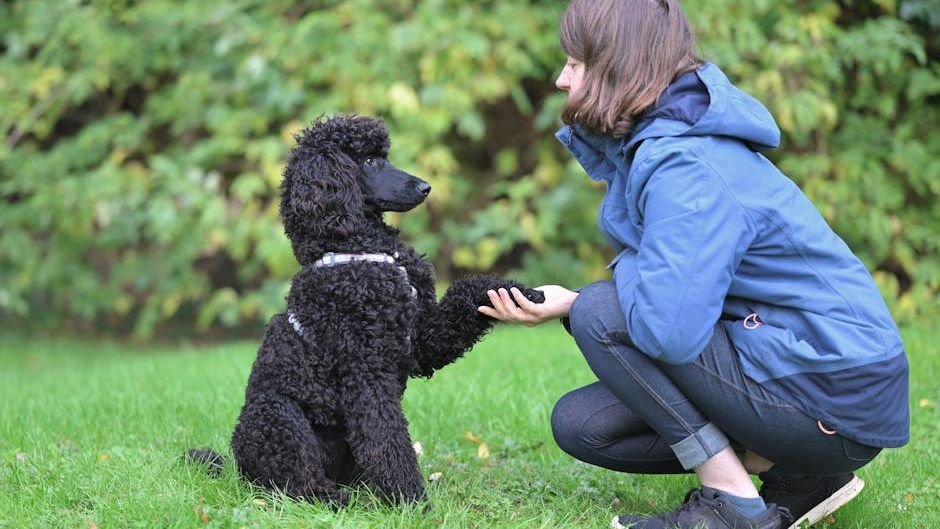
You call your dog’s name. Nothing. You say “sit” a second time, a little louder. Still nothing. Your dog glances up briefly, then turns away like you’re an inconvenient commercial break. If that scene sounds familiar, you’re in genuinely good company – and more importantly, you’re probably not doing anything wrong.
Independence in dogs is not a flaw but a trait shaped by genetics, historical roles, and individual temperament. Breeds developed for guarding, hunting alone, or making decisions without human input often approach commands differently than people-pleasing working dogs. Understanding that difference changes everything. It shifts frustration into empathy, and punishment into smarter strategy. This guide walks you through ten breeds that are naturally wired to do things on their own terms, plus five that might surprise you with how eagerly they cooperate.
1. Afghan Hound: The Regal Free Thinker
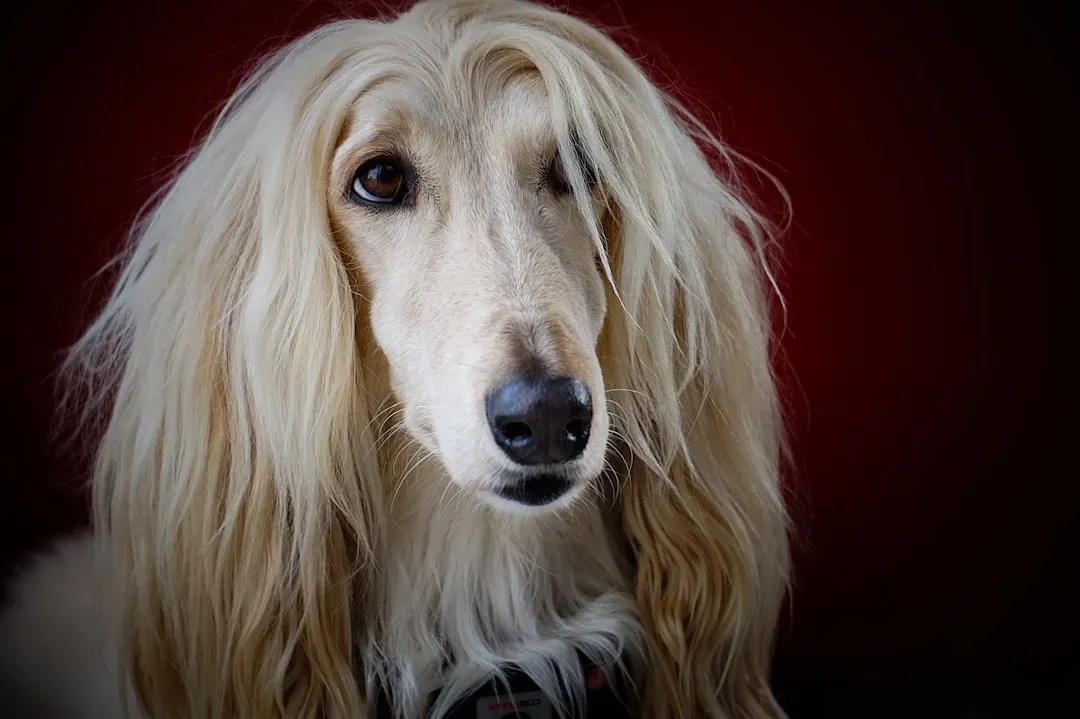
With their flowing coat and regal posture, Afghan Hounds might just be the most glamorous rebels in the dog world. Bred for independent hunting in the mountains of Afghanistan, they’re highly intelligent but rarely interested in following orders. The disconnect isn’t about capability. It’s about motivation. They simply don’t see why they should.
Graceful but fiercely independent, Afghan Hounds are known for their aloof nature and resistance to training. They rank low on obedience scales, not because they aren’t intelligent, but because they simply don’t care to listen. Training tip: keep sessions short, use high-value rewards, and never repeat a command impatiently. An Afghan responds to calm consistency, not volume.
2. Basenji: The Silent Rebel With a Plan
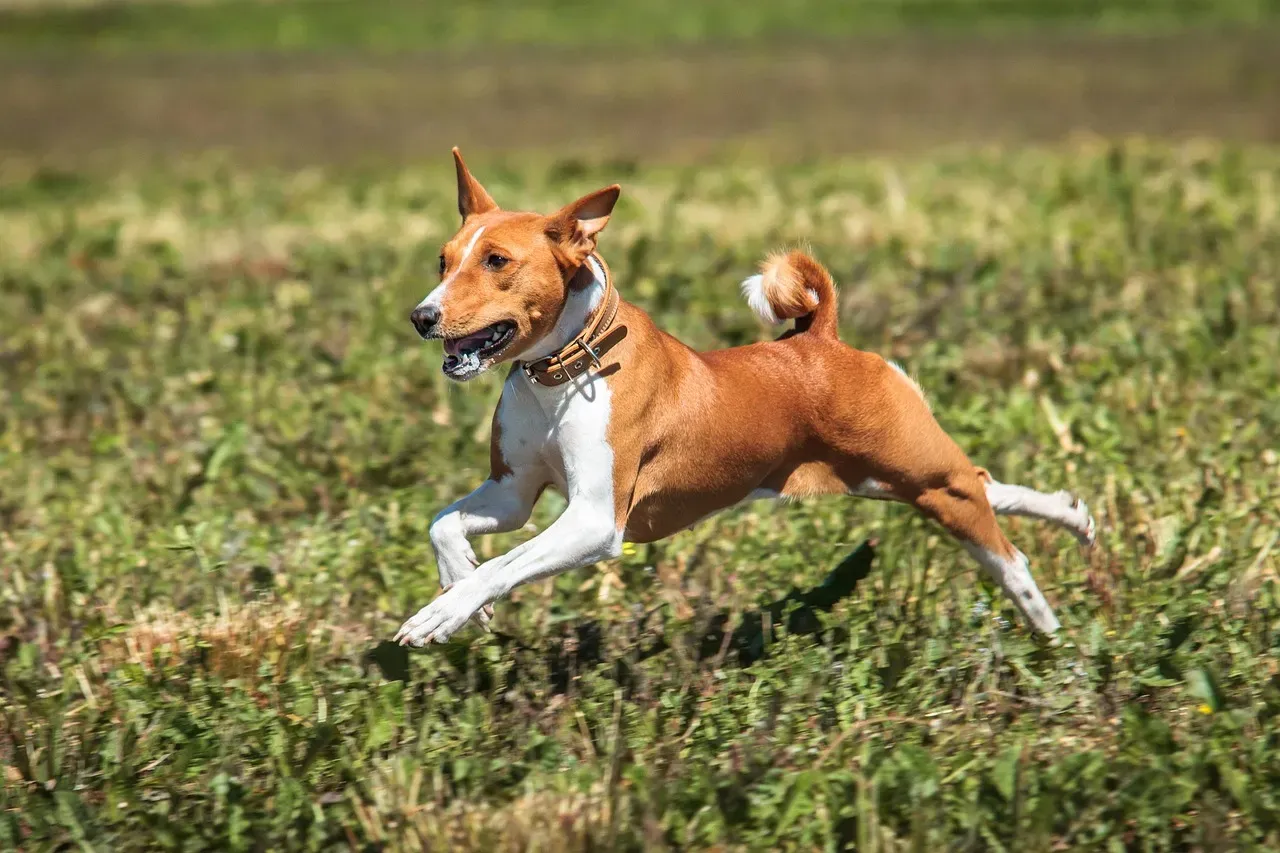
The Basenji is an ancient African hunter with a cat-like demeanor and the athleticism of an Olympic jumper. Originating from the Congo and Sudan, these sleek, barkless dogs earned their reputation with a unique “barroo” sound and an independent, no-nonsense attitude. Don’t mistake the quiet for compliance though.
Often called the “barkless dog,” the Basenji still manages to frustrate trainers with its strong-willed and cat-like personality. These dogs are clever but notoriously difficult to train due to their stubborn streak. Basenjis are known for their startling intelligence, often finding their own ways to solve problems. Channel that problem-solving drive into puzzle toys and scent games. Give them a mental outlet, and they’re far more cooperative in other areas.
3. Beagle: Nose First, Everything Else Second
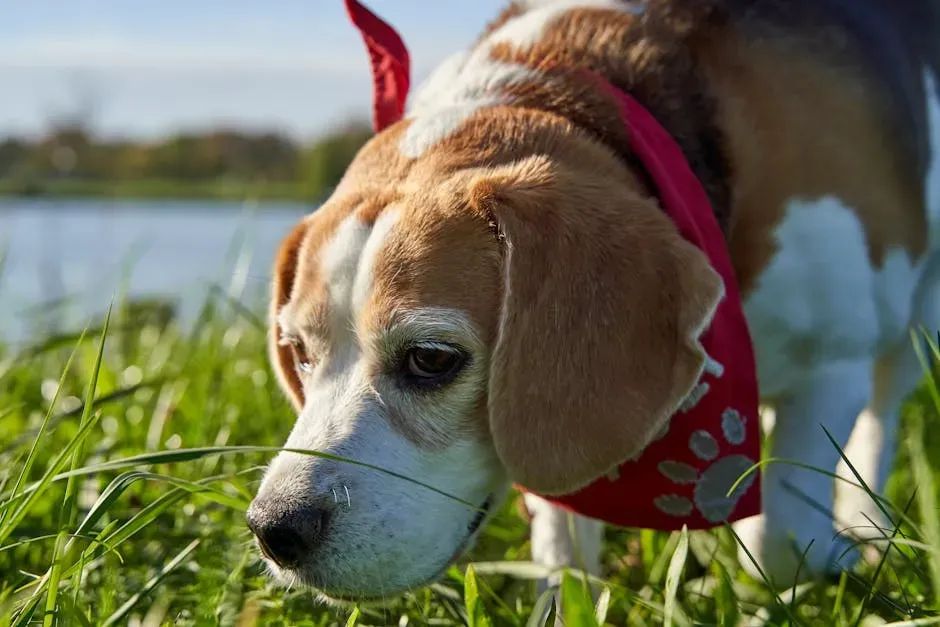
Hunting dogs like Beagles or scent hounds like Basset Hounds are instinctively independent, as they were bred to work at a distance from their handlers. A Beagle on a scent trail is essentially unreachable. Their nose isn’t just powerful – it’s their primary way of experiencing the entire world.
Their stubbornness and need to follow their nose requires creativity to train them. They were also designed to bay when on a hunt so that hunters could follow the sound of their pack, and your Beagle will not care what time of day it is if it sees something outside a window that it wants to chase. Work with their instincts rather than against them. Scent-based games and reward-heavy recall training make far more progress than repetitive drills ever will.
4. Chow Chow: The Ancient Philosopher Dog
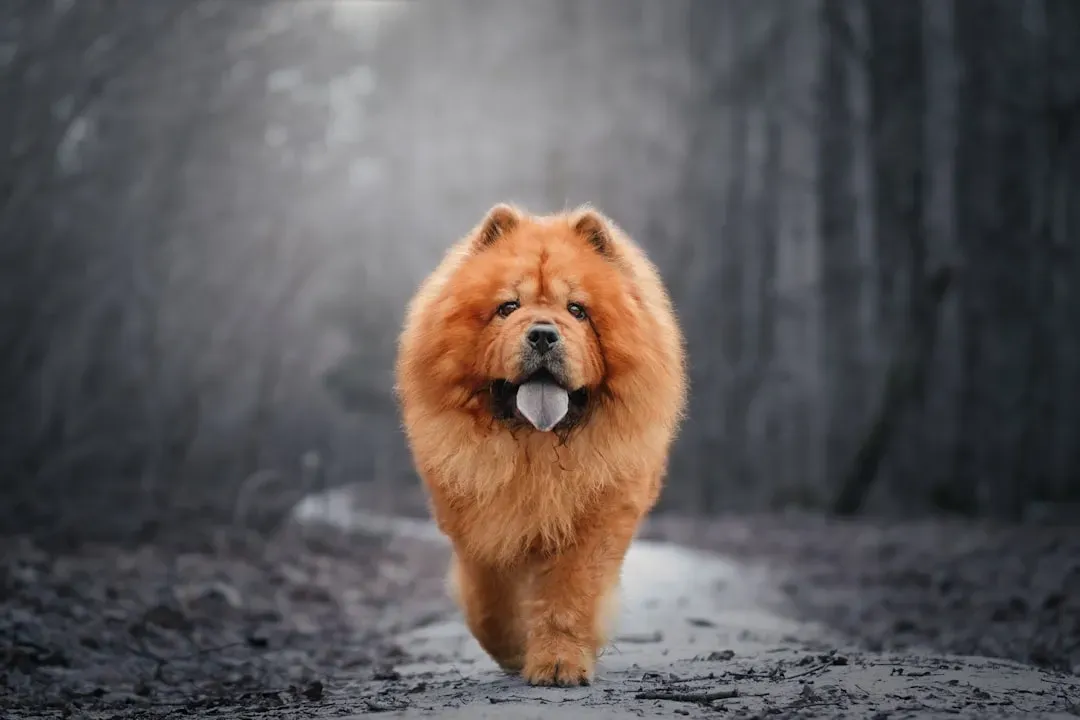
The Chow Chow was developed for guarding and hunting, tasks requiring independent judgment. They question the logic behind every command before deciding whether to follow through. Stubbornness runs deep in their personality. Unless they see personal benefit, most instructions get politely ignored.
While devoted to their families, Chow Chows tend to be aloof with strangers and other dogs. Their guard-dog past shows in their natural protective instincts, so early socialization is a must to help them warm up to new faces without turning into overly reactive bodyguards. With Chows, structure and routine work better than repetitive commands. Respect their space, establish clear boundaries early, and their loyalty becomes a genuine asset.
5. Dachshund: Small Dog, Enormous Willpower
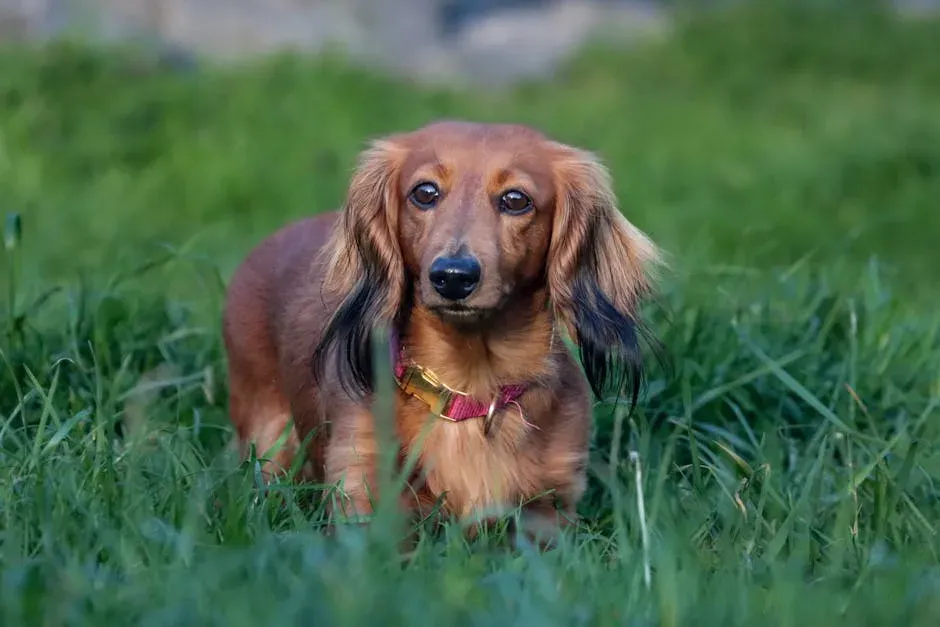
Dachshunds were bred to hunt badgers, rabbits, foxes, and even boar. They are brave, independent, and stubborn. They are notoriously difficult to train and housebreak. That courage that made them fearless underground hunters is the same force that makes them stare you down when you ask for a “stay.”
Boredom can exacerbate disobedience. They were bred to dig into tunnels chasing after badgers, so they may be inclined to tear up your backyard to act on that instinct. Puzzle toys can help keep Dachshunds from becoming destructive. Keep training sessions short and treat-heavy. Long, repetitive sessions bore them quickly – and a bored Dachshund will simply invent its own agenda.
6. Siberian Husky: Wired to Run, Not to Sit
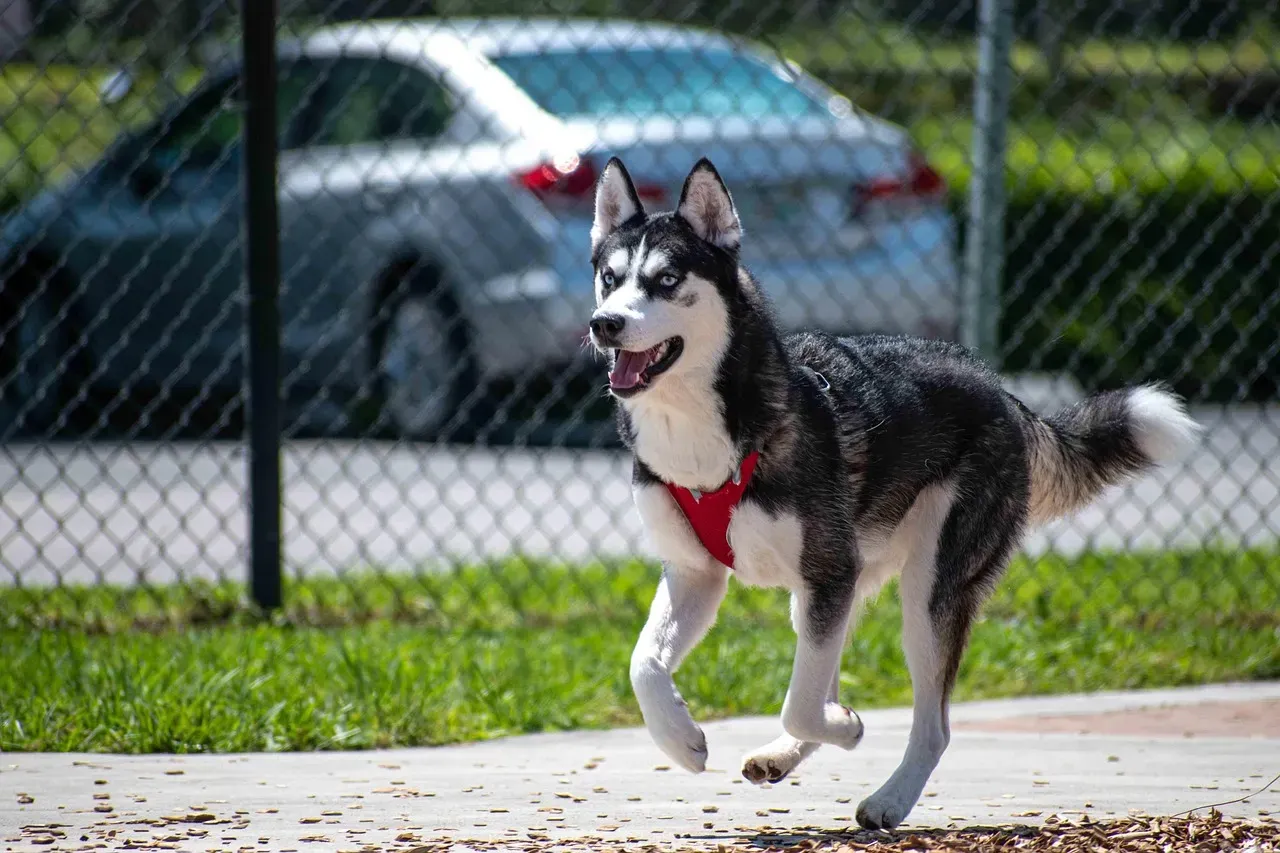
Bred to pull sleds across vast Arctic distances, Huskies learned to make survival decisions without waiting for human input. That fearless, self-reliant attitude translates into modern stubbornness that frustrates many owners. They’re not being difficult for the sake of it. Their brain was literally shaped to operate independently.
Huskies are smart enough to know what you’re asking and bold enough not to care. They were bred to run in harness, follow the trail and the team, and make decisions in bad weather – not heel perfectly next to a stroller. Their energetic and fun-loving personality often means they prefer play over strict training. This breed requires a firm and patient handler to ensure commands are followed.
7. Shiba Inu: The Fox That Does What It Wants
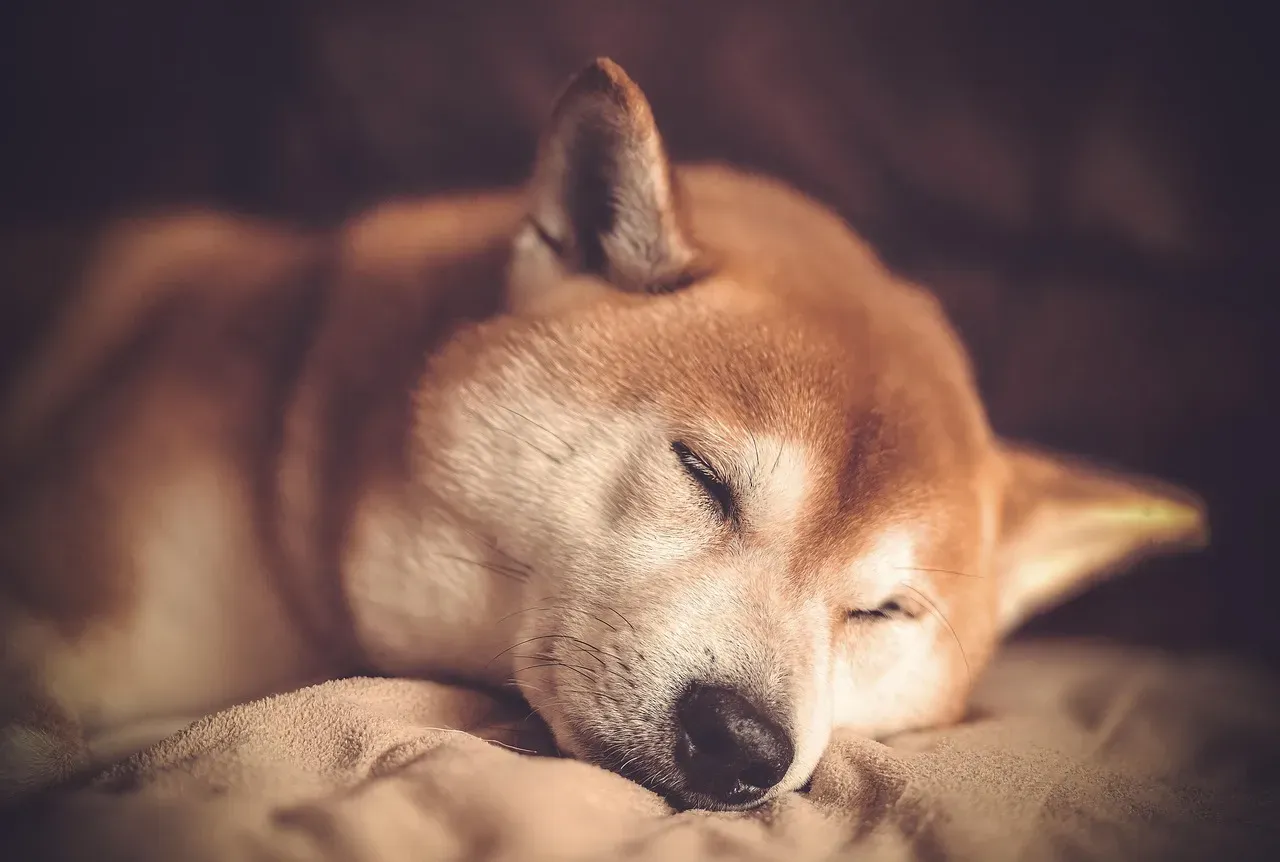
Japan’s ancient Shiba Inu breed carries itself with cat-like independence and aloofness that makes training particularly challenging. These dogs were developed for hunting in mountainous regions, requiring self-sufficiency and quick decision-making. Modern Shibas retain that autonomous spirit, often viewing commands as optional suggestions rather than requirements.
Pressure and yelling usually make them more stubborn, not more obedient. If you want a Shiba to respond, you use high-value rewards, tight management, and accept that a “finished” recall will always have a little “if I feel like it” baked in. Shiba owners who embrace that reality tend to build surprisingly strong bonds with these dogs. Respect is a two-way street with this breed.
8. Basset Hound: Loveable, Slow-Moving, Scent-Obsessed
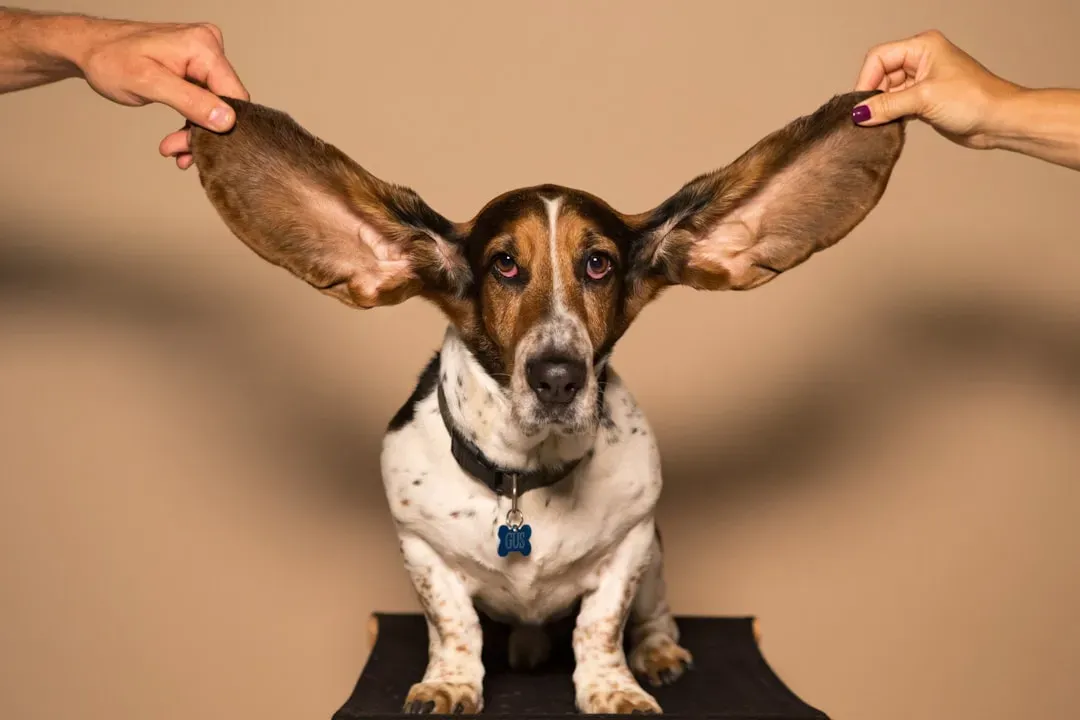
Basset Hounds, characterized by their lovable, laid-back nature, can often come off as less obedient than other dog breeds. These dogs are ruled by their noses, boasting one of the best scent-tracking abilities in the canine world. This often leads them to be easily distracted and occasionally indifferent to commands.
The ASPCA suggests training should begin as early as possible for a Basset Hound because of how naturally stubborn these canines are. They are great companions and greet every scent with a loud bark. They ignore commands but aren’t aggressive. That distinction matters. A Basset isn’t challenging your authority. It’s simply being a scent hound, wholly absorbed in a world you can’t smell. Patience and early training make all the difference.
9. Borzoi: Elegant, Graceful, Selectively Deaf
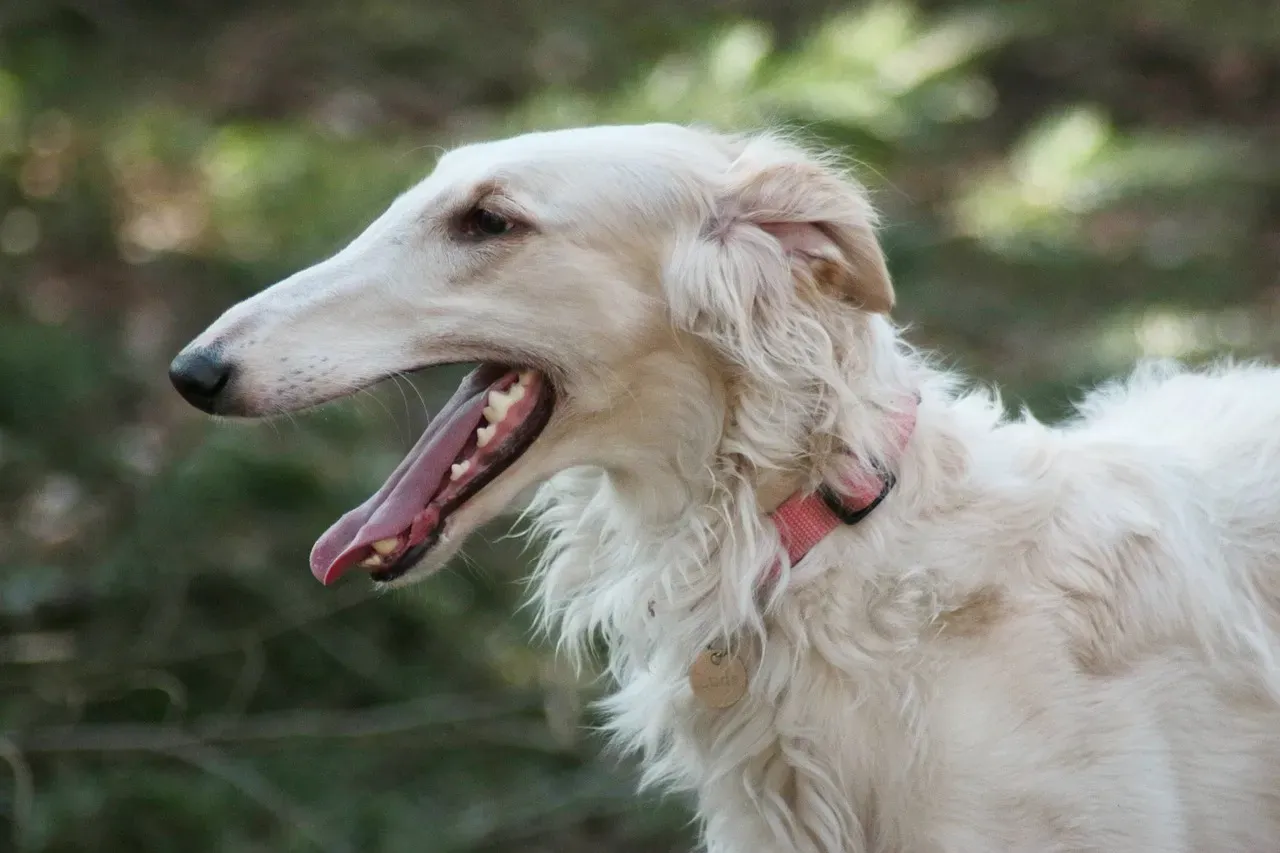
Russian nobility bred these elegant sighthounds to chase wolves across vast estates, developing dogs who could think and act independently at high speeds. That heritage created a breed with strong prey drive and weak obedience instincts. When something catches their eye, they’ll bolt regardless of your commands.
Their sensitive nature means harsh training methods backfire completely, yet gentle approaches often get ignored too. Borzois are intelligent but use that intelligence to pursue their own interests rather than yours. Recall is particularly unreliable when they spot potential prey. A safely enclosed yard is non-negotiable for this breed. Appreciate them for the extraordinary companions they are in calm moments, and manage their environment carefully around distractions.
10. English Bulldog: Stubborn by Design, Sweet by Nature
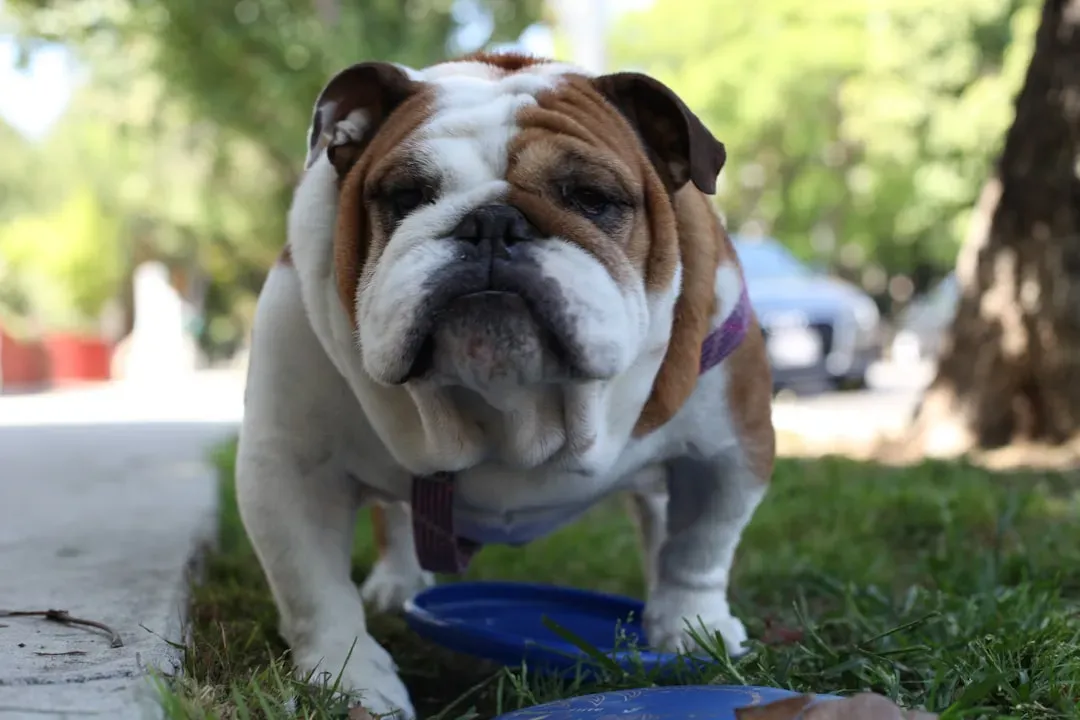
Bulldogs aren’t built for long training sessions or high-speed obedience. They’re stubborn, heat-sensitive, and very aware of their own comfort level. Ask them to do something they don’t feel like doing and you’ll get the classic “statue” response – plant all four feet and refuse to move.
They absolutely can learn commands; they just prefer short, fun reps with big rewards. Marching them through endless drills usually wins you more resistance, not more respect. If you roll with their pace, keep sessions brief, and don’t pick unnecessary battles, you’ll get enough cooperation to live with. Also watch for signs of overheating during any physical activity – overheating and joint issues can slow them down, so always check for subtle signs of discomfort.
11. Golden Retriever: The Gold Standard of Obedience
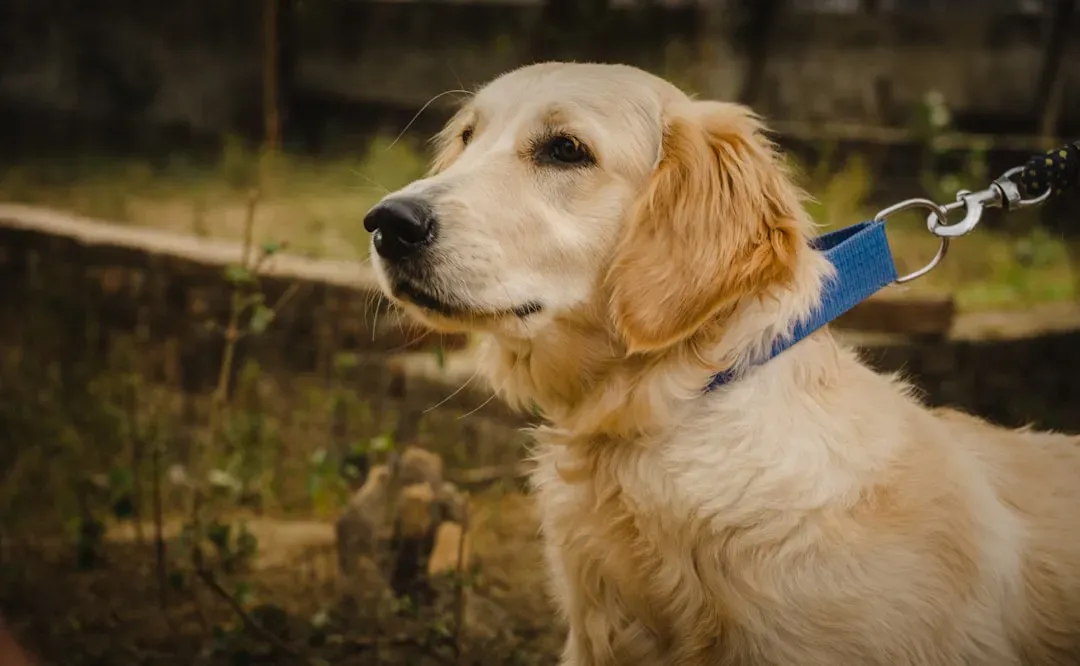
The epitome of the family pet, Golden Retrievers love to spend time with their owners. They are among the most obedient of all breeds and tend to obey a first command at least 95 percent of the time, according to renowned canine researcher Stanley Coren. That eagerness to please is deeply embedded in what this breed was designed to do.
Goldens are often known for being a bit goofy, but they’re also extremely loyal to their people and eager to please. Their friendly and patient nature makes them excellent candidates for obedience training and advanced skills, such as search and rescue or therapy work. Golden Retrievers tend to respond well to positive reinforcement methods, including treats, praise, and play. If you’re a first-time dog owner, few breeds will make you feel as competent as a well-loved Golden.
12. Border Collie: Genius in a Fur Coat
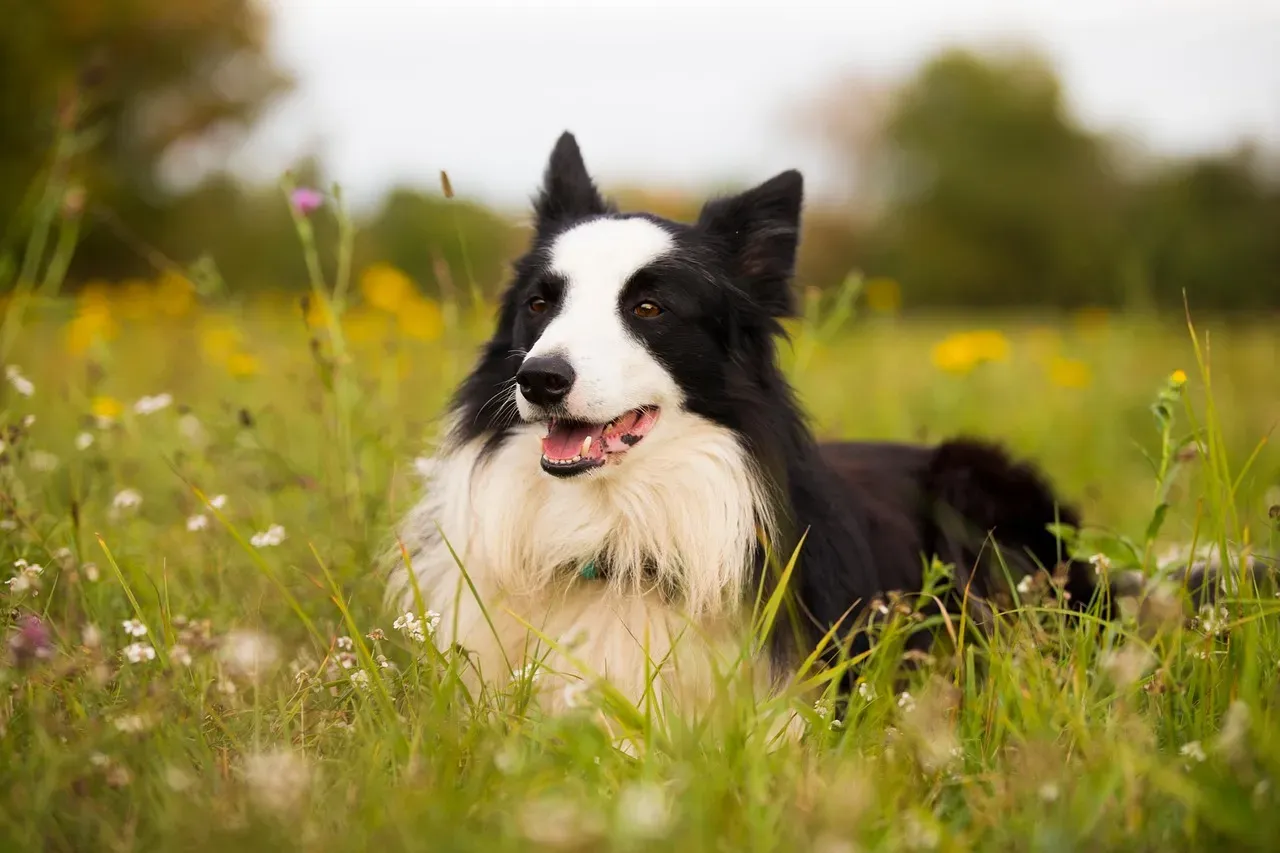
Border Collies are considered one of the fastest learners in the dog kingdom, making them also one of the most trainable dog breeds. They are more high-energy than some other dogs on this list, but that makes them the perfect dog to perform agility and obedience obstacles. Border Collies love to exercise and can quickly learn both simple and more complex tricks.
The Border Collie is a whip-smart workaholic. They learn remarkably fast, and you might find them looking at you as if to say, “Is that all you wanted?” The catch? They need a real job. A bored Border Collie will redirect that intelligence into chaos. Keep their mind and body genuinely challenged and their obedience is almost effortless.
13. Poodle: Beautifully Brainy and Eager to Impress
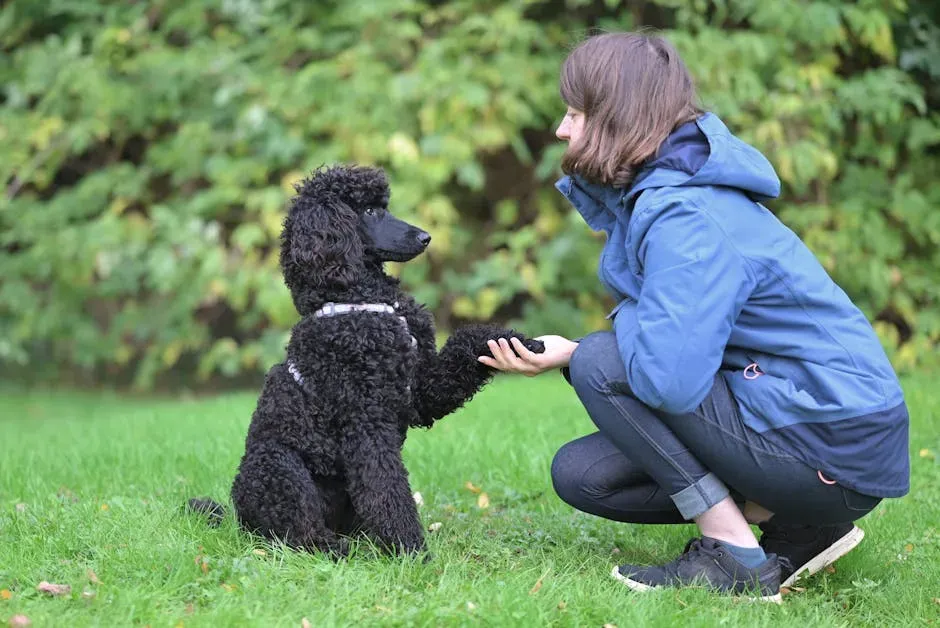
As many professional dog trainers and pet owners alike will tell you, all three types of Poodle – Standard, Miniature, and Toy – tend to do well at training. These intelligent and elegant dogs also come with a high desire to please their humans, allowing them to excel at obedience training and various dog sports.
Though often not thought of as working canines, Poodles also tend to make excellent service dogs. Combined with their willingness to please, their ability to adapt to different situations and navigate tricky tasks helps them thrive as both therapeutic companions and capable assistance dogs. Don’t let the fancy haircuts fool you – this is one of the most capable, versatile breeds you’ll ever train.
14. Shetland Sheepdog: The Enthusiastic Overachiever
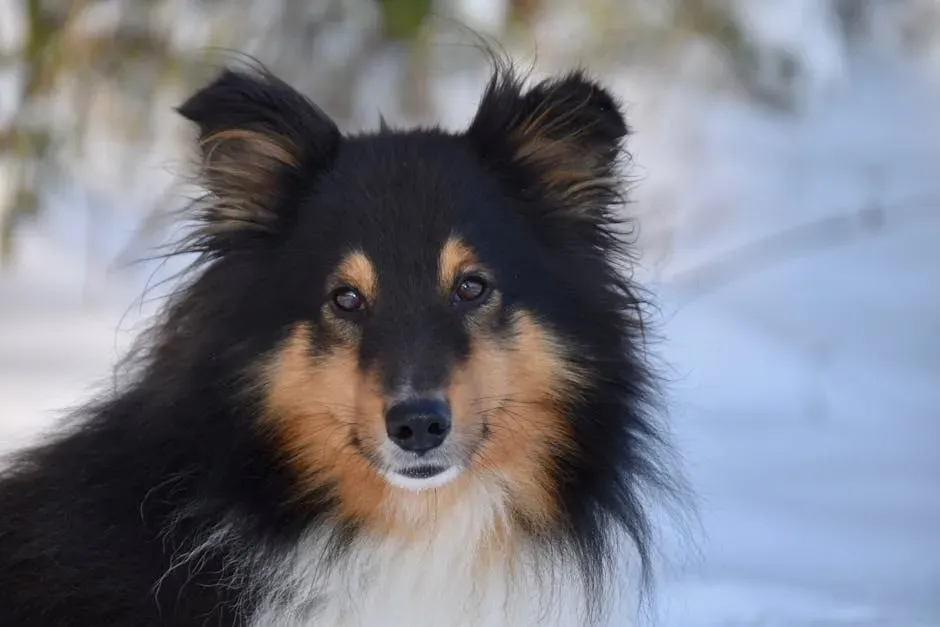
Shetland Sheepdogs or “Shelties” are highly trainable and intelligent pups, making them easy to train. Bred to be herding dogs, they are known for having a strong desire to please their owners and shine when it comes to agility and obedience tasks. In his seminal book The Intelligence of Dogs, renowned dog researcher Stanley Coren ranked Shelties sixth out of 132 breeds for intelligence and described their ability to learn new commands in less than five repetitions.
Shetland Sheepdogs are loyal, attentive, and brave. Often described as “shadow dogs,” they form unshakeable bonds with their humans. Combined with their eagerness to please, this loyalty makes them eager to be obedient and easy to train. They thrive on encouragement, so be generous with praise. A little verbal reward goes a surprisingly long way with this breed.
15. Papillon: The Tiny Dog That Outperforms Expectations
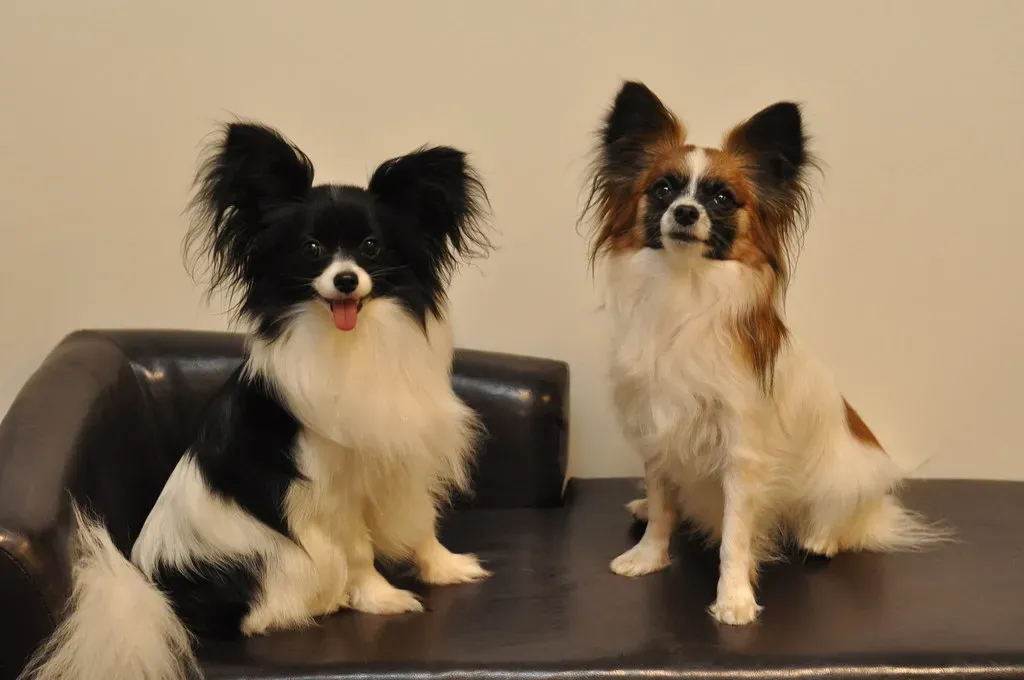
Despite their small size, Papillons are highly intelligent and excel in obedience and agility training. They tend to be friendly, alert, and very energetic, meaning they won’t get easily bored or tired during training sessions. Papillons can also learn a variety of tricks and commands, making them a surprisingly popular choice for dog sports like agility.
The Papillon is a gorgeous toy dog that responds surprisingly well to training. They love performing to gain positive reinforcement, so they often learn tricks to show off to their owners. Their playful nature gets them into trouble if they don’t receive proper training, so they require lots of engagement and mental stimulation to keep entertained. Many people are genuinely stunned to see a Papillon outperform dogs three times its size in obedience competitions. Underestimate this one at your peril.
What All of This Really Means for You and Your Dog
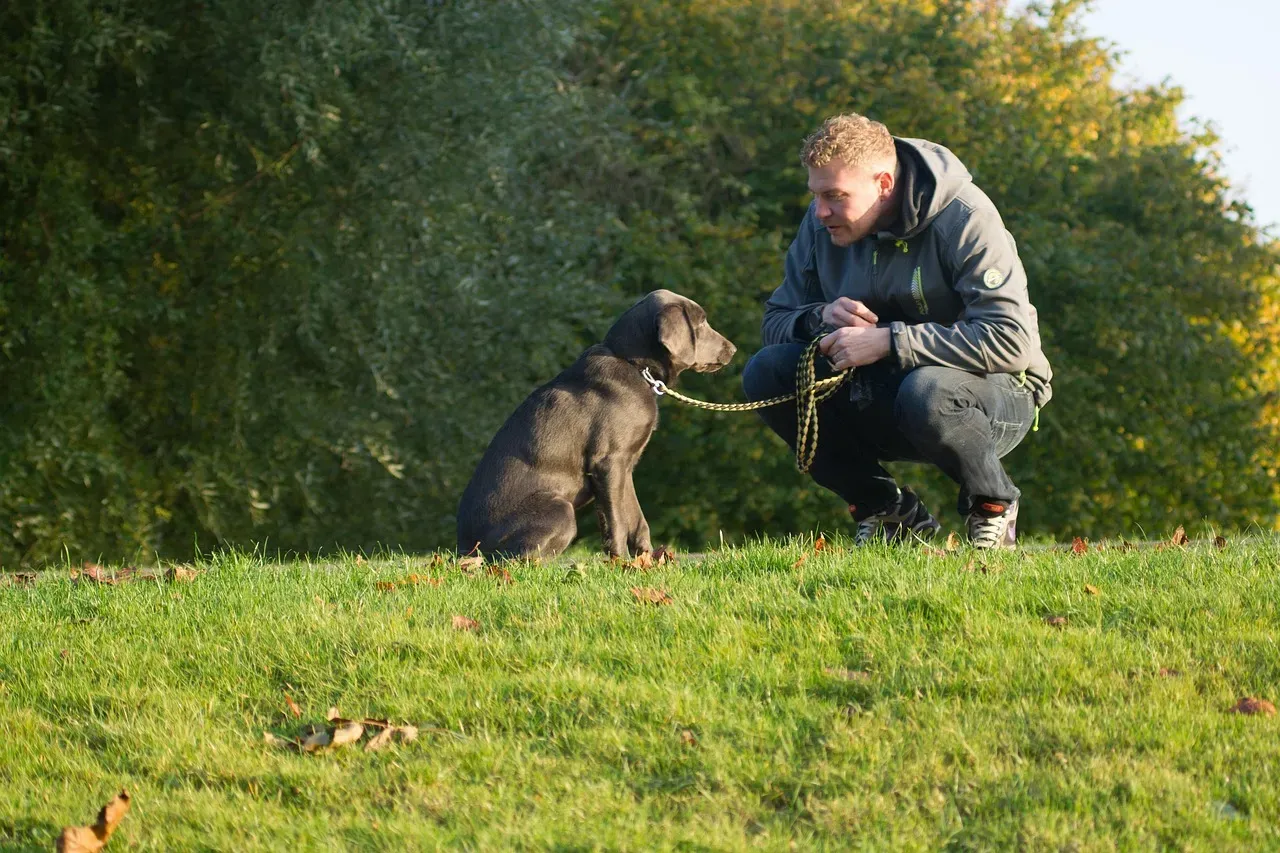
What may look like stubbornness or defiance is often a dog choosing to assess a situation rather than respond instantly. These dogs can still form strong bonds with their owners, but they may require patience, consistency, and training methods that respect their natural instincts. That reframe alone can shift the whole relationship.
Obedience and trainability don’t necessarily equate to intelligence, and it doesn’t mean that other breeds can’t be trained. If training is a fun, enjoyable experience and the method is kind, ethical, and reward-based, then any dog can get to grips with commands and have obedience instilled in them. The breeds that seem to ignore you most aren’t failing. They’re just waiting for you to communicate in a way that genuinely makes sense to them.
Every dog in this list, from the philosophical Chow Chow to the scent-obsessed Beagle, is capable of being a wonderful companion. The stubborn ones just ask a little more of you – and in return, they often give back something you didn’t know you needed: the patience to meet another living being exactly where they are.


