
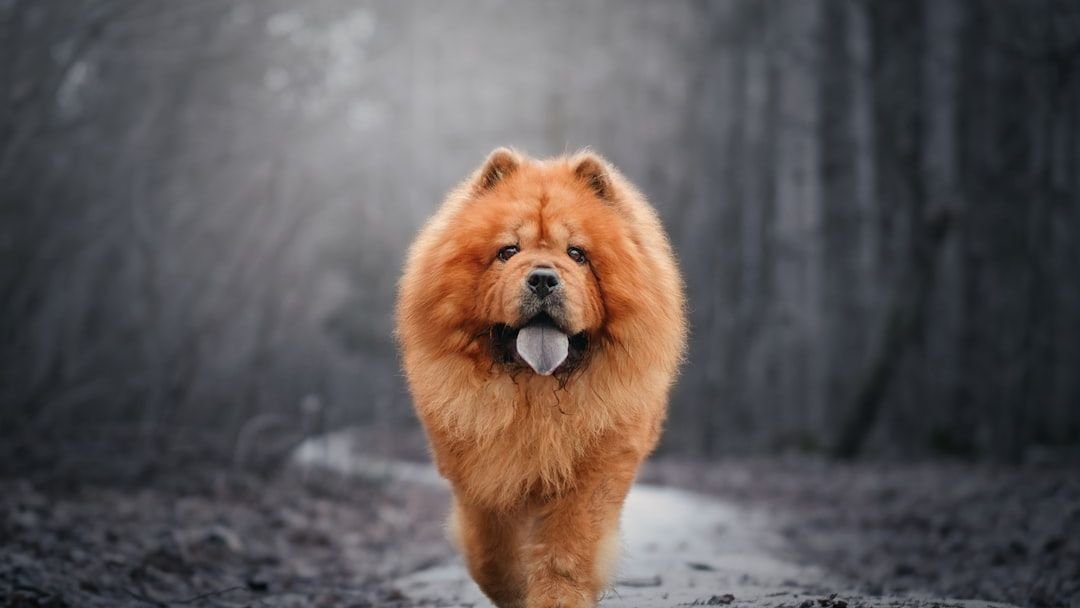
There’s a moment most dog owners know well: you spot a dog rolled onto its back, paws flopped in the air, and every instinct in you says “rub that belly.” It feels like the universal dog invitation. Warm, obvious, irresistible.
The reality, though, is a little more nuanced. A dog showing their belly doesn’t always indicate they want belly rubs. Sometimes it means trust. Sometimes it means submission. Sometimes it’s simply the most comfortable position for a nap. Getting these signals mixed up doesn’t just lead to an awkward moment – it can actually stress your dog out. Some breeds are naturally more anxious or hesitant than others, while other breeds just aren’t built for affection and vulnerability. These seven breeds are a reminder that knowing your dog means going beyond assumption.
Why Not Every Dog Sees Belly Exposure as an Invitation
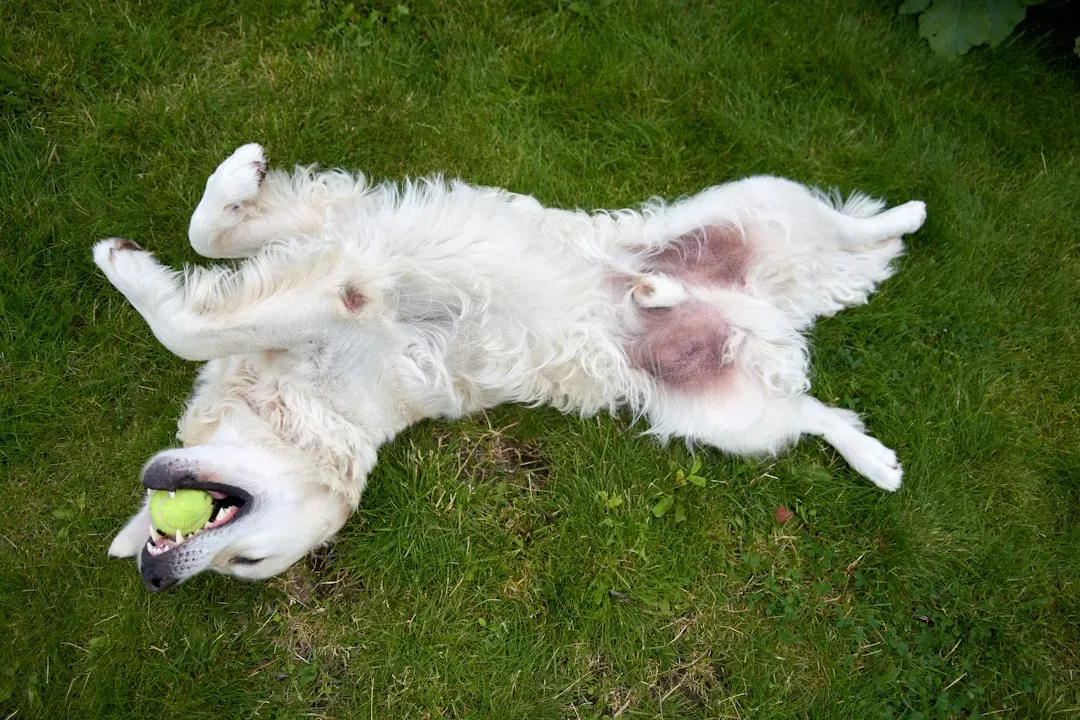
Belly exposure is a natural part of canine communication – but it can mean many different things depending on your dog’s mood, from a submissive fear response to a sign of love and affection. Reading those signals correctly is the foundation of a trusting relationship.
Experts believe that dogs can perceive the act of rubbing their bellies as a sign of aggression. For some anxious dogs, showing their belly is most likely a submission to deter contact. That’s a significant gap between what we intend and what the dog actually experiences. Respecting it matters.
Some breeds, particularly those that have been bred for guarding, may view belly rubs as a sign of dominance. Many working breeds may not appreciate this type of affection as much as companion breeds do. Breed history shapes these preferences more than most owners realize.
The Chow Chow: Dignity Over Belly Scratches
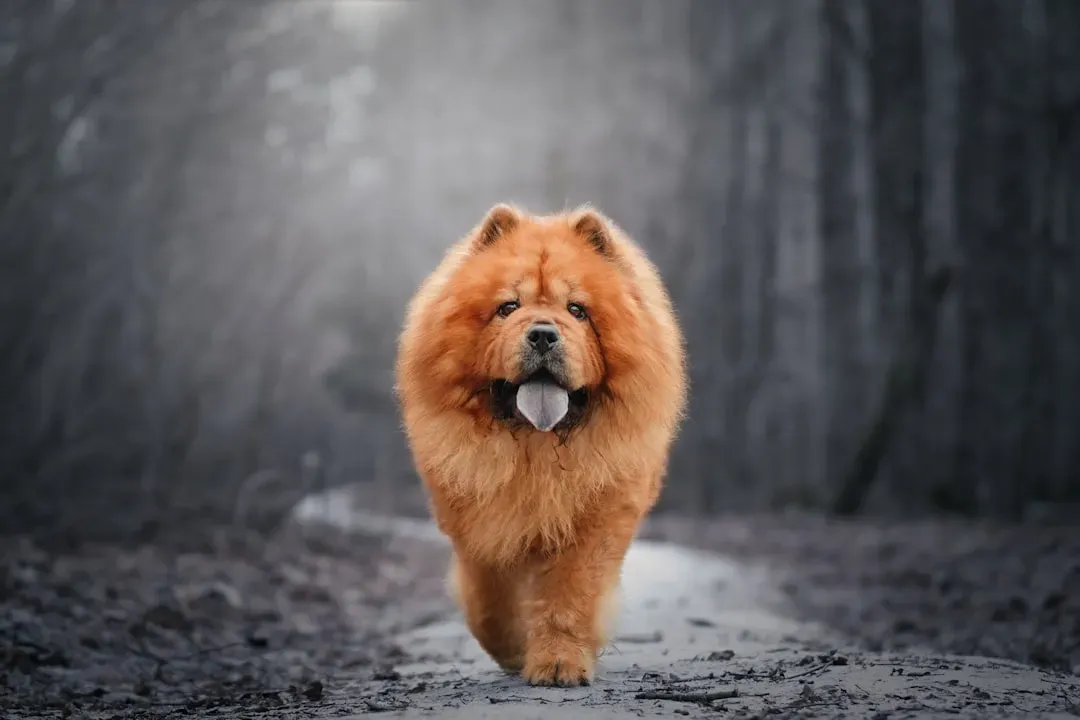
Historically, the Chow Chow worked as a guardian and hunter in ancient China. This working heritage, combined with the dogs’ calm disposition, makes the Chow Chow one of the most independent dog breeds. Though independent, Chow Chows are loyal to their family and typically bond deeply to one person.
Despite their cuddly appearance, Chow Chows are not typically affectionate or eager to please. They prefer to maintain their personal space and may not enjoy excessive physical contact. That unmistakably regal face isn’t just for show – it reflects exactly how they feel about uninvited tummy rubs.
Chows are not very demonstrative of their affection and prefer to keep to themselves. They require respect for their space and are often selective about when they seek attention from their owners. Think of them less as a cuddly companion and more as a dignified houseguest who appreciates courtesy above all.
The Akita: Loyal but on Their Own Terms
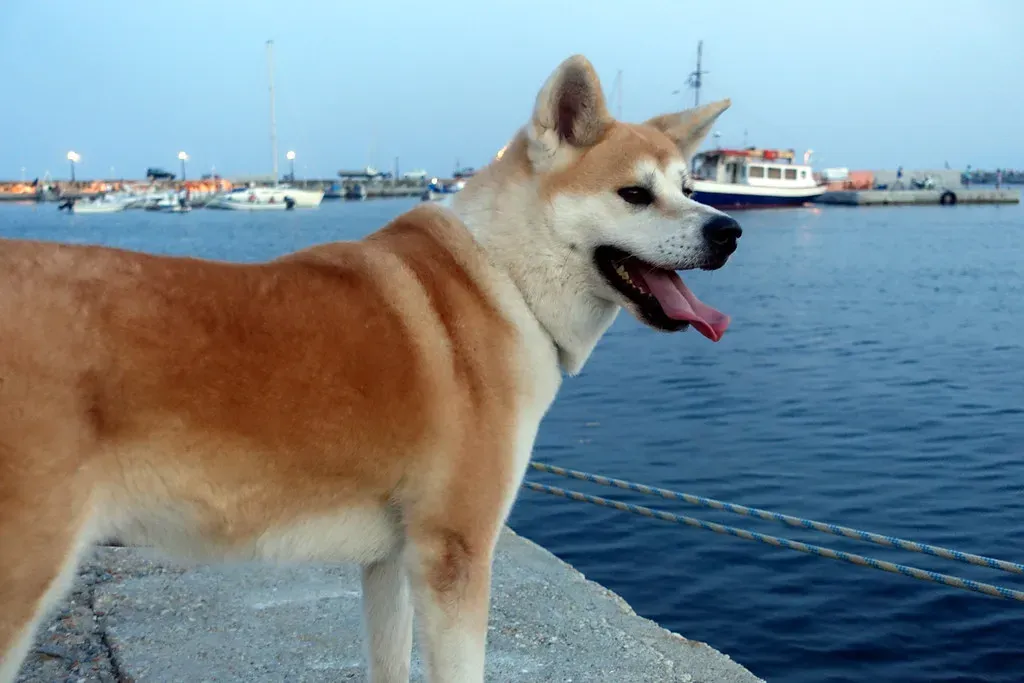
Akitas are large, powerful dogs with a dignified and reserved demeanor. Originating from Japan, where they were originally used for hunting big game, Akitas are known for their loyalty but also for their independent nature. They are often aloof with strangers and can be quite content spending time alone.
Akitas often form strong bonds with their owners but may not be overly demonstrative in showing affection. They tend to express love through loyalty and companionship rather than constant physical contact. A watchful Akita sitting near you is their version of a hug – and that should be enough.
The Basenji: The Cat of the Dog World
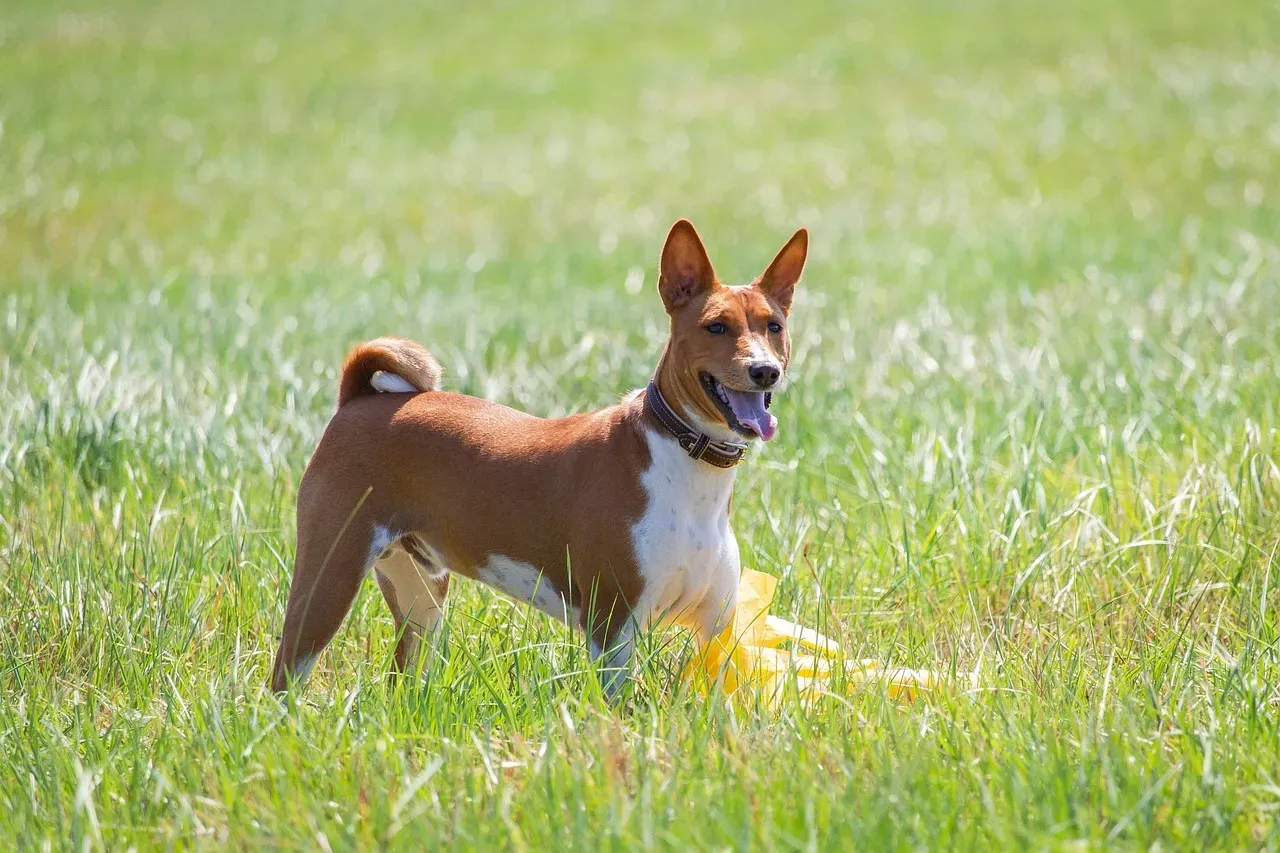
The independent Basenji is notorious for being quiet – they’re often referred to as “the barkless dog.” These medium-sized pups are frequently described as having a catlike personality because of their aloof temperament, reserved nature, and tendency to groom themselves.
Its independence stems from its hunting background, where it needed to make decisions without human input. That self-reliance is deeply bred into them. They are known for being cat-like in many of their behaviors, including their preference for keeping to themselves. Basenjis are clever and mischievous, often figuring out ways to entertain themselves, and can be reserved with their affection, choosing when they want to interact with their human companions.
The Shar Pei: Wrinkled Face, Guarded Heart
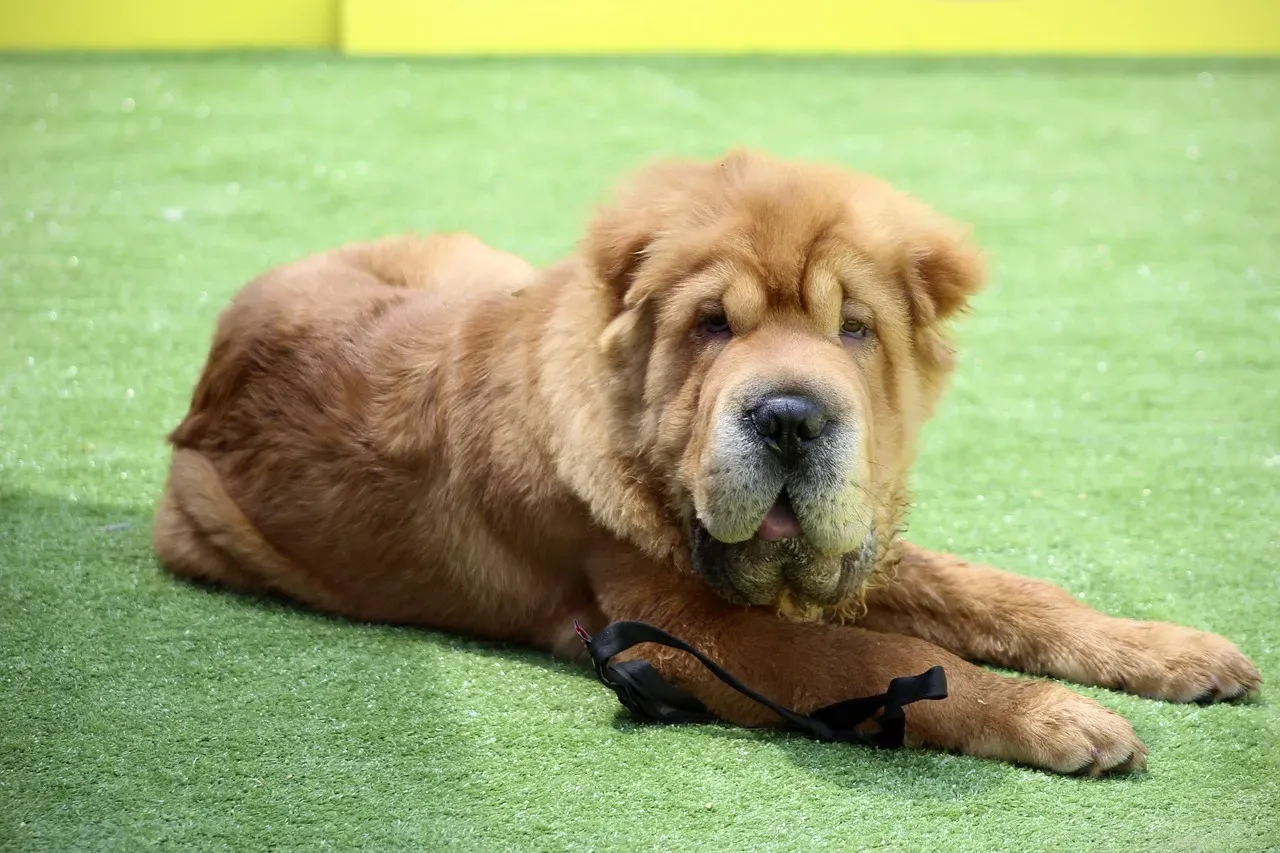
The Chinese Shar-Pei is an ancient breed known for its deep wrinkles and blue-black tongue, as well as its independent spirit. Shar-Peis were originally bred for hunting and guarding and tend to be reserved, especially around strangers.
Shar Peis are often aloof and reserved, preferring to observe their surroundings rather than look for attention from their owners. While they are devoted to their families, Shar Peis usually enjoy their independence and can be wary of strangers. They show affection by being protective and loyal rather than through overt displays of affection like cuddling.
A Shar Pei that chooses to sit beside you is genuinely expressing something. Pushing for more – like flipping them over for a belly rub – is likely to be met with a very firm, wrinkled frown.
The Afghan Hound: Beautiful, Aloof, Unbothered
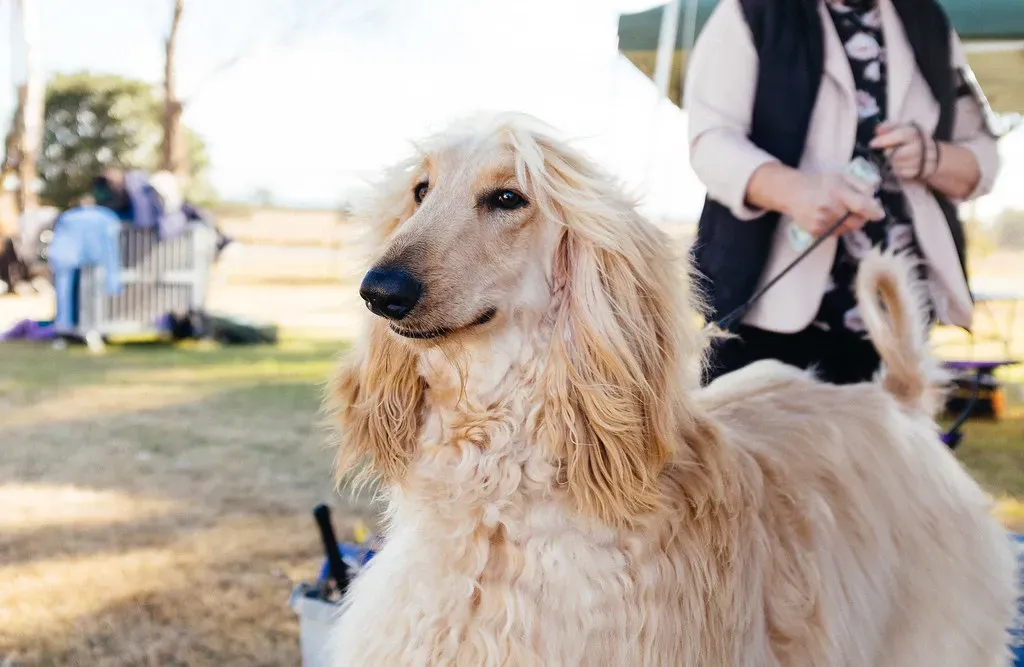
Afghan Hounds are known for their elegant appearance and regal demeanor. Despite their beauty, these dogs can be surprisingly unfriendly, especially towards strangers. Afghan Hounds are independent and aloof by nature.
Afghan Hounds had to rely on their own judgment, which contributes to their independent mindset. These dogs are often described as aloof and selective in their affections. While they can be affectionate with family, they don’t cling or seek constant praise. That independence isn’t coldness – it’s simply who they are, shaped over centuries of working without human direction.
The Shiba Inu: Small Dog, Very Large Personal Space
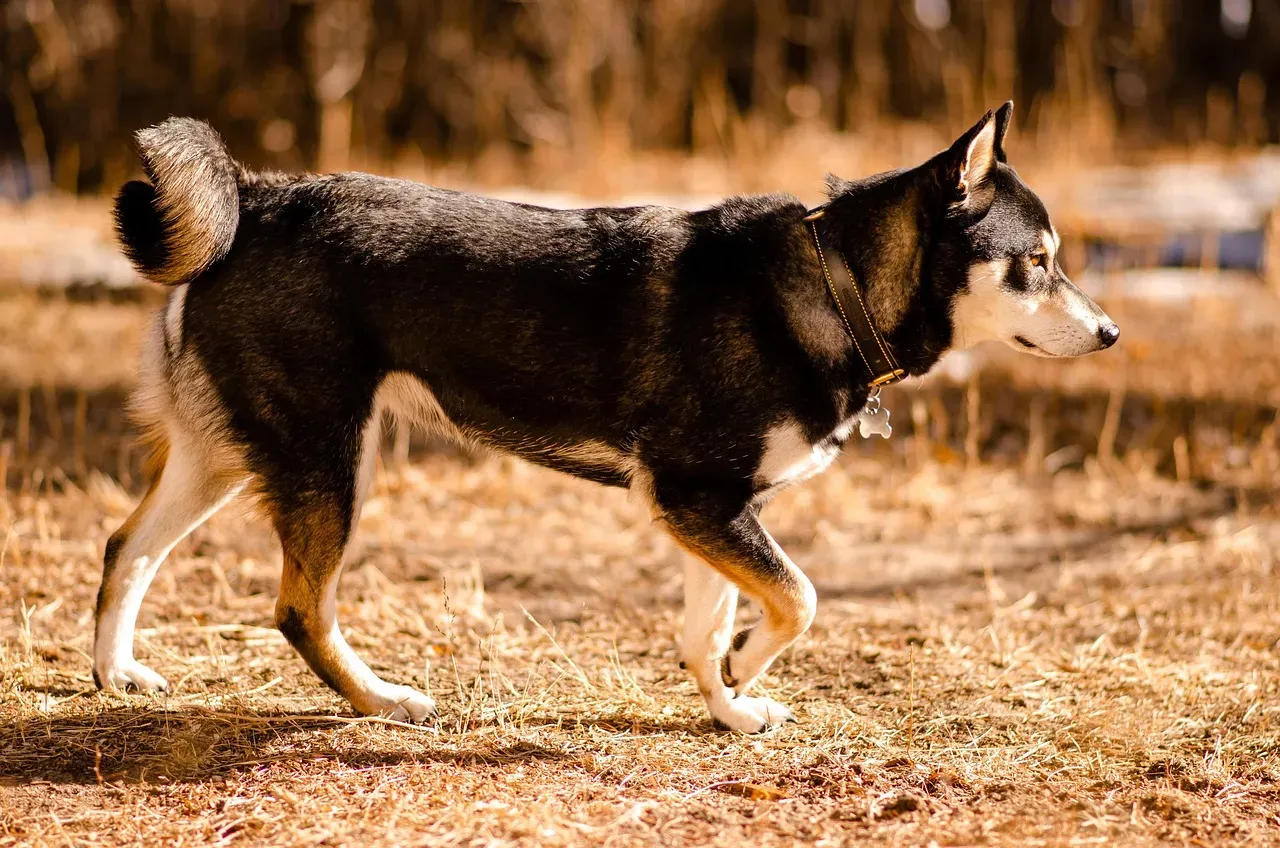
Shiba Inus are famous for their independence and strong-willed nature. These dogs are often compared to cats because of their self-sufficient demeanor. Shibas are not overly affectionate or clingy, and they prefer to have their own space.
Asian dog breeds, such as the Shiba Inu, Akita, Japanese Chin, Chow Chow, Shar Pei, Pekingese, and Tibetan Spaniel, are known for their aloofness and elegance. The Shiba Inu is perhaps the most vocal about personal boundaries of all of them. If you’ve ever tried to hold one against their will, you already know about the now-legendary “Shiba scream.” Belly rubs tend not to go over much better.
The Alaskan Malamute: Work First, Cuddles Never
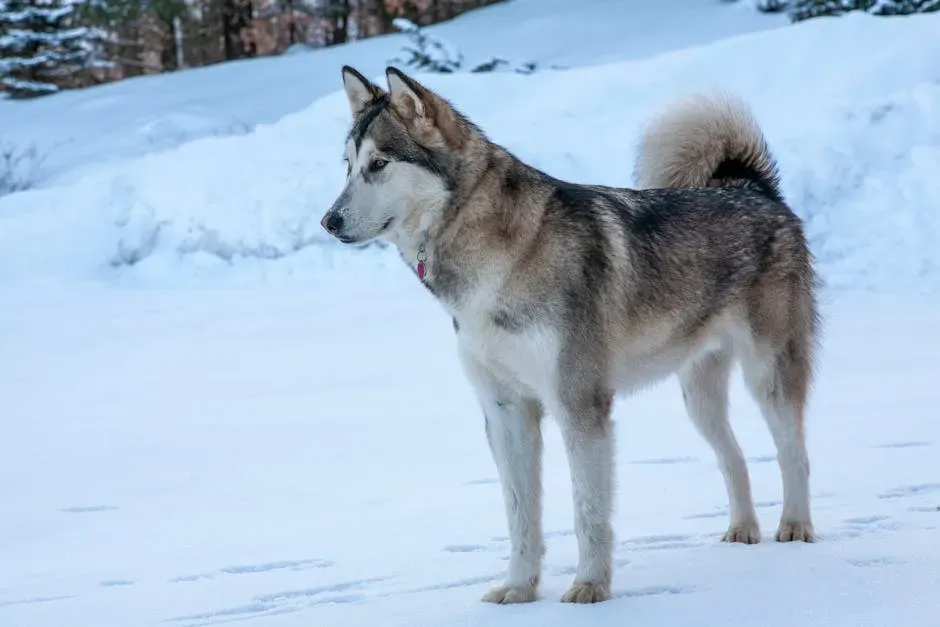
The Alaskan Malamute is a powerful working breed originally developed for sledding in the Arctic. This breed is strong, resilient, and used to operating independently in harsh conditions. Malamutes are social but not clingy, often content with their own company after exercise.
Alaskan Malamutes are strong and independent dogs originally bred for sled pulling. They have a pack mentality and can be loyal and protective of their families. However, they are not typically considered lap dogs and might not like a lot of physical affection. Malamutes enjoy being active and exercising more than they do cuddling. Belly rubs simply aren’t in their emotional vocabulary – a good run absolutely is.
How to Tell If Any Dog Actually Wants a Belly Rub
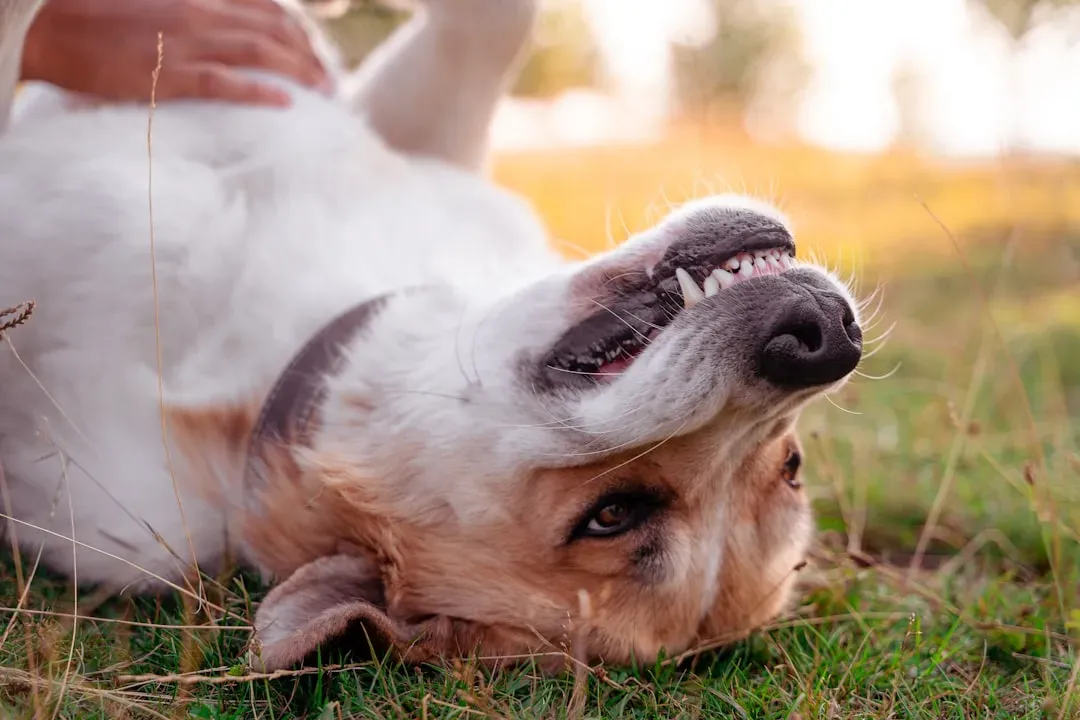
A relaxed and loose body posture is a good indication that your dog is happy with the belly rubs. Additionally, depending on how excited your dog is, their body might be wiggly. These are the green lights. Everything else deserves a pause.
A tucked tail that lays between your dog’s legs or a stiff tail is a sign your dog is currently not liking the belly rubs. Instead of an opened mouth, the mouth might be tightly closed. Alternatively, yawning or licking of the lips can suggest that your dog is uncomfortable. Their body will most likely tense up, or they may simply walk away.
Regardless of the reason, the key is to observe and respect your dog’s boundaries, allowing them to guide you in discovering the best ways to show them love and affection. You can get to know these boundaries by paying attention to your furry friend’s body language to understand their comfort level.
Loving a Dog That Doesn’t Love Belly Rubs
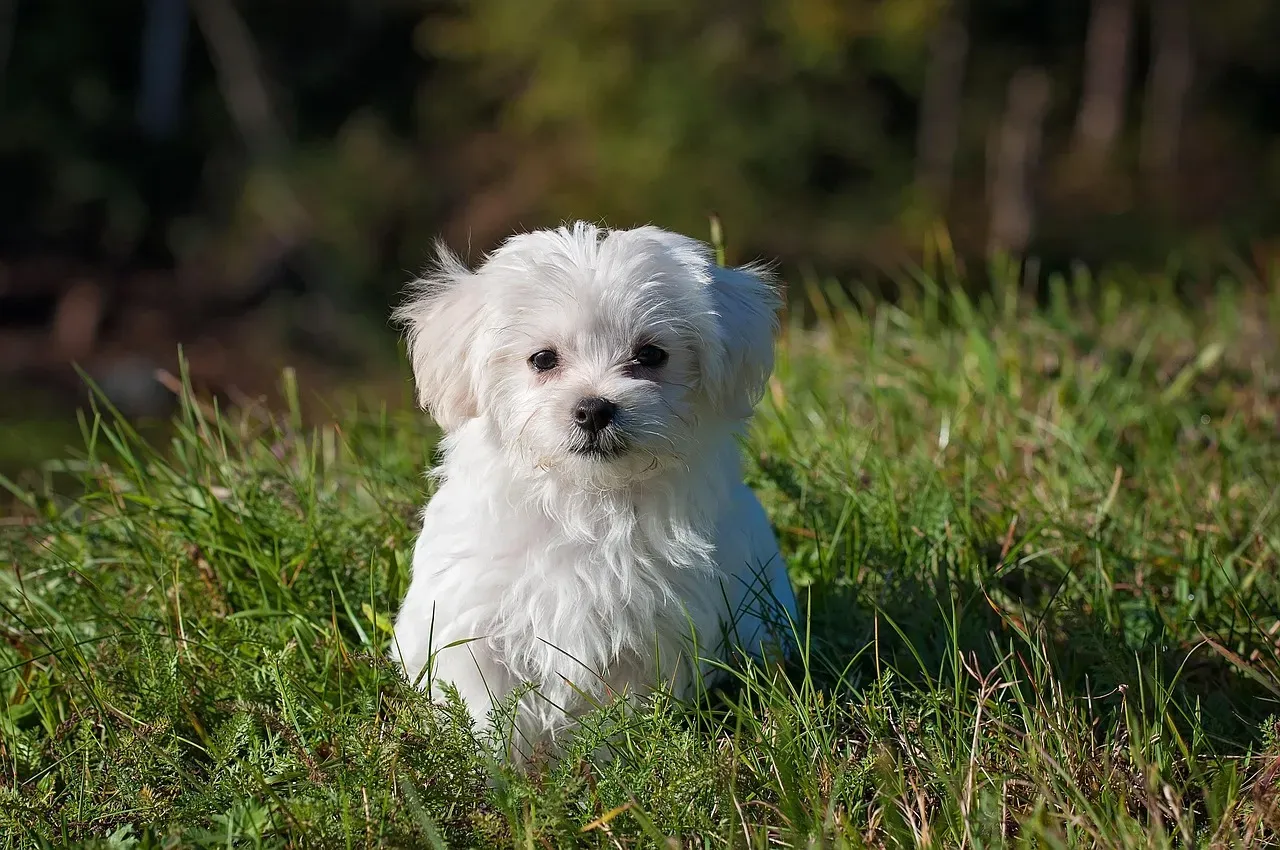
With some dogs, the aversion to petting comes from birth. These dogs tend to be more independent and don’t need much affection. This does not mean they don’t love you or want to spend time with you. That’s worth holding onto.
Instead of cozying up with their owners, some dogs prefer to play fetch or other interactive games. They enjoy quality time through activity rather than physical touch. These dogs can play with you all day and then have no problem sleeping in their own bed, away from your loving touch – and that’s perfectly okay.
Not all dogs enjoy belly rubs. Individual preferences can vary based on breed, personality, and past experiences. Always respect your dog’s boundaries. If your dog isn’t interested in belly rubs, explore other areas where they enjoy being petted, such as the chest or neck, and consider using verbal praise or treats to express affection instead.
Conclusion
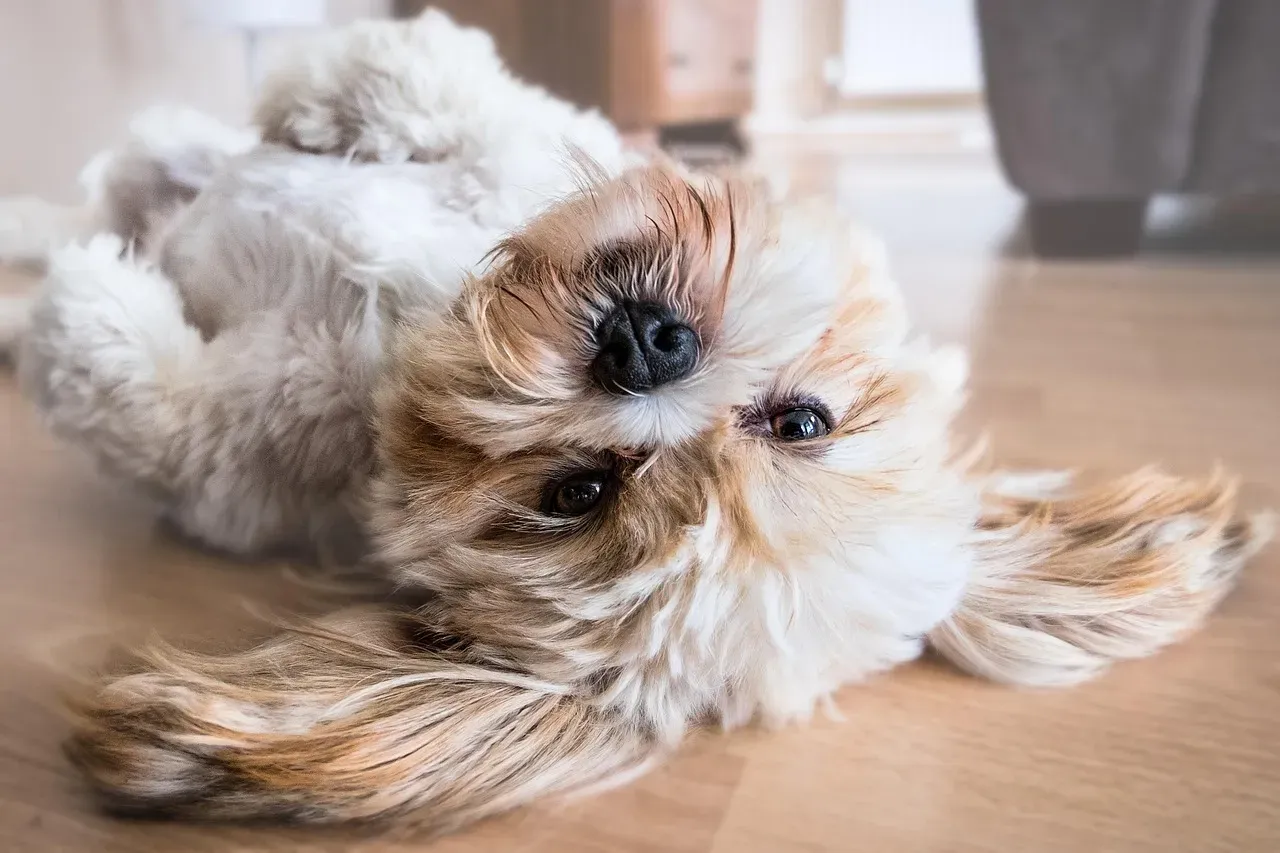
The belly rub is one of those gestures that feels universally kind – and for many dogs, it genuinely is. For others, it’s simply an imposition wrapped in good intentions. Just like people, dogs have their own unique preferences and personalities. While many dogs practically melt with delight at tummy scratches, it’s important to remember that not all dogs are alike. Some dogs are naturally more sensitive or cautious and might not enjoy belly rubs as much as others.
The seven breeds here aren’t difficult or broken – they’re just wired differently. Their affection is real, even when it doesn’t look the way we expect it to. Independent dogs have love and loyalty to give – they just might express it differently than other dog breeds. For example, they might prefer to lie in the corner while you’re watching TV on the couch instead of cuddling up next to you.
Paying attention to how your dog actually shows comfort, rather than how you wish they would, might be the most loving thing you can do for them. Knowing the difference between a dog that wants to be touched and one that’s simply tolerating it isn’t just good manners – it’s the foundation of real trust.


