

You came home, and the couch cushion was in pieces. Or maybe it was a shoe, a TV remote, a corner of the coffee table. If you’ve been there, you know the particular mix of exhaustion and disbelief that comes with it. Some dog breeds have a destructive streak that sees them chew everything from socks to furniture, and the reasons range from boredom and insufficient exercise to sheer instinct.
Chewing is actually good for dogs in measured doses since it exercises the jaw, cleans teeth, and alleviates boredom. However, when it targets household items, the costs can climb quickly. All dogs can become chewers, but some breeds are significantly more prone to destructive behavior than others. Knowing which side of the line your dog falls on can save your furniture, your nerves, and quite possibly your security deposit.
Part 1: The 8 Breeds Most Prone to Destructive Chewing

Before we get into the specific breeds, it’s worth understanding one core truth. One of the major triggers for chewing is to relieve boredom and stress. Busy dogs that love a job find inactivity very dull, and they need plenty of stimulation to satisfy their whirring minds. Without sufficient mental and physical activity, they often resort to chewing as an outlet for all that energy. The breeds below tend to need the most management, especially in their younger years.
1. Labrador Retriever

Labs are one of the most beloved family dogs in the world, but their mouths are essentially always looking for something to do. Labrador Retrievers are both playful and highly active, with an innate instinct to pick things up in their mouths. If they’re not sufficiently exercised, both mentally and physically, they may resort to exercising their jaws on whatever they find.
A bored Labrador can become unhappy and destructive, so making sure your dog gets at least an hour of exercise every day is essential. The breed’s retriever heritage is the root cause here. They were literally bred to carry things, so expecting a Lab to leave your belongings alone without proper stimulation is, realistically, wishful thinking.
2. Weimaraner

The Weimaraner is a large, strong dog with retriever origins and significant energy. All these ingredients combine into an instinctive chewer. They love to carry all sorts of things in their mouths, crave attention and company, and need to expend large amounts of energy. Chewing, to a Weimaraner, is the obvious solution.
Weimaraner dogs are rated as one of the most destructive dog breeds you can own, with damage costs significantly above the average for most breeds. Separation anxiety is common in this breed, and boredom can lead to destructive behavior like chewing, digging, or barking. They genuinely struggle to be alone, and your furniture tends to bear the consequences.
3. Golden Retriever

Golden Retrievers were bred to retrieve waterfowl, so they like to hold things in their mouths. As a result, many Goldens also love to chew. If they don’t have enough chew toys or aren’t trained properly, they may become destructive and chew on shoes, remotes, or anything else they can get hold of.
Keep a Golden Retriever busy in mind and body, and they’re much less likely to seek chewing outlets for their energy. The issue is that Goldens are social, sensitive, and high-energy in their younger years. They can hold a lot of stress in their jaws, and without an appropriate outlet, that stress lands directly on your baseboards.
4. Boxer

Boxers tend to have a strong urge to gnaw and chew, and they need to be trained from a young age on what is not appropriate to chomp on. They have strong, powerful jaws, and while all puppies tend to be mouthy, Boxers often retain this trait well into adulthood.
As an active breed, Boxers have a low boredom threshold, which makes them more likely to help themselves to what they may view as a perfect chew toy. Boxers, which require lots of exercise, can be destructive to owners’ homes. Their playful, puppy-like energy tends to linger long past puppyhood, which is endearing right up until it isn’t.
5. Bernese Mountain Dog

Bernese Mountain Dogs bond easily with their humans and don’t like being left alone for too long. If they’re feeling lonely or bored, they might resort to chewing to entertain themselves or express their distress. Since this breed is so large, working on training early is essential to prevent them from destroying something they shouldn’t.
The Berner’s emotional attachment to their family is genuinely touching, but it has a practical downside. When that attachment tips into anxiety during alone time, the results can be surprising for a breed that looks so gentle. Dogs that are in a state of conflict or anxiety, such as separation anxiety, may turn to chewing and other forms of destructiveness as an outlet.
6. Vizsla
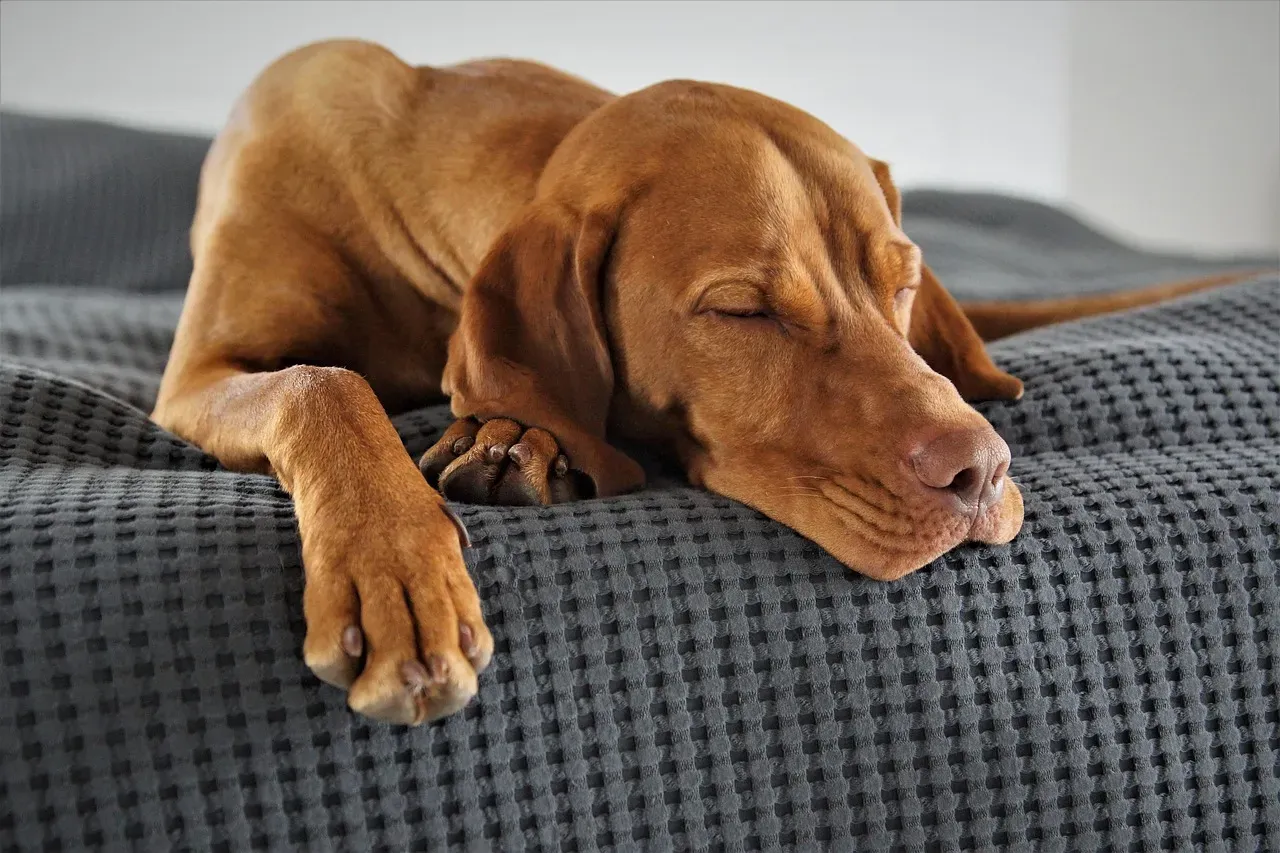
The Vizsla is known for its playfulness and high energy. It also has strong “Velcro” tendencies, meaning it sticks to its owner and often frets when left alone. Plus, it’s bred to hunt, which means it naturally picks up things by mouth. All of this adds up to a breed with a natural inclination to chew.
If their high energy demands are not met, they may find other ways to amuse themselves, such as a tasty pillow, or soothe their anxiety when left alone too long. Vizslas are extraordinary companions for active households, but in quieter or busier homes where they’re left to their own devices, they will find a way to stay occupied.
7. Rhodesian Ridgeback
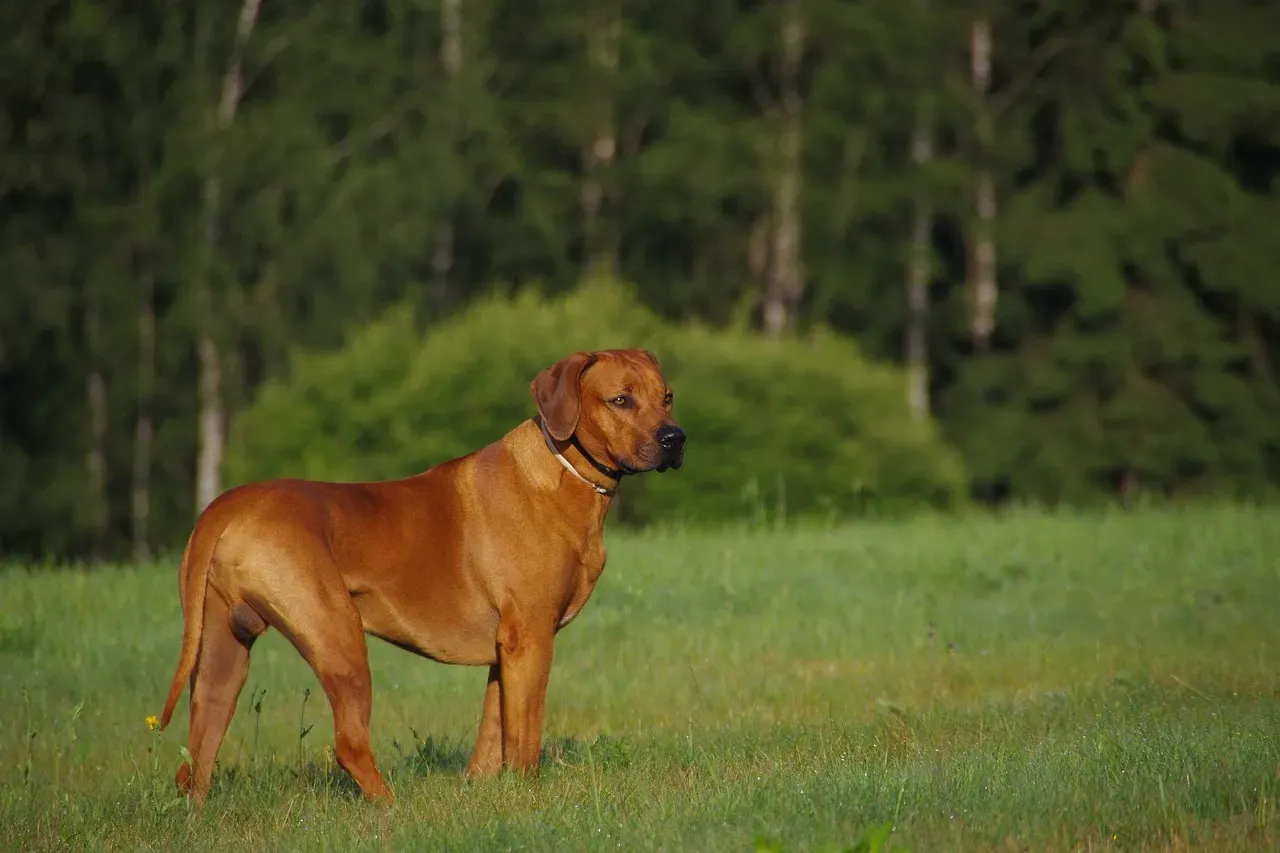
Rhodesian Ridgeback puppies love to sink their teeth into everything. Even as adults, they may chew as a way to relieve boredom or stress. This is a breed originally developed to track lions in southern Africa, so a level of tenacity and jaw strength comes built in.
Without sufficient exercise, playtime, or mental challenges, they may chew to entertain themselves. This is particularly true for high-energy breeds or dogs left alone for long periods. Ridgebacks are loyal and even-tempered with proper structure, but they do not quietly idle. A bored Ridgeback is a creative problem-solver, and your furniture is often the problem they solve.
8. Australian Shepherd
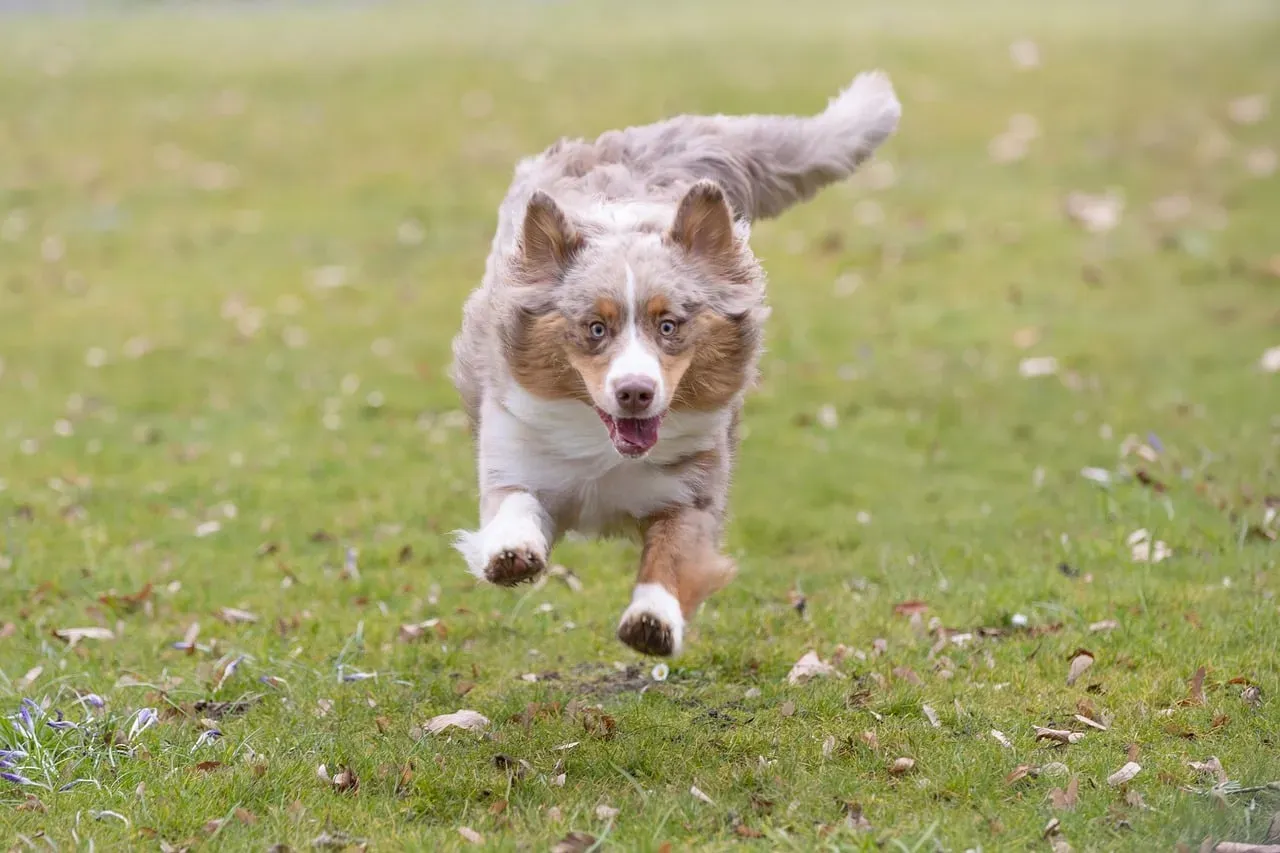
Australian Shepherds are not as large and powerful as some of the very strong-jawed dogs, yet they are still prone to destructive chewing. The reason is wired into what they were bred to do. Particularly active types of dog, like the herding or sporting breeds, need to be occupied to be happy.
Australian Shepherds are among the most intelligent working dogs in existence, and that intelligence cuts both ways. Give them a job and they’re extraordinary. Leave them without one, and they’ll invent something to do. Some dogs simply do not get enough physical and mental stimulation, and bored dogs tend to look for ways to entertain themselves, with chewing being one option. For Aussies, chewing is often just the beginning.
Part 2: The 8 Breeds Surprisingly Gentle with Furniture
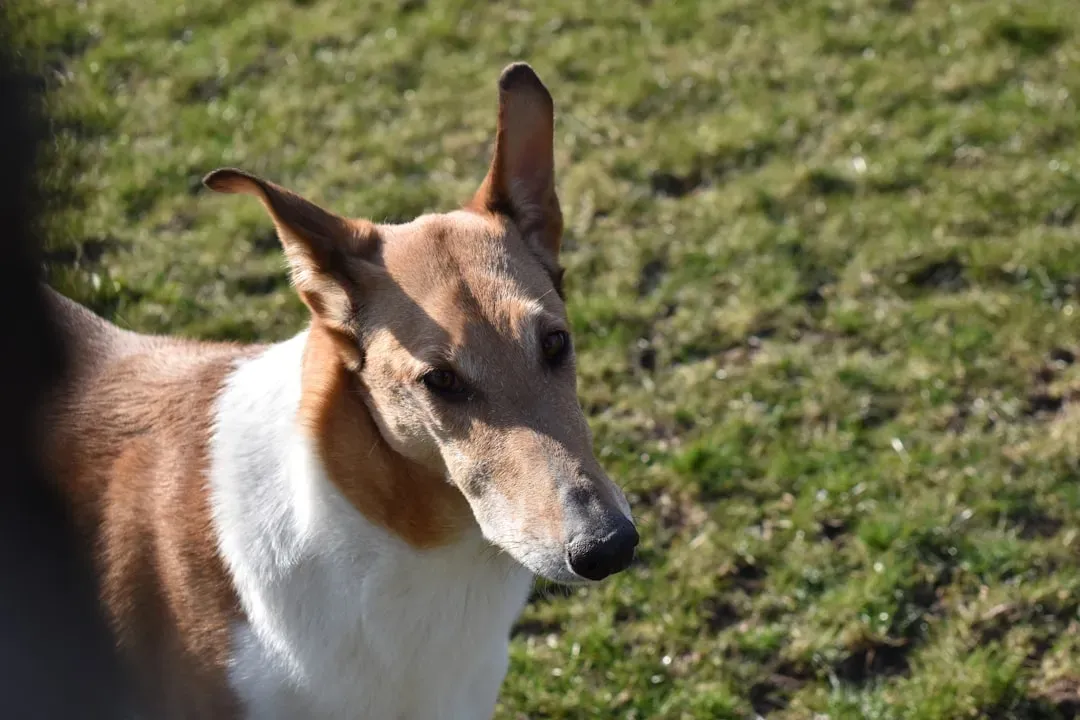
On the other side of the spectrum, some breeds seem almost indifferent to your belongings. Gentle chewers have a mild chewing habit and tend to be more cautious and delicate with their chews. This is often a combination of lower energy levels, calmer temperaments, and a reduced instinct to pick things up or carry them. The breeds below tend to be naturally easier on your home.
9. Greyhound
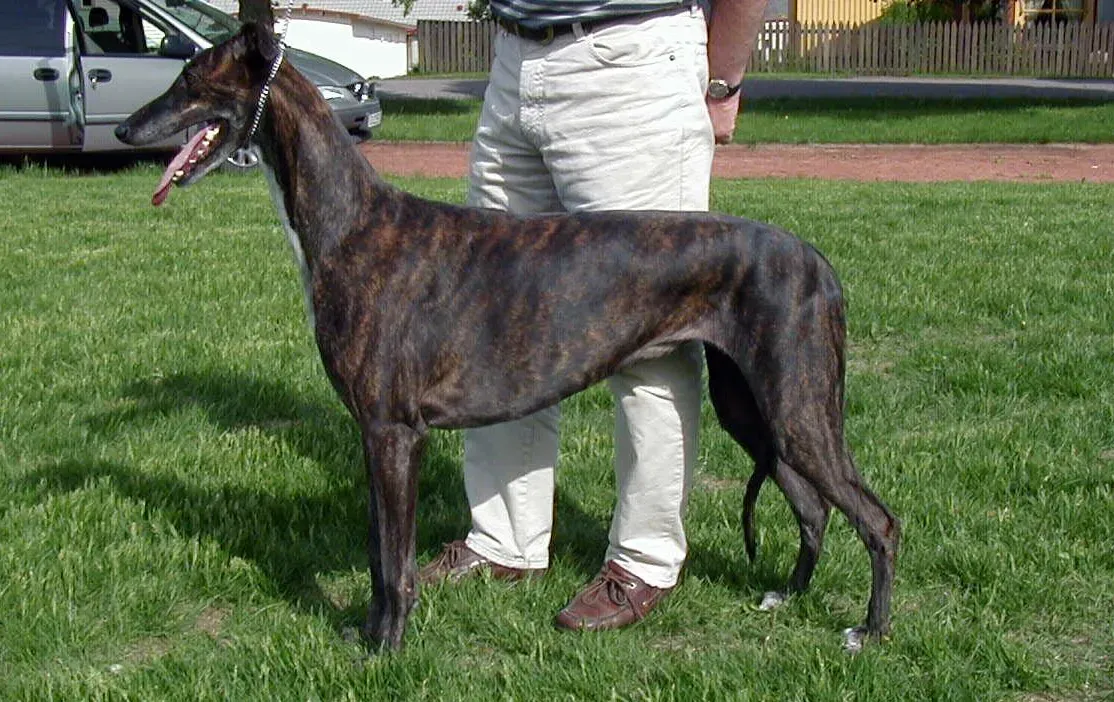
It may come as a surprise, but Greyhounds, known for their incredible speed, are actually one of the laziest dog breeds. While they enjoy a good sprint in a fenced yard, they’re also big fans of lounging around and napping for hours on end.
Greyhounds are content to just laze around the house. This gentle, calm breed is just as happy on the couch as they are sprinting and doesn’t need excessive exercise. They are comfortable with family and close friends but can be timid with new people and situations. The retired racing Greyhound in particular is one of the most overlooked breeds for calm apartment and home life.
10. Cavalier King Charles Spaniel

Dating back to Renaissance times, the Cavalier King Charles Spaniel is known for their prestigious nobility and gentle demeanor. Bred through generations of royals, their sweet expression and round eyes make them hard to resist. The Cavalier King Charles Spaniel is a small breed with a big heart. These dogs are affectionate, friendly, and adaptable, and they thrive on human companionship, known for their gentle and calm behavior.
Due to their welcoming disposition, the Cavalier makes a great therapy dog. They aren’t particularly driven by prey instinct, and their energy sits at a comfortable moderate level. Cavaliers are happiest in close proximity to their people, not dismantling the furniture.
11. Shih Tzu

The Shih Tzu is an affectionate, playful, and outgoing dog breed that was bred only to be a companion in Tibet. This little pup has a royal history, as they were house pets for most of the Ming Dynasty. That purpose-bred companion role shapes their entire behavioral profile.
The Shih Tzu was bred for one purpose: to be a companion. They don’t have a high prey drive or a need to roam. Shih Tzus are small, affectionate dogs that love being around people. Their calm and friendly nature makes them ideal for apartment living or homes with limited space, and they’re great with children and other pets. They simply have no ancestral reason to destroy things.
12. Basset Hound

Standing no more than 14 inches, the Basset Hound originated in France and Belgium. The word “basset” is French for “low.” Inside the house, they are amiable and gentle, exhibiting a kind disposition that suits peaceful homes.
Once trained, these lovable dogs will accomplish your needs and remain by your side, often content to snooze on the sofa. While calm and quiet at home, Bassets can be stubborn and vocal when out and during daily activities. They may not be the cuddliest breed out there, however they are steadfastly loyal. Their low-slung, slow-moving nature translates beautifully into a calm indoor presence.
13. Pug

Pugs are known to be quite serene and aren’t big on barking, chewing, or digging, so your house can stay spotless. They’re compact, good-natured, and primarily motivated by human closeness rather than activity. Pugs are “multum in parvo,” meaning a lot of dog in a small space. They are motivated by food and human interaction, and they aren’t looking to run a marathon.
That combination of low exercise drive and a deep need for closeness works very much in favor of your belongings. Pugs want to be near you on the sofa, not industriously working through your chair legs. Their wrinkled, somewhat baffled faces become an unexpected ally in home furniture preservation.
14. Mini Schnauzer
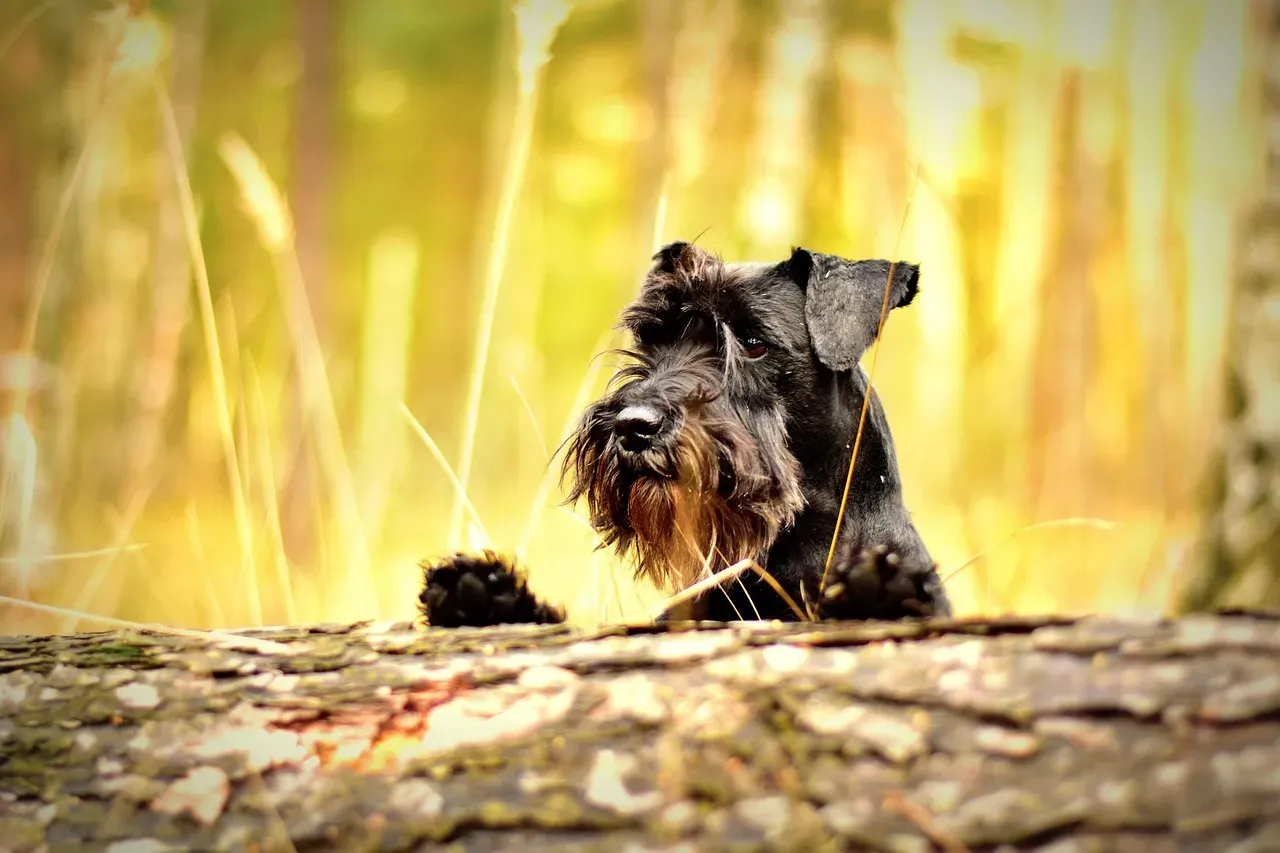
The Mini Schnauzer is described as a big dog in a small body, acting like a brave and intelligent guard dog. This smart breed is quick to learn tricks, commands, and proper behavior in general, adapting easily to a wide variety of homes because of their pleasant and playful temperament.
Despite their individual personalities, the Mini Schnauzer is generally obedient and kind. They won’t chew things, break vases, dig, or soil the carpet whether or not you’re away, as long as you take them on walks and give them a decent amount of exercise. Their adaptability is also one reason you can leave them alone without worrying if they’ve destroyed the whole house.
15. Boston Terrier

One of the few terrier breeds that does not suffer from separation anxiety, the Boston Terrier is an intelligent and independent dog that is no longer used for its earlier origins. The Boston Terrier is a top choice for first-time dog owners, in large part because this pup is low maintenance. They’re smart, curious, and lovable, and get along well with children and families.
The Boston Terrier does not suffer from separation anxiety, which removes one of the biggest drivers of destructive indoor chewing. These black-and-white dogs are both quiet and social, and they love to shower affection on family and friends, but this gentle breed is not prone to unnecessary barking or destruction. Their manageable size and balanced temperament make them a genuinely practical household companion.
16. Newfoundland
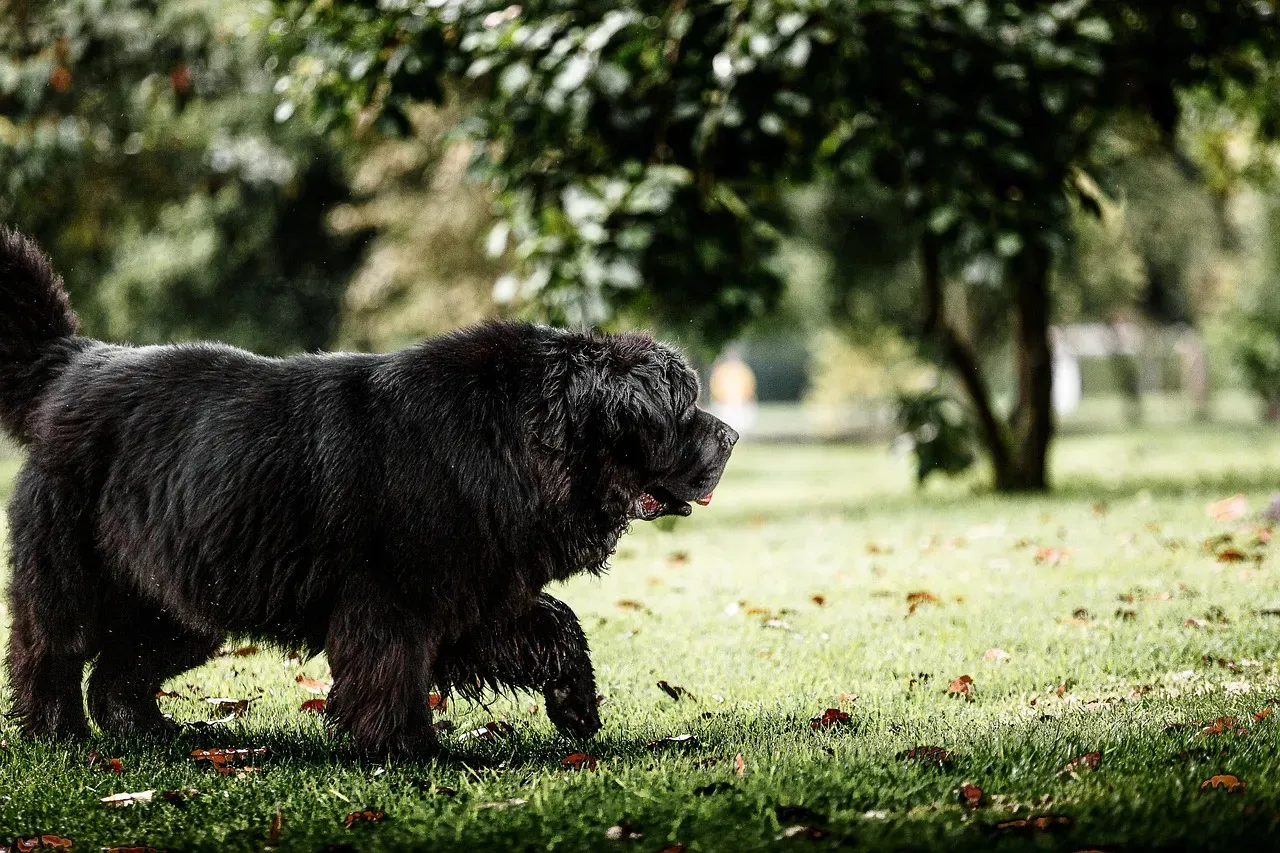
Newfoundlands are large, gentle dogs known for their calm and patient temperament. Often called “nanny dogs,” they’re great with children and make excellent family pets. These dogs are also strong swimmers and enjoy water activities.
Newfoundland pups are also popular as nanny dogs, famous for their patient, loving, and gentle nature. This calm dog breed has a sweet nature and a watchful eye, traits that make them wonderful family pets. They are easy to train and not stubborn, and they enjoy listening to their owners. Despite their very impressive size, they carry themselves indoors with a surprising gentleness that extends to their behavior around household items.
Conclusion: Knowing Your Dog’s Nature
The contrast between these two groups isn’t really about good dogs and bad dogs. It’s about understanding where a breed’s energy, instincts, and emotional needs sit, and whether your home environment can meet them. Chewing and destructive behaviors can be a response to anxiety, and dogs in a state of conflict or anxiety may turn to chewing as an outlet.
With proper training and appropriate natural chews, dogs can learn to redirect their chewing behavior to acceptable objects. The eight breeds prone to destruction aren’t lost causes. They simply need more engagement, more structure, and more outlets for their natural drives. Meanwhile, the gentler eight tend to ask for less from their environment and give more in return in terms of calm companionship.
The most honest thing you can do before bringing a dog home is match their needs to your actual lifestyle, not the one you aspire to have. A well-exercised, mentally engaged dog of any breed is far less likely to redecorate your living room uninvited. Know the breed, know the needs, and your furniture will probably thank you for it.


