
Picture this: you grab your keys, put on your shoes, and head for the door. Before you’ve even touched the handle, your dog is already watching you with those big, knowing eyes. Maybe they follow you from room to room. Maybe they slump onto the floor like their whole world is ending. It’s one of the most emotionally loaded moments in pet ownership, and yet most of us have no idea what’s actually going on inside our dog’s head.
The truth is, a lot is going on. Dogs are not passive observers of our departures. They are active, sensory, emotionally wired animals who are picking up far more information than we realize. Understanding what’s happening in their minds, and in their bodies, can change how you leave, how you return, and ultimately how much your dog truly thrives when you’re not there.
Your Dog Reads Every Single Departure Cue
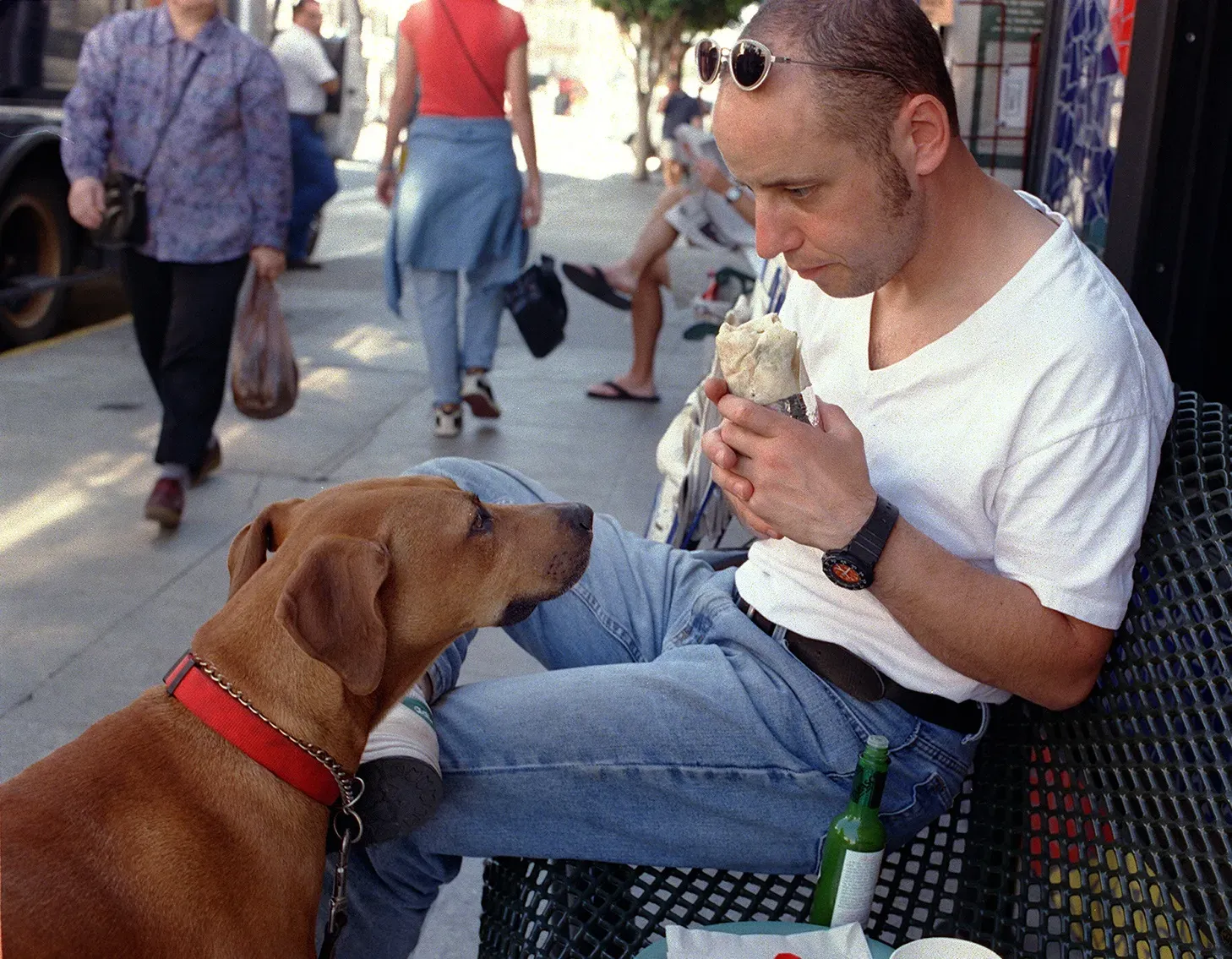
Long before you walk out the door, your dog has already figured out what’s coming. Grabbing your keys, putting on your shoes, picking up a purse or briefcase are all signals that you’re preparing to leave, and your dog learns to associate these actions with your departure. It’s not magic or mind-reading. It’s pattern recognition honed over weeks, months, and years of careful observation.
True separation anxiety can be triggered by the departure cue itself: picking up keys, putting on shoes, or even standing near the door can set off visible distress before you’ve even left the house. For dogs already prone to anxiety, the sight of a work bag or the sound of an alarm can start the stress spiral hours before you say goodbye.
Dogs working to overcome separation anxiety are often overly sensitized to environmental cues, becoming extremely sensitive to movement towards a door, sounds of keys or car doors, and most likely the smells of their humans that predict something aversive and scary. If your dog seems wound up well before you leave, that’s why. The cues themselves have become the trigger.
Prevention tip: Try decoupling these cues from your actual departure. Pick up your keys, sit back down, watch television for a few minutes, then put them back. Do this repeatedly until your dog stops reacting. It’s a technique behaviorists call cue neutralization, and it genuinely works with patience and consistency.
The First 30 to 60 Minutes Are the Hardest
Usually, right after a guardian leaves, a dog with separation anxiety will begin barking and displaying other distress behaviors within a short time after being left alone, often within minutes. This isn’t random. It reflects peak arousal levels at the moment of separation, when the emotional contrast between presence and absence is sharpest.
Much of the destructive behavior begins within the first thirty to sixty minutes following the owner’s departure. This is the time when the pet’s anxiety and arousal level is at its highest. This helps explain why your dog might chew a couch cushion and then sleep peacefully for the rest of the day. It’s not misbehavior in the ordinary sense. It’s a stress response that peaks and then gradually fades.
If the destructive behavior is usually directed toward doors and nearby windows where the owner exits, the pet is likely suffering from separation anxiety. Other targets include personal possessions of the owners or things they contact, such as hair brushes, books, and clothes. The dog targets those items because they carry the owner’s scent, not because the dog is “getting back at” the person for being left alone.
Health sign to watch: If your dog shows signs of distress specifically in that first half hour, such as heavy panting, drooling, or frantic scratching at the door, that window is your most important data point. Perhaps the best way to determine if the behaviors are due to anxiety associated with the owner’s departure is to make a video recording of the dog’s behavior when left alone. A pet camera can reveal things you’d never otherwise know.
Your Dog Tracks Time Through Scent, Not a Clock
Dogs don’t glance at a watch while you’re gone. Their sense of time is built on something far more ancient and far more sophisticated. in the morning, your personal scent lingers in the air and on the furniture. As the hours pass, that scent fades gradually. Your dog’s nose can detect the weakening of your odor, like a natural clock: the fainter your smell, the longer you’ve been away.
The theory of scent distribution and a dog’s ability to remember something based on scent is called olfactory memory. It’s plausible that a dog can track short amounts of time by the strength of an odor. When you leave for work, dogs will continue to monitor your scent until it reaches a level connected to you coming home. It’s a quietly remarkable system, calibrated over thousands of years of living alongside humans.
Research has confirmed that dogs get more excited about reuniting with their owners when they’ve been apart for longer. Dogs who had been separated from their owners for two hours were much more excited about reuniting than dogs who had only been separated for thirty minutes. Interestingly, dogs seem to be able to tell the difference between thirty minutes and two hours, but there is no clear indication they notice a difference between two and four hours. Beyond a certain point, absence is simply absence.
Practical tip: Leaving an unwashed item of clothing, a worn t-shirt, or even a pillowcase with your scent can genuinely comfort a dog while you’re gone. Leaving a toy or blanket with your scent can provide comfort and reassurance. It can help them feel more secure and less anxious in your absence.
Boredom and Anxiety Are Not the Same Thing
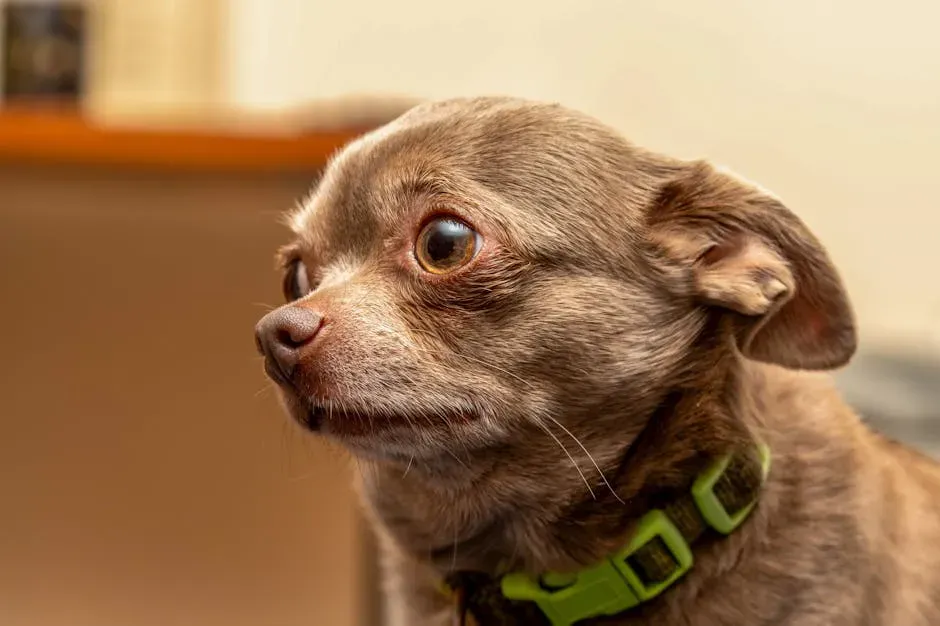
This distinction matters more than most owners realize. Separation anxiety is a serious condition that goes beyond the occasional mournful whimper when you leave or the shredded sock waiting upon your return. It’s also not the same as boredom, and unlike a little mischief when a dog is left alone, separation anxiety is the result of legitimate stress. Treating boredom like it’s anxiety, or anxiety like it’s boredom, can make things worse.
Dogs that are bored usually don’t appear anxious. They need mental stimulation, and some dogs can be disruptive when left alone simply because they’re bored and looking for something to do. A bored dog chews your furniture. An anxious dog is also chewing, pacing, drooling, and may be doing all of it at once while emitting sounds the neighbors can hear.
True separation anxiety involves physiological arousal, including elevated heart rate, cortisol surge, and a stress response comparable to a panic attack in humans. That’s a meaningful difference. A bored dog needs enrichment. An anxious dog needs a carefully structured behavior modification plan, and sometimes veterinary support alongside it.
Dogs can become bored when their owners are gone, and boredom can transfer into destructive or disruptive behavior. This can be resolved by providing mental stimulation such as a puzzle toy to keep your dog engaged while you are away. For true separation anxiety, though, enrichment toys alone won’t be enough. Addressing the root emotional state is what creates lasting change.
How Your Dog Really Feels When You Walk Back Through the Door
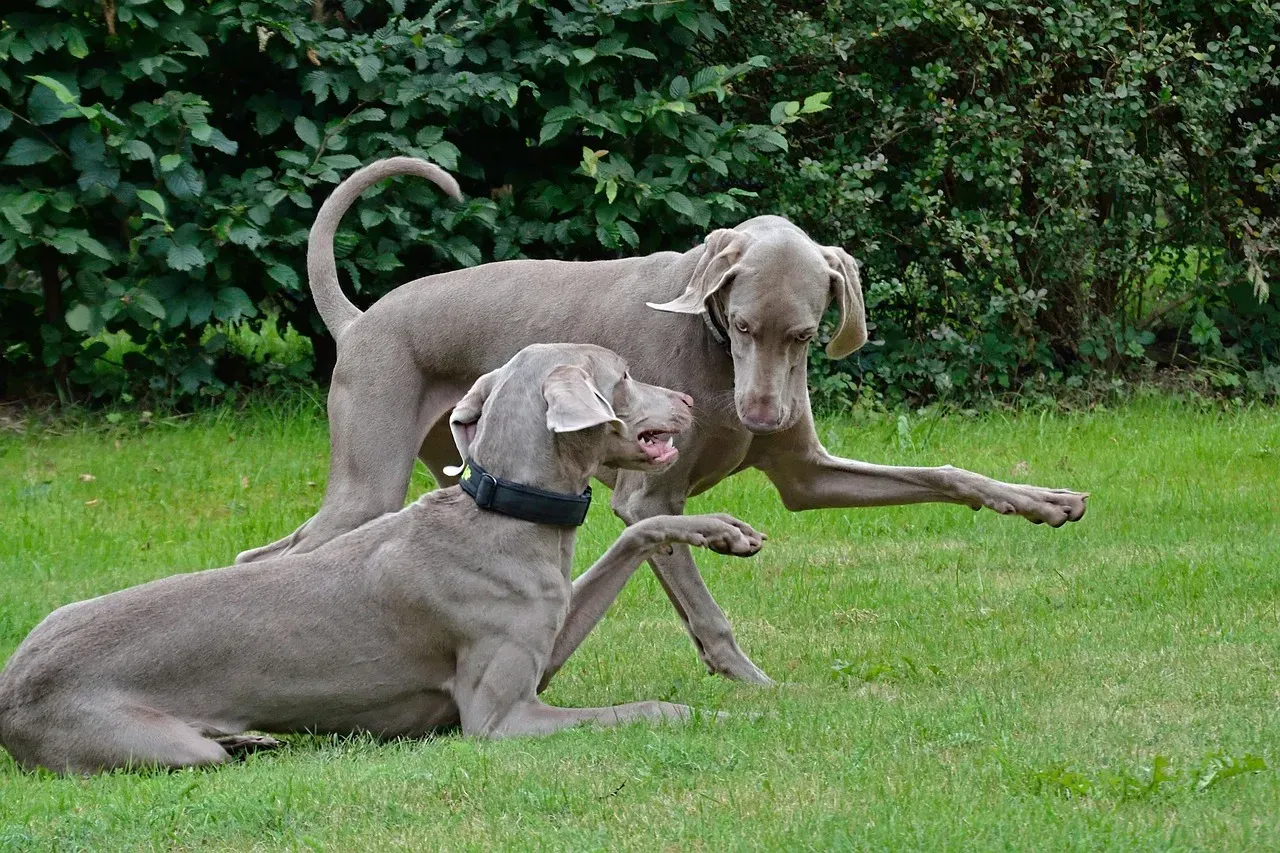
When the guardian returns home, the dog acts as though it’s been years since they’ve seen their mom or dad. That explosion of joy at the door is real, and it’s proportional. The longer your dog has been stressed in your absence, the more intense that greeting tends to be. It’s relief as much as happiness.
Here’s something many owners get wrong: those big celebratory homecoming moments can actually reinforce anxiety over time. When you overemphasize your dog’s response to leaving or get too excited when you return home, this reinforces your pet’s negative association with being left. Downplaying their exuberance when you come home and remaining upbeat, while avoiding a long goodbye when you leave, helps both situations.
There’s also the matter of what happens when your dog has been stressed and you come home to a mess. Even if you take your dog to the scene of the problem, they won’t associate your anger with their earlier behavior. Your dog will simply become more anxious the next time you go out. Scolding after the fact does nothing except add a layer of confusion and fear to an already difficult emotional state.
Every time your dog becomes highly distressed, stress hormones occur in the body which can take days to reduce. This can cause negative, long-term effects on your dog’s body and mental state. That’s why calm, consistent, and gradual adjustments to alone time matter so deeply for your dog’s actual wellbeing, not just their behavior.
What You Can Do Right Now to Help
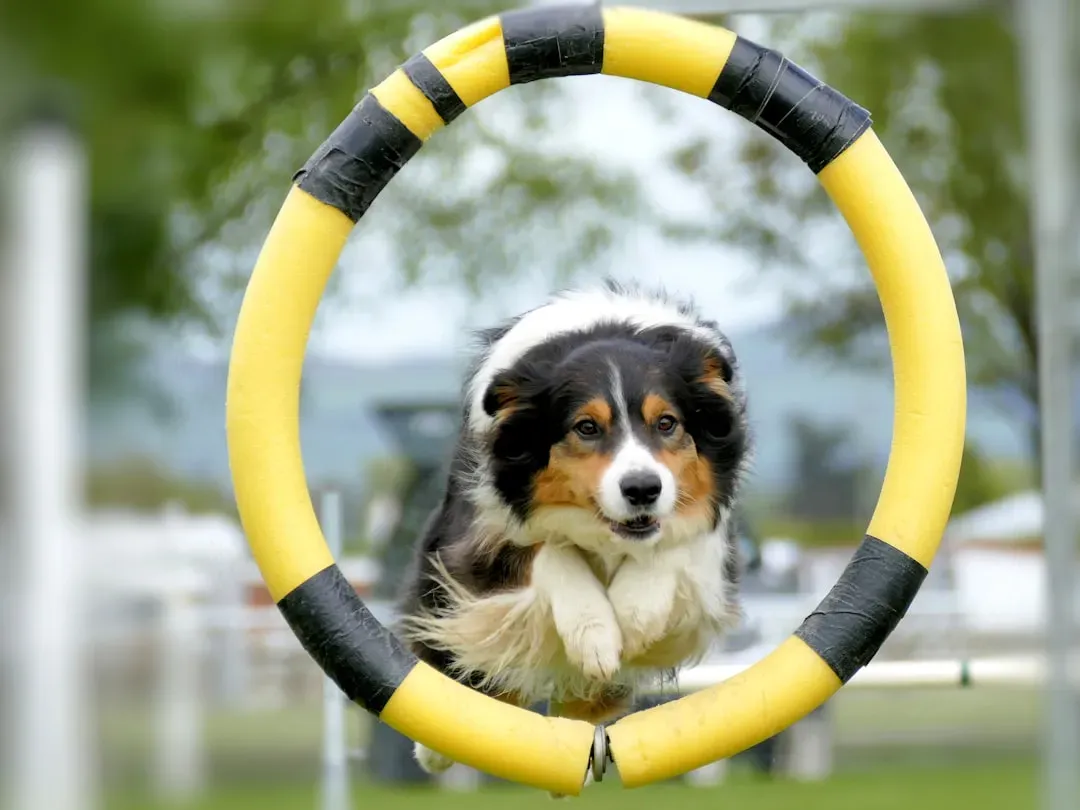
The good news is that this is not a hopeless situation. Separation anxiety is preventable and treatable. For many dogs, thoughtful adjustments to daily routine can make a significant difference before things escalate to a clinical level. Protective factors include ensuring a wide range of experiences outside the home and with other people between the ages of five and ten months, stable household routines, and consistent absences from the dog.
A physically and mentally tired dog doesn’t have much excess energy to expend when left alone. Giving your dog at least thirty minutes of aerobic activity every day, and trying to exercise them right before you leave, can help them relax and rest while you’re gone. A tired dog is far better equipped to handle solitude than a coiled spring waiting for something to happen.
Dogs thrive on consistency. A reliable daily schedule helps anxious dogs predict when alone time occurs and when you’ll return, reducing uncertainty-based stress. That predictability is genuinely comforting to a dog’s nervous system. When the world becomes readable, it stops feeling threatening.
If things are serious, don’t hesitate to seek professional support. Consider working with a Certified Applied Animal Behaviorist or a veterinary behaviorist to help smooth the process. As serious as the condition may be, separation anxiety has a high rate of treatment success. You don’t have to figure it out alone, and neither does your dog.
Conclusion: Seeing It From Their Side
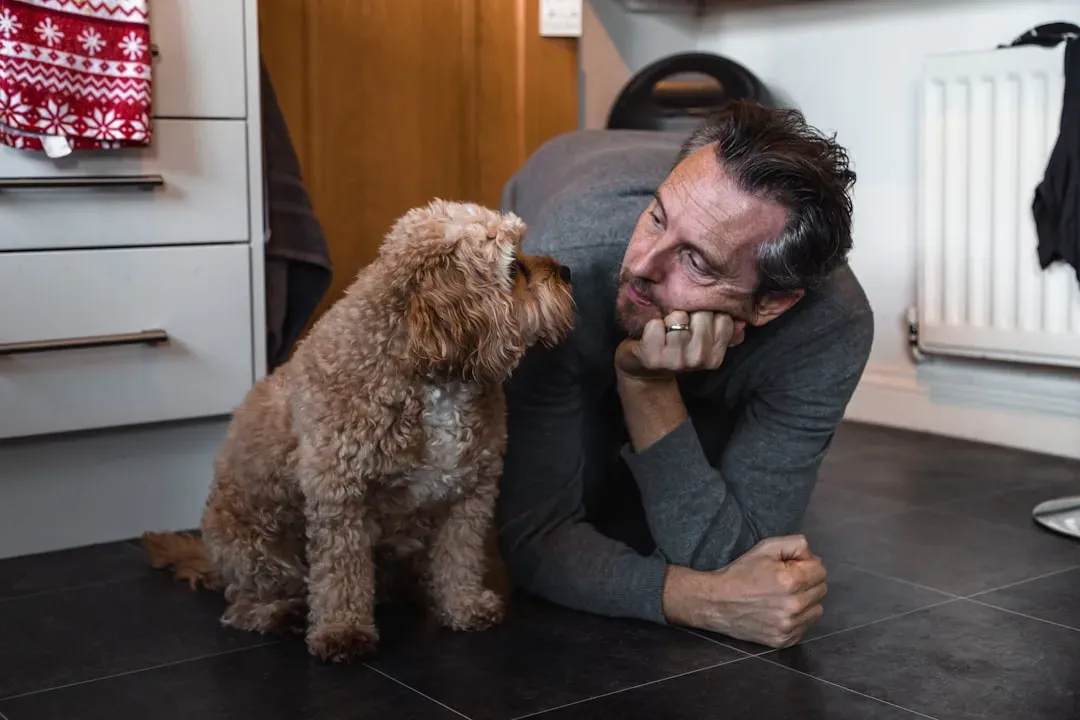
Understanding what your dog experiences when you leave is one of the most empowering things you can do as an owner. It shifts the conversation from “why is my dog doing this to me” to “what does my dog need from me.” Those are very different questions, and they lead to very different outcomes.
Your dog isn’t dramatic or manipulative. They’re a deeply social animal operating on instinct, scent, memory, and an emotional bond with you that is genuine and profound. Dogs are social creatures who want to be with you. That’s not a flaw to be corrected. It’s something to be gently shaped with patience and understanding.
The smallest changes, a calmer goodbye, a scent-enriched space, a consistent routine, can begin to shift how your dog experiences your absence. Not every dog will struggle, and not every struggle needs medication. Most of the time, what they need most is what we all need: to feel safe, seen, and certain that someone is coming back.


