

Most dog owners would do anything for their pups. They buy the best food, research the safest toys, plan walks around the weather. Yet even the most devoted dog parent can unknowingly be the source of their dog’s stress, not through neglect, but through small, well-meaning habits that quietly chip away at a dog’s sense of safety and peace.
The signs of anxiety in dogs are often subtle and can easily be misinterpreted unless the full context is understood. A yawn might look like boredom. Avoiding the room might seem like independence. The truth is, your dog is likely trying to tell you something, and it’s worth learning how to listen. These are the ten most common mistakes that flip , along with what you can do about each one.
1. Skipping a Consistent Daily Routine
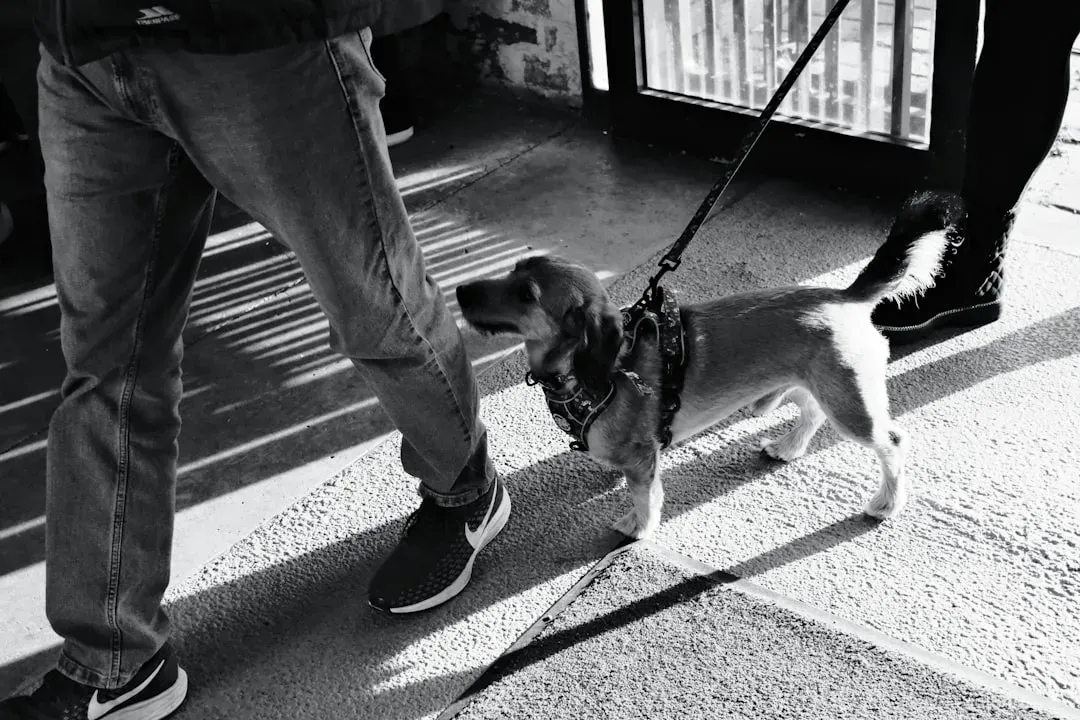
Dogs thrive on predictability and routine. Irregular feeding times, unpredictable walks, and inconsistent training can lead to confusion and anxiety. Establishing a consistent daily schedule helps your dog feel secure and understand what to expect. Think of routine as your dog’s personal road map for the day. When it disappears, they’re left guessing, and guessing makes dogs nervous.
Dog owners should aim for stability in the dog’s routines, because some evidence shows that sudden changes in household routines and owner–dog interactions can trigger or exacerbate canine stress-related problems. Even small shifts, like feeding an hour later or skipping the evening walk, can register as a disruption. Keeping meals, exercise, and bedtime anchored to a reliable schedule is one of the most effective things you can do for your dog’s emotional wellbeing.
2. Using Punishment Instead of Positive Reinforcement

Harsh or frequent punishment can create fear and anxiety in dogs. This includes yelling, physical corrections, or using aversive training tools like shock collars. The irony is that punishment rarely teaches a dog what you want them to do. It mostly teaches them that you’re unpredictable and frightening.
Don’t punish your dog, especially if they’re showing defensive behaviours, as this is likely to make them even more stressed. Telling them off may mean they stop one behaviour, such as growling, but start biting or snapping instead. When a dog stops growling after being scolded, it doesn’t mean they feel better. It means you’ve removed their only warning system. Consistent training creates a platform for communication between you and your pet, and sets expectations that you can deliver on, eliminating uncertainty for an anxious dog. Positive reinforcement is not just kinder. It’s genuinely more effective.
3. Leaving Dogs Alone for Too Long, Too Often

Separation anxiety occurs when a dog experiences intense distress and fear when left alone or separated from their owner. While some dogs may be mildly uncomfortable when their owner is absent, dogs with separation anxiety exhibit extreme behaviors, such as excessive barking or howling when left alone. Destructive chewing of furniture, shoes, and doors, soiling in the house even if housetrained, pacing or drooling excessively, and attempts to escape by scratching at doors or windows are all distress responses, not acts of spite.
A history of being left alone for long times is a factor associated with canine separation-related problems. These findings suggest that owners should aim for moderation in the length of absences from their dogs. If your schedule requires long absences, try building up alone time gradually, use enrichment toys like frozen Kongs or puzzle feeders to make solo time positive, and consider a dog walker or daycare on heavier days. Anxious behaviors are not the result of disobedience or spite. They are distress responses. Your dog displays anxious behaviors when left alone because they’re upset and trying to cope with a great deal of stress.
4. Ignoring Your Dog’s Stress Signals

Dog body language is a collection of unique methods that a canine uses to communicate their emotions and intentions. It is a compilation of sounds such as barks, growls, and yawns, physical body adjustments like tail wagging, raised hackles, and pinned ears, and even touch like jumping and licking. When owners miss these cues, stress compounds silently over time.
Stress signs to look for include whale eye when dogs reveal the whites of their eyes, tucked ears or tail, raised hackles, lip-licking, yawning, and panting. Signs of discomfort such as lip licking, yawning, or turning away are often subtle and easily overlooked. Ignoring these cues can escalate your dog’s anxiety and potentially lead to behavioral problems. The more you study your dog’s baseline behavior, the more quickly you’ll catch when something feels off. To differentiate stress signs from normal behavior, you must be familiar with your dog’s regular demeanor and pay attention to the context.
5. Hugging and Forced Physical Contact
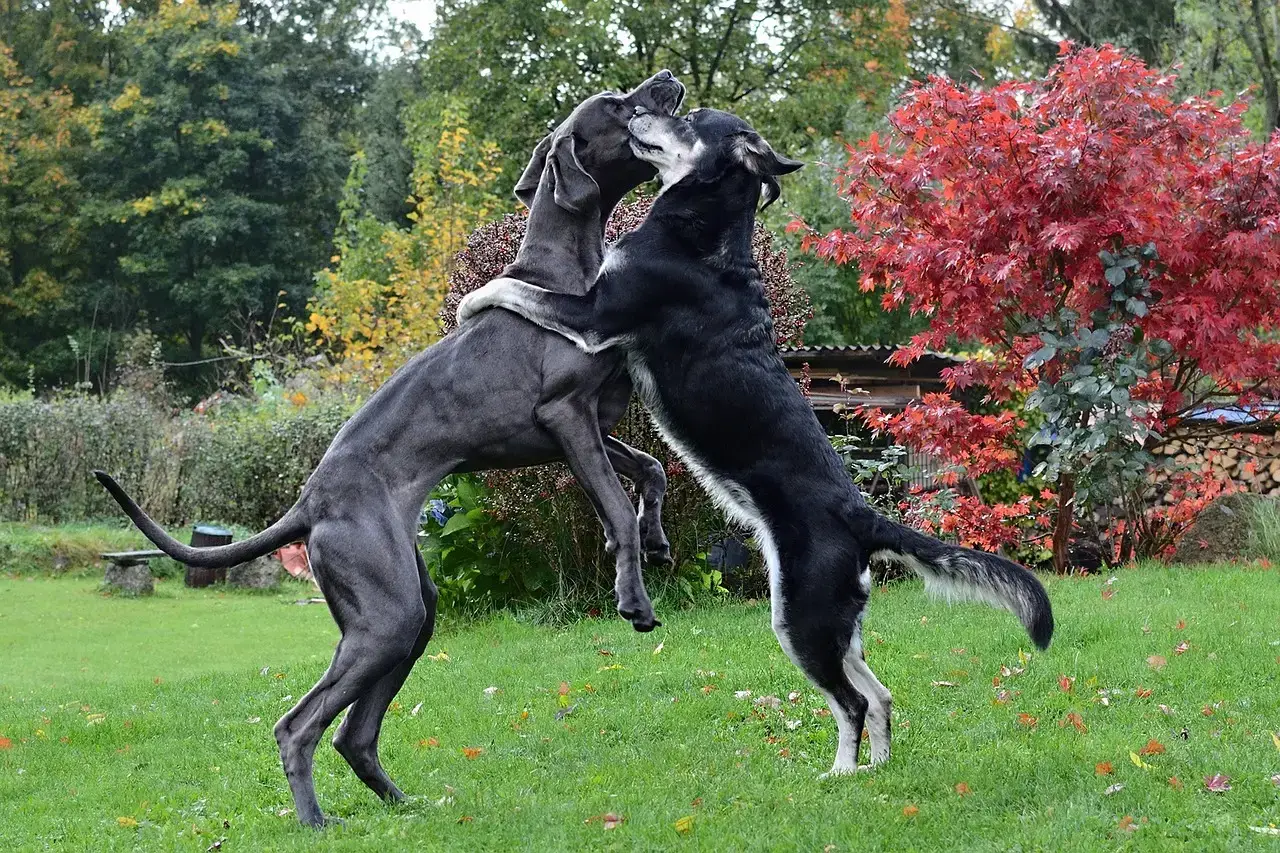
It feels natural to scoop your dog into a hug after a long day. For us, it’s an expression of love. For many dogs, it’s something quite different. Dogs are technically cursorial animals, which means that they are designed for swift running. That implies that in times of stress or threat the first line of defense that a dog uses is not his teeth, but rather his ability to run away. Behaviorists believe that depriving a dog of that course of action by immobilizing him with a hug can increase his stress level and, if the dog’s anxiety becomes significantly intense, he may even be driven to bite.
One study of 250 photographs of people hugging their dogs found that 82% showed at least one sign of stress. That’s a striking number, especially when most of those photos were posted by owners who believed they were showing a happy dog. If you aren’t sure whether or not a dog wants to be handled, your best bet is to let them approach you for affection. Whether hugging or petting, only handle your pets when they solicit it from you, hence encouraging consent. Watch for lip licking, yawning, turning away, or a stiffened body. Those are all polite ways of saying, “Not right now.”
6. Not Providing Enough Mental Stimulation
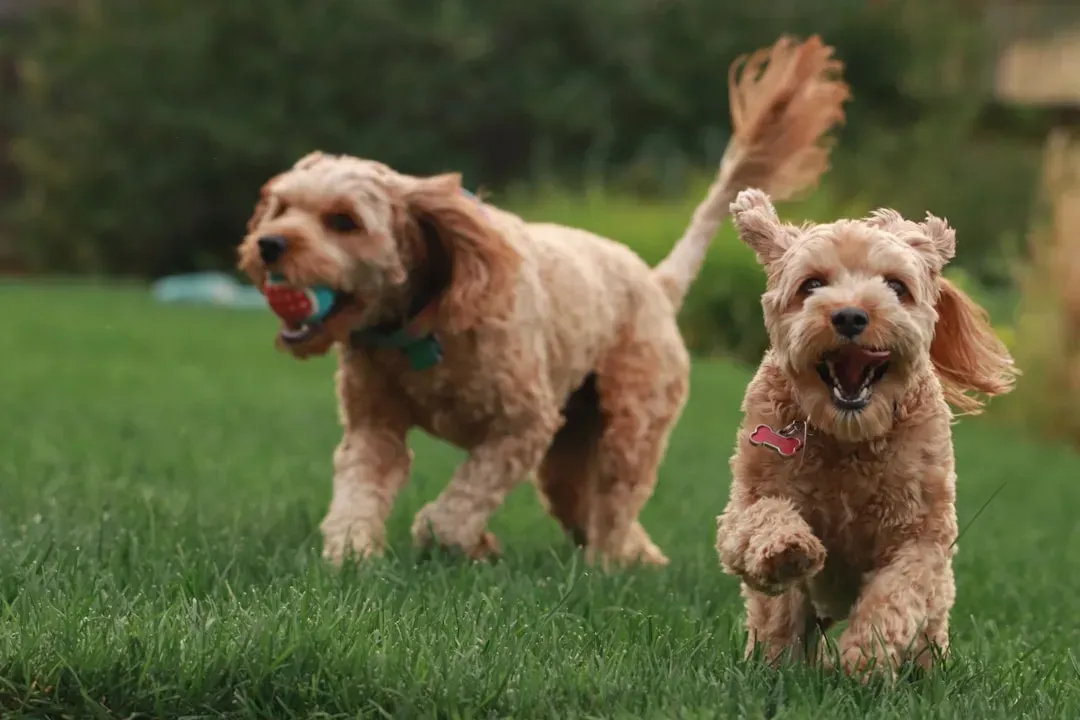
Insufficient exercise and mental engagement can lead to boredom and stress in dogs. Regular physical activity and interactive play are vital for your dog’s health and happiness. Mental stimulation through training, puzzle toys, and new experiences keeps your dog’s mind sharp and engaged. A bored dog is rarely a calm dog. They tend to redirect all that unused mental energy into chewing, barking, or pacing.
According to the Merck Veterinary Manual, common causes of stress include a lack of physical exercise or mental stimulation. The good news is that mental enrichment doesn’t require expensive gear. Sniff walks where your dog leads by their nose, simple training sessions, or a treat hidden in a rolled-up towel can make a real difference. Providing lots of physical and mental stimulation is a vital part of treating many behavior problems, especially those involving anxiety. Exercising your dog’s mind and body can greatly enrich his life, decrease stress, and provide appropriate outlets for normal dog behaviors.
7. Forcing Socialization Instead of Guiding It

Throwing a nervous dog into a chaotic dog park or a loud birthday party and hoping they’ll “just warm up” is one of the most common and well-intentioned mistakes around. Forcing a puppy to have interactions they’re not actually comfortable with, like having strangers pass the puppy around if the puppy isn’t really enjoying those interactions, could backfire and cause the puppy to become afraid of being touched or of strangers.
Proper dog socialization is not just exposure. It is structured exposure with guidance. Begin with low-stress interactions. Let your dog observe people and other dogs from a distance and gradually decrease the distance as they become more comfortable. Create positive associations with people and other dogs by offering treats and praise. Never force your dog into social situations. Confidence is built in small, successful steps, not by overwhelming a dog until they shut down or lash out.
8. Inconsistent Rules and Mixed Signals from the Family

Changing the rules or having different family members enforce different rules can confuse and stress your dog. This inconsistency makes it difficult for them to understand what’s expected of them. Imagine being told one thing by one person and the complete opposite by another, every single day. That’s not a small inconvenience for a dog. It’s a source of real chronic anxiety.
Establishing clear, consistent rules for your dog and ensuring all family members enforce them the same way creates a predictable environment where your dog knows what behaviors are acceptable, reducing anxiety and confusion. This extends beyond just commands. It includes where the dog sleeps, whether it’s allowed on the couch, and how it’s greeted at the door. Lack of training or inconsistent training can leave dogs feeling unsure of their place in the household. This uncertainty can lead to anxiety and behavioral issues. Clarity is kindness.
9. Exposing Dogs to Chronic Noise and Chaos

Loud noises, crowded spaces, and chaotic environments can be overwhelming for dogs. Events like fireworks, thunderstorms, or busy gatherings may trigger anxiety and fear responses. What registers as lively background noise to a human can feel genuinely threatening to a dog, whose hearing is significantly more sensitive than ours. Dogs have super sensitive hearing, so a loud noise to you is only amplified to them.
Many dogs are sensitive to noise and can become anxious in loud or chaotic environments. This includes thunderstorms, fireworks, or even a noisy household. Create a quiet, safe space for your dog to retreat to when things get overwhelming. A dog’s safe space, whether a crate lined with a favorite blanket, a quiet corner, or a room away from the action, isn’t optional. It is also important to provide your dog with a safe place in the home where they can escape stimuli that trigger a stress response. Think of it less as a crate and more as a personal sanctuary your dog can always count on.
10. Transferring Your Own Stress to Your Dog
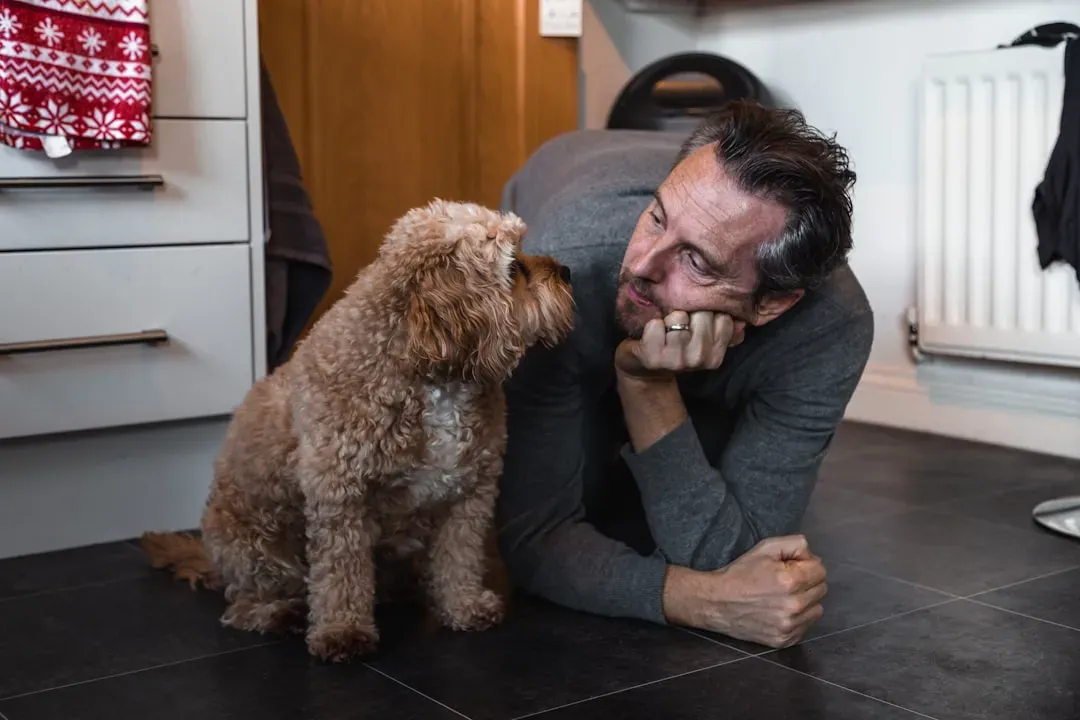
Dogs are extraordinary emotional readers. They pick up on tension in your voice, your posture, and even your scent. You can be a cause of your dog’s stress. Dogs are great at mirroring the emotions of their owners, so in other words, if you are stressed, your dog could be picking up on that anxiety, causing them to be stressed as well. This isn’t something that happens occasionally. For emotionally attuned dogs, it can become a daily feedback loop.
Many dogs are very sensitive to their owner’s emotions. If your dog is stressed, keep calm and try not to panic or raise your voice as this might add to your pet’s stress levels. If you notice your dog’s behavior has changed lately, it might be worth examining any changes in your own life. If you are worried about work, relationships, or a move, you might not realize that you are transferring those worries to your dog. One of the most underrated things you can do for your dog’s mental health is actively work on your own. Their nervous system takes its cues from yours more than you might expect.
A Final Word: Awareness Is Everything
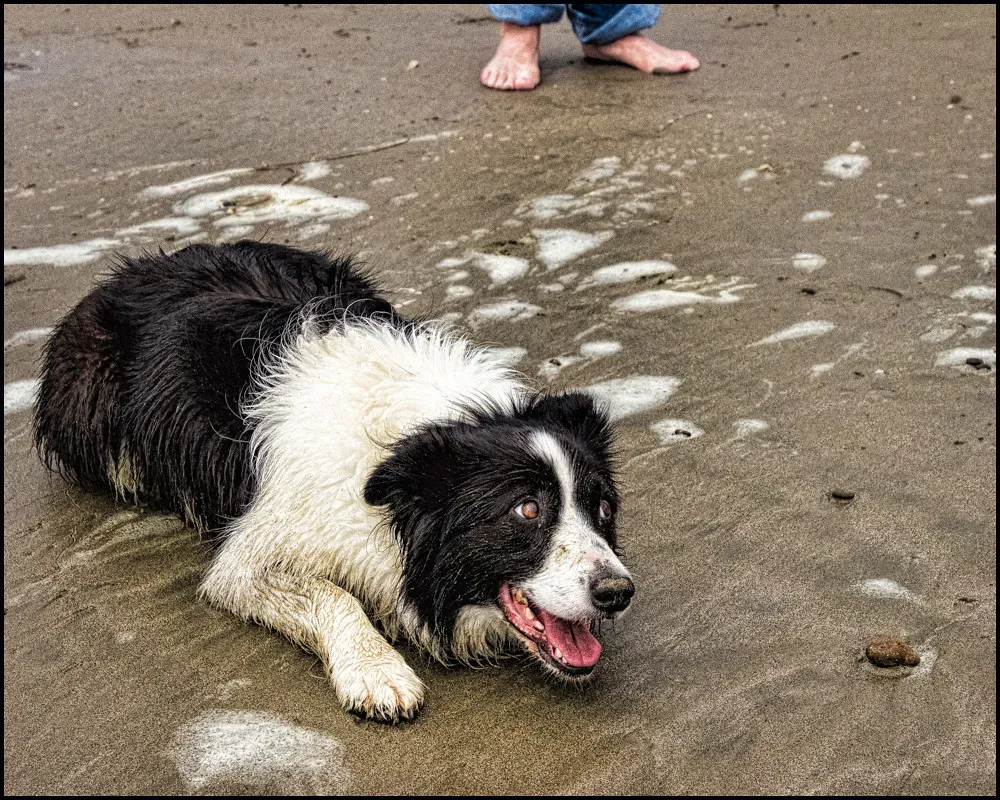
Identifying, respecting, and responding to our dogs’ body language and signals is paramount in identifying what the source may be, lessening or removing the source of stress, and generally understanding our dogs’ likes, dislikes, preferences, and fears. That’s not a complicated ask. It just requires slowing down and paying attention.
None of the mistakes on this list come from a place of bad intentions. They come from being human, from assuming our dogs experience the world the way we do. While short-term stress can be normal, ongoing stress can affect a pet’s immune system, behavior, and overall quality of life. Recognizing stress early allows pet owners to intervene before emotional distress turns into medical concerns.
The relationship you have with your dog is built on trust, and trust is built through small, consistent, thoughtful choices every day. You don’t need to be perfect. You just need to keep learning. Your dog is already watching you for guidance, and the fact that you’re reading this means you’re already on the right path.


