
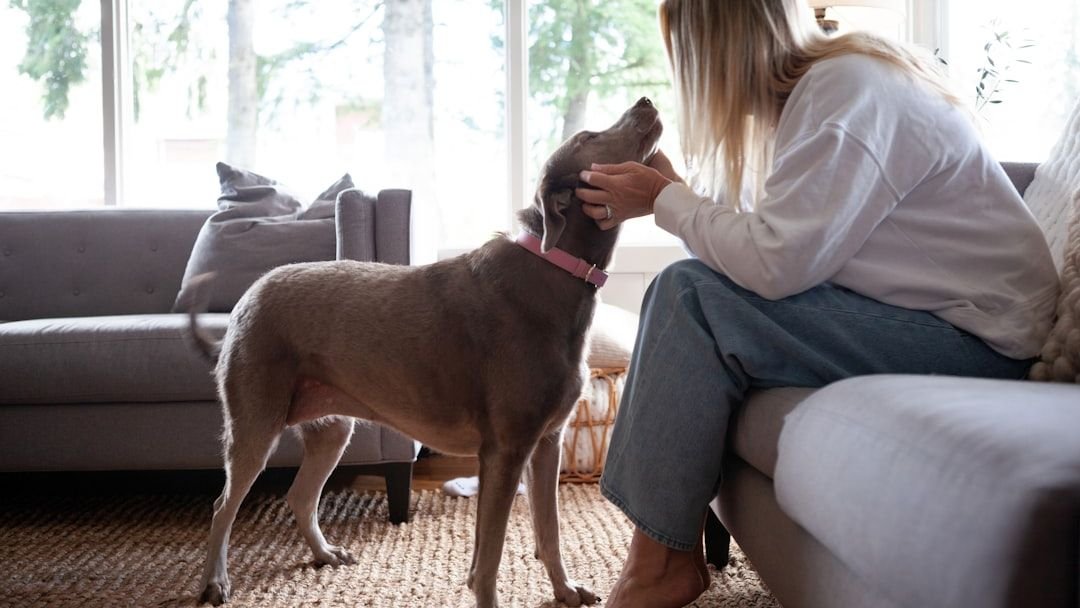
There is something quietly remarkable about coming home after a brutal day and having your dog read the room before you’ve even said a word. No performance. No pretense. Just a warm body pressing into your legs, a gaze that somehow knows. Most dog owners have felt this. Fewer understand why it happens, or what it looks like when it starts to unravel.
The emotional bond between dogs and humans is one of the most researched interspecies relationships in modern science, and the findings keep surprising even the experts. Dogs aren’t just loyal. They are emotionally attuned in ways that are measurable, biological, and deeply mutual. Understanding how that connection is built, and what quietly dismantles it, can change the way you care for your dog.
The One Profound Way Dogs Truly Connect: The Mutual Gaze and the Oxytocin Loop

When your dog stares into your eyes, they activate the same hormonal response that bonds us to human infants. When a mother stares into her baby’s eyes, the baby’s oxytocin levels rise, which causes the infant to stare back, which causes the mother to release more oxytocin, and so on. This same loop, it turns out, plays out between dogs and their owners.
When dogs and humans engage in mutual gazing, both species release oxytocin, the same hormone involved in human mother-infant bonding. This hormonal feedback loop creates a powerful attachment system that mirrors the caretaker-infant relationship. It’s not metaphorical. It’s measurable chemistry.
Dogs’ brain reward centers activate when receiving praise from their owners, sometimes showing even stronger responses to human approval than to food rewards. This neurological evidence supports the emotional connection that many dog owners report, suggesting an interspecies form of love that goes beyond simple conditioning or training responses.
What this means practically: the quiet moments matter. Sitting together, making soft eye contact, speaking in a warm tone, these aren’t just feel-good habits. The simple act of petting a dog releases oxytocin, a hormone associated with relaxation and bonding, fostering emotional resilience in humans, which can be particularly helpful for people coping with adversity. The connection flows both ways, and it strengthens with every unhurried moment you spend together.
Disconnect #1: Your Stress Becomes Their Stress
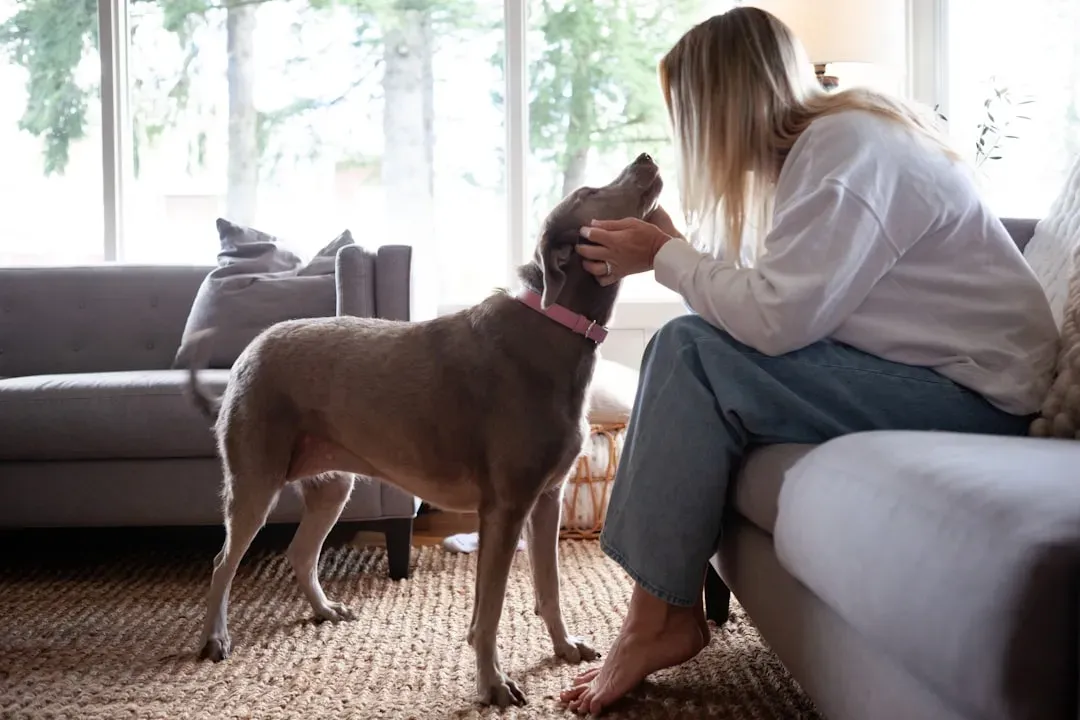
A landmark study reveals, for the first time, an interspecific synchronization in long-term stress levels. Previously, acute stress had been shown to be highly contagious both among humans and between individuals of other species. The study investigated long-term stress synchronization in dogs and their owners. The results were striking.
Researchers determined stress levels over several months by measuring the concentration of cortisol in a few centimetres of hair from the dog and from its owner. They found that the levels of long-term cortisol in the dog and its owner were synchronized, such that owners with high cortisol levels have dogs with high cortisol levels, while owners with low cortisol levels have dogs with low levels.
Your emotional state directly affects your dog. Chronic stress, frequent anger, or persistent anxiety in a household doesn’t just pass over a dog. They perceive it through multiple channels simultaneously. Conversely, calm, consistent emotional environments give dogs clearer signals to work with, which tends to produce calmer dogs.
The behavior signs to watch for include restlessness, excessive clinginess, and changes in appetite. A dog living with a calm, emotionally stable owner is more likely to be relaxed, confident, and socially adaptable. Conversely, a dog cohabiting with high emotional tension may exhibit hyperactivity, reactivity, or withdrawal. If your dog seems anxious for no apparent reason, it’s worth asking honestly: how are you doing?
Disconnect #2: Separation and the Emotional Unraveling It Can Cause

One of the most common complaints of pet parents is that their dogs are disruptive or destructive when left alone. Their dogs might urinate, defecate, bark, howl, chew, dig or try to escape. Although these problems often indicate that a dog needs to be taught polite house manners, they can also be symptoms of distress.
While most dogs are emotionally attached to their owners, anxious dogs exhibit more attachment behaviors than dogs that are less anxious. Separation anxiety has been defined as distress in the absence of an attachment figure. Dogs with separation-related problems will often show signs of excessive attachment to their owners, such as following owners around when they are home, and when their owners are preparing to leave the house.
The exact cause of separation anxiety in dogs is not usually known. However, genetic and environmental factors or early negative experiences in a pup’s life may contribute to the development of separation anxiety. This is why puppies raised in isolated, unstimulating environments are often harder to help later on.
Prevention matters more than correction here. Providing lots of physical and mental stimulation is a vital part of treating many behavior problems, especially those involving anxiety. Exercising your dog’s mind and body can greatly enrich their life, decrease stress, and provide appropriate outlets for normal dog behaviors. Additionally, a physically and mentally tired dog doesn’t have much excess energy to expend when left alone. A well-exercised, mentally engaged dog handles solitude with far more grace.
Disconnect #3: Misreading the Signals and Breaking the Trust
Dogs have been empirically shown to be particularly sensitive to human emotions. They discriminate and show differential responses to emotional cues expressed through body postures, facial expressions, vocalisations and odours. The sensitivity runs deep, which means miscommunication cuts deeper than most owners realize.
Disconnection can look like sniffing, wandering, staring into the distance, or suddenly “forgetting” behaviors. Dogs don’t disconnect out of stubbornness or spite. They disconnect because something in the moment is affecting their ability to stay engaged. Understanding the root cause is the first step to building stronger focus and teamwork.
Stress is one of the most overlooked reasons dogs disconnect from their handlers. Dogs who feel unsure, pressured, confused, or overwhelmed will often disengage because they can’t mentally offer more. Sniffing, looking away, stopping suddenly, scratching, lip-licking, or avoiding eye contact are common displacement behaviors. Pushing a stressed dog harder only increases disconnection.
One of the most damaging patterns is punishing a dog for behavior that stems from fear or anxiety. If your dog does something undesirable whilst you’re out, it’s important you don’t show any signs of disapproval. Raising your voice or showing your disappointment might scare your dog and make the situation worse. Your dog will become anxious about what you’ll do when you return the next time you go out, making the behavior worse. Repair matters. Consistency matters more.
Conclusion: The Bond Is a Living Thing
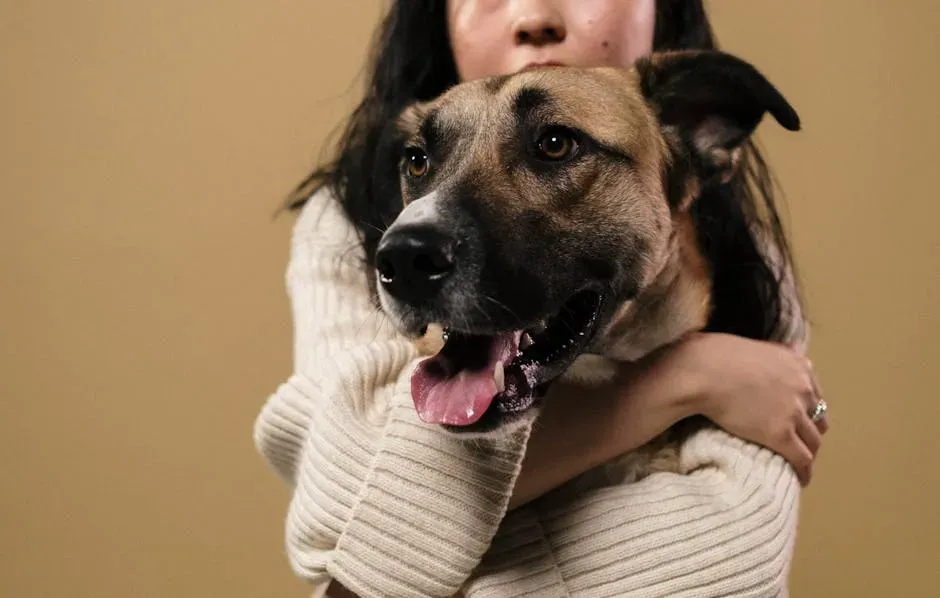
The emotional connection between a dog and their person isn’t a fixed state. It’s something that grows through attention, contracts through stress, and can fray quietly in ways that aren’t always obvious until the signs become hard to ignore. The science is clear on this: the emotional connection between you and your dog is real and measurable.
Spending dedicated quality time with dogs enhances the emotional connection between human and canine companions. Activities such as training sessions, interactive play, grooming, and simply spending quiet time together can strengthen the bond. The key is consistency and engagement rather than duration: regular, focused interactions are more beneficial than sporadic, lengthy periods together.
What dogs ask of us isn’t complicated. They ask us to show up, pay attention, and stay regulated enough to be a safe presence. They give back everything they can. The least we can do is meet them somewhere close to that.


