

Picture this: you’ve just welcomed home a beautiful Basenji, a breed famous for barely making a sound. The apartment stays peaceful, the neighbors are happy, and life seems serene. Then your new companion shreds a throw pillow, bolts for the door every time it opens, and keeps you on your toes in ways you never expected. The silence, it turns out, wasn’t a sign of calm at all.
It’s one of the most common misconceptions in the dog world. A quiet dog doesn’t necessarily mean a calm dog. These are two genuinely different traits, and mixing them up can lead to mismatched expectations, frustrated owners, and dogs who don’t get the care they actually need. Whether you’re choosing your first dog or reassessing the one already on your couch, understanding this distinction could change everything about how you care for your pup.
The Quiet vs. Calm Confusion: Why It Matters

When most people say they want a “quiet dog,” what they really mean is a dog that won’t disrupt their household. That’s a reasonable wish. While no dog is truly silent, several breeds are much less vocal than others, and extensive training can go a long way in keeping any dog from barking unnecessarily. The issue is that low vocalization and emotional composure are not the same thing.
The American Kennel Club classifies a calm breed as one that doesn’t have big, distressed reactions to stimuli – meaning things like thunder, strangers, weird scents, and new furniture probably won’t send them into a frenzy. A quiet dog, on the other hand, may simply express its energy and anxiety in other ways. Chewing, pacing, escaping, and destructive behavior can all replace barking as outlets.
Some dogs are relatively docile and yet would tear apart couch pillows or run circles in the backyard at any opportunity. Greyhounds, for example, are pretty chill until they see a rabbit that needs chasing – and then they’re off. They may not bark at their target like Beagles do, but Greyhounds are anything but calm when they’re on the run. That’s the nuance worth holding onto.
Meet the Basenji: The World’s Most Misunderstood “Quiet” Dog

Nicknamed the “barkless dog” for a reason, the Basenji has a unique vocal structure that limits traditional barking. As a calm dog that barks less than many of their counterparts, the Basenji will make a high-pitched noise or yodel when they decide to be vocal. It’s a charming quirk, until you realize how much energy is simmering beneath that quiet exterior.
Bred to hunt in Africa, this compact dog runs like a horse, yodels to make themselves known, and shares a range of complex emotions through its expressive face. As a family dog, Basenjis suit the lifestyle of active individuals who can keep their dog both mentally and physically stimulated for much of the day. That’s a significant commitment, and one that surprises many first-time owners who chose the breed for its silence.
Basenjis need lots of physical and mental stimulation, so you must have enough time to play with them. They thrive in homes with fenced yards to burn off their energy. Basenjis are not suitable for first-time dog owners with no experience in training. Since they can be pretty stubborn, they need the consistent guidance of an experienced hand. The lesson here is clear: doing your breed research beyond the noise factor is non-negotiable.
The Shiba Inu: Quiet on the Surface, Complex Underneath

Though naturally aloof with strangers, Shibas form deep bonds with their families. Their calm temperament and low-maintenance personality make them great pets for those who value serenity and structure. They require gentle, consistent training to manage their stubborn streak, but reward patience with unwavering devotion. On paper, this all sounds wonderful.
Shiba Inus are energetic, playful, and protective dogs but also willful and distrustful dogs that require a lot of physical and mental activity. Boredom or overcomplicated and aggressive training methods often breed bad behavior in Shiba Inus. Their famous independence can also make training feel like a negotiation rather than a class.
Despite being mostly silent, the Shiba Inu is known for its unique “Shiba scream” – a high-pitched yelp that appears only when they’re overly excited or displeased. This high-pitched vocalization often occurs when they’re excited, scared, or unhappy. So while the day-to-day noise may be minimal, this breed has a full emotional range that requires a tuned-in, experienced owner to manage well.
True Calm: Breeds That Are Both Quiet and Genuinely Even-Tempered
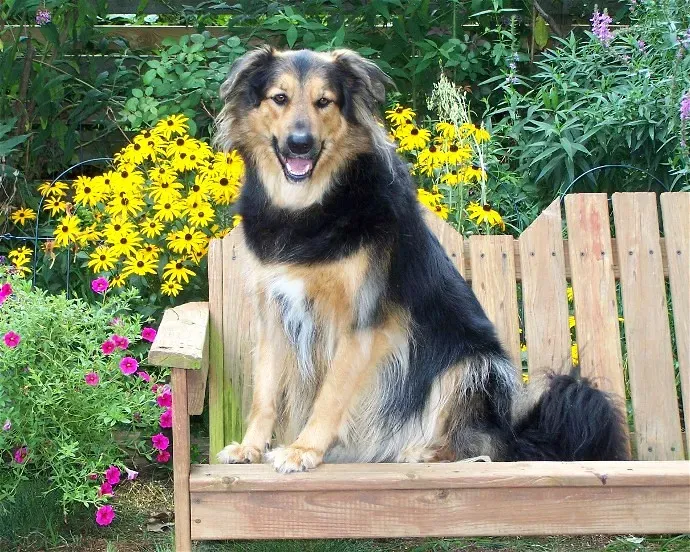
Calm dog breeds are expected to maintain composure in certain situations. They’re able to react to stimuli in a measured way, often without growling, lunging, or showing signs of stress. A handful of breeds actually do check both boxes – genuinely soft-spoken and emotionally steady.
The Cavalier King Charles Spaniel is one of the clearest examples. The Cavalier combines elegance and warmth in one small, quiet package. With expressive eyes, long silky ears, and a gentle nature, this breed is adored for its calm temperament and affectionate personality. Unlike more vocal breeds, Cavaliers bark sparingly and only when necessary. Their naturally serene demeanor makes them ideal for quiet households, apartments, or seniors who prefer a peaceful environment.
Saint Bernards are one of the very calmest dog breeds – which explains how they stay cool, calm, and collected during the avalanche search-and-rescue missions they’re known for. Saint Bernards are true human companions, molding themselves to human life. They rarely bark or howl, which may surprise you due to their large size. Genuine calm, in a very large, very gentle package.
Reading the Signs: What Your Quiet Dog Is Actually Telling You

One of the trickiest parts of owning a quiet breed is learning to tune into what your dog communicates without sound. Your dog does not need words to tell you when something feels off. The stiff tail at the dog park, the quick lip lick when a child leans in, the loose wiggly body when you grab the leash – these moments are communication, not random quirks. A good understanding of body language helps you catch those signals early, before stress turns into barking, snapping, hiding, or shutdown.
Many dogs show stress in quiet ways before they escalate. Common early signs include lip licking when no food is present, yawning when not tired, sniffing the ground suddenly, turning the head away, lifting a paw, or shaking off as if wet. These are often called calming signals or displacement behaviors. They can mean your dog is trying to reduce tension or avoid conflict.
Non-experts, meaning the average companion dog owner as opposed to a canine behaviorist, may be less able to identify signs of fear and anxiety in their dogs, particularly when the behaviors are subtle. Because of this, many owners appear to perceive their dogs as less fearful than they actually are, and may therefore not intervene in response to early or subtle stress signals. Paying close attention to your dog’s body from head to tail, rather than just listening for barks, is truly one of the most important skills you can build.
How to Care Better for a Quiet But High-Energy Dog

If your dog is quiet but you’ve noticed restlessness, destructive behavior, or that relentless searching-for-something energy, the solution usually comes down to two things: physical exercise and mental stimulation. Early training, socialization, environment, and lifestyle all influence barking habits and behavior. Even naturally quiet dogs need guidance.
Praise or treat your dog when they stay quiet during triggers. Don’t give attention when your dog barks for attention. Use puzzles, toys, and training to reduce boredom barking. Tired dogs bark less. Regular walks and playtime help enormously. These tips apply just as much to quiet breeds who express unmet needs through destructive behavior as they do to vocal ones.
Keep in mind that a dog’s behavior is also influenced by factors such as training, socialization, and the environment in which they are raised. Every dog is an individual, meaning there’s no guarantee that a particular dog of a certain breed will have the expected personality and temperament. However, there are certain things pet parents can do to reinforce calm behavior, including consistently socializing your dog – as a puppy and throughout their life – so they get used to unusual sights and sounds. A structured routine and patient, positive training will always matter more than breed reputation alone.
Conclusion: Listen Beyond the Silence
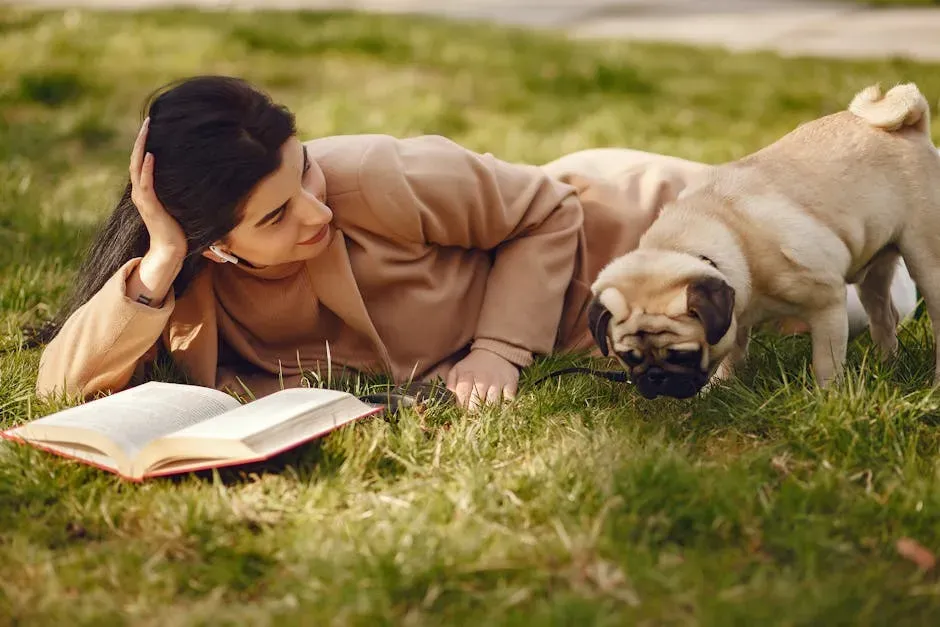
Choosing a dog based on how little it barks is a reasonable starting point, but it’s only the beginning of the picture. Some of the quietest breeds on the planet are also among the most demanding when it comes to exercise, mental enrichment, and experienced handling. Others, like the Cavalier or the Newfoundland, truly do offer both quiet and calm in equal measure.
The best thing you can do for your dog – quiet or vocal, calm or spirited – is learn their individual language. Learning to recognize body language is one of the most valuable skills a pet guardian can develop. It allows you to respond earlier, prevent escalation, and keep your dog safe. That knowledge, more than any breed list, is what separates an okay dog owner from a genuinely great one.
Silence in a dog isn’t an invitation to assume everything is fine. It’s often an invitation to look closer.


