
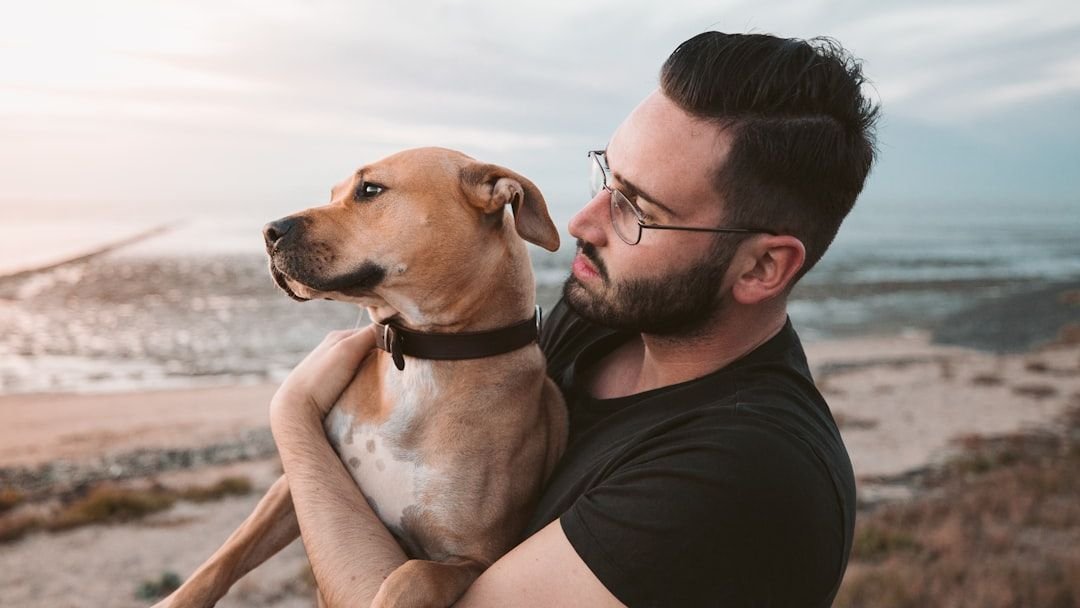
You walk into the room after a rough day, shoulders hunched, voice a little flat. You haven’t said a word. Yet your dog is already at your side, pressing gently against your leg, watching your face with those steady, knowing eyes. Most of us assume our dogs are just being affectionate. The truth runs much deeper than that.
Dogs have spent thousands of years evolving alongside humans, and in that time, they’ve developed a remarkable ability to read us. Not just our words or our obvious moods, but the invisible signals we broadcast without realizing it. They’re picking up on the chemistry of our sweat, the micro-movements of our posture, the slight changes in how we smell on a Tuesday versus a Friday. Science has been quietly confirming what dog owners have sensed for ages: your dog knows far more about you than you give them credit for.
Here are ten things your dog is noticing about you right now, most of which will probably surprise you.
1. Your Stress Levels, Down to the Chemistry
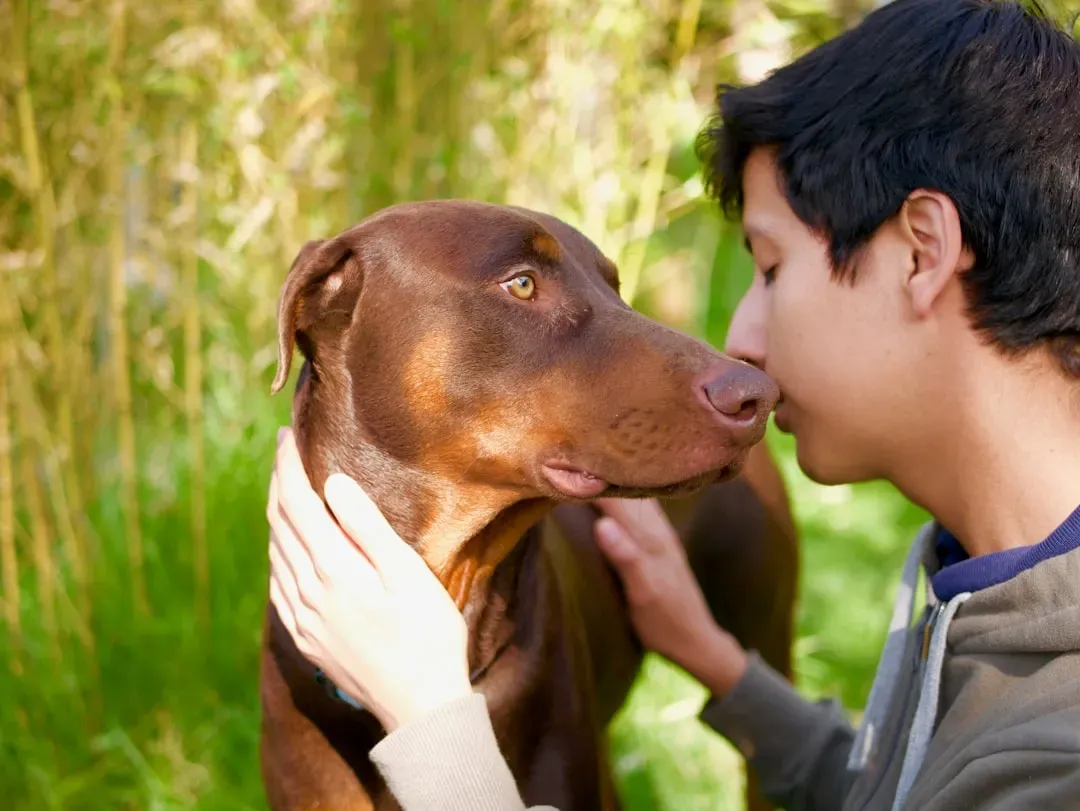
Research has provided evidence that dogs can detect an odor associated with acute stress in humans from breath and sweat alone, even in the complete absence of visual or vocal cues. This isn’t a trained superpower exclusive to service dogs. It’s a baseline ability that most dogs carry.
In one study, dogs could detect and perform their alert behavior on a stress-related sample in well over 90 percent of trials, and the first time they were exposed to a participant’s stressed and relaxed samples, the dogs correctly identified the stress sample with striking accuracy. Think about what that means for your daily life. Your dog isn’t just responding to your tone of voice on a hard day. They’re literally smelling the chemistry shift in your body before you’ve even opened your mouth.
Newer research also found that dogs experience emotional contagion from the smell of human stress, leading them to make more pessimistic choices themselves. So when you’re anxious, your dog doesn’t just notice it. They absorb it. Keeping your stress in check isn’t just good for you. It’s one of the most direct ways you can protect your dog’s emotional wellbeing too.
2. The Precise Direction of Your Gaze
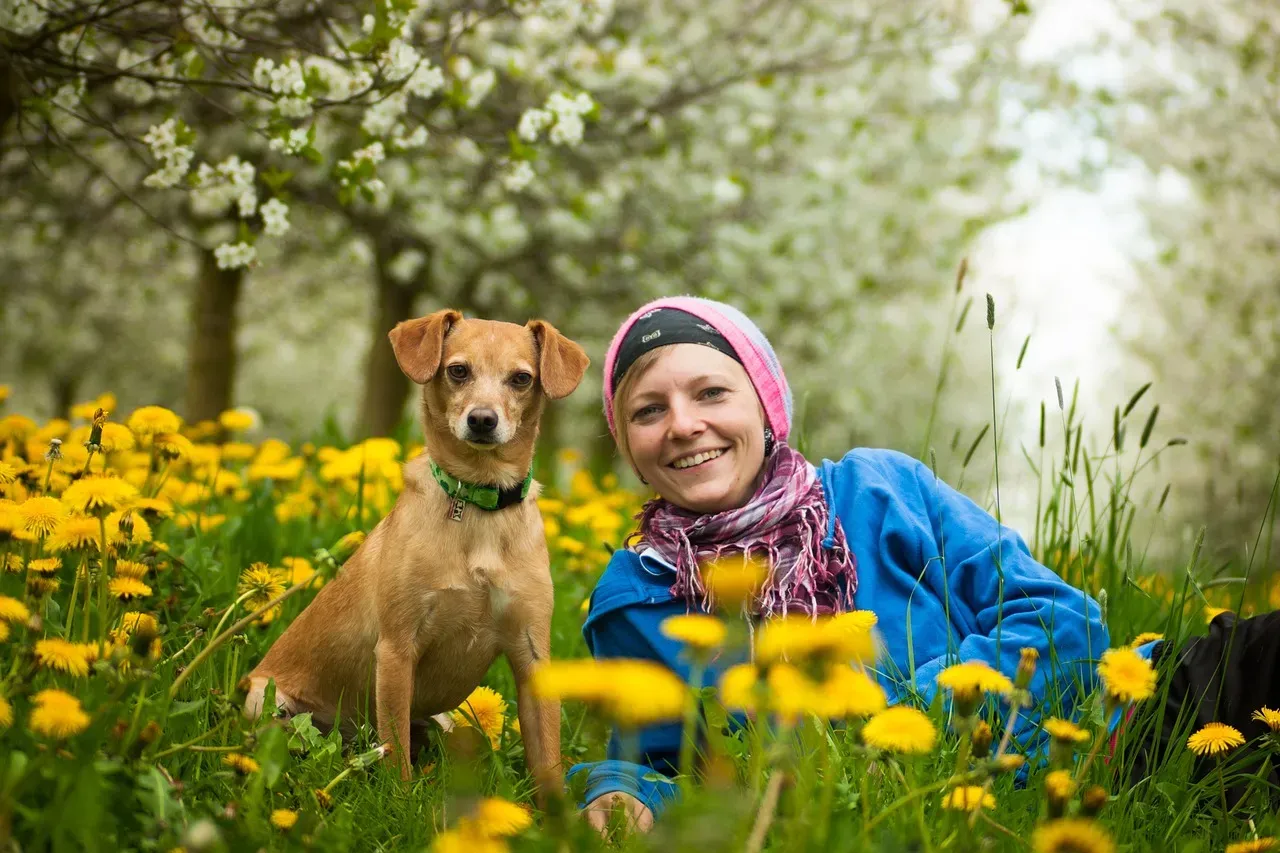
Dogs detect a human’s attentional state from the direction of their gaze, a behavior that is necessary for their ability to respond to human commands, and they actively expect what humans can see, changing their own behavior accordingly. It might feel like your dog is just following you around. In reality, they’re constantly checking where your eyes are pointed.
When dogs receive human gaze, they change their behavior depending on its direction. For example, when humans looked directly at them, dogs retrieved forbidden food less often than when humans weren’t watching. Dogs also tend to be more obedient to their owners’ commands when their owners are actively looking at them. Your attention, or the lack of it, shapes your dog’s behavior in real time. The next time your dog hesitates before doing something they shouldn’t, know that they checked first to see if you were watching.
3. Your Emotional State Through Your Face
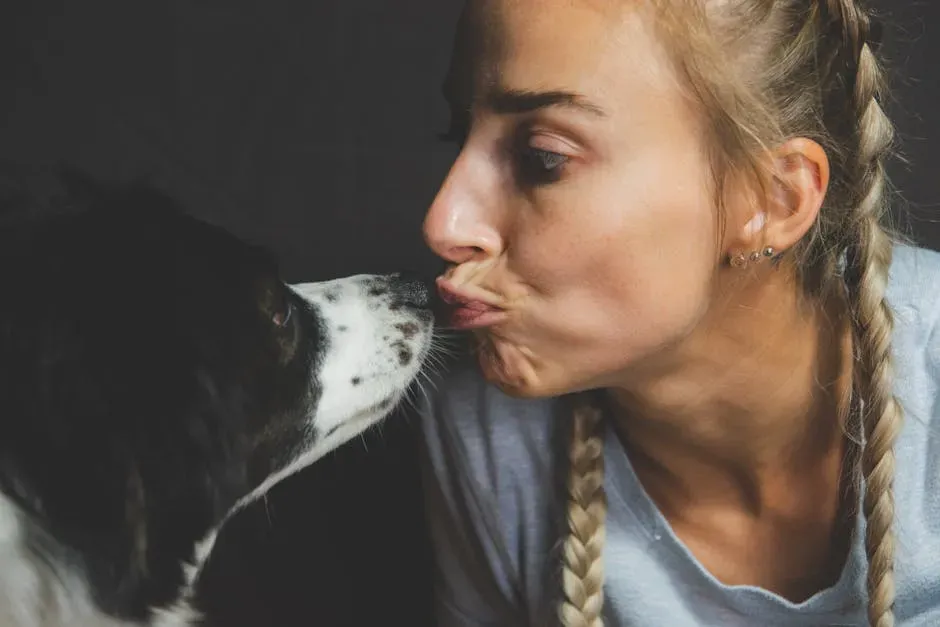
A study published in the journal Learning and Behavior found that dogs respond to human faces expressing six basic emotions, including anger, fear, happiness, sadness, surprise, and disgust, with measurable changes in their gaze and heart rate. Your dog isn’t just reading your general mood. They’re processing your specific facial expressions in a way that affects them physically.
Dogs are adept at reading human facial expressions, tone of voice, and body language, and they often modify their behavior in response. Research also found that dogs produce significantly more facial movements when humans give more attention to them, and that a dog’s facial expressions are closely tied to their emotional reactions. This two-way exchange matters. When you make eye contact with your dog and your expression is warm and open, they feel it. When you’re tense, distracted, or frowning at your phone, they feel that too.
4. Subtle Changes in Your Health and Body Chemistry
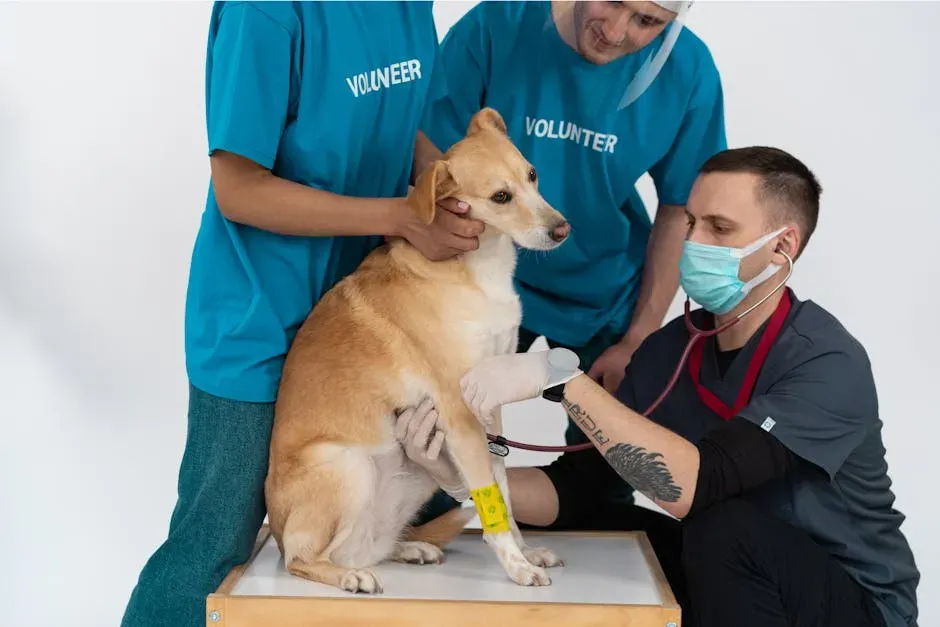
A dog’s senses can convey a vast amount of information about us, including our hormones, adrenaline, heart rate, and blood sugar levels. When combined with visual cues like facial expression, gait, and body tension, dogs gain a remarkably clear picture of a person’s current physical state. This is part of why trained medical alert dogs can detect conditions like low blood sugar or approaching seizures.
Dogs’ ability to smell illnesses is well documented, with odor typically being the biggest indicator. Some untrained dogs have repeatedly sniffed at a spot on a pet owner’s skin that was later diagnosed with melanoma, a form of skin cancer. If your dog starts displaying unusual behavior, especially sniffing or licking a persistent area on your body, or acting overly anxious, it may be worth paying attention. It could be their way of alerting you to a change in your body you’re not yet consciously aware of.
5. Whether You’re Being Fair and Consistent
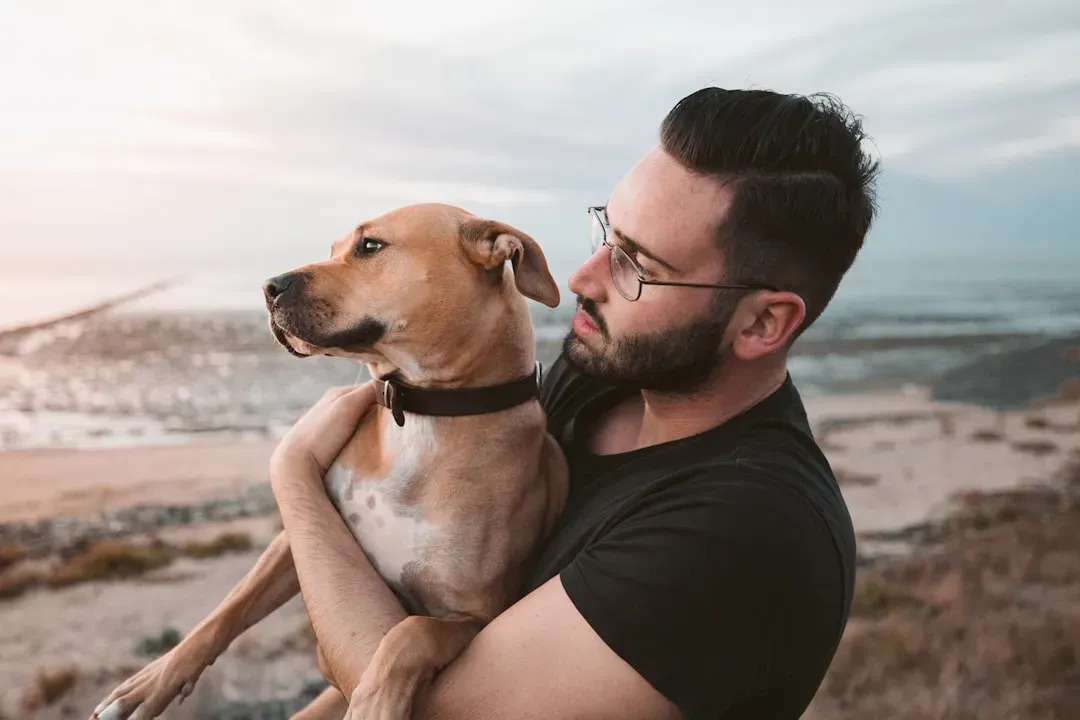
When dogs are confronted with an unsolvable problem, they look back to their owners to ask for help. Similarly, they will indicate the location of food or toys to their owners when the owner hasn’t seen where these rewards were hidden. Dogs aren’t just passive recipients of your instructions. They’re actively tracking whether your behavior makes sense and whether it’s consistent with what they’ve come to expect from you.
Dogs are incredibly adept at adjusting their behavior based on social context. They act differently with children than adults, with strangers versus family members, and in public versus private settings. This adaptability reflects that dogs are constantly assessing their environment and modulating their responses. When you’re unpredictable or inconsistent with rules and rewards, your dog notices. It can create confusion and low-level anxiety. Clear, calm, consistent behavior from you is one of the best things you can offer them.
6. Your Daily Routines, Almost to the Minute
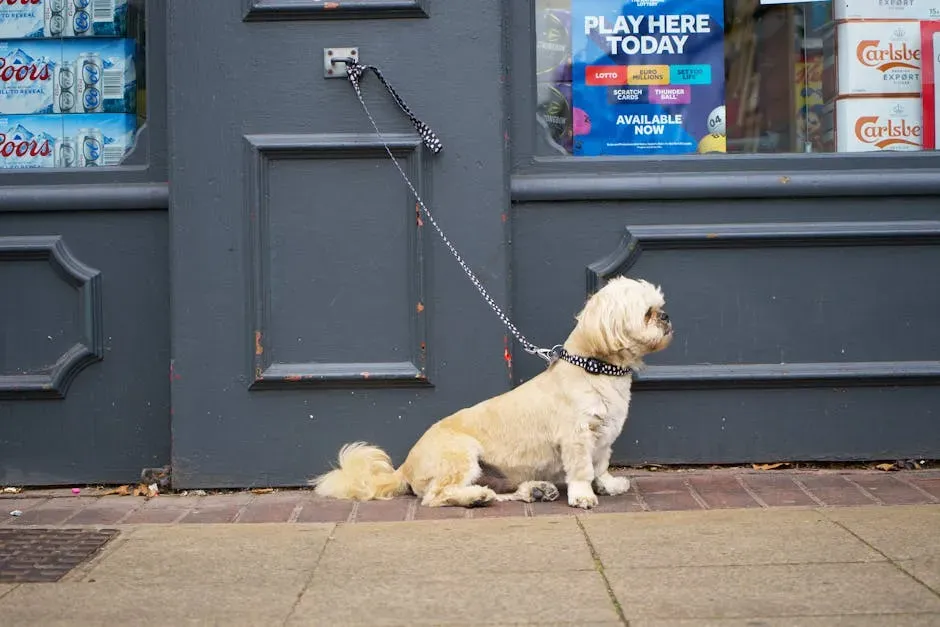
Dogs quickly learn human habits and routines, linking their owner’s actions with specific outcomes like feeding time or walks. Anyone who’s ever been followed to the kitchen at exactly 5:30 pm knows this is real. Your dog isn’t guessing. They’ve built an internal model of your schedule, and they’re tracking it with precision.
With consistent cues and reinforcement, dogs learn to anticipate our behavior and respond with loyalty and enthusiasm. This deep investment in your routine also means disruptions land hard. When your schedule shifts suddenly due to travel, illness, or a lifestyle change, your dog notices the deviation immediately. Maintaining predictable routines as much as possible gives your dog a sense of safety that’s hard to replicate through any other means.
7. Your Body Language, Even the Unconscious Kind
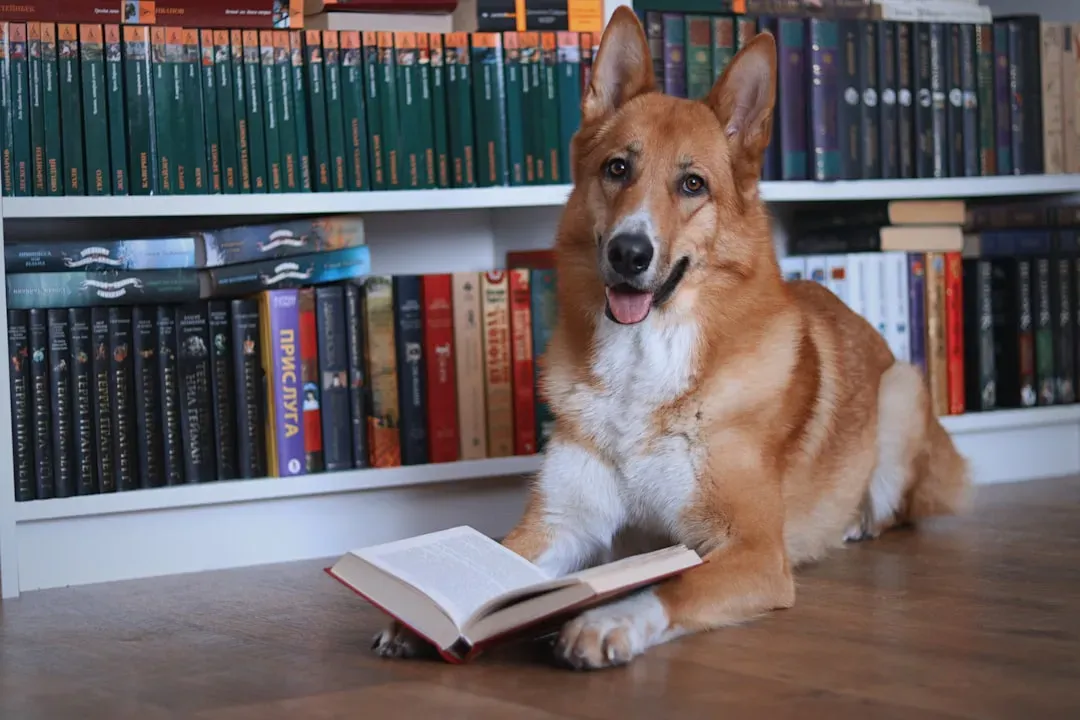
Dogs are masters of reading human body language and have been doing so through approximately 20,000 years of domestication. Non-verbal communication is a channel of interaction that humans and animals share, with human body language often occurring on a completely subconscious level. You don’t have to be a dramatic communicator for your dog to read you. The way your shoulders set when you’re tense, the pace of your walk, the slight stiffening of your posture when you’re irritated – they catch all of it.
Humans all have a unique body language blueprint. When we speak, our hands move, facial expressions change, and our bodies shift in characteristic ways. Your dog is watching your every move and could pick you out in a crowd just by your body language cues alone. This is worth keeping in mind during training sessions especially. The tension in your body, not just the command in your voice, is communicating something to your dog constantly.
8. Your Mood Shifts and Emotional Swings
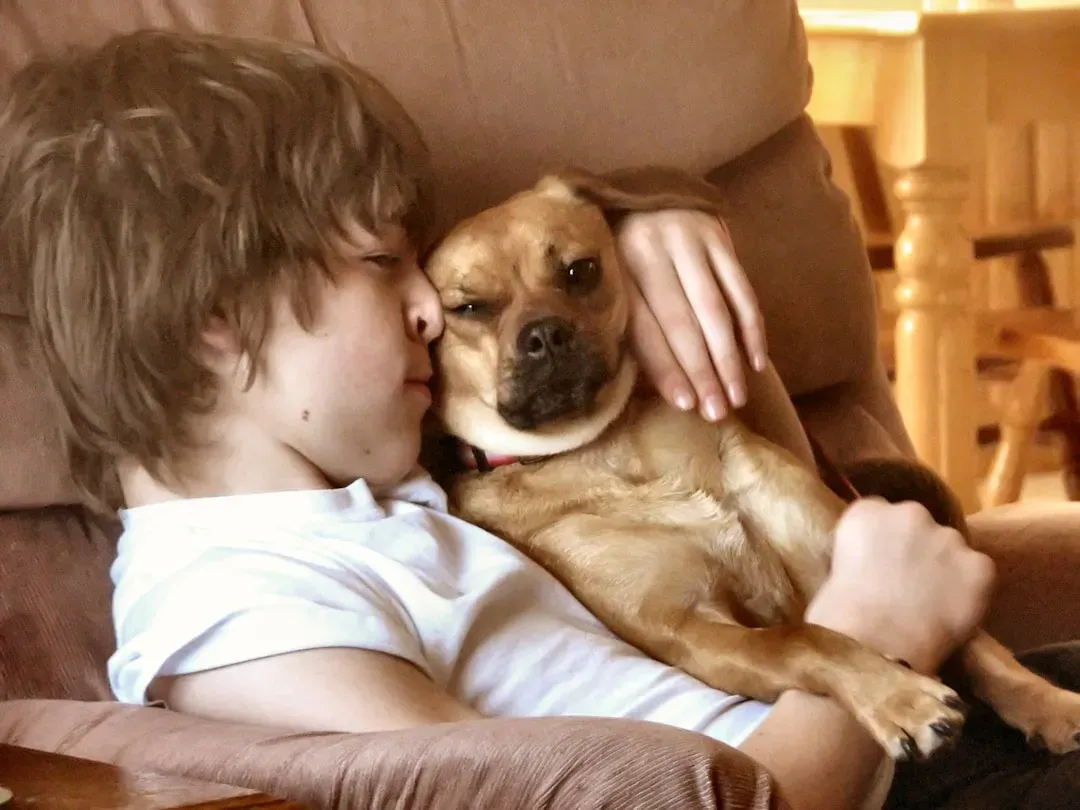
Dogs exhibit behaviors that help them integrate into human society, leading to what researchers call “behavioral synchrony,” which refers to dogs mirroring their owners’ actions and emotional states to create a harmonious existence. Your emotional volatility, or your steadiness, becomes part of the fabric of their day.
If an anxious individual and a similarly nervous dog share a household, the relationship dynamics can create a feedback loop where each party amplifies the other’s emotional state. This is an important thing to sit with. Your dog isn’t just affected by your moods. They can be shaped by them over time. Research has shown that a close emotional bond with an owner appears to decrease a dog’s overall physiological arousal. Calm, secure owners tend to raise calmer, more secure dogs. The connection between your inner life and your dog’s wellbeing is more direct than most people ever consider.
9. Hormonal and Physical Changes Like Pregnancy

Hormones like progesterone and estrogen rise significantly during pregnancy, which may subtly change a person’s scent in a way their dog can pick up on. While research hasn’t definitively proven that dogs can sense pregnancy, we know they’re deeply attuned to changes in their human companions’ emotions and behaviors. The anecdotal record here is remarkably consistent across cultures and dog breeds.
Dogs are smart enough to pick up on changes during pregnancy both in a physical way, which includes how the body is changing and how the scent shifts, and in an emotional way, such as detecting changes in feelings and mood. Dogs can easily notice when their owner has difficulty standing up, or when a gait changes to shorter, tilting steps instead of big, fast strides. If your dog suddenly becomes clingier or more protective and you’re not sure why, it may be worth listening to what they seem to already know about your body.
10. Whether You Really Trust Them or Not
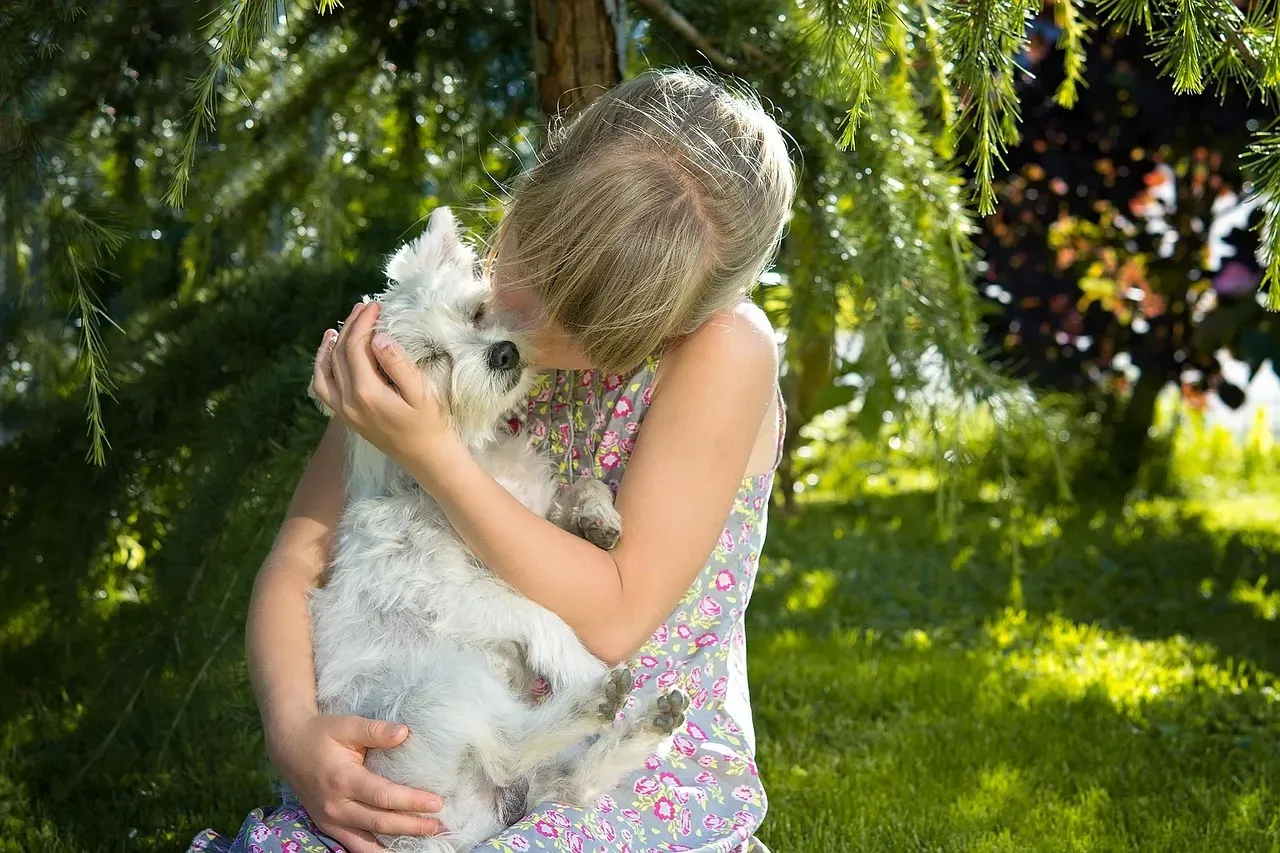
Dogs exhibit attachment behaviors remarkably similar to human infants, including following their owner around, seeking comfort, and demonstrating anxiety upon separation. That deep need for connection also makes them finely attuned to the quality of the bond itself. They notice when you’re relaxed and present with them, and they notice when you’re just going through the motions.
While interacting with each other or even just making eye contact, research has found that people and their dogs experience the release of oxytocin. This release is stimulated by eye contact or social touch such as petting, and it works both ways, from dog to human and from human to dog, functioning like a feedback loop. The moments when you sit quietly with your dog, let them lean on you, or simply meet their gaze without looking away – those aren’t just sweet. They’re physiologically meaningful. The relationship between owner and dog affects the dog’s attachment behaviors and their capacity to cope with stress. A dog who feels truly trusted and connected is a different dog from one who is just fed and walked.
What This All Means for You and Your Dog
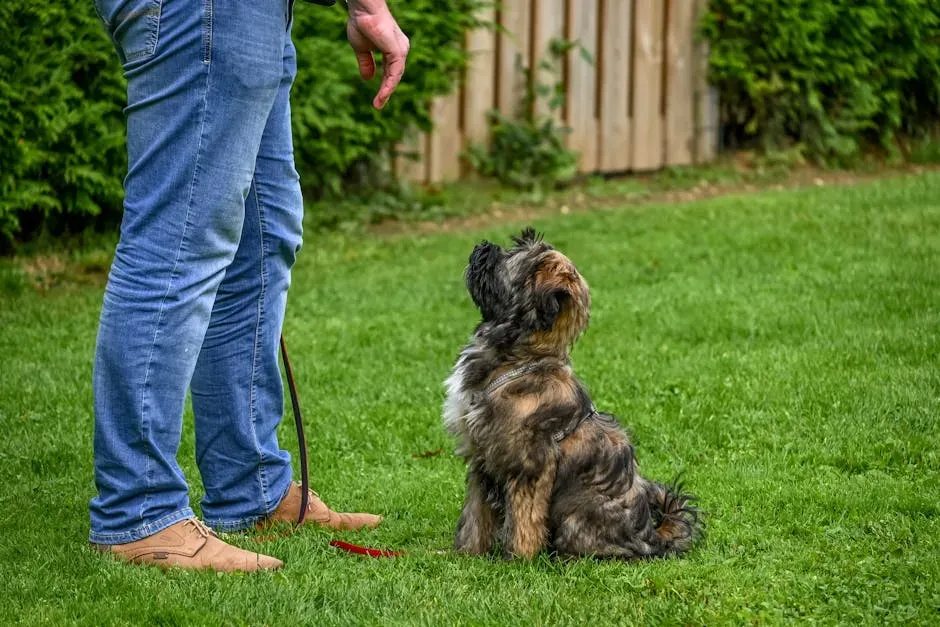
There’s a humbling realization buried in all of this research. We spend a lot of time wondering what our dogs are thinking, while they’ve been quietly reading us like an open book all along. Your stress, your health, your consistency, your gaze – it all lands on them.
The good news is that awareness is a powerful starting point. When you know your dog is picking up on your cortisol levels and your body language, you start to pay a little more attention to the signals you’re putting out. You might stand a bit calmer before a training session. You might make a point of genuine eye contact during a quiet evening. Small shifts, real impact.
Dogs don’t need us to be perfect. They need us to be present. That’s something they’ve always known, even when we forgot.


