
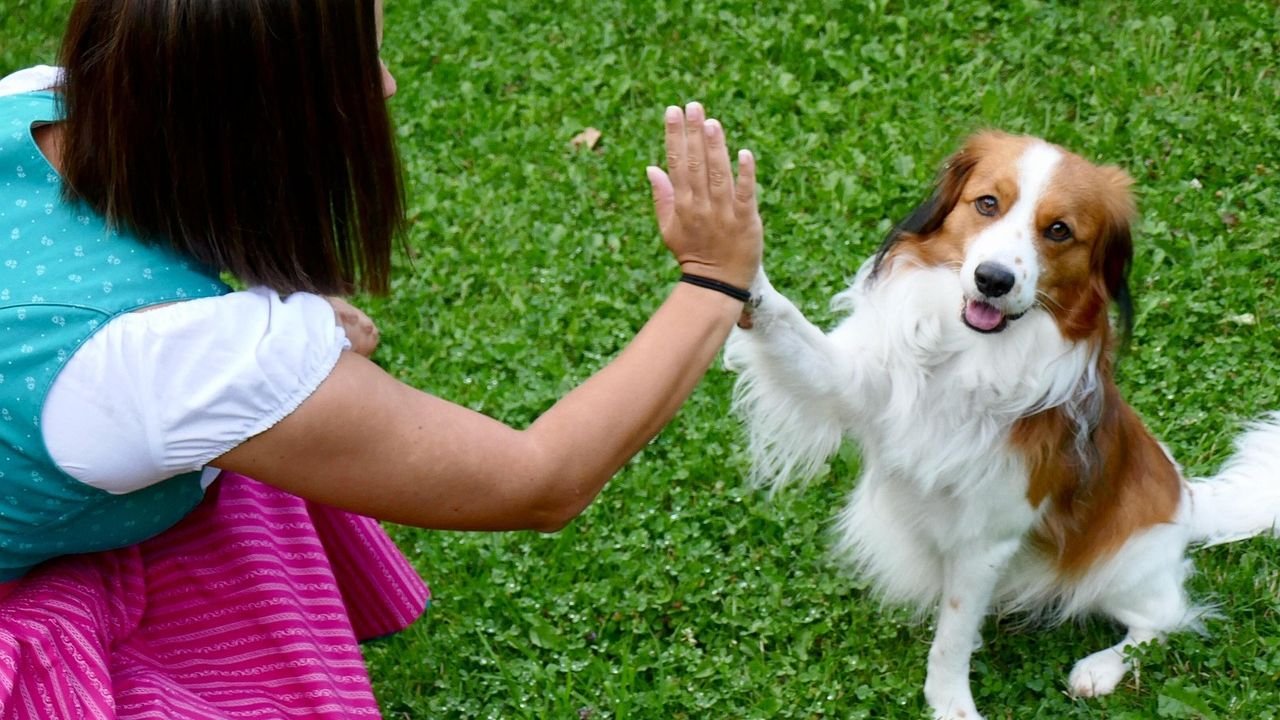
There’s a particular kind of stillness that happens right before it clicks. Your dog stops scanning the room, stops cycling through every option, and just… looks at you. Not at the treat in your hand. Not at the door. At you. If you’ve ever experienced that moment, you already know something profound just happened, even if you couldn’t name it.
Dogs don’t hand out loyalty randomly. The decision to attach deeply to one specific human is shaped by biology, lived experience, emotional memory, and something that science is only now starting to fully map. Understanding what’s happening beneath the surface doesn’t make the bond any less magical. If anything, it makes you want to protect it more.
The Science of “You’re My Person”: How Canine Attachment Actually Works
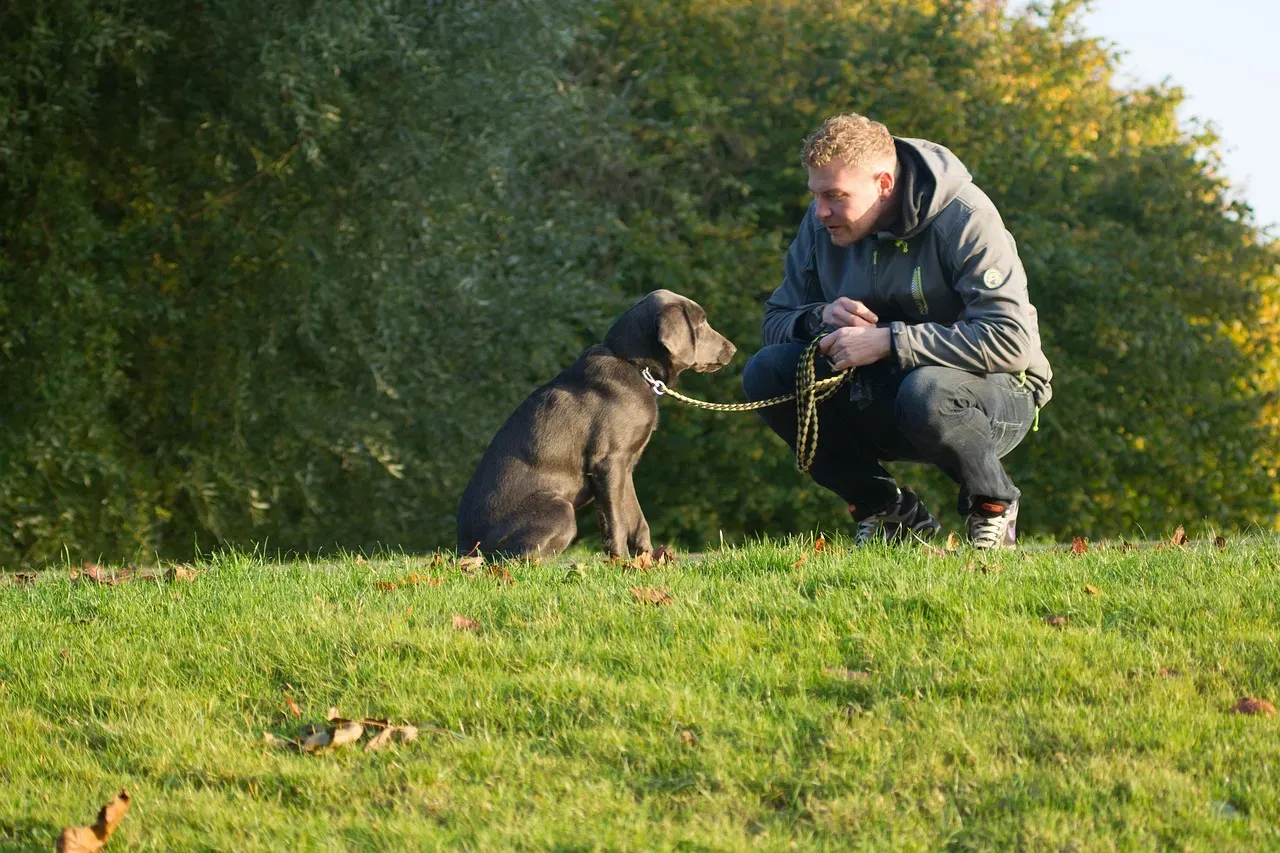
Psychologists believe that the relationship between human and canine is a bidirectional attachment bond, which resembles that of the typical human caretaker-infant relationship, and shows all the usual hallmarks of a typical bond. That comparison isn’t just poetic. It’s rooted in measurable behavioral patterns that researchers have replicated across multiple studies.
Research in animal behavior suggests that dogs form attachment bonds similar to those seen in human infants. Studies using “secure base” testing show that dogs explore more confidently when their trusted human is present. When separated from that person, stress indicators increase.
One review of 69 studies concluded that the release of the hormone oxytocin in humans and dogs forms the basis of interactions with our pets. Interestingly, it also influenced tear formation when dogs were reunited with their owners. The findings provide compelling evidence of a biological manifestation of canines choosing a favorite person.
Dogs develop attachment bonds with humans that allow them to interact securely with their environment in the presence of the owner and show less distress in response to threatening events. Interestingly, the secure base effect seems to operate regardless of whether the owner is encouraging or passive. That detail is worth sitting with. Your calm, steady presence alone carries weight, even when you’re not actively doing anything.
The Puppy Window: Why Early Experiences Leave a Lifetime Impression
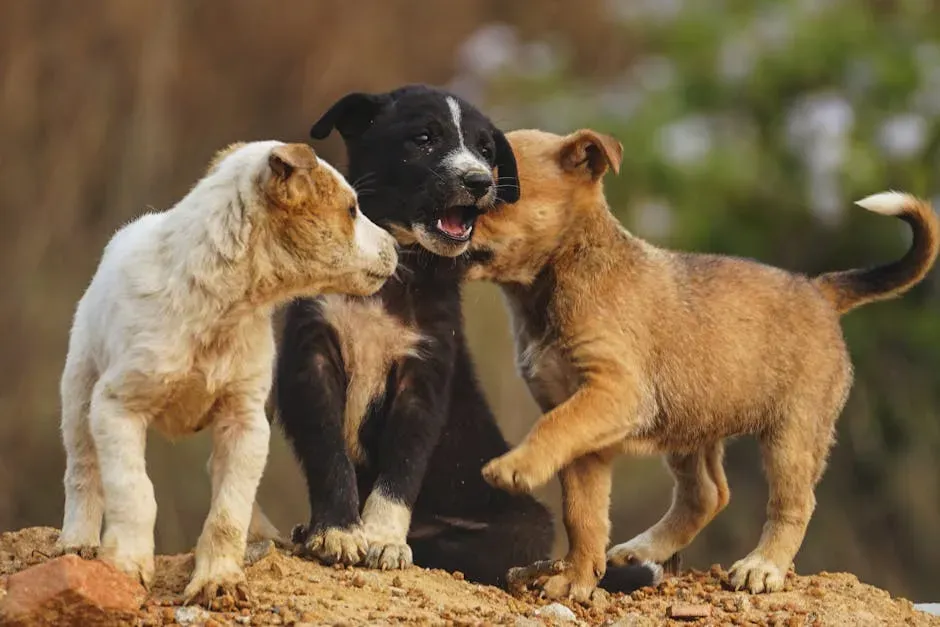
The first six months of a dog’s life represent the most crucial period for determining future bonding patterns. During this key socialization window, puppies’ brains are incredibly receptive to new experiences, and their early social interactions influence their attachment preferences for the rest of their lives. Dogs who receive consistent care from one person during this period often develop their strongest bonds with that individual.
Dogs that are exposed to a variety of people during their critical development period, usually between 3 and 12 weeks old, are more likely to form strong bonds later in life. This is why bringing a puppy home and immediately introducing them to different people, voices, and experiences isn’t just nice to do. It’s genuinely important for their long-term emotional health.
The importance of this critical period explains why many dogs maintain lifelong preferences for their primary puppy caregiver, even when other family members provide equal or greater amounts of daily care. However, continued socialization throughout a dog’s life through experiences like doggy daycare, play dates, and regular exposure to various people helps maintain flexibility in forming new bonds and strengthening existing relationships.
If your dog was already an adult when you adopted them, don’t worry: it’s not too late to become their favorite. While early experiences are important, continued socialization through experiences like doggy daycare, play dates, and daily walks matters a lot. Rescue dogs bond deeply all the time. It just takes consistency, patience, and a little more grace.
What Dogs Are Really Reading in You: Energy, Emotion, and Body Language
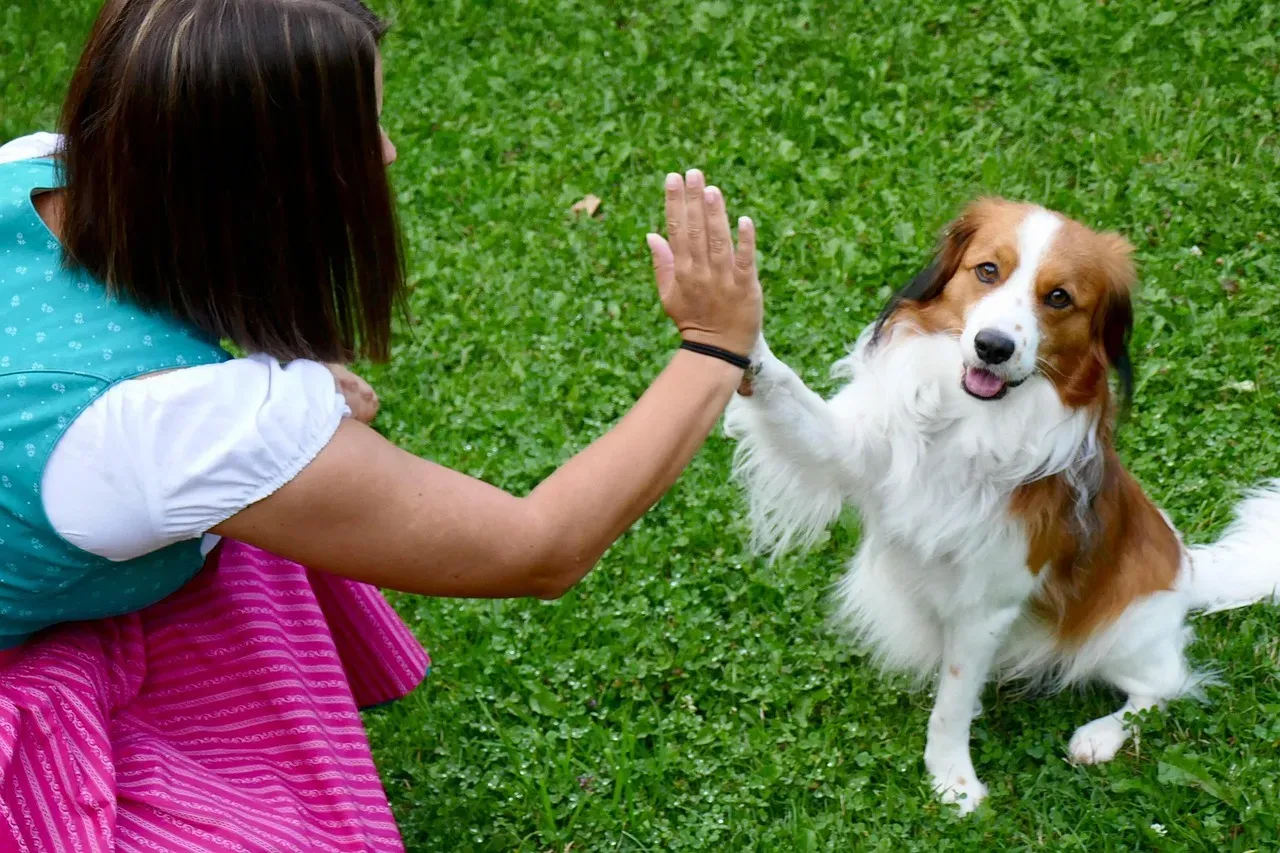
Dogs are masters at reading human energy. They notice posture, tone, breathing, and emotional shifts. The person who consistently remains calm and reassuring becomes associated with safety. When a dog feels anxious, startled, or uncertain, they will often seek out the person who has historically provided comfort. That pattern strengthens attachment over time.
Dogs are adept at reading human gestures, facial expressions, and posture. A person who displays open and inviting body language, such as bending down to greet a dog or maintaining a relaxed posture, is more likely to be accepted as a favorite. Small physical cues matter far more than most people realize.
Dogs tend to choose humans with complementary energy levels and temperaments. Cautious dogs naturally gravitate toward quiet, calm individuals, while high-energy dogs prefer active people who match their enthusiasm. This compatibility extends beyond energy levels to include how humans handle stress, communicate, and interact with the dog during both positive and challenging situations.
Dogs also take emotional cues from us. If a person is stressed, loud, or inconsistent, a dog may avoid bonding deeply with them. On the other hand, someone who offers reassurance and stability often earns the title of “favorite” without even realizing it. There’s something both humbling and encouraging about that.
The Unmistakable Signs Your Dog Has Chosen You
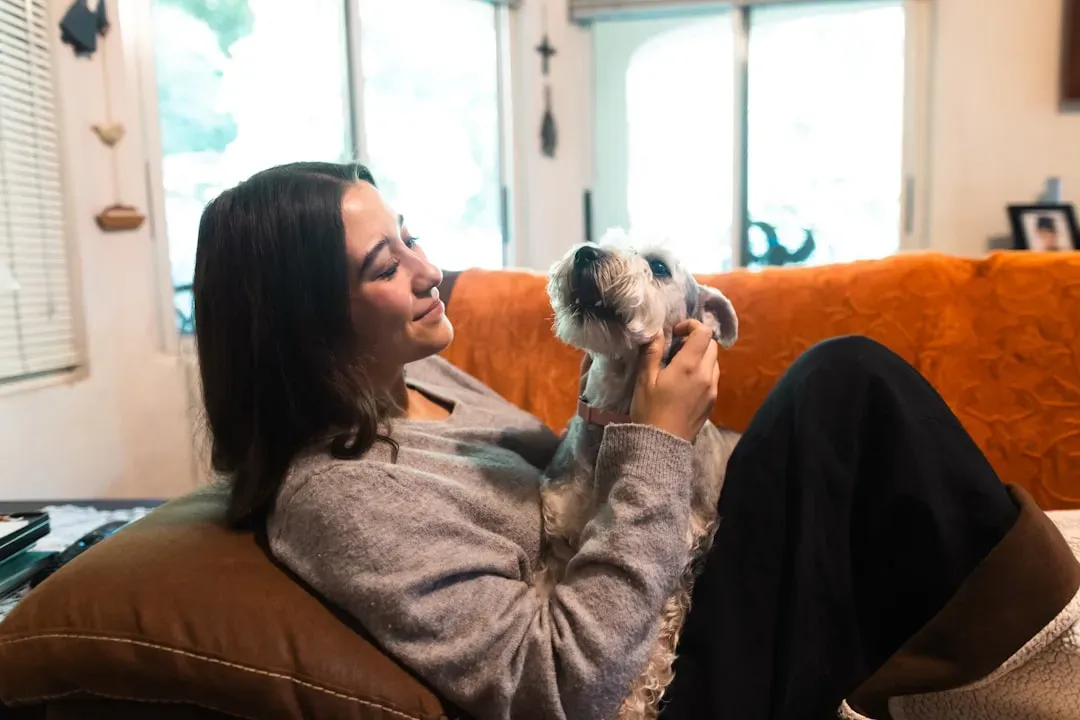
There are many signs that can show your dog has imprinted on you. A bonded dog seeks your company, maintains eye contact, follows you, relaxes in your presence, and responds eagerly to your return. Their body language, including relaxed posture, soft eyes, and a wagging tail, signals they view you as their trusted person and secure base.
Eye contact isn’t just a sign of a strong bond between a dog and their person; it’s also a way to create and improve that bond. According to Japanese researchers, dogs who gaze at their owners show elevated levels of oxytocin, and the owners experience raised oxytocin levels as well. In other words, gazing at each other starts a feedback cycle of love and attachment.
Some dogs express their attachment by bringing you toys or other items as gifts throughout the day. This behavior is similar to how a mother dog might bring food to her puppies, showing that they want to provide for you. If your dog regularly drops their favorite ball at your feet, take it as a genuine compliment.
When a securely attached dog is separated from their owner, exploratory behaviors decrease and distress behaviors and vocalizations increase significantly. A stranger cannot comfort the dog during the period of separation. When the owner returns, the dog will approach the owner, make eye contact, and initiate physical contact, including touching the caregiver with the head or snout, jumping up, or sustained leaning against the owner’s body or hands. These reunion rituals aren’t overdramatic. They’re the bond doing exactly what it’s supposed to do.
When Devotion Becomes Too Much: Understanding Over-Attachment
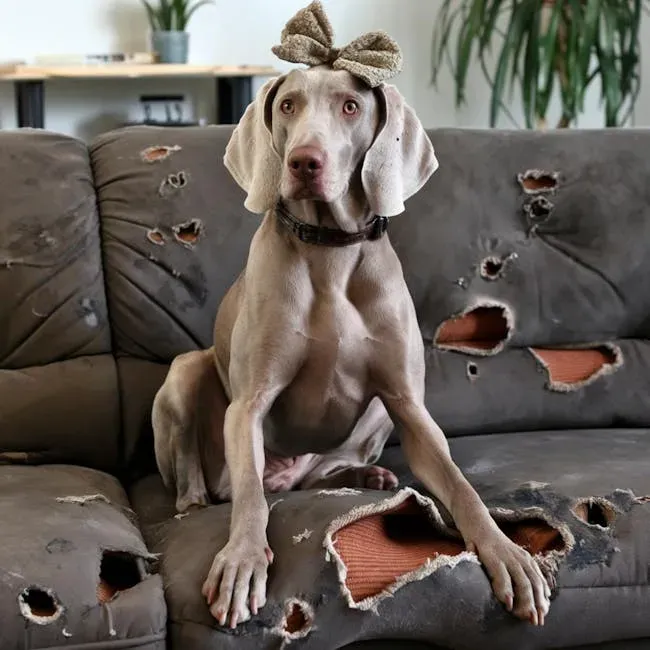
It’s important to keep in mind that being a “velcro dog” who enjoys your companionship is different from a dog with separation anxiety. Whereas velcro behavior has positive characteristics such as licking, playing, and proximity, separation anxiety isn’t a sign of favoritism and has negative characteristics such as potty accidents and depression. The difference between the two is genuinely important to recognize early.
Hyperattachment is a more serious and clinical concern. Dogs with hyperattachment experience true panic when separated from their chosen person, often exhibiting behaviors linked to separation anxiety: nonstop vocalizing, destruction, escape attempts, inability to rest or eat, and complete emotional dysregulation. If you notice these signs, it’s worth addressing them proactively rather than letting them deepen.
There are definitely ways to strengthen your bond with your dog without encouraging clinginess, and the key is teaching healthy independence. Practical steps include short, calm departures and arrivals, scheduled alone time with a puzzle toy or chew, and encouraging your dog to settle comfortably in their own space.
For anxious, shy, or rescue dogs, the strongest bond often forms with the person who helps them feel safest, understood, and protected. This blend of early experiences, daily care, and emotional safety shapes why one human becomes the favorite. Meeting a dog where they are emotionally, rather than where you wish they were, is one of the most quietly powerful things you can do.
How to Become (or Stay) Your Dog’s Person
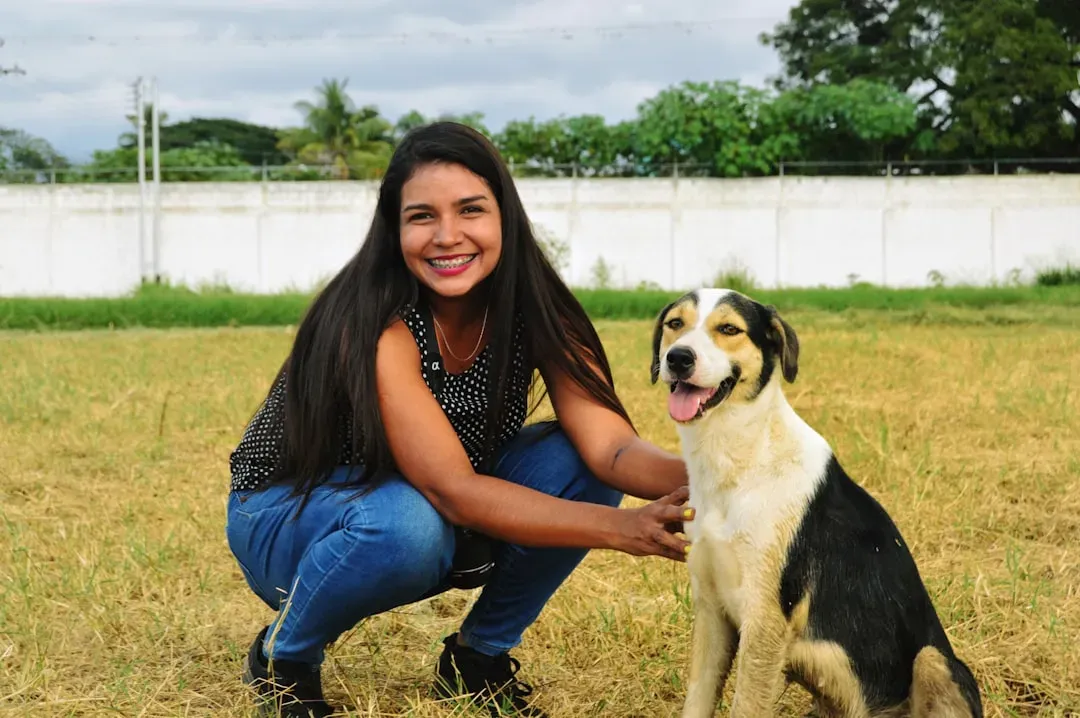
Dogs thrive on predictability. Feeding times, walks, play sessions, training expectations, and even bathroom habits create rhythm in their world. The individual who maintains structure becomes the anchor. Routine lowers stress hormones in dogs. Lower stress increases trust. Trust increases preference.
Quality time matters more than passive proximity. A focused 15-minute training session builds more connection than hours of distracted coexistence. You don’t need to overhaul your schedule. You need to be genuinely present during the time you do share.
Physical touch is essential in establishing a bond between dogs and their favorite humans. Dogs thrive on affection, whether through petting, cuddling, or playful roughhousing. The release of oxytocin, the “bonding hormone,” occurs in both dogs and humans during physical interactions, reinforcing the emotional connection. A person who engages in affectionate behaviors is likely to be perceived as a favorite, as this interaction creates feelings of safety and happiness.
The human-canine bond is strengthened, or diminished, depending on the quantity and quality of the time spent with the canine and through activities such as routine walking, feeding, grooming, and play. That’s not a complicated formula. It’s just showing up, repeatedly and genuinely.
Conclusion: A Bond Built in the Everyday
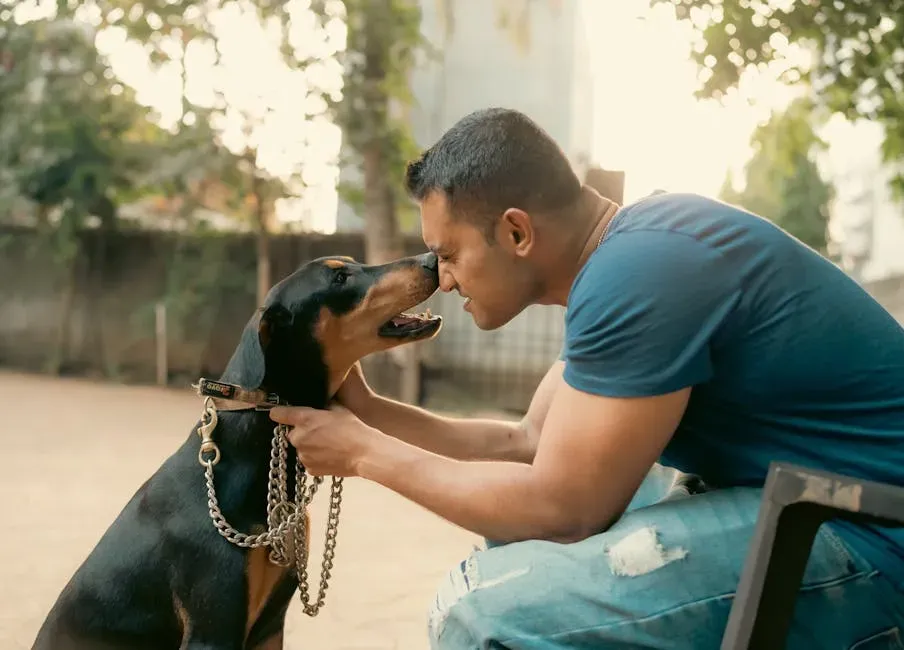
The moment a dog decides you’re their person doesn’t always arrive as a dramatic scene. Sometimes it’s the third morning in a row that they’ve pressed against your leg while you drink your coffee. Sometimes it’s the way they look back at you mid-walk, just to confirm you’re still there. These are quiet decisions, made over time, through accumulated moments of safety and warmth.
Dogs do not randomly select favorites. They attach to the person who consistently makes their world feel secure. Knowing that shifts the whole question from “does my dog love me?” to “am I being the kind of presence my dog can count on?” That’s a much better question to live by.
The good news is that you don’t have to be perfect. You don’t need to give the correct response to your dog’s closeness signals all the time, since from human studies, it seems that giving the right response about 60% of the time is enough to build a secure attachment style. Show up with intention, stay patient through the hard days, and trust that your dog is quietly keeping score of every moment that made them feel safe. That’s the whole thing, really. That’s how you become someone’s person forever.


