

You turn away to pour your morning coffee, and the moment your back is turned, you feel it. That quiet, steady presence. You spin around, and sure enough, there they are. Your dog is watching you with that particular brand of laser focus that no human has ever quite managed to replicate. It’s one of those daily experiences that most dog owners brush off with a smile, but there’s genuinely fascinating science behind it.
That watchful gaze isn’t random. It’s not boredom. It’s not a glitch in your dog’s personality. It’s the result of thousands of years of evolution, deep emotional wiring, and a communication system so sophisticated it rivals how human infants interact with their caregivers.
They’re Wired to Watch: The Evolutionary Backstory
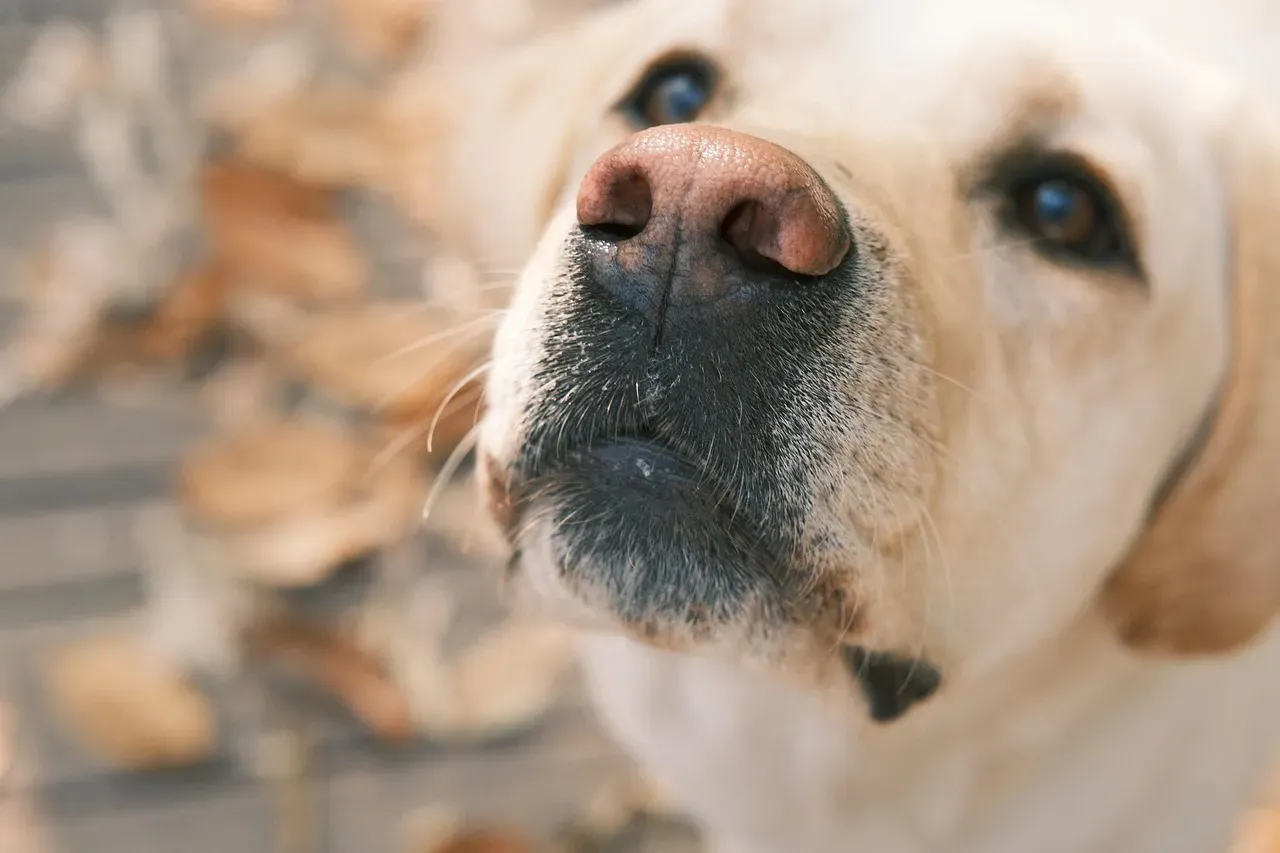
Dogs didn’t develop their intense interest in human behavior by accident. As humans transitioned from nomad hunter-gatherers to settling into early villages, wolves began gathering nearby and scavenging food scraps. Over generations, the animals that were best at reading human behavior and responding to it favorably were the ones that survived and thrived alongside us.
In the earliest days of the human-dog partnership, communication was a matter of survival. As dogs increasingly relied on us for their needs, they learned to observe and interpret our behaviors, gazing at us to figure out how to behave to please us best. The ones who couldn’t read us well simply didn’t make the cut.
This eye contact is far more than casual observation. It’s a sophisticated communication tool that dogs have developed specifically for interacting with humans. Unlike their wolf ancestors who interpret direct eye contact as threatening, domesticated dogs have adapted to use this visual connection as a primary way to understand, bond with, and communicate with their human companions.
The Science of “Puppy Eyes”: A Muscle Built for Us
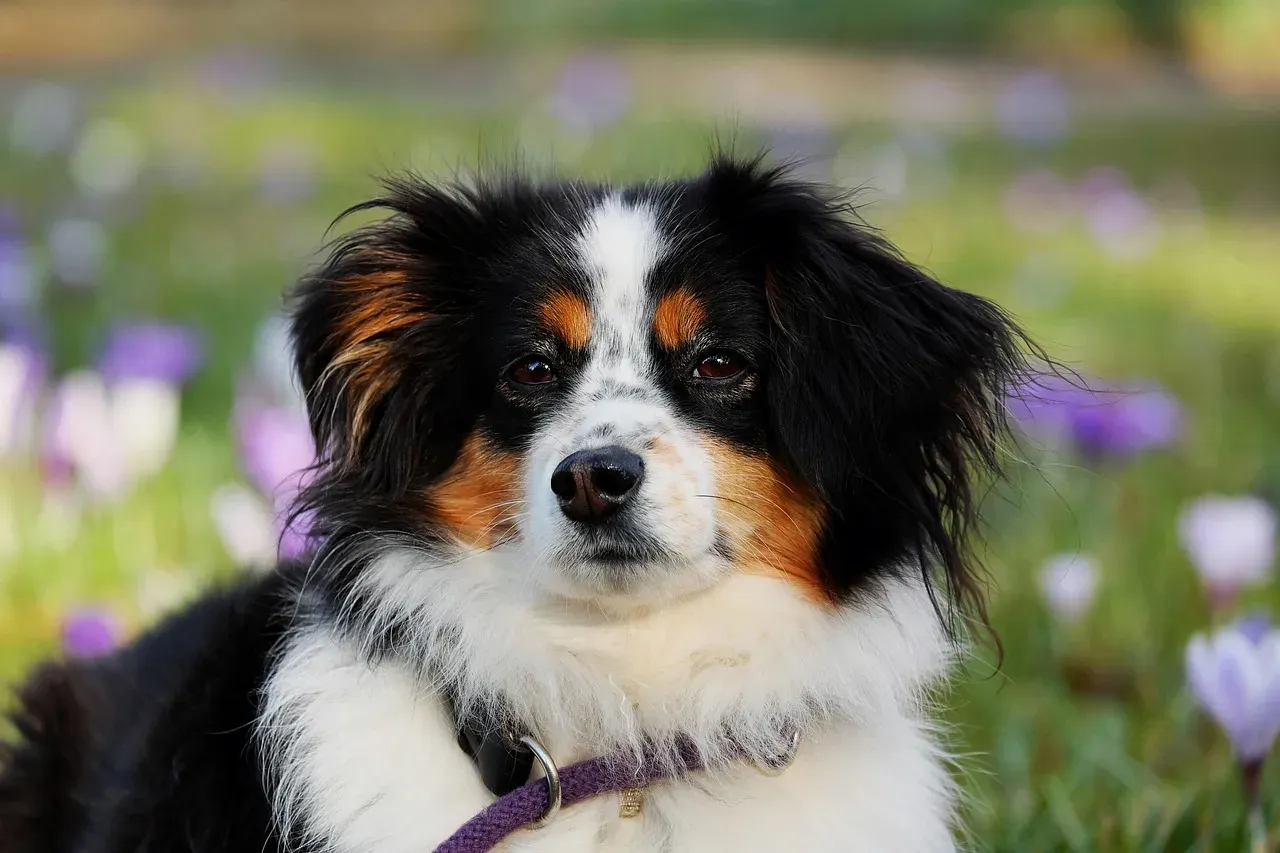
Scientists found that dogs have a specific muscle around their eyes, not present in wolves, that allows them to make expressive “puppy eyes.” This adaptation may have been a crucial element in their successful relationship with humans, as it enhances their ability to secure resources and protection from their human companions. That irresistible look wasn’t accidental. It was shaped by natural selection.
Studies have shown that when dogs raise their inner eyebrows, it makes their eyes appear larger and more infant-like, eliciting a nurturing response from humans. This gesture evolved over time as a non-verbal method to communicate and bond with those around them. In a very real sense, your dog’s face was designed to speak to your heart.
Social Referencing: Reading You Like a Map
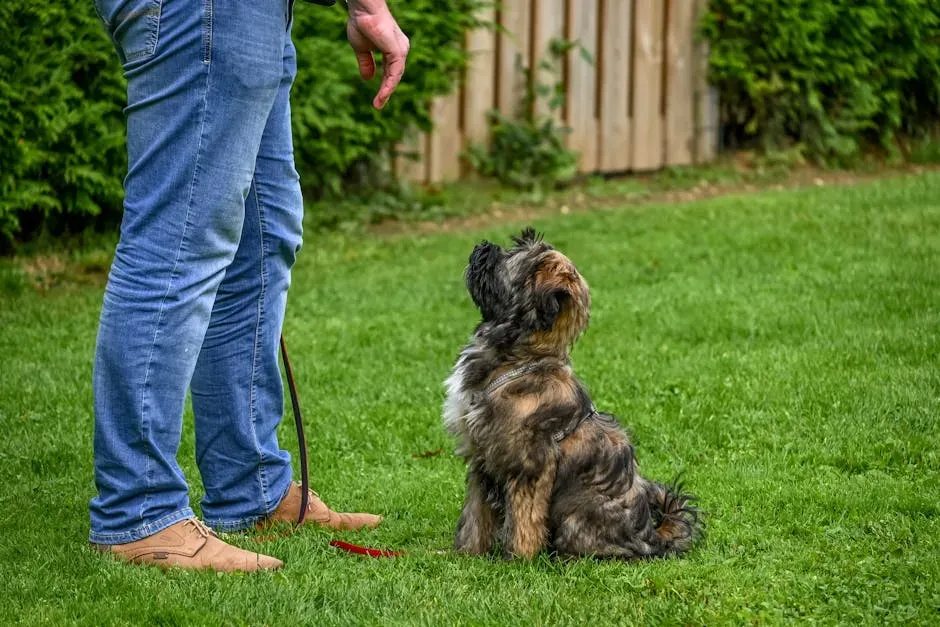
Research suggests that dogs, like human infants, look to the significant humans in their life to help them interpret situations which might be ambiguous or problematic. They look at their human caretaker’s face when worried, and seem to be searching for evidence that their human companion is also worried or cautious about the situation.
A classic study put this to the test in a memorable way. When a fan with plastic streamers was turned on in a testing room, roughly four out of five dogs immediately looked at their owner and then back at the fan. They alternated their gaze back and forth, appearing to look for an interpretation of the strange object. Their owner’s reaction then directly shaped how the dog responded to the unknown object.
There is also evidence that dogs responded more to their owner than to a stranger. When the informant was the owner, dogs in a positive group reached the space near an uncertain object more quickly, and dogs in the negative group took longer to approach. When the message was negative, dogs looked to their seated owner more if it was the owner rather than a stranger.
The Oxytocin Loop: A Bond Chemistry Lesson
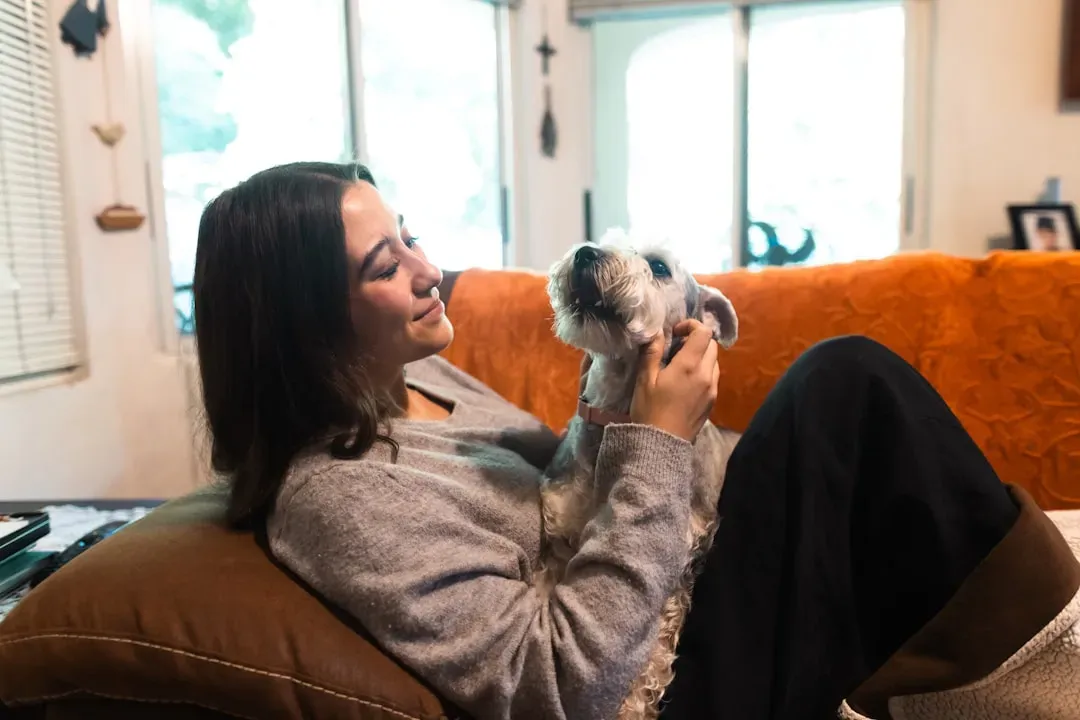
Dog-to-owner gaze as a form of social communication probably evolved during domestication and triggers oxytocin release in the owner, facilitating mutual interaction and affiliative communication, and consequently activation of oxytocin systems in both humans and dogs in a positive loop. This is not just warmth. It’s biology.
Oxytocin is a hormone associated with trust and maternal bonding. It increases when you’re close to someone you love and gives you that warm, fuzzy feeling. Researchers found that when owners and their dogs gazed into each other’s eyes during a thirty-minute period, oxytocin levels measured in their urine increased in both the humans and the dogs.
The results suggest that human-dog interactions elicit the same type of oxytocin positive feedback loop as seen between mothers and their infants. That, in turn, may help explain why we feel so close to our dogs, and vice versa. When your dog watches you without you noticing, they may be quietly fueling that very same loop.
Your Body Language Is Their Daily Newspaper
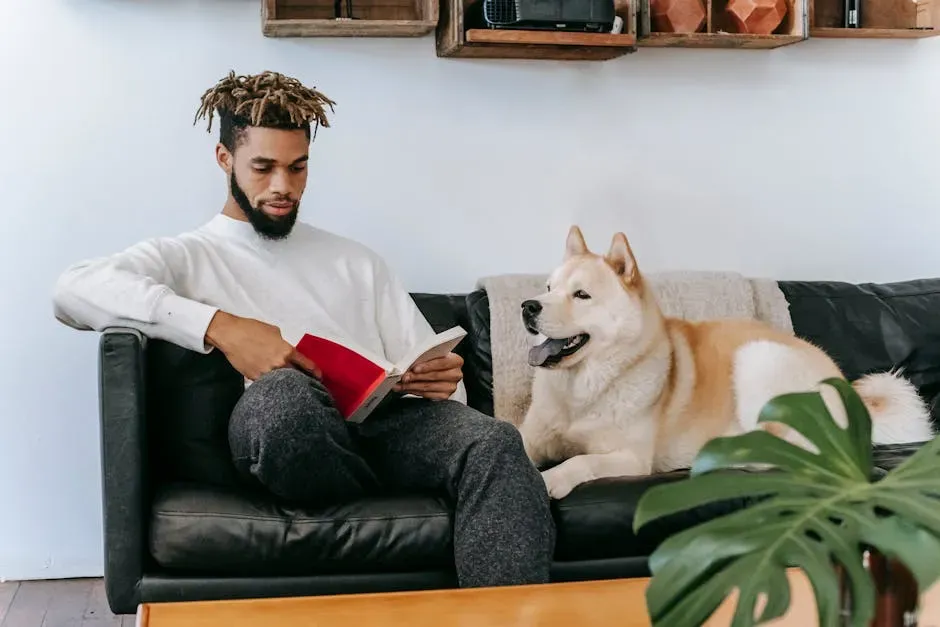
Your dog watches your body language and looks at your facial expressions to help them recognize what you’re thinking and feeling. As well as watching you carefully, they most likely use their other senses to gather extra information. They listen to the tone of your voice and may even use their incredible sense of smell to work out how you’re feeling by licking your face and hands.
Dogs have many ways of detecting human feelings, including observing body language, facial expressions, tones of voice, and more subtle changes in the smell of sweat, tears, or pheromones. So when they’re watching you fold laundry while your mind drifts to a stressful work situation, they’re catching signals you’re not even aware you’re sending.
Dogs have so fine-tuned their ability to read us that they can distinguish their owner’s expressions even by looking at images. In one study, pet dogs were shown images of happy and angry faces on a computer screen and would get a treat when they nose-touched an image. Researchers found that when seeing an angry face, the dogs were reluctant to approach the image, despite the promised treat.
They’re Tracking Your Routine Closer Than You Think
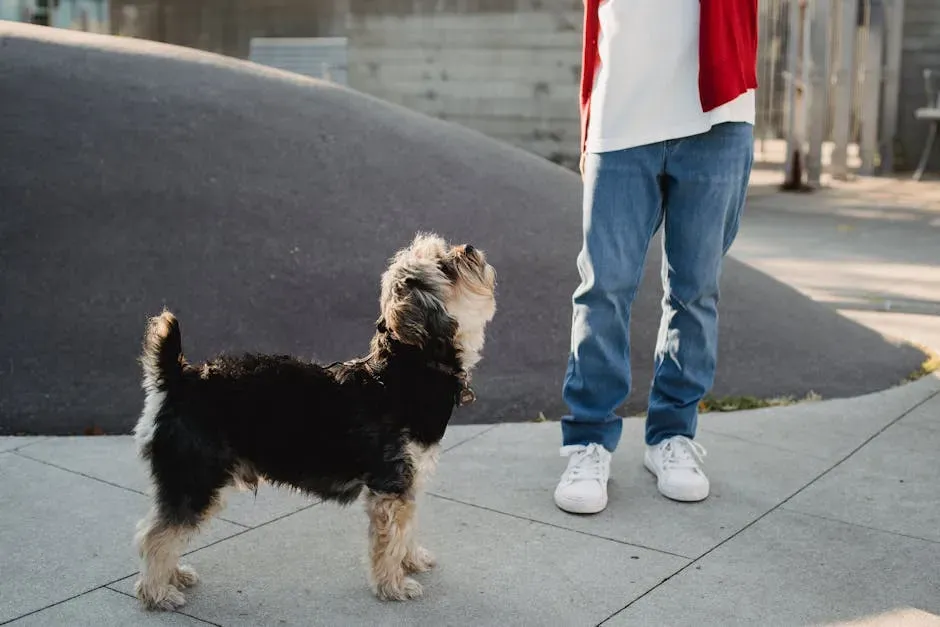
More than almost any other animal on earth, dogs are in tune with humans. They sense our moods, follow our pointing gestures, and read us for information about what’s going to happen next. This is especially true for the daily patterns that make up their world: walks, mealtimes, play, your pre-departure rituals.
There are a number of activities we do consistently prior to each departure. The dog soon learns to identify that these cues or signals mean imminent departure. Picking up your keys, reaching for your jacket, checking your phone one last time. Your dog has mapped your habits with a precision that’s quietly remarkable.
Dogs like knowing what’s happening and often wait for the significant events that make up their day, including food time, playtime, and walks. Their watchfulness isn’t passive. It’s active, purposeful monitoring of the creature they depend on most.
When Watching Becomes Asking: The Communication Gaze
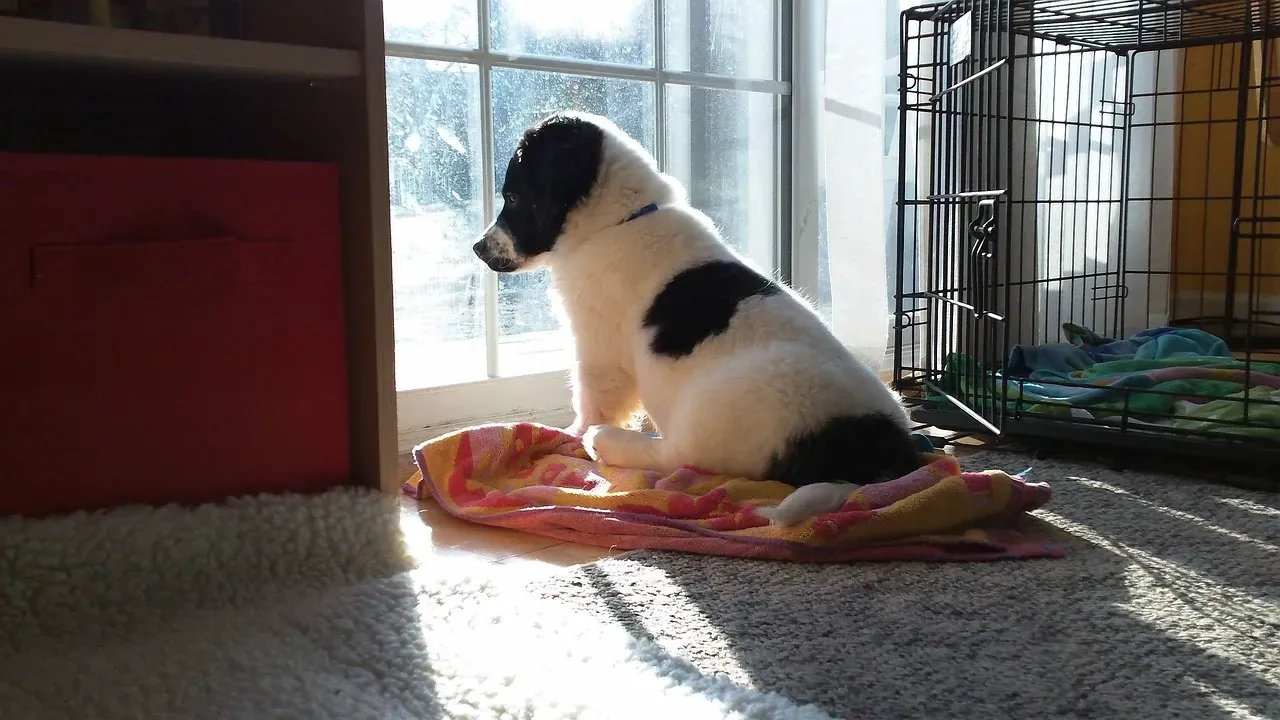
Staring also occurs when your dog is trying to get your attention or tell you something. If it’s time for a potty break, your dog might sit by the door and stare at you. Or, if your dog is hungry and you’re eating, staring can indicate a desire for you to share your food. It’s the canine equivalent of a tap on the shoulder.
The reason why dogs stare at us when they want something is because we’ve unintentionally taught them this behavior. Whether it’s reaching for the treats, taking them for a walk, or offering a cuddle, dogs quickly learn there is a cause-and-effect rule involving their ability to keep eye contact with their owner. If you reward them with treats and attention every time they sit and stare, they’ll keep doing it to get what they’re after.
Breed Differences: Not All Dogs Watch the Same Way
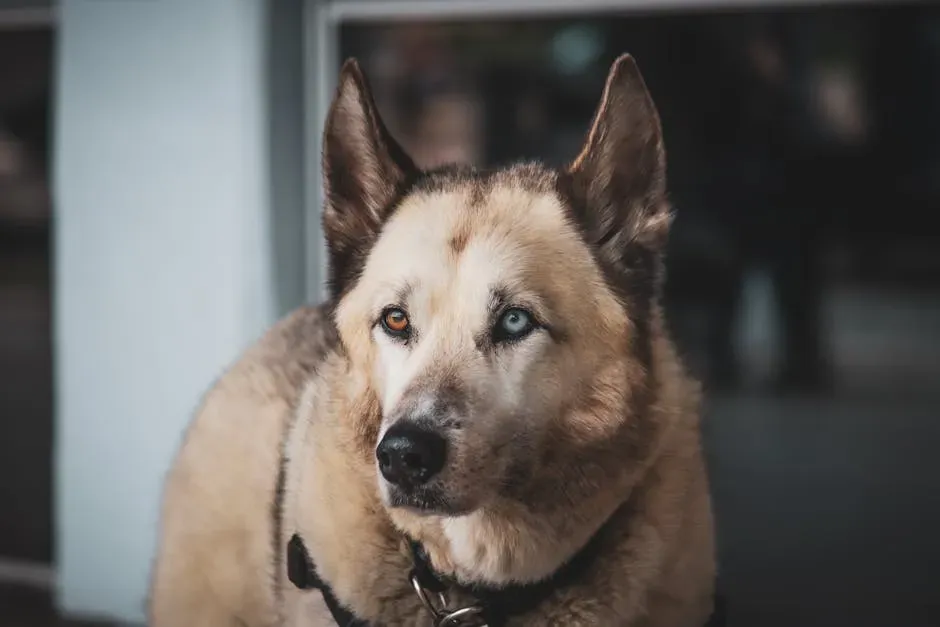
Research from Eötvös Loránd University revealed significant variations in eye contact behavior across different dog breeds. Working breeds like Border Collies, Australian Shepherds, and German Shepherds typically make more frequent and sustained eye contact with humans, reflecting their breeding history for cooperative work requiring close human direction. These breeds often naturally check in with their owners through brief eye contact, even without training.
Because dogs use eye contact and follow the human gaze better than wolves, it’s possible that a breed’s ability to communicate visually is associated with how genetically similar that breed is to a wolf. This indicates that ancient breeds are less likely to use eye contact with humans to communicate. So if your Siberian Husky seems less of a starer than your Labrador, there’s a plausible genetic reason behind that.
When the Watching Is a Health Signal You Shouldn’t Ignore
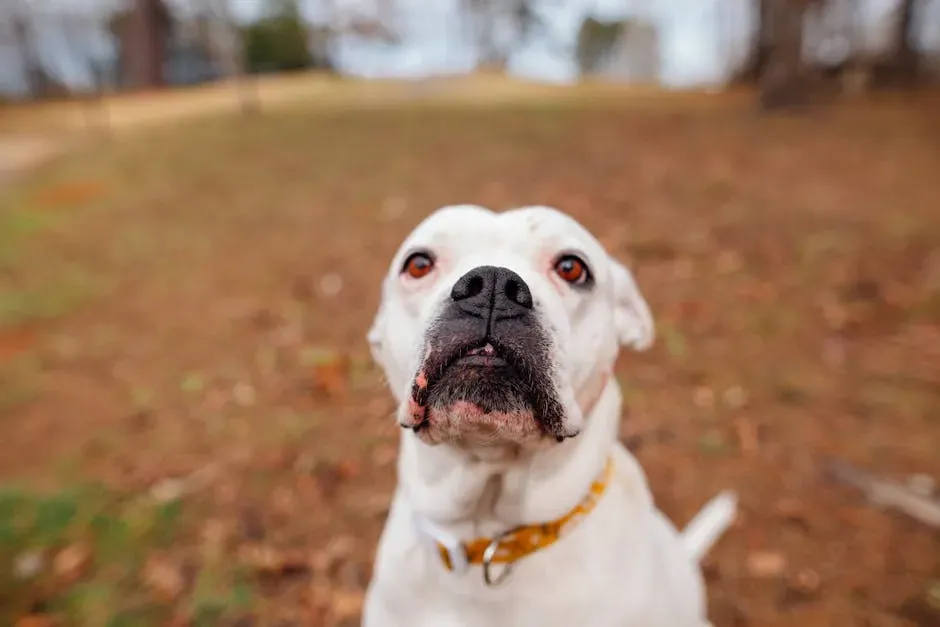
In some cases, your dog might be staring at you in a pleading way. If they’re hurt or sick, they might be staring in the hope that you’ll notice their discomfort. A dog that follows your every move more intensely than usual and seems unsettled may be telling you something important with those eyes.
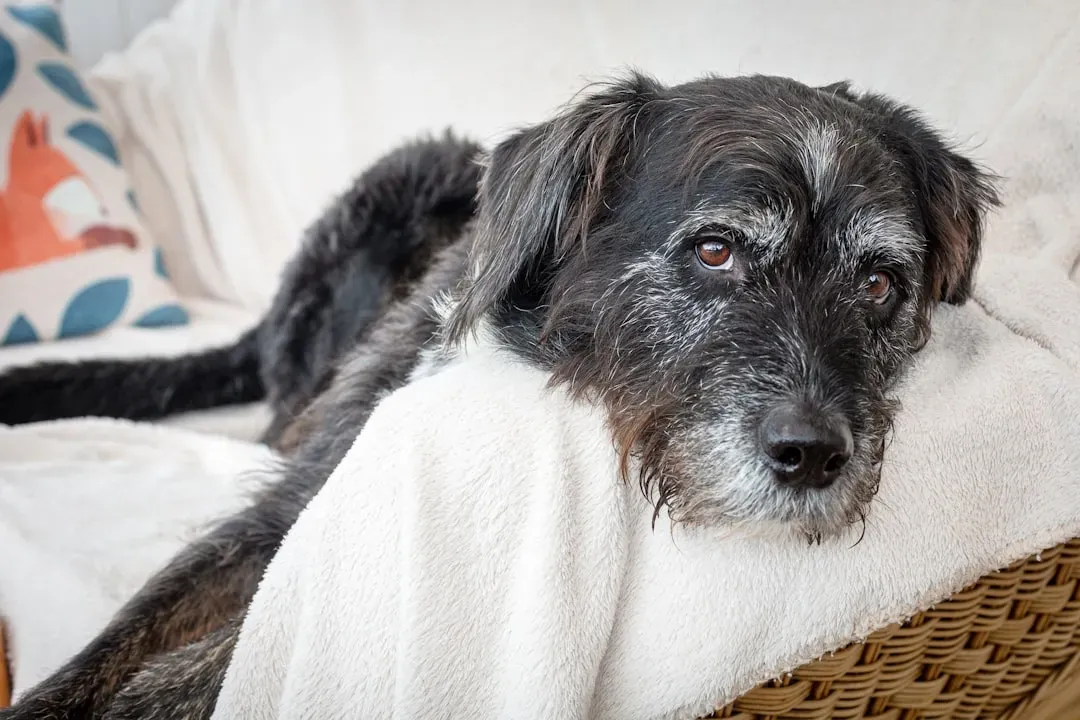
If your older dog is staring constantly at you with no apparent reason, this behavior could be a sign of an illness known as Cognitive Dysfunction Syndrome in dogs. Wandering around aimlessly, forgetting basic commands, and looking disoriented in familiar settings are other signs that your dog might be suffering from cognitive decline. Any sudden shift in how much or how intensely your dog watches you is worth a vet conversation.
An anxious dog may pant, pace, tremble, drool, withdraw from its owner, or hide. Alternatively, they may appear irritable or aggressive. Combining unusual vigilance with these physical signs is your clearest signal that something is off beyond simple curiosity.
Your Emotional State Is Contagious to Them
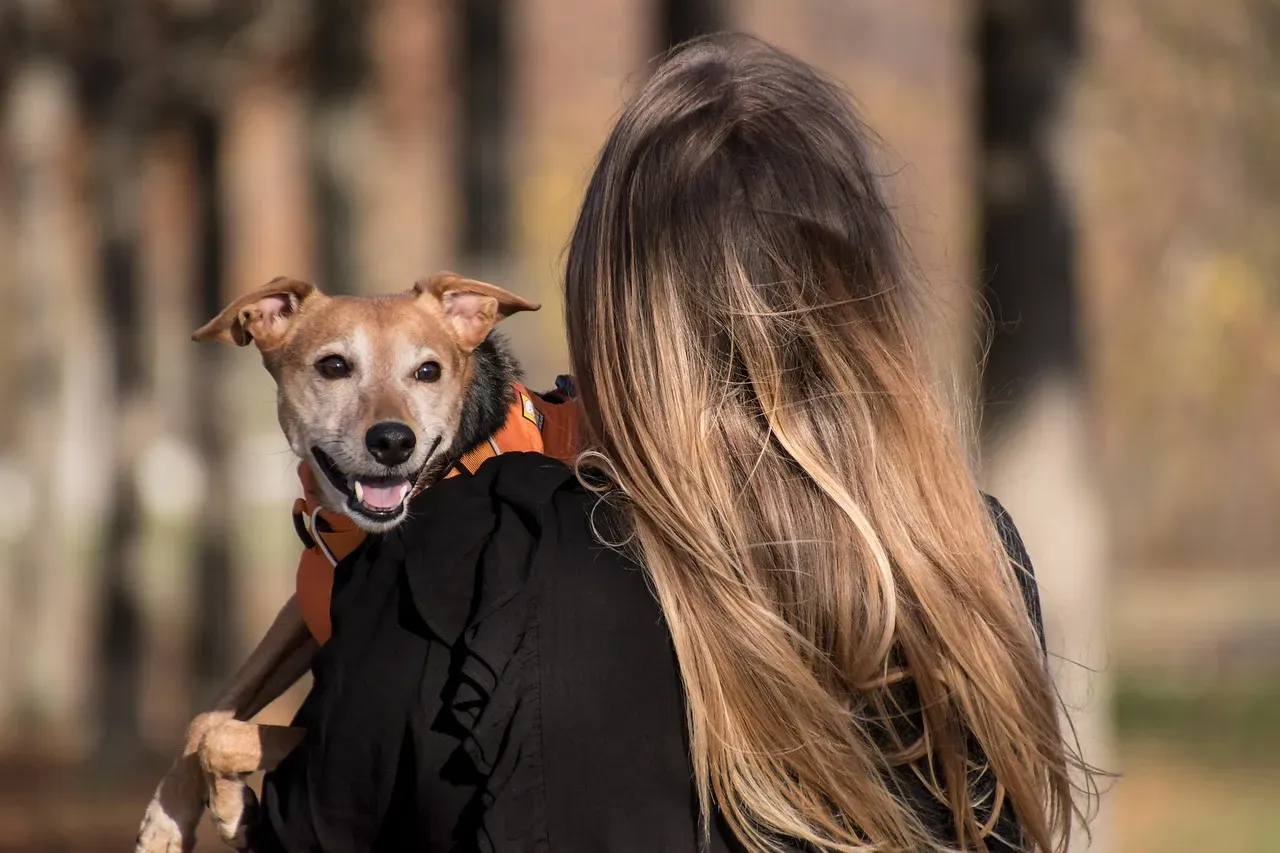
When owners project feelings of calmness and confidence, dogs tend to see their immediate surroundings as safe. When humans are anxious, dogs tend to look to their environment for signs of threats, feel less safe, and thus become more anxious. After all, there must be some reason that their protector is feeling anxious.
Dogs’ monitoring of their owners goes far beyond getting instructions. They are constantly checking in with us to see our emotional signaling. They look at our posture, facial expressions, and our tone of voice to get information on how we are feeling and our attitude towards people and things we encounter. This is worth sitting with. Your dog isn’t just watching you. They’re deciding how they feel about the world, partly based on how you carry yourself through it.
Training and the Power of the Intentional Gaze
The “watch me” or “look at me” command teaches dogs to make deliberate eye contact with their owners, establishing attention and focus that forms the foundation for more complex training. Professional dog trainers emphasize that reinforcing eye contact during training sessions strengthens not only obedience but also the emotional connection between dog and handler.
Dogs that are attentively staring towards their humans will learn faster and perform better. Whether you’re working on basic commands or advanced agility skills, that mutual focus is the foundation everything else gets built on. Encouraging gentle, willing eye contact is one of the most productive things you can invest time in as a dog owner.
Whether your dog is a natural gazer or one of the ancient breeds, you can always encourage eye contact by training a cue like “Watch me.” If you’re looking to get your oxytocin fix for the day, besides gazing into your dog’s eyes, the same hit of the love hormone can be had from petting, cuddling, or any other positive interaction with your dog.
Separation Anxiety and the Watching That Worries You
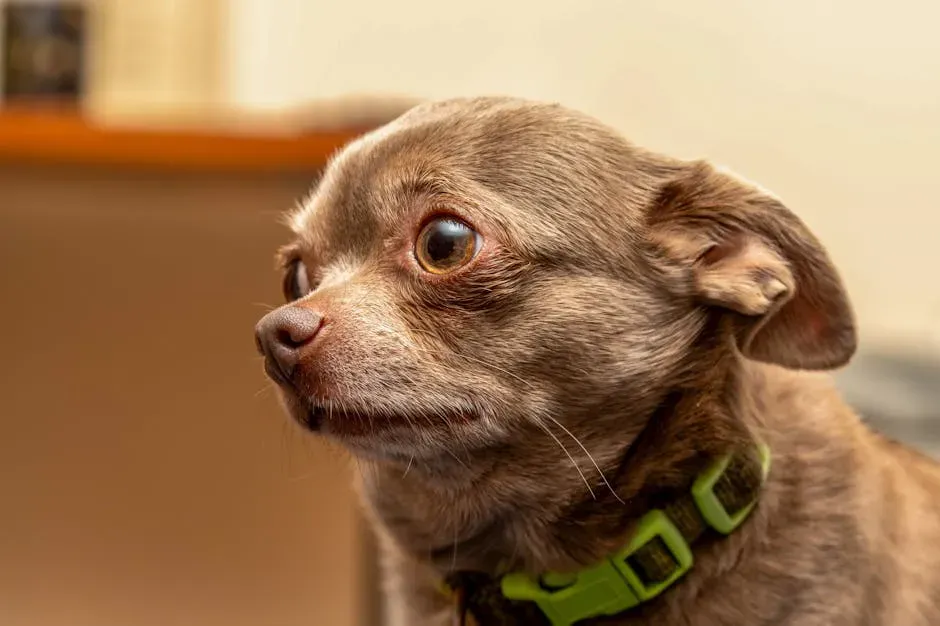
Most dogs with separation anxiety try to remain close to their owners, follow them from room to room, and rarely spend time outdoors alone. They often begin to display anxiety as soon as the owners prepare to leave. If you notice your dog tracking your every micro-movement at home with a low body posture, tense face, or trembling, that level of watching may cross into separation anxiety territory.
If you can prevent your dog from observing any of these anxiety-inducing pre-departure cues, or if you can train your dog that these cues are no longer predictive of departure, then the anxiety is greatly reduced. Practical steps include practicing calm departures, desensitizing your dog to your “leaving” behaviors, and rewarding relaxed, settled behavior at home even when you’re present.
If the watching feels frantic or distressed rather than warm and curious, don’t dismiss it. The first step is scheduling a veterinarian exam to rule out a medical trigger. If health isn’t the culprit, begin logging details about surroundings and situations when the anxiety emerges. It helps to know patterns before bringing them to your vet or a certified behaviorist.
Conclusion: What That Gaze Is Really Telling You

There’s something quietly profound about being watched that closely by another species. Your dog isn’t just a passive companion. They are an active, attentive observer who has devoted a significant part of their cognitive life to understanding you. That gaze across the room, the one you catch only when you turn around at just the right moment, is the product of thousands of years of co-evolution, attachment, and an unspoken language built entirely around your presence.
The most practical takeaway is also the most human one: your dog is paying more attention to you than you probably realize. More than almost any other animal on earth, dogs are in tune with humans. They sense our moods, follow our pointing gestures, and read us for information about what’s going to happen next. That’s not a burden. That’s a relationship worth showing up for.
Watch them back. Notice their body language, their check-ins, the way their eyes soften when you meet their gaze. The more you tune into what they’re communicating, the more richly the whole relationship opens up. They’ve been studying you their whole life. Every now and then, it’s worth returning the favor.


