
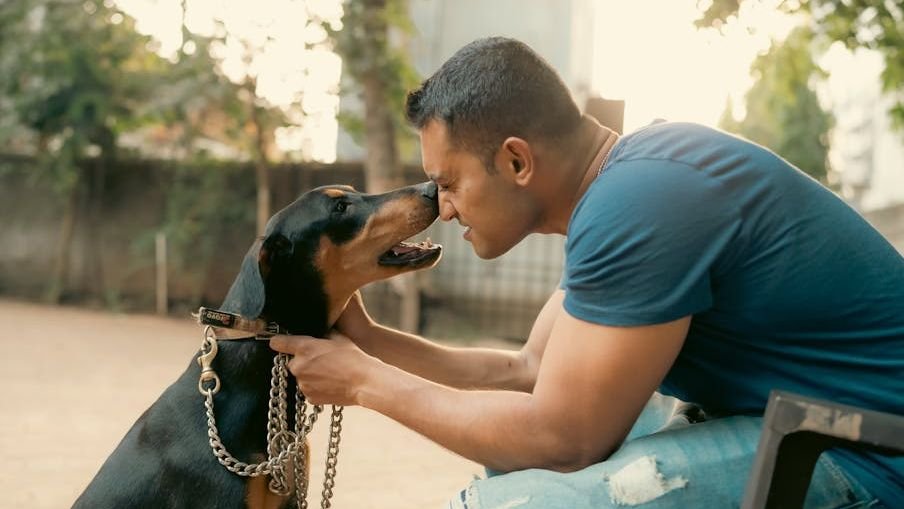
Your dog watches you more carefully than you probably realize. They notice your mood before you’ve said a word, track the sound of your car from down the street, and feel the shift in your energy when something is off. Dogs can actually smell human emotions, and a 2018 study involving 34 dogs and their owners found that dogs not only feel distress when they see that their owners are sad, they’ll even try to do something to help.
That kind of attentiveness deserves something in return. Dogs aren’t just pets sharing our square footage. They’re emotionally intelligent creatures with specific needs, silent expectations, and a remarkable capacity to be let down when those needs go unmet. Whether you’re a seasoned dog owner or still finding your footing, this guide is your honest, research-backed look at what your dog is really asking for, and the four ways we sometimes fail them without meaning to.
1. Consistent Daily Routine

Dogs are creatures of habit in the truest sense. A structured routine provides predictability, which reduces stress and improves their overall well-being. When feeding times, walks, and bedtime follow a reliable pattern, your dog’s nervous system settles into a calm baseline. It’s not rigidity they’re after. It’s the security of knowing what comes next.
Just like their human counterparts, lack of predictability and scheduling can result in anxiety and undesirable behaviors. Knowing when to expect interaction, activity, and attention can help your pet feel like they are in control of their environment. A dog that eats at different times each day, or whose walks are unpredictable, may not show obvious distress at first. Over time, though, that underlying anxiety tends to surface as barking, chewing, or restlessness.
Think of routine not as a chore but as a form of communication. Every predictable moment tells your dog the same thing: “You’re safe. I’ve got you.” That message is worth more than you might think.
2. Genuine Daily Exercise
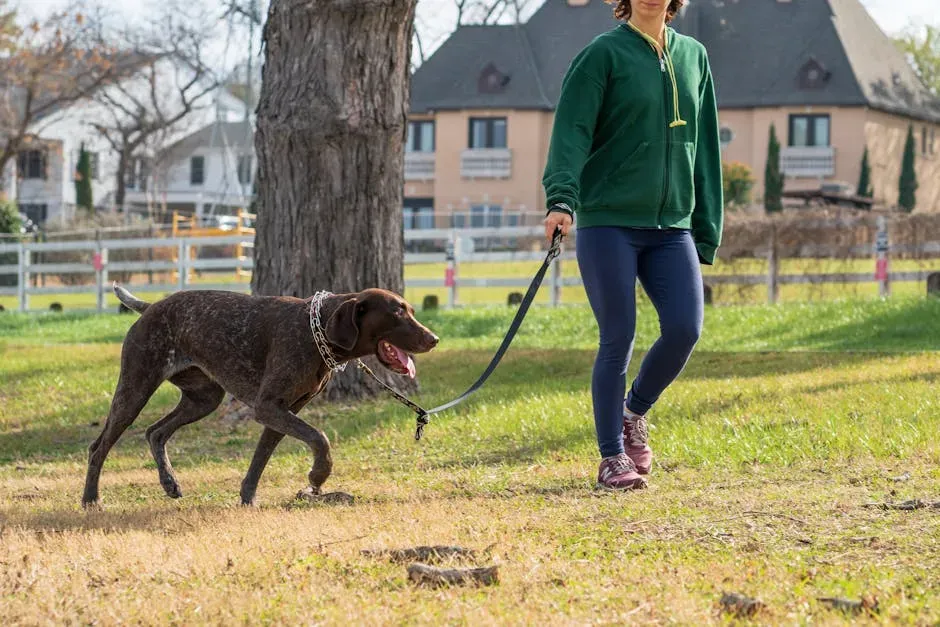
A quick spin around the block isn’t always enough. Different breeds carry different energy requirements, and a Labrador’s idea of a good walk looks nothing like a Basset Hound’s. Providing ample physical exercise combined with mental stimulation can lead to a happier pet. When a dog’s body doesn’t get what it needs, the excess energy tends to find its own outlet.
In the search for something to do, a bored dog can become a destructive dog, digging up your garden or chewing on the furniture. This is especially true of puppies because they are curious, eager to learn about the world around them, and full of energy. The chewed sofa leg isn’t spite. It’s a message. Physical activity also has a direct impact on mood, and exercise can be a great stress reducer. For healthy dogs, physical activities such as walking or playing fetch may help both you and your dog release tension.
Match the exercise to the dog in front of you. A high-energy breed may need a brisk 30-minute outing in the morning before your coffee has even cooled. An older or smaller dog may need something gentler but equally consistent. The key is showing up every day.
3. Mental Stimulation That Challenges Their Brain
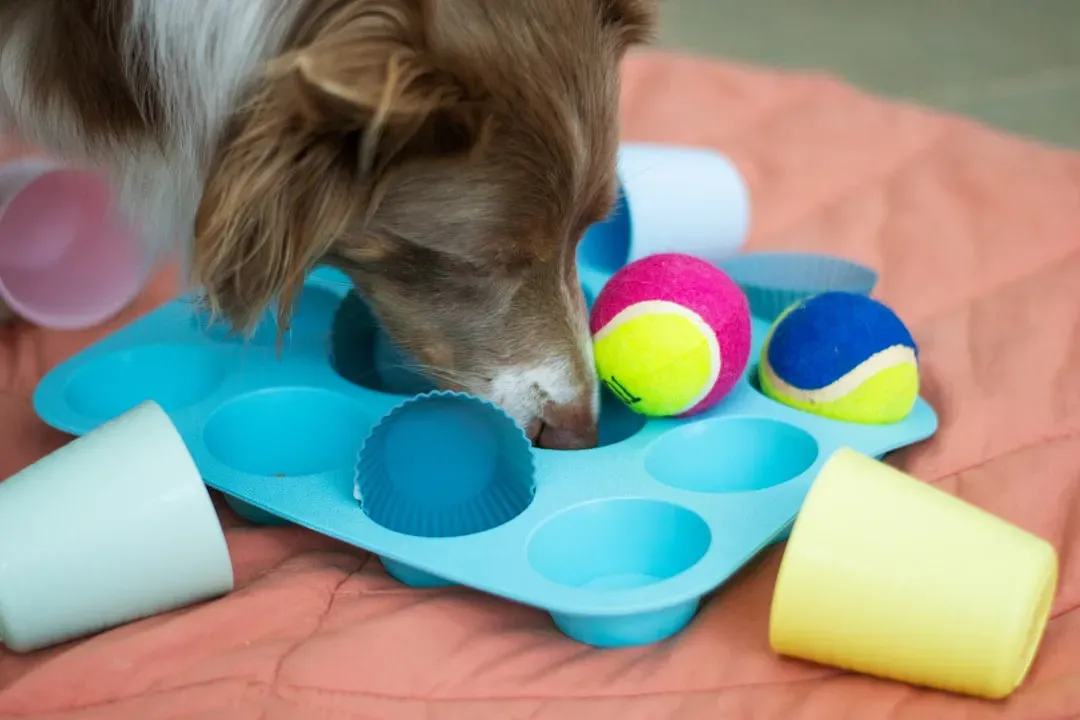
Physical exercise tires the body, but mental stimulation tires the mind. Both matter. Mental stimulation is just as important as physical exercise. It helps reduce anxiety and destructive behaviors. Engaging their minds on a regular basis leads to a well-balanced, happy dog.
Dogs are naturally curious and intelligent creatures, and when they are given opportunities to use their minds, they lead happier, healthier lives. Puzzle feeders, scent games, and short training sessions are all effective options. Whether it’s a simple food-dispensing toy or a more complex multi-step puzzle, these activities tap into your dog’s natural instincts to hunt and forage, keeping them engaged and entertained for extended periods.
You don’t need expensive gear. Hiding treats around the house, teaching a new trick, or varying the walking route are all simple ways to engage your dog’s mind. A dog that receives regular mental stimulation is generally happier, healthier, and better behaved. Engaging your dog’s mind helps prevent boredom-related behaviors like chewing, barking, or digging.
4. Calm, Clear Communication
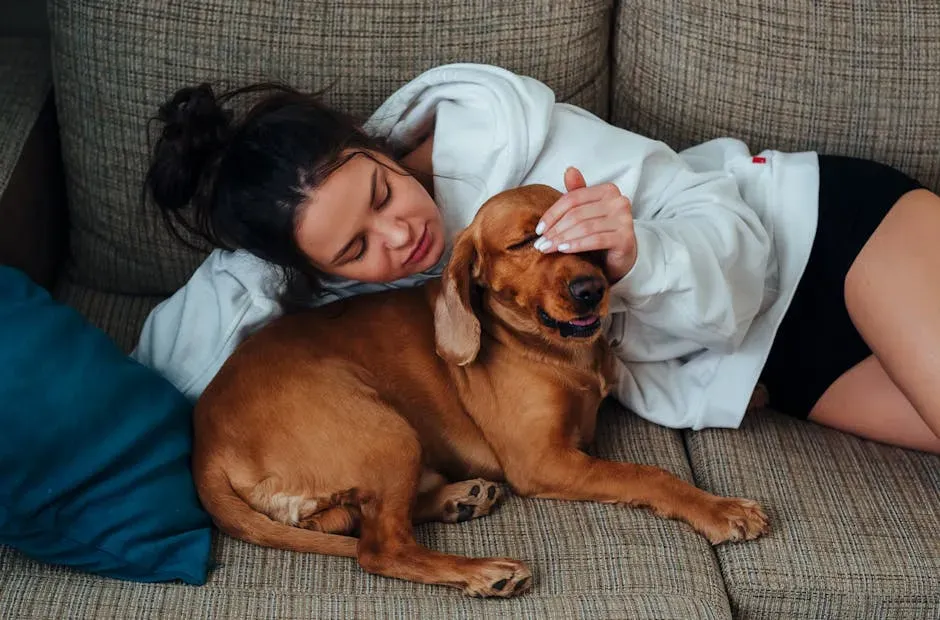
Dogs don’t need lengthy explanations. What they need is clarity. Body language is one of the most important communication tools. Dogs read your posture, gestures, and expressions to gauge your intentions. Consistent body language helps prevent confusion. When your signals are mixed, your dog isn’t being stubborn. They’re genuinely lost.
Your emotional state transmits more than you realize. Even if you don’t yell in front of your dog, they can pick up on your negative energy when you and your partner fight. Your pup may notice your clipped tone of voice, the fact that neither of you is speaking, the stiffness of your posture, or the agitated way you’re walking or opening drawers. Some dogs even get sick to their stomachs when pet parents bicker.
Aim to be steady. Speak in simple, consistent cues and keep your tone calm and upbeat during training. A dog who understands what you want is a dog who can actually succeed.
5. Positive, Reward-Based Training
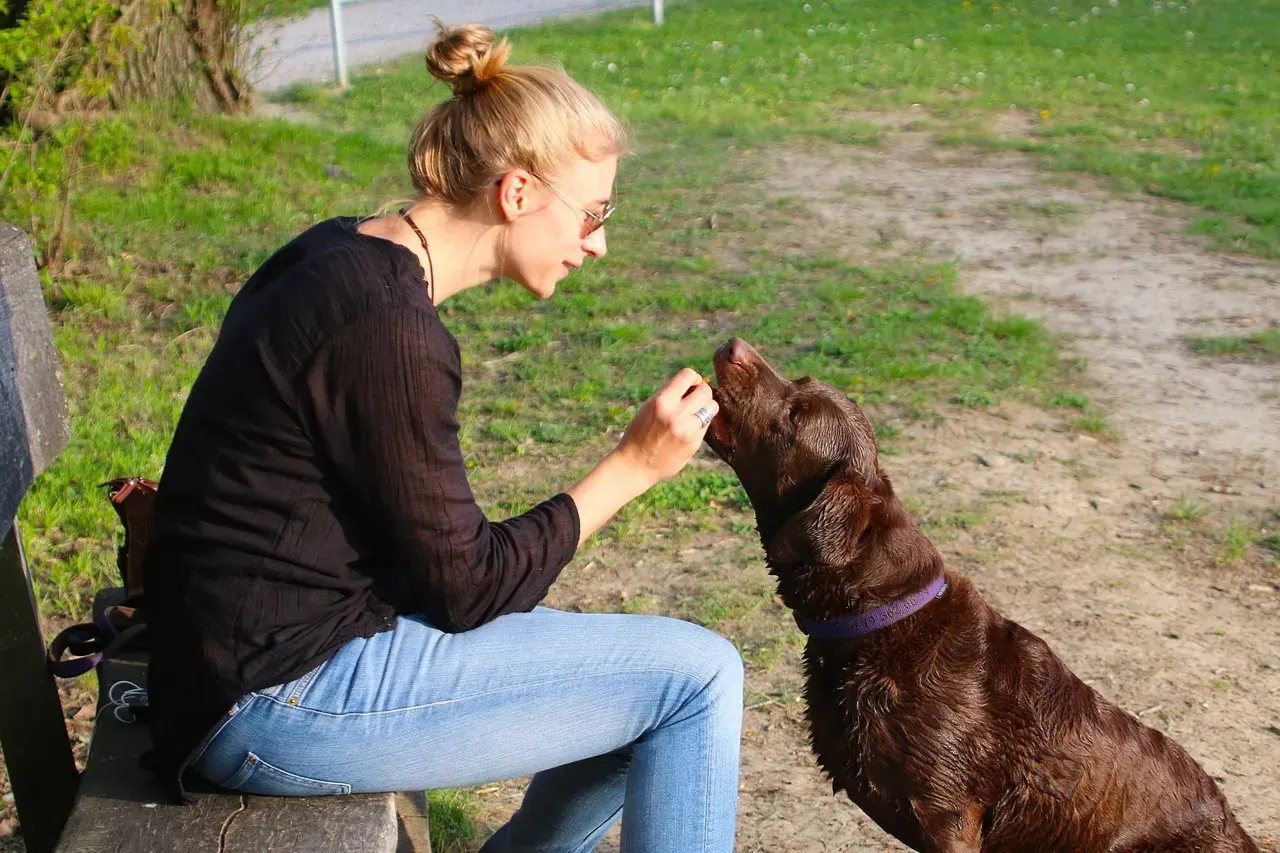
Training isn’t just about manners. It’s one of the most powerful ways to build trust between you and your dog. Without fear of doing the wrong thing, your dog can become an active participant in the training process. They’ll start trying new things, get plenty of mental exercise, and actively look for ways to earn rewards. Plus, instead of just learning what not to do, they learn what you expect in each situation.
Training methods that prioritize punishment and aversive techniques have been shown to increase aggression and other behavior issues in dogs. Positive reinforcement, on the other hand, builds confidence, not compliance through fear. Dogs quickly learn to repeat actions that bring positive outcomes. This not only aids training but also builds a trusting bond.
Keep sessions short, especially with puppies. Keeping training sessions between 5 and 10 minutes helps maintain your pet’s attention and prevent fatigue. End on a win, even a small one. Your dog will remember the feeling of getting it right, and they’ll come back ready to try again.
6. Meaningful Social Connection
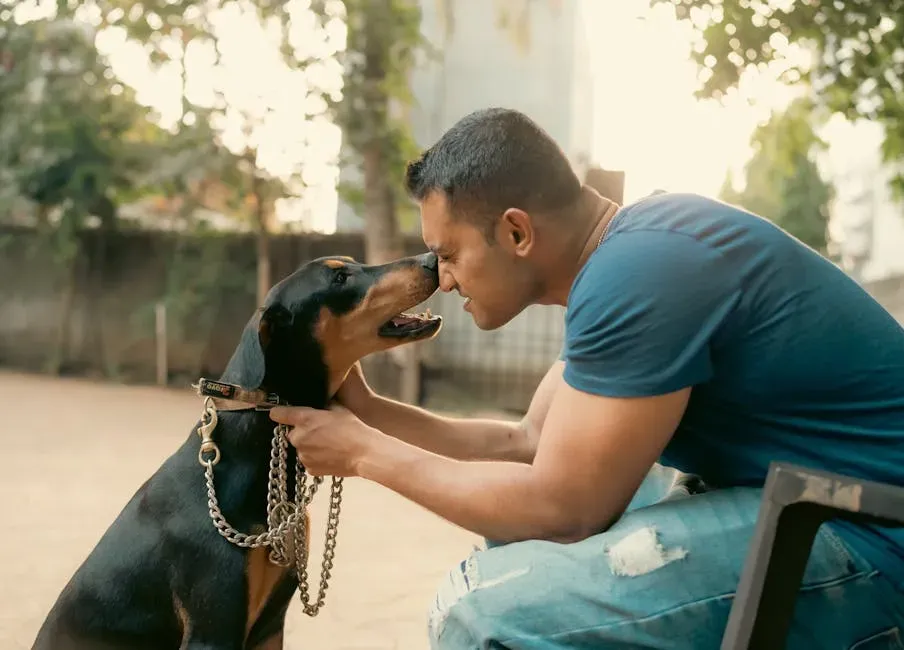
Dogs aren’t designed for isolation. They evolved alongside humans over tens of thousands of years, and that co-evolution left a deep imprint. They crave the company of people. They also have a mind which does not have a particularly good sense of time, so when they get left alone, they can immediately begin to think, “Have I been abandoned forever?” Dogs can get extremely anxious as a result.
This isn’t melodrama. It’s biology. Science shows dogs don’t just live with us. They form deep, family-like bonds that mirror our closest human relationships. And a 2015 study found that when dogs gave their owners a soft, friendly look, oxytocin levels rose in both species, the same hormone that bonds parents and babies.
Daily connection doesn’t need to be elaborate. Sitting together quietly, a gentle scratch behind the ears, or talking to your dog while you do chores all count. Speak to your dog when you’re doing chores at home. Increased interaction will increase your dog’s security.
7. A Safe, Dedicated Resting Space

Every dog needs a corner that belongs to them. By providing your dog with a special area that they can escape to when needed, your dog will learn to self-soothe and become more confident when confronted with stressful situations such as thunderstorms, fireworks, holiday parties, or the arrival of a new baby. This isn’t pampering. It’s a legitimate welfare need.
A population-level study on free-ranging dogs found that dogs consistently chose resting sites that avoided disturbance and provided security, often preferring shaded areas with good visibility and minimal human disruption. That instinct doesn’t disappear in domestic life. Make sure their area is not totally isolated. Dogs are very social, and while they might want a break from all the activity, they may still want to be near their family.
Set up a designated spot with comfortable bedding, away from heavy foot traffic and loud noise. Let your dog choose it freely. By giving your dog the choice to leave a situation, you increase their confidence in dealing with uncertain or stressful situations.
8. Proper Socialization Throughout Life

Socialization is often treated as something you do with a puppy and then tick off the list. That’s a misconception. Contrary to popular belief, socialization doesn’t stop after puppyhood. Adult dogs need continued exposure to different stimuli to maintain positive behaviors and reduce the risk of anxiety-related issues. Regular interactions with other dogs and humans help reinforce positive behaviors and prevent regression into fear-based reactions.
Research on socialization during the critical window shows that well-socialized pets are less likely to develop fear reactivity, anxiety, or destructive habits, and are better able to cope with new experiences throughout life. The critical puppy window falls between about 3 and 14 weeks, but continued exposure matters well beyond that. Studies indicate that well-socialized dogs display lower levels of stress and aggression compared to those with limited interaction.
Introduce new people, sounds, and environments gradually. Provide praise, play, and treats to reward positive or neutral engagement in their surroundings. Allow your pet to withdraw if they seem uncomfortable. Move at a pace appropriate for your pet’s personality.
9. Regular Veterinary Care

Routine vet visits aren’t just about vaccines. They’re your dog’s best shot at catching a problem before it becomes serious. Dogs are remarkably good at masking pain and discomfort, which means that by the time symptoms are obvious to the naked eye, an issue may have been brewing for a while. Annual checkups and prompt attention to behavioral changes are essential habits for any responsible owner.
Behavior problems aren’t just frustrating. They can also indicate pain, illness, or emotional distress. A dog who growls when touched may have joint pain. Before assuming it’s “just behavior,” your veterinarian should rule out medical causes. Behavioral shifts such as changes in appetite, sleep patterns, or activity levels are worth mentioning at your next appointment. Your vet is your partner, not just a crisis resource.
Prevention is far kinder than treatment. Dental cleanings, parasite control, and age-appropriate screenings are all part of the package. Your dog can’t book their own appointment. That responsibility rests entirely with you.
10. Patience During Learning and Growth
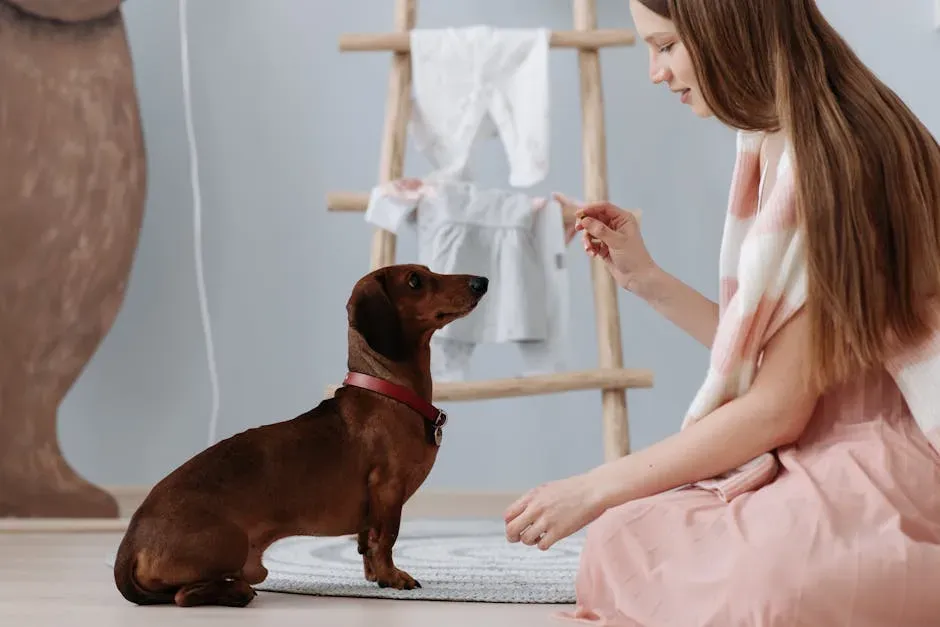
Dogs learn at their own pace, and that pace doesn’t always line up with our expectations. Training takes time and patience, two things that are often in short supply. Some dog owners expect immediate results and push their dogs too quickly through the stages of learning. This creates stress for the dog and frustration for the owner, and rarely produces the results either side was hoping for.
Dogs were found to be harder to train when going through puberty and more likely to ignore commands given by their owners. This behaviour was more pronounced in dogs which felt insecure about their relationships with their caregivers. Rather than doubling down with stricter methods, that’s the moment to lean into patience and warmth. Always end training sessions on a positive note, even if progress seems slow. This builds your dog’s confidence and maintains their enthusiasm for future training sessions.
11. The Freedom to Sniff and Explore

A walk to your dog is not the same experience as a walk to you. Where you see the sidewalk, your dog reads an entire world through their nose. Dogs have 100 million sensory receptors in their nasal cavities compared to 6 million in human noses, and their sense of smell is estimated to be 10,000 to 100,000 times better than ours. Cutting that experience short by rushing them along is the canine equivalent of covering your eyes for an entire nature walk.
Allowing your dog to sniff and explore encourages them to use their senses and explore their surroundings. This kind of “sniff time” is genuinely decompressing for dogs. It satisfies a deep instinct and contributes meaningfully to mental fatigue, the good kind that leaves a dog calm and settled. While dogs thrive on routine, subtle changes can provide much-needed mental stimulation. Varying your walking routes, introducing new toys, or changing how you play games with your dog can keep your dog curious and engaged.
12. Play That Actually Engages Them
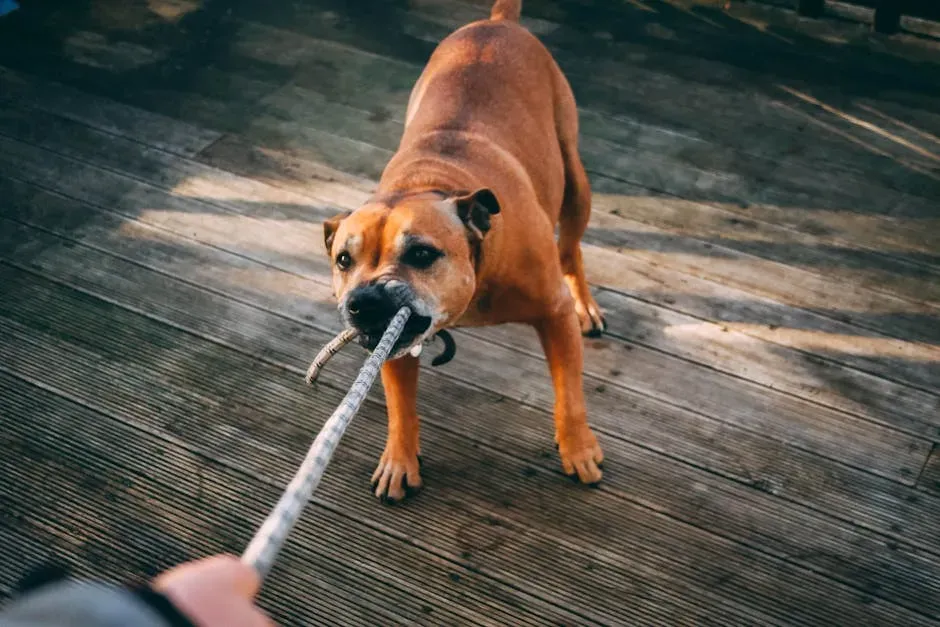
Play is far more than fun. It’s physiologically important. Dogs didn’t just happen to be lifelong players. While wolves mostly leave play behind after puppyhood, humans selectively bred dogs to stay playful because it made them better companions and partners in work. That history means your dog has a genuine, wired-in need for regular, engaging play throughout their whole life.
Studies suggest that playtime reduces cortisol levels, the stress hormone, and increases dopamine and serotonin, which contribute to feelings of happiness and relaxation. Interactive games like tug, fetch, or scent-based hide-and-seek directly address that need. Social stimulation had a greater positive effect on reducing undesirable behaviors in dogs compared to the provision of toys alone. Your presence in the game is what makes it meaningful.
Rotate toys to keep novelty alive. Engage actively instead of just tossing something and going back to your phone. Ten focused, enthusiastic minutes of play does more good than an hour of half-hearted interaction.
—
1. Inconsistency in Rules and Expectations

Few things confuse a dog more than a moving target. Allowing a dog to jump on guests one day but scolding them for it the next creates confusion. This inconsistency can lead to anxiety and stress, as the dog struggles to understand what is expected of them. It’s not that your dog is being difficult. They genuinely can’t figure out the rules when the rules keep changing.
Inconsistent training can manifest in various ways, such as using different commands for the same behavior, enforcing rules sporadically, or having family members follow different protocols. Every person in the household needs to be on the same page. If you say a word your dog loves, such as “walk,” but for one reason or another you don’t follow through, your dog may feel confused, disappointed, or even stressed. Repeatedly violating these expectations can erode trust, contribute to dog anxiety, and lead to learned helplessness.
Consistency is an act of respect. When your dog can predict your expectations, they relax into confidence. When they can’t, the uncertainty wears on them quietly over time.
2. Being Left Alone for Too Long, Too Often

Life gets busy. Everyone knows that. But the behavioral cost of chronic solitude is real and well-documented. While busy and distracted, your dog may feel stressed as it is used to having company. Many dogs also suffer from separation anxiety when left alone at home, and in extreme cases, it can lead to destructive behavior.
Dog owners tend to make a big fuss when they leave and arrive home, without realizing that it can cause more stress for dogs. Trying not to pay too much attention to your dog for about 20 minutes before you leave, and waiting for them to calm down before saying hello can help decrease anxiety when you leave. If long absences are unavoidable, creating a gradual departure routine can help. Dogs will associate your regular pre-leaving behaviors with your impending absence and gradually increase their time tolerance when trained incrementally.
3. Absorbing Your Stress Without Relief

Your emotional world is not separate from your dog’s. Researchers found dogs’ stress levels were greatly influenced by their owners and not the other way around. Their findings suggest that dogs, to a great extent, mirror the stress levels of their owners. This isn’t just behavioral mimicry. It operates at a hormonal level.
Researchers looked at hair concentrations of the stress hormone cortisol in both dogs and their owners. In both summer and winter samples, the cortisol levels from the dogs were synchronized with their owners. A household with ongoing tension, conflict, or chronic anxiety will have a dog quietly absorbing all of it. We need to approach new and stressful experiences without fear. Calm reassurances, happy and cheerful tones, and relaxed posture can all help your pet feel more comfortable in uncomfortable situations.
4. Ignoring Their Body Language Signals
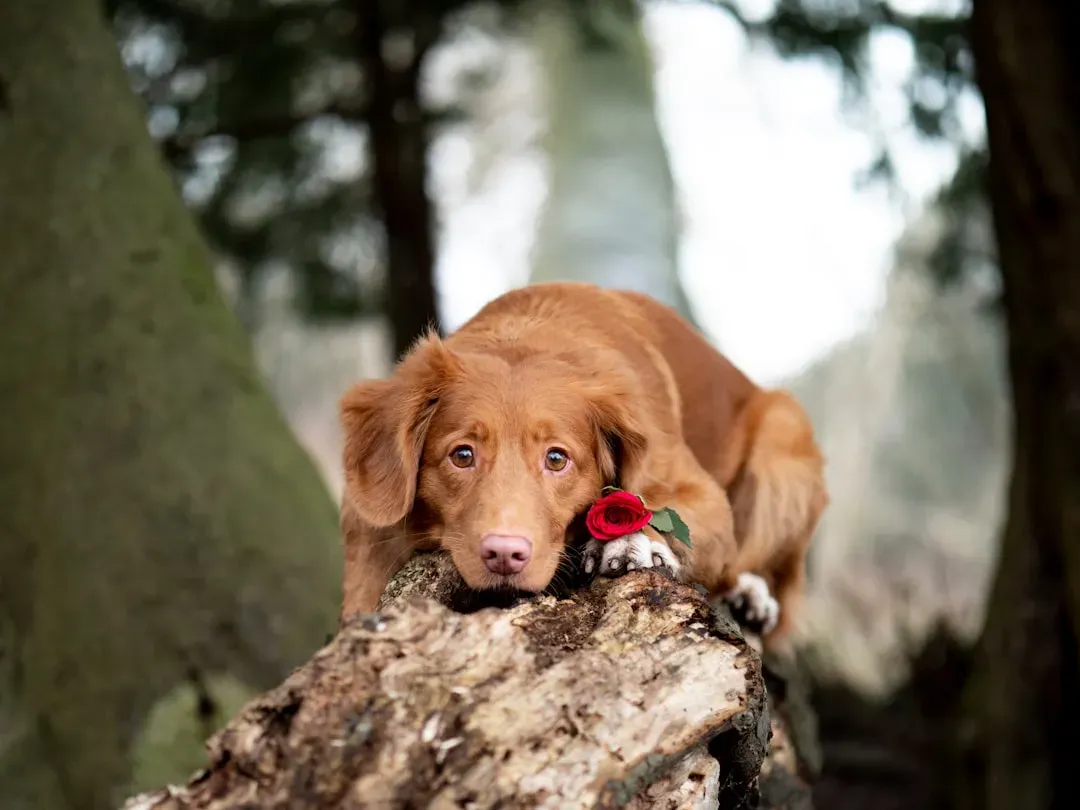
Dogs communicate constantly. They just don’t use words. The signs of anxiety in dogs are often subtle and can easily be misinterpreted unless the full context is understood. A yawn, a turned head, lip licking, or excessive panting may not seem significant in isolation, but in context, these are your dog’s clearest attempts to tell you something is wrong.
A dog that yawns repeatedly or turns its head away is asking for space. These signals are early warnings, chances to prevent escalation. Ignoring them or punishing them teaches pets that communication doesn’t work, forcing them to “speak louder” through growling, snapping, or biting. Learning your dog’s individual signals is one of the highest-value skills you can develop as an owner.
A dog’s feelings can also be hurt when they feel socially rejected, ignored, or experience inconsistent or unpredictable punishment. Harsh handling, teasing, or unmet needs can further damage your dog’s emotional well-being. Tuning in is not optional. It’s the foundation of trust.
Conclusion: What Your Dog Is Really Asking For
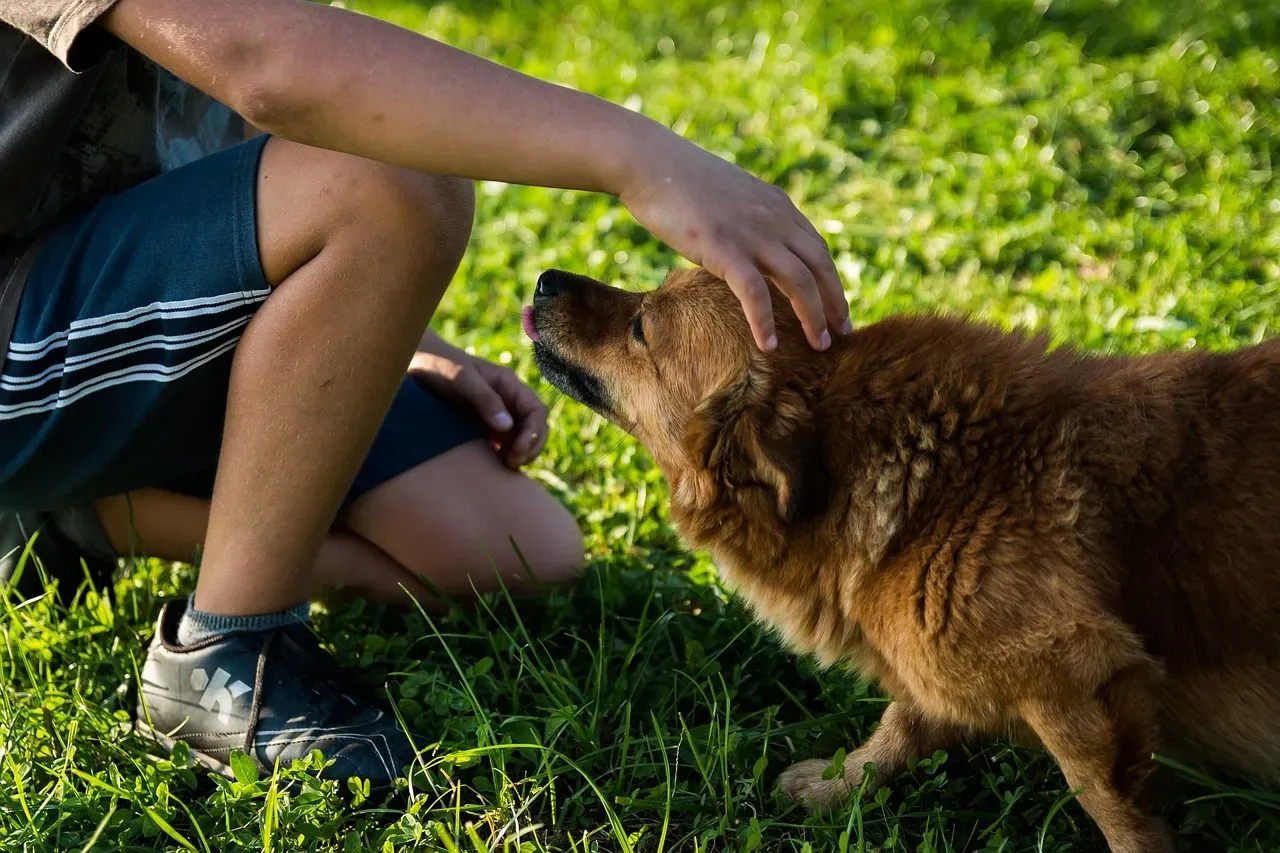
When you strip away all the complexity, your dog’s expectations are remarkably simple. They want to feel safe, understood, physically cared for, and genuinely included in your life. Dogs are neither wolves nor furry humans, and dog owners have certain responsibilities to make sure their dogs are psychologically healthy. That means meeting them where they are, not where we imagine them to be.
The good news is, dogs are quite forgiving creatures, so hurt feelings usually heal fast if you do the right things to regain their trust. You don’t need to be a perfect owner. You need to be an attentive one. The relationship you build through consistency, patience, play, and presence will pay back every investment you make in it.
Your dog already chose you. They make that choice every single day. The question is simply whether the life you’re giving them reflects what they’re quietly, faithfully giving back.


