
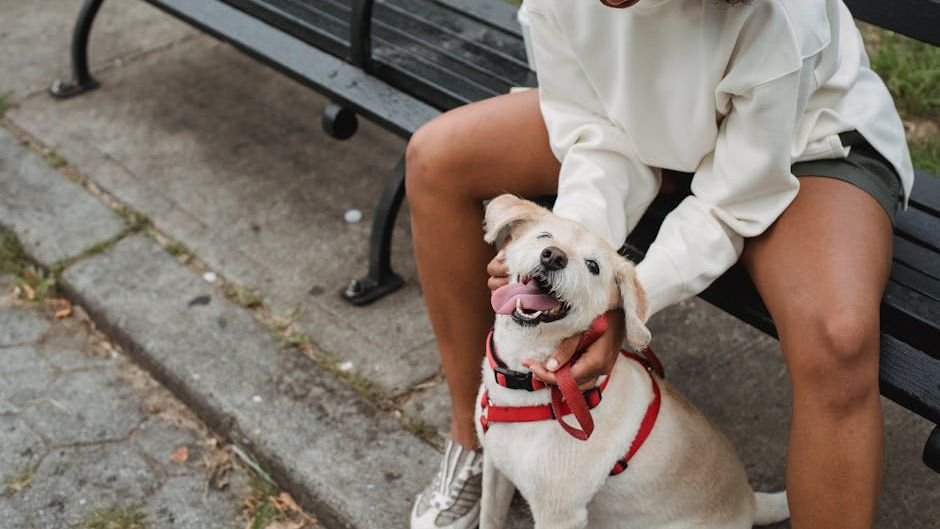
You walk through the front door expecting the usual chaos. The spinning, the tail wagging, maybe the little whimper that says “you were gone forever and I thought you’d never come back.” Instead, your dog looks up from the couch, gives a slow tail wag, and goes back to sleep.
It’s a small thing. Probably nothing, right? Maybe. But for dog owners who know their animals well, that shift feels significant. A dog’s greeting ritual is one of the most consistent expressions of who they are. When it changes, it’s rarely random.
Routine Is Everything to a Dog
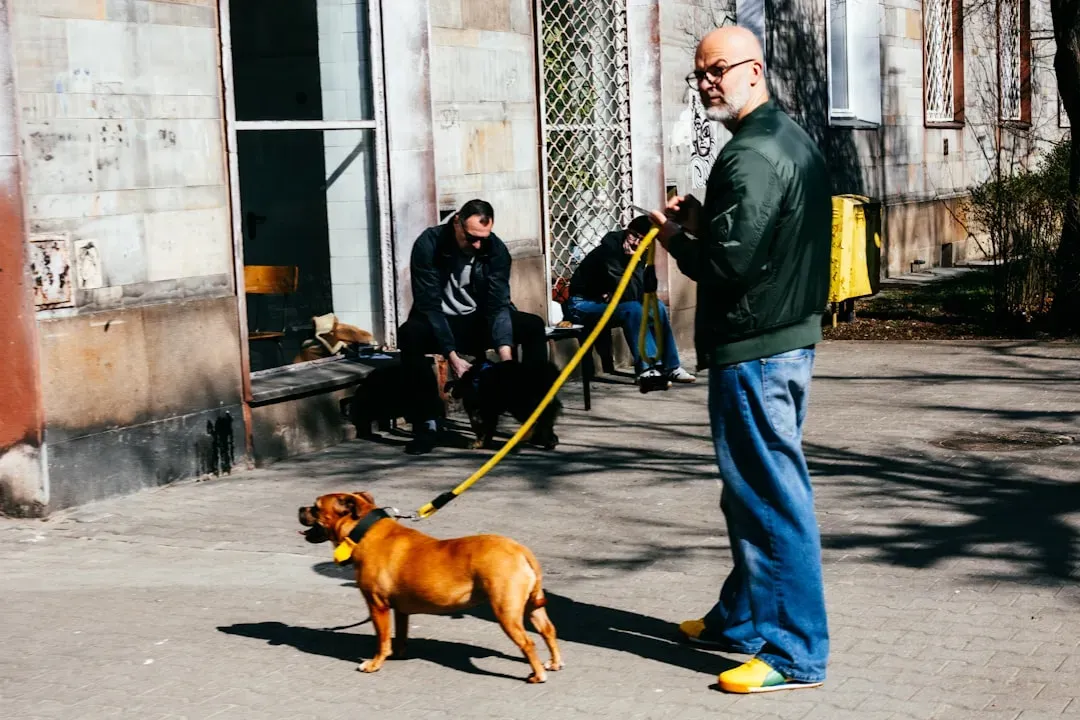
Dogs thrive on routine. They’re creatures of habit, building predictable patterns into their lives, including how they greet you at the door, when they eat, where they sleep, and how they play. Because they’re so consistent, changes in behavior, large or small, become powerful signals that something’s going on beneath the surface.
When a greeting changes, it often reflects a shift in that internal rhythm. Something has disrupted the dog’s sense of what’s normal. That disruption might be environmental, like a move or a new family member, or it could be something more subtle like a change in your own schedule or energy when you walk through the door.
Stress in dogs can be caused by a variety of things, from loud noises to new places. It can also be caused by a change in routine. A dog who used to greet you by the door may simply have learned that the routine no longer reliably leads to walks or play. Once the reward becomes unpredictable, the behavior tends to fade or shift.
Pain Is Often the Quietest Culprit

Around one in three dogs is living with chronic pain at any given time, most often from osteoarthritis or other musculoskeletal disease. Yet many of those dogs are never described as “in pain.” Instead, they’re called “grumpy,” “slowing down,” “suddenly reactive,” or “not themselves lately.”
This highlights that typical signs of musculoskeletal disorders such as gait changes, stiffness, and lameness might actually manifest after behavioral changes, such as increased fearfulness, prolonged recovery from a stressful event, or a reduced interest in social interactions, toys, or play. In other words, your dog may stop greeting you enthusiastically long before a limp ever appears.
Dogs tend to mask their pain as a protective mechanism. Rooted in their wolf ancestry, dogs will often hide their pain because they don’t want to lose their pack. A formerly exuberant dog who now greets quietly from a distance may simply be hurting when they move, and they’re trying not to show it.
Dogs may express signs of pain differently depending on the breed, individual, age, and how long the condition has been present. Behavioral changes due to pain often develop gradually, so being attentive to your dog’s daily habits is key, as these subtle behavioral cues will be more readily detected early by someone most familiar with the dog.
Anxiety and Emotional Overload Can Dial Things Down
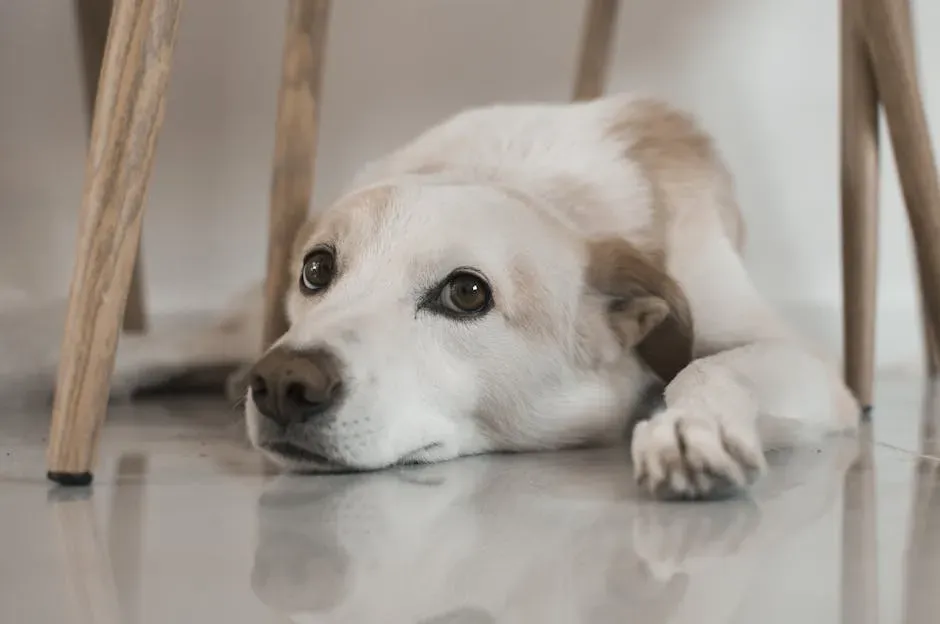
Not every dog who greets you calmly is sad or sick. Some dogs have learned, over time, that big greetings create unpredictable outcomes. For some dogs, harsh corrections during greetings lead to increasing anxiety when people arrive at the door, and conflict behaviors can develop because the pet is motivated to greet but also wants to avoid the discomfort that sometimes follows.
The signs of anxiety in dogs are often subtle and can easily be misinterpreted unless the full context is understood. A dog who sits quietly, looks away, or goes to their bed when you come home might not be indifferent. They might be overwhelmed, or they may have associated your homecoming with something stressful in their environment.
Canine separation anxiety can be triggered or exacerbated by a change in the household, such as a new human resident, a job change, a change in the routine of the owner’s absences, or even a single traumatic event. After these kinds of shifts, some dogs pull back rather than lean in, and the greeting ritual becomes one of the first things to change.
When Behavior Change Is the Body Talking
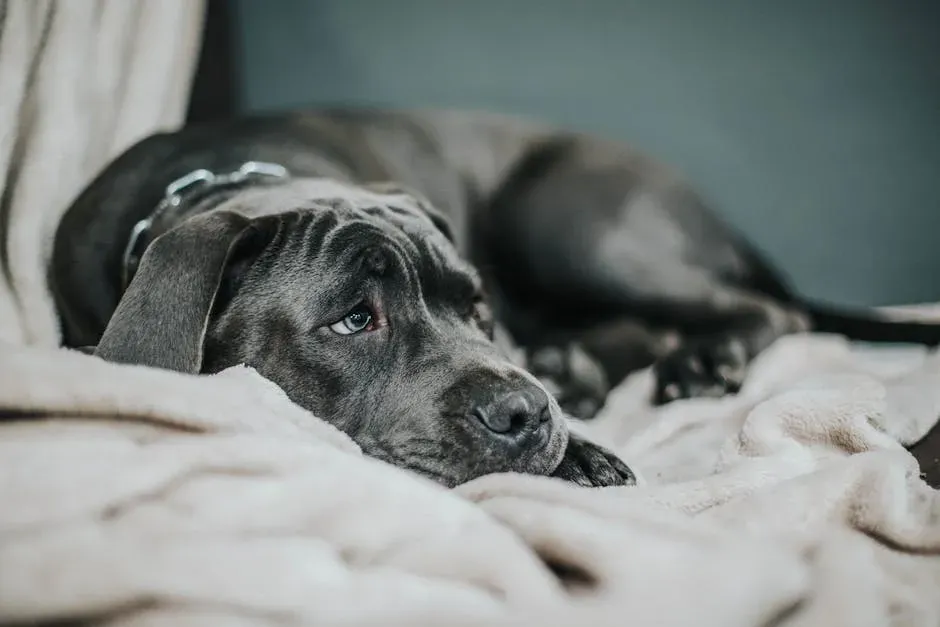
Behavior is often the earliest and clearest window into your dog’s emotional and physical health. Long before a medical issue shows up on a blood test, or before anxiety spirals into destructive behavior, you’ll usually see subtle changes: pacing, clinginess, withdrawal, or shifts in appetite and sleep.
Behaviors that you might attribute to your dog’s quirkiness could in fact indicate that they are experiencing pain. Once dogs reach maturity, at around three years of age, their personality rarely changes. If your dog is suddenly less energetic, seems depressed, becomes restless, or becomes clingy or aloof, they could be experiencing pain or discomfort.
Dogs experiencing pain may anticipate that interactions with humans will cause or exacerbate pain, and they may respond defensively. They may be less willing to remove themselves from an unwanted situation and rely on body language, such as growling or avoiding, to communicate their displeasure. Watch for these signs: a dog who flinches when touched near the neck or back during greetings, who hesitates at the bottom of stairs, or who yawns and looks away when you lean toward them.
What You Can Do: Practical Steps That Actually Help
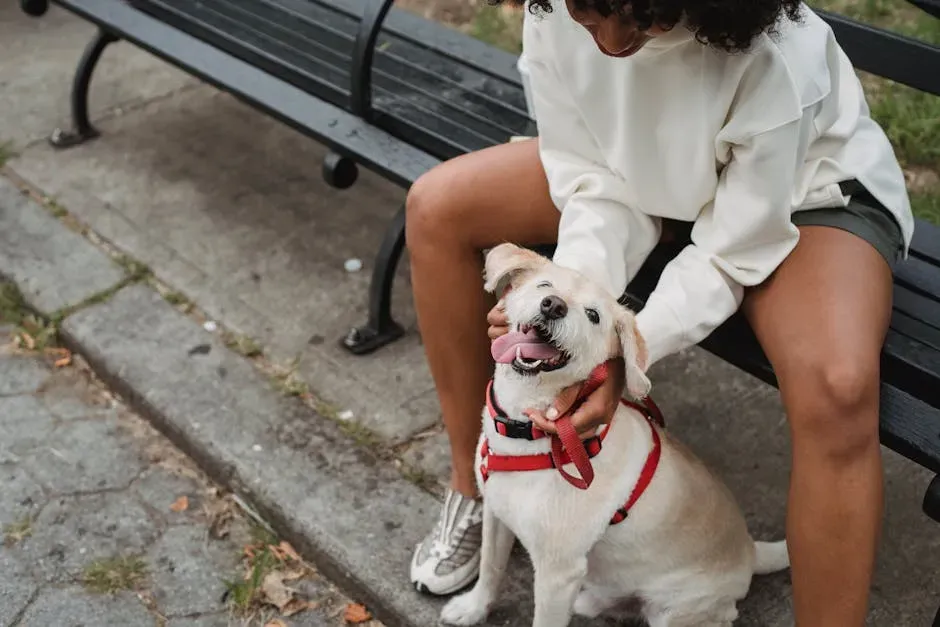
You, the dog’s owner, are going to be the first to notice these changes. Don’t rely on your dog trainer, groomer, or vet to notice them first. You know your dog better than anybody. Don’t ignore what you see. Keep a simple log. Write down when the change started, whether it’s consistent or occasional, and whether anything in the household shifted around the same time.
Before any veterinary appointment, try to document your dog’s behavior by taking photos, videos, or written notes to share with your veterinarian. Anxiety or fear may mask certain pain behaviors in a clinic setting, so these observations from home can provide critical insights. A short clip of your dog walking in slowly or bypassing their usual spot by the door tells a vet far more than a description ever could.
With or without medications, it is essential to develop a routine for your dog to help give them a more predictable, happy life. Providing lots of physical and mental stimulation is a vital part of treating many behavior problems, especially those involving anxiety. Exercising your dog’s mind and body can greatly enrich their life, decrease stress, and provide appropriate outlets for normal dog behaviors. Even short, calm, consistent interactions around homecoming time can help rebuild a dog’s confidence and re-establish trust in the ritual.
A Closing Thought for Every Dog Owner
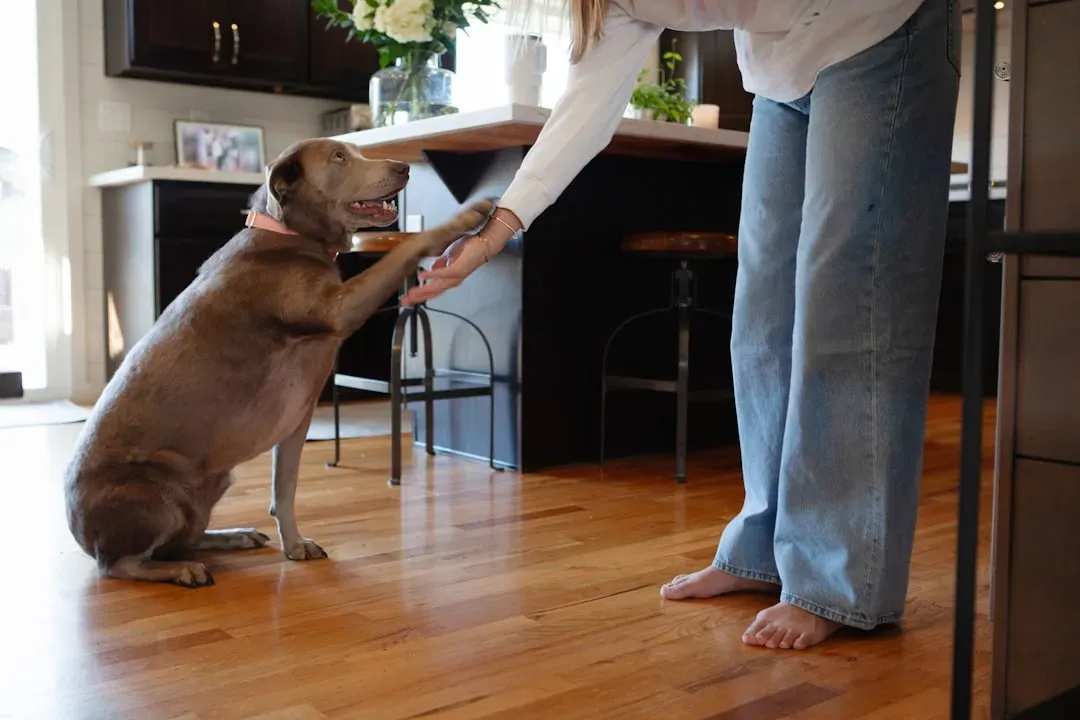
The greeting at the door is one of the smallest moments in a day, and somehow one of the most meaningful. It’s the moment your dog tells you, without words, how they’re doing. When that moment changes, it’s worth pausing.
Every change tells a story. Some are small and temporary. Others are signals of bigger challenges. Either way, paying attention allows you to step in early, get the right help, and give your dog the best chance at a healthy and happy life.
Your dog has never needed you to be perfect. They just need you to notice. And the fact that you’re here, reading this, asking why, already says everything about the kind of owner you are.


