
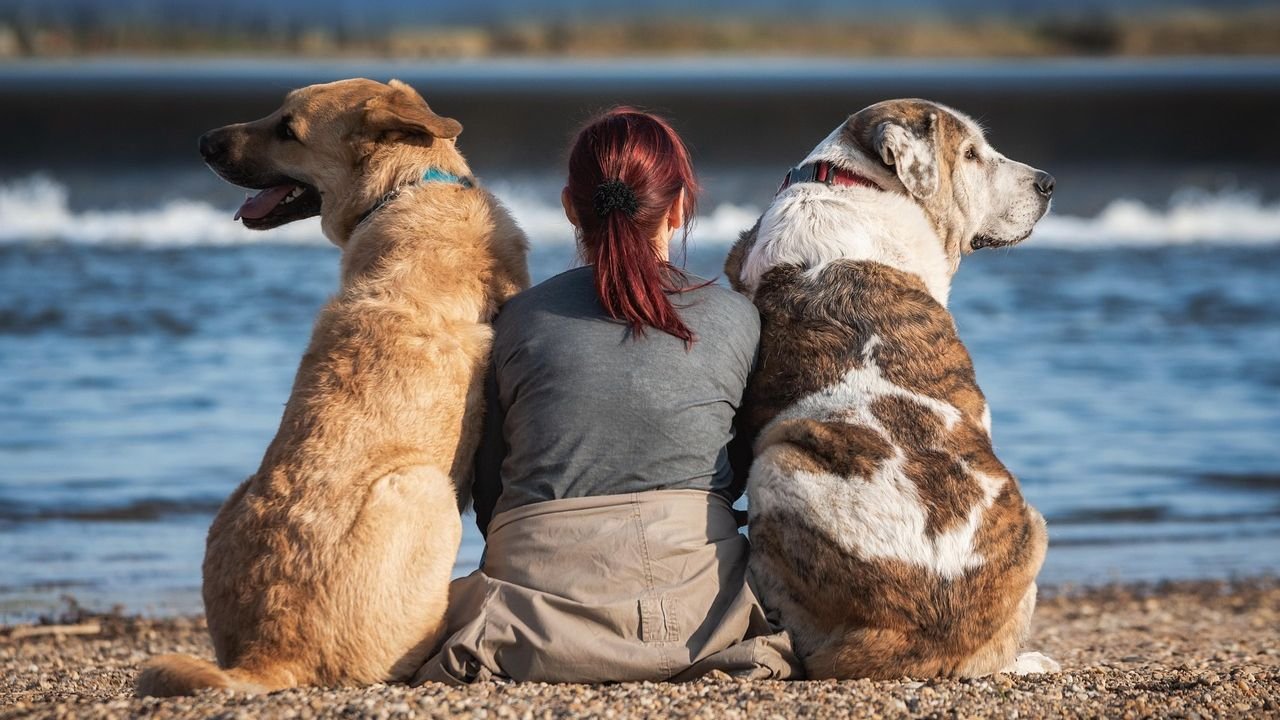
Your dog hasn’t growled at you. They haven’t snapped. From the outside, everything looks just fine. But lately, something feels different. They don’t rush to greet you at the door the way they used to. They flinch just slightly when you reach down. They choose the corner of the room instead of the spot beside you on the couch. These small moments are easy to write off. But they’re not nothing.
Trust erosion in dogs is almost never dramatic. It doesn’t announce itself. It slips in quietly, one small disconnection at a time, and by the time most dog owners notice it, the shift has already been happening for a while. Understanding what drives this change, and what you can do about it, is one of the most meaningful things you can offer your dog.
The Subtle Body Language Signs You Might Be Missing
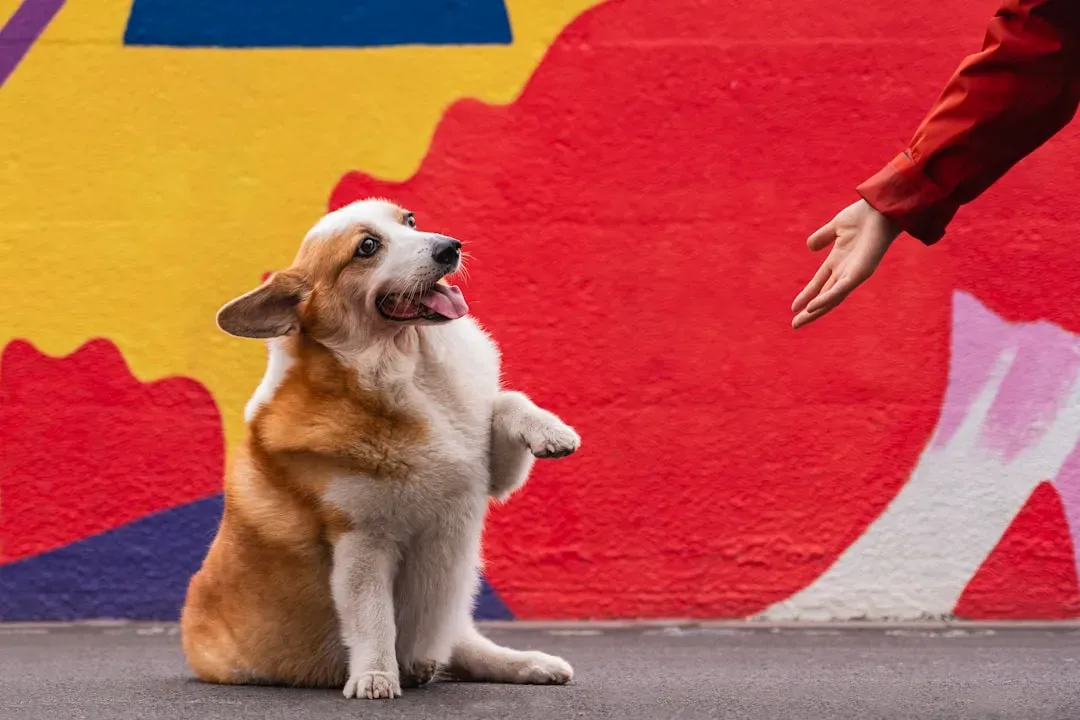
In a balanced dog-owner relationship, dogs typically greet a returning person with exuberant joy and rapid tail wagging. For some breeds, the entire hindquarters follow the tail’s movement. When that’s absent, and the dog approaches cautiously with its tail tucked or wags only slowly and tentatively, it’s a clear sign that your presence is triggering tension rather than comfort.
If, during your touch, your dog’s body tenses almost like an arch or freezes with rigid muscles, that’s a sign something is off in the relationship. A more severe symptom is when your pet actively avoids your touch and affection altogether. These reactions aren’t stubbornness or a bad mood. They’re communication.
A dog on alert will have vastly different posture than one who feels at ease. A trusting dog presents with relaxed body language, soft eyes, and a wag that wiggles the entire hind end. A dog who’s unsure about you might carry a stiff posture and gait, and duck away if you reach toward them. Once you know what to look for, the message becomes impossible to ignore.
The situation becomes more concerning if your dog avoids you or seeks refuge when you arrive home, moving to another room or hiding under or behind something. Often, this behavior is accompanied by wide, bulging eyes and a fixed gaze closely tracking your movements. That’s not aloofness. That’s watchfulness rooted in unease.
Common Ways Owners Unknowingly Chip Away at Trust
Rewarding a dog for a behavior sometimes and punishing him for the same behavior at other times will only confuse him and is likely to reinforce undesirable habits. If you pay attention to your dog sometimes and ignore him at others, or if you’re kind sometimes and short-tempered at others, he won’t know what to expect. He will always be nervous, and his trust will be damaged or may not develop at all.
Dogs normally only associate corrections with what they’re doing at that given moment. Correcting a dog hours after he chewed your favorite shoes is most likely going to be perceived as you suddenly being angry for a reason he doesn’t understand. He may then see you as unpredictable or unstable. This is one of the most common and well-meaning mistakes owners make.
Constantly criticizing or punishing a dog without offering positive reinforcement for moments of good behavior leads to them feeling demotivated and disconnected. It’s crucial that dog owners refrain from forcing their dogs into situations or environments they’re not comfortable with. Pushing a pup into a setting that makes them anxious can lead to them losing trust in their owner and feeling overwhelmed.
Among the human-side reasons for a loss of trust is the absence of clearly defined rules, or their random changes almost daily. Using long, confusing chains of words instead of clear command language can also contribute. Dogs don’t thrive in ambiguity. They thrive when they know the rules and can trust that the rules stay the same.
When Life Changes Disrupt Your Dog’s Sense of Safety
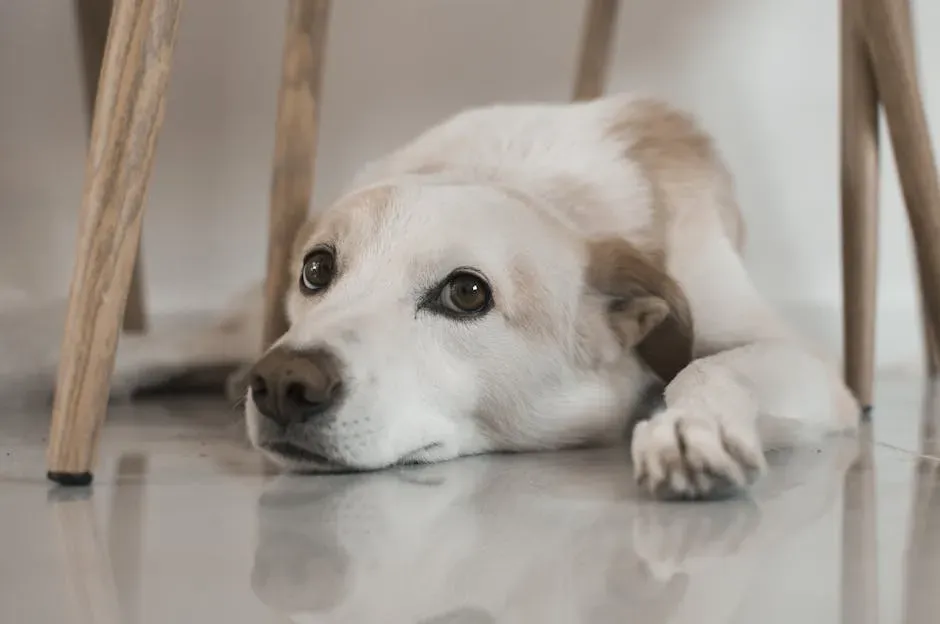
Many things can impact a dog’s ability to trust, even the person caring for them. This can range from lack of socialization as a puppy and not being exposed to key sights and sounds, to emotional scars from trauma. Genetics can also make some dogs more predisposed to fearfulness, and a dog in a brand new situation, like a recent adoption, may take time to trust and warm up to unfamiliar routines.
Trauma can cause dogs to associate fear with unexpected details, including the owner, particular parks, or even harnesses. Situational trauma, such as loud fireworks going off during a walk, can lead a dog to associate that fear with whoever was present, even if the owner played no active role in the frightening experience. This can erode trust and feelings of safety over time.
Think of your relationship with your dog like a faucet. Every time you make your dog do something that makes them feel uncomfortable, fearful, or anxious, the faucet leaks. It isn’t leaking water, it’s leaking your dog’s trust and confidence in you as their steady, reliable presence. Small stressors, repeated over weeks or months, add up faster than you might expect.
What Your Dog’s Memory Has to Do With It
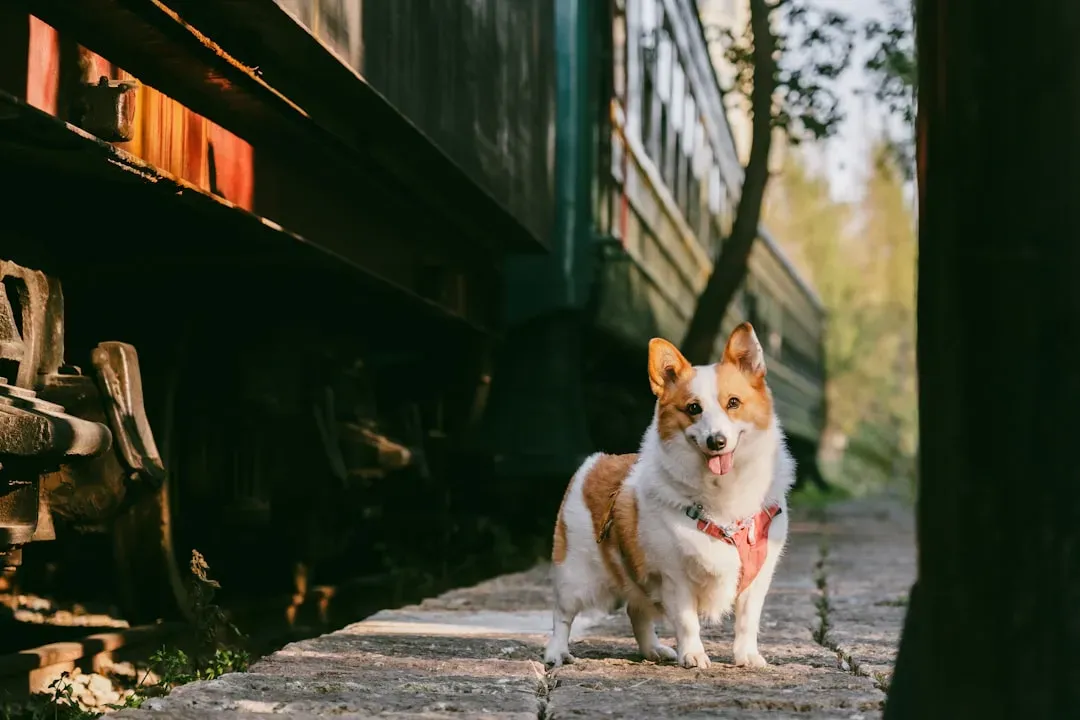
Research shows that dogs’ memories of events can last up to two years. In some cases, a fearful dog may need to be actively reminded that good things are possible again. That’s a significant window, and it means that isolated bad experiences don’t just evaporate quickly on their own.
Dogs do not forget when they’ve been frightened or let down, but they can learn to trust again in many instances. Time and again, there are stories of dogs that have rebuilt trust with humans after difficult experiences. This isn’t because they forget the past; it has to do with the dogs actively learning to trust again. The past shapes them, but it doesn’t have to define the future of your relationship.
If a dog feels that his owner does not care about him, it can have devastating psychological effects, potentially triggering anxiety, depression, and even violent behavior. You can lose your dog’s trust simply by ignoring him. It doesn’t take a dramatic event. Consistent emotional unavailability does the same damage, just more quietly.
How to Genuinely Rebuild What’s Been Lost
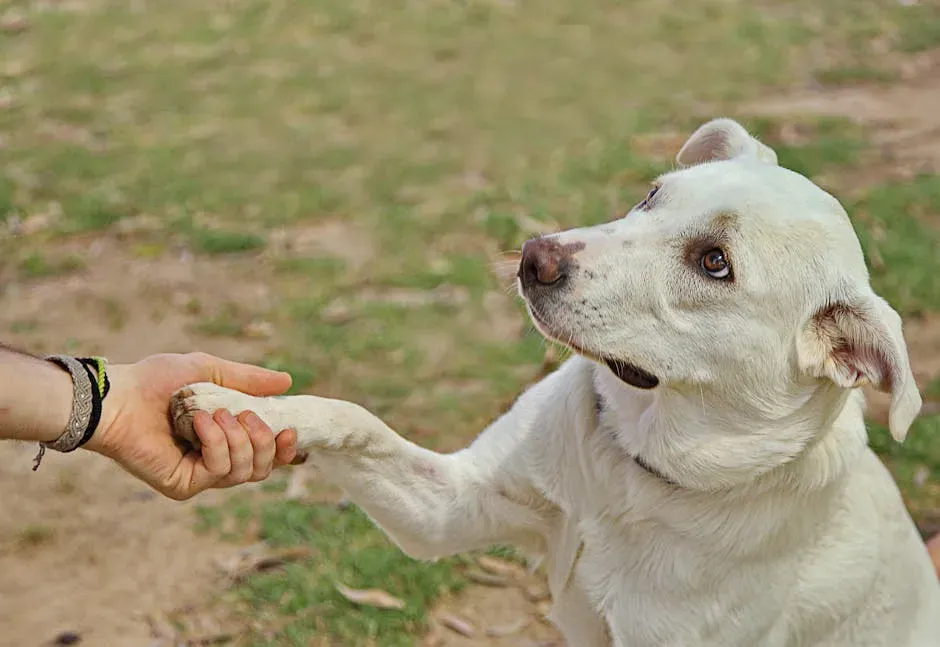
Trust grows when dogs control proximity and interactions. The greatest gift you can give a dog who feels uncomfortable is patience and time. This sounds simple, but it goes against every instinct most loving dog owners have. The urge to comfort, to reach out, to fix it right now, can actually make things worse.
Consistency promotes predictability, and predictability fosters trust. Maintaining a consistent routine, including feeding schedules, walk times, and play sessions, allows your dog to have steady expectations throughout the day, building their confidence and reducing the anxiety that comes from unexpected changes.
Try the “consent test” when interacting with your dog. Count to three while petting them, then stop. See if they lean in for more or show you they’re enjoying the attention. If they move away, adopt a stiff stance, or show any signs of discomfort, let them end the interaction with verbal praise and give them their space. This helps build trust by showing your dog that you “listen” to their body language.
Play allows the dog to forget about stress and releases feel-good hormones like dopamine. Short, low-pressure play sessions, on your dog’s terms, work far better than prolonged forced interaction. Let them come to you. Let them lead the pace. Show your dog that you are calm, confident, and consistent, and over time that presence becomes something they look forward to rather than something they brace for.
Conclusion: The Relationship Is Always Being Written
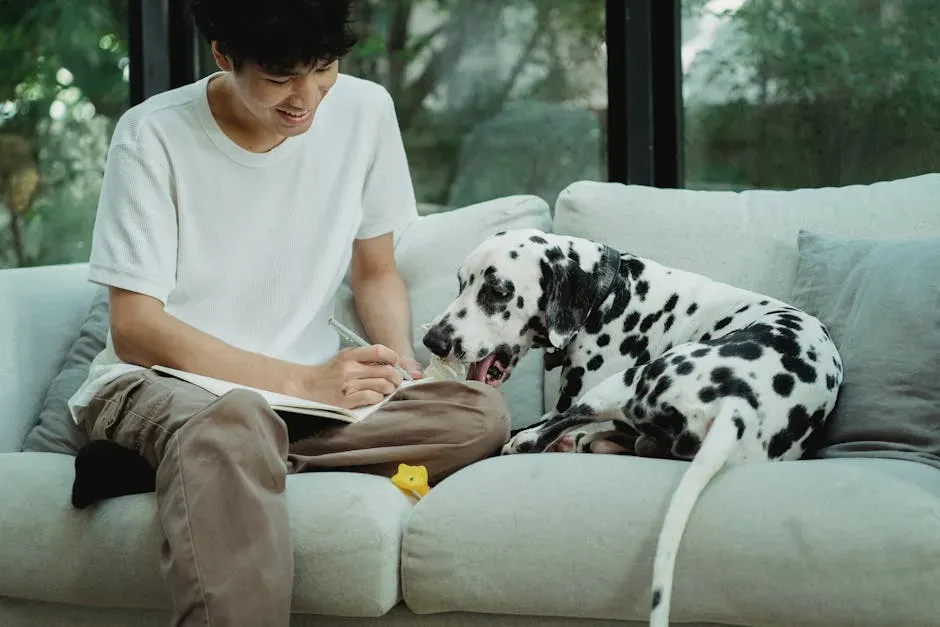
Building trust is an ongoing, daily process, not a one-time achievement. That’s both the challenge and the gift of sharing your life with a dog. Every walk, every training session, every quiet evening together is a small deposit into a shared account of trust and security.
If you’ve noticed that silent shift, the avoidance, the tension, the missing enthusiasm, the most important thing to do first is resist the impulse to dismiss it. Believe your dog when they indicate that they’re afraid or uncomfortable. Their emotions may not always make sense to a human, but they are real. Work together, with your dog, your vet, and other professionals if needed, to find positive, patient solutions.
Dogs are, at their core, deeply willing participants in the bond with us. While dogs will freely give their love, they do need certain conditions to be met. Trust is precisely what leads to loyalty in the dog-human relationship. The good news is that most of those conditions aren’t complicated. They’re consistency, patience, fairness, and presence. The relationship you have with your dog is always being written, and it’s never too late to turn the page and start a better chapter.


