
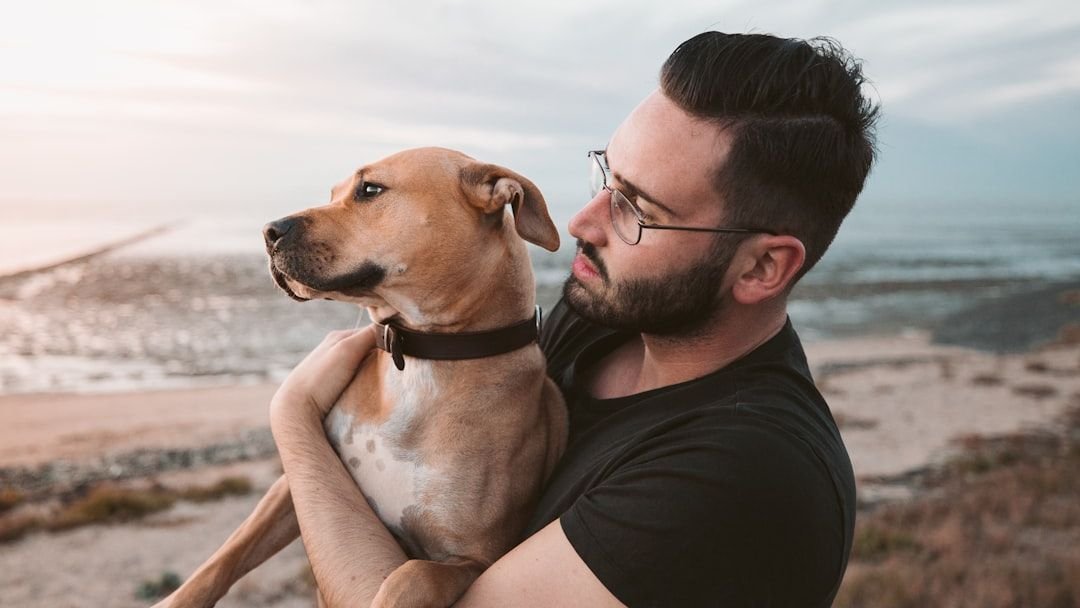
Your dog watches you closely. Every single day. They track your movements, read your face, and listen to the pitch of your voice. In many ways, they understand you better than most people do. Yet despite thousands of years of shared history between dogs and humans, there are still plenty of things we do that leave our dogs genuinely baffled.
Dog behavior is extraordinarily flexible, which is why we can keep them in our homes and take them to cafes on weekends. Nevertheless, there are ways in which evolution has not equipped dogs for the challenges of living in our world, and puppies must learn how to cope. The gap isn’t a failure on their part. It’s simply a matter of two very different species trying to share a life together. Understanding where that confusion comes from is one of the most useful things you can do as a dog owner.
1. Why We Hug Them
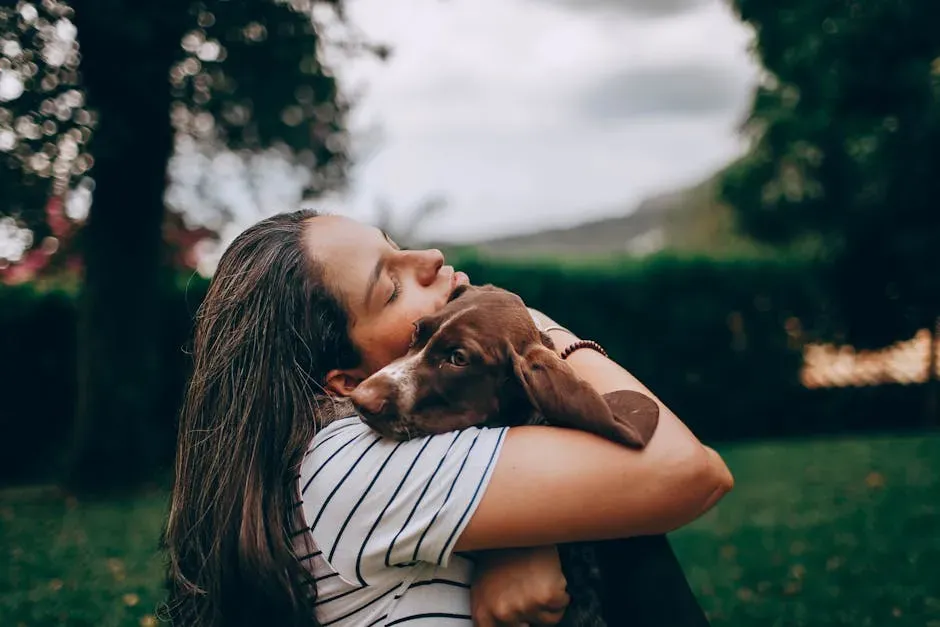
Hugging is one of the most natural expressions of love in human culture. You wrap your arms around someone you care about and hold on. To us, it signals warmth, safety, and connection. To your dog, it can signal something very different.
Dogs grasp each other loosely when play-wrestling, and also when mating and fighting. Being pinned by another dog prevents a quick escape. So how are puppies to know what a hug from a human means, when that behavior from a dog might be threatening? Many dogs tolerate hugs without complaint, but tolerance isn’t the same as enjoyment.
Staring into a dog’s eyes for too long can feel threatening to them, and hugging, which is a sign of affection for humans, can make some dogs feel trapped. Watch for subtle signs of discomfort: a stiffened body, a turned head, or a lick of the lips. If you see these, give your dog space and find other ways to bond, like a chest scratch or a calm sit-together moment.
2. Why We Leave Them Alone

As born socialites, dogs make friends easily. Puppies are intensely interested in spending time with other dogs, people, and any species willing to interact with them socially. They usually play, rest, explore, and travel with company. Yet we often leave dogs alone: at home, in kennels, or at the vet.
In these situations, naive dogs can’t be sure we’ll ever return to collect them. Only after experience are they likely to expect a reunion, and even then, their experience depends on the context. This is why separation anxiety is so common, especially in young or newly adopted dogs who haven’t yet built a foundation of trust in your return.
The prevention strategy here is gradual. Practice short departures first, then slowly increase the time away. Leave behind something with your scent, keep arrivals and departures calm, and consider puzzle toys or stuffed feeders to create positive associations with alone time. Over time, most dogs learn that you always come back.
3. Why We Stare at a Glowing Box Instead of Going Outside
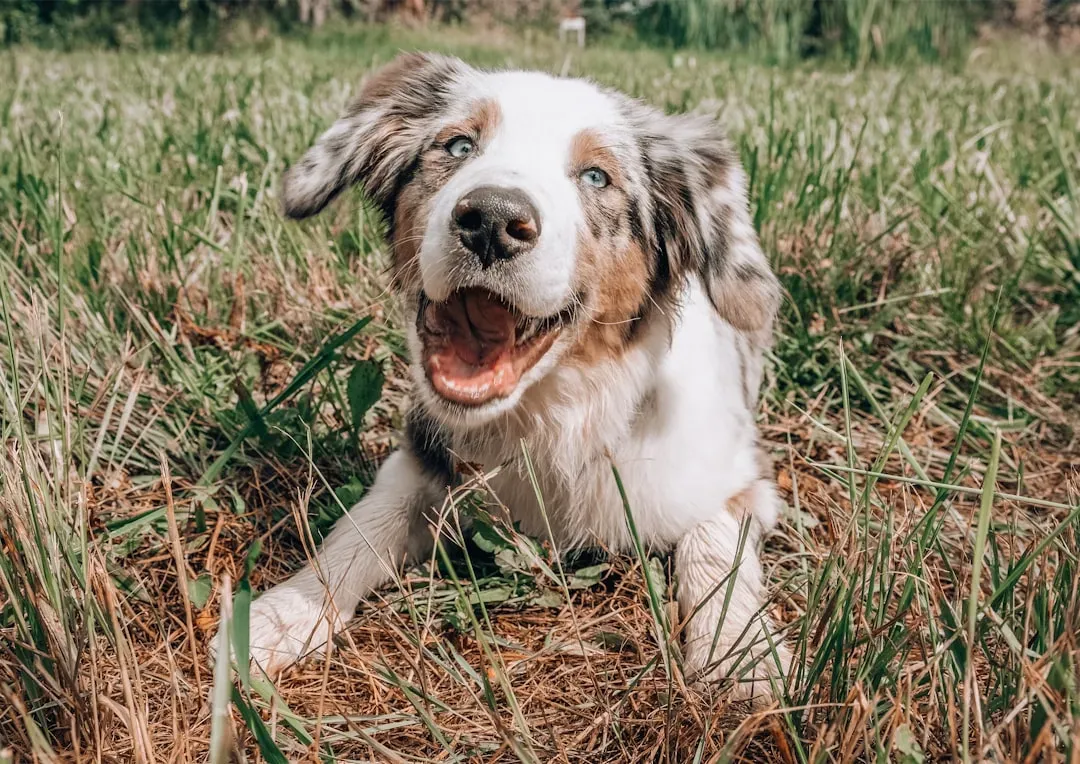
Dogs live in an olfactory world, while ours is chiefly visual. So while TVs may offer a visual feast for humans, parks and beaches are an olfactory banquet for dogs. An additional challenge is that dogs move while investigating the world, whereas we often sit still. They may not relish the inertia we enjoy in front of a noisy, flashing light-box.
Because dogs get much of their entertainment olfactorily, through their noses, and as they have one of the keenest senses of smell in the entire animal kingdom, dogs can’t understand how we can be equally entertained watching a weird box that blinks and makes odd noises. To your dog, you’ve essentially stopped being a useful, interesting companion.
If your dog nudges you during a Netflix binge, take it as a fair reminder. A short walk or a ten-minute play session before settling in for the evening makes a real difference to your dog’s sense of connection and mental stimulation. They’re not being demanding; they’re genuinely puzzled by the stillness.
4. Why Our Hands Are So Unpredictable
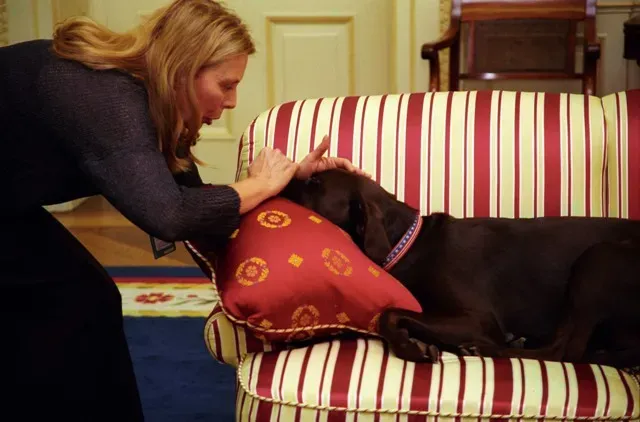
Sometimes our hands deliver food, scratches, massages, and toys. Other times, they restrain dogs, trim nails, administer ointments or tablets, and groom with brushes and combs that may pull hair. No wonder some dogs grow to fear the human hand as it moves about them.
Humans often misread their fear and may even greet it with violence, which compounds the problem. Hand-shy dogs can easily become defensive and find their way into pounds and shelters, where life expectancy for nippers and biters is poor. This is one of the most preventable causes of fear aggression in dogs.
We can make it easier for dogs to accept many types of hand-related activities if we train them to cooperate with rewards. Start young if you can. Regularly handle your dog’s paws, ears, and mouth in low-stakes moments, pairing the experience with treats. Over time, your hands become something to welcome rather than brace against.
5. Why We Punish Them After the Fact
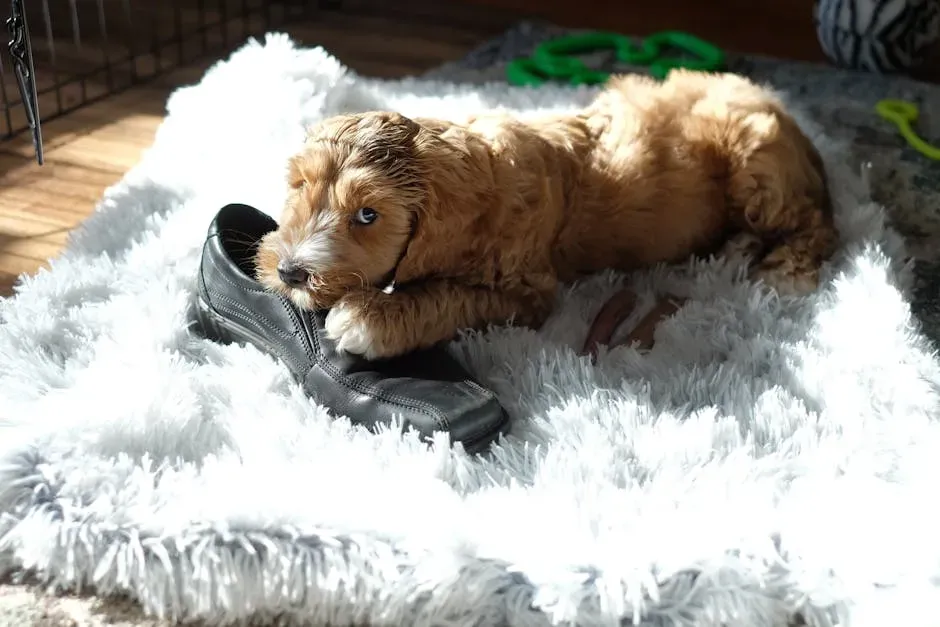
You come home, spot the shredded couch cushion, and immediately turn to your dog with your best disappointed face. Your dog slinks away looking guilty. It feels like proof they know what they did. The truth is considerably more complicated.
Scolding a dog after the fact is confusing and teaches them nothing about what they did earlier. Dogs live in the moment. Chastising a puppy for a potty accident that happened even a minute ago is pointless and harmful. The only thing they’ll learn is how unpredictable you can be.
If you come home to find a chewed-up shoe and immediately scold your dog, they might not connect your anger to the destruction they caused hours ago. That guilty look? It’s almost certainly a response to your body language and tone in the present moment, not a sign of moral reflection. Focus on catching unwanted behavior as it happens, redirect calmly, and manage the environment to prevent repeat incidents.
6. Why We Change the Rules
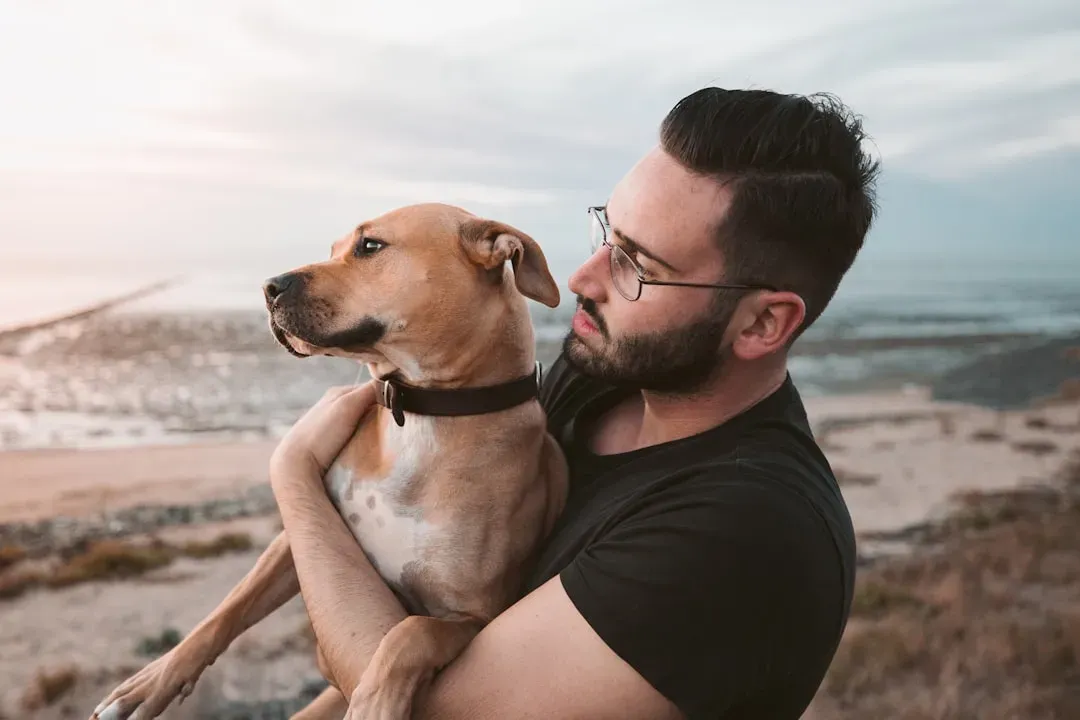
Monday, jumping on the couch is fine because you’re having a lazy day and you want the company. Wednesday, you’re dressed for work and suddenly the couch is off-limits. From your dog’s perspective, the rules appear completely random.
Dogs are incredibly in tune with their owner’s emotions, and if your reactions change based on your mood, they can become confused. If you feel relaxed and let them jump on you one day, but you’re stressed and scold the same behavior the next day, they won’t know right from wrong. Keeping a consistent approach, even when you’re having a tough day, helps your dog feel more secure and understand what’s expected of them.
This applies across the whole household. When one person allows the behavior another person discourages, the dog is caught in the middle with no clear guidance. Pick your rules, write them down if necessary, and make sure everyone in the home is on the same page. Consistency is genuinely one of the kindest things you can offer a dog.
7. Why We Smell So Wildly Different Every Day
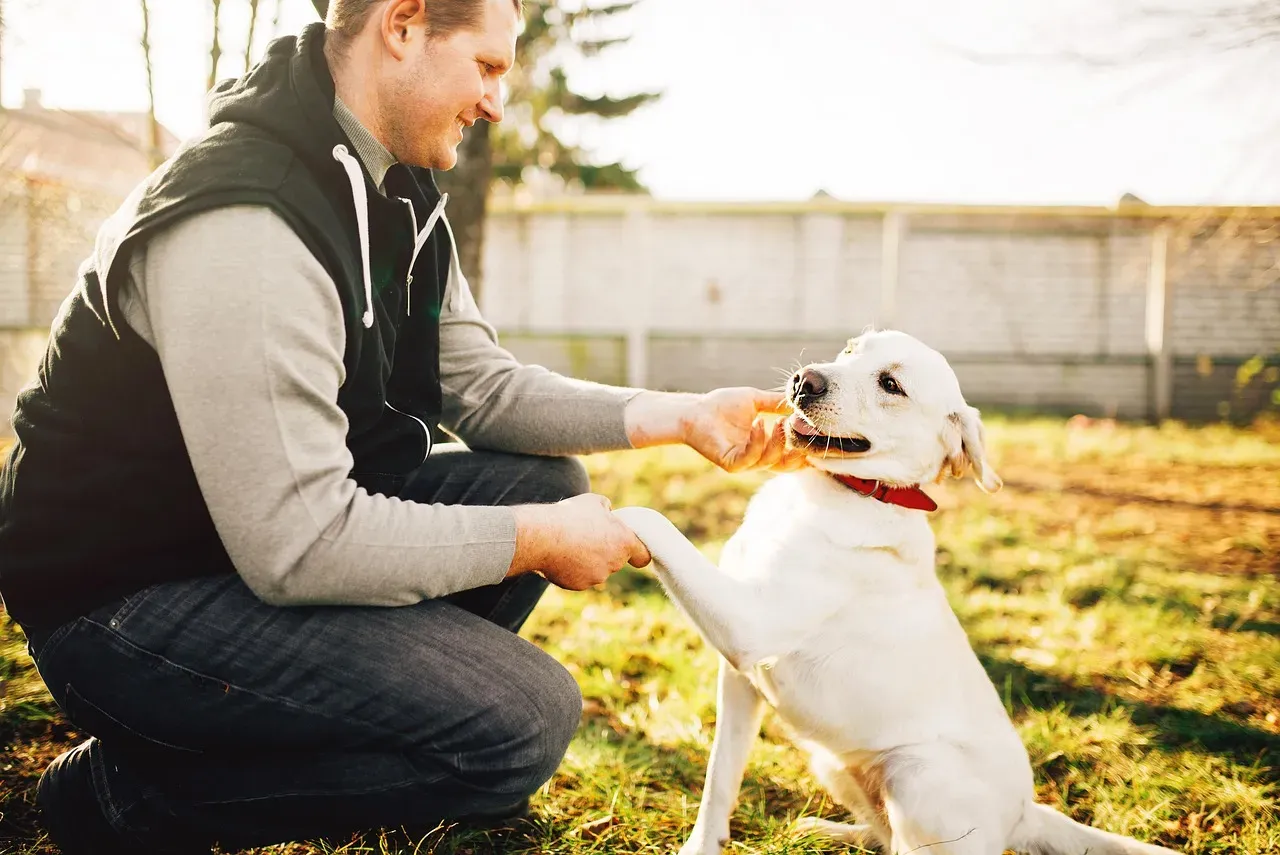
Shoes, coats, wallets, briefcases, bags, and suitcases: countless smells cling to these items after we take them into shops and workplaces, then back to our dogs. Cleaning products, soaps, deodorants, and shampoos also change the scents our dogs are used to. Your dog is essentially meeting a slightly different version of you every time you walk through the door.
When we change our clothes, we smell different to our dogs. Because scent is their strongest sense, this can cause problems, especially when we wear something new or something we haven’t worn in a long time. They may think that we’re an intruder! This explains the seemingly random barking at a new winter coat or a freshly dry-cleaned suit.
You don’t need to stop using shampoo. Just be aware that abrupt changes in your scent profile can genuinely unsettle your dog. Give them a moment to sniff you when you come home. Let them gather their own information rather than rushing past them. That greeting sniff isn’t just cute; it’s essential data for your dog.
8. Why We Use So Many Words for the Same Thing
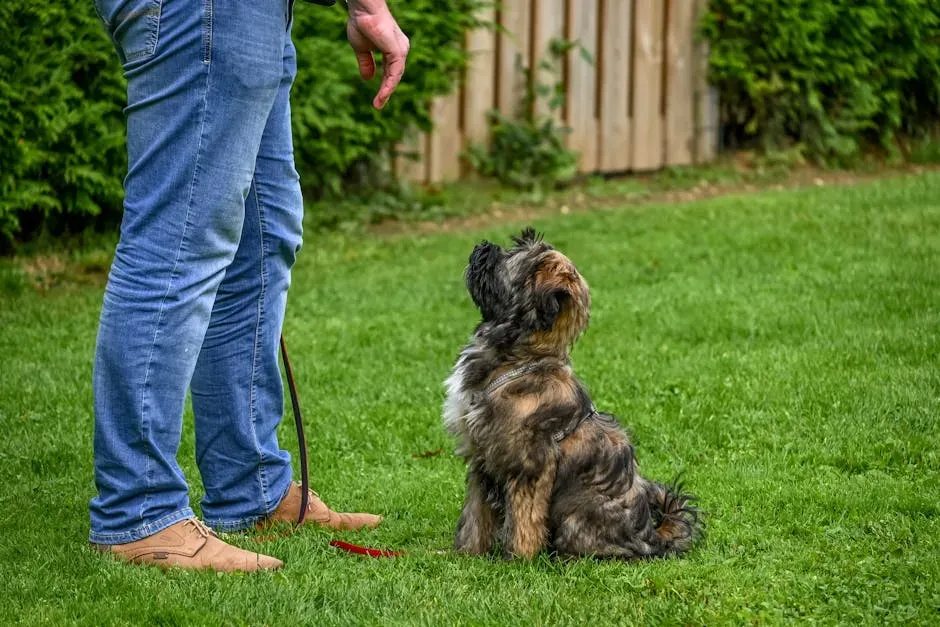
Dogs can learn to recognize familiar words and phrases. In fact, Chaser the Border Collie knew over 1,000 words. But that’s different from understanding language. English has many words that mean the same thing, such as leap, jump, and hop. You might be able to use them interchangeably, but your dog can’t.
Recent research looked at word processing in dogs and found that although dogs can distinguish nonsense words from cues, when it comes to similar-sounding words, dogs are easily confused. Add in baby talk, nicknames, and family slang, and your dog is navigating a genuinely noisy verbal environment with limited tools to decode it.
If you’re teaching your dog to jump over a hurdle in agility, choose one word as your cue and stick with it. Using multiple cues for the same behavior will only confuse your dog and slow the learning process. Keep commands short, consistent, and distinct from each other. Your dog isn’t being stubborn when they don’t respond; they may simply not recognize the word you just used.
9. Why We React to Their Emotions Inconsistently
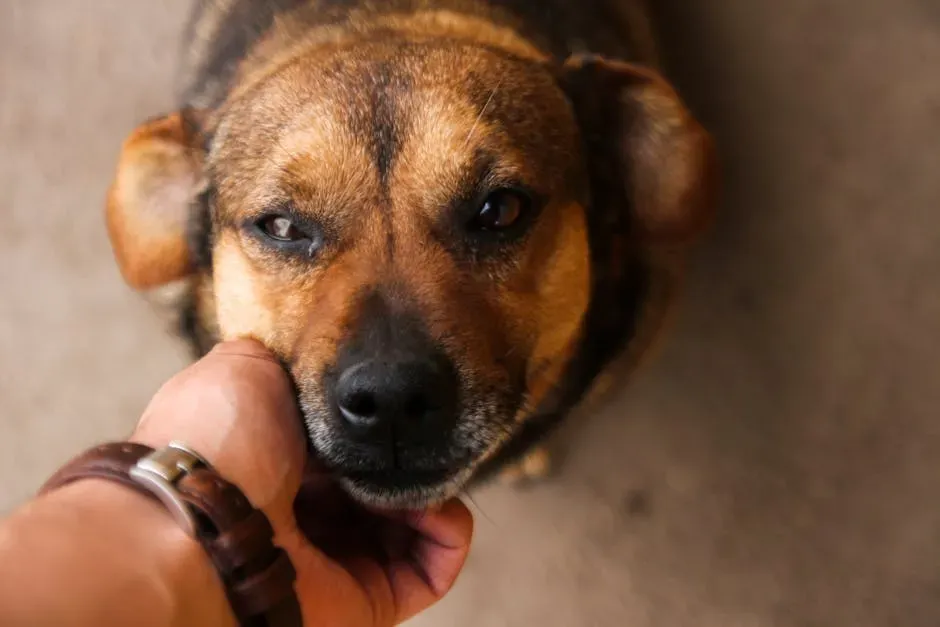
Dogs can respond functionally to emotional expressions and can use the emotional information they obtain from others during problem-solving; acquiring information from faces and body postures allows them to make decisions. In short, they’re reading you constantly. The problem arises when what they read doesn’t match what follows.
Dogs gazed and jumped less often and were less compliant with commands when learning a new task from a sad owner. By contrast, dogs with happy owners performed better at the new task than dogs with sad or neutral owners. Your emotional state genuinely shapes your dog’s ability to engage and learn. A tense training session rarely produces good results.
Dogs respond best to calm, confident energy. Yelling or frustration can create confusion rather than clarity. Dogs thrive on predictable emotional responses. Inconsistent reactions can increase anxiety or behavioral issues. This doesn’t mean you need to perform happiness for your dog’s benefit. It simply means that when you’re genuinely stressed, it’s worth scaling back expectations and keeping interactions low-key.
10. Why We Talk to Them Like They Understand Every Word
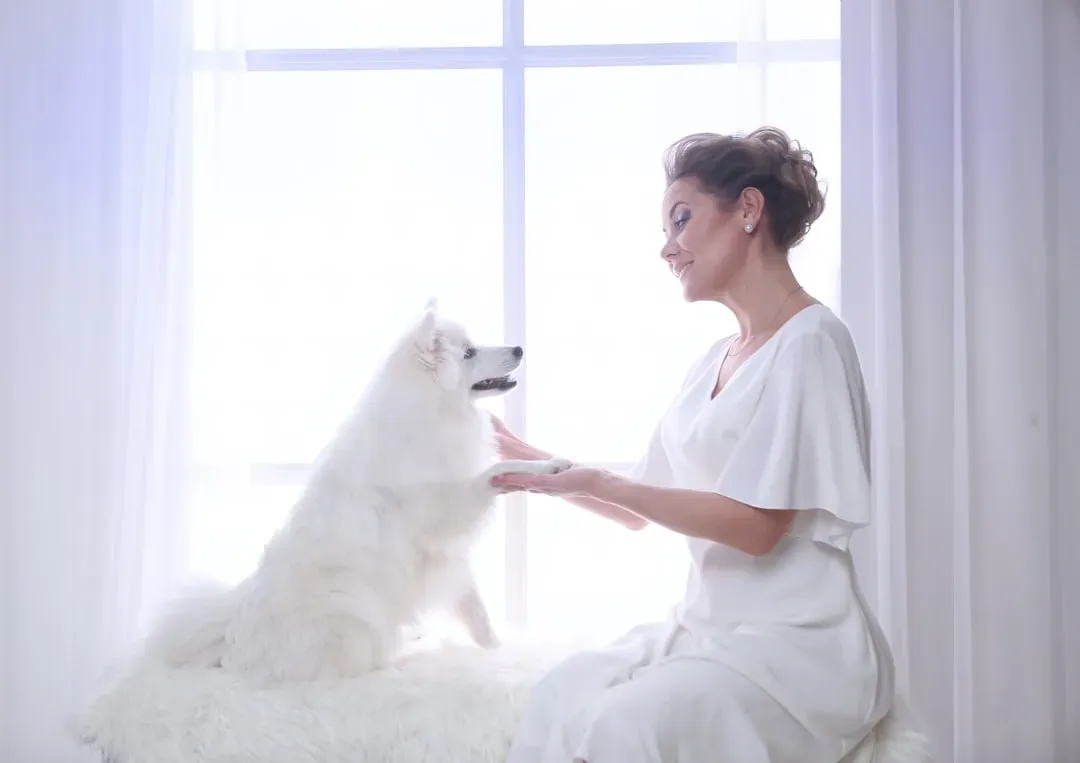
You’ve probably had a full conversation with your dog. You’ve explained why you were late, apologized for a bad week, or reasoned with them about why the postman doesn’t deserve to be barked at. It feels natural. It might even feel like they understand. And in certain ways, they do pick up more than people realize.
Dogs discern subtle visual cues and they “get the message” without a single word being uttered. Our dogs understand our emotions and communicate their understanding without us saying anything. When they gather this visual information and add it to our tone of voice when we do speak, they can communicate with us. The content of your words matters far less than your tone and body language.
Remember that dogs don’t speak human languages. Saying “bad dog” or lecturing them about why they shouldn’t chew sneakers won’t teach them a thing. What your dog is actually processing is the rhythm, pitch, and emotional quality of your voice. So when you want to communicate something important to your dog, pair your words with clear, consistent body language and follow up with action. That combination they genuinely understand.
Closing Thoughts: A Little Understanding Goes a Long Way
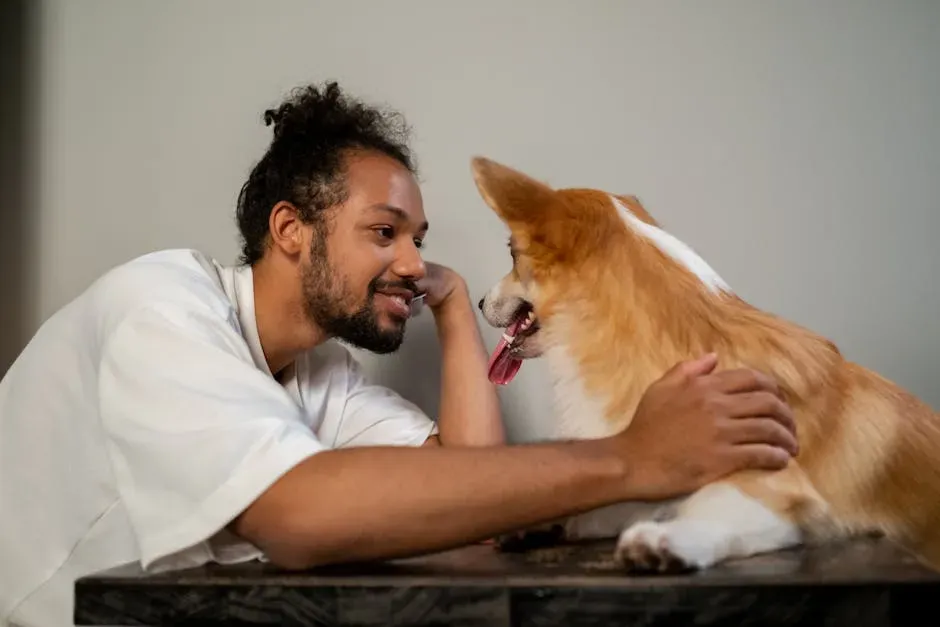
On the whole, dogs show a remarkable ability to adapt to the puzzles we throw at them. Their behavioral flexibility offers us lessons in resilience and how to live simply and socially. Our challenge is to understand the absence of guile and malice in everything they do.
Dogs don’t sulk, scheme, or hold grudges. When they seem confused or reactive, it’s almost always because something in their environment or our behavior genuinely doesn’t make sense to them. That’s not a character flaw; it’s just the honest reality of cross-species communication.
The good news is that every small adjustment you make, being more consistent, paying attention to tone, slowing down during greetings, creates a slightly clearer world for your dog. They’ve spent thousands of years trying to understand us. Meeting them even partway is the least we can do.


