
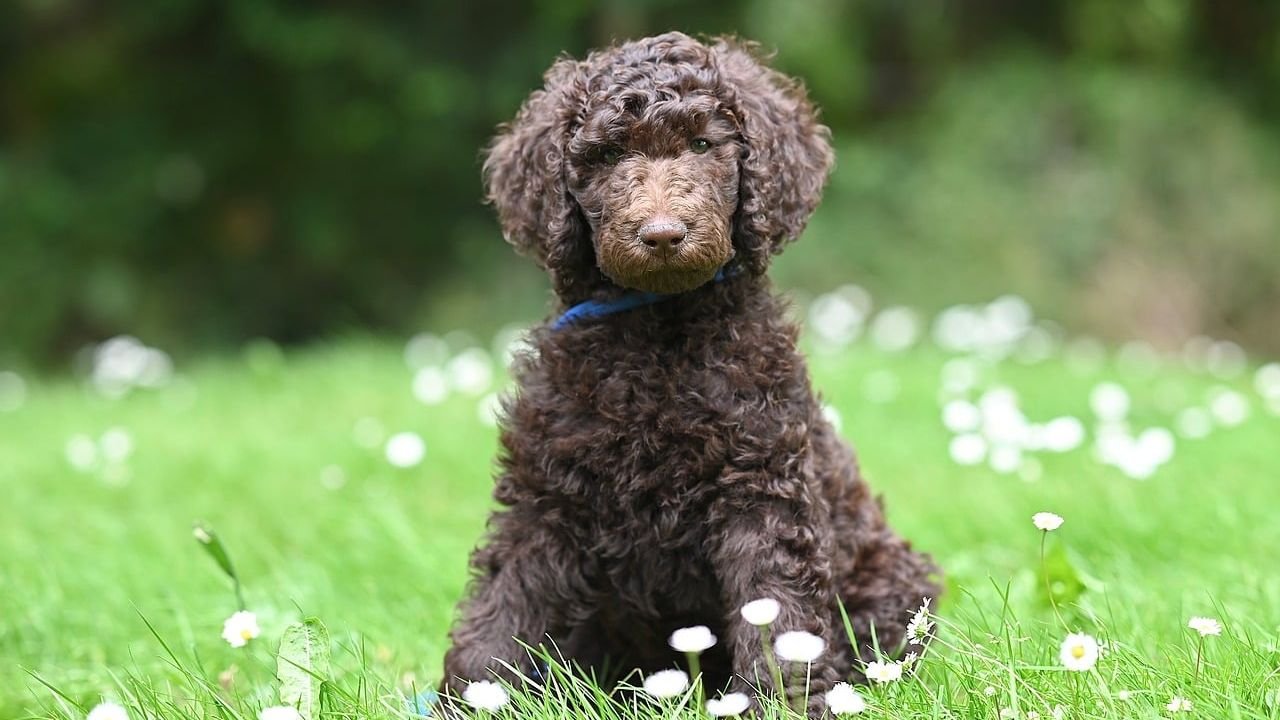
Walk through any neighborhood in Minneapolis on a crisp fall morning, or pull up to a trailhead along the North Shore on a snowy weekend, and you’ll notice something almost immediately. Minnesotans love their dogs, fiercely and unapologetically. Finding a household with a pet is pretty easy to do in the North Star State, where over half of all households are currently home to at least one pet. That’s not a coincidence.
Minnesota’s unique combination of harsh winters, abundant lakes, and family-oriented culture creates the perfect environment for specific breeds that can handle subzero temperatures and embrace the outdoor lifestyle Minnesotans love. The ten breeds below aren’t just popular on paper. They’re genuinely woven into the fabric of daily life here. Whether you already share your home with one of these dogs or you’re thinking about bringing one home, knowing your breed well is one of the most caring things you can do for them.
1. Golden Retriever: Minnesota’s Sweetheart

It probably won’t surprise you that the Golden Retriever sits at the very top of the list. According to U.S. News and World Report, Minnesota’s most popular dog breed is the Golden Retriever. Ask any Minnesota family why, and you’ll get a version of the same answer: they’re gentle, joyful, and seemingly born to love people.
Golden Retrievers embody everything Minnesota families value in a dog, including loyalty, gentleness with children, and an enthusiasm for outdoor recreation that matches the local culture. Their thick, water-repellent double coat provides excellent insulation during Minnesota winters, though they shed heavily twice yearly, requiring consistent grooming attention.
These intelligent dogs excel in obedience training and frequently work as therapy dogs throughout Minnesota hospitals and nursing homes. They’re also prone to skin allergies and hip dysplasia, so regular vet check-ups, a quality diet, and keeping them at a healthy weight go a long way. Golden Retrievers thrive on connection. Leave them alone too long, and you’ll come home to a chewed sofa. Give them your time, and they give you everything.
2. Labrador Retriever: The Outdoor Partner

The Lab has been a Minnesota staple for decades, and for very good reason. Labradors dominate Minnesota households for compelling reasons that go beyond their friendly reputation. These water-loving dogs possess a dense, water-resistant double coat that makes them ideal for Minnesota’s lake culture and snowy winters.
You’ll find Labs excelling during duck hunting season in Minnesota wetlands, retrieving from icy waters without hesitation. Labs bred from field lines have higher energy requirements than show lines. If you’re an active Minnesota family who enjoys hiking the North Shore or paddling Boundary Waters, field-bred Labs match that lifestyle perfectly.
Minnesota veterinarians frequently see Labs for hip dysplasia screening, so choosing a breeder who performs health testing on breeding stock is crucial. The breed’s average lifespan of 10 to 12 years means you’ll share many Minnesota seasons together, from sledding adventures to lazy dock days at the cabin. If your Lab seems stiff after morning walks or is reluctant to climb stairs, get that checked early. Catching joint issues young makes all the difference.
3. German Shepherd: Loyal, Driven, and Deeply Devoted
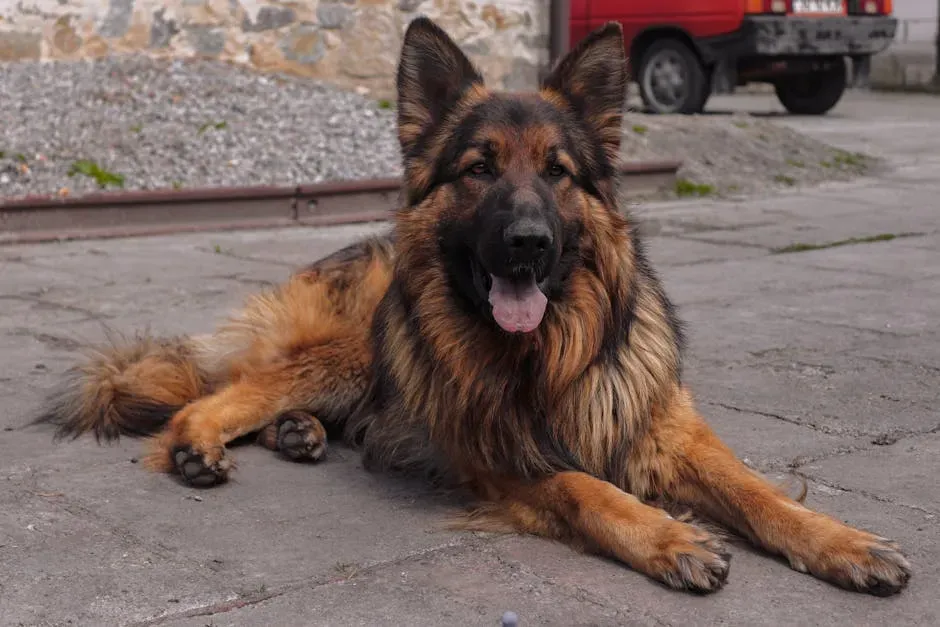
Minnesota’s top three most popular dog breeds include Labs, Goldens, and German Shepherds. Beyond the top three, however, Minnesota’s list of top ten favorites is notably different from the nation’s. German Shepherds show up consistently across AKC data, rescue listings, and neighborhood dog parks alike. They’re everywhere because they earn it.
German Shepherds are incredibly intelligent and bond intensely with their families. They need a job to do, mental stimulation, structured training from a young age, and consistent exercise. Without that, frustration sets in fast and expresses itself through destructive behavior. They’re not difficult dogs; they’re high-engagement dogs.
German Shepherds are famous for being family dogs as well as guard dogs. Being a large breed, they are at risk for hip dysplasia, which causes walking problems, pain, and arthritis. Another condition commonly found in German Shepherds is degenerative myelopathy. Annual orthopedic screenings and keeping your Shepherd lean and active are among the best preventive measures you can take.
4. Pit Bull Terrier: Misunderstood but Deeply Loved
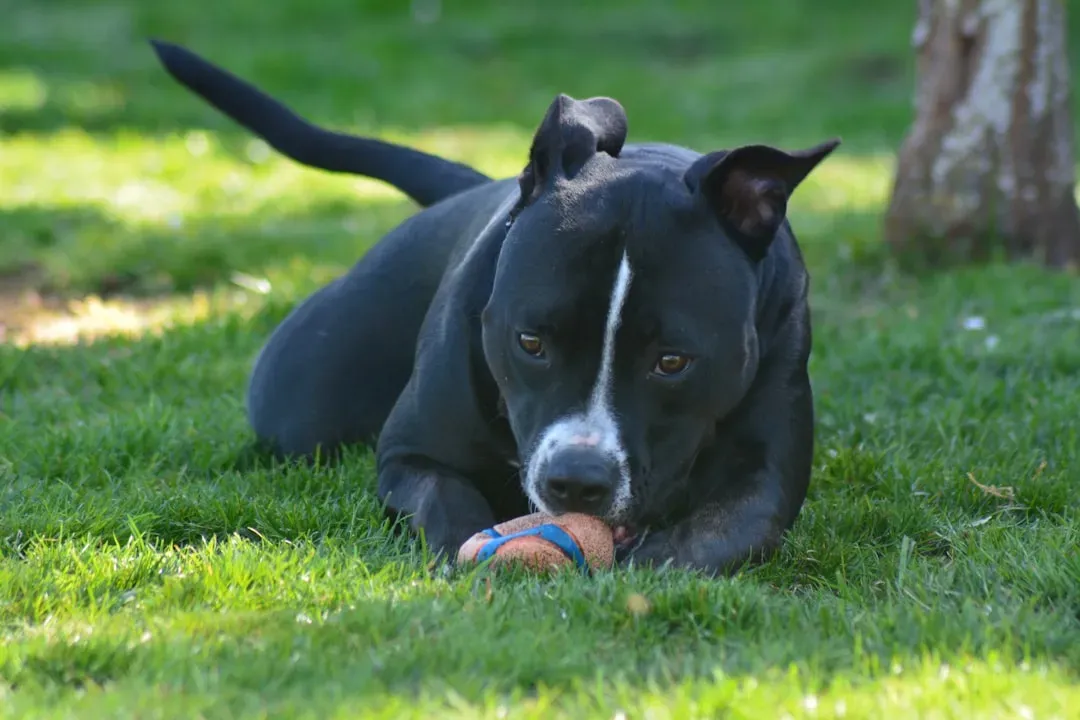
Few breeds spark more conversation than the Pit Bull, yet Minnesota families have voted with their hearts. Minnesota’s third most popular dog breed in 2025 is the Pit Bull Terrier. The Pit Bull Terrier, while third in Minnesota, was the most popular breed in five U.S. states, including Michigan, Ohio, Missouri, and Louisiana.
Pit Bulls are athletic, affectionate, and extremely people-oriented. When raised with patience, consistent training, and early socialization, they’re some of the most loyal and gentle companions a person can have. The challenges that arise with this breed are almost always rooted in poor training, neglect, or fear-based handling. They respond beautifully to positive reinforcement and firm, loving boundaries.
The American Pit Bull is extremely protective of its owner and makes for great companions when they are socialized and trained well early on. Their possible health issues include hip dysplasia, which leads to arthritis, stiffness, and difficulty in movement. If you share your home with a Pit Bull, invest in a good trainer early, keep up with routine vet care, and know that the love you put in comes back tenfold.
5. Bernese Mountain Dog: Built for the Bold North
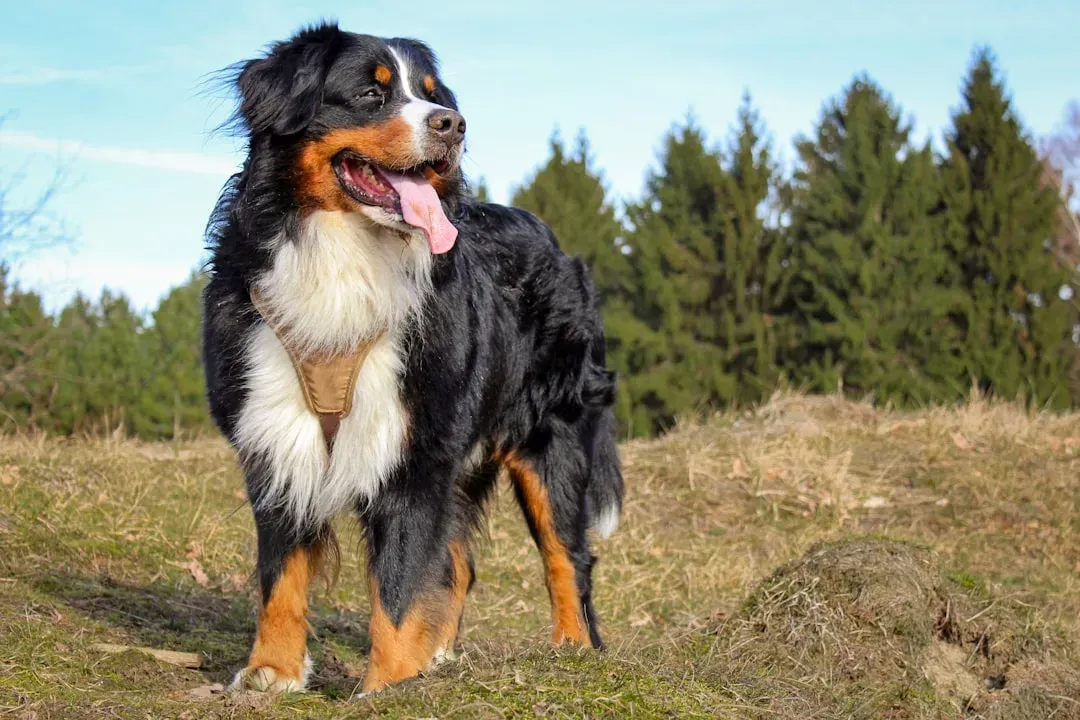
If there’s a breed that seems like it was designed specifically for Minnesota winters, the Bernese Mountain Dog makes a strong case. Bernese Mountain Dogs seem custom-designed for Minnesota’s climate and culture. These gentle giants, weighing 70 to 115 pounds, possess thick double coats built for Swiss Alpine winters that translate perfectly to Minnesota conditions.
As one of the Sennenhund types, Bernese Mountain Dogs are designed to thrive in cold climates. They have a thick double coat with a woolly undercoat and thick topcoat. They shed all year round and seasonally, so they require regular brushing to remove loose hair. Beyond grooming, Berners love being included in family life. They’ll happily lounge by the fire or join you on a winter hike with equal enthusiasm.
The one sobering reality of owning a Berner is their health profile. Bernese Mountain Dogs typically live only 7 to 10 years, with cancer being a leading cause of death. They are also prone to the same conditions as other large breeds, including bloat and cancer. They have an unusually high rate of musculoskeletal conditions, including arthritis, hip dysplasia, cruciate ligament rupture, and osteochondritis, which often strike at a young age and affect mobility. Knowing this upfront helps you give them the attentive care they deserve.
6. Poodle: The Underrated All-Rounder
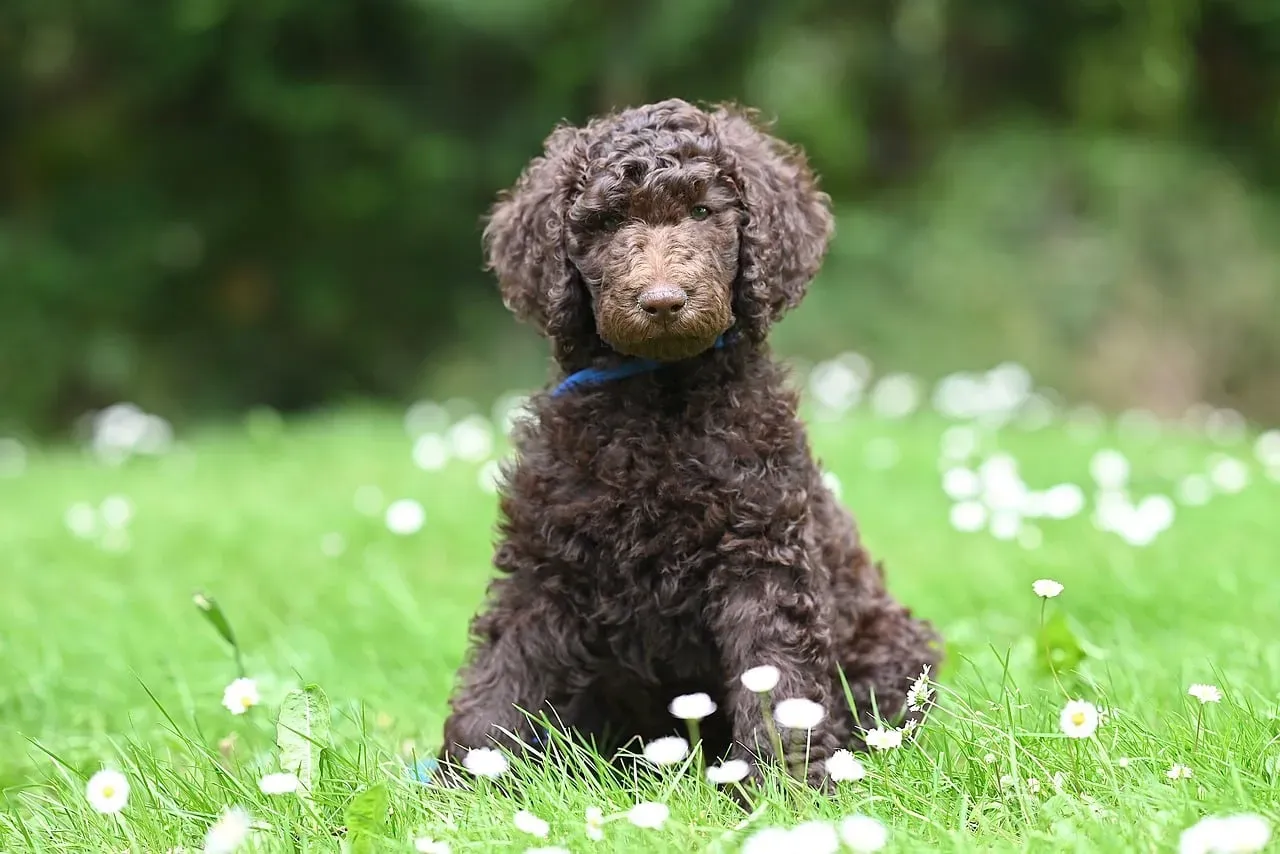
Poodles often get pigeonholed as show dogs or pampered lapdogs, and that reputation simply doesn’t do them justice. Other popular dog breeds in Minnesota include Poodles among a list of well-loved favorites. Standard, miniature, or toy, they’re among the most intelligent, adaptable, and low-shedding dogs out there, which makes them a fantastic fit for families with allergies.
Poodles are known for their beautiful, thick, and curly fur. They are compassionate, intelligent, and excel at agility dog sports activities. They are also known for having long lives, with some reaching up to 18 years of age. That’s a long and beautiful commitment, and Poodle owners will tell you every year is worth it.
Keep an eye on a few health areas, though. Poodles are prone to a number of possible health issues, such as epilepsy, bloat, hip dysplasia, progressive retinal atrophy, and glaucoma. Regular eye exams and vet screenings matter. Their coats also require professional grooming every six to eight weeks, so factor that into your budget and routine before bringing one home.
7. German Shorthaired Pointer: Minnesota’s Hidden Gem
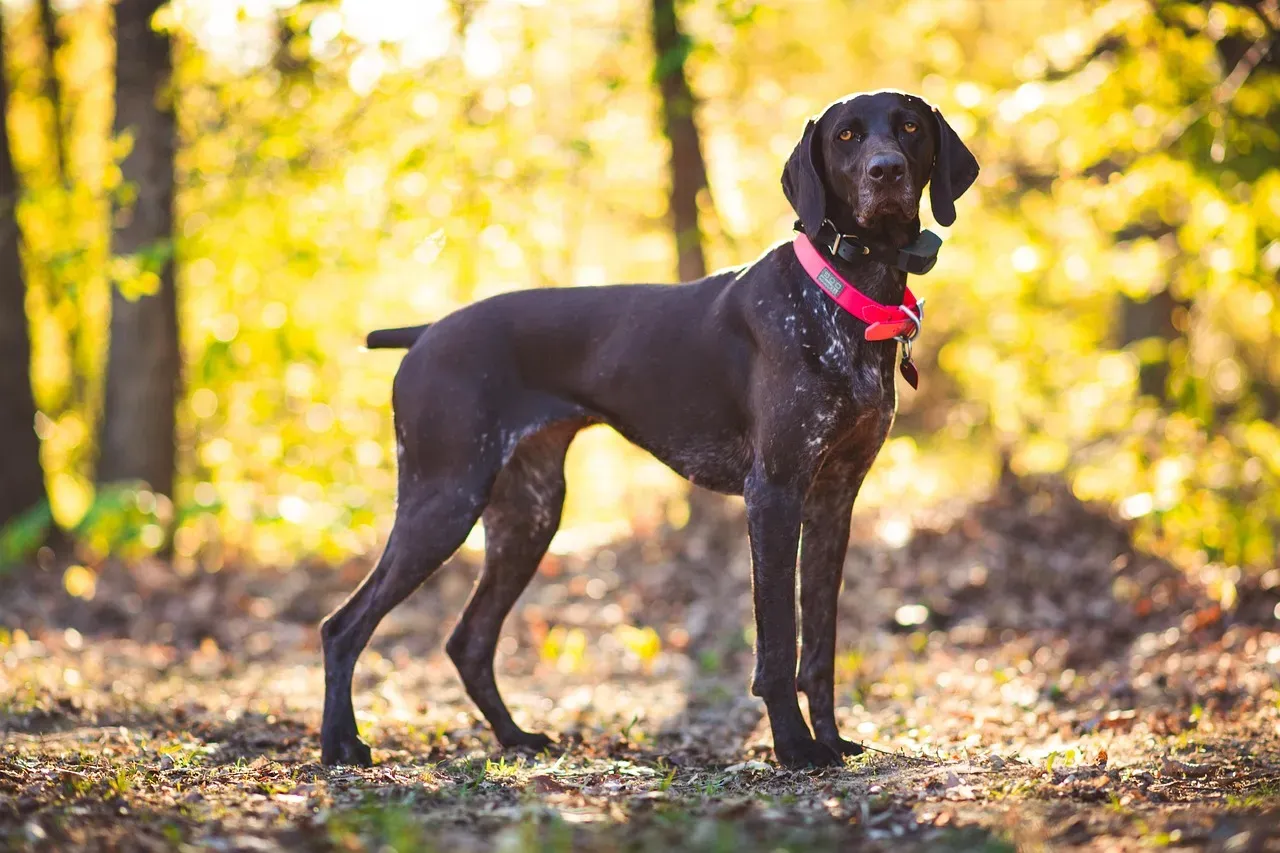
Minnesota has a strong hunting culture, and the German Shorthaired Pointer fits right in. Beyond the top three, Minnesota’s list of top ten favorites notably includes the English Springer Spaniel and the German Shorthaired Pointer, breeds that don’t even make the national top ten list. In Minnesota, they’re a big deal.
The versatile, medium-sized German Shorthaired Pointer is an enthusiastic gundog of all trades who thrives on vigorous exercise, positive training, and a lot of love. They’re equally at home flushing pheasants in a Minnesota cornfield or going for a long morning run with their owner. Their energy level is genuinely high, so this isn’t a breed for couch-loving households.
GSPs are affectionate and eager to please, which makes training relatively straightforward when done consistently. They can develop separation anxiety if left alone for extended periods, so they do best in active homes where someone is usually around. Watch for signs of joint discomfort as they age, and give them ample off-leash time in safe, open spaces whenever you can.
8. Siberian Husky: A Natural Fit for Frozen Winters
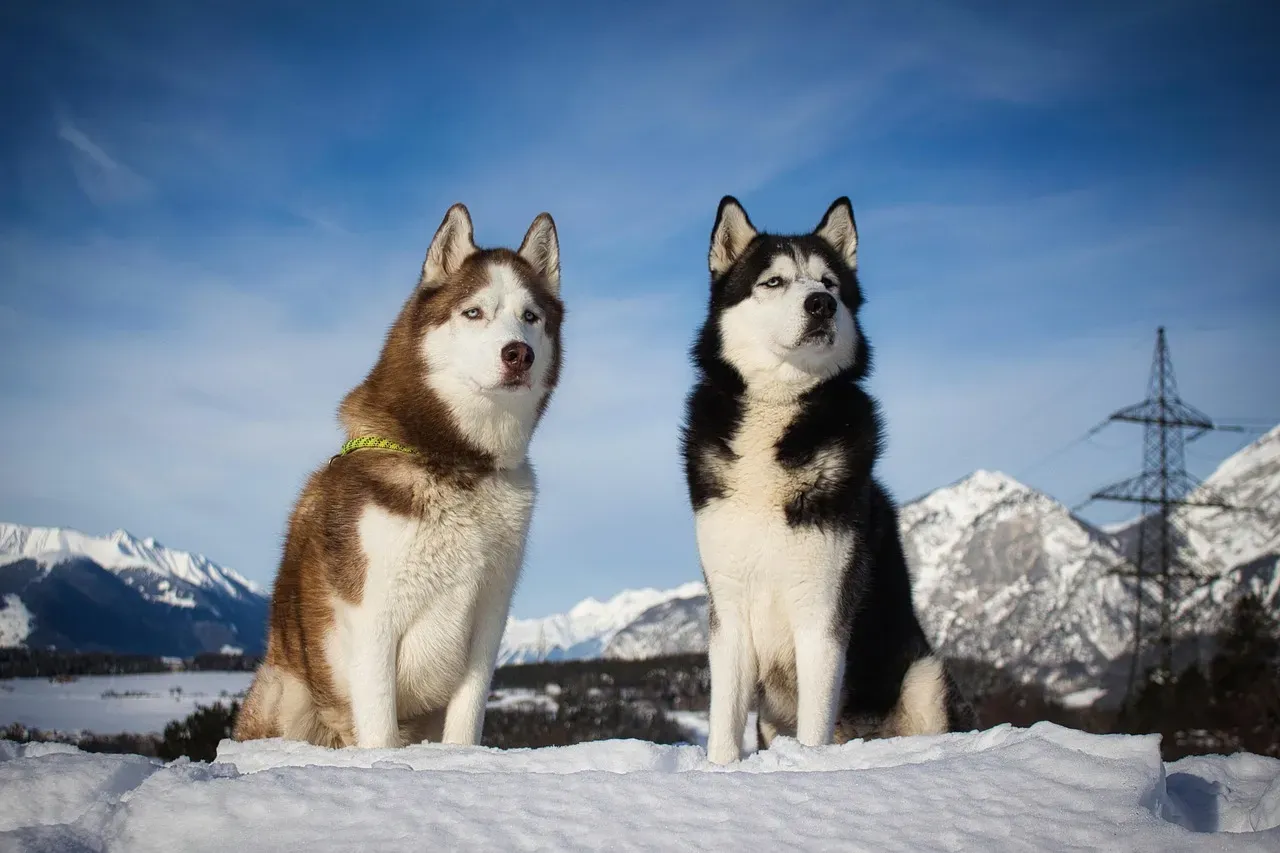
There’s something almost poetic about a Siberian Husky trotting through a freshly snow-covered Minneapolis park. The list of Minnesota’s top breeds is slightly different from top breeds nationally, and it includes the Siberian Husky, a breed that doesn’t make the national top ten list. In Minnesota’s climate, they’re very much in their element.
Huskies are high-energy, independent thinkers. They were bred to run for miles across Arctic terrain, and that instinct hasn’t gone anywhere. If you don’t give them sufficient exercise and mental stimulation, they’ll find their own entertainment, usually at the expense of your furniture or fence line. They’re escape artists of the first order, so secure yards are non-negotiable.
Siberian Huskies are typically a hardy and energetic breed, but they can be prone to specific health issues. Cataracts are relatively common and can affect their vision, sometimes leading to blindness if left untreated. Like many medium to large breeds, they can also develop hip dysplasia. A unique concern is zinc-responsive dermatosis, a skin condition resulting from poor zinc absorption that can lead to hair loss, crusty skin, and infections if not managed properly. Annual eye exams and a well-balanced diet are simple but meaningful steps.
9. English Springer Spaniel: The Joyful Field Dog
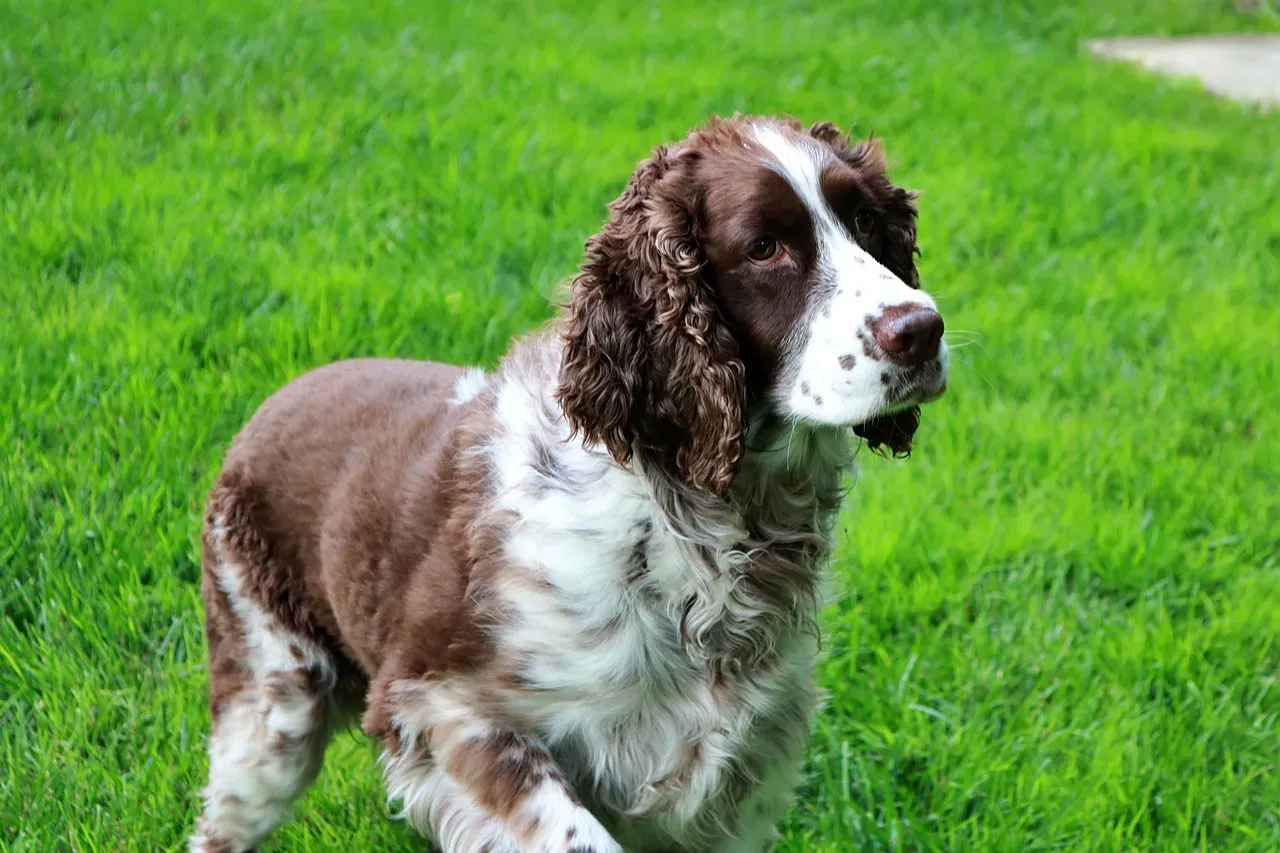
The English Springer Spaniel is one of those breeds that Minnesota has embraced with particular warmth, even as it flies under the radar nationally. Minnesota’s list of top ten breed favorites includes the English Springer Spaniel, a breed that doesn’t even make the national list. Here, it makes perfect sense. They’re sporting dogs at heart, and Minnesota gives them plenty to work with.
Springers are bright, bouncy, and deeply sociable. They’re great with children, relatively easy to train, and love nothing more than a long walk through the woods or a romp in the backyard. They carry a natural enthusiasm for life that’s genuinely infectious. Come home after a rough day and your Springer will make sure you don’t stay down for long.
Ear health deserves close attention with this breed. Their long, floppy ears trap moisture and debris, which creates a warm environment where infections thrive. Check and clean their ears weekly, especially after swims or walks through tall grass. Professional grooming every 6 to 8 weeks helps maintain coat health and prevents ear infections, a common problem due to long, pendulous ears that trap moisture and debris.
10. Rottweiler: Powerful, Protective, and Profoundly Loyal
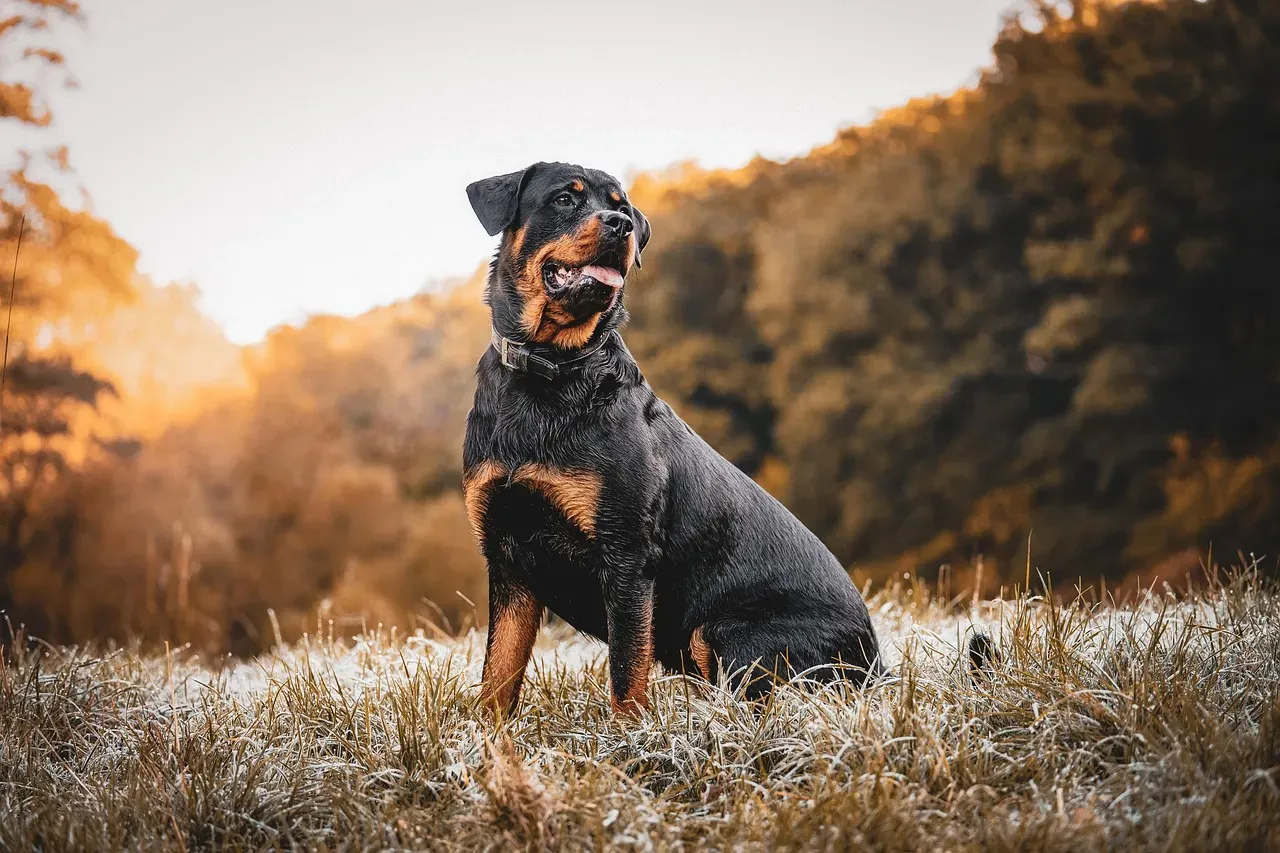
Rottweilers have a reputation that often precedes them unfairly. In Minnesota, they’ve built a steady and devoted following. Rottweilers appear among the popular dog breeds consistently tracked in Minnesota. Owners who know the breed well describe them as calm, confident, and intensely loyal to their families.
Rotties need clear leadership, early socialization, and regular training throughout their lives. They’re not starter dogs, but they’re incredible companions for experienced owners who understand how to earn their trust and channel their protective instincts appropriately. A well-raised Rottweiler is steady, affectionate, and surprisingly gentle with the people they love.
On the health front, joint issues are worth watching. As with other large breeds, Rottweilers are at risk for developing joint issues such as hip and elbow dysplasia, osteochondrosis dissecans, a degenerative bone disease, and arthritis. They may also develop epilepsy. Keep your Rottweiler at a lean, healthy weight, schedule regular orthopedic check-ups, and stay consistent with exercise. Prevention is far kinder than treatment.
Conclusion: Know Your Breed, Love Your Dog Better
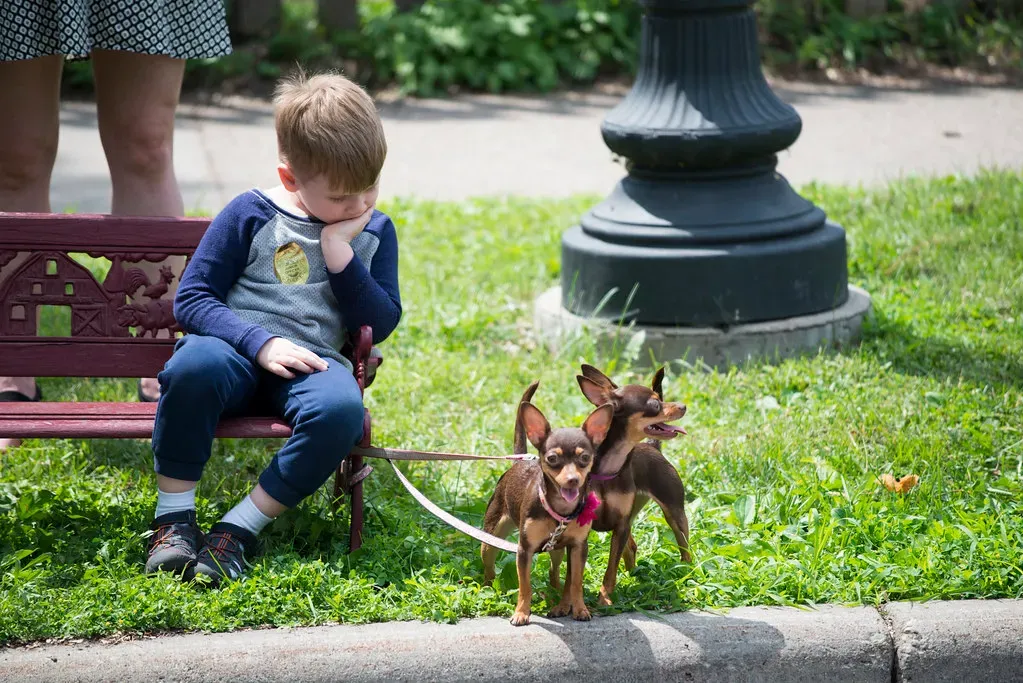
Every one of these ten breeds has found a home in Minnesota for a reason. Whether it’s the Golden’s warmth, the Husky’s resilience, or the GSP’s field instincts, each dog reflects something about the people who chose them and the landscape they live in. Minnesota’s unique combination of harsh winters, abundant lakes, and family-oriented culture creates the perfect environment for breeds that handle subzero temperatures and embrace the outdoor lifestyle Minnesotans love.
Understanding your specific breed’s health vulnerabilities, exercise needs, and behavioral tendencies isn’t just useful information. It’s an act of love. The more you know, the better you can anticipate problems, respond to early warning signs, and give your dog the life they genuinely deserve.
Minnesota dogs are lucky dogs. They’ve got lakes to swim, trails to explore, and families who care. Meet them halfway, and they’ll give you something you can’t find anywhere else: unconditional, full-tilt, tail-wagging devotion, every single day.


