
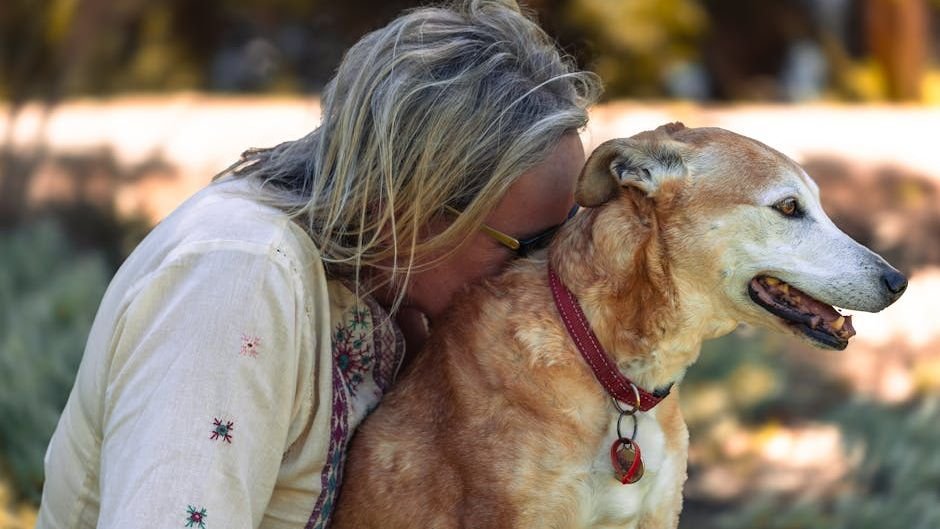
You notice it slowly at first. Your dog doesn’t greet you at the door with the same enthusiasm. They skip their usual spot on the couch. They still eat, still breathe, still exist in the house, but something feels different. That once-velcro dog now keeps their distance, and you can’t quite put your finger on why.
It’s one of the most quietly heartbreaking things a dog owner can experience. You haven’t changed, so why has your dog? The truth is, canine withdrawal rarely comes out of nowhere, and it almost never means your dog has stopped loving you. More often, it’s a signal. A quiet, persistent signal that something in your dog’s world has shifted, and they need you to notice.
Pain and Hidden Illness: When the Body Speaks First

Dogs often try to hide their pain from humans, partly because they fear increased pain if they are touched. A dog that is acting withdrawn may, in fact, be in pain. It’s an instinct rooted deep in their biology, a holdover from when showing weakness in the wild was dangerous.
Your dog may be sick if they’re distant and also showing other symptoms such as limping, lethargy, whining, or changes in appetite. Sickness and pain can explain why a dog becomes suddenly distant and stops eating.
Some dogs, especially senior dogs, may have pain that flares up, so they may appear withdrawn some days and fine on others. This unpredictability makes it easy to dismiss. Don’t. Conditions like hypothyroidism, arthritis, or dental disease can all mimic depression symptoms, so ruling out a physical cause is always the right first step.
Seeking prompt veterinary help is imperative if you suspect your dog is withdrawn because of an illness. Getting ahead of pain early makes a real difference in both recovery and in rebuilding that close connection with your dog.
Emotional Distress and Canine Depression: Yes, It’s Real

Dogs can develop psychological conditions such as depression and anxiety, just as humans do. They may feel depressed if a person or pet they care about has died, if they have moved homes, or for a number of other reasons.
Common signs include low energy, withdrawal, appetite changes, and altered sleep. One of the first things owners notice is that their dog is no longer willing to engage in activities they previously seemed to enjoy. A dog who usually loves fetch, for example, may now play for one or two rounds and then lose interest.
One study found that roughly one in five dogs show depression-like behaviors on a weekly basis, which suggests this is more common than many owners realize. Distressing events or major life changes can sometimes cause a dog’s nerves to go haywire or trigger feelings of sadness, and this can include the loss of a companion animal.
The positive news is that canine depression doesn’t have to be long-lived. Emotional or behavioral shifts often signal unmet needs, whether physical, social, or environmental. Identifying those unmet needs is where recovery begins.
Life Changes and Environmental Upheaval: More Disruptive Than You’d Think

Changes in the environment can include welcoming a new person or dog into the home. Many dogs will become more distant when their owners welcome home a new baby or even a new puppy. Sudden changes can stress a dog and make it feel like it’s losing control over its perceived territory.
In some cases, the reason a dog has become distant is that the way their owner treats them has changed. Have you recently taken on a more demanding work schedule that affords you less time with your dog? Is attention that was once solely given to your dog now being divided? While your dog might be just one part of your life, you are almost the entire world for your dog.
Even what many view as positive life changes, such as a new baby, a new pet, or a move to a new house, may also affect a dog’s emotions. Dogs don’t distinguish between “good” change and “bad” change. They just know something familiar is gone.
Being consistent and having a routine gives your dog the security, reliability, and predictability they need to feel confident. A schedule for meals, play sessions, and walks can help lower their stress and anxiety significantly.
Broken Trust and Negative Experiences: The Slow Erosion of Connection

Negative experiences, like an owner punishing their dog, can cause a dog to become withdrawn. This is why using positive methods when training your dog is vital. Punishment and aversive training techniques can cause dogs to avoid you and act distant.
When a dog has no control over a stressful or negative situation, it can cause fear or anxiety. Dogs can go into a state called “learned helplessness,” which can look like distance, but in reality the dog has just given up. This is often seen as a reaction to a dog who has been repeatedly told off or has had aversive training methods used on them.
Continued instances of broken trust can either traumatize a dog severely or eventually cause them to show signs of discomfort around you. The damage is gradual, which is exactly what makes it so easy to miss until the gap is already wide.
It could also be more minor actions you don’t even realize are irritating your dog, like getting in their face, teasing them, or touching and hugging them too much. Making time for fun activities after your dog has a negative experience is the best way to replace the negative association with a positive one as quickly as possible.
Cognitive Decline in Senior Dogs: When Age Changes Everything
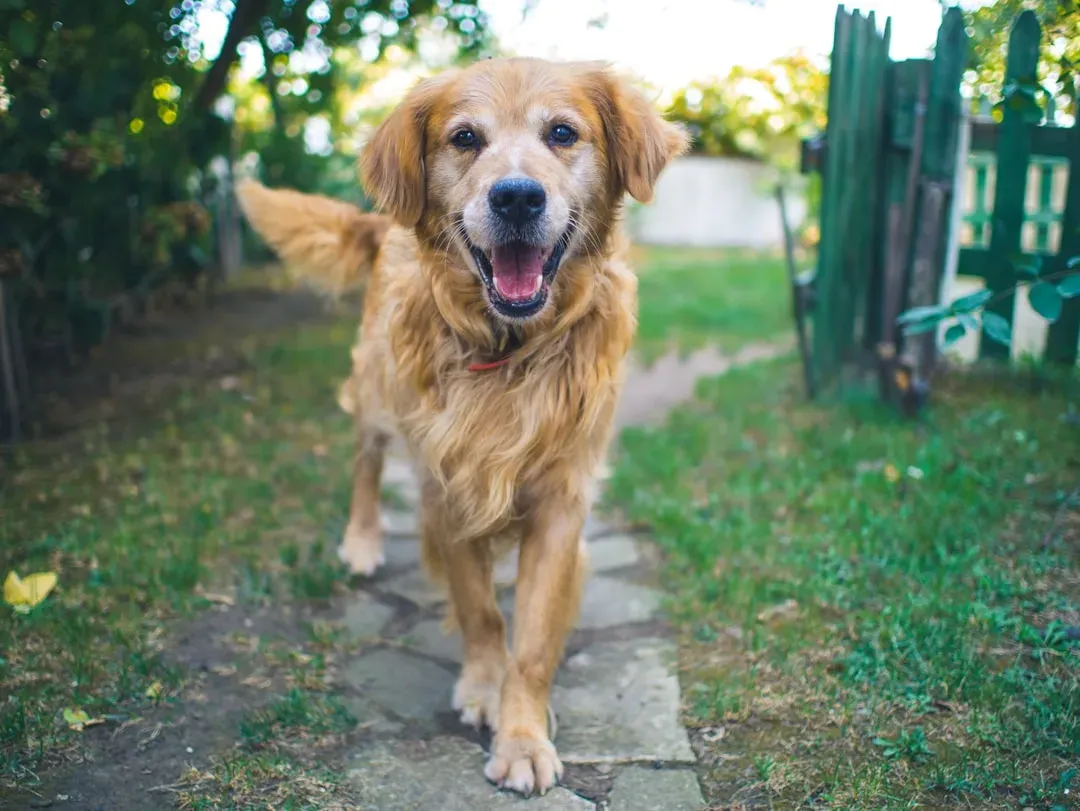
As dogs age, they may become more withdrawn and less interested in social interactions. This is especially common in senior dogs experiencing age-related health issues like arthritis or organ problems.
Cognitive Dysfunction Syndrome in dogs is similar to dementia in humans and can cause confusion, disorientation, disrupted sleep patterns, and disinterest in activities. It’s worth noting if your dog seems to forget things they know very well, has trouble recognizing familiar people, or gets stuck in corners or rooms.
Vision or hearing loss can also make dogs appear withdrawn or easily startled, mimicking anxiety or depression as they struggle to navigate their changed sensory world. What looks like emotional distance may simply be your dog struggling to make sense of an environment they can no longer fully perceive.
There is no cure once cognitive decline sets in, but you can still help your dog with certain supporting medications and mental stimulation. Dogs with chronic pain, such as seniors with arthritis, benefit from pain management and joint supplements. Orthopedic dog beds are also helpful to cushion their joints. Small, thoughtful adjustments can still make a meaningful difference in a senior dog’s quality of life.
What You Can Do: A Practical Path Back to Connection
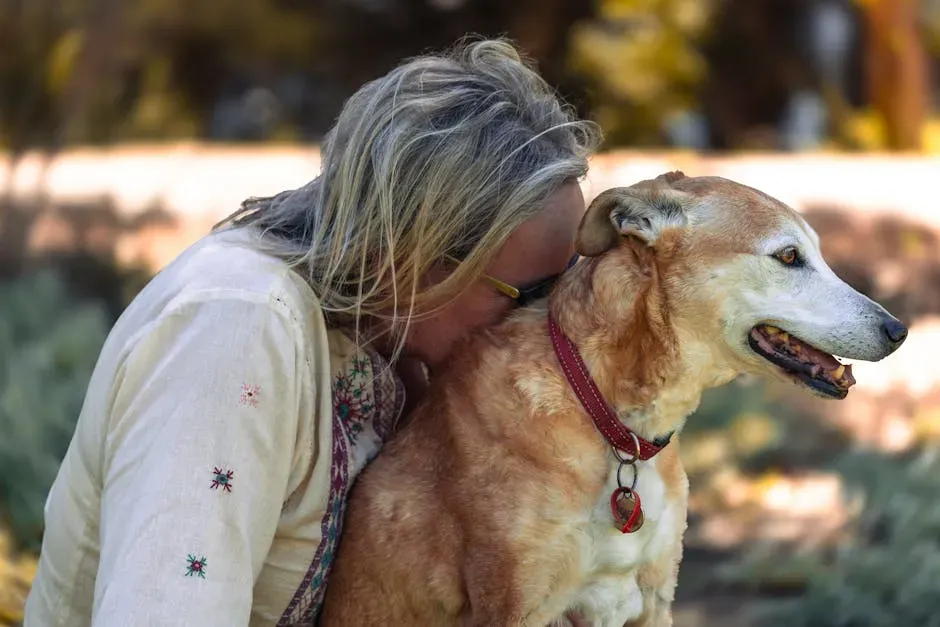
A shift in energy, mood, habits, or personality can be the first sign of a medical issue, emotional stress, or even a neurological condition. Behavioral changes are often subtle at first, but early intervention can prevent small issues from becoming serious health problems.
There are steps you can take to reduce the risk of lasting disconnection. Ensuring your dog receives regular veterinary care will identify health issues early so they can be treated before deeper behavioral problems develop. That annual checkup isn’t just a formality, it’s one of the most proactive things you can do.
Dogs require emotional stability, mental stimulation, and physical activity suited to their breed. Improving your dog’s environment, attention, and daily routine can make a tremendous difference. Providing your dog with enough mental stimulation throughout the day is important in keeping their mood up. Regular walks, socialization, and training all help.
So long as you are calm, kind, and consistent, your dog will start to learn that you don’t pose any threat. Rewarding them with treats, toys, and other signs of love helps them form a stronger bond with you and the rest of their family.
Conclusion
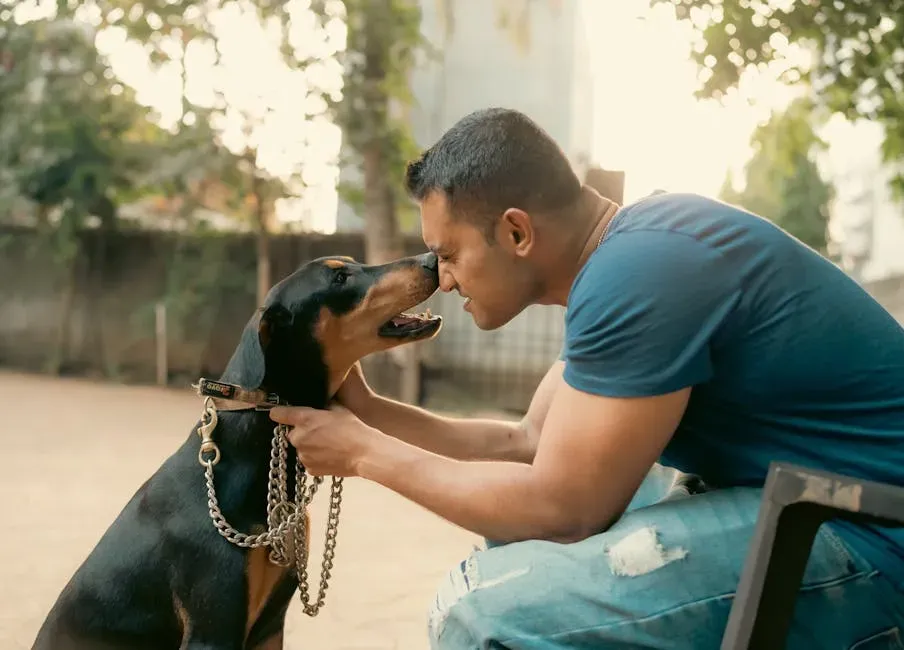
A distant dog isn’t a cold dog. They’re a dog who is trying to communicate through the only language they have: behavior. Whether it’s pain, grief, confusion, or a slow accumulation of small disconnections, the reason is always there, waiting to be found.
The fact that you noticed, that you’re looking for answers instead of simply accepting the silence, says something important about the kind of owner you are. Many dogs recover within days or weeks once their emotional and physical needs are properly met. The bond isn’t broken. It’s just asking for your attention.
Pay attention to the quiet signals. Be patient with the process. Your dog came into your life trusting you completely, and that trust is worth every effort it takes to earn it back.


