
Walk into any shelter today and you’ll notice something that might surprise you. The dogs staring back at you aren’t mystery mutts of unknown origin. Many of them are recognizable, even famous breeds. Frenchies with their big bat ears. Huskies with their piercing blue gaze. Labs with that signature wagging tail that doesn’t quit. These are the dogs that fill pet store windows, top popularity charts, and flood social media feeds. Yet right now, thousands of them are sitting in kennels, waiting.
Over 5.8 million dogs and cats are surrendered to animal shelters every year, and just over 4.2 million find a home, leaving an ever-growing number of animals in the shelter population. The uncomfortable truth is that breed popularity and shelter overflow often move in the same direction. The more a breed trends, the more impulsive purchases happen, and the more dogs eventually get turned in when reality doesn’t match expectation. Dogs often end up in shelters because of a mismatch between the human’s lifestyle and the pet’s inherent needs, and sometimes dogs are chosen for their aesthetics rather than their personality, energy levels, or breed-specific traits. This article is about understanding what’s really happening so you can either be a more prepared owner, a more informed adopter, or simply a better advocate for these dogs.
1. French Bulldog: The Trendy Dog With a Vet Bill Nobody Budgeted For

The French Bulldog has spent years at the top of popularity rankings, and it’s not hard to see why. They’re the perfect combination of cuteness and convenience for urban living, with their compact size, minimal exercise needs, and those signature bat ears making them seem tailor-made for modern lifestyles. The problem is that the glossy social media version of a Frenchie rarely shows the breathing treatments, the allergy flare-ups, or the unexpected surgery bills.
Shelters are now seeing pet parents surrendering their Frenchies when they get hit with the first major medical bill, and it’s not just the United States struggling with this influx. According to the RSPCA, the number of dumped French Bulldogs saw a staggering increase of over 7,000% in just three years. Medical bills are a significant reason French Bulldogs are frequently returned to shelters, as due to breeding-related health issues such as brachycephalic syndrome, they often require costly veterinary care. If you love Frenchies, budget for that reality before you bring one home. Pet insurance purchased early, before conditions become pre-existing, can make a genuine difference.
2. Labrador Retriever: America’s Favorite Breed Also Fills America’s Shelters
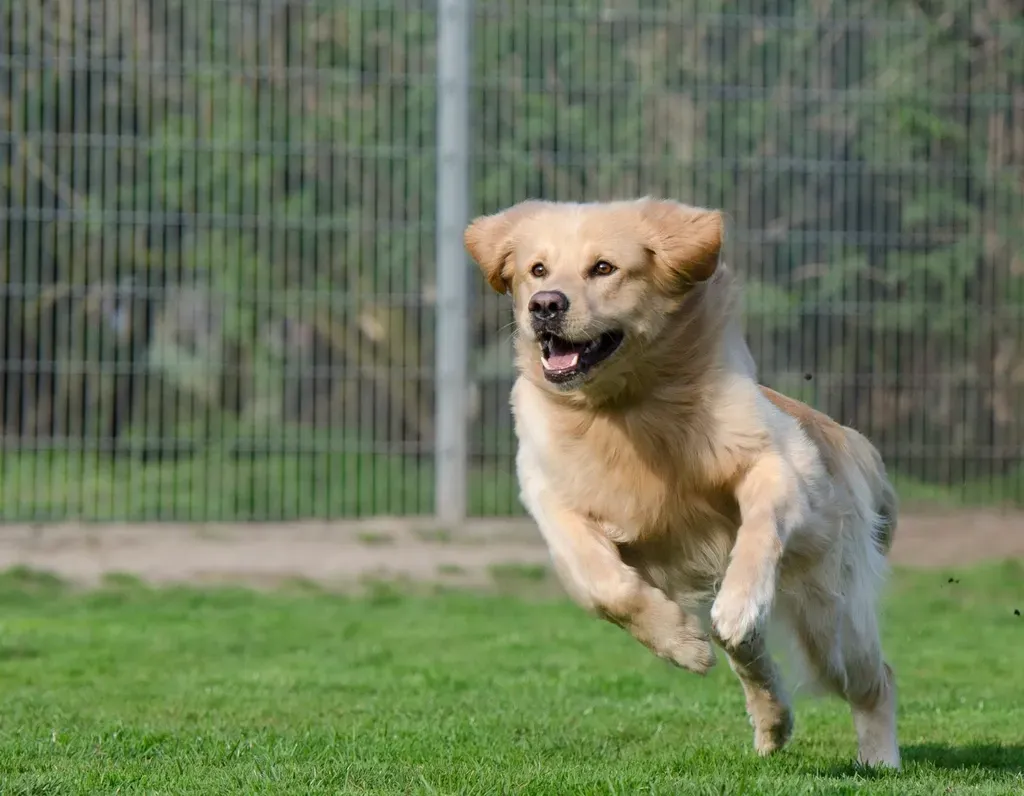
Labrador Retrievers make up about 7.7% of shelter dog listings and are the most frequently found shelter breed in eight of the fifty largest U.S. cities, including Boston, Cleveland, Denver, Minneapolis, Nashville, and Tampa. The Lab’s enduring charm is real. They’re genuinely friendly, eager to please, and great with families. But charm doesn’t cancel out the energy of a young Lab who hasn’t been trained, socialized, or exercised enough.
Labradors are one of America’s most popular breeds, and with more Labs in homes, there is naturally a higher number being surrendered due to unpreparedness, since they tend to be high-energy dogs, or due to life changes. Their high popularity translates to higher surrender rates, and families may underestimate the time, energy, and training required to care for a high-energy breed like the Labrador. A bored, under-exercised Lab will redecorate your house. That’s not aggression. That’s a dog with unmet needs sending you a message.
3. Pit Bull Terrier: The Most Surrendered Dog in America
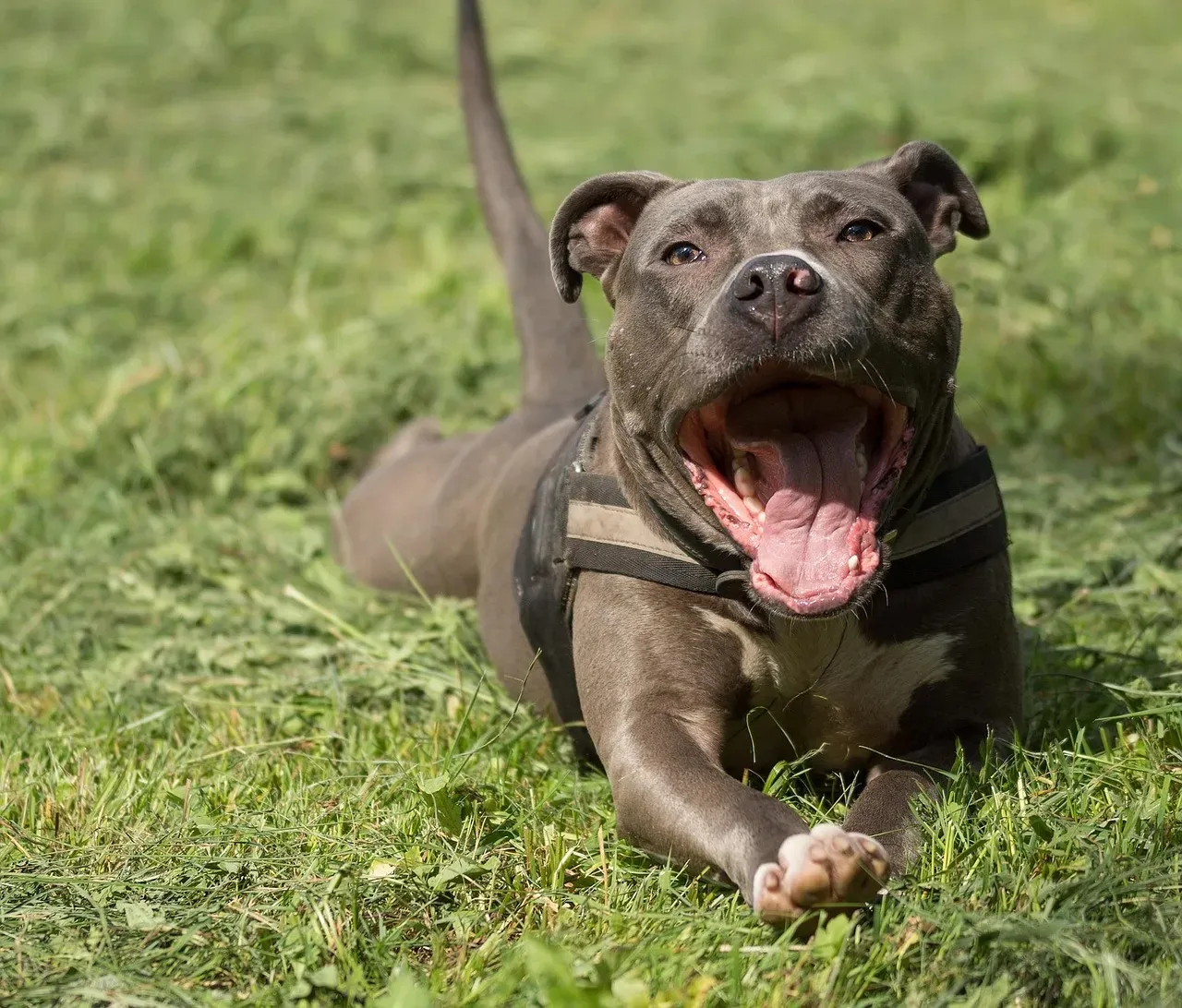
The Pit Bull Terrier is the most common dog breed in shelters across America’s largest cities, accounting for nearly 22% of all dog adoption listings. That number is staggering, and the reasons behind it have almost nothing to do with the dogs themselves. These dogs face high surrender rates due to misunderstanding, stereotypes, and housing restrictions, not because of behavior or temperament.
Despite their loving and loyal nature, many people are hesitant to adopt Pit Bulls due to unfounded assumptions that they’re dangerous. In reality, Pit Bulls tend to be affectionate, gentle, and playful. Unfortunately, misconceptions about them, coupled with housing restrictions and legal bans, result in a high number of Pit Bulls in shelters. Most surrendered Pit Bulls aren’t problem dogs. They’re simply victims of circumstance. If your living situation allows it and you’re ready for a devoted companion, a Pit Bull in a shelter is one of the most rewarding dogs you’ll ever know.
4. German Shepherd: Brilliant, But Not for Everyone
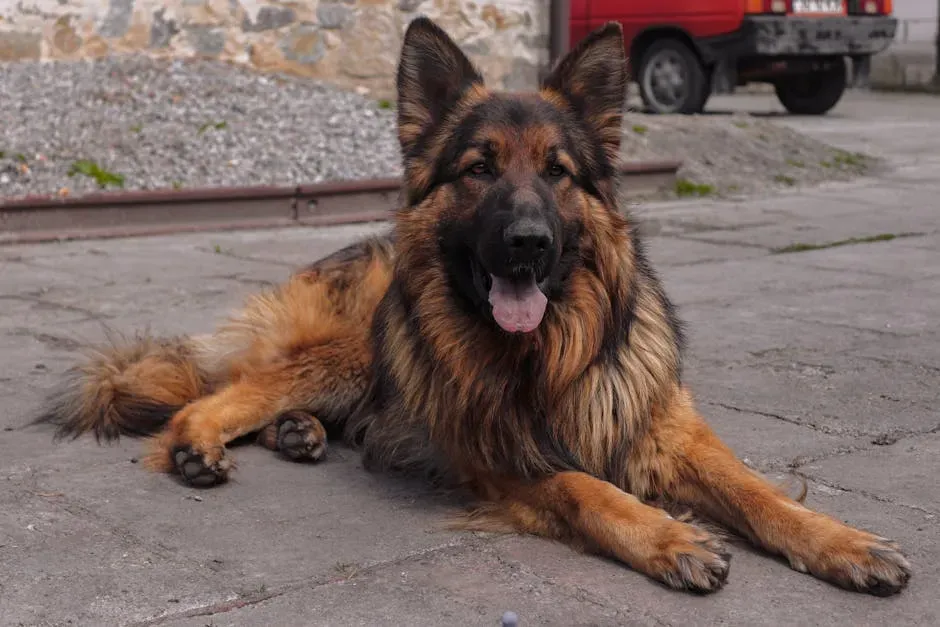
German Shepherds take the number two spot in shelter listings, making up 11.4% of all shelter dogs and being the most common shelter breed in four of the fifty cities analyzed, including Los Angeles, Sacramento, San Diego, and Seattle. This is a breed built for purpose. Intelligence, loyalty, drive. In the right hands, a German Shepherd is extraordinary. In the wrong hands, that same intelligence becomes a behavioral problem waiting to happen.
German Shepherds are intelligent and versatile dogs often used in police and military work. However, they are also among the breeds most commonly found in shelters, often due to their high energy levels, need for mental stimulation, and protective instincts, which can lead to behavioral problems if not properly managed. German Shepherds require experienced owners who can provide consistent training and exercise. Watch for signs of anxiety in a German Shepherd: excessive pacing, destructive chewing, or reactivity on leash. These are not bad dogs. They’re dogs who needed more structure than they got.
5. Siberian Husky: Gorgeous on Instagram, Overwhelming in Real Life
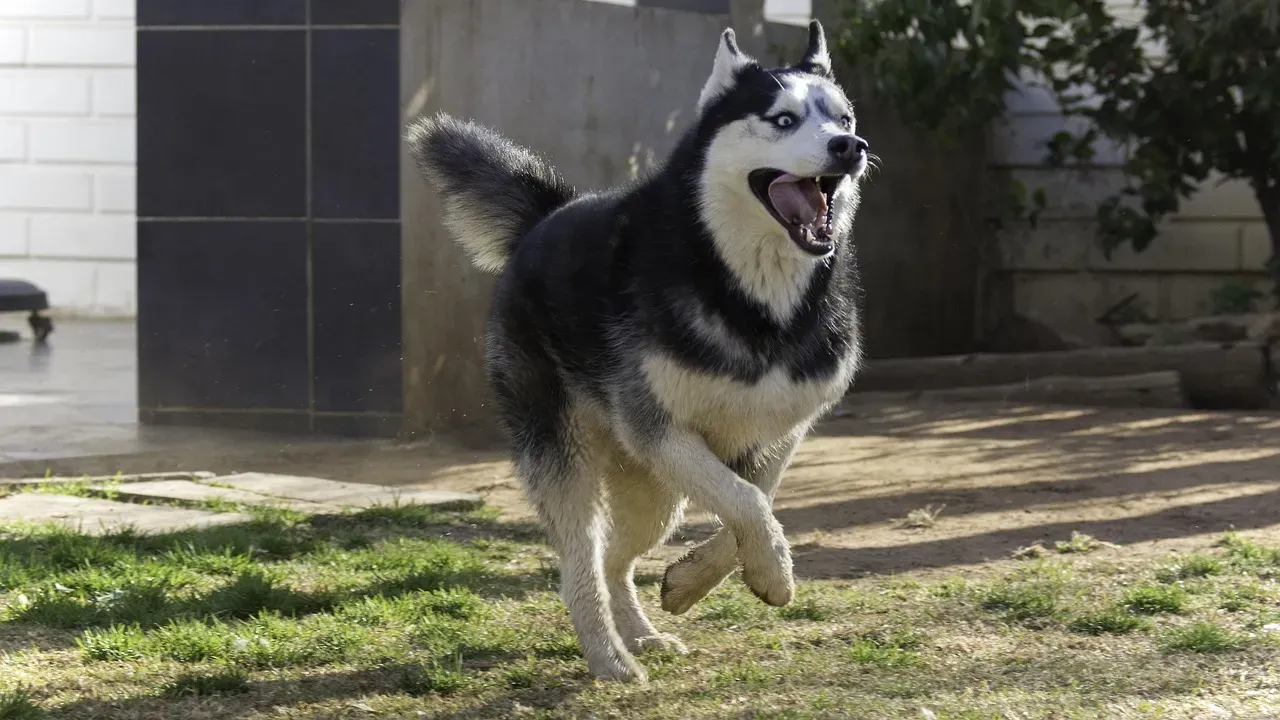
Siberian Huskies make up about 6.5% of shelter dogs and are striking and charismatic but bred for endurance in cold climates, which can make them a tricky fit in many homes, especially warmer ones. The Husky’s movie-star looks pull people in, and then the reality of living with one pulls many of them right back out. These are working dogs designed to run fifty miles a day in subzero temperatures. A studio apartment in Houston was not exactly the blueprint.
Siberian Huskies are known for their striking appearance and friendly nature. However, their high energy levels and strong prey drive can make them challenging pets. They require a lot of exercise and mental stimulation to prevent boredom and destructive behavior, and they’re also known for their escape artist tendencies, often finding ways to climb or dig out of enclosures. Training a Husky requires patience and consistency, and many Huskies end up in shelters because their owners underestimate their exercise needs and escape tendencies. A Husky who howls, digs, and bolts at the first opportunity isn’t misbehaving. That’s the breed doing exactly what it was born to do.
6. Chihuahua: The Small Dog With a Big Misunderstanding

Chihuahuas make up about 5.6% of shelter dogs and thrive in smaller living spaces but can be surrendered due to behavioral misunderstandings or overbreeding in certain regions. In California alone, the numbers are even more dramatic. In California, Chihuahuas make up thirty percent of the dog population in shelters, and the breed is extremely popular, especially in urban areas, where many are seen as a fashion statement rather than an animal requiring consistent care.
Reasons why Chihuahuas may be surrendered include being highly vocal, issues with housebreaking, and being more fearful, which can lead to aggressive behavior. They also tend to be more wary of strangers and young children, preferring one or two adult human companions. Chihuahuas can be great companions in calm environments with adults and older children, and with good training, they should not have big issues with housebreaking. Early socialization is everything with this breed. A properly introduced Chihuahua puppy becomes a confident, affectionate companion. A neglected one becomes a fearful dog that bites.
7. Boxer: The Perpetual Puppy Nobody Warned You About

Boxers are energetic, playful dogs known for their affectionate nature and boundless enthusiasm. However, their high energy levels and need for constant activity can be overwhelming for some owners. Boxers require regular exercise and mental stimulation to keep them happy and healthy, and without these, they can become destructive and difficult to manage. What many new Boxer owners discover quickly is that this breed essentially stays in “puppy mode” for the first three years of its life. That’s a lot of counter-surfing and couch demolition if training doesn’t happen early.
Boxers are prone to certain health issues, including heart problems and cancer, which can add to the challenges of caring for them. Many Boxers are surrendered to shelters because their owners cannot meet their exercise needs or handle their high energy levels. Boxers are also prone to separation anxiety, making them more likely to develop behavioral issues when left alone for extended periods. If you work long hours and can’t commit to daily vigorous exercise, a Boxer will struggle. They aren’t a low-maintenance breed dressed in a cute, wrinkly package.
8. Beagle: Sweet-Natured, Scent-Driven, and Surprisingly Loud

Beagles are friendly and curious dogs known for their excellent sense of smell and energetic nature. Despite their charm, Beagles are commonly found in shelters due to their high energy levels and tendency to follow their noses, often leading to escape attempts. They require a lot of exercise and mental stimulation, which can be challenging for some owners to provide. Their vocal nature and strong prey drive can also make them difficult to manage, leading to owner surrender.
Beagles are popular little dogs brought home because of their adorable puppy looks, but as these dogs age, owners often learn that they are prone to barking and howling and don’t want to manage the dog the way it needs to be managed. Beagles make excellent family companions for those prepared to work with their behavior. The howl of a Beagle who has caught a scent is one of the most committed sounds in all of dogdom. Neighbors will let you know they heard it. Fence security and a solid recall command are non-negotiable with this breed.
9. Dachshund: The Back Problem on Four Legs That People Underestimate

With their long bodies and short legs, Dachshunds are charming but often misunderstood. They are frequently found in shelters due to health issues related to their unique build, such as back problems, and behavioral challenges like stubbornness and a strong prey drive. Dachshunds can also be prone to separation anxiety and may not get along well with young children, and these factors, along with their popularity, lead to many Dachshunds being surrendered to shelters.
Intervertebral disc disease is a serious and common condition in Dachshunds, and the costs associated with spinal surgery can run into the thousands. That reality catches many owners completely off guard. Prevention matters here: keep your Dachshund at a healthy weight, avoid letting them jump off furniture, and use ramps where possible. If you’re adopting a breed prone to health issues like Dachshunds, pet insurance can be a smart investment. A little preparation now prevents a financial and emotional crisis later.
10. Rottweiler: A Loyal Giant Beaten Down by Its Own Reputation

Rottweilers are strong, protective dogs that require proper training and socialization to prevent aggressive behavior. Their size and strength can be intimidating, and without adequate training, they can become a handful. Many Rottweilers are abandoned when owners are unable to handle their powerful nature or when they develop behavioral issues. The reality is that a well-raised, properly socialized Rottweiler is one of the most devoted and calm dogs you’ll meet. The issue is that not enough of them get that foundation.
Due to their imposing build, Rottweilers often face breed discrimination, especially in rental housing. Strong protective instincts demand experienced leadership, and when owners struggle to provide structure, territorial tendencies may develop, making rehoming more likely. Breed-specific legislation can include restrictions on ownership, mandatory muzzling in public, higher insurance premiums, housing restrictions, or outright bans in specific areas. A move to a new city or apartment complex can force even committed owners into an impossible situation. It’s heartbreaking for the dog and the family.
11. Border Collie: The Most Intelligent Breed and the Hardest to Satisfy
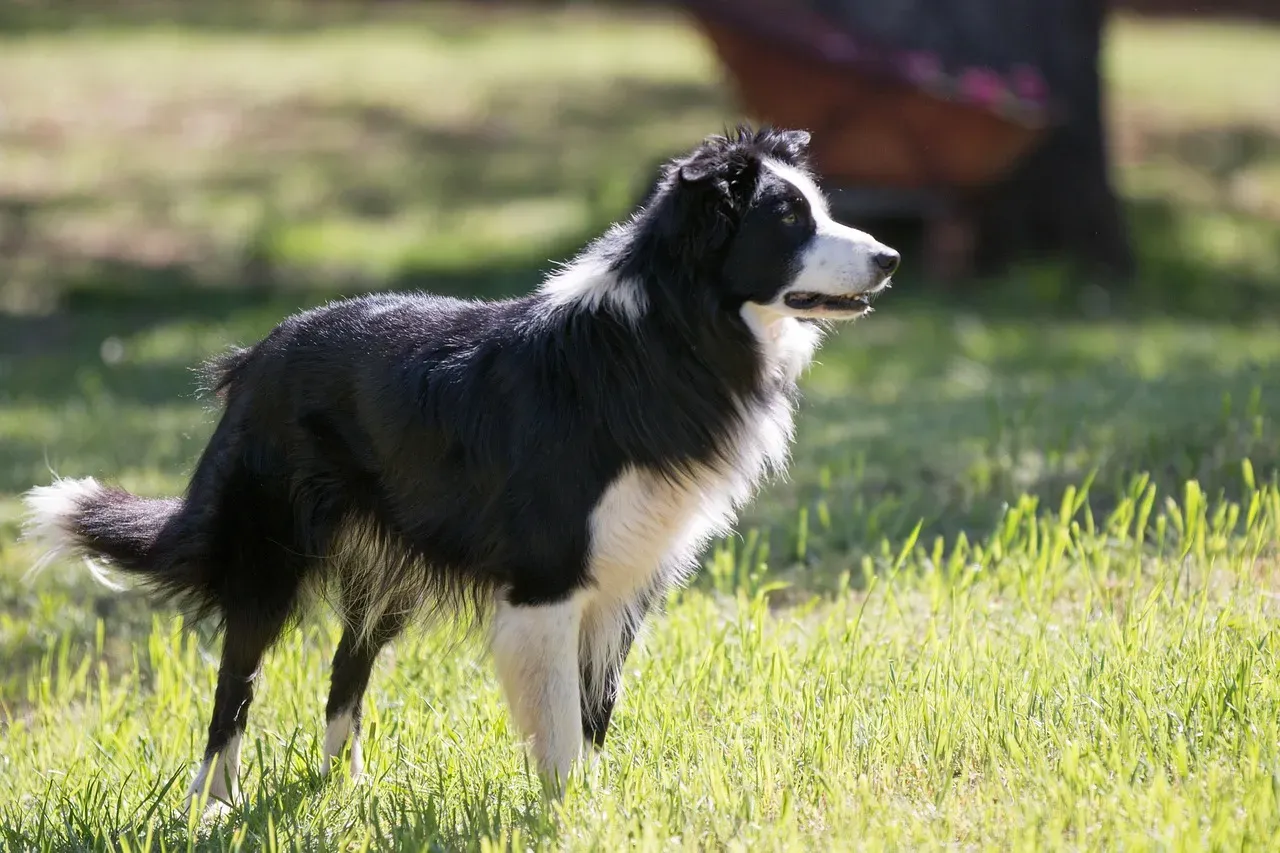
Border Collies are considered among the most intelligent dog breeds, but their intelligence and energy can make them challenging pets. Originally bred for herding, Border Collies have an intense work drive and need a job. They can become bored, anxious, or destructive without enough physical and mental stimulation, and many end up in shelters because their owners cannot meet their exercise and stimulation needs.
A Border Collie with nothing to do will invent a job, and you probably won’t enjoy the job they choose. Obsessive staring, herding children and other pets, compulsive chasing of shadows or light reflections: these are all signs of a dog whose mind isn’t being engaged. These dogs are best suited for active owners who can provide them with plenty of activities to keep their minds and bodies engaged. Agility, herding trials, competitive obedience, or even dedicated daily puzzle sessions can channel this breed’s extraordinary capabilities productively.
12. Dalmatian: The Movie Dog Who Needed a Different Ending
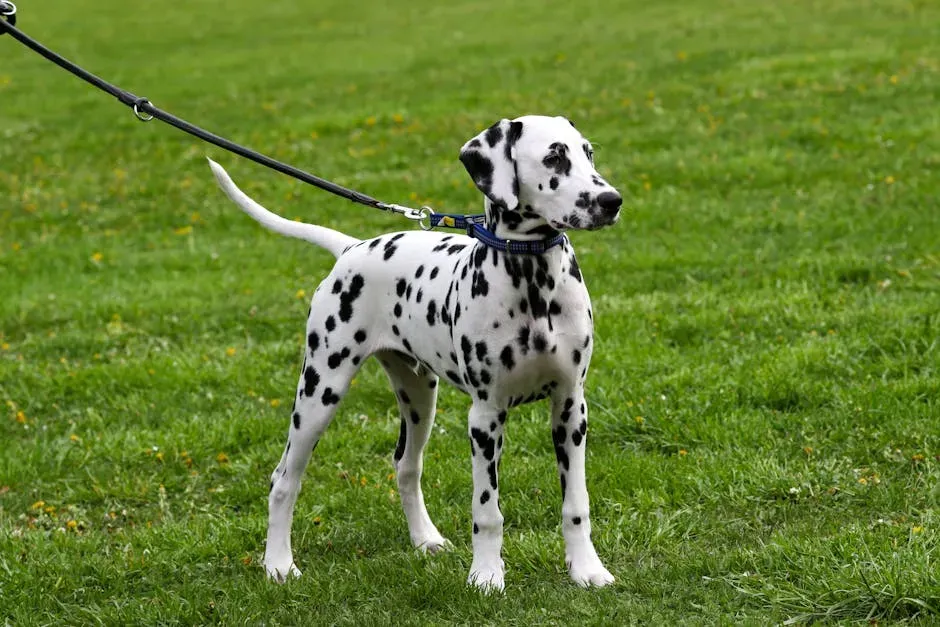
Dalmatians gained widespread popularity due to their unique appearance and media portrayals, but they are also known for their high energy levels and sensitivity. Dalmatians need a lot of exercise and attention, and their predisposition to deafness and other health issues can be challenging for owners. It’s a pattern that plays out with remarkable consistency: a film or TV show features a breed, popularity spikes, ill-prepared owners adopt impulsively, and shelters fill up within a couple of years. Dalmatians have lived through this cycle more than once.
With their striking spotted coats, Dalmatians have a unique appeal. However, their high energy levels and need for extensive exercise can overwhelm many owners. Dalmatians are also prone to genetic health issues, including deafness and urinary stones, which can add to the challenges of care, and they can become destructive and difficult to manage without proper training and stimulation. If you’re considering a Dalmatian, get a hearing test done by a vet early in puppyhood. Roughly one third of Dalmatians are born with some degree of hearing loss, and knowing this shapes how you train and communicate with your dog.
13. American Bulldog: Big Heart, Even Bigger Vet Costs
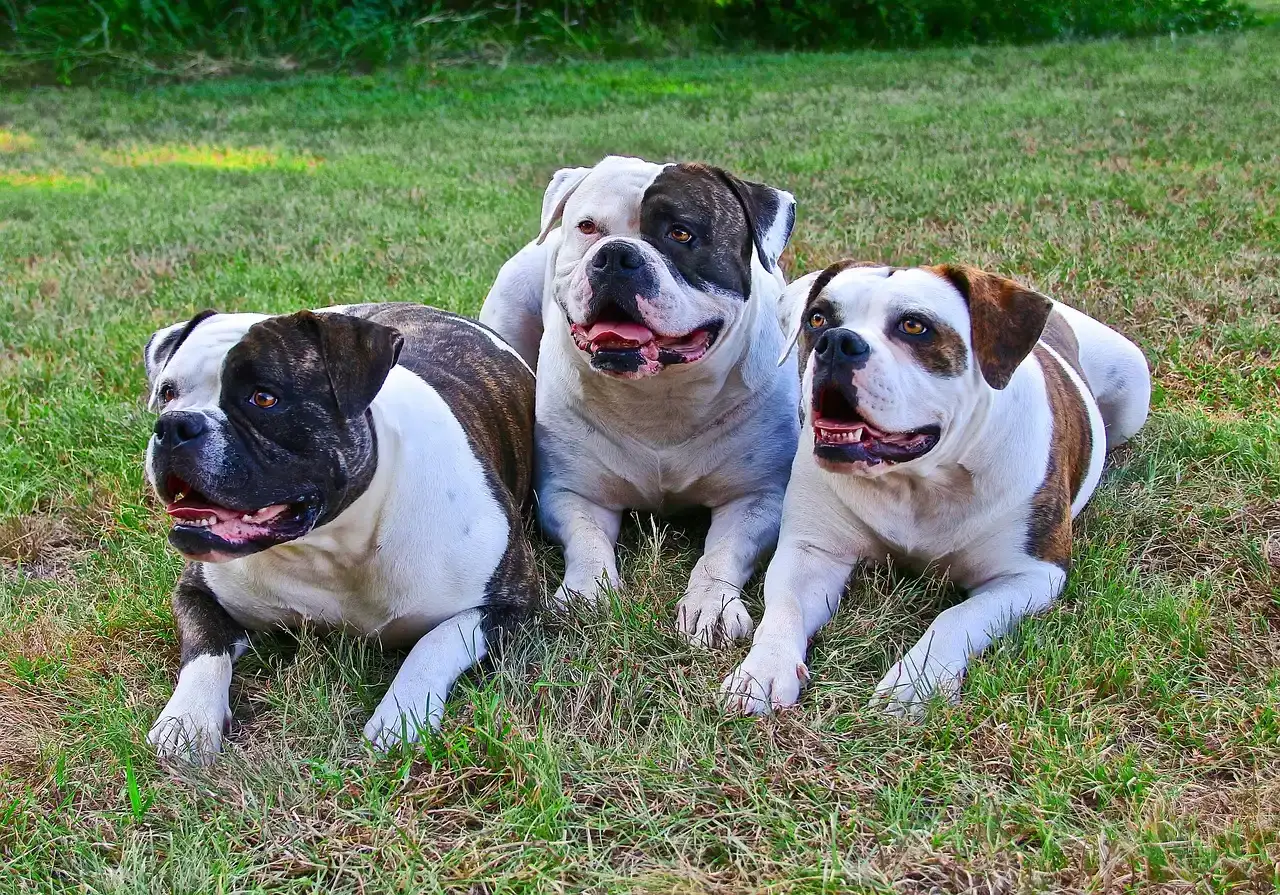
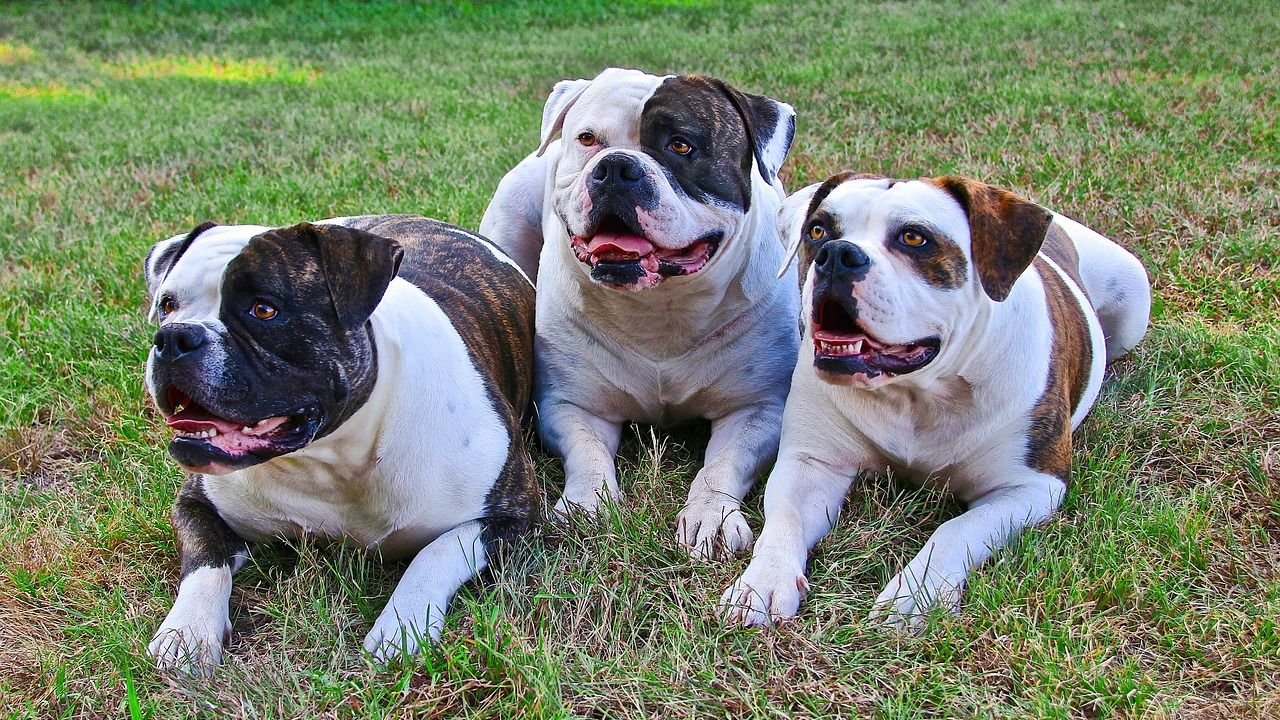
American Bulldogs are muscular and bursting with energy, but they need consistent training from an early age. Without proper guidance, their strong-willed nature can lead to unruly behavior, and owners who can’t provide proper exercise routines and structure often leave them back at shelters. This breed is often confused with Pit Bulls, which compounds their challenges significantly in the housing and adoption markets.
Bulldogs are adored for their wrinkled faces and stocky build, but they have many health issues, including breathing difficulties, skin infections, and joint problems. The high cost of veterinary care and the breed’s susceptibility to health problems often lead owners to surrender Bulldogs when they can no longer afford their care. Some American Bulldogs are surrendered due to breed restrictions or housing limitations, especially in areas with breed-specific legislation. The pattern is painfully familiar: fall in love with the look, underestimate the maintenance, face a crisis.
14. Cocker Spaniel: A Gentle Dog Let Down by Grooming Neglect
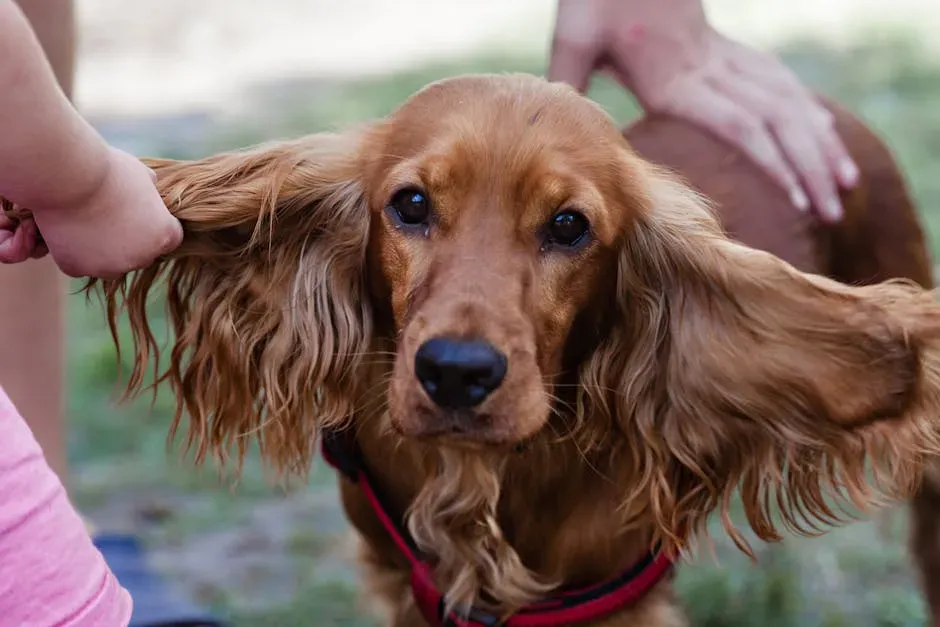
Cocker Spaniels are affectionate and playful dogs known for their beautiful coats and friendly disposition. Despite their popularity as family pets, they are often found in shelters due to grooming needs, health issues, and behavioral challenges. A neglected Cocker Spaniel coat doesn’t just look bad. It mats painfully close to the skin, causes sores, and creates chronic discomfort that can manifest as behavioral problems, because a dog in pain is a dog that reacts unpredictably.
Regular grooming every six to eight weeks is not optional for this breed. It’s basic welfare. Beyond coat care, Cockers can be prone to ear infections due to their long, floppy ears that trap moisture and limit airflow. Weekly ear checks, keeping ears clean and dry after bathing or swimming, and prompt attention to any unusual odor or discharge can prevent recurring infections that become costly and painful. They are loyal, sweet-natured dogs who genuinely thrive with attentive, consistent care.
15. Alaskan Malamute: A Sled Dog That Got Lost in Suburbia
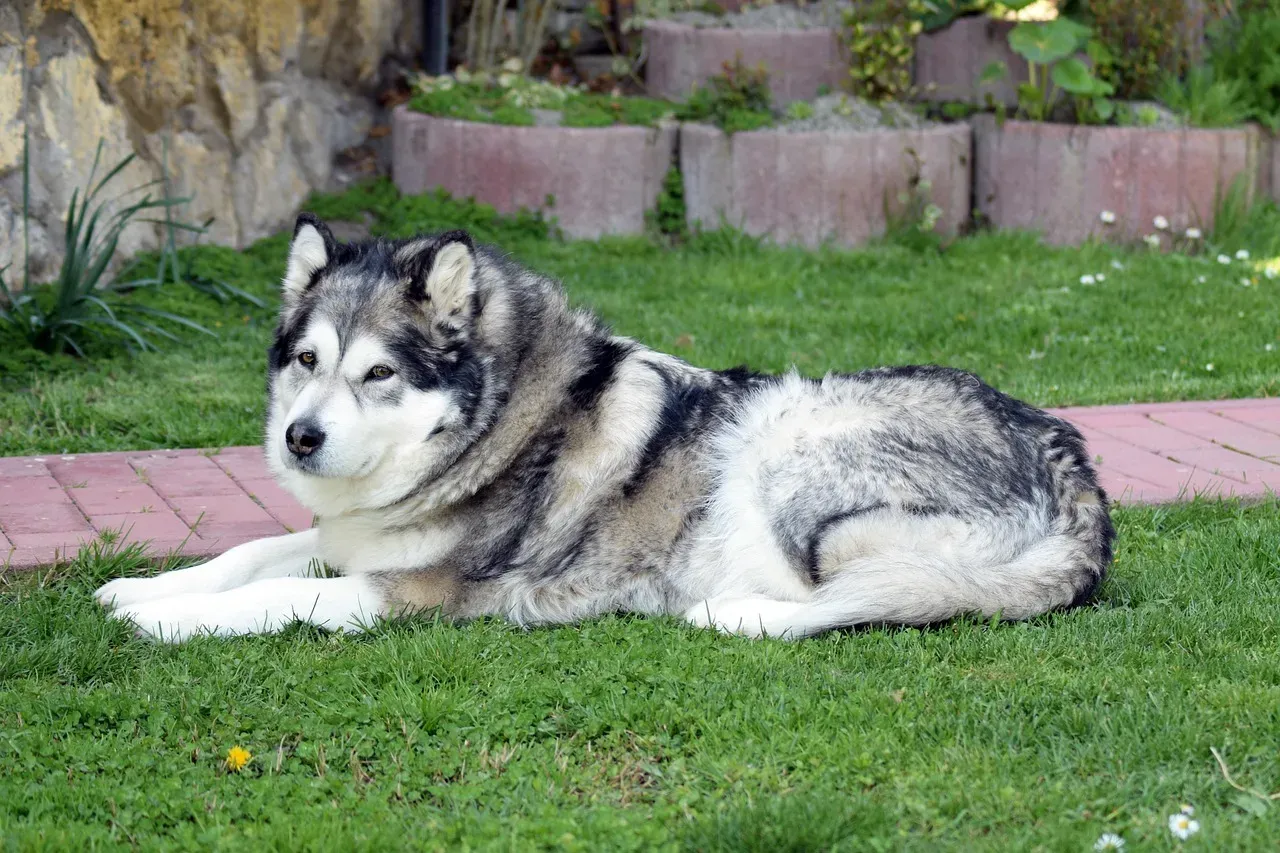
Alaskan Malamutes are beautiful dogs with a strong work ethic and a need for vigorous exercise. Bred to haul heavy loads in harsh conditions, they thrive on physical activity and mental challenges. However, their high energy levels and strong prey drive can be difficult to manage in a typical household setting, and Malamutes are also known for their independent nature and stubbornness, which can challenge training.
Bred to haul heavy loads in harsh conditions, Malamutes thrive on physical activity and mental challenges. Their high energy levels and strong prey drive can be difficult to manage in a typical household setting, and they are also known for their independent nature and stubbornness. Many Malamutes are surrendered to shelters because their owners cannot meet their exercise needs or handle their dominant personalities. This is a large, powerful dog with ancient working instincts. Shedding is also truly monumental. If “blowing coat” season sounds like a minor inconvenience, you haven’t lived with a Malamute in spring.
16. Shih Tzu: The Lap Dog With Surprisingly High Upkeep

Shih Tzus are prone to certain health issues, including respiratory problems and dental issues, which can add to the challenges of caring for them. Many Shih Tzus are surrendered to shelters because their owners underestimate the commitment and expense required to maintain their grooming and health needs. People assume a small, gentle dog means a simple dog. With a Shih Tzu, that assumption is wrong in almost every direction.
This breed requires daily brushing to prevent painful matting, regular professional grooming, diligent dental care since small dogs are especially prone to dental disease, and careful monitoring of their flat-faced airways in heat. Their eyes also need regular cleaning to prevent staining and infection. None of this is impossible. All of it is consistent. A Shih Tzu thrives in a home that treats their care as a routine, not a burden. The payoff is a deeply affectionate, calm companion who bonds closely with their family.
17. Jack Russell Terrier: Tiny Dog, Maximum Chaos
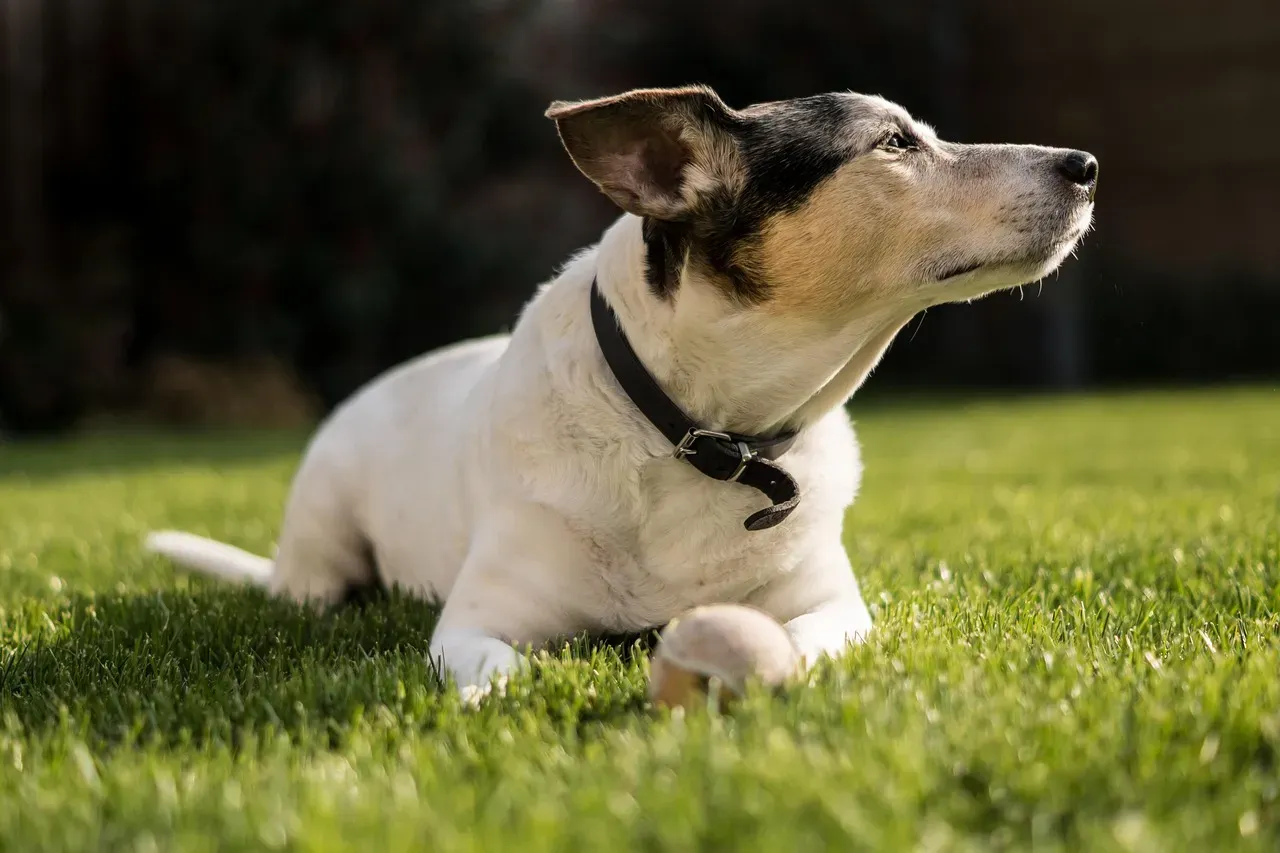
Jack Russell Terriers are small but incredibly energetic and intelligent, requiring significant mental and physical stimulation. Owners who are not prepared for their high energy levels and stubbornness often find themselves unable to cope, leading to abandonment. These dogs are also prone to behavioral issues if not properly trained, contributing to their presence in shelters. There is a particular irony in a nine-pound dog being too much dog for a grown adult, but here we are.
Jack Russells were originally bred for hunting, so they have a strong prey drive and need plenty of physical and mental stimulation. They can become hyperactive, destructive, or develop behavioral issues without enough exercise, and many end up in shelters because their owners aren’t prepared for their high energy levels. While they can be a handful, Jack Russells thrive in active households where they can burn off energy and stay mentally engaged. A tired Jack Russell is a manageable Jack Russell. An under-stimulated one will test every boundary in your home, gleefully.
18. Akita: A Deeply Loyal Dog Designed for the Wrong Owner
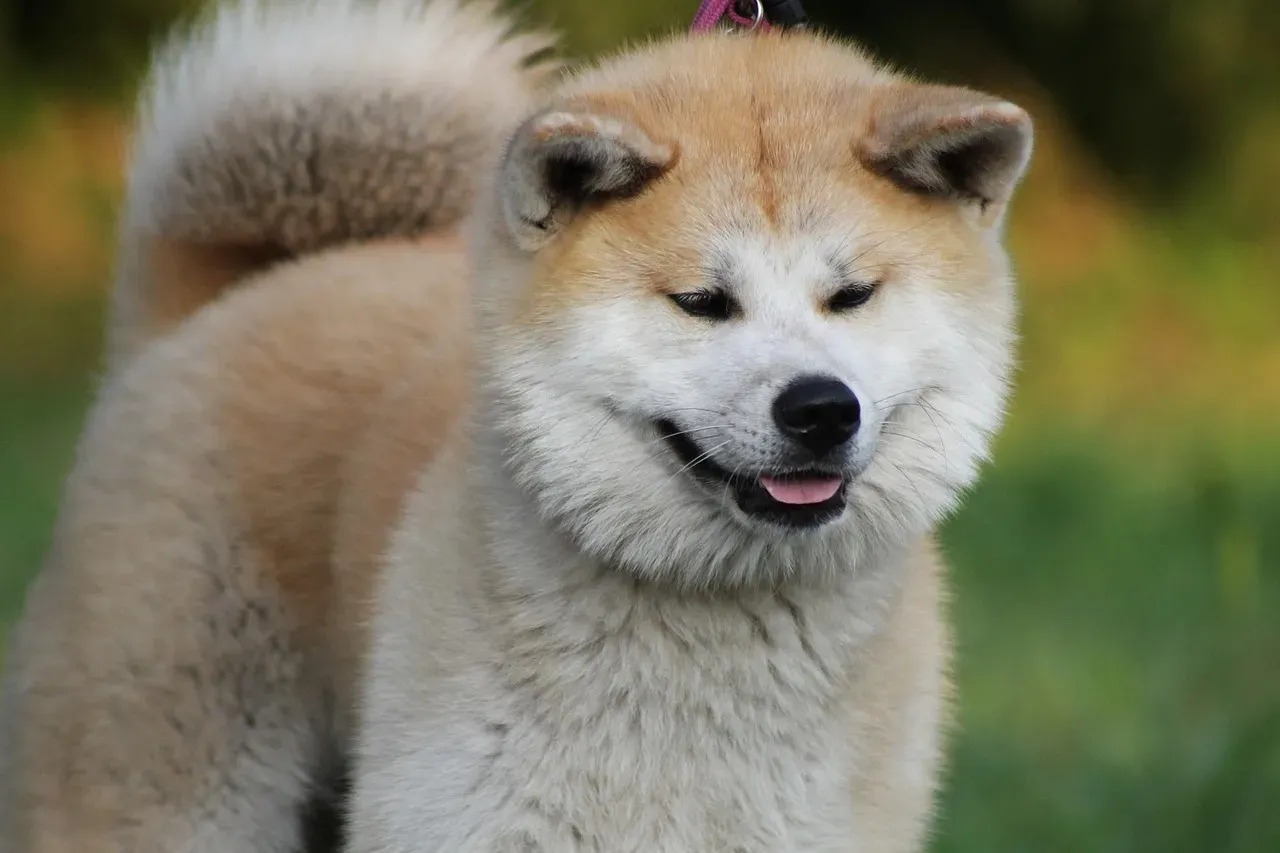
Akitas are large, powerful dogs known for their loyalty and protective instincts. While these traits make them excellent guardians, they can also lead to aggression and behavioral issues if not properly trained and socialized. Akitas require an experienced owner who can handle their strong-willed nature and provide consistent, firm training. Their independent streak and potential for dominance make them a challenging breed for first-time dog owners.
An Akita who hasn’t been properly socialized from puppyhood often becomes dog-reactive or suspicious of strangers, both of which make rehoming incredibly difficult. They bond with deep intensity to their family, which is beautiful in the right context and genuinely challenging during placement. If you’re adopting an Akita from a shelter, work with a trainer experienced in the breed from day one. Early structure, consistent boundaries, and patient, positive methods are the foundation for a thriving Akita. Given that foundation, they are quietly magnificent dogs.
19. Australian Cattle Dog: The Herder Who Never Clocks Off
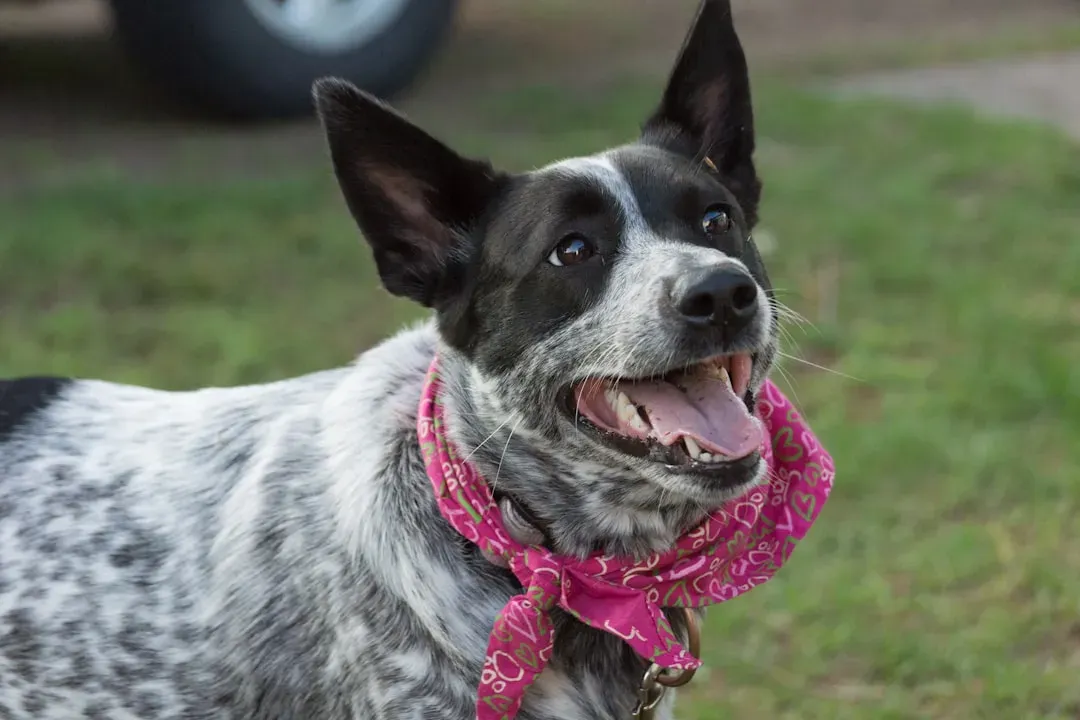
Shelters report Australian Cattle Dogs come to them for a consistent reason: the owner’s lack of understanding of their needs creates a bad fit for the family and dog. This beautiful breed makes families fall in love with their look, but that’s the least important part of this breed. Australian Cattle Dogs demand exercise and mental stimulation because their energy is off the charts, and they are usually best suited for very active families or those who live on a lot of land.
Every year, thousands of Australian Cattle Dogs find themselves homeless through no fault of their own. Although the reasons are diverse, the result is the same: healthy, adoptable dogs face euthanasia in shelters. These dogs will herd children, nip at heels instinctively, chase bikes, and problem-solve their way out of any enclosure you didn’t build with serious intention. In an active, rural, or working home, they’re extraordinary partners. In a quiet apartment with a nine-to-five schedule, they’re a daily crisis. Know which one you are before you fall for those striking speckled coats.
What You Can Do Right Now
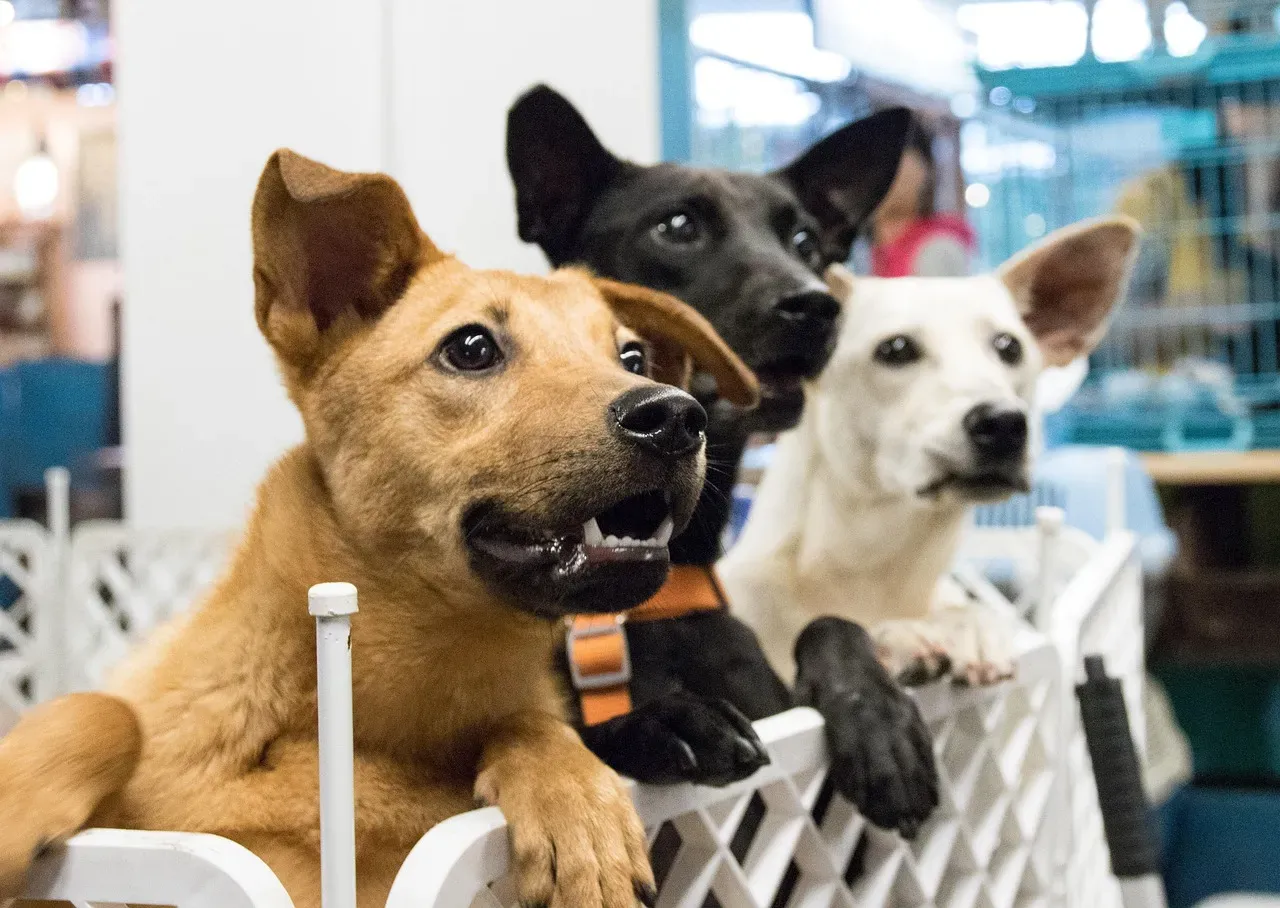
The issue of dogs ending up in shelters is complex, influenced by overbreeding, owner surrender, and changing life circumstances. While all breeds can find themselves in shelters, some are more commonly seen due to their popularity, specific breed traits, or misconceptions about their behavior. The trend continues with certain breeds frequently appearing in shelters, highlighting the need for responsible pet ownership and breed-specific education.
To set both dogs and families up for success, it’s critical for potential owners to do their research. Understanding breed characteristics and ensuring they align with your household is essential. Talk to trainers. Spend time with the breed before committing. Read beyond the cute pictures. Some breeds, especially working dogs, need a lot of exercise and mental stimulation to thrive. When pet parents aren’t fully aware of these needs or don’t have the time and energy, dogs can become bored, anxious, or even destructive, and often end up in shelters simply because their energy and attention requirements were not met.
If you already own one of these breeds and you’re struggling, please reach out before surrendering. A trainer, a vet, a breed-specific rescue, or even an online community of dedicated owners can help you find solutions you haven’t tried yet. Behavior challenges are one of the biggest reasons owners surrender dogs, but professional training, especially relationship-based programs, can prevent those issues from escalating.
The dogs in this article aren’t broken. They’re misunderstood, impulsively purchased, and often let down by a system that prioritizes cute photos over honest conversations about care. Every one of the 19 breeds on this list has the capacity to be a magnificent companion, given the right match, the right preparation, and someone willing to meet them where they are. That starts with knowledge, and knowledge starts exactly where you’re sitting right now.


