

There’s a quiet kind of grief that cat owners know well. It settles in before you’re ready, often before you’ve let yourself fully acknowledge what’s coming. Your cat, who has shared your mornings and your late nights, your couch cushions and your hardest days, starts to seem just a little different. Something is shifting. You can feel it, even when you can’t quite name it.
Cats are notoriously good at hiding their pain, which means this time can take us completely by surprise. The truth is, your cat is almost always communicating with you, right up to the very end. Learning to read those signals isn’t morbid. It’s one of the most loving things you can do for them.
The Quiet Retreat: When Your Cat Starts to Hide
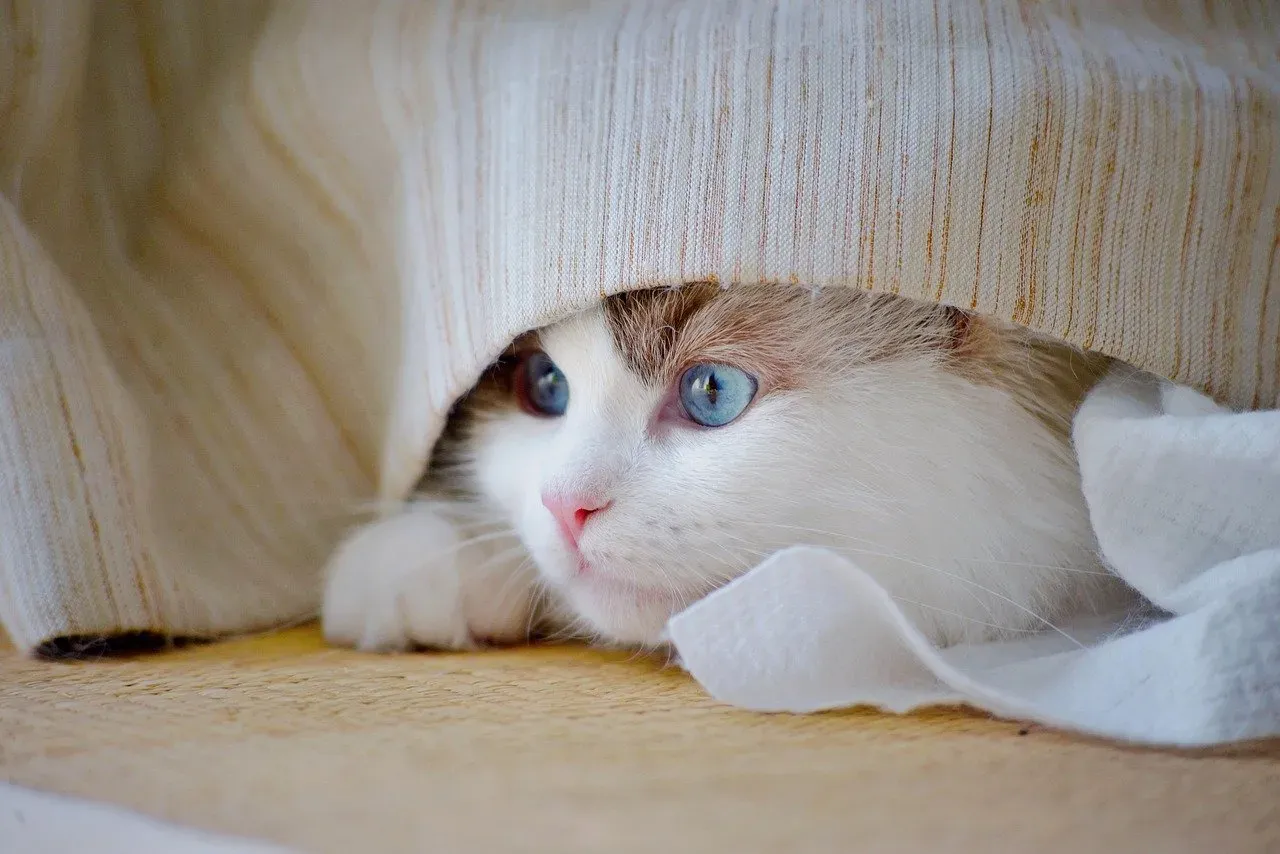
One of the most common signs a cat is dying is that they will try to find somewhere quiet to be on their own. This is a throwback to their days in the wild, when they knew it was safer to hide away from predators. It’s instinct, not rejection. Your cat isn’t pulling away from you out of anger or indifference.
Excessive hiding, hiding in unfamiliar settings, and refusing to come out even for positive routines like mealtimes are all red flags worth paying attention to. If a normally social cat suddenly wants nothing to do with the family living room, that’s meaningfully different from their usual afternoon nap under the bed.
Many cats will show sudden reclusiveness or will begin hiding from you most of the day when the end of life is near. Some cats are normally reclusive, so it’s important to pay attention to any changes in reclusiveness specifically. The key word here is change. Trust what you know about your individual cat, not just general patterns.
What you can do: Keep a mental note of your cat’s usual hiding spots and check on them gently throughout the day. Keep track of their hiding places so you can coax them out when it’s time to eat, and make sure they receive proper hydration. Respect their need for quiet, but don’t disappear on them entirely.
Loss of Appetite and Rapid Weight Loss
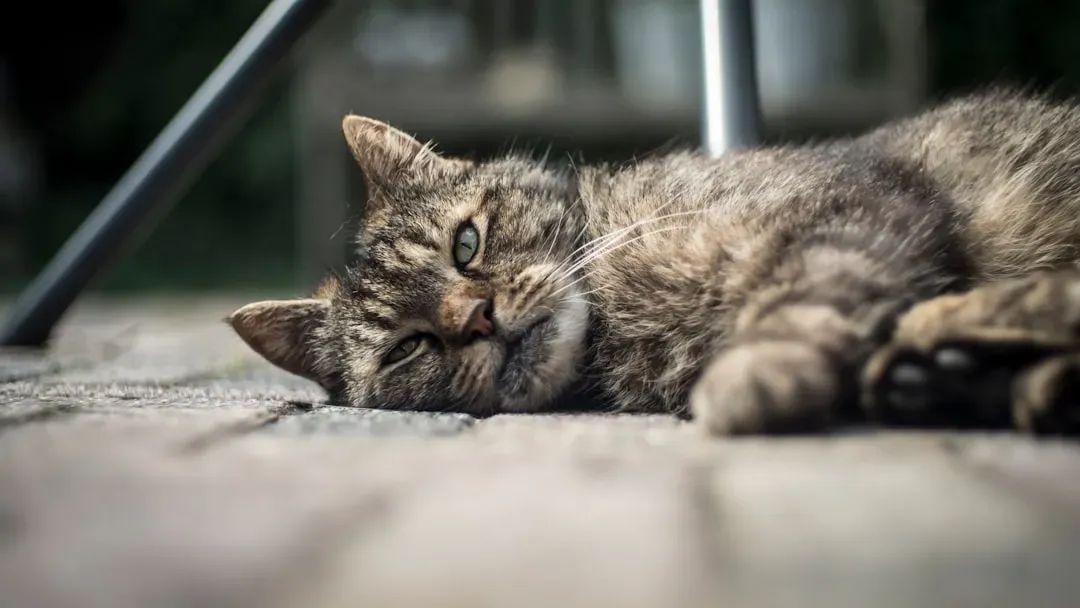
Loss of appetite is one of the first signs that a cat may be dying. However, many treatable conditions can also cause appetite loss, so it’s important to see a vet if your cat stops eating. This matters especially for younger or otherwise healthy cats. Not every loss of appetite signals the end, but it always signals something.
Cats lose muscle mass as the body’s ability to digest protein decreases, which is a normal part of aging. Some illnesses, such as hyperthyroidism, kidney disease and cancer, can also cause rapid weight loss in cats. In more advanced cases, some elderly or sick cats can become exceedingly thin, with their bones protruding beneath their skin. Cachexia is a type of excessive weight loss induced by cancer in which the rapidly proliferating cancer cells require so much energy that the body tears down its fat reserves and muscle for fuel.
Switching to canned food, warming up your kitty’s food, offering smaller meals more frequently or adding unsalted broth to their food might help stimulate their appetite. These small adjustments can make a real difference in your cat’s comfort and daily quality of life during this period.
Sick cats are also less likely to drink, resulting in dehydration. Watch the water bowl closely and consult your vet if you notice both eating and drinking have dropped off together. That combination is a clear signal to act sooner rather than later.
Changes in Grooming and Physical Appearance
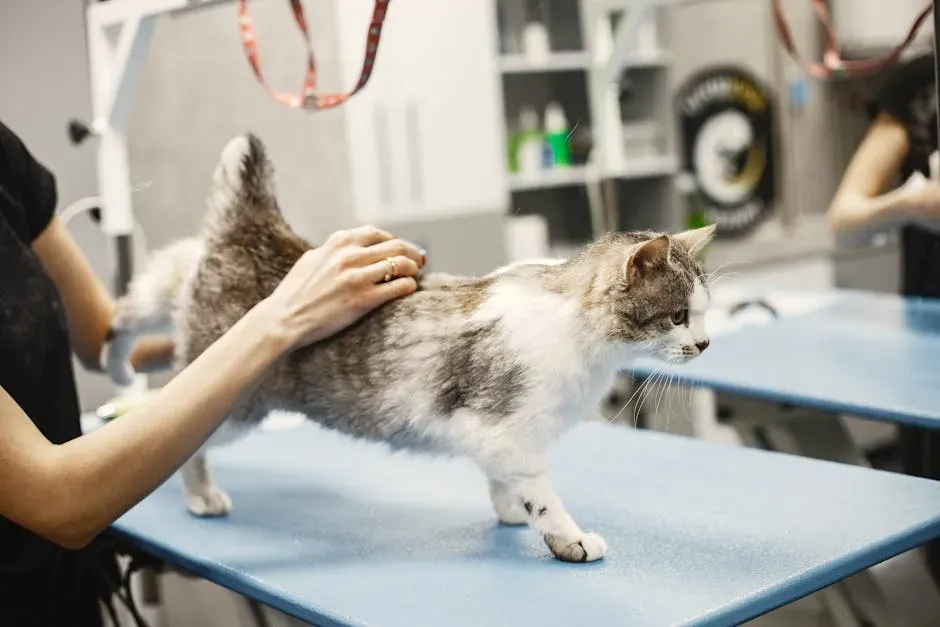
If your cat has lost interest in keeping themselves clean, this can be another clue that they’re reaching the end of their life. This also occurs due to pain and illness. Cats usually spend up to half of their waking hours grooming. You may notice your cat’s fur becoming dull and matted if they’ve stopped grooming themselves.
The skin microbiome of cats changes in the face of disease, causing dying cats to develop a matted or unkempt appearance as self-grooming decreases or stops entirely. For a species that takes such meticulous pride in its appearance, this is a striking departure. When your always-fastidious cat starts looking disheveled, their body is telling you it’s redirecting every available resource just to keep going.
Appearance changes can include dull, matted fur, urine or feces in their hair, dilated or glazed eyes, lack of blinking, and a “sunken” look. These physical changes aren’t vanity markers. They’re windows into how much energy and comfort your cat has left.
You can help by gently brushing or wiping them down with a soft, damp cloth. You can wrap your cat in comfortable blankets to maintain warmth as their body temperature drops. Cleaning and grooming are good ways to maximize comfort as well. It’s a small act of care that carries enormous meaning.
Behavioral Shifts: Clinginess, Confusion, and Unusual Vocalizations

Cats nearing the end of their life may have physical symptoms associated with underlying illnesses or old age. They will also show changes in their behavior, often becoming more reclusive, less active, or more affectionate. That last part surprises many people. A cat who has always been aloof can suddenly become a shadow, following their person from room to room.
Senior cats and cats nearing the end of life might develop cognitive dysfunction much like human dementia. They may forget where they are and feel lost in their own home. Confused cats might express their distress through yowling and other loud vocalizations. If your normally quiet cat starts crying out at night or meowing in a way you don’t recognize, this isn’t just an annoyance. It’s communication.
Dying cats may experience irritability and a heightened sense of vulnerability because of their pain or confusion about what’s happening to their bodies. A cat who suddenly bites or hisses when touched may not be being difficult. They may simply be hurting. One of the most disturbing changes in behavior when a cat is nearing the end of its life is sudden aggression. If the cat unexpectedly lashes out or bites while you are trying to pet it, it could be feeling quite a bit of pain.
Cats likely do not understand death as a concept, but they do sense physical changes when they’re ill or uncomfortable. Behavioral shifts like hiding, restlessness, appetite loss, or increased clinginess often reflect how a cat feels physically. In other words, your cat isn’t confused about dying. They’re responding to how their body actually feels.
Breathing Changes and Physical Deterioration in the Final Days
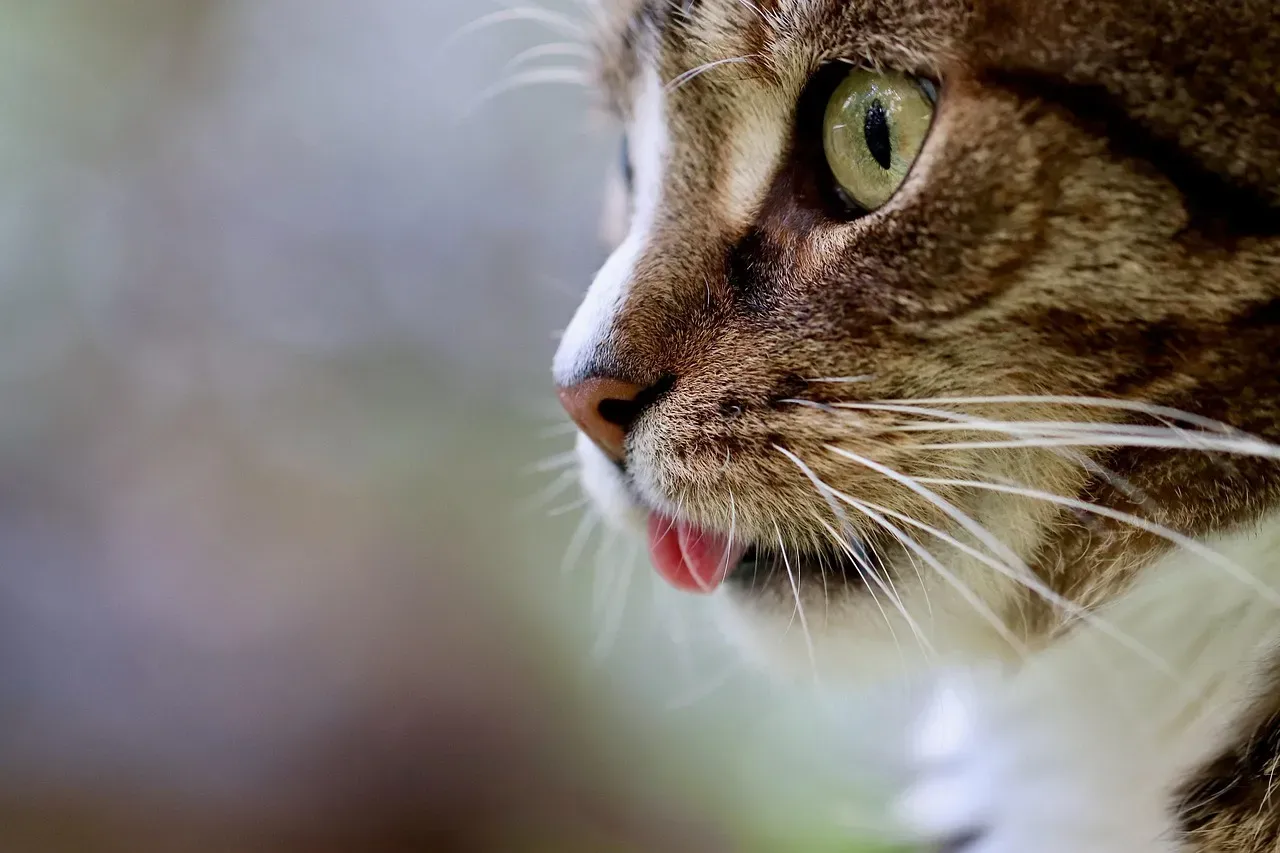
In the hours or days before death, cats typically experience a significant decrease in body temperature, irregular breathing patterns and lower blood pressure. They may also become very still or unresponsive to stimuli. These are signs that the body is winding down, and they tend to arrive more quickly than most owners expect.
Respiration is a key indicator of the active dying phase. Breathing may become shallow, labored, or irregular, with periods of rapid breathing followed by long pauses. You may also hear a “death rattle,” which is a crackling sound caused by fluid buildup in the throat and lungs. This can be deeply distressing to witness. Knowing what it means helps you stay present rather than panicking.
Physical signs that a cat is dying can include lethargy, weakness, incontinence, lack of appetite and weight loss, breathing difficulties, and a drop in body temperature. When several of these appear together, it’s time to contact your vet promptly. If your vet detects a terminal disease, they will speak to you about the next steps and help you develop an end-of-life plan for your pet. This might include treatment, hospice, palliative care, or humane euthanasia. Hospice and palliative care for cats may include medications, rehab therapy, and environmental changes to make their day-to-day activities more comfortable.
During their final hours, spend time with your cat. Stay by their side for as long as possible and talk to them. It’s important to speak to them in soothing tones, as your love and affection can make them comfortable. Your presence, more than anything else, is what they need most.
Conclusion: Listening Until the Very End
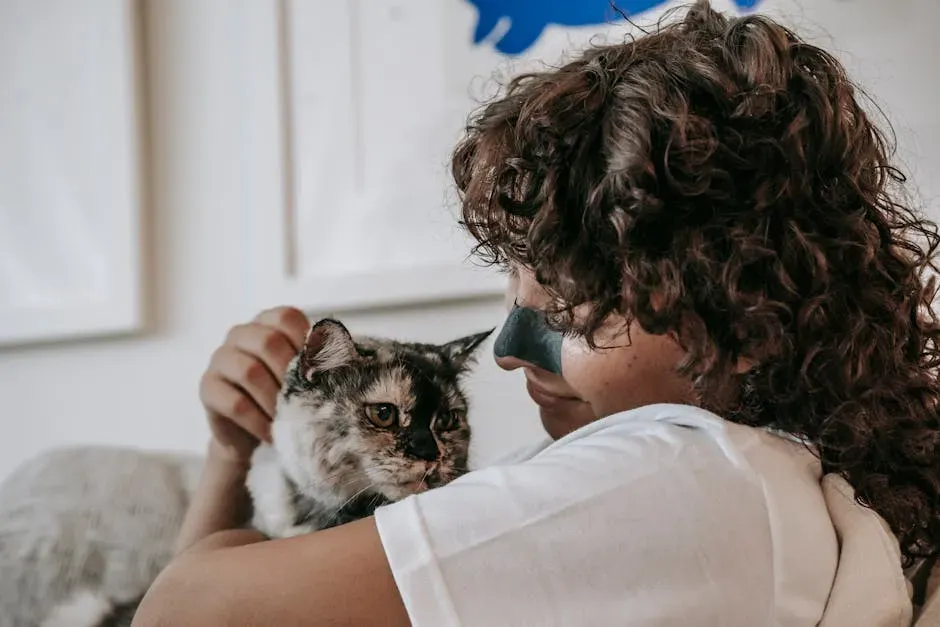
Losing a cat is a particular kind of heartache. They ask for so little and give back so much, and when they begin their quiet exit, it can feel like the world dims just a little. Recognizing the signs that your cat is dying isn’t easy, but with careful observation and attentive care, you can ensure that your feline friend has the best possible quality of life toward the end of their days. Knowing what physical symptoms and behavioral changes to look out for can help alert you when something might not be quite right with your pet, allowing you to seek professional help before it’s too late.
Speaking to a vet and familiarizing yourself with your cat’s behavior, appetite, drinking routine, and general sense of well-being is crucial so you can easily spot even subtle changes. A vet will advise and support you through this challenging time and ensure your kitty is comfortable for as long as possible before you need to make the hard decision to let them go peacefully.
The most important thing you can bring to these final days isn’t medical expertise. It’s attention. The same attention your cat has quietly paid to you for years. It is a last great kindness to give your pet, to let them go before they can suffer, and help them to pass over the rainbow bridge with dignity and compassion. That is, perhaps, the truest way to love them back.


