
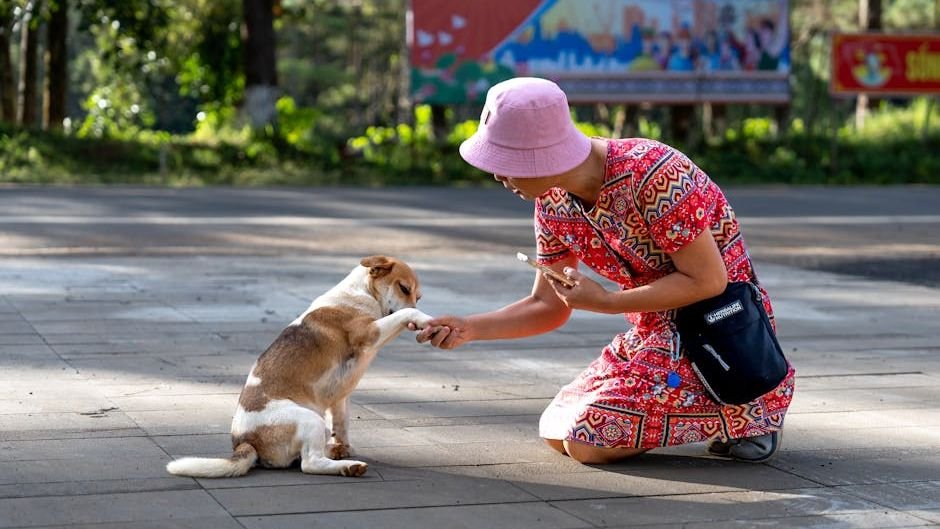
There’s a particular kind of quiet joy in realizing your dog hasn’t just learned to live with you – they’ve chosen you, deeply and completely. It happens gradually, through thousands of small moments: the morning routine, the evening walks, the days when nothing special happens except that you’re both there together.
Scientists frame this connection through attachment theory, originally developed to explain how human infants form bonds with their caregivers. What’s remarkable is how closely dogs mirror that same emotional architecture. The dog–owner relationship shows genuine similarities to the human caregiver–infant relationship, including behaviors like approaching, following, and clinging toward their owners.
The habits that follow aren’t tricks or trained responses. They’re quiet, consistent expressions of something genuine – the kind that only show up when a dog has truly decided you’re their person.
1. They Follow You Everywhere, Even to the Bathroom
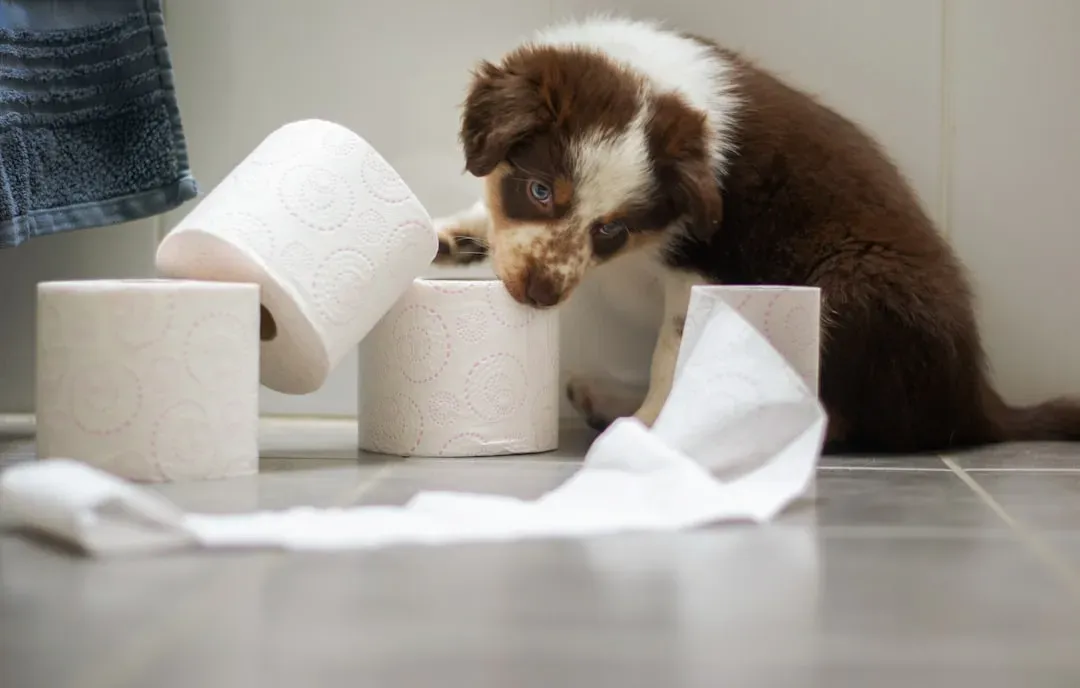
If your dog trails you from the kitchen to the living room, down the hallway, and yes, right through the bathroom door, you’re not imagining a clinginess problem. You’re witnessing loyalty in motion. If your dog follows you from room to room, waits by the door when you leave, or insists on being by your side while you go about mundane tasks, it’s a strong sign of attachment.
This following behavior reflects your dog’s deep bond with you – it’s their way of expressing trust. They rely on you for safety, comfort, and affection. Think of it as the canine version of wanting to spend time with someone you love.
That said, it’s worth keeping a gentle eye on the intensity. Sometimes following behavior can stem from separation anxiety. Dogs with strong attachments may get anxious when you’re out of sight, and training with positive reinforcement can help manage that anxiety. A healthy bond means your dog enjoys your company – not that they fall apart without it.
2. They Greet You Like You’ve Been Gone for Years
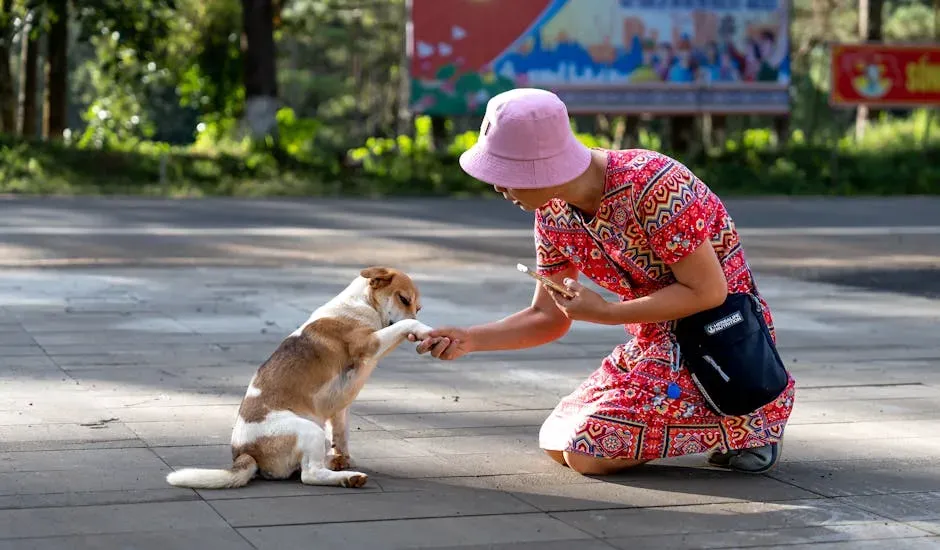
One of the most obvious signs your dog loves you is the enthusiastic greeting you get after being away, even if it’s just for a short time. It doesn’t matter if you stepped out for ten minutes. The homecoming is always a full production.
These greeting rituals suggest your pup wants to be close to you and that you have a good dog-human relationship. A dog who saves a specific wiggle, spin, or toy-grab just for you has learned that your arrival is meaningful and worth celebrating. Over time, many bonded dogs develop a personalized greeting style unique to their owner – something they don’t do for anyone else.
The reunion between a dog and their owner helps strengthen the bond, and because of this, greeting behaviors after separation help maintain and promote the quality of the relationship. So lean into it. That enthusiastic hello is genuinely good for both of you.
3. They Make Soft, Lingering Eye Contact
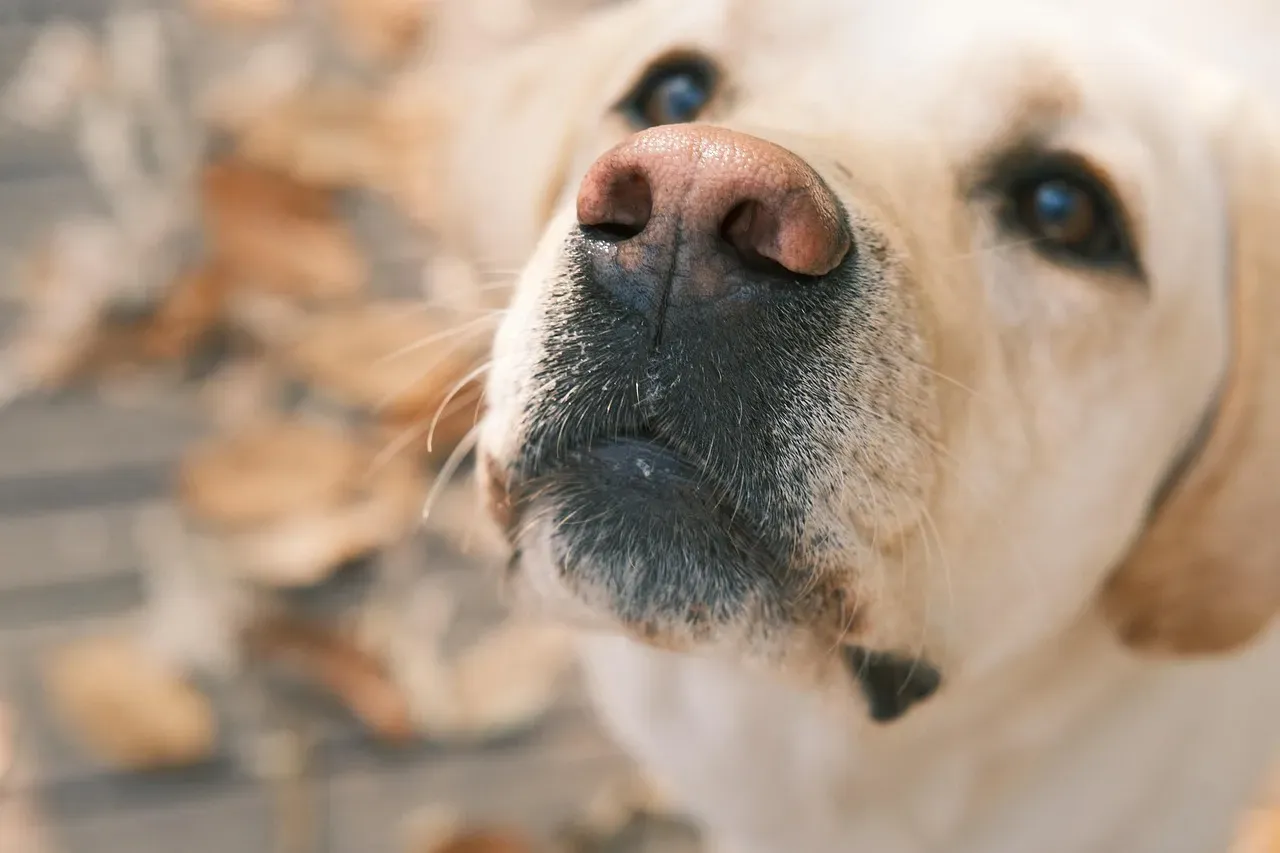
There’s a difference between a dog staring at a treat and a dog gazing at you with soft, half-closed eyes. The second one is something else entirely. Dogs that are emotionally attached to their owners tend to maintain eye contact, looking at them with soft, relaxed eyes.
Eye contact isn’t just a sign of a strong bond – it’s also a way to create and improve that bond. Research shows that dogs who gaze at their owners show elevated levels of oxytocin, the “love hormone,” and owners experience raised oxytocin levels as well. Gazing at each other starts a feedback cycle of love and attachment.
The practical takeaway is straightforward: when your dog holds your gaze gently, hold it back. A few seconds of calm mutual eye contact is, quite literally, a biological exchange of affection. It costs nothing and means everything to them.
4. They Sleep Near You or Choose Your Side of the Room
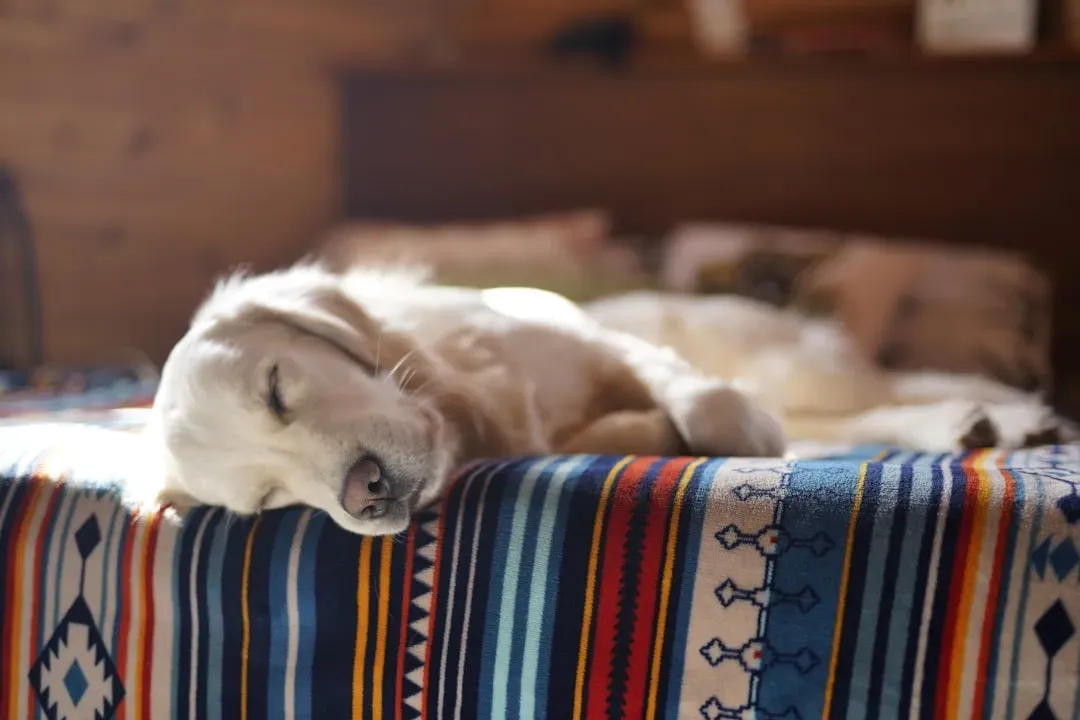
Dogs are at their most vulnerable when they sleep. That’s precisely why where they choose to rest tells you so much. Sleep is when dogs are most vulnerable – if your dog sleeps deeply near you, it means they feel completely safe.
If your pup desires to sleep next to you, it’s no accident. It’s a sign of dog attachment to an owner. Sleeping close offers warmth, familiarity, and safety – and when a dog chooses that spot consistently, it often means your presence helps them fully relax.
In the wild, dogs sleep close to their pack for safety and warmth. At home, a bonded dog prefers to sleep where you are, even if it’s just near your bedroom door. This behavior reinforces their desire to be close to you. If your dog rearranges themselves to face your direction at night, consider that a quiet compliment.
5. They Bring You Their Favorite Toy
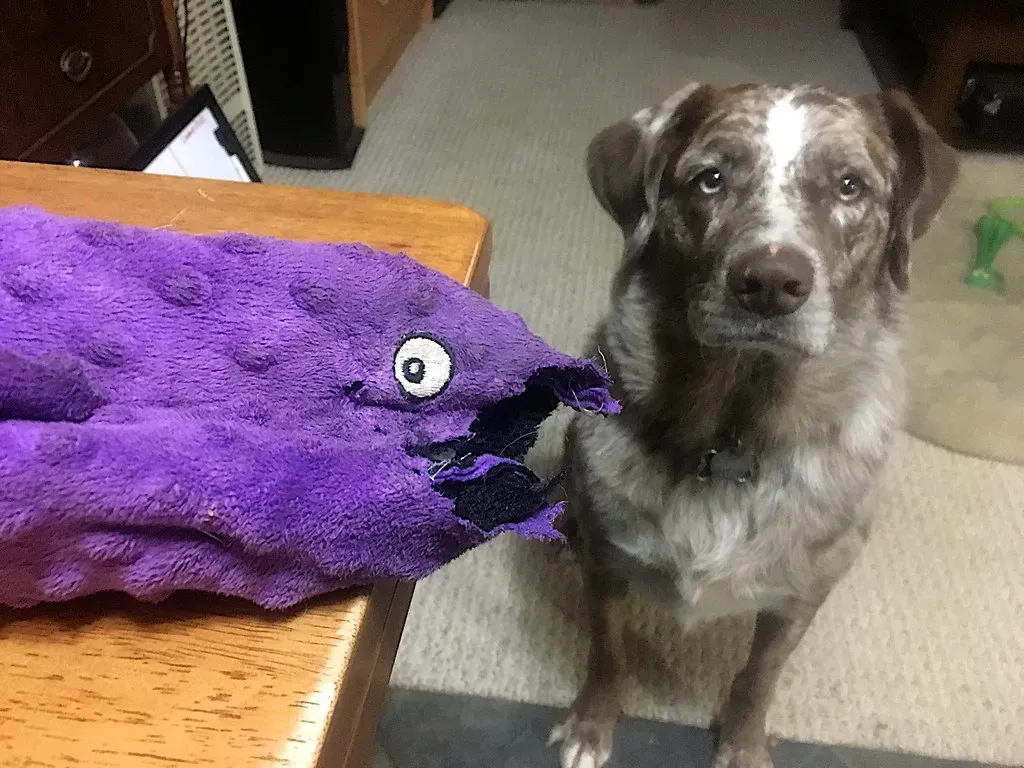
When a dog drops a soggy tennis ball or a squeaky banana into your lap, they’re not just asking you to play. They’re sharing something precious. Dogs don’t share toys with just anyone – offering you their prized possession is a sign of trust and affection.
Dogs may express affection by bringing you items, whether a favorite toy, a found object, or even a sock. This behavior is rooted in their natural instincts. For some dogs it’s an invitation to play, but for deeply bonded dogs, it can simply be a form of gift-giving – a canine love language.
Respond warmly when this happens, even if you don’t want to play. Accepting the toy, acknowledging the gesture, and giving a moment of your attention reinforces the bond rather than dismissing it. Your dog is, in their own way, saying they want to share their world with you.
6. They Lean Into You or Rest Their Head on You
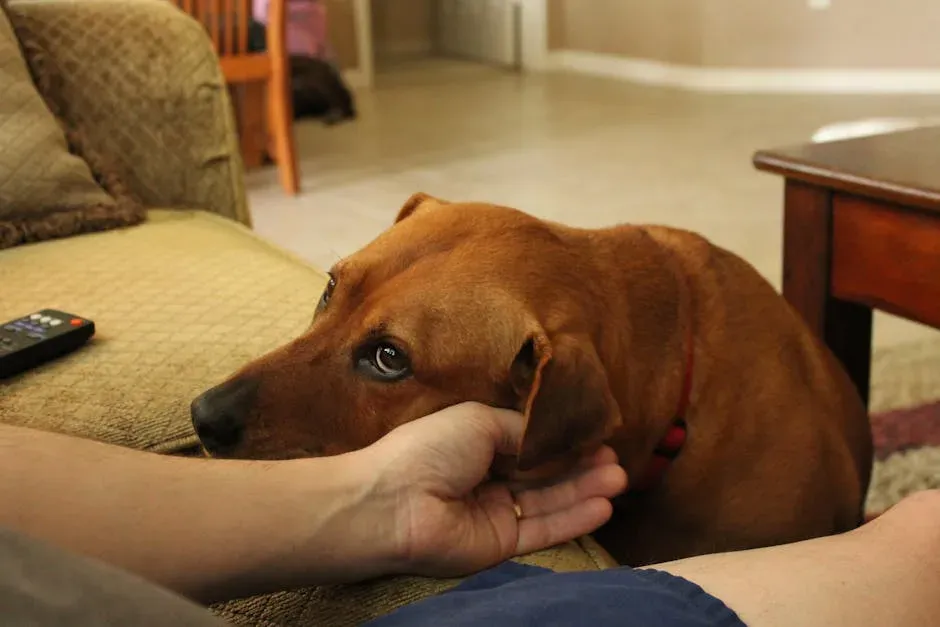
Physical closeness is currency in the dog world. Physical closeness is a major sign of trust. Dogs lean on people they feel secure with, and this behavior shows your dog sees you as a source of comfort.
A bonded dog may lean against you, nuzzle you, or rest their head on your lap. This physical closeness is a clear sign of attachment. It’s a habit that develops over time as a dog learns they don’t need to be alert around you – they can simply be still.
Pay attention to how your dog positions their body during these moments. A relaxed jaw, soft ears, and a heavy lean are all good signs. They tend to be more relaxed and comfortable when you’re around, which you can observe in their body language – it will be loose and not tense. When the body says safe, the bond is real.
7. They Mirror Your Energy and Emotions
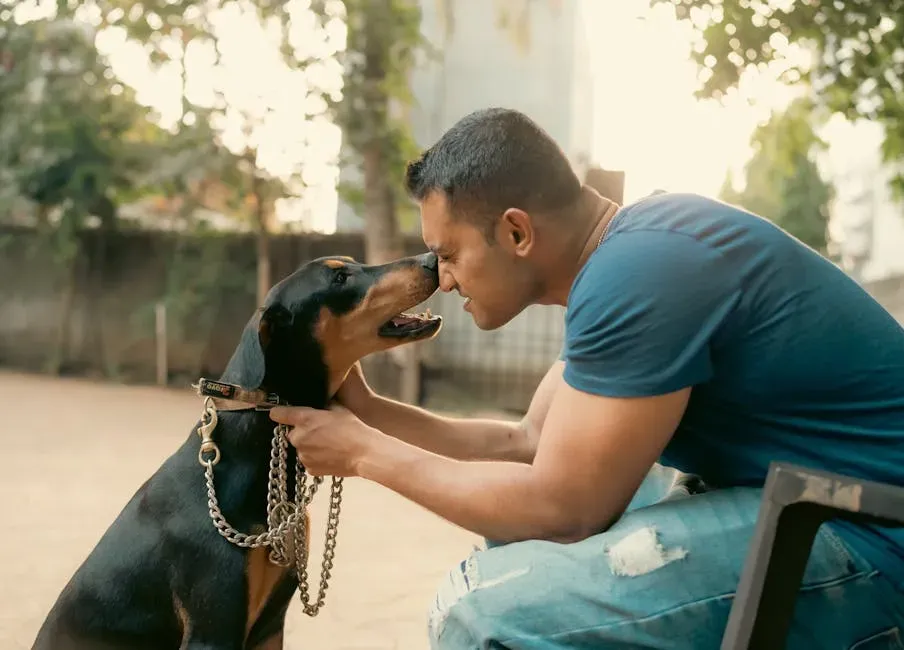
You’ve probably noticed it: you slump on the couch feeling low, and your dog is suddenly quieter, closer, more attentive. You get excited about something and they’re instantly spinning circles. This isn’t coincidence. Bonded dogs are tuned into your emotional state – if you’re feeling sad, anxious, or excited, and your dog reacts accordingly, that indicates a deep-rooted connection.
When your dog starts copying your movements, like sitting when you sit or relaxing when you do, it’s a sweet sign your dog is bonding with you. Dogs naturally sync with people they feel connected to. It’s an almost unconscious attunement that builds up quietly over months and years of shared life.
As your bond grows stronger, your dog begins to pick up on your body language and personality traits. If you’re an overly anxious person, your pup may start exhibiting similar anxious behaviors, and the same goes if you’re a bubbly, cheerful person. It’s a two-way influence – which is also a gentle reminder to take care of your own emotional wellbeing around your dog.
8. They Check In With You on Walks and in New Places
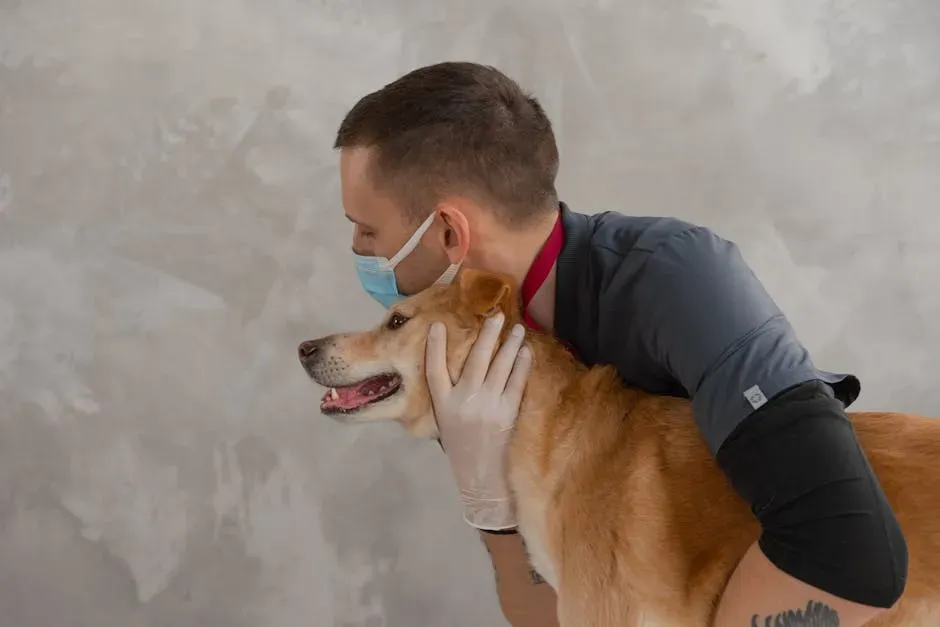
A deeply bonded dog doesn’t just run ahead and disappear during a walk. They loop back. They glance over their shoulder. During walks in parks or neighborhoods, a bonded dog will often look back at you – it’s a subtle but powerful sign of a dog bonding with its owner.
This behavior has a name in behavioral science. The safe haven effect describes when a canine more freely explores novel objects in the caretaker’s presence. Your dog can be curious and adventurous precisely because they know you’re nearby. You’re the anchor that makes exploration feel safe.
In times of stress – like thunderstorms, loud noises, or new situations – a dog that comes directly to you for safety and reassurance is displaying trust and attachment. This behavior shows they see you as a source of security. When your dog checks in mid-adventure, they’re not being timid. They’re being bonded.
9. They Curl Up With Your Belongings When You’re Away
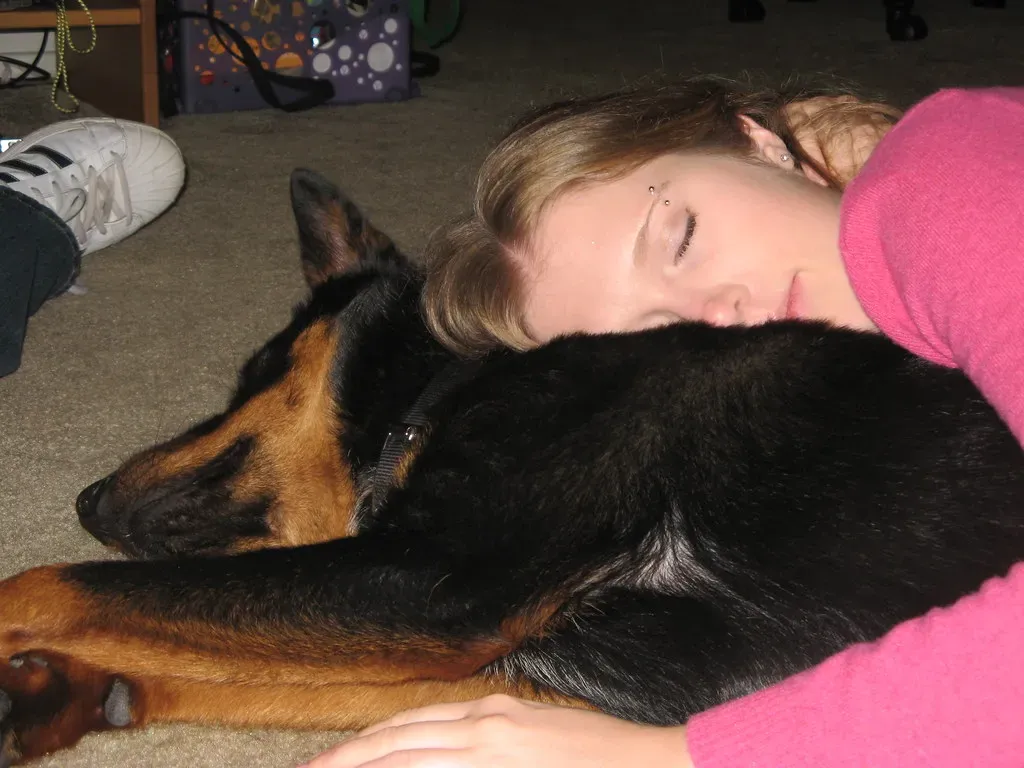
Come home to find your dog napping on your unwashed sweater or curled up beside your shoes? That’s not random. Dogs who are attached to their owners are also very attached to their scent, and may snuggle up with their belongings – particularly extra-stinky ones like clothing and shoes. From a dog’s perspective, scent is one of their primary means of communication, and your belongings communicate home, attachment, and love.
Scent is how dogs navigate the world, and your particular scent is deeply associated with comfort and safety. When you’re not home, your smell on an old shirt can genuinely soothe them. It’s one of the most tender habits a bonded dog develops, quiet and private and entirely for themselves.
One caveat worth noting: if your dog hoards your dirty laundry or destroys your favorite pair of slippers, they may be exhibiting signs of separation anxiety rather than simple affection. Destructive behavior around your belongings, combined with pacing or excessive vocalization, is worth addressing with a trainer or veterinarian.
10. They Seek You Out for Reassurance in Uncertain Moments
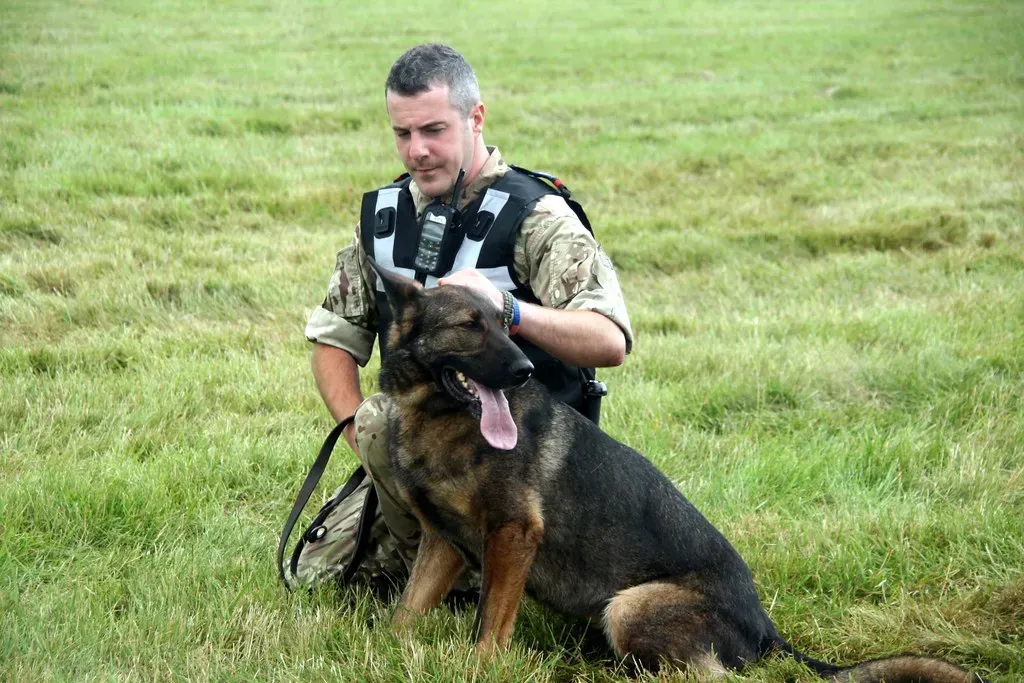
A loud car backfire. A stranger at the door. A new place with unfamiliar smells. Watch where your dog goes in those moments. If your dog encounters something new or potentially scary, they may seek you out for reassurance, looking to you for guidance and comfort.
Dogs develop attachment bonds with humans that allow them to interact securely with their environment in the presence of the owner and show less distress in response to threatening events. That instinct to find you first – not a stranger, not another dog – is one of the clearest signals of a life-long bond.
The primary attachment figure becomes the puppy’s secure base – the reference point from which the puppy explores and to which it returns for comfort or regulation. Even in adult dogs, this doesn’t change. You remain the safe place, and every time they come to you in a moment of uncertainty, they’re renewing a choice they made long ago.
The Bond That Grows Quietly Over Time
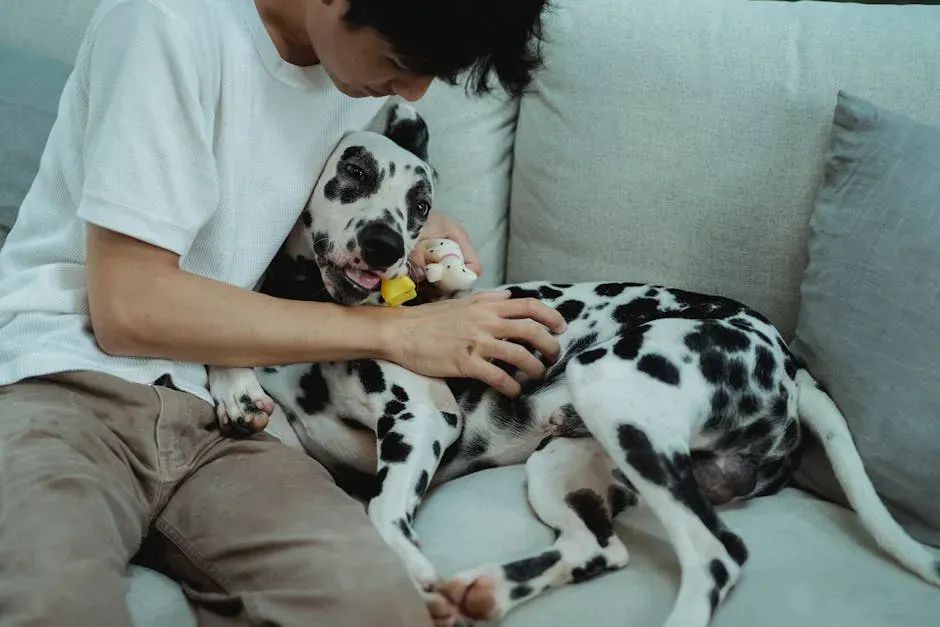
The human-dog bond is a deep emotional connection built on trust, affection, and consistent care. Dogs are naturally social animals, and when they feel safe and loved, they form strong attachments to their owners. None of the habits in this list require anything extraordinary from you.
Research shows that dogs form strong social bonds with their owners similar to the bonds seen in human relationships. These bonds are built through daily interactions, positive reinforcement, and shared activities. It’s the ordinary, repeated moments that accumulate into something unbreakable.
If your dog suddenly becomes distant or stops showing affection, it could indicate a health issue worth discussing with your vet. Changes in bonding behavior are worth paying attention to, not dismissing. A dog who pulls away may be hurting in ways they can’t tell you directly.
The truth is, the habits your dog forms are not grand gestures. They’re the soft gaze across a quiet room. The weight of a head on your knee. The small dog-shaped shadow that follows you down the hall every single morning. Notice them. They’re the whole story.


