
Texas is a state that doesn’t do anything halfway. The summers are blazing, the landscapes stretch on forever, and the lifestyle ranges from downtown high-rise living to wide-open ranch country. All of that shapes what it means to own a dog here. Choosing the right breed isn’t just about looks or personality. It’s a real quality-of-life decision for your dog, and getting it right makes the difference between a thriving pup and one that’s constantly struggling with the heat, boredom, or a space that just doesn’t fit.
In Texas, dogs are not just pets. They are part of the family and an integral part of the lifestyle, and the most popular breeds in the state reflect its diverse needs, from bustling city streets in Houston to sprawling ranches in the Hill Country. With that in mind, here are the ten the Lone Star State, covering everything from temperament and heat tolerance to health and practical care tips.
1. Labrador Retriever: Texas’s All-Purpose Family Dog
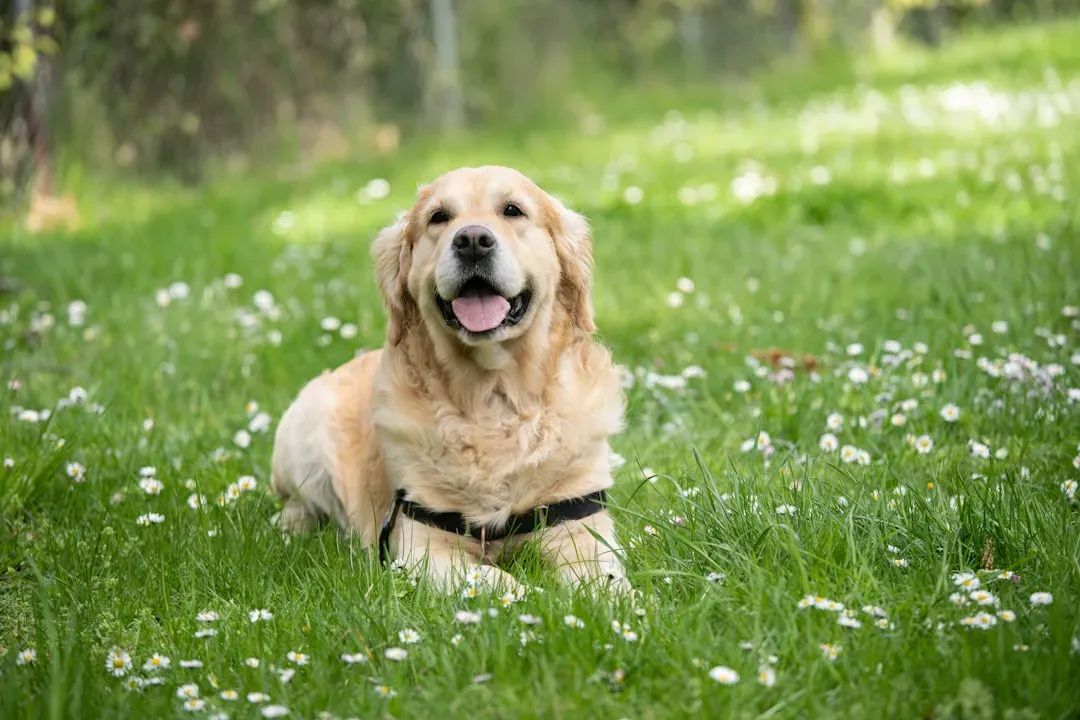
If there’s one breed that shows up everywhere across Texas, from apartment complexes in Austin to lakefront homes outside Dallas, it’s the Labrador Retriever. The Labrador Retriever has been America’s favorite dog breed for many years, and Texas is no exception. Known for their friendly nature and high energy, Labs are perfect for active families and those who love the outdoors, and their ability to adapt to various environments makes them ideal companions for both rural and urban Texans.
Labs are a special mix of toughness and playfulness that can thrive in both cold and hot temperatures, and they’re good swimmers who love a pool or a lake. That water-loving instinct is genuinely useful in a Texas summer. Still, Labrador Retrievers are often mistaken for being more heat-tolerant due to their short coats, but their dense fur and lack of sweat glands make them prone to overheating. Walk them early in the morning or after sundown, keep fresh water accessible at all times, and never leave them in a parked car, even for a moment.
2. Blue Lacy: The Heartbeat of Texas in Dog Form
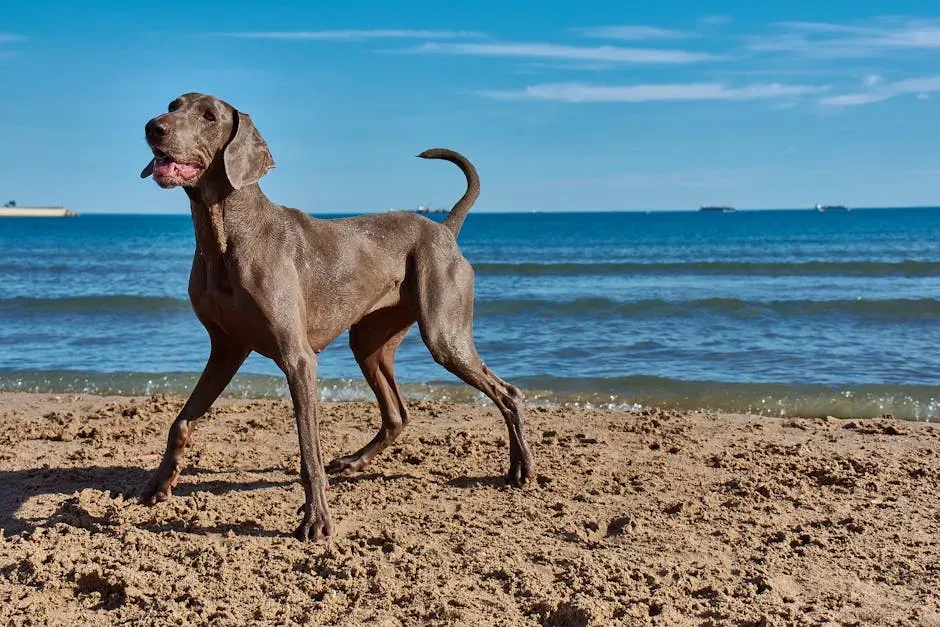
No list about Texas dogs is complete without the Blue Lacy. This is the state’s own breed, born and built for the Texas landscape. The Blue Lacy is a working dog that originated in Texas in the mid-19th century, first recognized in 2001 by the Texas Senate, and officially designated as the State Dog Breed of Texas when Governor Rick Perry signed the legislation in June 2005.
Blue Lacy Dogs are intelligent, intense, active, and alert. Developed to be both hunting and herding dogs, they display great drive and determination to work with big game and control difficult livestock. Lacys are generally very healthy dogs, with some known to be 16 years old and still working, and they are sturdy enough to withstand tough terrain, difficult working conditions, and both hot and cold Texas weather. Watch for skin issues and food allergies, which are the most commonly noted health concerns in the breed. This dog thrives with a job to do, so if you’re a rancher, hunter, or seriously active owner, this is your dog.
3. Golden Retriever: Sunshine and Patience in One Dog
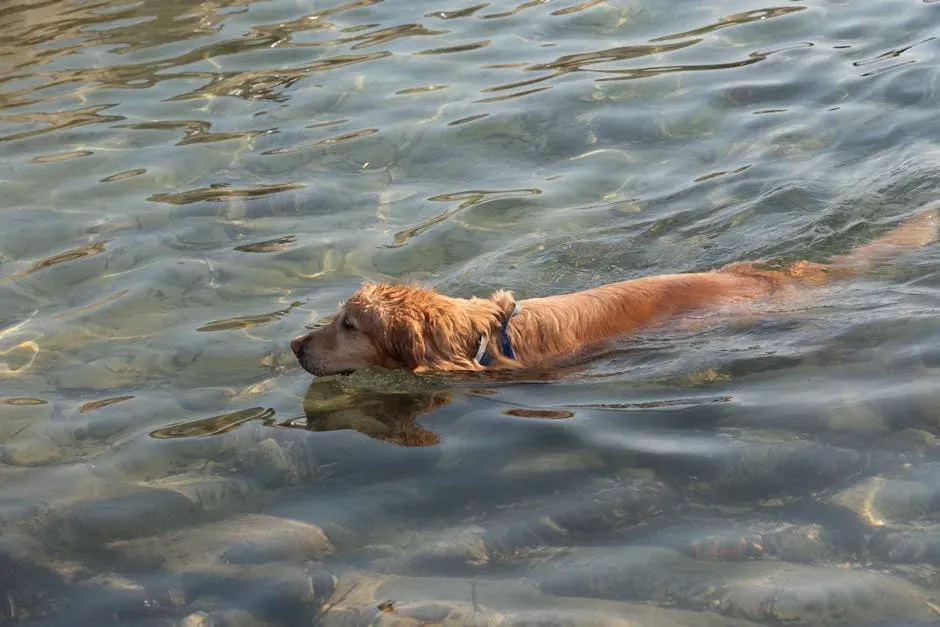
Golden Retrievers bring a warmth that somehow matches even the Texas sun. They’re consistently beloved by families across the state for their easy temperament and adaptability. Golden Retrievers also love swimming and are smart and social dogs who will survive the Texas heat. That swimming instinct is a blessing during hot months, and a backyard splash pad or regular trips to the lake will keep a Golden genuinely happy.
Goldens are patient with children, gentle with older family members, and forgiving of first-time dog owners who are still figuring things out. Their thick double coat does require regular brushing, especially as Texas summers arrive, since loose undercoat trapped close to the skin can increase discomfort. Labradors and Golden Retrievers are great for first-time owners due to their trainable nature and friendly disposition. If your household includes kids of various ages and you want a dog that fits all of them, the Golden Retriever earns its place at the top of the list.
4. Australian Cattle Dog: Built for Texas Ranch Life
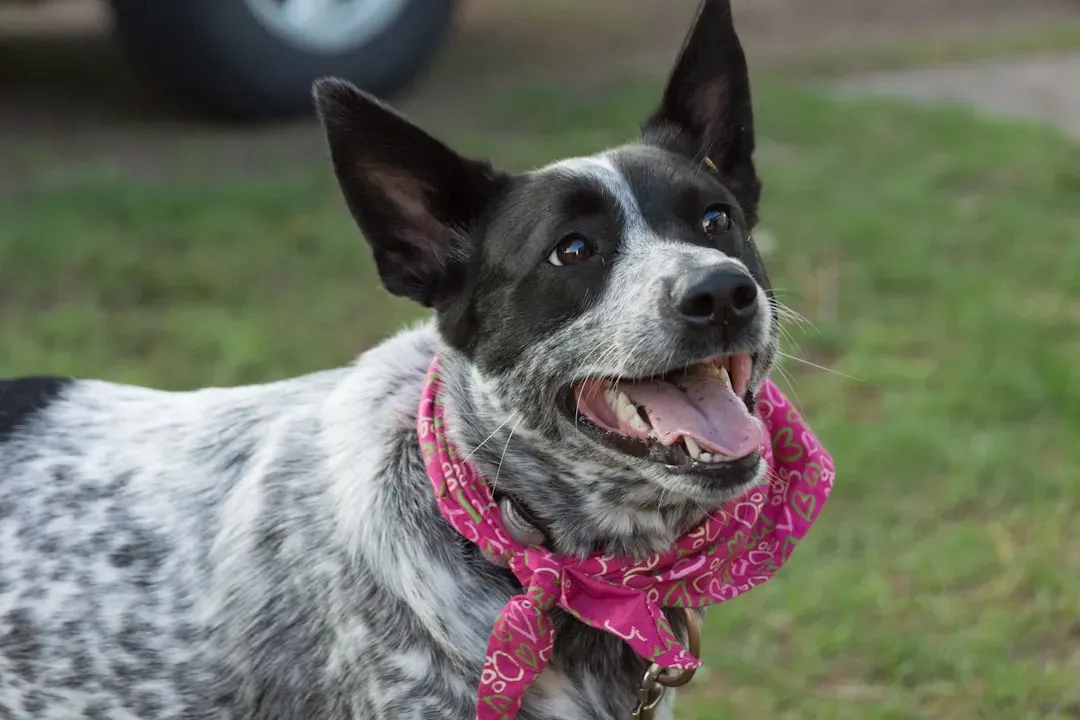
Few breeds are more naturally suited to the Texas environment than the Australian Cattle Dog, also known as the Blue Heeler or Red Heeler. Bred for endurance in hot, arid environments, Australian Cattle Dogs are perfect for active owners, their coats help dissipate heat, making them well-suited for warm climates, and they are ideal for outdoor enthusiasts who need a vigorous and intelligent companion for activities like hiking or running.
Australian Cattle Dogs have a short, weather-resistant coat that can handle a variety of climates including hot ones, they are highly energetic and thrive in active environments, and they are intelligent and robust, making them well-suited for working or active families. One behavioral cue to watch for: Cattle Dogs are herding breeds, and without adequate mental stimulation, they can redirect that drive toward herding children or chasing other pets. Daily exercise and regular training sessions are non-negotiable with this breed. Give them a purpose, and they’ll give you everything they have.
5. German Shepherd: Loyalty at Canine Level
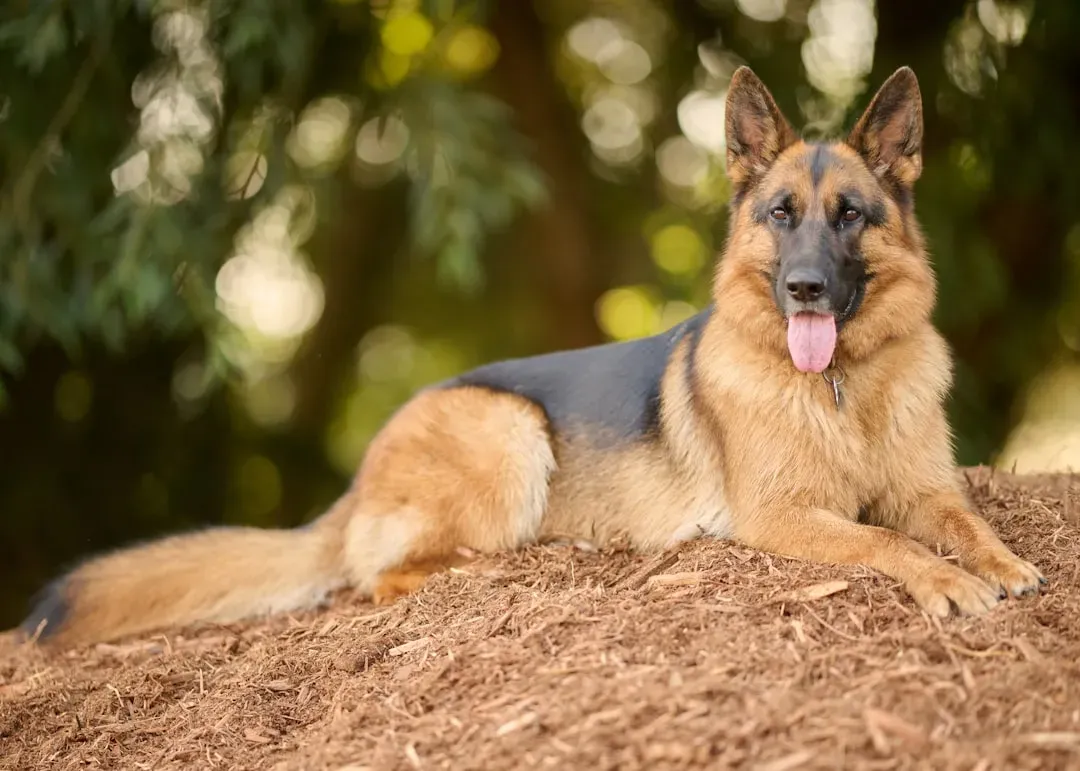
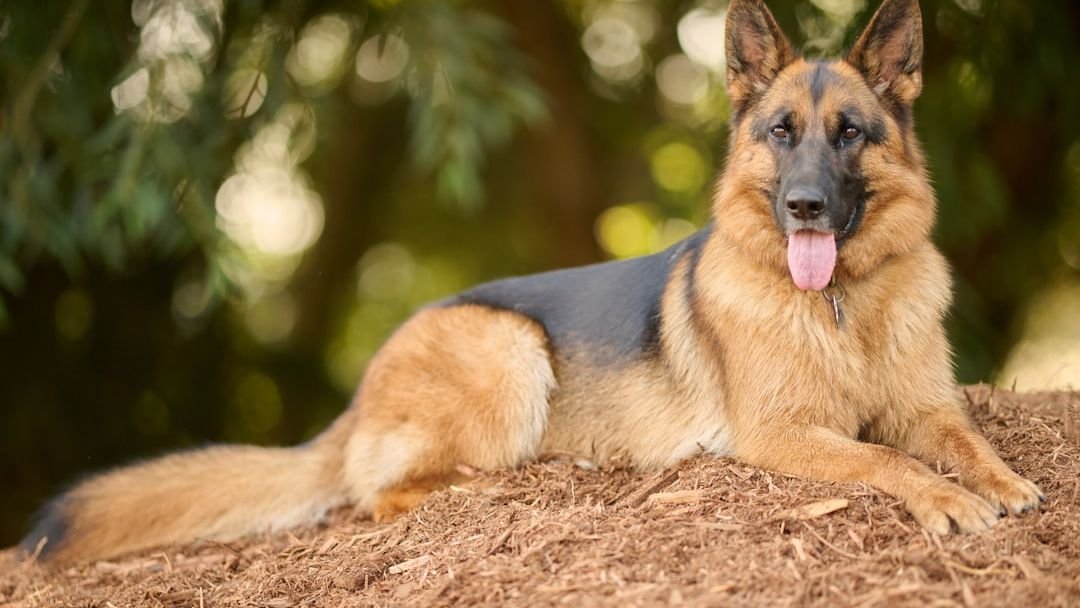
German Shepherds are a natural fit for Texas families who want a dog that’s protective, highly intelligent, and emotionally bonded to its people. Dogs with longer snouts like German Shepherds have better airflow and more efficient panting, making them more adaptable to hot conditions. That physical advantage gives them an edge over many breeds in warm weather, though they still need shade, hydration, and rest during peak heat.
German Shepherds might require more experienced handling due to their strong protective instincts. This is a breed that thrives with consistent training and a calm but confident owner. Socialization from puppyhood is critical. Expose your German Shepherd early and often to different people, environments, and animals so that their natural protectiveness stays well-calibrated. Watch for hip dysplasia as they age, which is the most common health concern in the breed. Regular vet check-ups and maintaining a healthy weight go a long way in preventing joint problems down the road.
6. Beagle: The Curious Companion for Any Texas Lifestyle
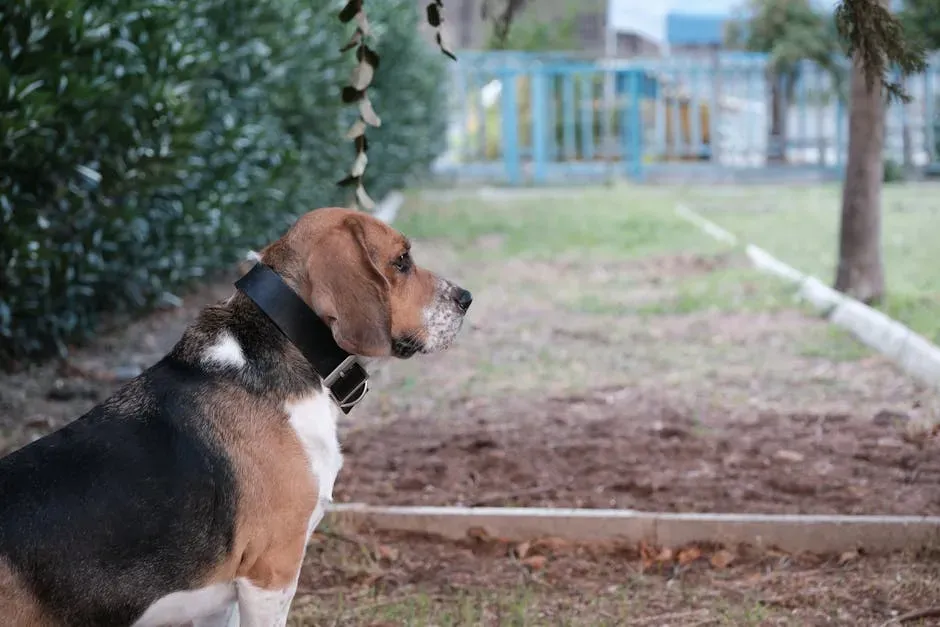
Beagles might not be the first breed you think of for Texas, but they hold up remarkably well here. They’re sturdy, adaptable, and genuinely enthusiastic about life. Beagles are small, compact, and full of adventure, ideal for families who enjoy outdoor activities, and their keen sense of smell and tracking instincts make them excellent hunting companions, especially in the wooded areas of East Texas.
Their short coat handles the Texas heat reasonably well, and their moderate exercise needs make them a good match for suburban families who don’t have acres of land. That nose, though, is something to plan around. A Beagle that catches an interesting scent can become single-minded in its pursuit, so secure fencing and leash discipline are important from day one. Health-wise, watch their weight carefully. Beagles are enthusiastic eaters and prone to obesity if food is left freely available. Measured meals and daily walks are the simplest prevention.
7. Australian Shepherd: Energy and Intelligence in the Texas Suburbs
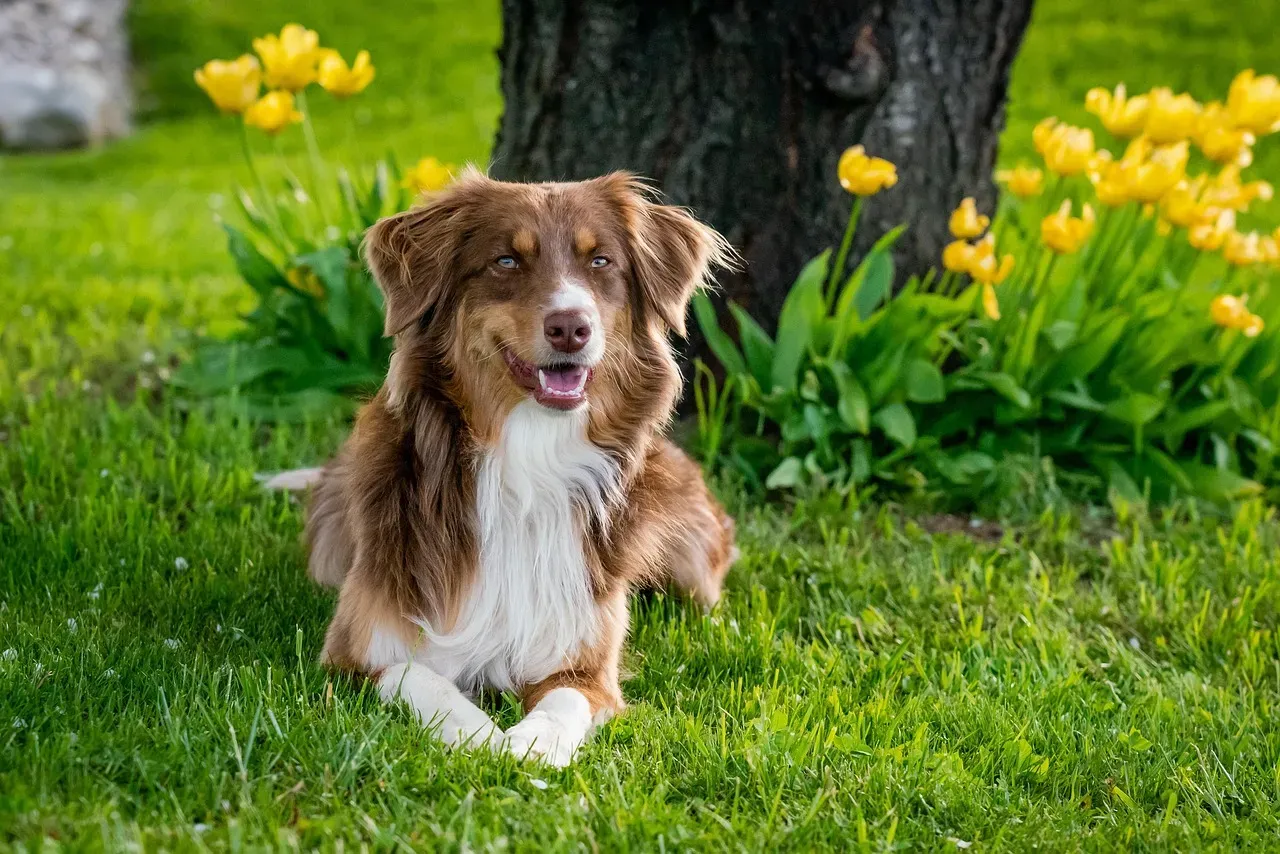
Don’t let the name fool you. The Australian Shepherd was largely developed in the American West, and it feels right at home in Texas. The Australian Shepherd is a natural fit for Texas, with its history of ranching and rodeo culture. Aussies are highly intelligent and energetic, excelling in herding and agility activities, and their versatility as working dogs and family pets makes them popular among Texans who appreciate a dog that can transition from work to play.
Australian Shepherds are known for their intelligence and agility and are great hiking companions, with the stamina to keep up on long trails and an eagerness to please their owners. Their medium-length coat requires regular brushing, particularly during Texas’s seasonal transitions when shedding increases. Aussies need mental challenges as much as physical ones. Puzzle feeders, training games, and agility work keep their sharp minds engaged. A bored Aussie will find ways to entertain itself that you probably won’t appreciate.
8. Rhodesian Ridgeback: Africa’s Heat Dog Finds a Texas Home
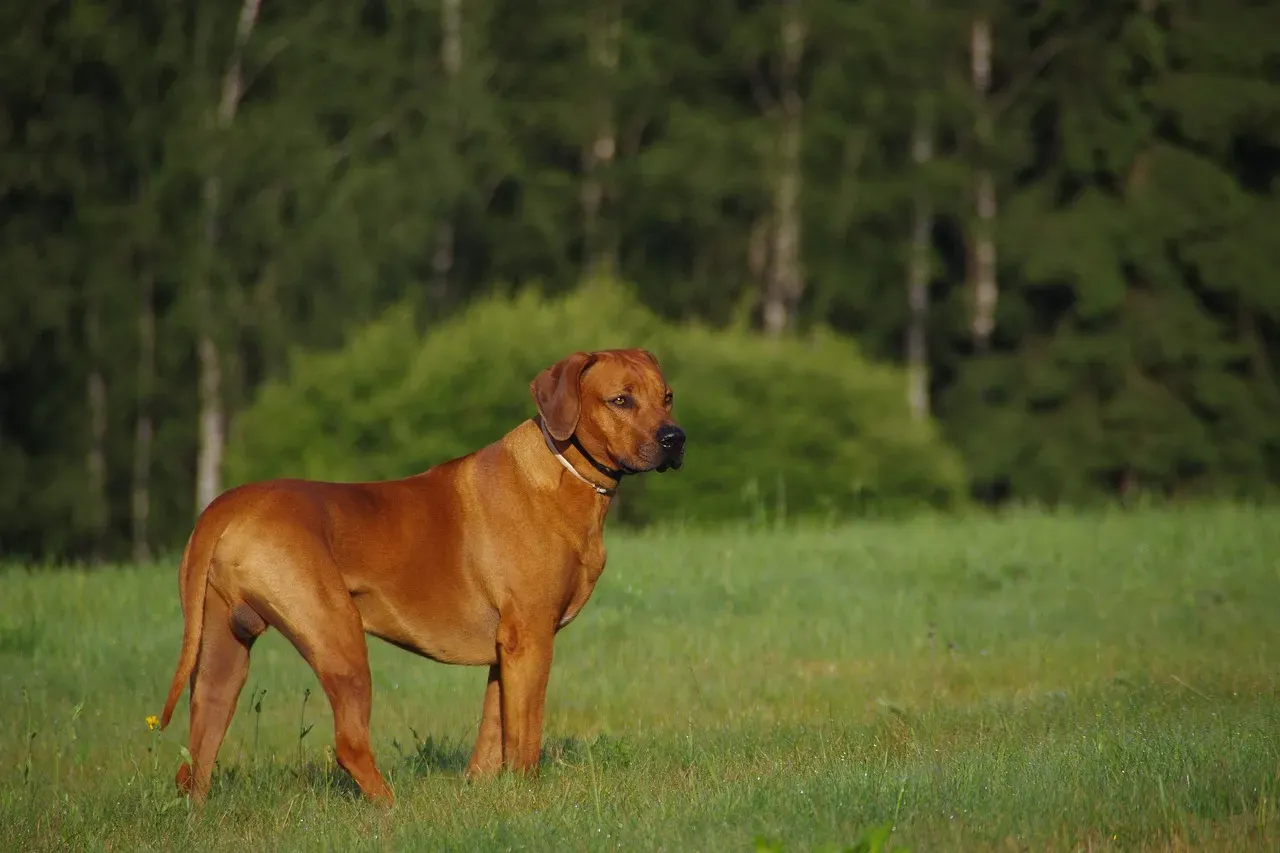
The Rhodesian Ridgeback is perhaps the most instinctively heat-adapted breed on this list, and that makes it a compelling choice for Texas. Rhodesian Ridgebacks, originally bred in Africa, are well-adapted to hot climates, their short, sleek coat and strong, muscular build make them well-suited for warmer temperatures, and they are known for their endurance and protective nature, making them excellent family dogs.
Ridgebacks are calm and loyal within the home but confident and alert outdoors, which appeals to Texans looking for a breed that can double as a family protector. They’re not an apartment breed. They need space to stretch and a moderate amount of daily exercise to stay mentally balanced. Despite their heat tolerance, they should have access to plenty of water and avoid prolonged exposure to the sun. One behavioral note: Ridgebacks can be independent-minded and benefit from early, consistent obedience training. Start young, be patient, and you’ll have an impressively steady companion.
9. Yorkshire Terrier: Small Dog, Big Texas Heart
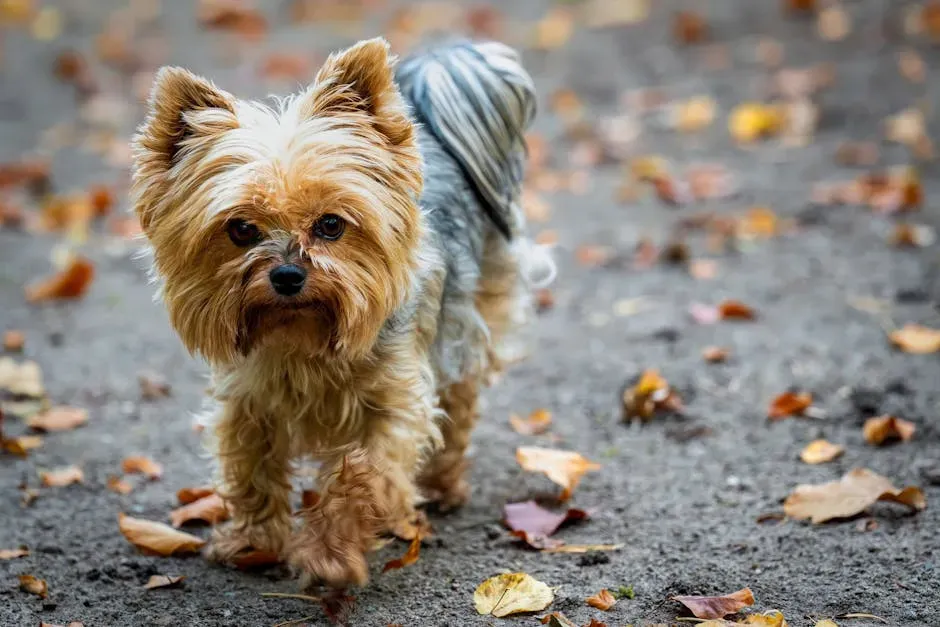
Not every Texan has a ranch. Plenty of dog lovers live in condos in San Antonio, townhouses in Fort Worth, or apartments in Houston. For them, the Yorkshire Terrier is a surprisingly capable companion. Yorkshire Terriers have found a special place in the hearts of Texans, particularly those in urban settings, their small size makes them ideal for apartment living, their spirited personality ensures they’re never dull companions, and their adaptability and minimal exercise needs make them perfect for the busy Texan lifestyle.
Yorkies are feisty, affectionate, and surprisingly bold for their size. They do require regular grooming since their silky coats grow continuously and can mat quickly in humid conditions. In the Texas heat, keep their walks brief during midday, and be mindful that their small body size means they can overheat faster than larger breeds. Dogs with shorter coats tend to be more heat-tolerant, as short coats allow for better heat dissipation and minimize the risk of overheating. Keeping a Yorkie’s coat trimmed in summer is a simple, practical step that makes a real difference.
10. Basenji: The Quiet, Low-Maintenance Texan
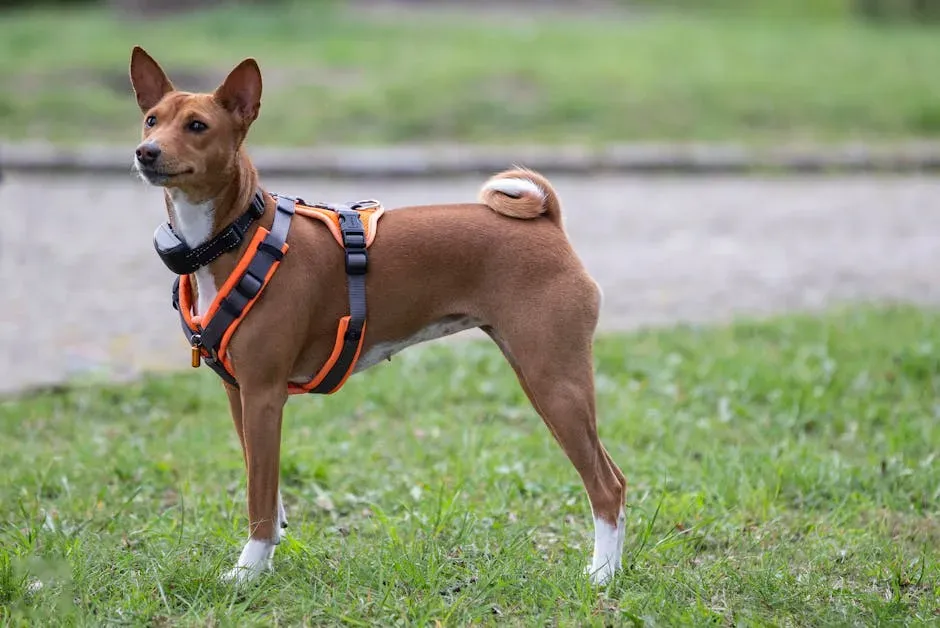
The Basenji is one of the more underrated choices for Texas living, but it checks a lot of boxes that Texas conditions demand. The Basenji is an ancient breed known for its unique appearance and heat tolerance, originating from Central Africa where temperatures can soar, with a short, fine coat that helps it stay cool, a small to medium size and slender build that aids in heat dissipation, and they are active, intelligent, and known for their cat-like grooming habits which keep their coat in good condition.
Originating from central Africa, Basenjis are known as the “barkless” dogs due to their unique larynx, and their short coat and lean body make them well-suited for hot climates. That low-noise quality is a genuine perk for anyone living in a community with close neighbors. They’re not completely silent, but they’re far quieter than most breeds. Basenjis can be stubborn and are not the easiest to train, and they need consistent, patient training and secure fencing to manage their strong prey drive and curiosity. Experienced dog owners will appreciate their independence. First-time owners should be prepared for a dog that thinks for itself, but rewards that patience with deep loyalty.
Conclusion: Choosing the Right Dog for Your Texas Life
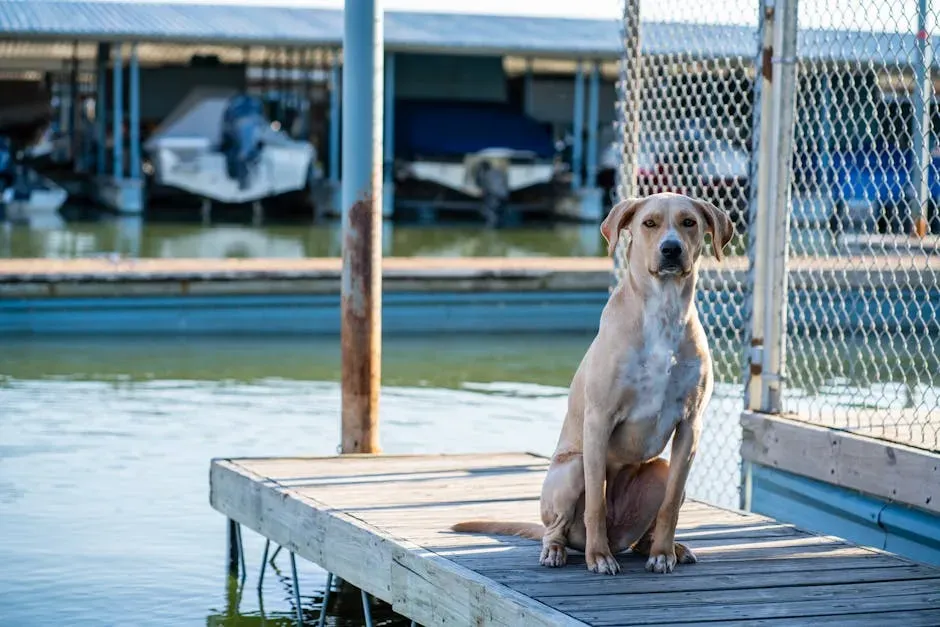
Texas rewards the right match between dog and owner more than almost any other state. The climate asks something real of every dog that lives here, and if you’re considering welcoming a new dog to the family, it’s crucial to choose a breed that can handle the heat, and by keeping the local climate in mind when selecting a breed, you can ensure a better match between your lifestyle and your new companion.
No matter which breed you choose from this list, a few universal Texas rules apply. To prevent your pet from overheating, avoid the midday sun and exercise during the early morning or evening hours. Always check the pavement temperature before walks. During the day, pavement and blacktop absorb the sun’s rays and heat to dangerously hot temperatures that can burn your pet’s sensitive paw pads, and before you head out, place the back of your hand on the sidewalk. If you can’t comfortably leave your hand there for 5 to 10 seconds, it’s too hot for your pet’s paws.
The right dog doesn’t just survive Texas. With the right care and the right match, they genuinely thrive here. That’s the goal, and it’s entirely within reach for any dog owner who starts with knowledge and follows through with love.


