
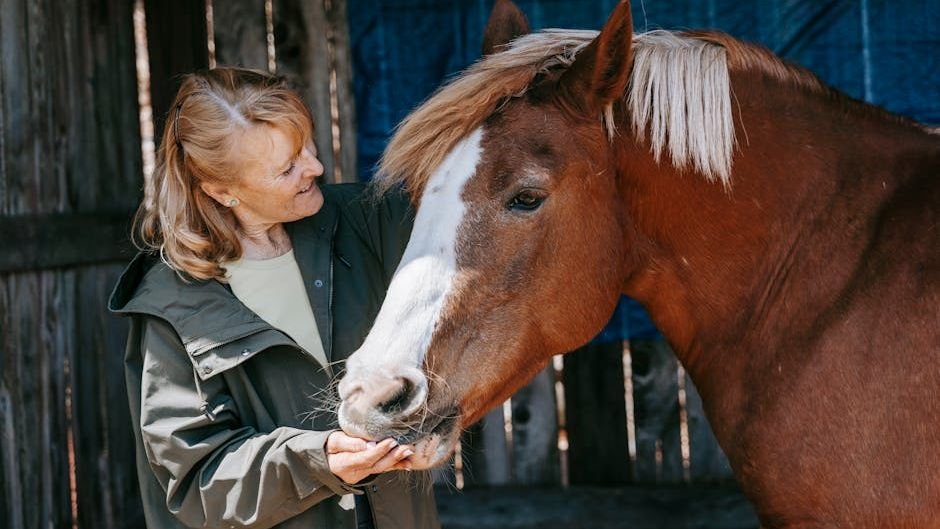
There’s a particular kind of silence between a person and a horse that doesn’t need filling. No words, no commands. Just two living things learning to read each other. If you’ve felt it, you already know it’s unlike anything else. If you haven’t yet, these ten moments will show you exactly where to look.
Horses frequently form strong, measurable bonds with owners and regular handlers. Those bonds are built on social instincts, learning, and repeated positive interactions, and they affect behavior, performance, and welfare. That means every day you spend with your horse is an opportunity. The question is whether you’re recognizing those moments when they happen.
1. The First Time Your Horse Chooses to Come to You
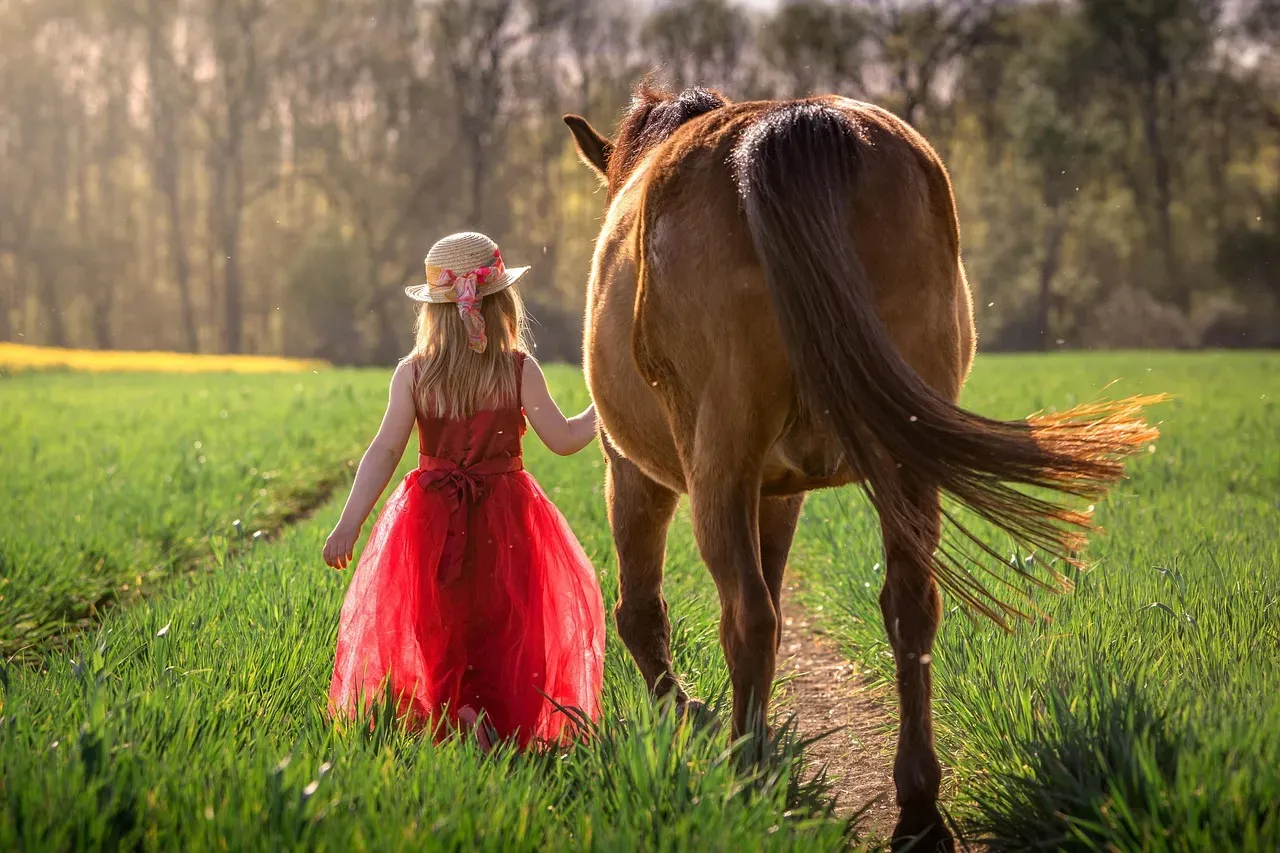
Picture this: you walk to the pasture gate without a treat in hand, no lead rope visible, and your horse lifts their head and walks toward you anyway. That’s not a small thing. When your horse willingly walks up to you in the pasture without needing to be caught, they’re choosing to be with you. They’re not being bribed by treats or forced by a halter. This voluntary approach is one of the purest signs of affection and trust.
This moment rarely happens overnight. Trust between a horse and a human isn’t built in a single session or cemented by a single gesture. It accumulates slowly, through consistent handling, calm presence, and a willingness to pay attention to what the horse is actually communicating. Horses bond with us because we’ve proven ourselves trustworthy, patient, and understanding. So when that voluntary approach finally happens, honor it. Don’t rush past it toward a task. Stand with your horse for a moment and let the choice mean something.
2. The Quiet Magic of Your First Real Grooming Session
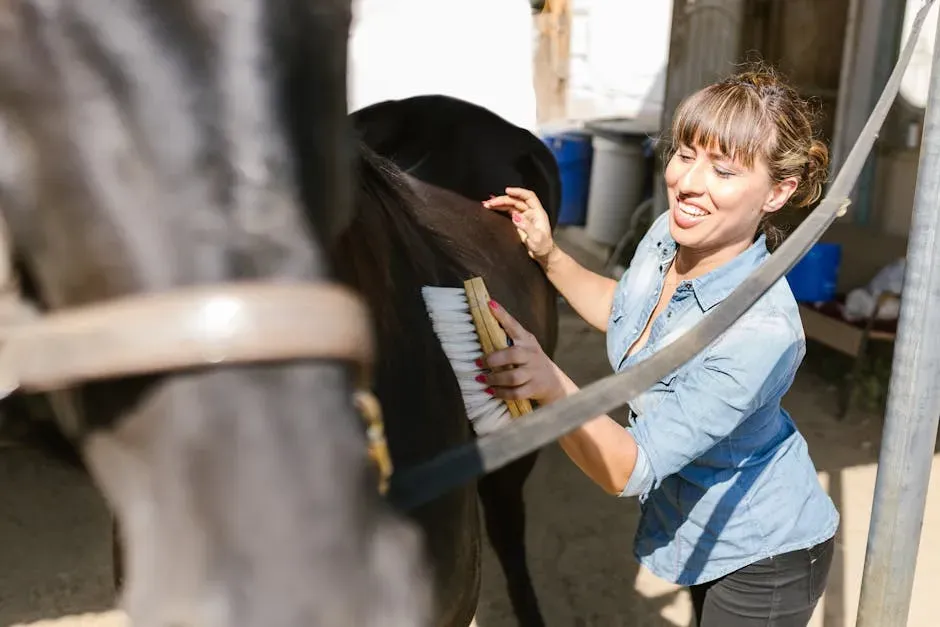
Grooming can be overlooked or perceived as a necessity reserved only for immediately before riding begins. In fact, grooming can be one of the simplest moments of connection and communication with your horse. Most riders tack up quickly and get to work, missing the entire relational window that grooming opens. Slow down. Notice where your horse leans into the brush and where they tense up.
One of the most powerful ways to build this bond is through touch. Grooming isn’t just about cleanliness; it’s about communication. As your hands move across your horse’s body, you’re speaking a language of reassurance. Pay attention to your horse’s physical responses too. Tight skin, a tucked tail, or ears pinned back during grooming can signal soreness or discomfort that deserves follow-up with a vet. A horse who sighs, drops their head, or softens their eye is telling you they feel safe.
3. When You Navigate Something Scary Together
Horses are prey animals with strong self-preservation instincts. A horse that remains calm with you during potentially frightening situations, like veterinary procedures, loud noises, or unfamiliar environments, is displaying remarkable trust. Every time you guide your horse past a flapping tarp, a barking dog, or a puddle that apparently contains a monster, you’re making a deposit in the trust bank.
Recent research has shown that horses who feel securely bonded to their human handlers are less likely to exhibit flight responses. In a 2021 study published in Animals, horses exposed to novel objects were significantly less reactive and showed reduced heart rate variability when accompanied by a familiar and trusted human partner. Your calm energy is contagious in the best way. When practicing challenging situations, make sure to stay calm. Horses sense anxiety in their owners no matter the situation.
4. The Moment a Rescue Horse Reaches Out to You First
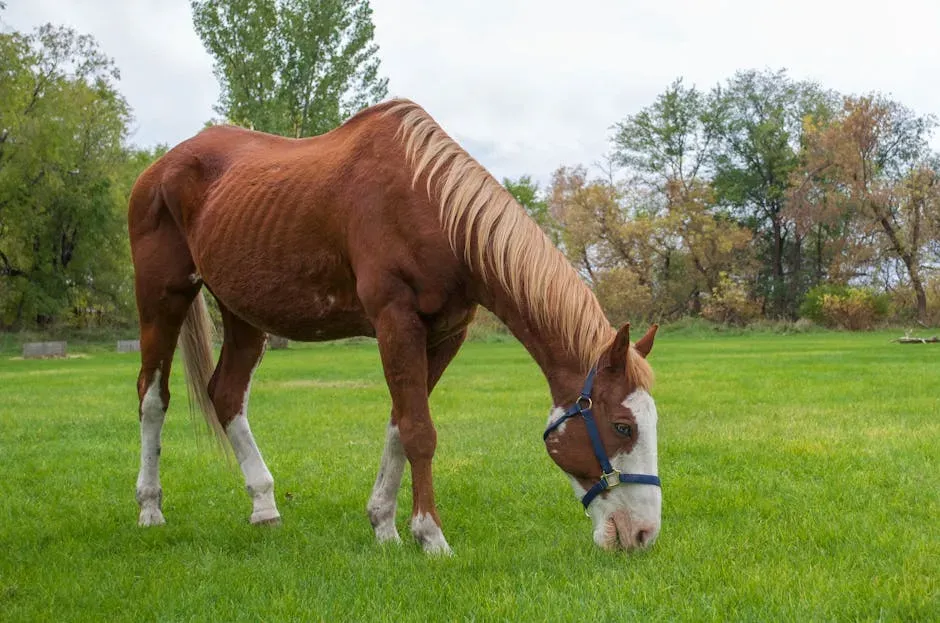
Horses who have experienced trauma or inconsistent handling often carry that history visibly. They may avoid eye contact, pin their ears at approach, or rush away when a hand comes near. Rebuilding trust with a horse who has a difficult past requires enormous patience, but the moment they reach out to you first is one of the most profound in equestrian life.
Past experience, prior trauma, inconsistent handling, or neglect can impede bond formation and require rehabilitation. The approach matters enormously here. Through time, consistency, and kindness, a horse can learn to forgive and trust again. That’s the beauty of horses. They can forgive, and they do learn to love again. If a horse with such trauma can reconnect with humans, so can yours. Don’t measure progress in days. Measure it in tiny gestures: a lowered head, a soft eye, a single step toward you.
5. Your First Long Ride Together in Open Country
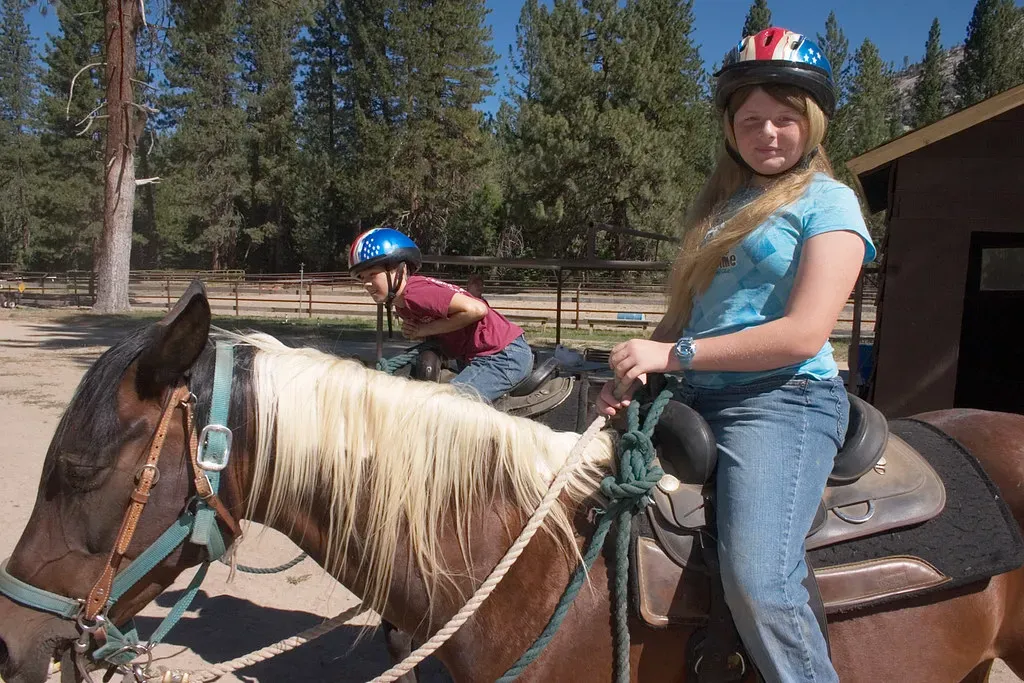
One of the most important aspects of bonding is actually spending time with your horse. This means spending time outside of training and feeding. Show up outside of “work hours” and spend some quality time with your horse. A trail ride that stretches over an hour gives you something a ring session never quite does: shared exposure to the world at large, side by side.
On the trail, you read each other’s energy in real time. Your horse alerts you to things you can’t see, and you help them decide whether those things are dangerous or not. Every movement, every interaction, subtle or pronounced, finds its significance in the continuous dialogue between horse and human. The understanding that develops is not merely a command-obedience dynamic but a profound interweaving of one’s intentions with the other’s innate wisdom. That kind of understanding doesn’t come from drills. It comes from miles.
6. When Your Horse Mirrors Your Breathing and Energy
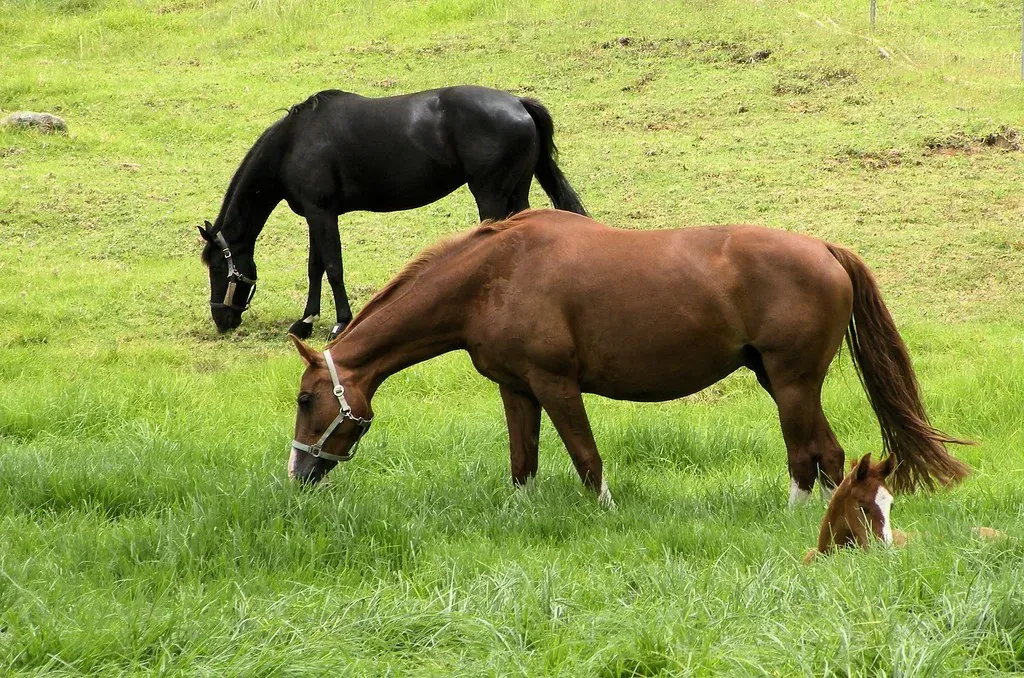
In a 2014 study published in Biology Letters, researchers found that horses can read and respond to human emotional cues, and their heart rates can synchronize with those of familiar humans, especially in calm, relaxed interactions. This physiological attunement reinforces the calming effect of a secure bond. This is not metaphor. It’s measurable, documented biology.
You may notice it during quiet moments in the barn: your breathing slows, your shoulders drop, and your horse’s posture shifts too. Their head lowers slightly. Their breathing deepens. You may notice your horse starts to seek you out in the pasture, stands quietly beside you without being asked, or mirrors your breathing and energy. They might follow you freely, offer gentle eye contact, or appear more relaxed and present in your interactions. A bonded horse shows signs of emotional trust, choosing connection over compliance.
7. The Day Your Horse Grooms You Back
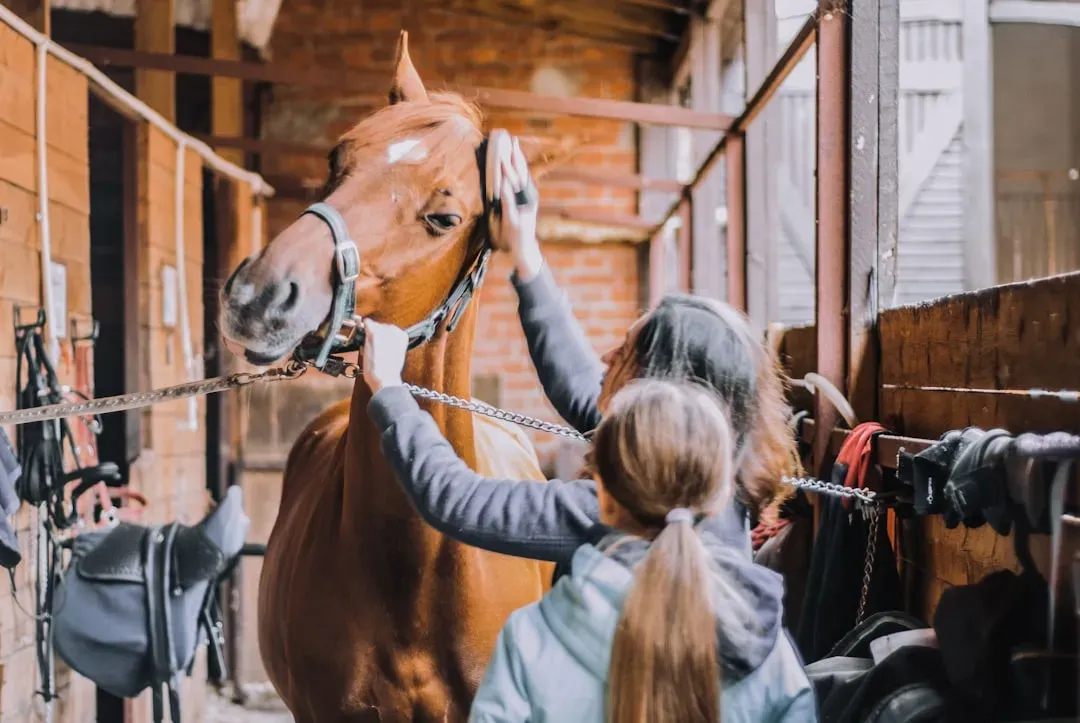
Mutual grooming is how horses bond with each other. If your horse gently nibbles at your clothing, hair, or shoulder while you’re grooming them, they’re trying to groom you back, treating you like a valued herd member. It’s easy to interpret this as misbehavior if you don’t know what it means. Contextually, though, it’s one of the warmest gestures in a horse’s social vocabulary.
Research in Applied Animal Behaviour Science confirms that mutual grooming is a vital social bonding activity for horses. When that behavior extends toward you, it says something genuine about the relationship. Do redirect it if the nibbling becomes too enthusiastic, especially with younger horses. You can appreciate the sentiment while teaching them to be gentle with human skin. The line between affection and boundary is worth maintaining clearly.
8. Navigating a Health Crisis Together
If your horse is off due to illness or an injury, you may not be able to ride while they recover. You may need to clean and dress a wound or hand walk your horse for light exercise as they work through a rehabilitation program. Take this as an opportunity to bond even more with your horse. It sounds counterintuitive, but horses often form some of their deepest connections with the humans who show up most during illness and recovery.
Watch for signs that something isn’t right even outside a formal health crisis: when a horse moves certain parts of their body, it can mean various moods, from simple mental comfort to physical pain. Physical cues that indicate health or mood changes include unwillingness to move, which could be because of pain, misunderstanding, or fear; kicking out, which may mean the horse feels threatened; and rearing, which suggests the horse is anxious and afraid. Learning to read these signals isn’t just safety awareness. It’s one of the most caring things a horse owner can develop.
9. The Long-Term Bond That Builds Courage Over Years
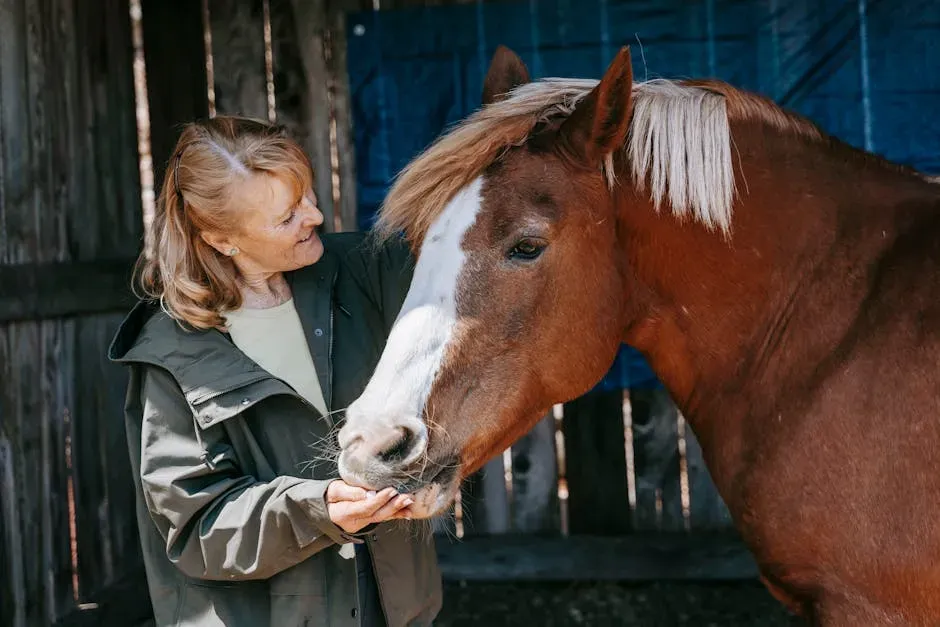
A new study has shown that horses are more reluctant in new situations if they have multiple riders, have had several owners, or have been with their current owners for a short period of time. A long-term relationship with one owner leads to a better attitude towards new or unusual situations. The research is clear: time matters. Depth of bond is not something you can shortcut.
Horses who had at least a six-year relationship with their owners mostly stayed calm when introduced to new surfaces or novel stimuli. Horses older than 17 years old refused more often to step on the tarp or the blanket when led by a stranger, while they almost all agreed when led by their owner. That’s not just a behavioral footnote. It’s a reminder that consistency over years quietly reshapes who a horse is willing to be in the world, and it does the same for you.
10. The Moment You Realize Your Horse Recognizes You from Across a Field
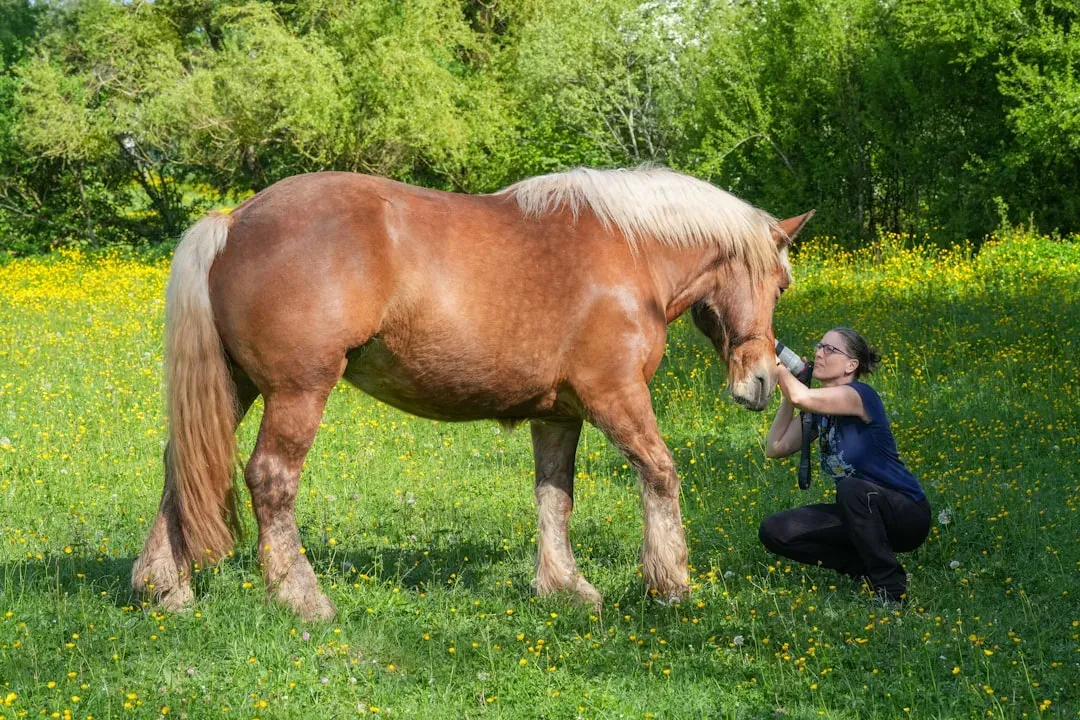
The relationship between a horse and its owner can be one of the strongest in the animal world. Horses are very intelligent and emotional animals, and they have the ability to remember the faces of the people they love. That recognition doesn’t happen by accident. It’s the sum of every feeding, grooming session, trail ride, and quiet afternoon you’ve ever shared.
Scientific studies document horses recognizing former owners after 20 or more years of separation, demonstrating the lasting nature of horse-human bonds. When your horse lifts their head in the distance and whinnies before you’ve even called out, they’re drawing on a memory built over years. Horses live in a rhythm alongside ours, often for decades. We care for them daily, through changing seasons, feeding, grooming, training, and simply being present in their company. That routine becomes a part of our identity.
Conclusion: The Bond Is Built in the Ordinary Days
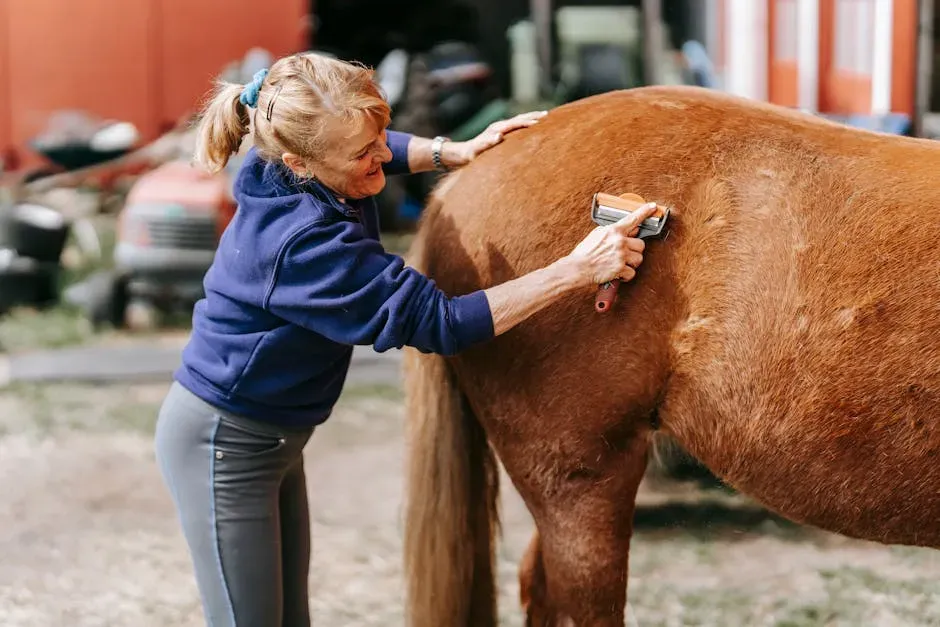
Most people imagine the defining moments of a horse partnership as the dramatic ones: the gallop across an open field, the ribbon won, the perfectly executed jump. Those moments are real and they matter. The truth, though, is that the deepest bonds are forged in the quieter spaces.
Bonding is the foundation for everything else, whether that’s groundwork, riding, trailering, or just being together. When your horse sees you as a trusted herd member, the entire relationship changes. The daily grooming, the patient groundwork, the unhurried afternoons spent simply sharing space: these are not the background to a great partnership. They are the partnership itself.
Horses carry us in ways that go beyond the physical. They lift our spirits, teach us lessons we never forget, and leave us better than they found us. Pay attention to the ten moments above. They’re not milestones to chase. They’re invitations already waiting for you.


