
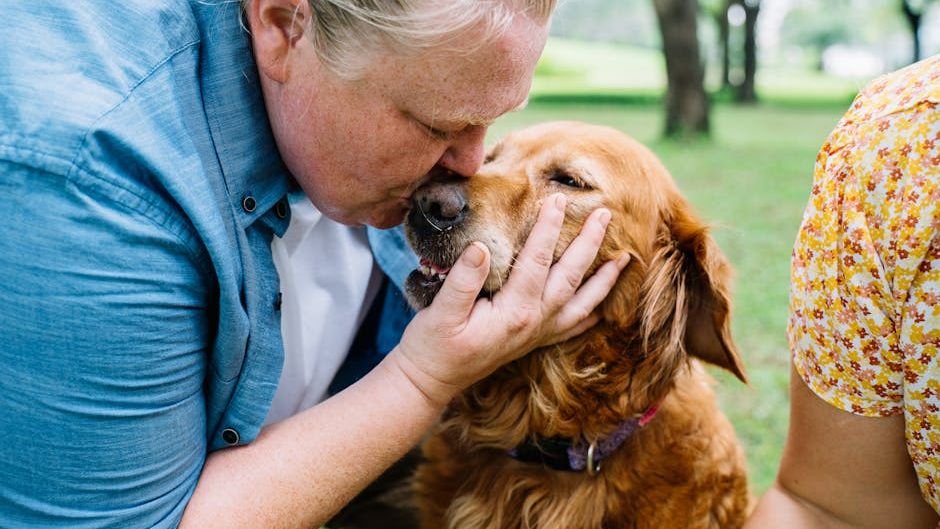
You already feed them, walk them, and love them fiercely. But if you’ve ever watched your dog follow a stranger across the room just as eagerly as they follow you, or noticed that certain something missing in the way they respond to your calls, you might wonder: what does it actually take to become the one they orbit around?
The answer isn’t expensive gear or marathon training sessions. It’s something quieter. The strongest relationships between owners and their dogs are built through small, consistent actions, not big moments. The little things you do each day, the way you greet them, how you sit with them, whether you truly listen when they’re trying to tell you something, all of it shapes how deeply your dog trusts and chooses you.
Make Meaningful Eye Contact (the Right Way)
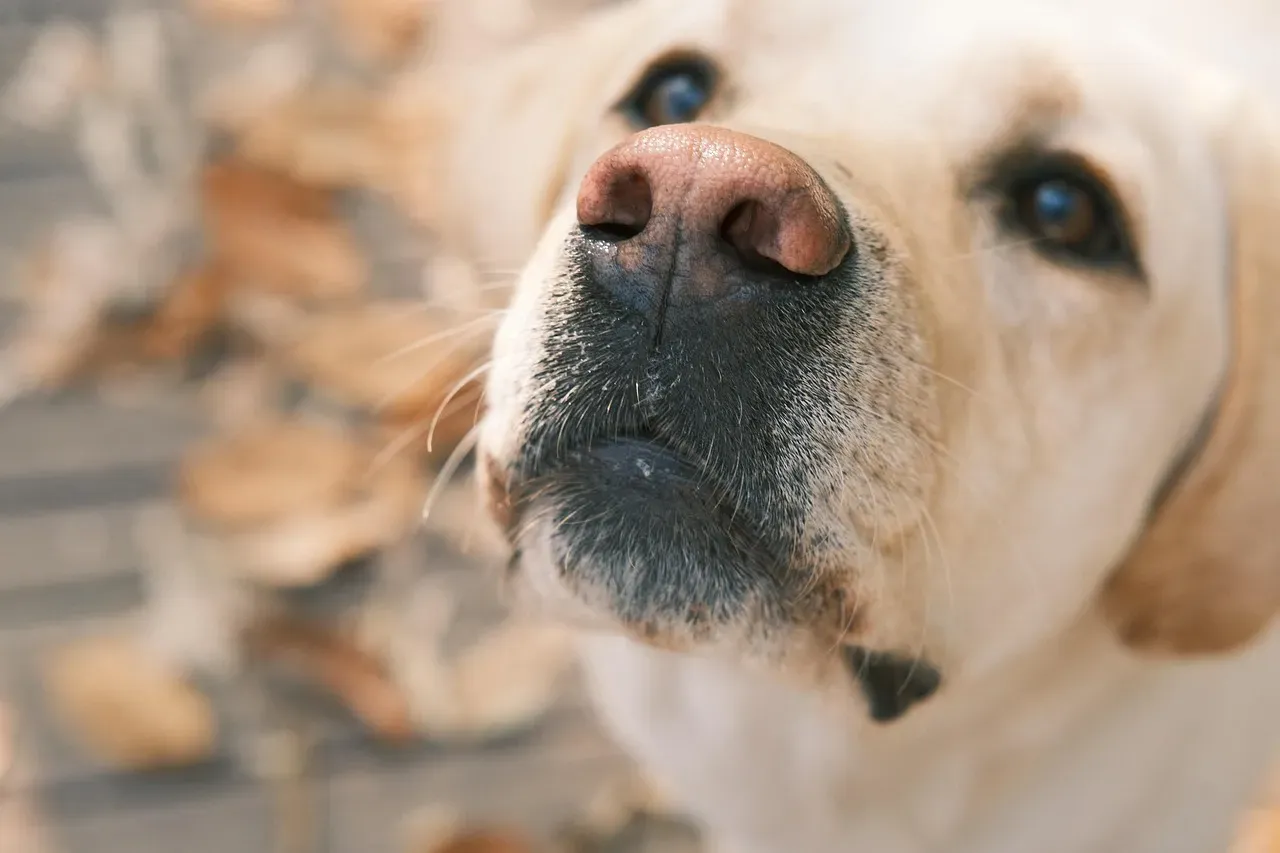
There’s a reason your dog stares at you while you’re doing something completely ordinary, like folding laundry or scrolling your phone. Dogs are masters at reading human cues, and staring is their way of monitoring your mood, routines, and intentions. When you return that gaze calmly and warmly, you’re not just acknowledging them. You’re speaking their language.
Research has shown that when a dog and owner look into each other’s eyes, both release oxytocin, often called the “love hormone,” and this biological response strengthens the bond between dogs and humans in a way similar to the connection between parents and children. That’s not poetic metaphor. It’s measurable chemistry happening between the two of you.
The key is to keep it soft and natural. A relaxed, warm gaze is welcoming. A hard, unblinking stare can feel threatening to a dog, especially one that’s still building confidence. The best way to build a strong bond with your dog is by learning to read their facial expressions and body language, and once you do, the door to improved understanding and communication opens. Let the eye contact flow naturally, and your dog will start seeking it out themselves.
Greet Them Like You Actually Mean It
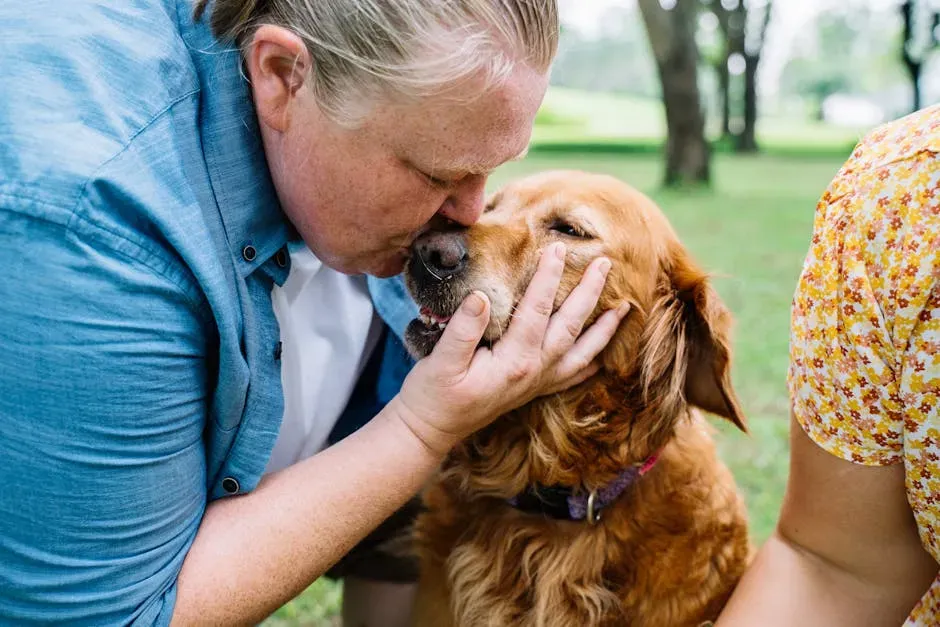
Most of us walk through the door, mutter a quick “hey buddy,” and head straight to the kitchen. That’s a missed opportunity. The reunion between a dog and their owner helps strengthen the bond, and greeting behaviors after separation help maintain and promote the quality of the owner-dog relationship. Your dog has been tracking your scent, listening for your car, and waiting. Your return is genuinely significant to them.
You don’t have to throw a party every time. A few seconds of genuine, focused attention, getting down to their level, a calm voice, a deliberate scratch behind the ears, signals that you see them. A dog’s tail wagging energetically with a loose, side-to-side motion and their whole body bouncing with excitement is a universal signal of joy, and dogs reserve such joyful movement for people they adore, especially when greeting them after separation. Matching that energy, even briefly, tells them their feelings are received.
Build a Daily Routine They Can Count On
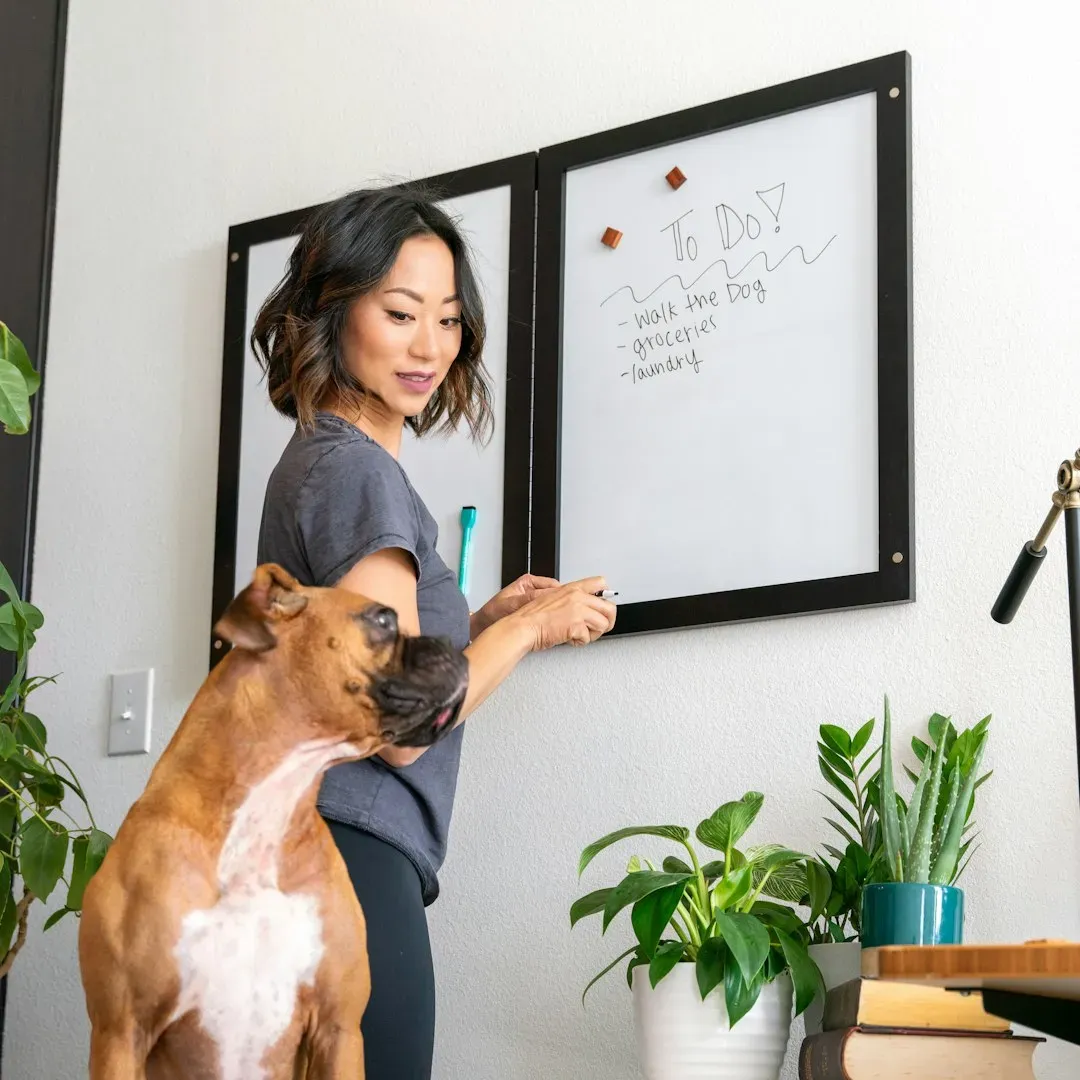
Dogs thrive on consistent schedules, and by creating a routine together, they’ll know what to expect from you and when, which only serves to build their trust in you further. Think about what that means from their perspective. Every predictable walk, every meal at the same hour, every bedtime ritual is a small promise you keep. Dogs don’t experience time the way we do, but they absolutely track patterns.
One of the most overlooked ways to build connection is through routine, because dogs feel more secure when they know what to expect, and that predictability directly affects how they relate to you. A secure dog is a bonded dog. When anxiety is low and expectations are clear, your dog has more emotional space to actually enjoy being with you, rather than constantly trying to figure out what comes next.
Inconsistency, on the other hand, quietly erodes trust. The most important step you can take to build a stronger bond with your dog is to be consistent in how you respond in various situations. Predictability is kindness in the canine world.
Train Together in Short, Joyful Bursts
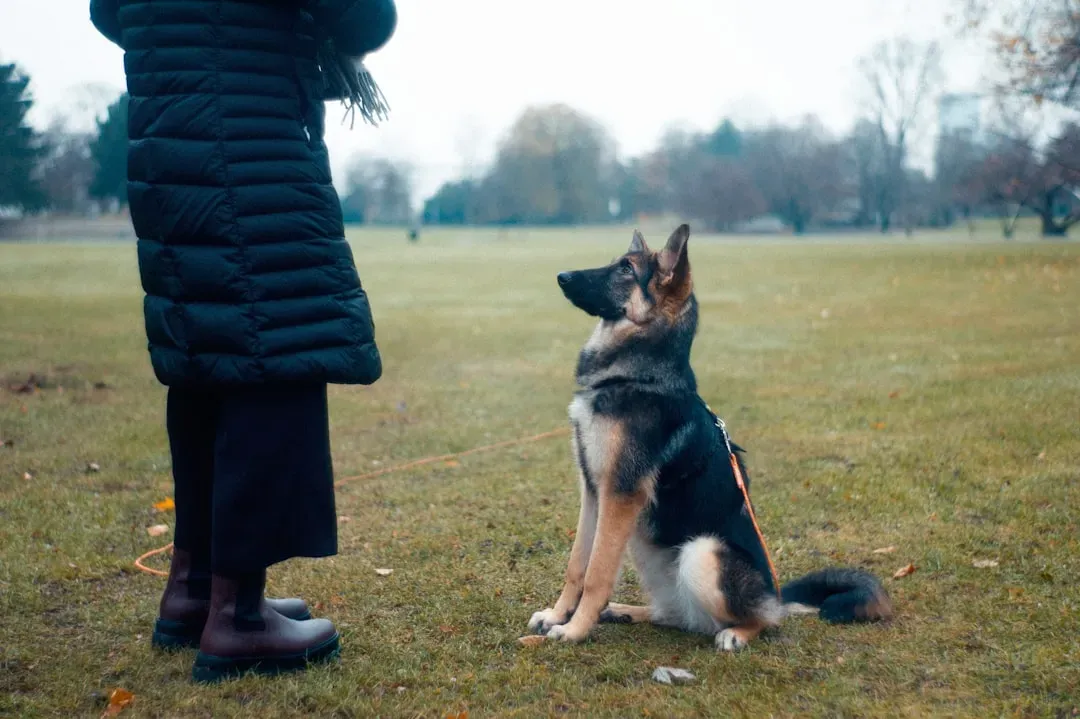
Training is one of the most effective ways to strengthen the bond with your dog, and it’s not just about obedience. It’s about communication. A five-minute session of teaching “sit” or reviewing “stay” is genuinely one of the most connected things you can do together. Both of you are focused, communicating, and working toward a shared outcome.
Positive reinforcement enhances the human-animal bond by fostering a common language that pet parents can use to interact with their dog. With it, a dog learns to listen and perform the behavioral cues they were taught, and this approach builds up a dog’s confidence and trust in their pet parents. Keep sessions short, upbeat, and always end on a win. A dog that finishes a training session feeling successful is a dog that looks forward to the next one.
Training your pet should be a lifelong endeavor, and teaching a new trick or skill will exercise their brain and strengthen their cognitive abilities. Designate daily training sessions to teach them new tricks, because pets, especially dogs, are natural people-pleasers and will thrive from learning new skills with their favorite human companion.
Learn to Read What They’re Actually Saying
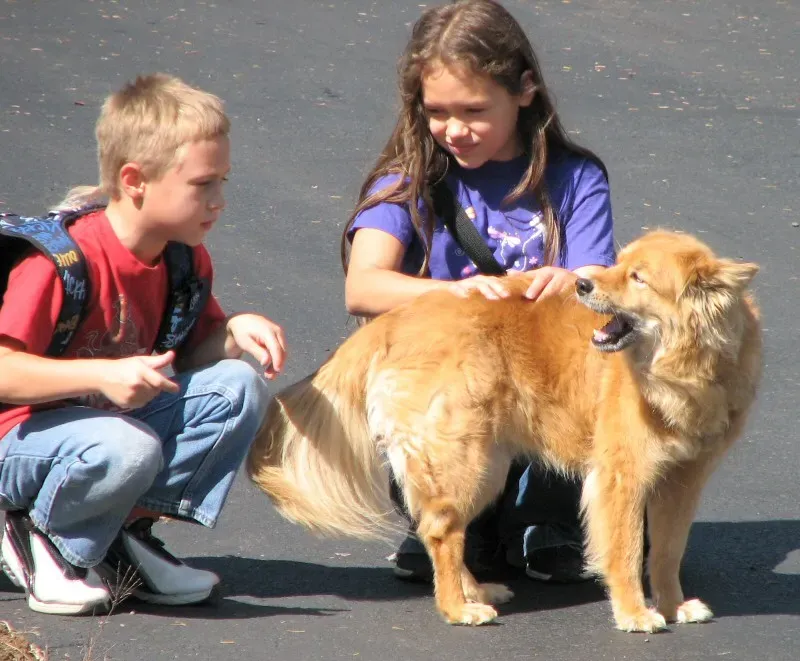
Your dog is talking to you constantly. The trouble is, most of us only notice the obvious stuff: the bark, the whine, the tail wag. A confident and alert dog holds their ears forward, head up, and tail up. When a dog has their ears turned to the side, head lowered, avoids eye contact, and has their tail lowered or tucked between their legs, they are conveying a message of fear, anxiety, and potentially stress. Learning these signals changes everything.
Vocalizations such as growling and barking shouldn’t immediately be considered aggressive behavior, because they are behaviors on a continuum of communication. Dogs may bark in greeting, excitement, or caution, and growling should be interpreted as an indication of the dog’s discomfort, signaling that the pet parent should stop what they are doing and give the dog more space. When you respond appropriately instead of dismissing these cues, your dog learns something profound: you’re safe to communicate with.
Dogs are highly attuned to human behavior and can detect subtle changes in mood. Many dogs respond to sadness by staying physically close or resting their head on their owner’s lap, and this sensitivity strengthens the human-animal bond and deepens mutual trust. The more fluently you read them, the more they trust you with the full range of their feelings.
Use Touch Intentionally, Not Just Absently
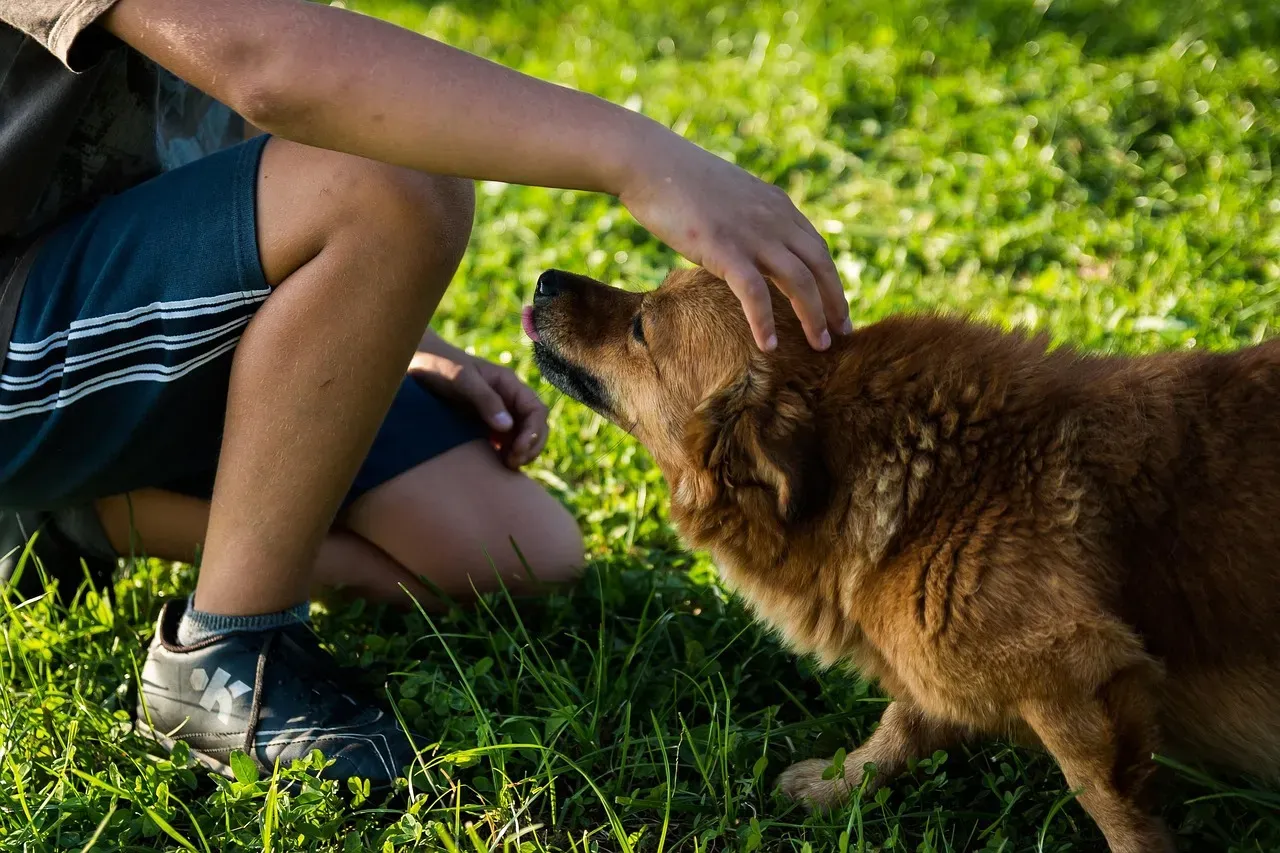
Reaching over and scratching your dog while watching TV is nice. It’s not nothing. But there’s a difference between that and deliberate, focused physical contact. When you pet your dog, it’s important that they know they have your full attention, because a few absentminded head rubs are nice, but they’re not going to mean nearly as much as when you’re really invested in petting your pooch.
A relaxing dog massage can be an excellent way to bond while also soothing your dog’s muscles. Gentle massage helps reduce stress, improves circulation, and can even aid digestion. Learning a few basic massage techniques can help you calm your dog after a long day, reinforcing the bond through touch and relaxation. Start with long, slow strokes along the back and shoulders. Watch for a deep exhale, a relaxed jaw, or eyelids going heavy. Those are signs you’ve found the right rhythm.
The bond between dogs and humans is not just emotional. It is rooted in neuroscience and behavioral science. When you pet your dog, your brain releases oxytocin, and at the same time, your dog experiences a similar hormonal response. This shared chemistry strengthens attachment over time. Intentional touch isn’t indulgent. It’s biochemically meaningful.
Let Them Sniff and Explore on Walks
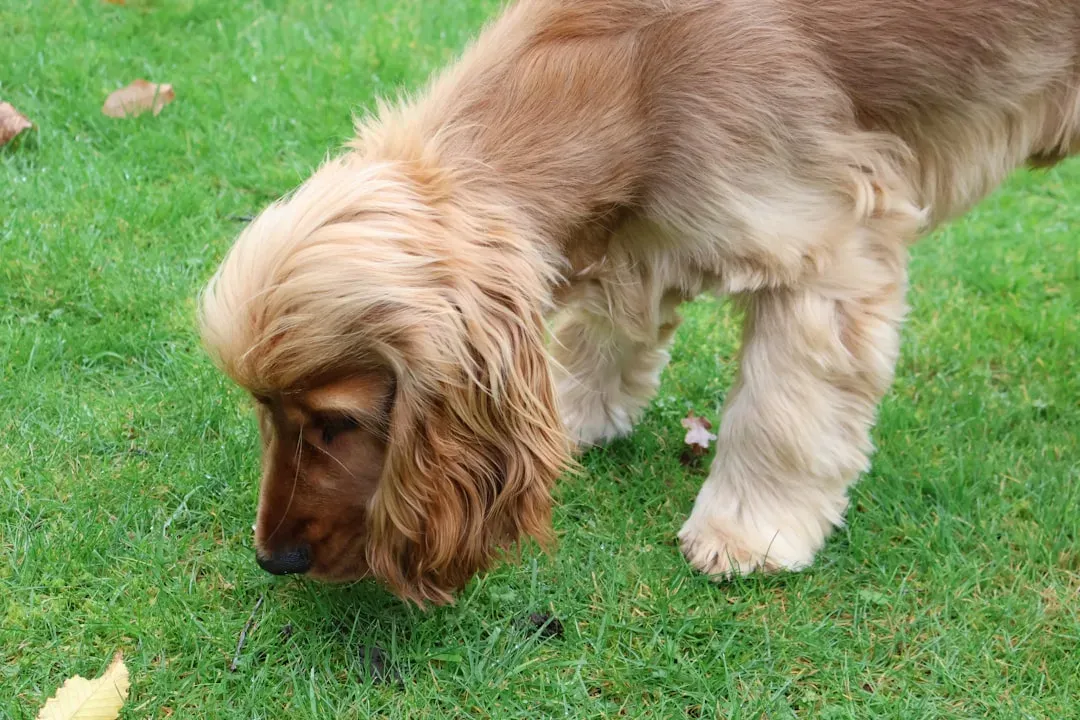
If your walk looks like a brisk march where your dog gets dragged past every interesting smell, you’re leaving serious bonding potential on the sidewalk. Since dogs love sniffing, exploring, and seeing and hearing new things, they’ll be grateful to you for the fun outing, and will begin to associate you with that good feeling. Daily long walks are also great because a well-exercised dog makes for a calm dog.
Giving your dog permission to sniff, pause, and investigate is a form of respect. It communicates that their experience matters, not just their compliance. Avoid forcing your dog to do anything they detest, because it can weaken the bond between you. For example, a dog may not like going on walks because they are scared of strangers, other dogs, or loud noises, and in that case, taking them for long walks would be detrimental to your relationship. Meet your dog where they are, and the walk becomes shared time rather than a chore for both of you.
Give Them the Gift of Calm, Consistent Grooming
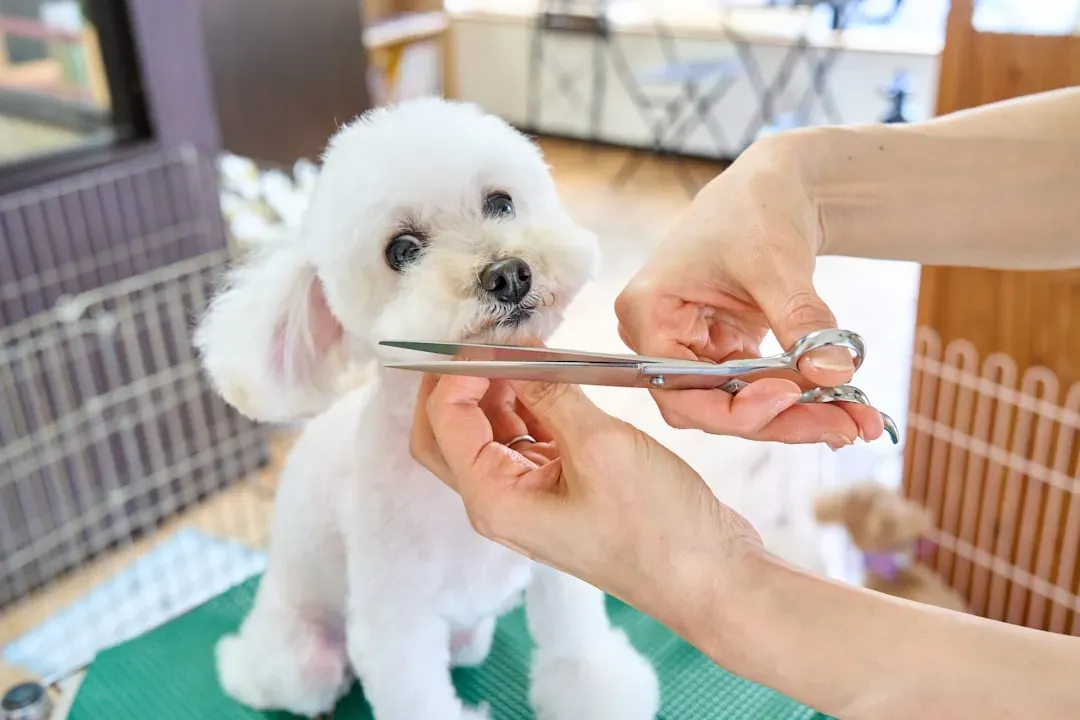
Grooming activities such as brushing and bathing are great bond builders, and the physical touch, close connection, and care in these activities can help boost trust and reduce anxiety. Think of a grooming session as a slow conversation. Your hands move across your dog’s body, checking for anything unusual while communicating safety and care. It’s practical and intimate at the same time.
Brushing your dog daily will prevent matted fur and is the perfect way to gently check your pet for any lumps, bumps, or skin abnormalities. Home grooming sessions will also help ensure your pet is more comfortable during veterinary visits, and it’s important to gently handle your pet’s ears, paws, and tail during sessions to acclimate them for the handling they will receive during a veterinary examination. Regular gentle handling means fewer stressful vet visits, which is genuinely good preventive care.
Remember to pay attention to your dog’s body language during grooming for signs of disinterest or distress. If they tense up, shift away, or lick their lips repeatedly, take a pause, give them a moment, and try a lighter touch. Respect during grooming teaches your dog that physical care is something done with them, not to them.
Conclusion: Small Moments, Lasting Trust
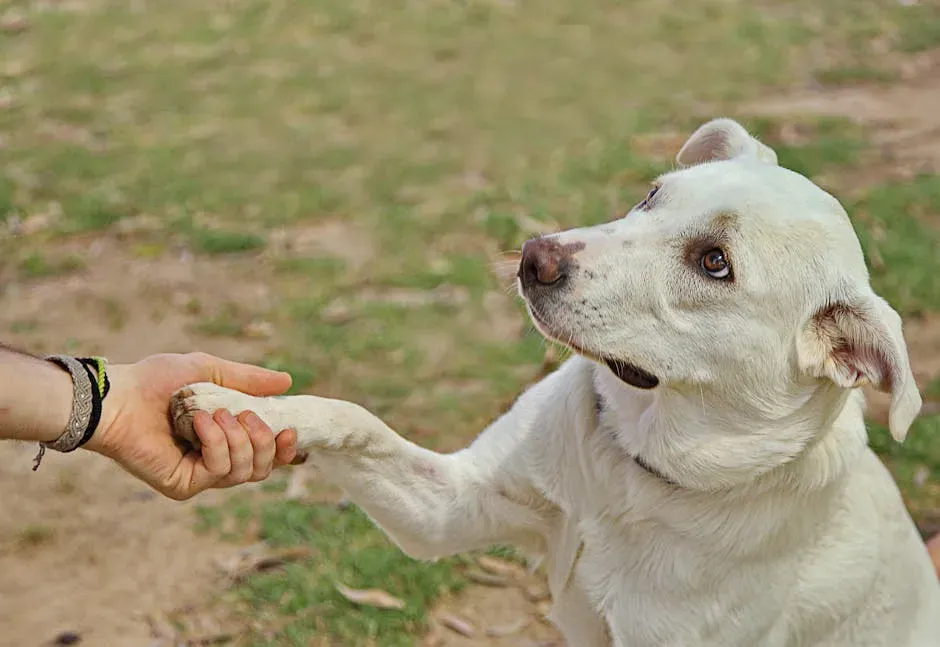
None of these actions require a special occasion, a trainer, or an empty schedule. They’re woven into the ordinary texture of daily life with a dog. The morning greeting, the focused petting session on the couch, the walk where you finally let them smell that fence post for thirty uninterrupted seconds.
The bond between you and your dog is built on trust, communication, and love, and by understanding their language, training with kindness, and showing up every day as their advocate and friend, you’ll create a connection that lasts a lifetime. That’s not a distant goal. It’s the sum of what you’re already doing, refined just a little.
Your dog isn’t looking for perfection. They’re looking for you, reliably, warmly, and paying attention. Show up like that consistently, and the center of their world is exactly where you’ll be.


