

Most dog owners never imagine their beloved companion will one day bare its teeth at them. The dog that curls up beside you at night, greets you at the door, and melts your heart with those eyes feels like one of the safest creatures in the world. That trust is real. Still, every year, millions of bite incidents are reported, and a surprising number involve the family pet.
More than half of all fatal dog attacks involve dogs owned by the victim’s family. That statistic isn’t meant to frighten you. It’s meant to start a more honest conversation about certain breeds, their histories, and the responsibilities that come with owning them. While any dog can bite if provoked or poorly trained, studies and statistics show that some breeds tend to be involved in biting incidents more often, with these trends attributed to a variety of factors including a breed’s size, strength, instincts, and how it is raised and managed by its owners.
This list isn’t a verdict on any breed. It’s a guide for every owner who wants to do right by their dog and by the people around them.
1. Pit Bull Terrier: The Misunderstood Powerhouse
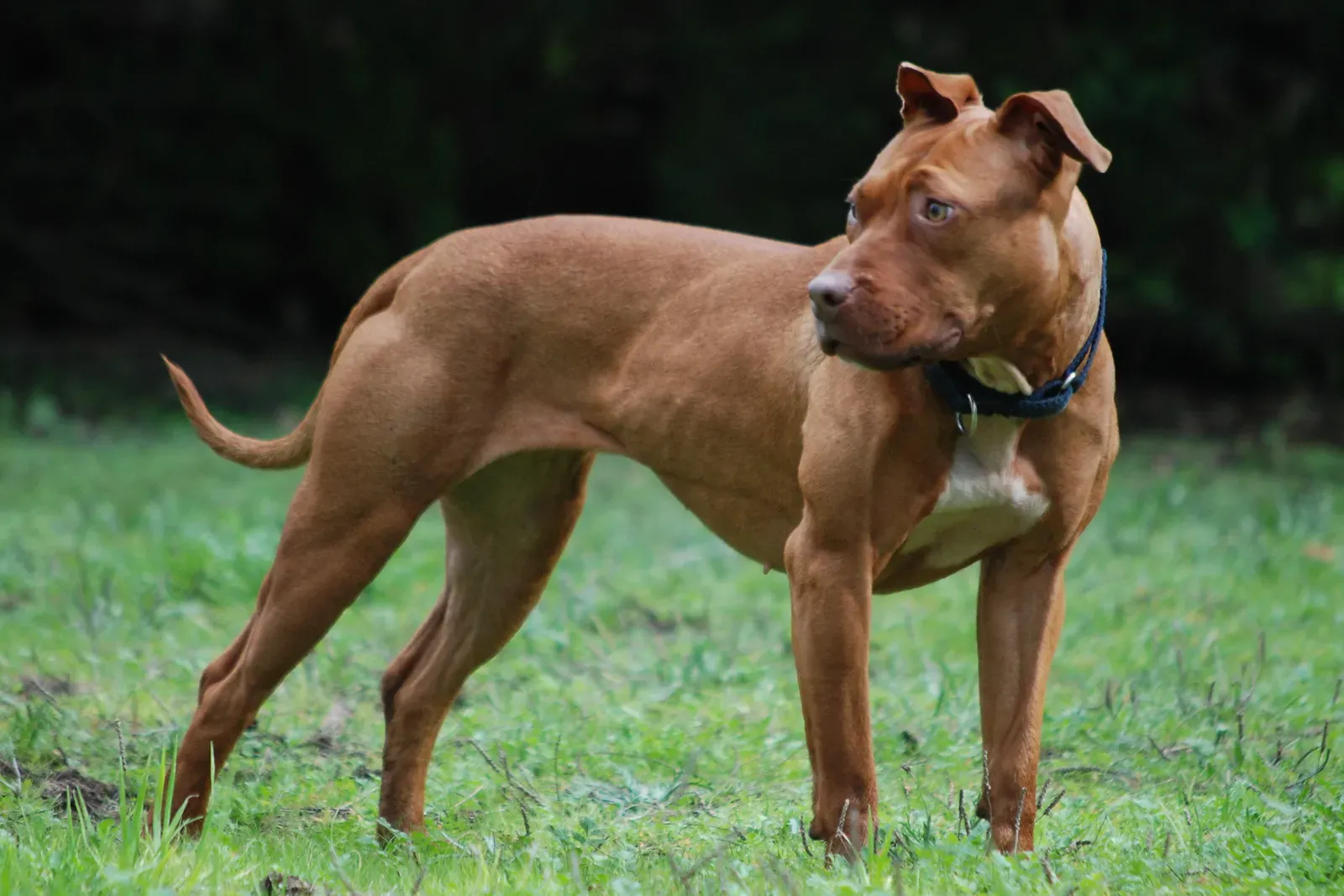
Pit bull-type dogs consistently appear at the top of bite statistics and are often associated with severe or fatal injuries. The term “pit bull” typically refers to several breeds and mixes, including American Staffordshire Terriers and American Pit Bull Terriers. In the 16-year period from 2005 through 2020, pit bulls contributed to roughly two thirds of dog bite deaths in the United States. That is a number no responsible owner should take lightly.
It’s crucial to understand that these statistics do not mean all pit bulls are aggressive by nature. In fact, pit bulls can be loyal, loving pets when raised in a caring environment. Many pit bull bites and attacks trace back to irresponsible ownership, such as dogs that are neglected, abused, poorly socialized, or even deliberately trained to be aggressive. Watch for warning signs like resource guarding, stiff posture, and prolonged staring. Prevention starts with early socialization, structured training, and never leaving a pit bull unsupervised with small children or unfamiliar guests.
2. Rottweiler: The Loyal Defender With a Serious Bite

Rottweilers are large, strong dogs originally bred to be cattle protection dogs. Over the years, their protective instincts have made them branch out as police dogs, personal protectors, search-and-rescue dogs, and guide dogs. They’re known to be protective, which can result in aggressive behavior, and like many breeds, Rottweilers need exercise, mental stimulation, and proper socialization. Without these factors, this breed can be destructive and their behavior can get out of control quickly.
Rottweilers have an extremely powerful bite force at around 328 PSI, making an unchecked attack genuinely dangerous. Rottweilers are eager to work and please their owners, so dedication to training and stimulation is important to keeping this breed well-behaved. Their devotion and inclination to protect can be positive characteristics, though knowing the potential risk of biting is crucial. If your Rottweiler shows growling over food or space, consult a certified behaviorist promptly. This is not a breed where you wait and see.
3. German Shepherd: Intelligence That Cuts Both Ways
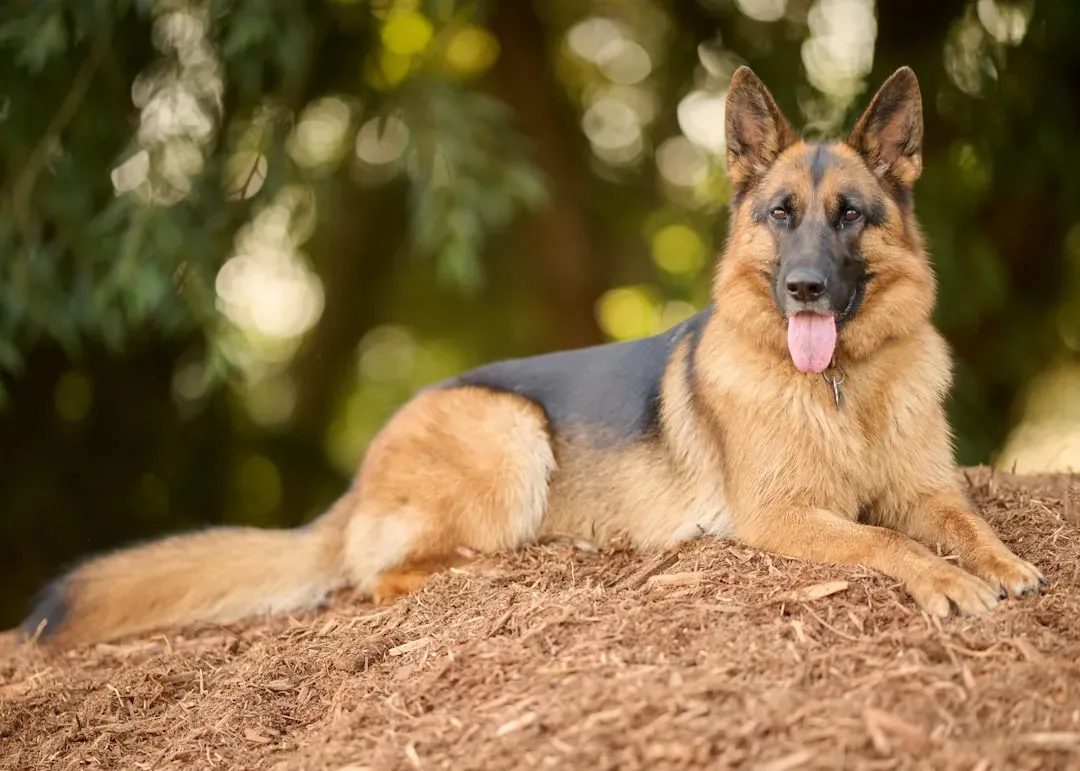
German Shepherds serve as police and military dogs worldwide due to their intelligence, trainability, and protective instincts. They can become overprotective or aggressive if not properly socialized or if they sense their owner’s anxiety. They are loyal yet reactive when anxious or under-stimulated. In other words, a bored or anxious German Shepherd in a chaotic household is a dog walking a very thin line.
Primarily used for herding, disability assistance, search-and-rescue, police work, and warfare, these dogs can seem intimidating based on their appearance alone. They are naturally protective of their families and can be aggressive by nature, needing proper training and socialization. Pay close attention to body stiffness, hackles raised, or intense fixation on a person. These dogs thrive with a daily job to do, clear leadership, and plenty of mental exercise. Without structure, their high drive can easily turn into reactivity.
4. Chow Chow: The Fluffy Guardian With Ancient Instincts
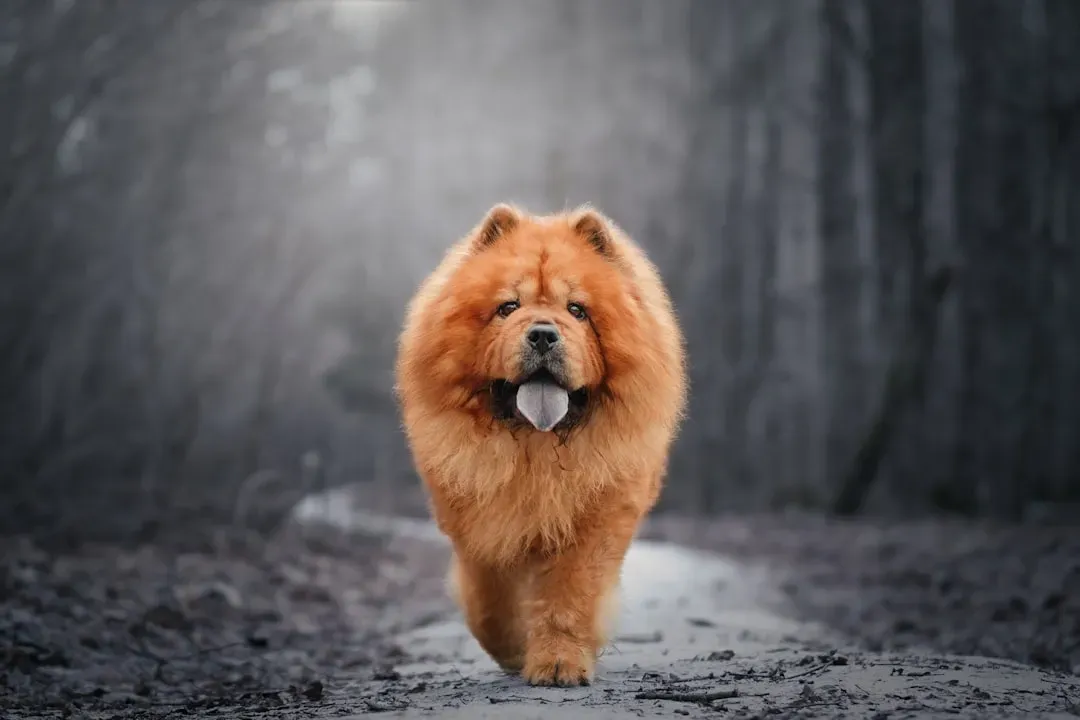
Chow Chows may look like adorable teddy bears, but they are very independent and protective. They were bred to guard homes, so they naturally have a territorial side. Without proper training, they might see strangers, or even other pets, as threats. Their bite history is notable, and their roots trace back to ancient China, where they were versatile, all-purpose dogs used for hunting, herding, and guarding.
Of Chinese origin, the Chow Chow is a sturdy dog with a dense double coat. These dogs are known for their skills in hunting and herding, both of which require assertive and dominant personalities. They are known to be territorial and protective of their families, and they have been known to attack without provocation. If you’re looking for a loyal guard dog, the Chow Chow can fill that role, but they require firm training and socialization from an early age to prevent aggression. Never assume a calm Chow Chow is a predictable one without consistent work.
5. Akita: Fierce Loyalty, Fierce Consequences
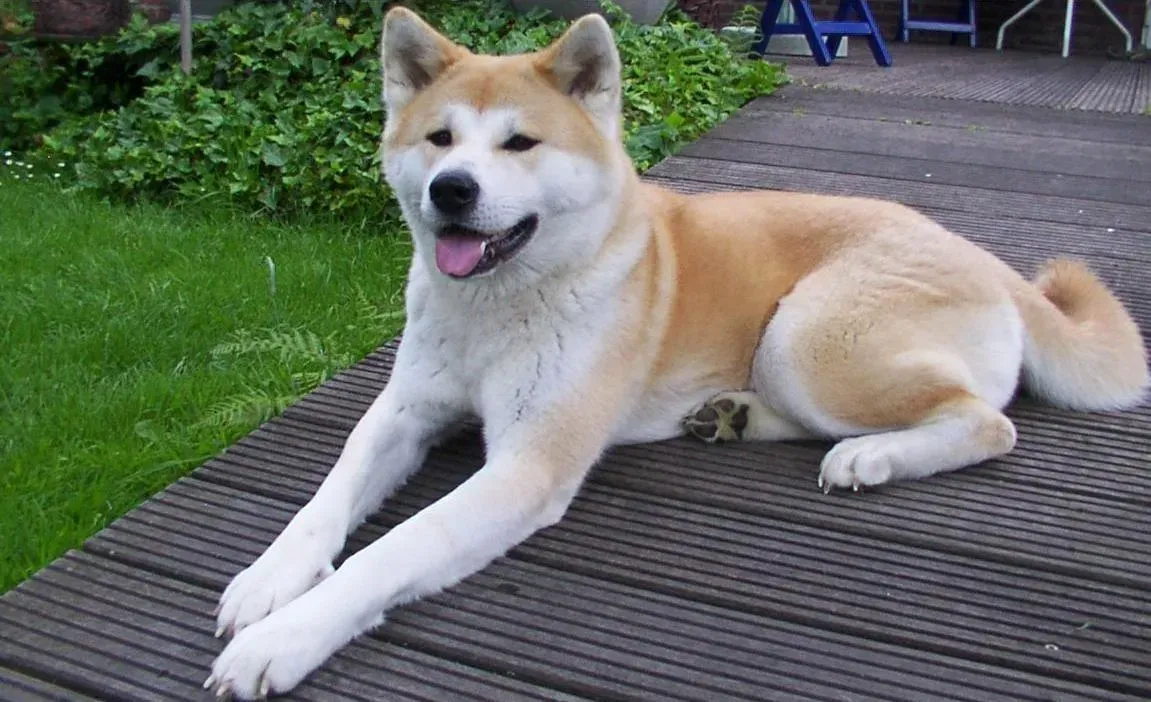
Akitas are large Japanese dogs bred for guarding and hunting. They’re fiercely loyal to their family but often aggressive toward other dogs and suspicious of strangers. They do not tolerate rough handling or teasing. Akitas were found to be the most aggressive breed toward other dogs in one study, with nearly a third of those observed earning the maximum aggression score.
Akitas are natural guardians, bred to protect and serve. They are incredibly loyal to their families but can be wary of strangers. Their protective instincts can sometimes lead to aggressive behavior if they aren’t properly trained. Children should be supervised carefully around Akitas, and rough play or teasing should never be tolerated. If you’re thinking of getting an Akita, socialize them from a young age and provide plenty of outlets for their energy. They do best in a home with people who know how to handle large dogs.
6. Doberman Pinscher: The Guard Dog That Never Clocks Out
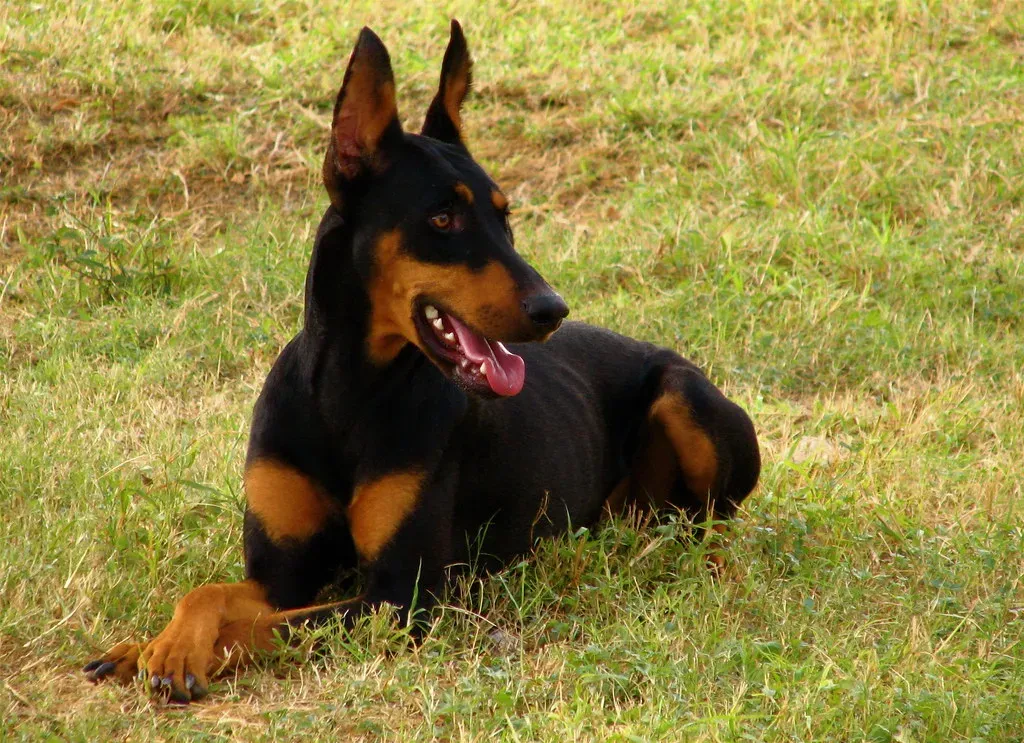
Developed as personal protection dogs, Dobermans are naturally suspicious of strangers and fiercely protective of their families. They are intelligent and trainable, but need consistent leadership. These muscular dogs are sure to deter intruders, though their protective instincts can cause problems. Dobermans’ strong jaws can cause harmful bites, though they can be trained to be gentle with people.
A Doberman’s temperament is typically intelligent, alert, and fiercely loyal to their family. They are courageous and can be highly protective. However, they can also be wary of strangers if not properly socialized from a young age. Dobermans need a strong leader and consistent training to channel their protective instincts positively. Without that structure, their natural wariness can quietly escalate into something the owner is no longer in control of. Early obedience training and clear household boundaries are non-negotiable for this breed.
7. Siberian Husky: The Free Spirit With an Unpredictable Edge
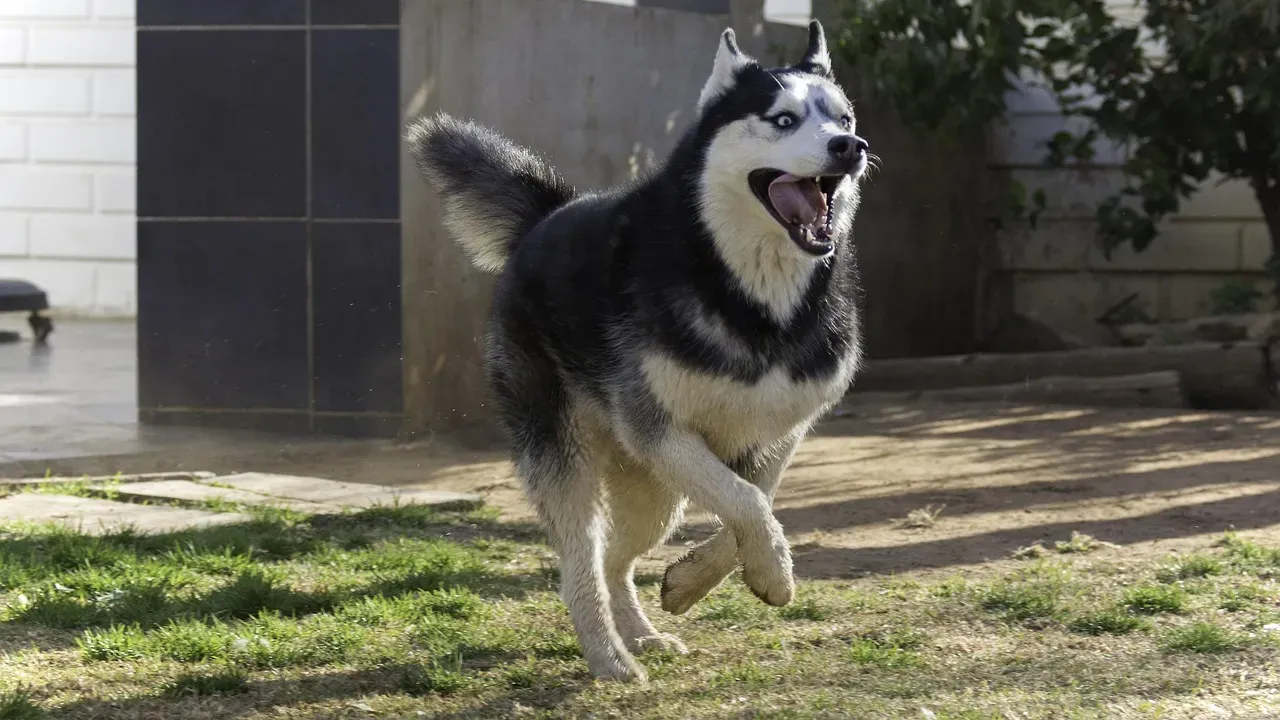
Bred for endurance and strength and originally used as sled dogs in the Arctic, Huskies can be aggressive if not properly trained and socialized. If you’re looking for a docile dog, the Siberian Husky is not your breed. However, they make great family pets with proper training. It’s also important to remember that they require a lot of exercise to stay happy.
CDC data identified Siberian Huskies and Husky mixes among the breeds most frequently responsible for lethal dog attacks on humans. Huskies also carry a strong prey drive, which means young children running or squealing can trigger an instinctive response. Their independence means they don’t naturally look to their owner for guidance the way some other breeds do. Firm recall training, daily vigorous exercise, and a securely fenced yard are the basics every Husky owner must provide.
8. Dachshund: Don’t Let the Size Fool You

A University of Pennsylvania study of 6,000 dog owners found that small breeds like Dachshunds showed higher rates of aggression than many feared breeds. For example, one in five Dachshunds had bitten or tried to bite strangers. They were originally bred to kill vermin, especially those dwelling in tunnels. Generations of breeding Dachshunds to hunt have resulted in a modern-day pup with a very high prey drive.
Dachshunds may look like adorable sausage rolls on legs, but their personalities pack serious heat. Originally bred to hunt badgers, they’re bold, vocal, and fiercely territorial. Without a proper upbringing, these traits can translate into reactivity, stubbornness, and a surprising tendency to snap. Because many Dachshund owners let their long-and-low pup get away with naughty behavior, this side of them can become a real problem. Despite their size, Dachshunds aren’t shy about guarding their food, toys, or favorite human. Consistent training from puppyhood prevents a lot of heartache later on.
9. Chihuahua: Big Attitude in a Tiny Package
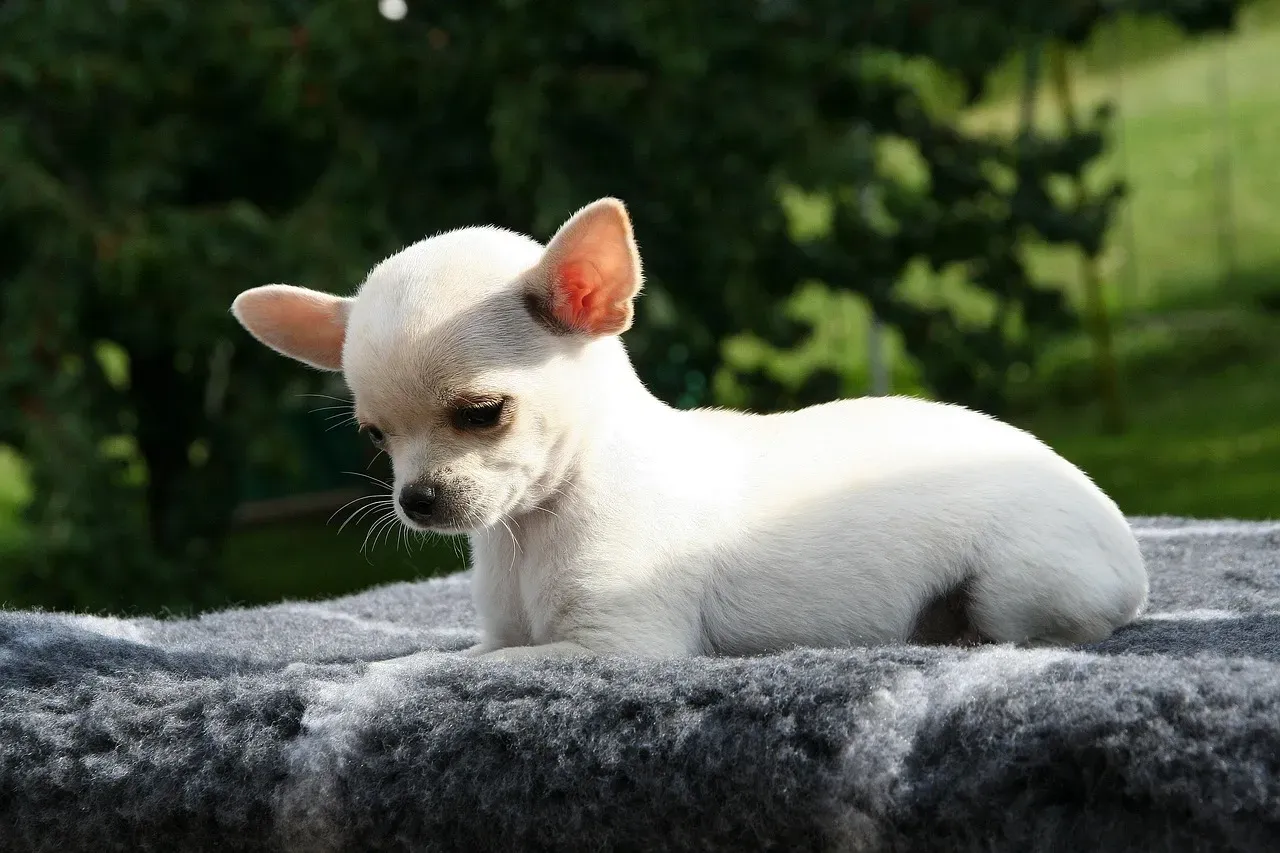
The Chihuahua ranks fairly high on dog bite lists, and this has little to do with genetics. It’s far more due to the fact that many owners of small dogs do not correct problem behavior early. Chihuahua aggression will often go unchecked or even encouraged because owners think it’s “cute.” That permissiveness is how a small dog develops a big problem.
This is often due to “small dog syndrome,” where owners fail to train or socialize them properly because their behavior is seen as harmless. However, their bites are underreported and still have the potential for serious injury, especially to children who are often bitten at face level. A Chihuahua’s aggression may be a result of small dog syndrome, where they weren’t taught to be independent or confident in themselves. The fix is straightforward: treat the Chihuahua like a real dog. Train it, set boundaries, and never reward growling or snapping with cuddles or retreat.
10. Cane Corso: Ancient Guardian, Modern Responsibility
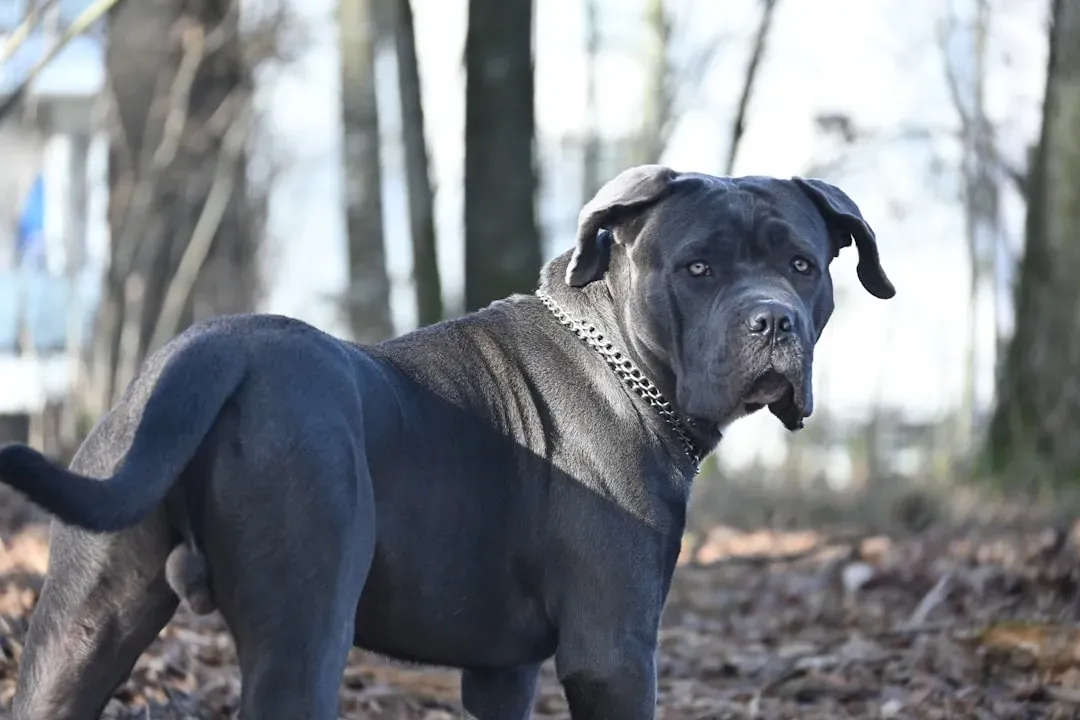
The Cane Corso is an Italian Mastiff that can often be found in the role of companion dog or guard dog. This breed has in the past been used for hunting because of their aggressive nature. Cane Corsos are highly unlikely to be friendly with strangers, especially during a first impression. They are large, muscular, and deeply territorial dogs whose instincts are deeply rooted in centuries of protection work.
Guarding breeds like the Cane Corso have strong territorial instincts, and these traits aren’t inherently bad, but they require experienced owners who understand how to channel these instincts appropriately through training and socialization. Dogs at the highest risk of serious incidents are those who give little or no warning before they bite and who are inconsistently, unpredictably aggressive. The Cane Corso can be a deeply devoted family companion under the right ownership. That ownership must include early socialization, firm but positive training, and an absolute commitment to preventing situations where the dog feels its territory is threatened.
What Every Dog Owner Needs to Understand
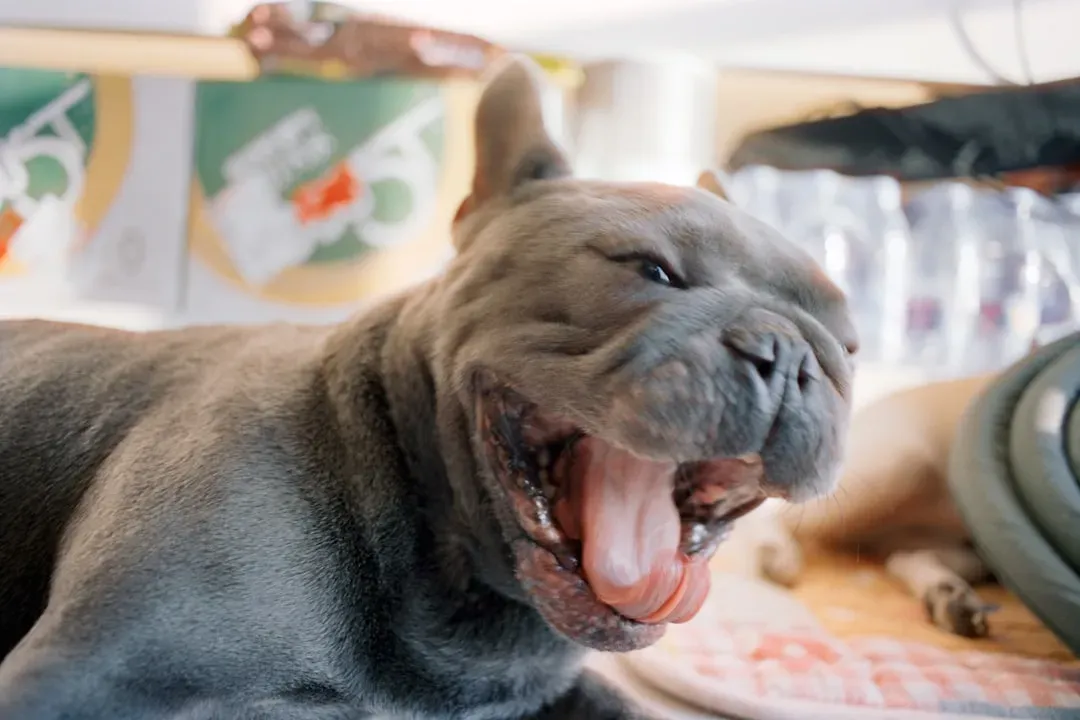
According to the American Veterinary Medical Association, breed is not a dependable marker or predictor of dangerous behavior in dogs. Better and more reliable indicators include owner behavior, training, the dog’s sex, neuter status, and the dog’s environment. This is perhaps the most important takeaway from all the research available.
Any dog who has shown aggression should be examined by a veterinarian to rule out any medical problems. Pain, thyroid problems, illnesses, and hormonal imbalances can cause an otherwise friendly dog to be cranky or display aggression. Dogs with hearing or vision loss can also exhibit extreme changes in behavior. If a medical issue is discovered, the aggression might subside on its own once the condition is treated.
Many pet parents don’t recognize the warning signs before a bite, so they perceive their dogs as suddenly flying off the handle. However, that’s rarely the case. It can be just milliseconds between a warning and a bite, but dogs rarely bite without giving some type of warning beforehand. Learning to read your dog’s body language, from a stiffening tail to whale eyes and a tucked stance, is one of the most valuable skills any owner can develop.
Conclusion
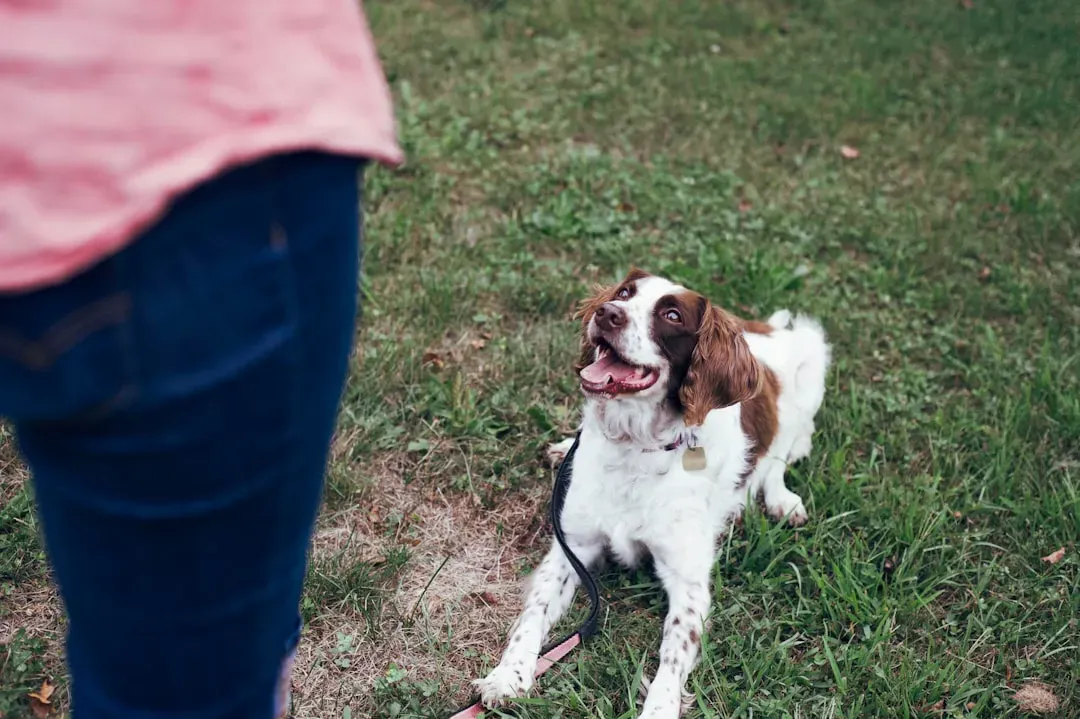
Owning a dog that appears on this list doesn’t make you reckless, and it certainly doesn’t make your dog a danger by default. It does mean you’ve signed up for a higher level of responsibility. Regular training from an early age, adequate socialization, maintaining a calm environment, and proper care when the dog is sick are key measures that can significantly reduce the chances of a dog biting its owner.
Aggressive dogs can often be trained to manage their behavior and live normal, happy lives. With proper training, or sometimes medication, they can learn to respond calmly to triggers. This doesn’t mean they will never act aggressively again, but it does mean that their aggression can be significantly reduced or controlled. The dogs on this list are not lost causes. They are, in most cases, simply powerful animals waiting for the right guidance.
The real story behind dog bites is almost always a human story. It’s about the walks not taken, the training skipped, the warning signs dismissed. Know your breed. Respect their instincts. Build the relationship they actually need, and what you’ll find on the other side is a dog that trusts you completely, and a bond well worth protecting.


