
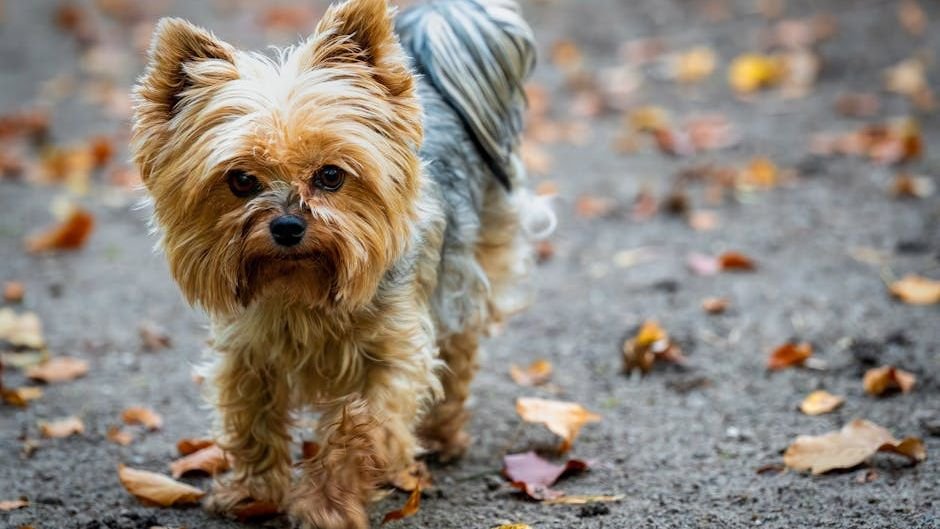
There’s something quietly remarkable about watching a ten-pound dog curl up beside someone who’s had a terrible day and somehow make everything feel a little less heavy. Small dogs have always had a reputation for being decorative – cute accessories, lap warmers, handbag residents. But spend real time with these breeds and the picture gets a lot more interesting.
Small and toy dog breeds might be little, but they’re all dog, with all the diverse traits you can find in larger breeds, all wrapped up in a tiny package. Some are bold and feisty. Others are deeply gentle and emotionally tuned-in. A few are surprisingly athletic. What they share is an enormous capacity to bond with their humans – often so intensely it reshapes a household entirely.
Whether you’re considering your first dog, researching a breed you already love, or simply curious about what makes these small companions so compelling, this guide walks through 15 breeds that prove heart has nothing to do with size.
1. Cavalier King Charles Spaniel: The Gentle Soul
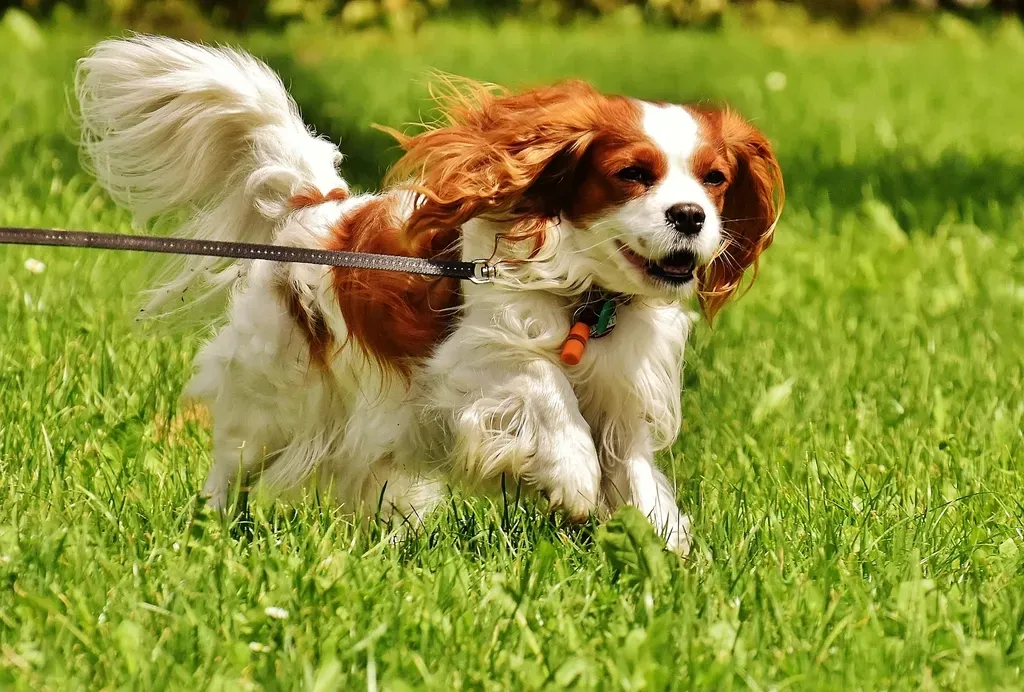
Cavaliers are the best of two worlds, combining the gentle attentiveness of a toy breed with the verve and athleticism of a sporting spaniel. They were literally bred to warm the laps of British royalty in drafty castles, and that history shows in everything they do. You’ll notice it in the way they follow you from room to room, or how they press close when you’re upset.
The Cavalier King Charles Spaniel is an enchantingly affectionate, playful, intelligent dog that eagerly indulges its guardians with endearing devotion. Shyness and aggression, fortunately, are not part of this breed’s behavioral milieu. These happy little dogs are excellent with children, and their desire to interact with their guardians makes them pleasurable household companions. On the health side, pay attention: mitral valve disease (MVD) is the leading cause of death in Cavalier King Charles Spaniels. It’s a deterioration of the heart’s mitral valve, which normally keeps blood flowing in the correct direction. When the mitral valve is not functioning normally, it allows blood to flow backward, causing further deterioration of other parts of the heart muscle. Regular cardiac screenings, especially after age five, are not optional for this breed – they’re essential.
2. Bichon Frise: The Perpetual Optimist
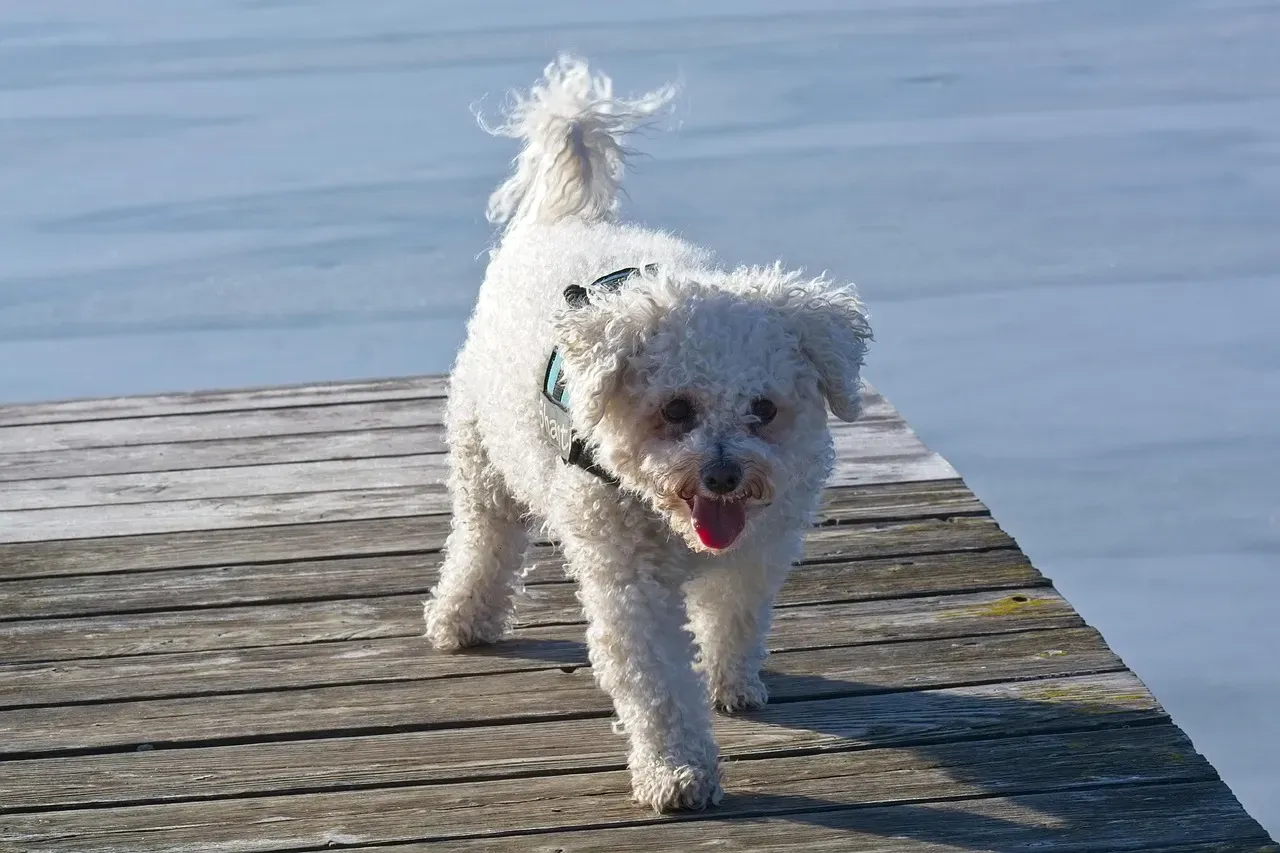
The Bichon Frise may be small, but it carries a personality larger than life. With its fluffy white coat, dark sparkling eyes, and velvety texture, this beautiful breed turns heads wherever it goes. Friendly and playful, Bichons adore children and make wonderful companions for other pets. If you’ve ever wanted a dog that genuinely seems happy to be alive every single morning, this is a strong contender.
Bichons are known for being curious, friendly, and eager-to-please, which makes them easy to train in both basic commands and fun tricks. Originating on Tenerife in the Canary Islands, Bichons found favor among European nobility during the Renaissance. Bichons are active yet manageable, needing regular walks and indoor play rather than large spaces. They respond well to positive reinforcement and enjoy learning tricks, making them highly interactive pets. Keep their curly coat professionally groomed every six to eight weeks to prevent matting and skin irritation.
3. Pomeranian: The Bold Little Charmer
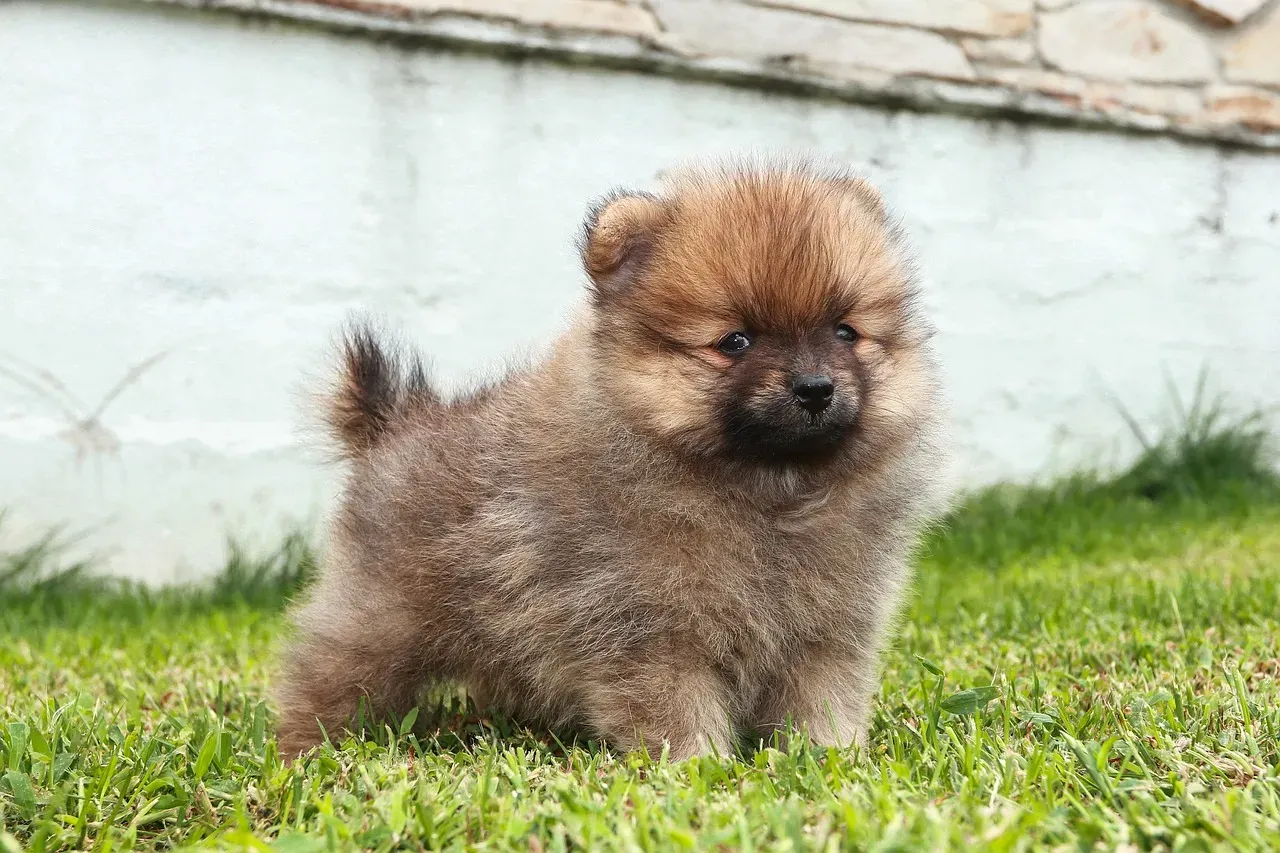
Pomeranians are a boisterous, bright, and bubbly breed. They make up for their small frame with the attitude and overall presence of a much larger breed. Their perky personalities make them ideal family dogs, and a quick wit enables them to learn tricks quickly. Most people don’t know that Pomeranians are actually descended from sled dogs, and their predecessors weighed around 30 pounds. Once they captivated Queen Victoria and became more popular, Poms were selectively bred to be the tiny, cute dogs we know today.
Pomeranians may be tiny and fluffy, but they have a big dog attitude. Known for their bold and spirited personality, Pomeranians are not afraid to stand up for themselves. They are lively, intelligent, and often have a lot to say, known for their frequent barking. Pomeranians are very alert and curious, making them excellent watchdogs despite their small size. Early socialization and consistent training from puppyhood helps manage their tendency to be vocal – and sets them up to be genuinely well-rounded companions.
4. Shih Tzu: The Little Lion With a Huge Heart
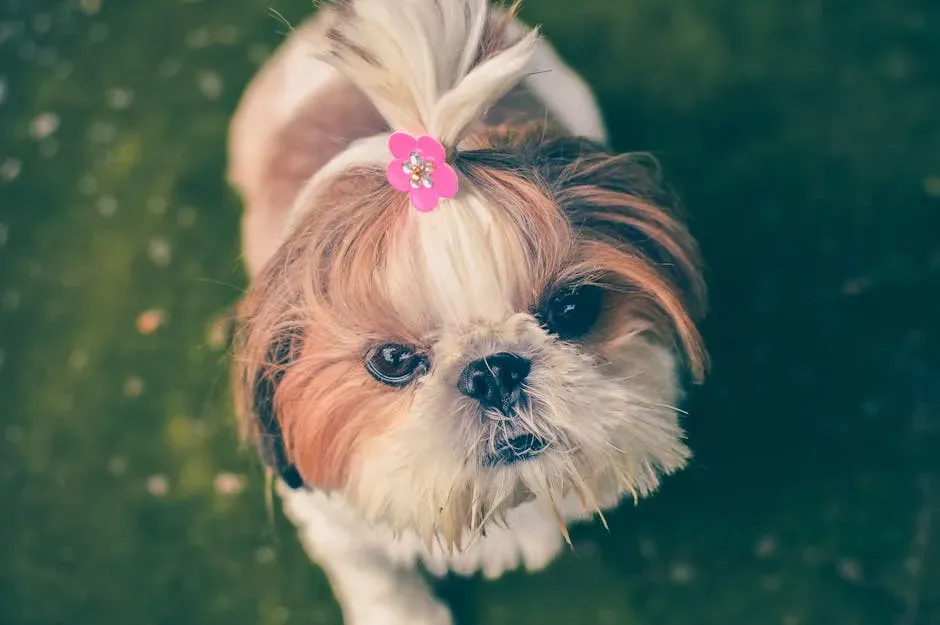
Small but mighty, the Shih Tzu was bred by Buddhist monks in Tibet to look like a little lion. These tiny, cute dogs are very attached to their pet parents and their long and luxurious coats need lots of attention to stay tangle-free. This breed does best with an attentive family who will brush them a few times throughout the week. That attachment isn’t neediness – it’s loyalty, and it runs remarkably deep.
These little dogs are very affectionate – they make excellent lap pets – and enjoy making friends with everyone they meet. Their long, fringed mane requires quite frequent grooming. Shih Tzus may also suffer from significant separation anxiety because they were bred to be close companions, so ensure you have enough time and energy to care for these little loves. If you work from home or have a flexible schedule, a Shih Tzu will reward your presence with extraordinary devotion. Leave them alone too long and behavioral signs of distress – including excessive whining or destructive chewing – can emerge quickly.
5. Boston Terrier: The American Gentleman
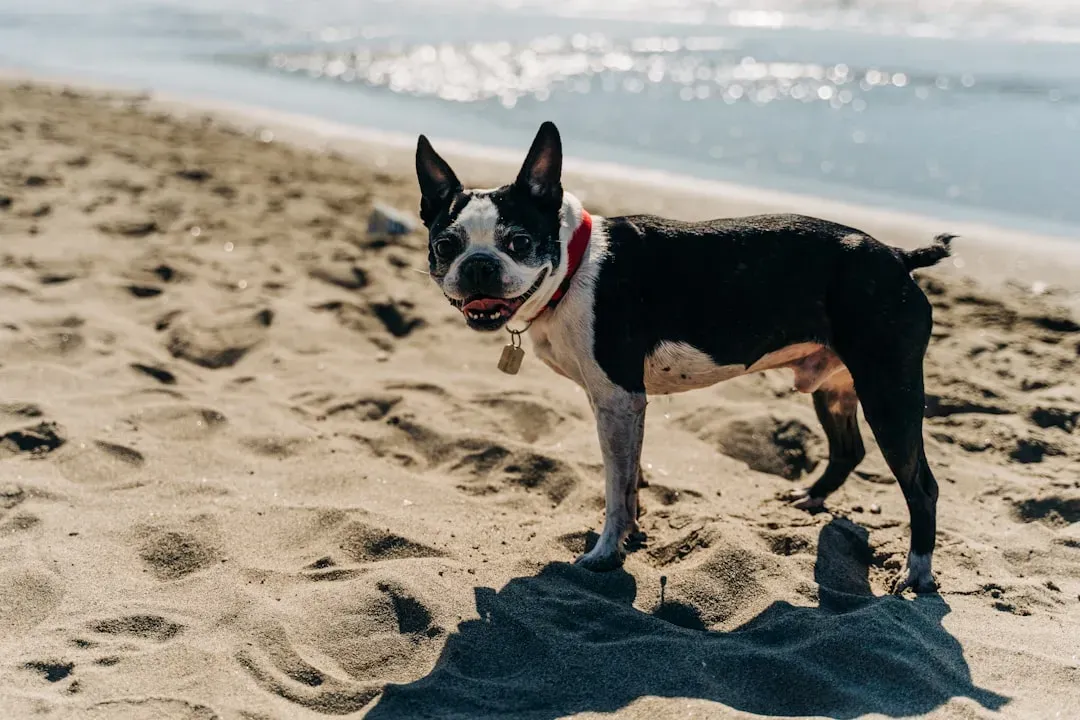
The Boston Terrier is a compact, small companion breed that originated in the United States and is famous for their distinctive “tuxedo” markings. Small in size, Boston Terriers stand 12 to 17 inches tall at the shoulders. The Boston Terrier temperament is friendly, affectionate, intelligent, and can be strong-willed. They are also highly adaptable and are suitable for apartment living. That tuxedo look isn’t just charming – it’s practically a personality statement for a breed that somehow manages to be both silly and sophisticated.
Bred to be companion dogs, the typical Boston Terrier’s temperament is happy-go-lucky, and they usually do well in multi-pet households with proper training, socialization, and introductions. Without enough exercise, attention, and mental stimulation, Boston Terriers can resort to undesirable behaviors such as excessive barking and chewing to keep themselves entertained. Boston Terriers are smart dogs and respond quickly to positive reinforcement training. However, they may have a mind of their own during training sessions, so be patient, positive, and make training into a game to keep them engaged. Watch their eyes regularly – this breed is prone to eye conditions due to their prominent, slightly bulging eyes.
6. Chihuahua: The Mighty Minimalist
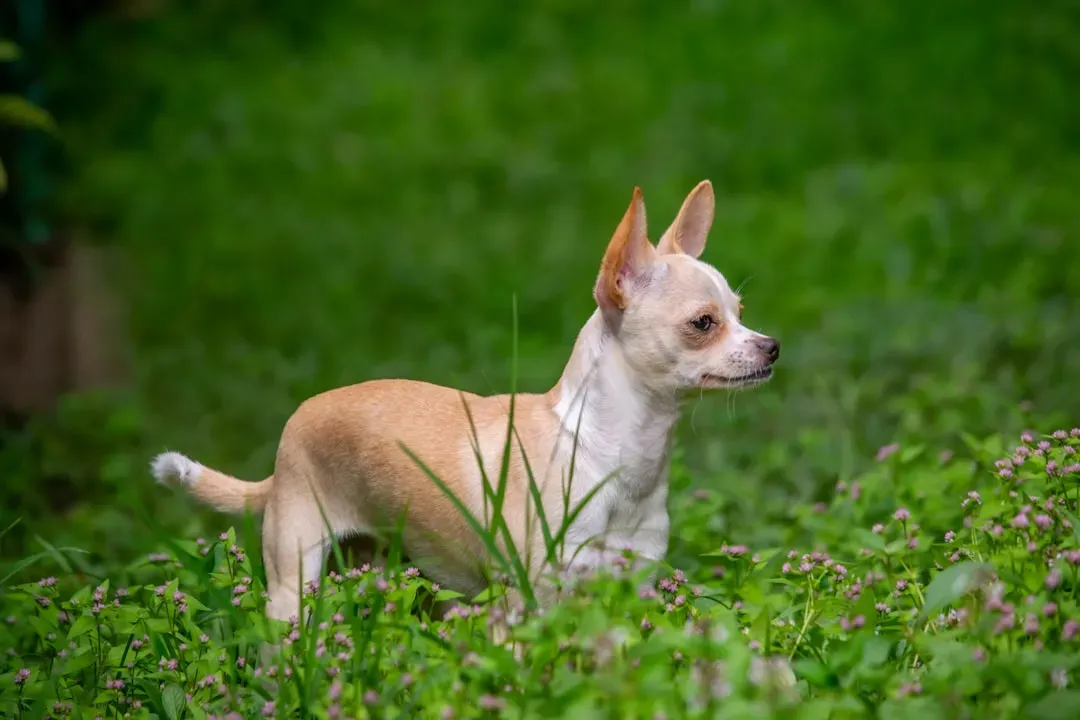
The Chihuahua is the smallest recognized dog breed, yet it boasts a bold and spirited personality. Compact and alert, these little dogs feature a rounded head, large erect ears, and expressive eyes that convey curiosity and confidence. Chihuahuas trace their ancestry to the Techichi, a small dog kept by the Toltec people of Mexico as early as the 9th century. Named after the Mexican state where they were first noted in the 19th century, the breed was formally recognized by the AKC in 1904.
Chihuahuas are extremely loyal, and their pet parents are, too! In fact, people who have a Chihuahua often have more than one in their lifetime. Smart, brave, and loving, this breed will earn – and demand – your respect. Chihuahuas are protective of their pet parents. Very small dogs, especially puppies, can develop dangerously low blood sugar levels. Watch for weakness, confusion, or seizures, and seek immediate veterinary care. Tiny size also means they lose body heat fast, so a warm sweater in winter isn’t being precious – it’s being responsible.
7. Yorkshire Terrier: The Silky Scrapper
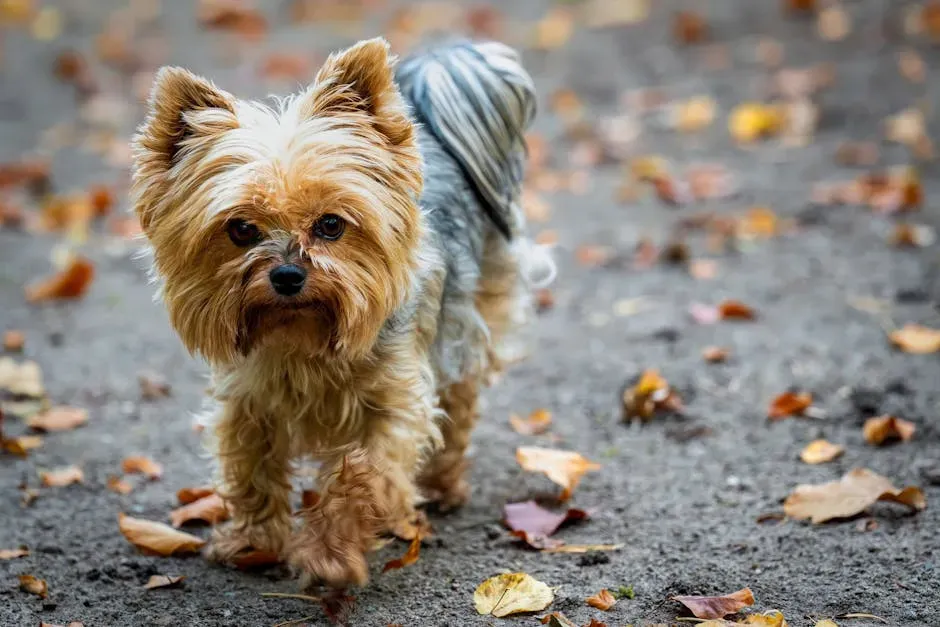
Beneath the Yorkie’s silky, floor-length coat beats the heart of a feisty, old-time terrier. Energetic, brave, and sometimes bossy, Yorkshire Terriers charm their families while providing laughter, love, and companionship. Originally bred to catch rats in Yorkshire’s textile mills during the 19th century, Yorkies carry that working-dog spirit everywhere they go – even on a casual walk to the corner store.
The Yorkshire Terrier, or Yorkie, is a playful, energetic, and affectionate dog. Like other small dog breeds, Yorkies don’t handle the cold well and may be prone to hypoglycemia (low blood sugar). Yorkshire Terriers have moderate exercise needs, enjoying short walks and indoor play, making them ideal for apartment living. Their long coat can be styled or clipped for easier grooming, while daily brushing keeps hair tangle-free. Many Yorkie owners opt for the shorter “puppy cut” not just for looks, but to make daily care far more manageable.
8. Maltese: The Ancient Companion
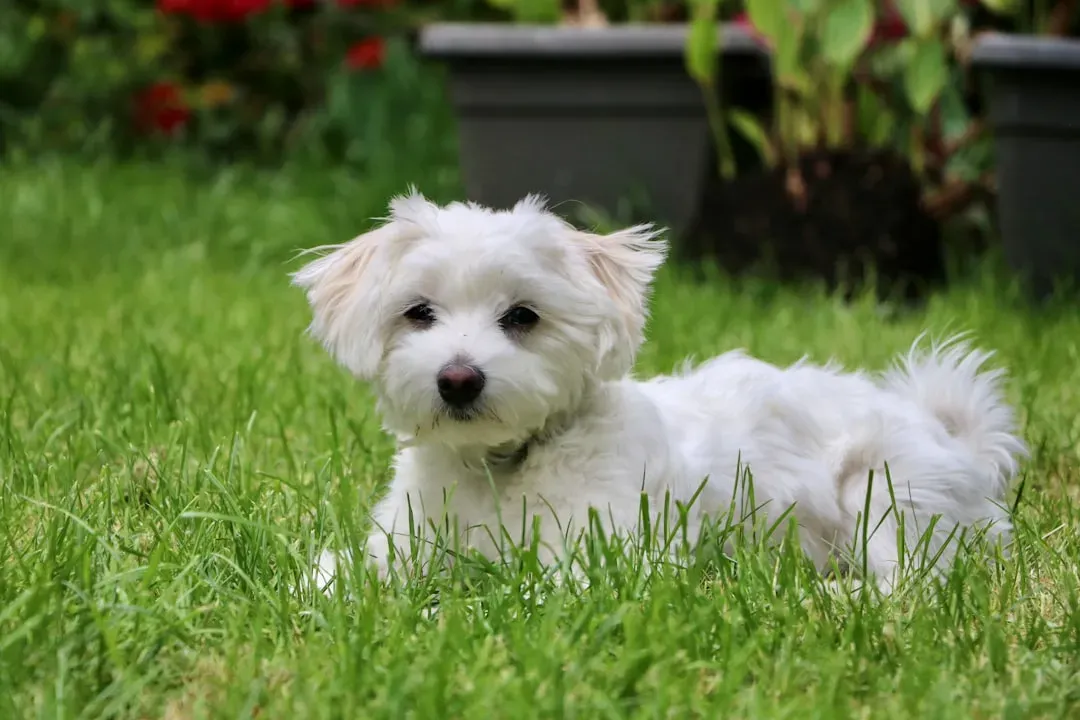
With its soft and silky white coat, the Maltese is most likely one of the first breeds that comes to mind when thinking of small dogs. While this breed is a loyal lap dog, they also have lots of energy and enjoy playtime. Maltese dogs are absolutely fearless – a trait believed to be passed on from the breed’s days as rat hunters. They get along well with people of all ages, are easily trained, and love performing tricks.
The Maltese is a small white dog known for their straight, sweeping curtain of fur. Despite their long coat, this toy breed isn’t a heavy shedder and is often labeled as “hypoallergenic” (although there’s no truly hypoallergenic dog). Still, Maltese can be a good choice for people with allergies. While a Maltese can sport a long elegant coat, most pet parents keep their dog’s coat clipped short so it is easier to maintain. Their eyes must be cleaned often because they are prone to tear stains. A gentle daily wipe around the eye area goes a long way in keeping their face clean and healthy.
9. Pug: The Comedian of the Canine World
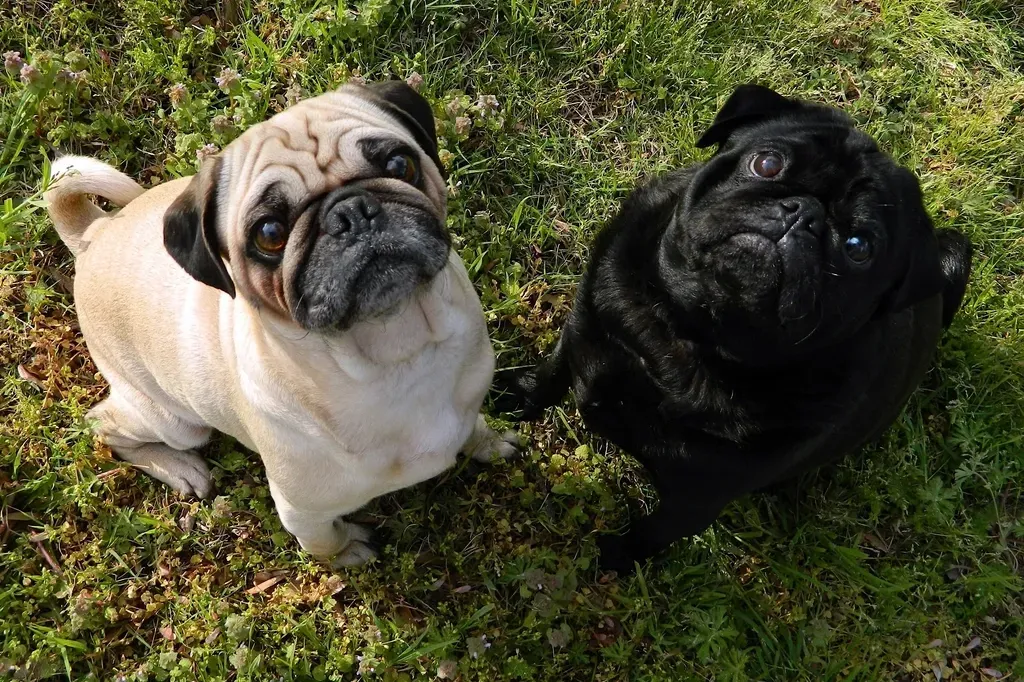
The Pug, weighing around 18 pounds, has a short, stout body, curly tail, and wrinkles on its face. These small dogs are perhaps best known for their flat faces, which unfortunately can be the source of many health problems. Despite this, very few breeds match the Pug’s gift for making people laugh. They are physically comedic, emotionally attuned, and genuinely content to be wherever their family is.
They often require surgery in their first year to widen their nostrils to aid breathing, and this is just the beginning of the Pug’s health issues. They need constant facial grooming to keep their airways clear and eyes clean, as they are prone to corneal ulcers. If you share your life with a Pug, routine vet visits aren’t just helpful – they’re the foundation of keeping them comfortable. Watch for labored breathing, especially in heat, and always make shade and fresh water available during summer months.
10. Miniature Schnauzer: The Alert Companion
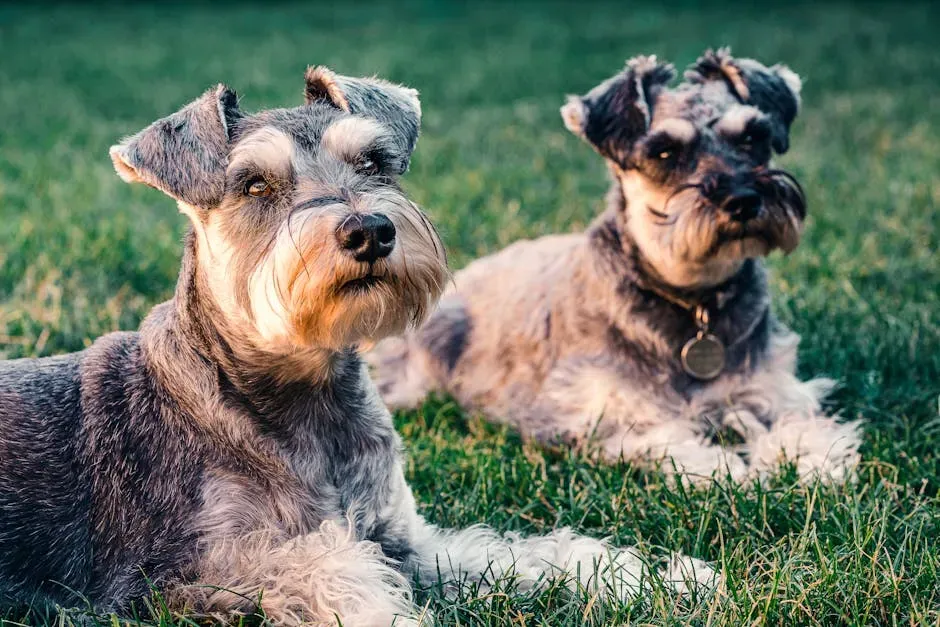
The Miniature Schnauzer might be much smaller than his standard and giant cousins, but he’s just as feisty. These are active and intelligent dogs of terrier type, and true to their heritage can be tenacious ratting dogs, so should be supervised around small animals. They’re the kind of dog who always seems to know what’s happening in the house – usually before you do.
They are highly adaptable dogs that can live in just about any environment, as long as they are near their people. That said, they are very affectionate dogs that enjoy snuggling with their owners as long as they get enough mental and physical exercise. Miniature Schnauzers need consistent training from early on because their intelligence can tip into stubbornness without clear boundaries. Puzzle toys and scent games are excellent outlets for their busy minds. Regular grooming, including hand-stripping or clipping, keeps their distinctive wiry coat in good shape.
11. Dachshund: The Fearless Little Hunter
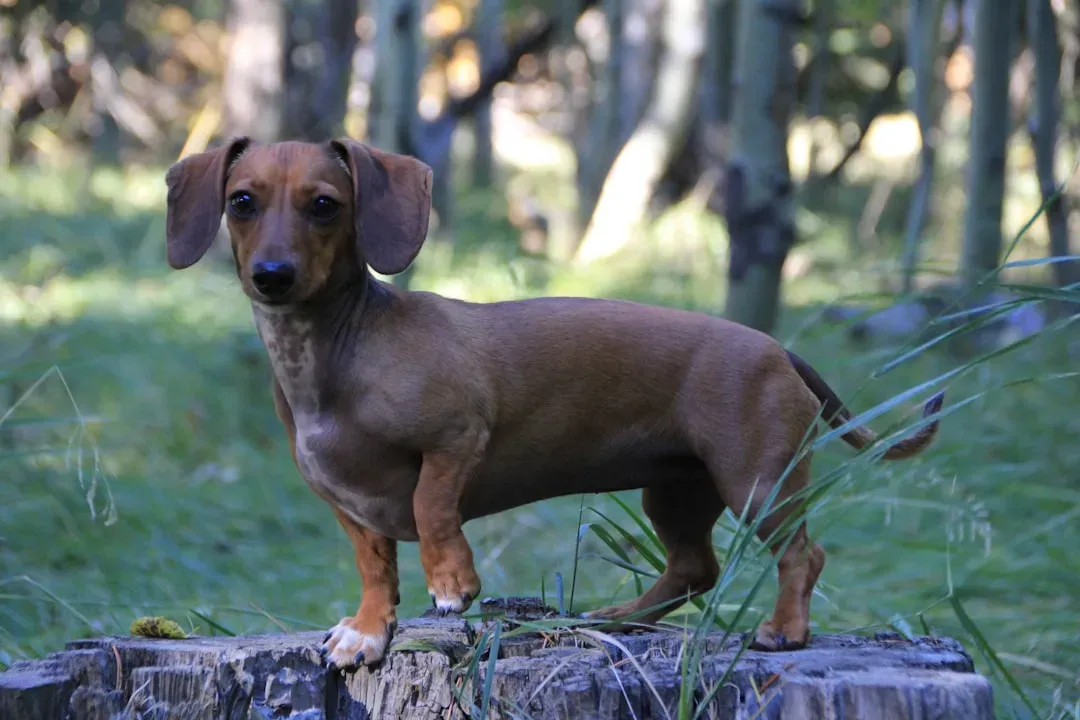
Dachshunds, also known as wiener dogs, are small in stature but big in courage. Originally bred to hunt badgers, their bravery and persistence are noteworthy. Dachshunds are known for their bold and stubborn nature, often showing a fearless approach to challenges. They are playful and intelligent but can be quite willful, requiring patient and consistent training. That hunting heritage is real – Dachshunds will dig, investigate, and follow a scent with total disregard for anything else going on around them.
The most important health consideration for Dachshund owners is their spine. Their long body and short legs make them particularly vulnerable to intervertebral disc disease (IVDD). Preventing your Dachshund from jumping on and off furniture, especially without ramps or steps, significantly reduces this risk. Dachshunds that were bred to catch vermin and other small game would also feel quite at home on a farm or in the country where they can engage their hunting instincts. Urban or rural, they adapt – as long as you keep their backs protected and their curious noses engaged.
12. Papillon: The Butterfly With Brains
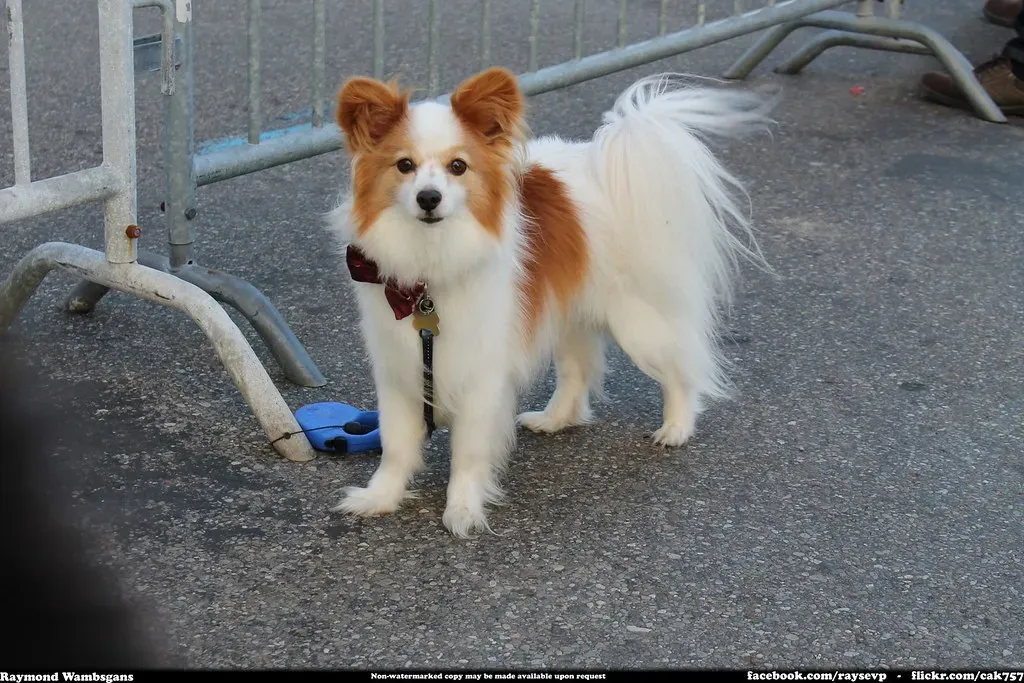
The Papillon, French for “butterfly,” is a tiny dog with a striking presence. Known for its large, flaring ears that resemble butterfly wings, this breed has charmed humans since the 16th century. Once favored by European royalty like Madame de Pompadour and Marie-Antoinette, Papillons are friendly, gentle, and playful companions. Behind that elegant appearance is one of the most mentally sharp small dogs you’ll ever meet.
The Papillon is a friendly, outgoing, intelligent, and cuddly companion animal that enjoys both play and affection. Social and eager to please, it gets along well with other pets and adapts easily to active family life. Despite their long, silky coats, Papillons require minimal grooming thanks to their lack of dense undercoat. Weekly brushing keeps them tangle-free, and regular dental care and nail trims maintain their health. Active and highly trainable, they excel at tricks, mental challenges, and playtime games. If your small dog is doing agility courses and winning, there’s a fair chance it’s a Papillon.
13. Miniature Pinscher: The Confident Explorer
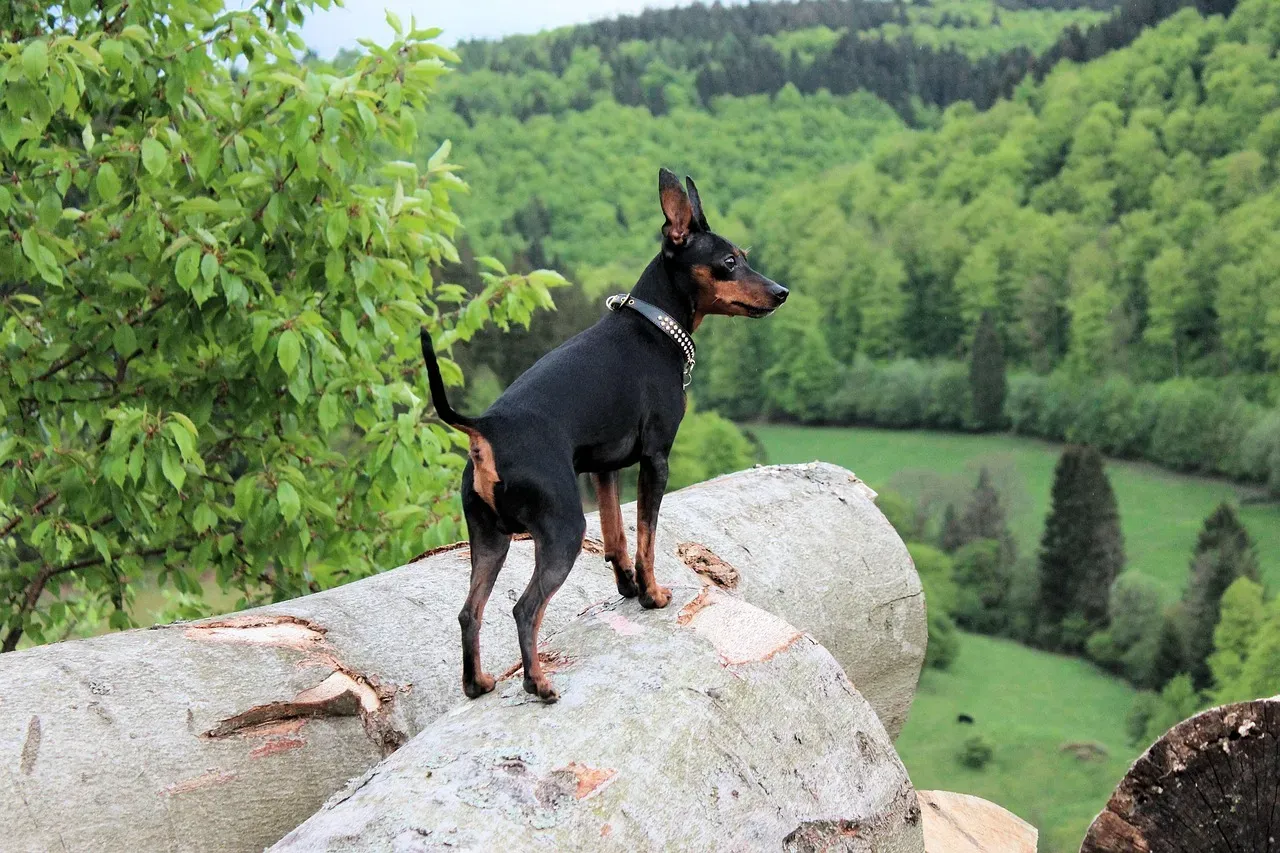
The Miniature Pinscher is a compact and very small breed known for its high-stepping gait and confident expression. With a smooth coat and bold personality, it carries the presence of a much larger dog. The Miniature Pinscher is a lively and exceptionally loyal companion that bonds closely with its owners. Energetic yet affectionate, it enjoys cuddles and suits families with older children who can interact gently.
The Miniature Pinscher, often mistaken for a miniature Doberman, is a breed with a huge personality in a small body. They are fearless, energetic, and assertive, often acting as though they are much larger than they actually are. Min Pins are known for their confident and adventurous nature. They are fiercely independent but also extremely loyal to their owners. This breed requires consistent training and boundaries, as they can become dominant if not properly guided. Despite their small size, Miniature Pinschers make excellent watchdogs due to their alert and protective nature.
14. Shetland Sheepdog: The Responsive Herder
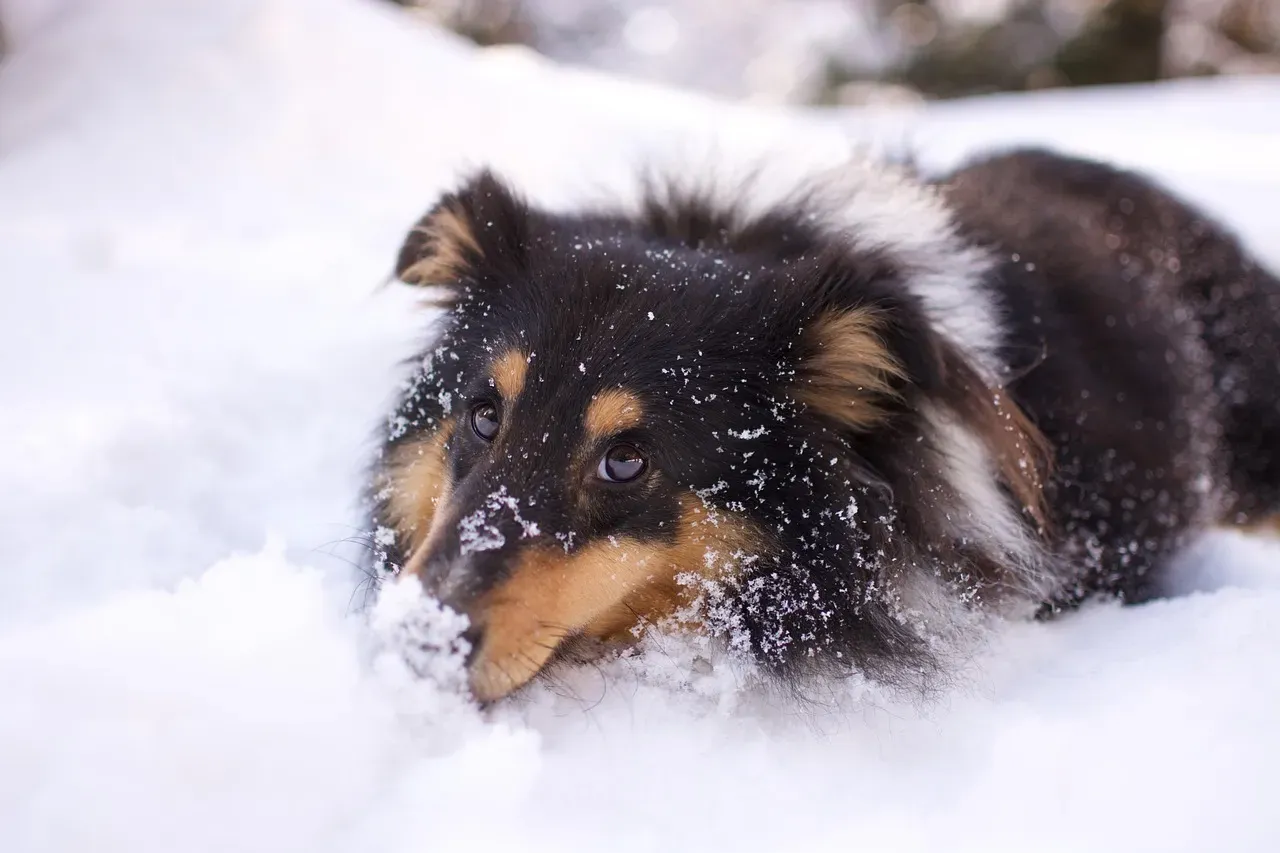
Shetland Sheepdogs are a very popular choice for those looking for a smaller-sized dog with a responsive manner. They are active and intelligent and enjoy spending time outdoors with their owners. They are one of the most popular dogs for agility training and competition and excel in other performance venues. They are energetic and playful dogs, true to their herding heritage, and make excellent family companions.
Shelties are extraordinarily tuned in to their owners’ emotions and body language – many owners describe an almost uncanny sense of empathy from this breed. They can be reserved with strangers, which isn’t unfriendliness so much as thoughtful observation. Proper socialization and obedience training is as necessary to raising a small dog to be friendly and well-mannered as it is to large dogs. For Shelties especially, early socialization prevents shyness from becoming a fixed trait. Their medium-length double coat requires regular brushing, particularly during shedding seasons.
15. French Bulldog: The Urban Companion
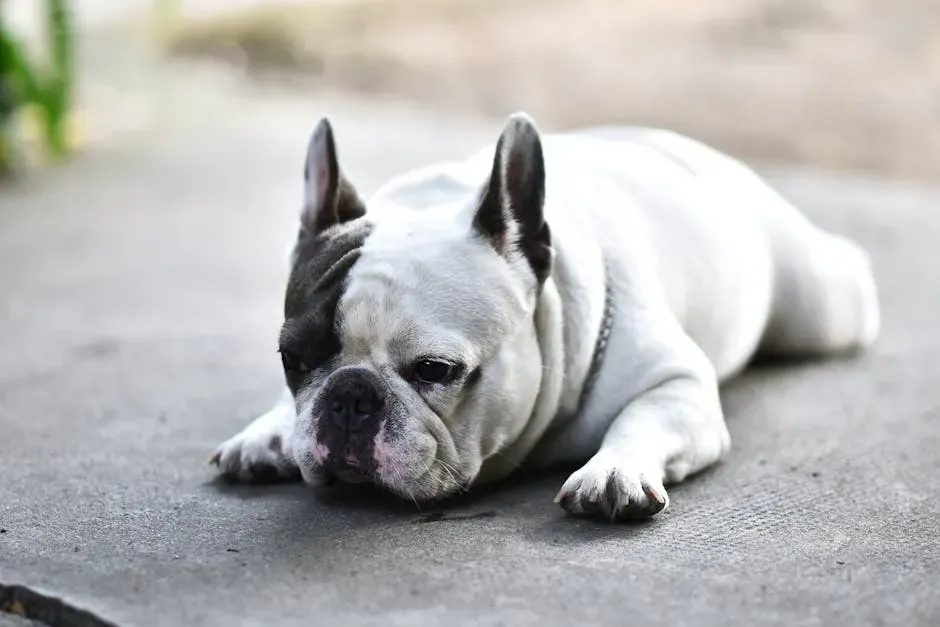
Smaller breeds are generally better suited for apartments due to limited space. Breeds like French Bulldogs, Pugs, and Dachshunds adapt well to smaller living areas and require less room to move around comfortably, making them ideal companions for city dwellers. French Bulldogs have become one of the most popular breeds in urban areas worldwide – and it’s not hard to understand why. They’re calm, affectionate, and quietly entertaining without demanding marathon exercise sessions.
French Bulldogs, with their easygoing nature, are often more self-reliant, less demand-driven, and better suited to moderate routines – making them well-liked in urban settings where space and noise levels vary. Like Pugs, French Bulldogs are a brachycephalic breed, meaning their flattened facial structure can cause breathing difficulties. Heart murmurs and other cardiac issues are common in small breeds. Regular veterinary check-ups help detect and manage heart conditions early. Avoid exercising your Frenchie in high heat and always watch for signs of respiratory distress, especially labored breathing or excessive panting after light activity.
Conclusion: Small in Size, Immeasurable in Love
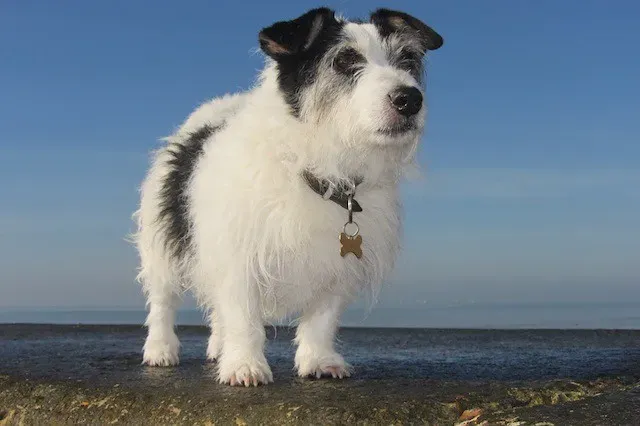
Every dog on this list challenges the assumption that small equals easy, or that small equals simple. The key to success with small breeds is treating them like dogs first and small dogs second – providing appropriate training, socialization, and care while accommodating their size-related needs. Small dogs aren’t just miniature versions of large breeds – they’re unique individuals with distinct personalities, specific care requirements, and characteristics that make them perfectly suited to many lifestyles.
Small dogs do tend to live longer than large breeds on average – 12 to 16 years is common for small breeds versus 8 to 12 for large. But this is a trend, not a guarantee, and individual health factors matter more than size category. What that lifespan means in practice is years of loyalty, routine, warmth, and genuine connection.
The best thing you can do for any of these breeds is take their needs seriously. Research before you adopt. Vet regularly. Train with patience. Socialize early. And show up for them the way they’ll inevitably show up for you – completely, consistently, and without reservation. Because that’s exactly what a big heart in a small package looks like.


