
Picture this: it’s early November in Breckenridge. Snow has dusted the spruce trees overnight, the air is thin and sharp at over 9,000 feet, and you’re lacing up your boots for a trail run. You glance down at your dog. Is the excitement in their eyes a good sign, or are you about to find out the hard way that your pup simply wasn’t built for this?
Colorado is not just another state for dog owners. It demands a certain kind of dog. With over 300 days of sunshine a year and trail systems winding through the Rockies, the breeds that thrive here tend to be athletic, intelligent, and adaptable. That combination of altitude, snow, freezing temperatures, and rugged terrain creates real stakes for your dog’s health and happiness. Some breeds come alive here. Others quietly suffer. Knowing the difference matters more than most people realize.
1. Siberian Husky: Born for the Snow
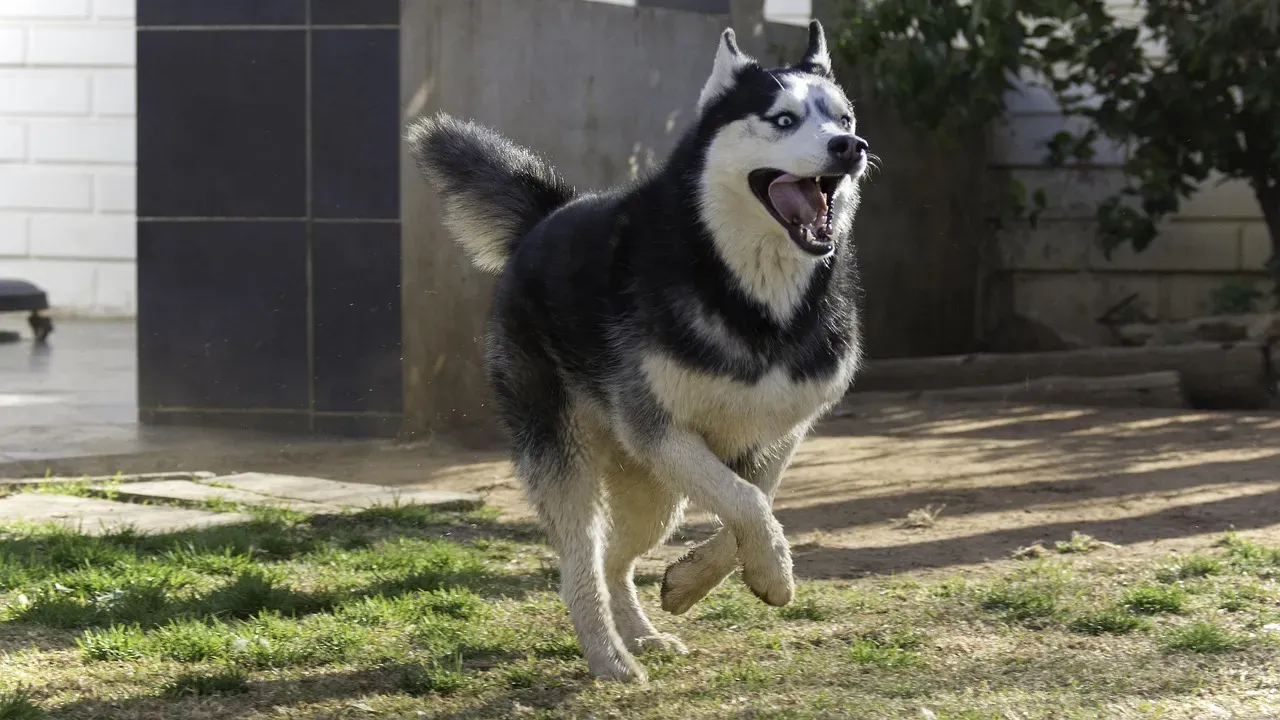
The Siberian Husky is arguably the most natural fit for Colorado’s mountain climate. Originally bred for pulling sleds in harsh Arctic conditions, they are built for endurance and challenging climates, and their thick coats make them well-suited for cold-weather hiking. Their energetic and adventurous nature turns snowy mountain trails into pure joy rather than a challenge.
Known for their striking eyes and wolf-like appearance, Siberian Huskies are resilient and agile, with a high tolerance for cold weather. Their thick double coat acts as insulation against snow, making them a near-perfect match for Colorado’s chilly terrain. That said, their independence and high energy demand serious commitment. They are energetic, intelligent, and a bit rebellious, and are known escape artists who often climb or dig their way out of enclosures. A securely fenced yard is non-negotiable.
Colorado’s snowy winters and cooler mountain temperatures are genuinely ideal conditions for this breed. If you can match their energy, the reward is a trail companion like no other. Watch for overheating during Colorado’s surprisingly warm spring afternoons, and always carry water on hikes above 8,000 feet.
2. Bernese Mountain Dog: The Gentle Swiss Giant
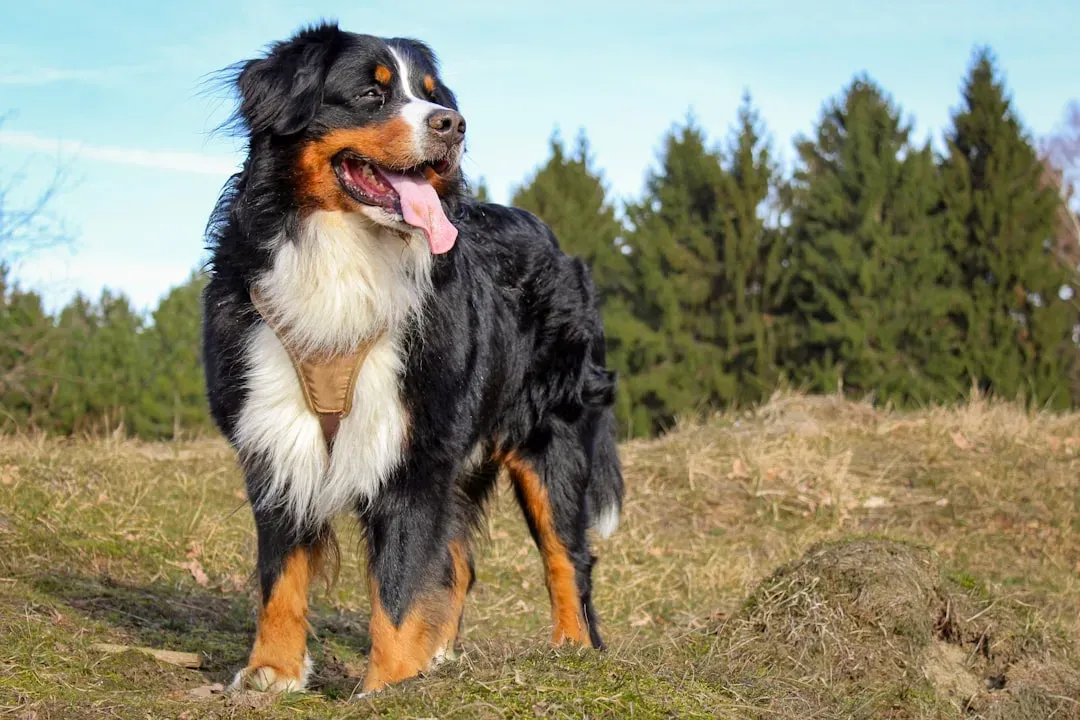
Bernese Mountain Dogs have a long history as working dogs in the Swiss Alps. Their muscular frame and dense, tri-colored coat protect them against harsh climates, making them ideally suited for Colorado’s environment. Despite their large size, they are known for their calm demeanor and make loyal family dogs who are eager to accompany their humans on hikes and other outdoor activities.
Bernese Mountain Dogs are smart and eager to please, which makes obedience training quite easy. Since they are bred for protecting, they always love to watch over their pack, but if socialized well, they do not show aggression. One thing to be mindful of: owing to their specific build for cold climates, Bernese Mountain Dogs do not do well in hot weather, and even when hiking, you should ensure the outside temperature is well-suited to this breed, as they can develop heat stress. Stick to morning or evening hikes in late summer.
3. Alaskan Malamute: The Mountain Powerhouse
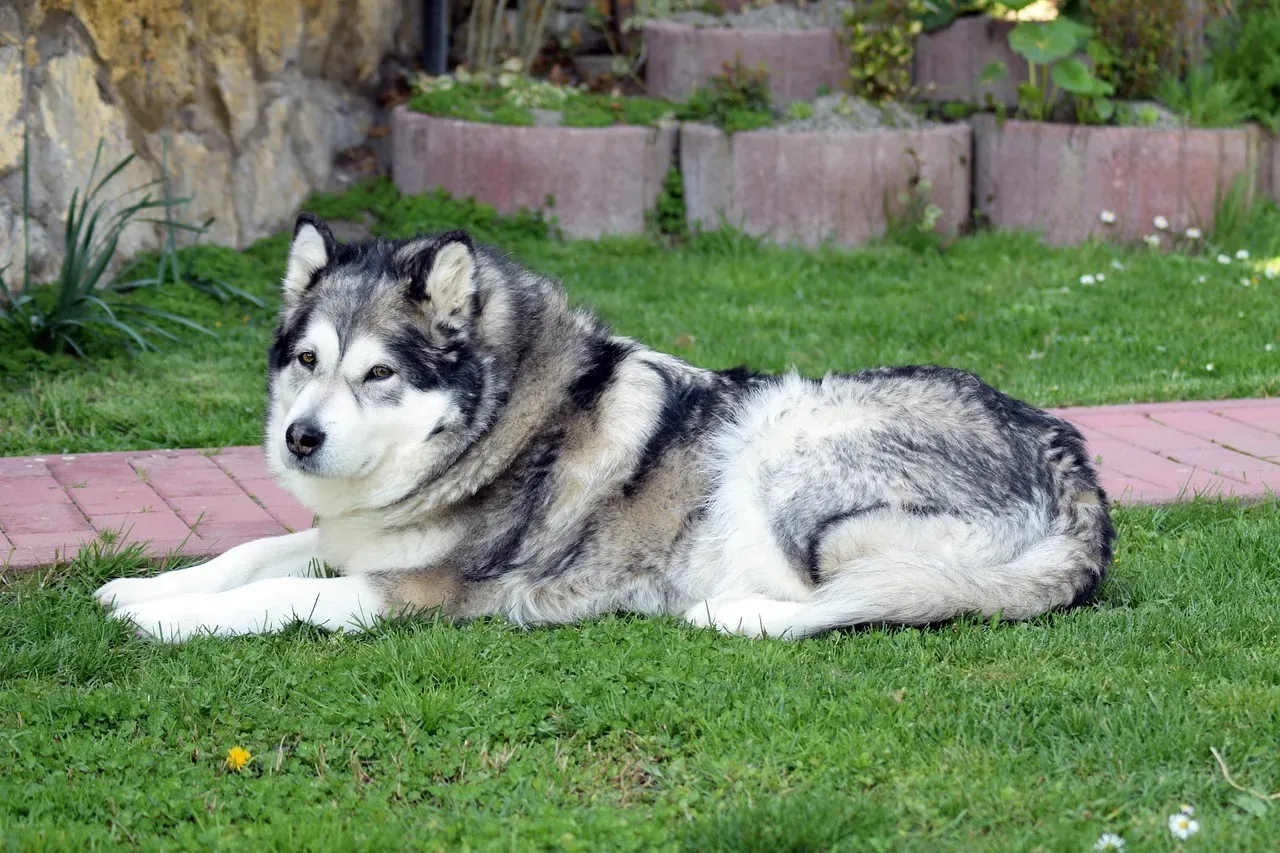
The Alaskan Malamute is a powerhouse of a dog, famous for its strength, endurance, and ability to thrive in cold climates. Originating from the Arctic, these dogs are well-equipped for Colorado’s freezing winters due to their thick, weather-resistant coats. If your lifestyle involves snowshoeing, ski touring, or long winter treks, the Malamute is a serious contender.
Malamutes thrive when they have a job to do. Large, strong, and deeply loyal, they have a heavy coat that protects them from Arctic cold, and they excel at endurance activities like snowshoeing treks or long trail runs. Health-wise, stay proactive: Alaskan Malamutes are predisposed to conditions including hypothyroidism, hip and elbow dysplasia, and progressive retinal atrophy, so regular vet checkups are essential throughout their lives. A mountain lifestyle keeps them mentally and physically satisfied, but only with consistent exercise.
4. Australian Shepherd: Colorado’s Unofficial Trail Dog
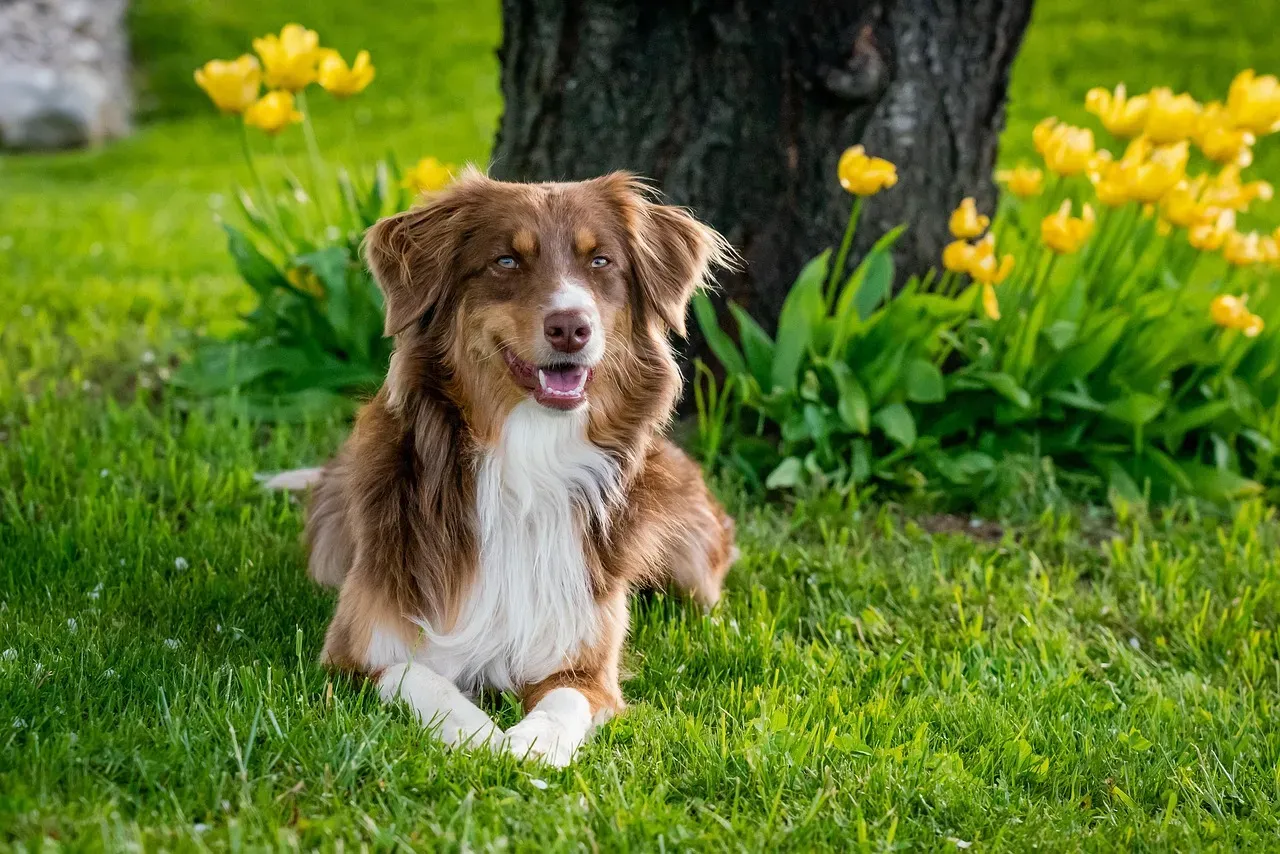
The Australian Shepherd is practically woven into Colorado’s identity. It takes the third spot in Colorado’s top-searched breeds, a position that reflects genuine regional affection rather than passing trend. Walk into any mountain town farmers market and you’ll spot an Aussie weaving through the crowd like they own the place.
The Australian Shepherd is a high-energy breed that thrives in open, rural environments. Originally bred for herding livestock, Aussies are intelligent, easy to train, and excel in obedience. They’re suited for Colorado mountain life due to their robustness and adaptability. One thing to remember: their brilliance is both a gift and a responsibility. Without enough physical and mental stimulation, they can become destructive or anxious. Keep them challenged and they’ll reward you endlessly on the trail.
5. Great Pyrenees: The Calm Mountain Guardian
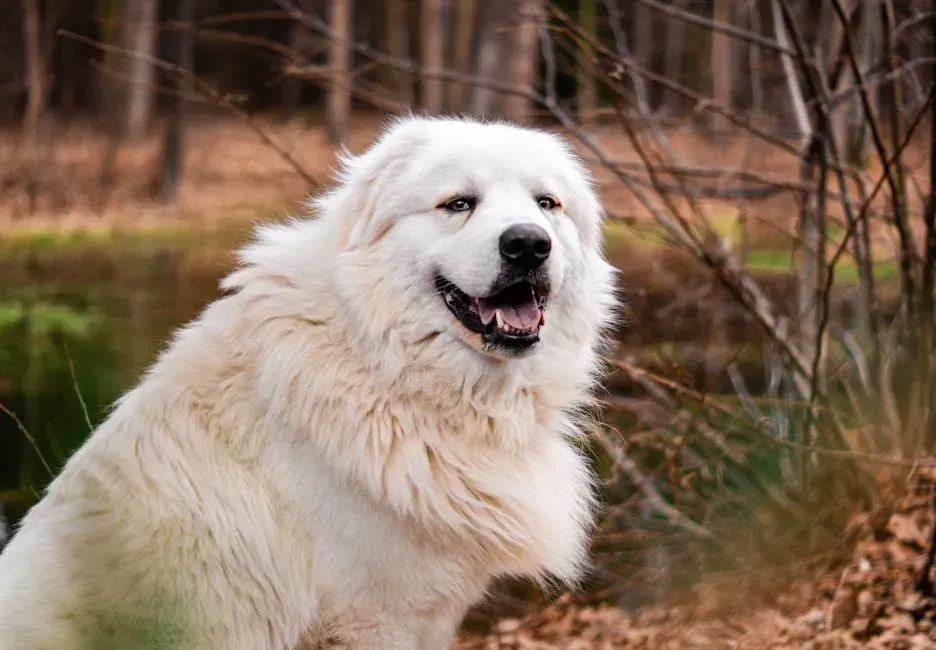
Bred in the mountains between France and Spain to guard livestock against wolves and bears, the Great Pyrenees has a dense, weather-resistant white double coat designed for alpine conditions. Calm, authoritative, and nocturnal by nature, they prefer cool temperatures over warm ones. That natural preference makes Colorado’s high country feel like home.
Great Pyrenees are large with double coats and strong, muscular builds. These patient pups are affectionate with their families but often aloof with strangers. Their independent streak can make recall training a challenge, so a solid leash routine on open trails is important. Being slow-growing dogs, Pyrs are not built for running until around 18 months due to bone and ligament development. Patience during puppyhood pays off enormously later.
6. Saint Bernard: The Living Legend of the Alps
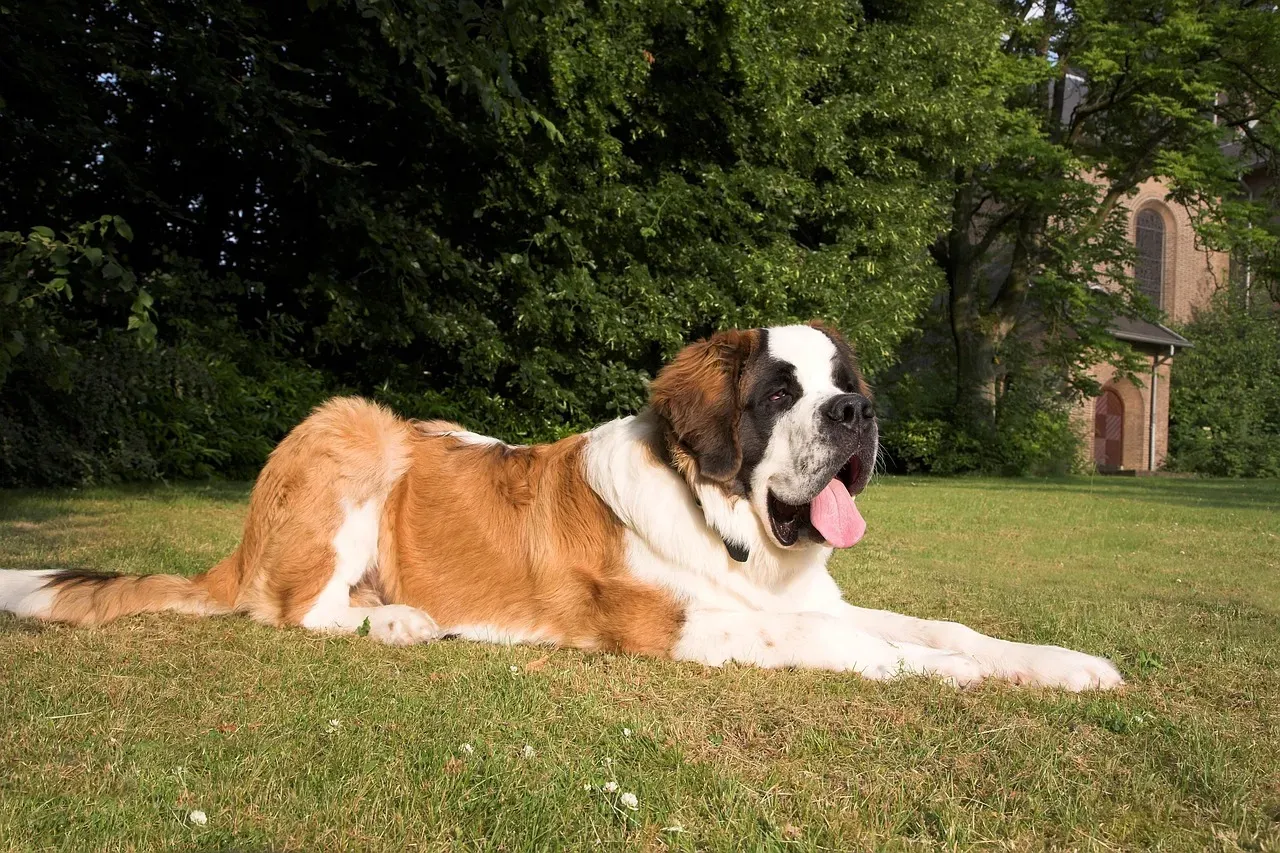
The Saint Bernard originated as a monastery dog in the mountains of Switzerland, serving as a companion and protector to monks. Their keen sense of smell and remarkable strength made them legendary snow search-and-rescue dogs. Massive and powerful, often weighing well over 100 pounds, Saint Bernards are gentle giants who enjoy winter weather.
Though still occasionally called upon for avalanche rescue missions, Saint Bernards have earned a place in homes worldwide. Known for their calm, friendly temperament, they balance their heroic capabilities with an affectionate, patient nature that makes them excellent family companions. Despite their imposing size, they thrive on social interaction and moderate exercise, enjoying outdoor adventures that match their stamina. Their drool is legendary too. Stock up on towels.
7. German Shepherd: Search, Rescue, and Everything In Between
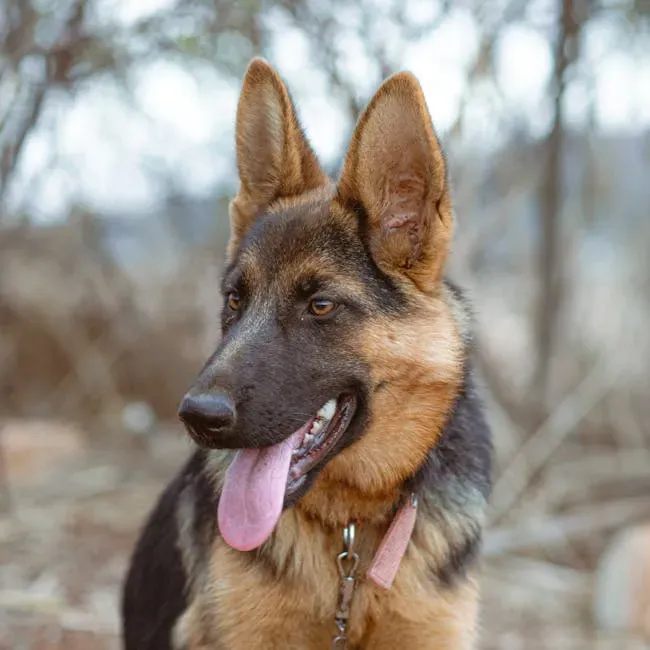
The German Shepherd is described as a true dog lover’s dog. Confident, courageous, and smart, this breed contributes meaningfully in Colorado beyond just being a companion. In a state where search and rescue operations are a real necessity given mountain terrain, German Shepherds play a vital role.
Cold-weather breeds are historically bred for sledding, guarding, or herding in harsh climates, so they’re naturally equipped to stay warm and active even when temperatures drop below freezing. Cold-weather dogs share a combination of physical and behavioral traits that allow them to thrive in snow, wind, and subzero temperatures. German Shepherds fit this profile well, with their dense double coat, muscular build, and work-driven personality. Mental stimulation is as important as exercise for this breed. A bored German Shepherd in a mountain cabin is nobody’s idea of a good time.
8. Tibetan Mastiff: High-Altitude Royalty
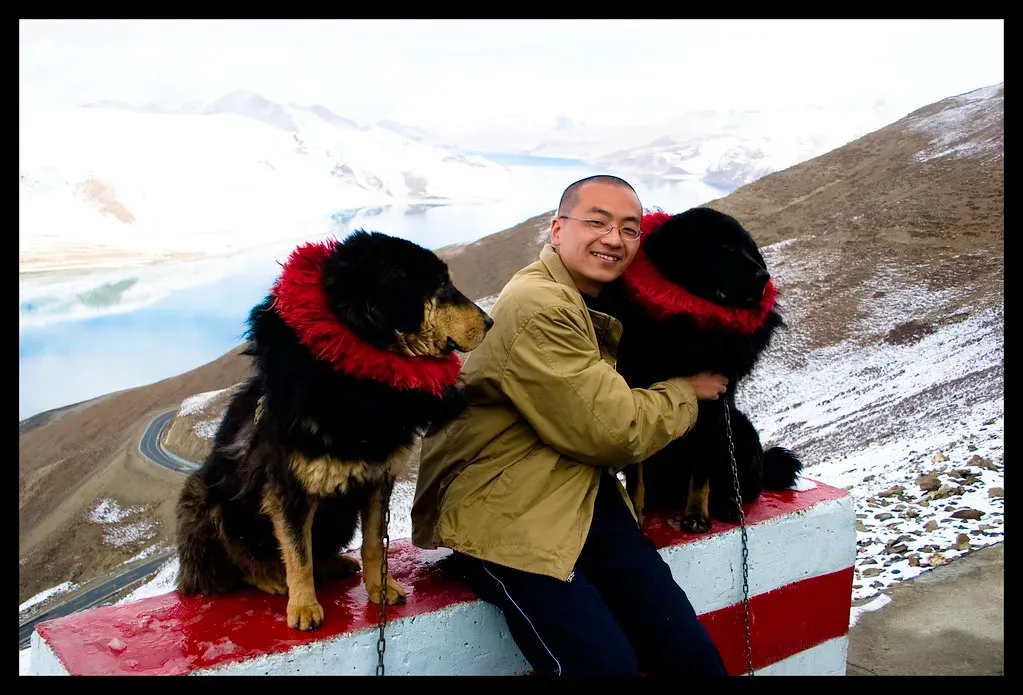
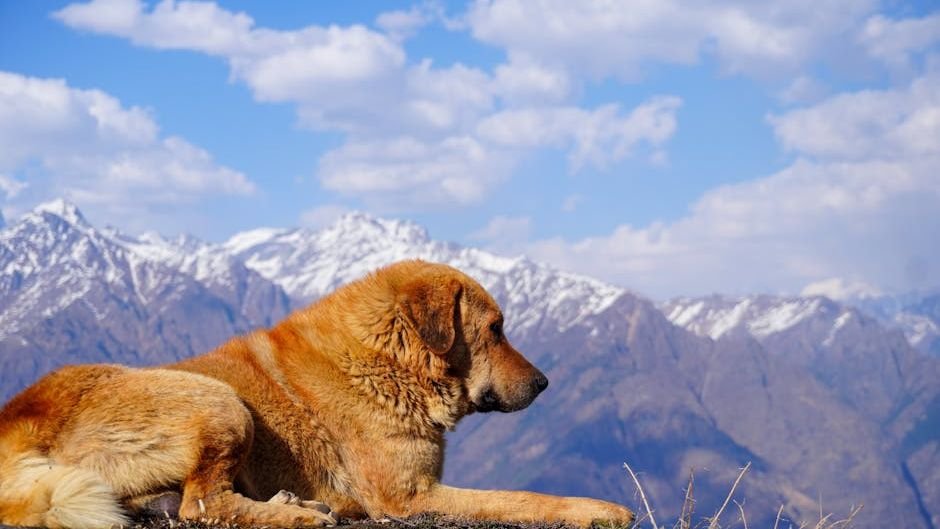
The Tibetan Mastiff is an ancient breed that spent thousands of years guarding homes and temples in Tibet, a region high in the Himalayas. Bred by nomadic peoples to withstand extreme altitudes and subzero temperatures, Tibetan Mastiffs developed a dense coat, imposing size, and protective nature. Independent but loyal, Tibetan Mastiffs prefer purposeful activity over casual play.
They have a thick, weather-resistant coat that adapts to extreme climates. Whether it’s freezing nights or harsh winds, they remain comfortable and alert. This makes them ideal for high-altitude living. However, this is not a breed for first-timers. Tibetan Mastiffs may require experienced handlers due to their strong-willed personalities. In the right hands, on the right property, they are extraordinary animals.
9. Border Collie: The Thinker Who Loves the Outdoors
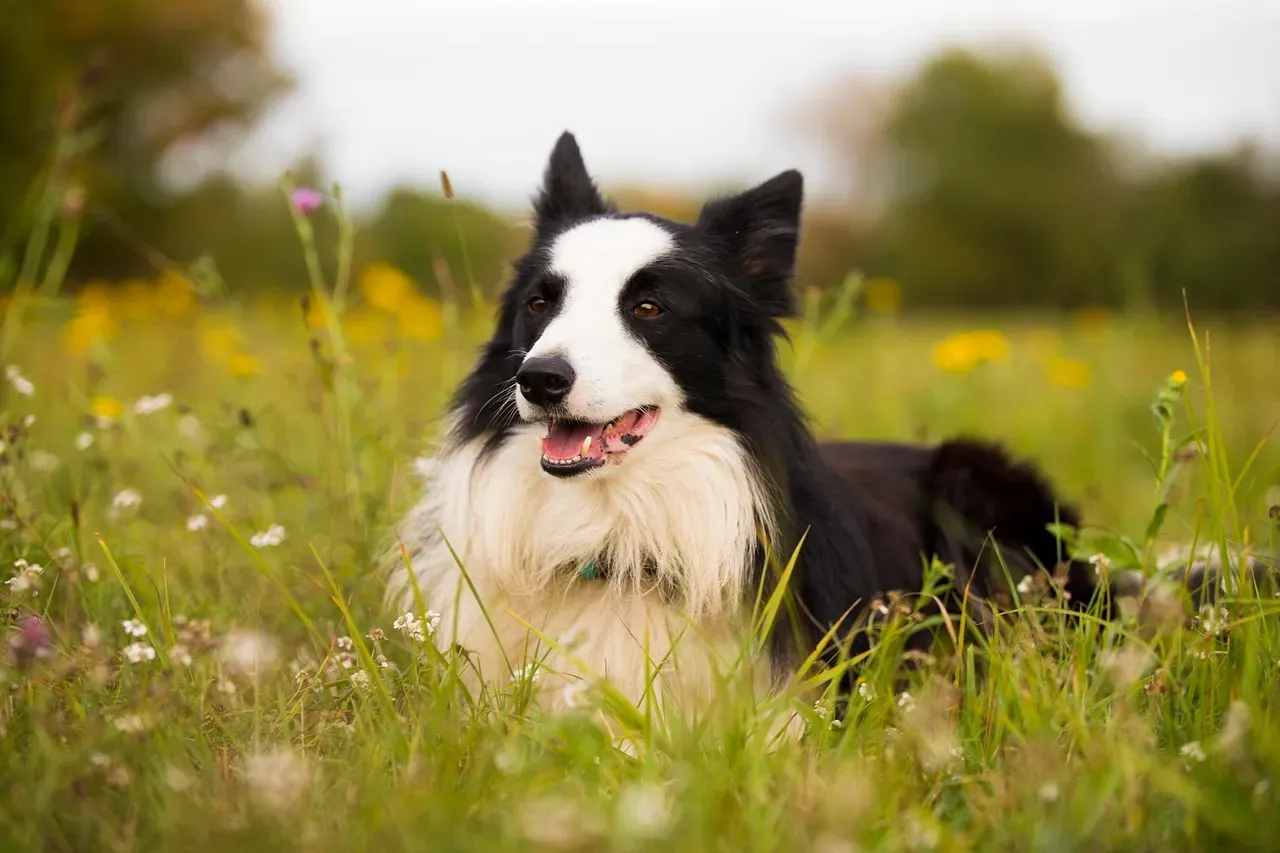
While Border Collies might not have the size of some hardier breeds, their intelligence and boundless energy make them capable of navigating any landscape. Bred for herding sheep in rugged terrains, they are incredibly adaptable and thrive in Colorado’s diverse environments. Border Collies are highly trainable and excel in various canine sports that emphasize agility and speed.
Colorado’s trail culture is a perfect match for a breed that needs both physical and mental engagement every single day. Their medium-length double coat handles cold reasonably well, though they’re not as insulated as larger Nordic breeds. Watch for paw pad cracking during dry Colorado winters. A good paw balm and regular checks after snowy hikes go a long way toward keeping your Border Collie comfortable and trail-ready year-round.
10. Newfoundland: The Gentle Mountain Bear
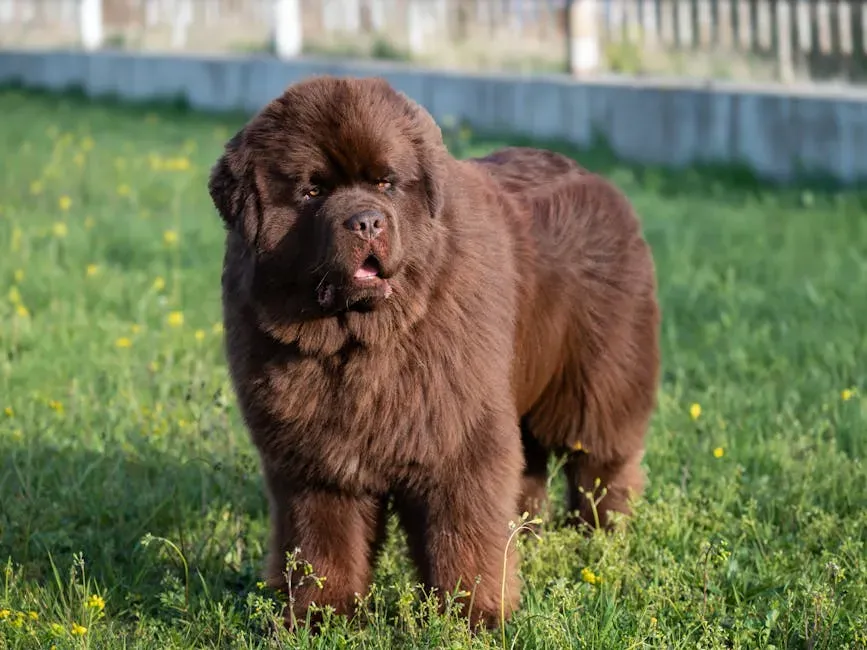
Newfoundlands were originally bred to be working dogs alongside fishermen in Canada. They are excellent swimmers who don’t mind cold waters, and when on land, they are expert hikers. Newfies are incredible family dogs, especially for families with young children. Their calm temperament and watchful eyes have earned them the nickname “nanny dogs.”
The Newfoundland has a heavy coat that protected it from icy waters it was originally bred to work in, making it ideal for colder weather. These Canadian dogs are still used in water rescues today, and a double coat and strong body make them ideal for mountains too. They move at a deliberate pace, which actually suits Colorado’s high-altitude hikes well. Push them too fast and they’ll tire; let them set their own rhythm and they’ll go all day. Due to their size, they are at risk for joint problems like hip dysplasia, so consider joint supplements and maintaining a healthy weight to reduce strain.
Now, the 5 That Struggle: Breeds to Approach With Caution
This section isn’t meant to make anyone feel bad about their dog. It’s meant to help you protect them. Colorado’s altitude alone creates challenges that most flat-land owners never think about. Altitude sickness occurs when a dog’s body struggles to adjust to the lower oxygen levels and decreased air pressure found at higher altitudes. Just like humans, dogs rely on a steady supply of oxygen to maintain normal bodily functions. When the air becomes thinner at elevations above 8,000 feet, their ability to absorb oxygen efficiently can be compromised, leading to a range of symptoms.
11. Pug: Cute, Beloved, and Genuinely At Risk
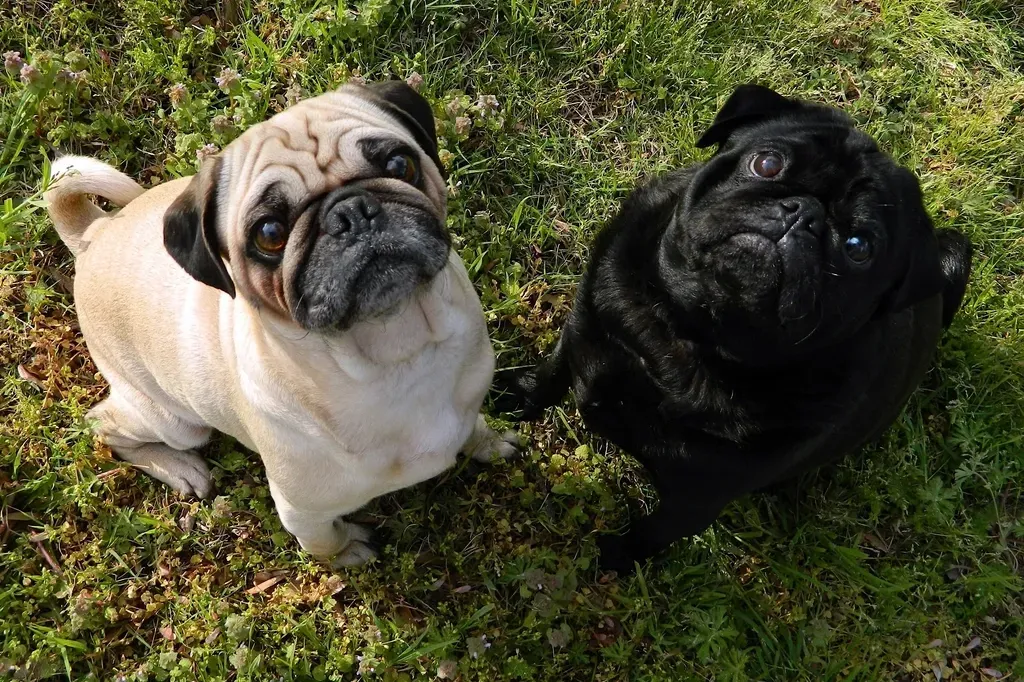
Pugs are adored by many and make great companions. Unfortunately, they can run into trouble with altitude sickness at high elevations and cold temperatures. Pugs are brachycephalic dogs, meaning their faces are relatively flat and result in restricted airways. This is not just a comfort issue. It’s a health risk.
At high altitudes, the oxygen is scarce and the air is cold and dry. This can cause Pugs to struggle to get enough air, resulting in coughing, wheezing, and other symptoms of intolerance to altitude. If you live in Denver proper, your Pug can manage. Venturing to elevations above 8,000 feet for camping or hiking is a different matter. Know the warning signs: labored breathing, excessive panting, lethargy, and blue-tinged gums all warrant an immediate descent and vet contact.
12. Chihuahua: Small Frame, Big Challenges
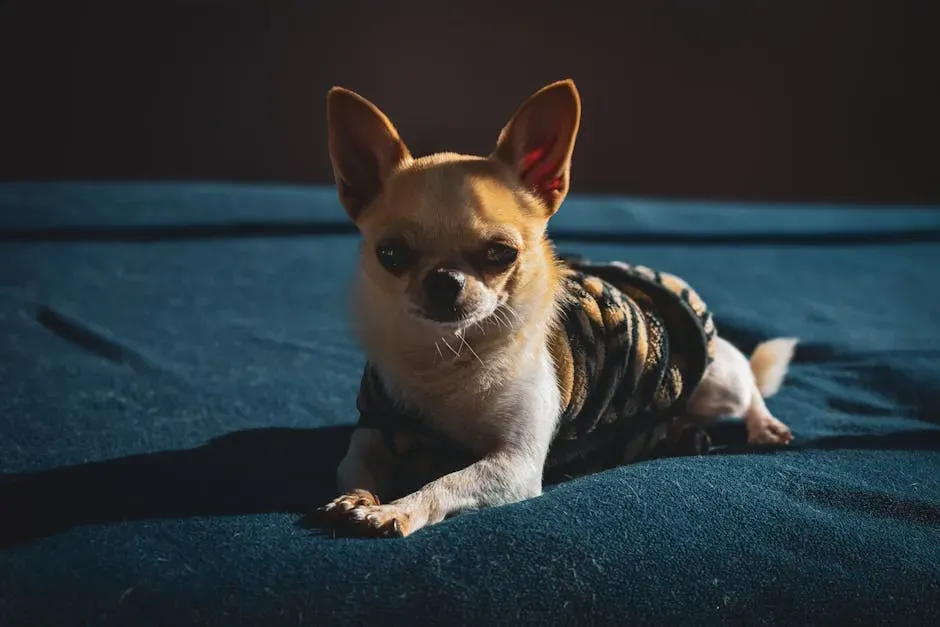
Chihuahuas are small, energetic, and alert dogs that are prone to high altitude sickness. They are highly sensitive to extreme temperatures and can feel hot and cold without protection from the elements. In a state where overnight temperatures can plunge dramatically even in summer, this creates real daily management challenges.
The Chihuahua’s small size and short coat make it particularly vulnerable to colder temperatures. Because Chihuahuas have a higher surface area-to-volume ratio, they tend to lose body heat quickly, making it essential for owners to provide them with warmth during chilly weather. A dog sweater isn’t just a cute accessory for this breed in Colorado. It’s a genuine necessity from October through April. Keep hikes short, watch for shivering, and never leave them in a cold car.
13. Boxer: Enthusiastic But Physiologically Challenged
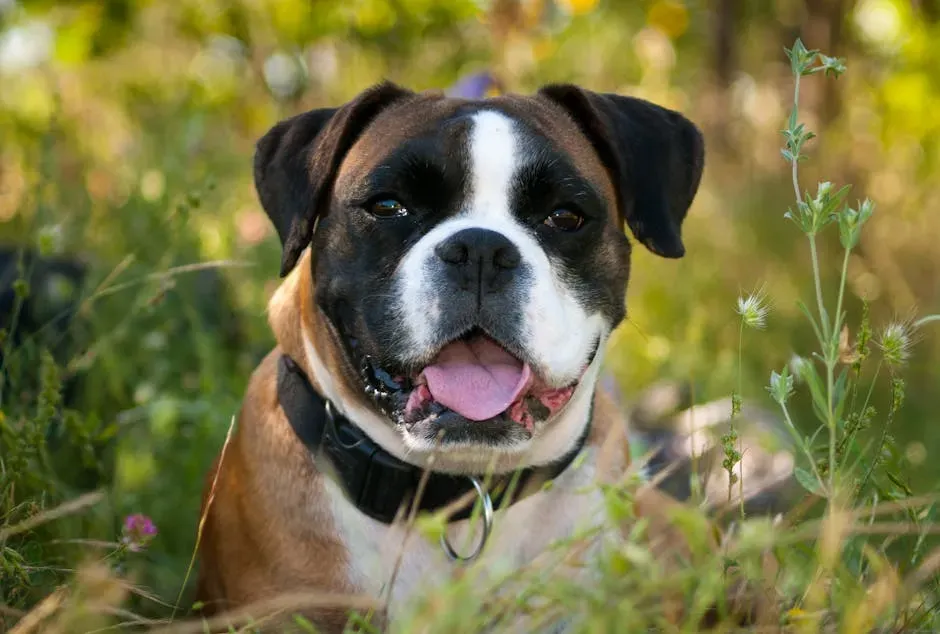
Brachycephalic breeds such as Bulldogs, Pugs, and Boxers are at a higher risk for altitude sickness because of their unique anatomy. These dogs have shorter airways, which can make breathing less efficient, especially when oxygen levels are reduced at high elevations. Their restricted airflow can make it harder for them to compensate for the thinner air, putting additional strain on their respiratory systems.
Boxers are joyful, athletic dogs with enormous hearts. The problem isn’t their spirit. Boxers are a brachycephalic dog with short skulls and a square muzzle, which can lead to respiratory problems and snoring. At sea level, many Boxers manage reasonably well. At Colorado elevations above 8,000 feet, that brachycephalic anatomy becomes a genuine liability. Flat-faced dogs like Boxers already have compromised breathing, and altitude compounds this. These breeds face much higher risk above 8,000 feet. Stick to lower elevation activities and always check with your vet before trail adventures.
14. Italian Greyhound: Built for Warmth, Not the Rockies
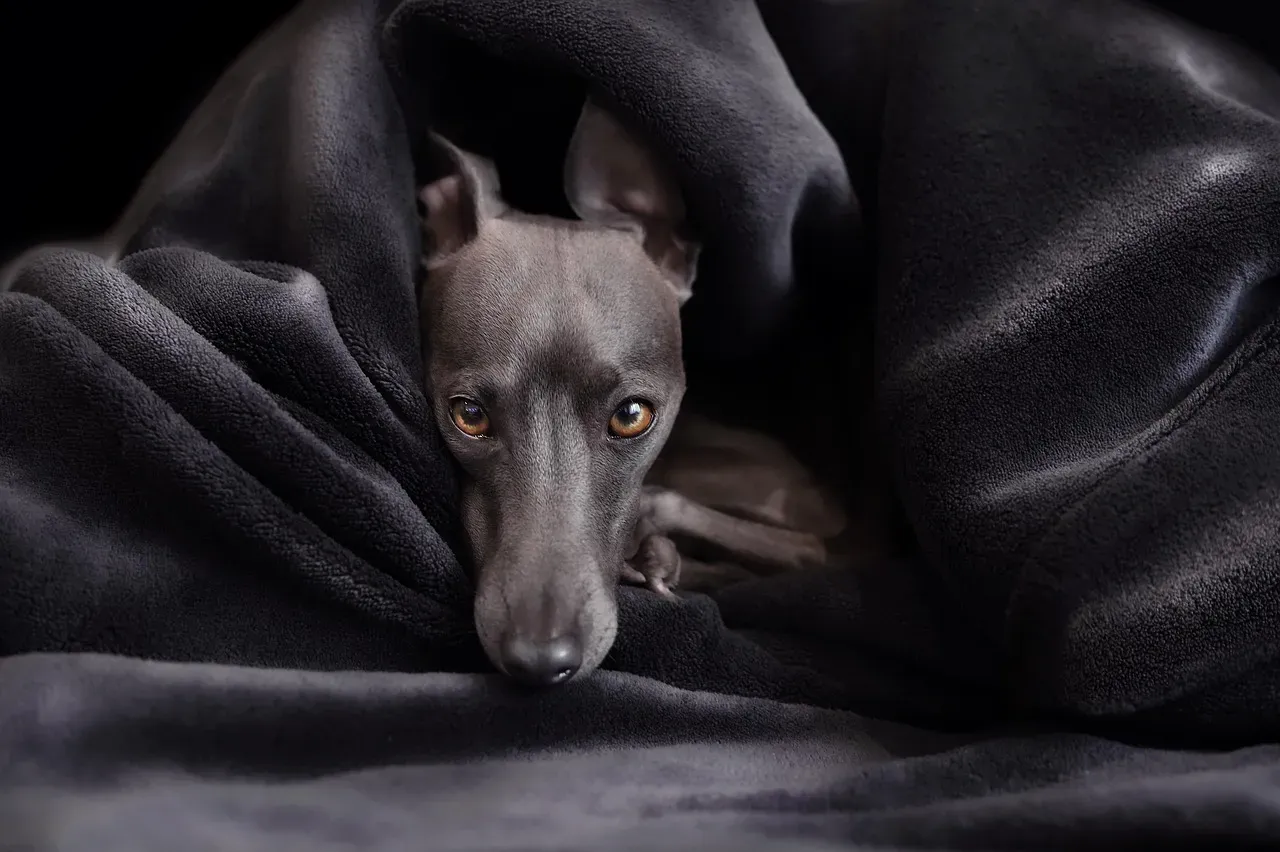
The Italian Greyhound has a sleek body and a short coat that does not offer much insulation against the cold. Their lean build can lead to discomfort in lower temperatures, so it is advisable for owners to dress them in sweaters or coats to help maintain their body heat. Colorado winters are simply not their terrain.
Thin-coated breeds such as Greyhounds, Boxers, Chihuahuas, and many short-nosed breeds struggle in cold weather. Their small body fat percentage, short coats, and narrower airways make cold exposure uncomfortable and sometimes dangerous. Italian Greyhounds fall squarely into this category. If you have one and you love Colorado, that’s completely workable. Just be realistic. Short potty trips in winter, a warm jacket, a heated dog bed, and a thoughtful approach to outdoor time keep them healthy and happy despite the mountain chill.
15. Dachshund: Short Legs, Long Odds in Deep Snow
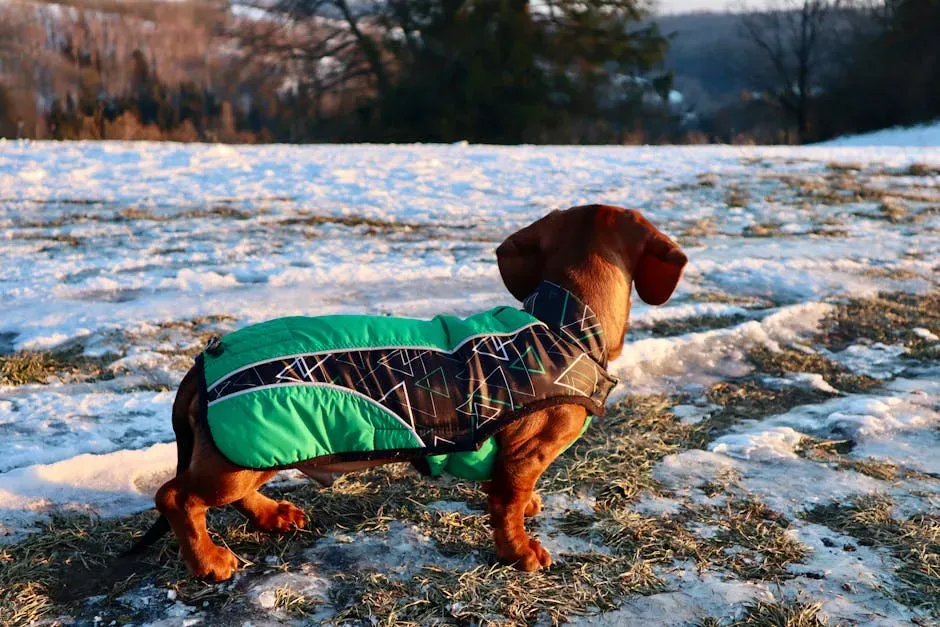
While Dachshunds are spirited and playful, their short legs and minimal body fat can make them vulnerable to cold weather. Their long bodies combined with short fur leave them at greater risk for feeling chilly during winter months. There’s also a purely practical issue: their bellies drag through snow, which is uncomfortable and leads to rapid heat loss in cold conditions.
Deep snow hikes are genuinely hard on a Dachshund’s back, which is already a structural vulnerability for the breed. Keep winter outings on packed or groomed trails, invest in a warm coat and belly band, and watch for the classic signs of cold stress: shivering, reluctance to move, and whimpering. Their spirit will always say yes. Your job is to say “not today” when the mountain says so.
Conclusion: Match Your Dog to the Mountain, Not the Myth
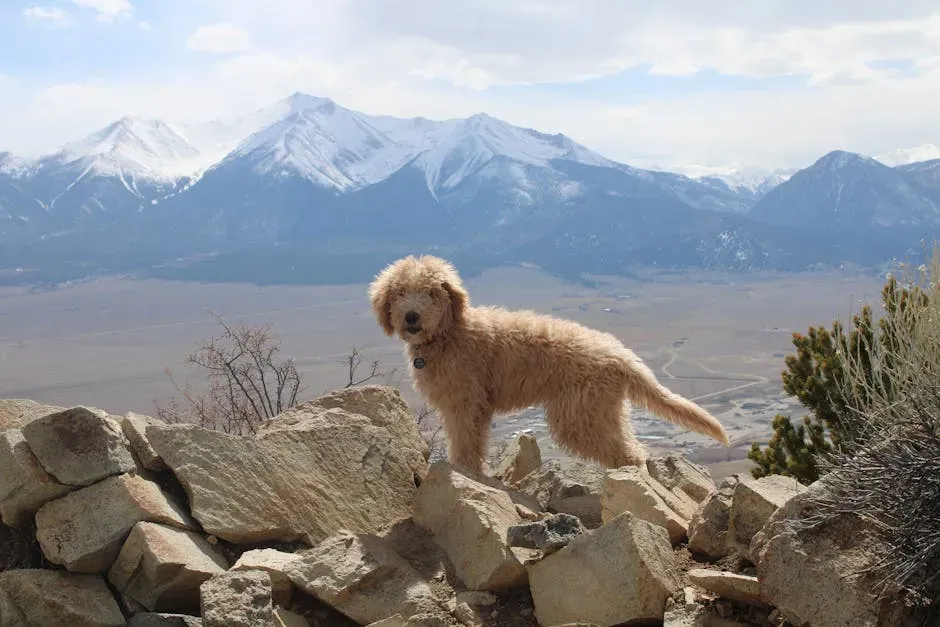
Colorado is one of the most spectacular places in the world to share with a dog. Misty morning hikes through aspen groves, afternoons in the snow, long summer evenings above the tree line. The experience is genuinely different when a happy, healthy dog is beside you.
The key is honesty about what your dog needs, not what you wish they could handle. Choosing a dog that can thrive in extreme weather isn’t just about looks. It’s about resilience, stamina, and adaptability. Hardy companions built for snow and rugged wilderness require dedicated care, proper grooming, and regular exercise suited to their climate. For breeds that struggle, thoughtful management, good gear, and regular vet communication make all the difference.
Whether you’ve got a Husky who lives for the next snowstorm or a Chihuahua who deserves a warm coat and a little extra grace, you’re already doing the most important thing: paying attention. That awareness, more than any breed profile, is what makes a great dog owner in Colorado’s magnificent, demanding mountain climate.


