
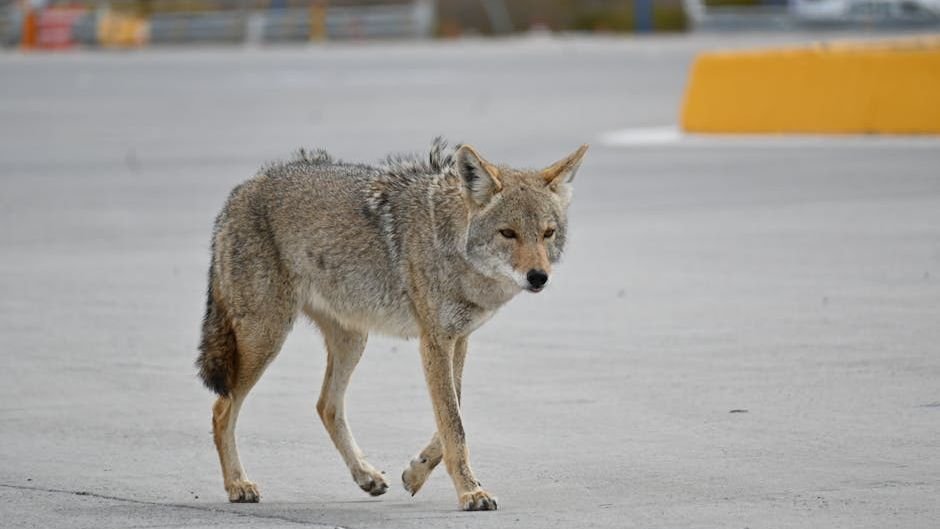
Picture this: you’re walking your dog through your neighborhood at dusk, and you spot a lean, amber-eyed canid trotting along the sidewalk like it owns the place. It’s not a stray dog. It’s a coyote, and it’s completely unfazed by the streetlights, the traffic, or you. If this sounds familiar, you’re not alone. Coyotes have quietly become one of the most successful urban wildlife stories in modern American history, and scientists are still piecing together exactly how they pulled it off.
City life may be shaping the evolution of urban coyotes, the highly adaptable carnivores spotted in alleyways from Berkeley, California, to the Bronx, in New York. For dog owners, understanding this shift isn’t just fascinating – it’s genuinely useful. Knowing how coyotes behave in your neighborhood helps you make smarter decisions about your dog’s safety, your yard, and your evening walks.
1. They Flipped Their Schedules to Avoid Us
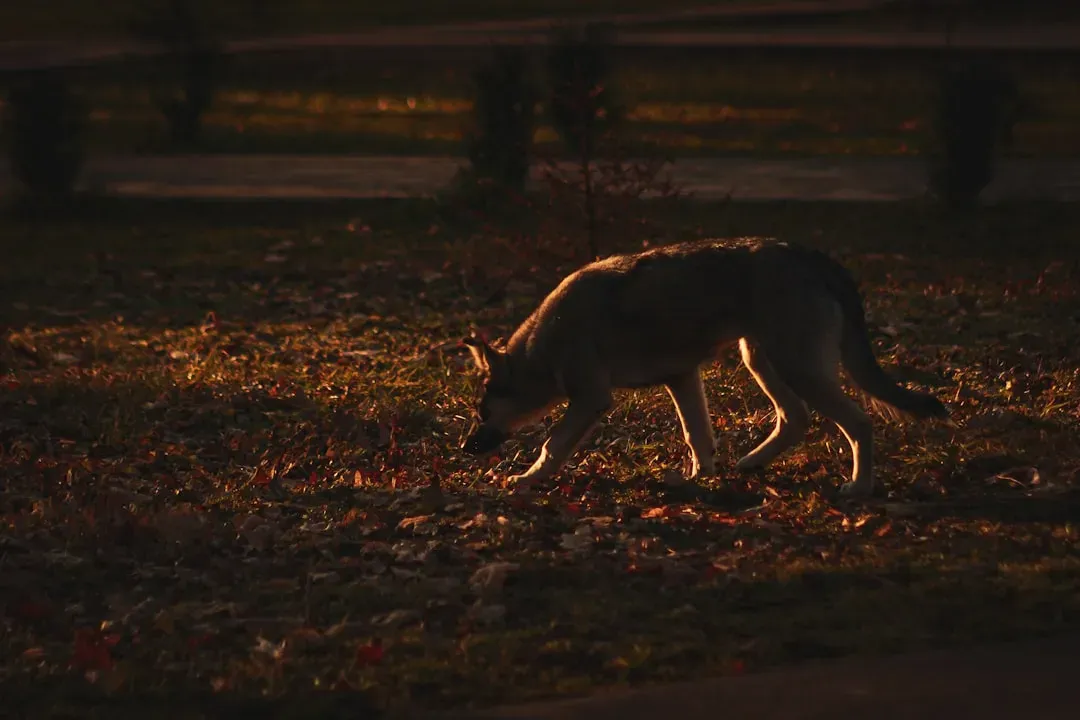
One of the most remarkable behavioral shifts urban coyotes have made is rearranging their entire daily clock. Urban coyotes demonstrate behavioral plasticity, changing their activity patterns from diurnal, meaning daytime, in rural settings to predominantly nocturnal in cities to avoid human activities. In open plains or forests, coyotes hunt whenever it suits them. In cities, they’ve quietly decided the night shift is safer.
Coyotes in the Chicago metropolitan area appear to confine most of their activity to nocturnal hours, which has been observed by virtually all studies of urban coyotes, whereas in natural areas, coyotes tend to be diurnal or crepuscular, meaning active at dawn and dusk. This matters deeply for dog owners. If you’re out with your pup at 5:30 in the morning or just after sunset, that’s prime coyote time.
Coyotes are generally nocturnal but can be active at dawn, dusk, and occasionally during the day, so pet owners should be especially vigilant during these hours. Keep your dog leashed, stay in well-lit areas, and be extra watchful during those transitional hours of daylight.
2. They’ve Mastered the Art of Staying Invisible
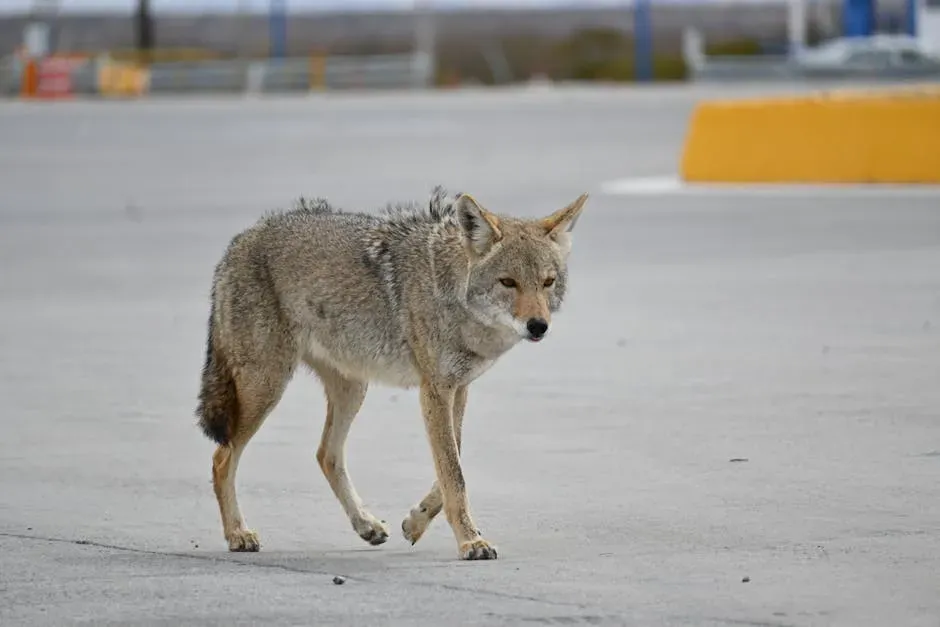
Urban coyotes have learned to navigate roads, utilize green spaces, and adjust their behavior to minimize human contact. This is more than instinct – it’s a learned skill that develops over generations of city living. Many urban residents live for years within a coyote’s territory and never see one.
GPS collar tracking reveals that coyotes form stable territories even within densely populated urban areas, often overlapping with human neighborhoods yet remaining mostly unseen. They’re often sleeping just yards away from busy sidewalks, tucked into shrubs or drainage features during peak human hours. The invisibility itself is part of the strategy.
The animals are smart and tend to want to hide from people. That instinct to avoid detection is actually reassuring for most dog owners – a coyote that actively hides is not one that’s seeking confrontation. The more concerning behavior is when that instinct disappears through habituation, which we’ll get to shortly.
3. They Shrank Their Territories to Fit City Blocks
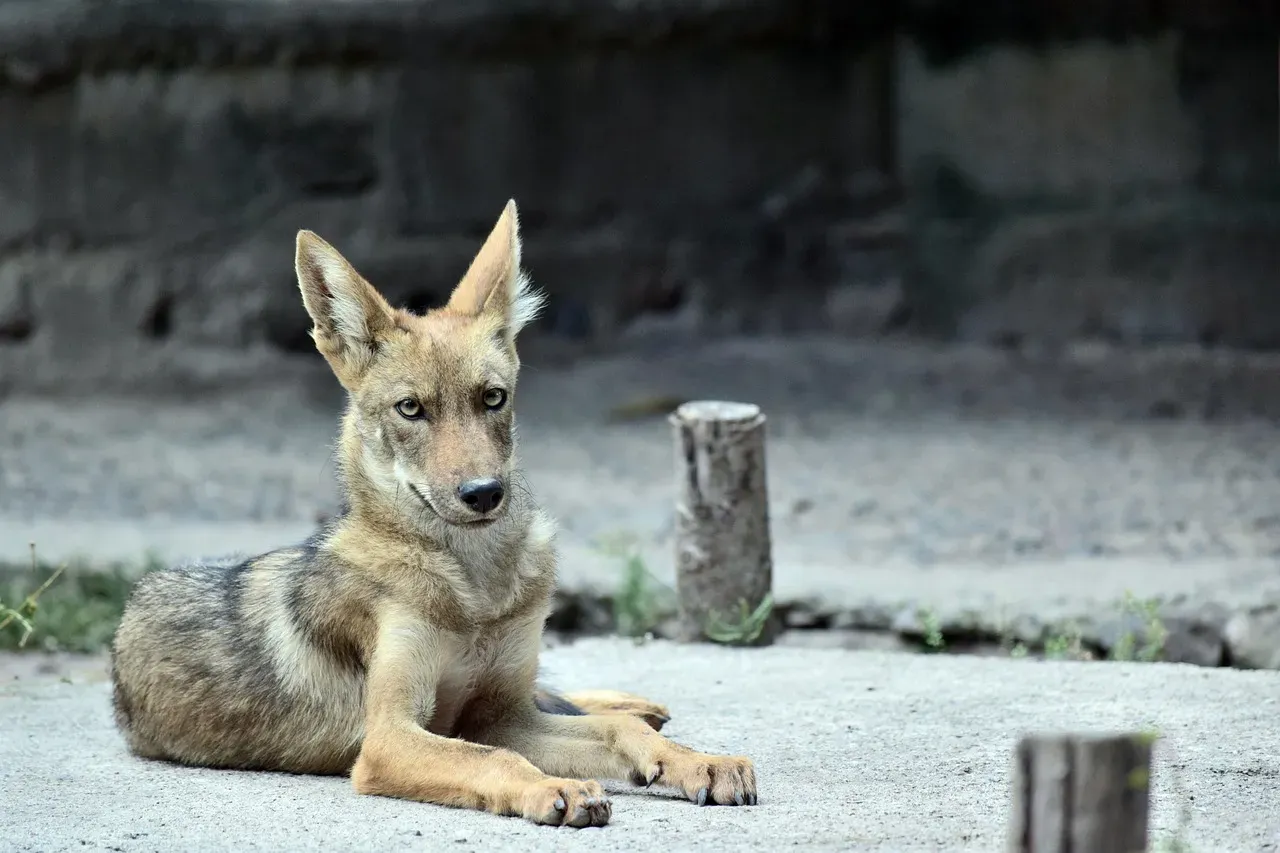
In wild, open landscapes, a lone coyote might roam across enormous stretches of land. In cities, the rules change. Territory sizes decrease with increased urbanization given adequate food is available, and in general, urban coyotes tend to have smaller territories than rural coyotes. Food is more abundant and predictable in cities, so there’s no need to roam widely.
In Cook County, pack coyotes have smaller territories than solitary coyotes, averaging less than 2 square miles but as large as 4.3 square miles. Compare that to a rural lone coyote, which might range over 25 square miles. Urban life has essentially compressed coyote geography into something resembling a neighborhood patrol route.
They typically establish territories within parks, cemeteries, golf courses, vacant lots, and suburban neighborhoods, any area that offers a blend of shelter, food, and limited disturbance. If you live near any of these spaces, there’s a reasonable chance a coyote has mapped your block on its internal GPS long before you knew it existed.
4. They Became Opportunistic Eaters of Almost Everything
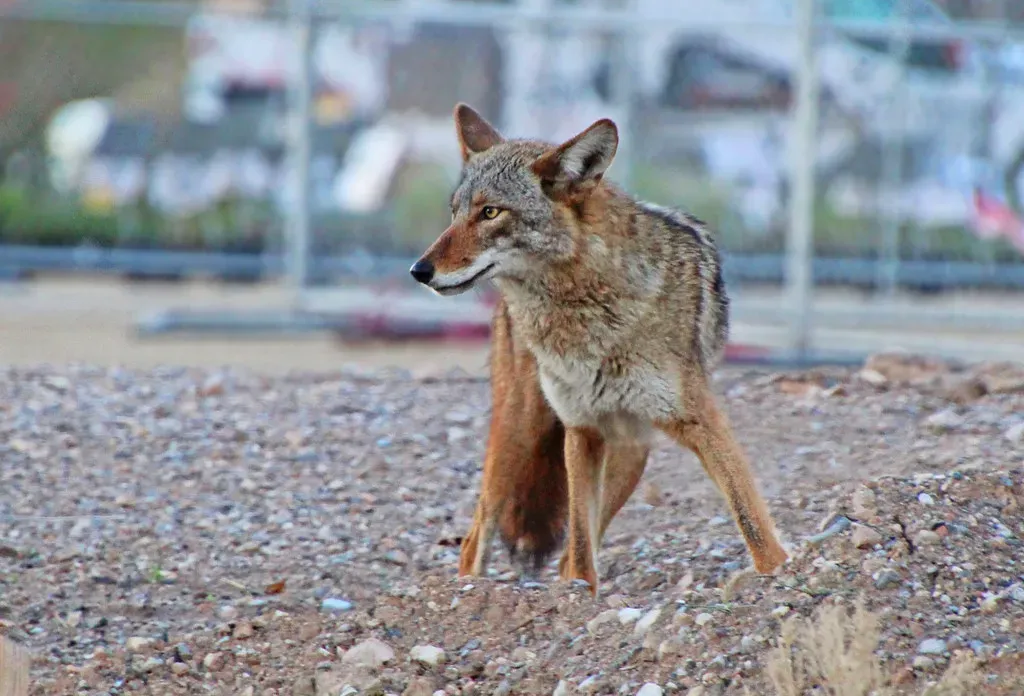
Rural coyotes are primarily hunters of small mammals. Urban coyotes? They eat like resourceful opportunists with access to a surprisingly varied menu. They primarily consume small mammals such as rodents and rabbits, which helps manage urban pest populations, but their diet often expands to include birds, insects, fruits, and vegetables. That flexibility in diet is a big part of why they succeed where other predators can’t.
Scavenging is common, with coyotes utilizing food sources like garbage, compost bins, pet food left outdoors, and occasionally roadkill. This is where the connection to your dog becomes very direct. A bowl of kibble left on your back porch overnight is practically a dinner invitation. So is an overflowing trash bag or a compost bin with loose-fitting lid.
The practical takeaway is simple: remove food sources, never deliberately feed a coyote, and feed your pets indoors or remove outdoor bowls immediately after feeding. These small habits make a real difference in whether coyotes view your yard as a resource worth visiting.
5. They Use Human Infrastructure as a Travel Network
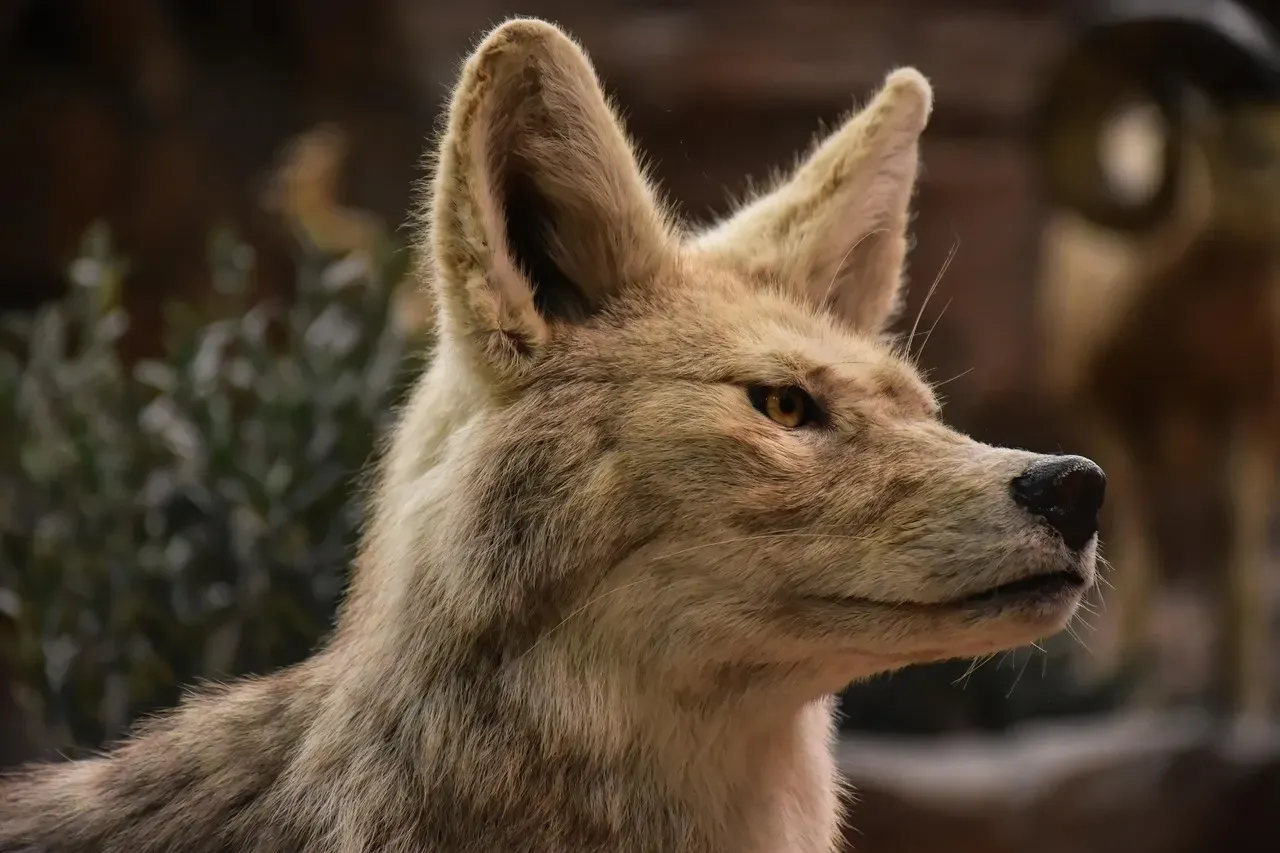
Cities weren’t designed with wildlife corridors in mind, but coyotes figured out how to use what’s already there. They utilize a combination of natural and human-made corridors such as green spaces, railroad tracks, and stormwater channels. What looks like a drainage ditch to us is essentially a coyote highway.
Coyotes use parks, golf courses, flood control channels, railway lines, and greenbelts as safe corridors for movement, and these features allow coyotes to traverse urban sprawl and establish territories in densely populated regions. Research in Los Angeles confirmed this, finding that roads and railways act as movement corridors rather than simply barriers.
For dog owners, this means coyotes can appear in spots that seem too urban for wildlife. Researchers didn’t think coyotes would be able to penetrate or colonize certain parts of the Chicago area because it would just be too urban, but apparently there’s no part they can’t colonize. Your quiet residential street may be a regular coyote transit route at 2 a.m.
6. They’ve Grown Bolder Around Humans Over Time
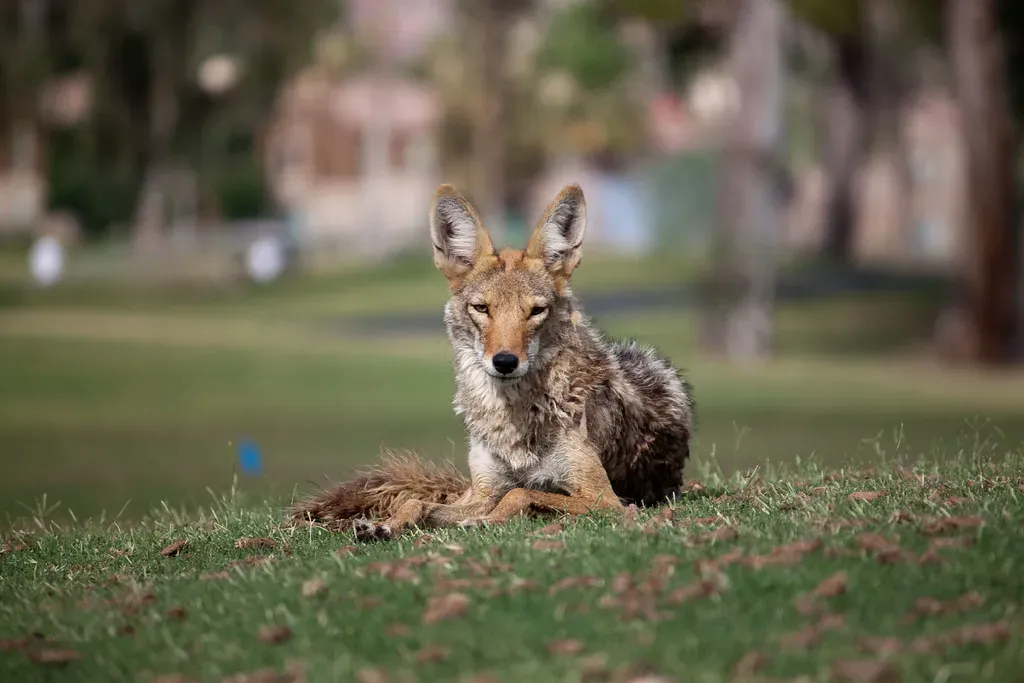
Not all coyotes are equally cautious, and urban life appears to be gradually eroding some of their natural wariness. Urban coyotes are bolder and more exploratory than rural coyotes, and within both populations there are individuals that vary across both spectrums. This boldness didn’t happen overnight – it emerged across decades of city living.
An important factor is how people treat coyotes; in rural areas coyotes were regularly persecuted whereas in urban areas coyotes were rarely persecuted and sometimes positively rewarded to be in close proximity to people. In other words, when people feed coyotes or react to them with curiosity instead of caution, they’re inadvertently training the animal to feel comfortable around humans.
Negative consequences of this behavioral adaptation include coyotes that become bold enough to occasionally prey on pets or attack humans. This is why hazing, which means making loud noises or acting assertively when you see a coyote, is recommended by wildlife experts. Coyotes are naturally skittish, but they can lose their fear of humans if we ignore them or react with curiosity, and hazing is a non-harmful way to remind coyotes that neighborhoods are not safe places for them.
7. They Show “Escorting” Behavior Near Dens
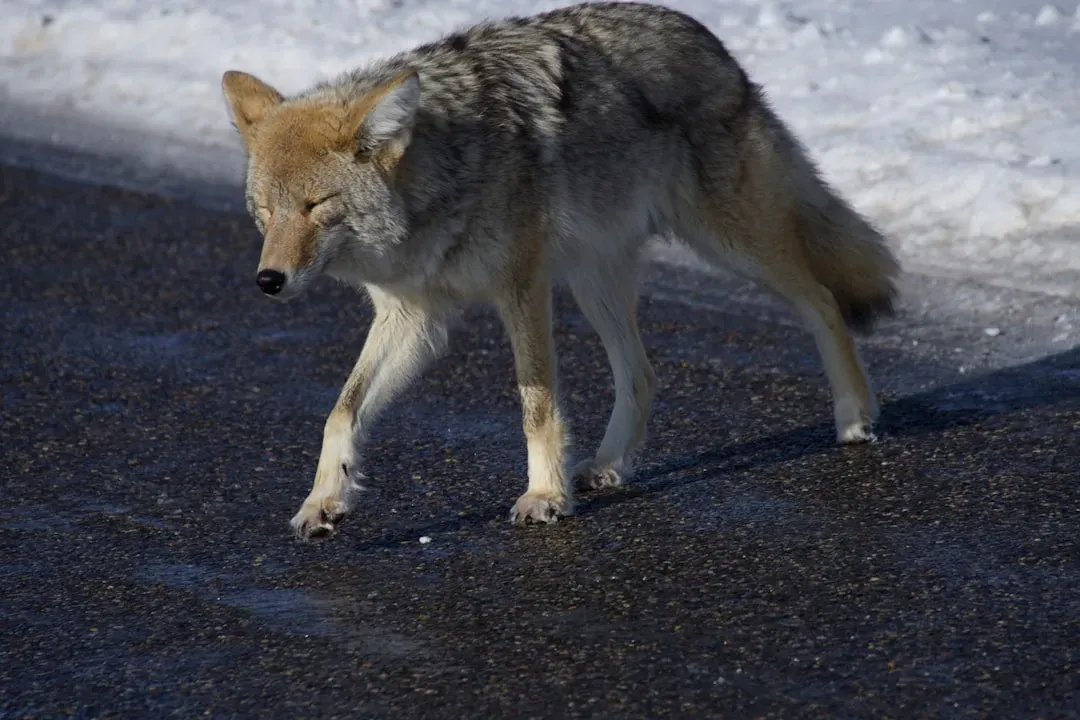
One behavior that alarms many dog walkers is when a coyote appears to follow them down a path without retreating. This is called escorting, and it’s important to understand what’s actually happening. Animals will sometimes walk alongside or behind a human being or a dog for an extended period of time, and that behavior is not necessarily threatening. It is one that demonstrates the animal is trying to make sure that itself, its kin, and its offspring are safe and trying to understand the patterns of human behavior.
This behavior is called escorting, and it is not aggression, just the coyote making sure people and dogs move away from their den and pups. It typically happens during pupping season in spring and early summer when coyote parents are highly protective. The coyote isn’t hunting you – it’s shepherding you away from what it considers vulnerable territory.
The right response is calm and deliberate. Don’t run, don’t let your dog chase the coyote, and keep moving away from the area. Pick up small dogs and carry them if you see a coyote, do not let your dog interact with a coyote, and do not allow dogs to chase coyotes. Season matters too – conflicts between coyotes and domestic dogs in urban areas often peak from late fall to winter during coyotes’ mating season and again in spring during breeding season, when territorial defense is highest.
8. They’re Evolving Genetically in Response to City Life
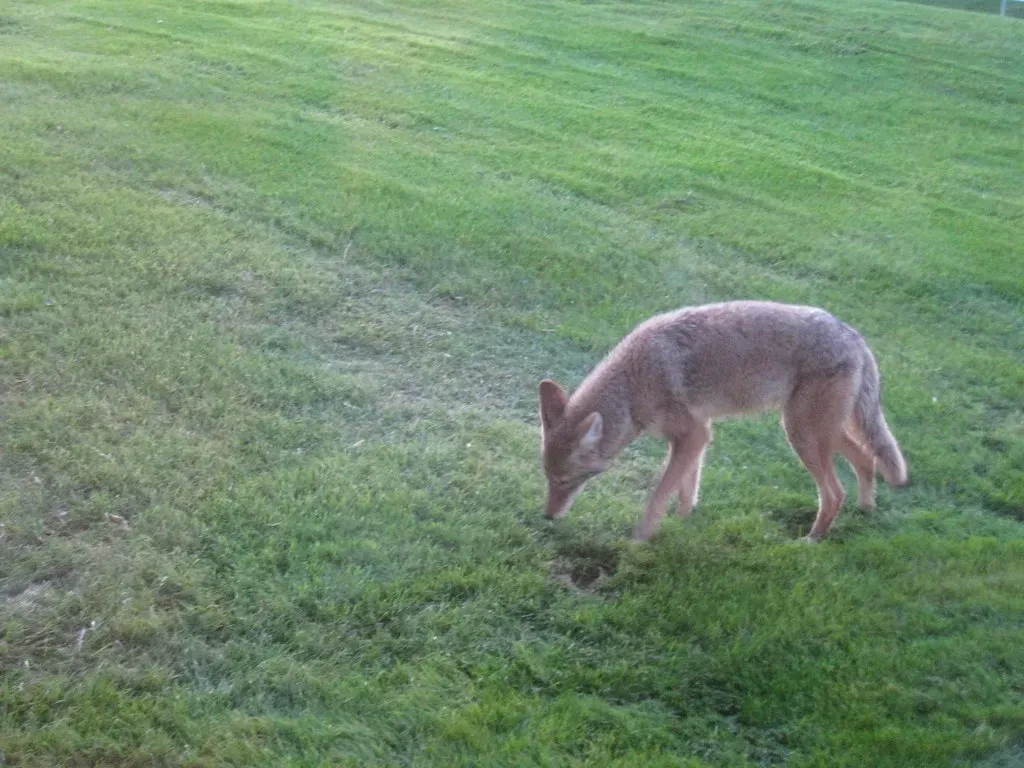
Perhaps the most surprising discovery of recent years is that urban coyotes aren’t just behaviorally different from their rural counterparts. They may be genetically different too. A recent study conducted by researchers from Washington University in St. Louis shines a light on the genetic and evolutionary mechanisms at play behind urban coyotes’ remarkable adaptation to city life, illustrating how rapid evolutionary changes can occur in response to urban challenges and opportunities.
Historically, evolution was thought to occur on vast chronological scales, but scientists now understand that evolution can happen within just a few generations. Urban areas offer a unique glimpse into how evolution functions on smaller timescales and how species adapt to human presence and novel environments. The foods urban coyotes eat, the pollutants they encounter, and the behavioral pressures of city life may all be quietly reshaping their biology.
Researchers suspect that genes involved in starch digestion and insulin regulation may be under selection, paralleling findings from domestic dogs who have evolved to thrive on carbohydrate-rich diets. In other words, coyotes may be undergoing a version of the same dietary evolution that shaped our domestic dogs over thousands of years – only in a fraction of the time.
9. Their Populations Rebound Faster Than We Can Manage Them
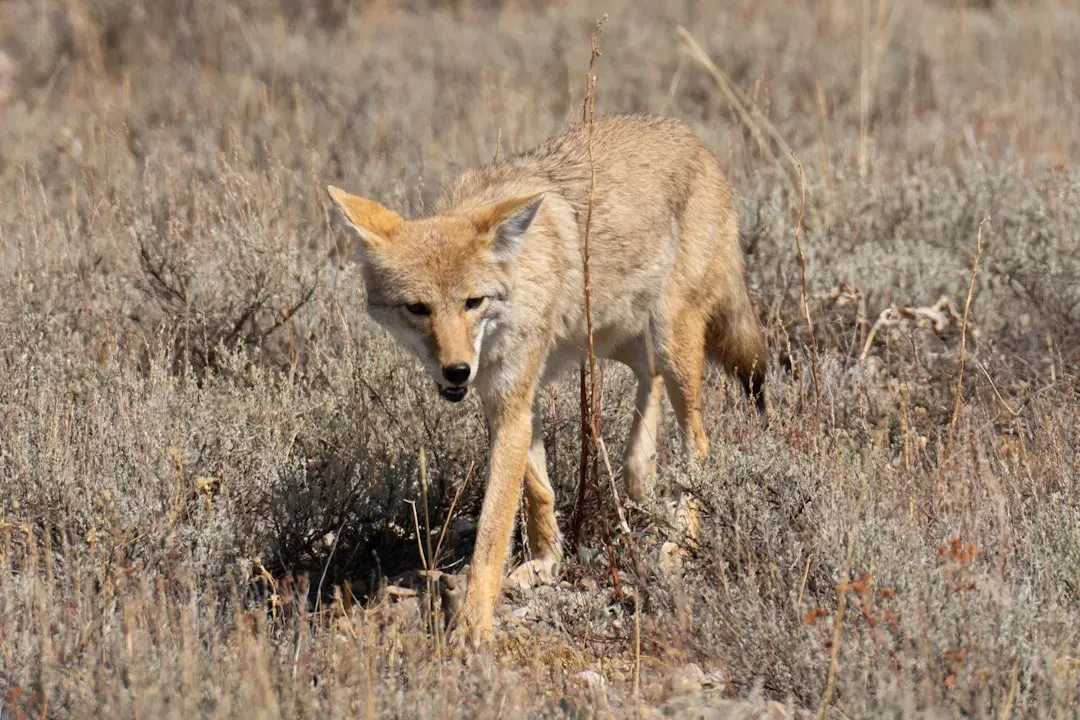
Here’s something many people find genuinely surprising: efforts to reduce coyote populations through removal often backfire. When coyotes are killed, the population experiences a rebound effect where reproductive rates surge and litter sizes increase. Any vacant territory is quickly filled by transient coyotes looking for a home, and it is far better to have well-behaved resident coyotes who know the rules of the neighborhood than to deal with a constant cycle of newcomers.
Coyotes respond to population reduction with increased reproduction rates, earlier breeding among females, and larger litter sizes. When alpha pairs are removed from a territory, this can fracture established packs and create opportunities for multiple new breeding pairs to establish themselves. Studies in Chicago have shown that even with intense removal efforts, urban coyote territories are typically recolonized within weeks or months.
Scientists argue coyotes are a permanent fixture that play a vital ecosystem role and that eradicating them does not work and has negative impacts. Instead, ecologists argue that residents need to change their behavior to coexist with coyotes. That’s an important mindset shift for dog owners: the goal isn’t to eliminate coyotes from your neighborhood, but to make your home and habits less attractive to them.
10. They Actually Benefit Urban Ecosystems – Including Your Dog’s Environment
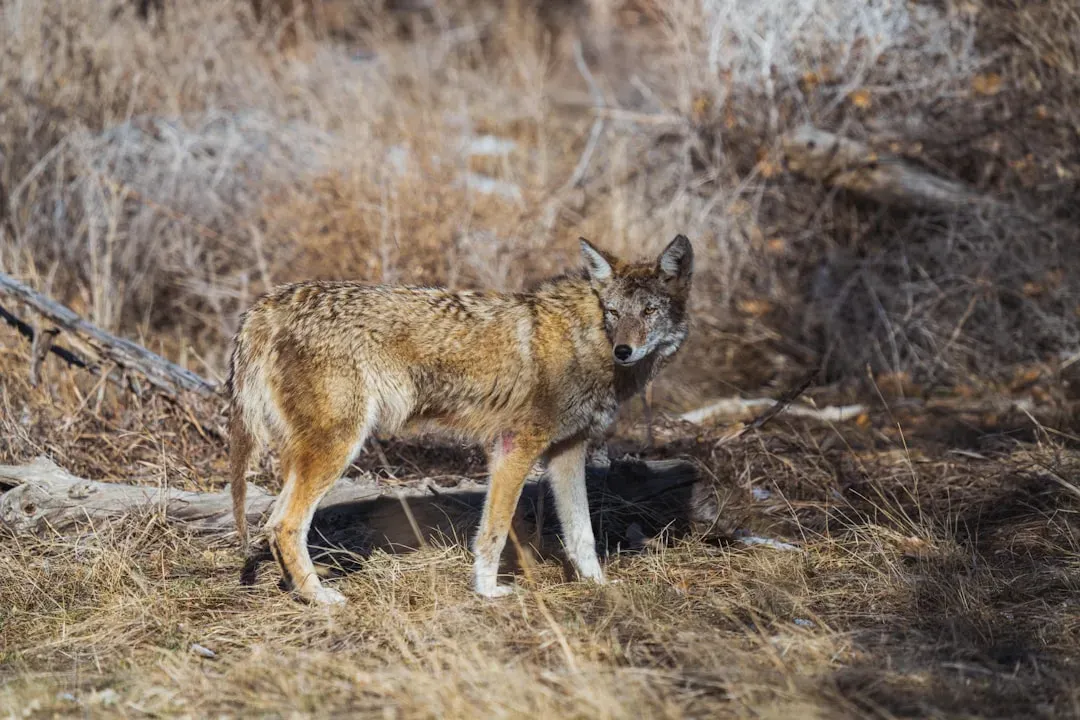
Coyotes tend to generate anxiety, but their presence in cities isn’t purely a story of threat. The presence of coyotes in cities provides many ecological benefits for the urban ecosystem, including increased bird diversity through mesopredator release and controlling populations of rodents and other pest species. Fewer rats and mice means fewer disease vectors near the parks and trails where your dog walks every day.
When cities pop up, most apex predators can’t persist in these human-dominated environments, except for organisms like coyotes. They have started to move into multiple cities, assume the role of the apex predator, and start to reshape the ecology of cities such that they fill this de facto role that then increases the biodiversity and the flow of other organisms throughout the system. Put simply, a city with coyotes tends to be a more ecologically balanced city.
That doesn’t mean you stop being cautious. Coyotes can carry and transmit parasites and diseases like rabies, distemper, parvovirus, hepatitis, mange, fleas, intestinal parasites, ticks, and leptospirosis. Keeping your dog’s vaccinations current and on a consistent parasite prevention plan is the most practical thing you can do to protect them, regardless of whether a coyote encounter ever actually happens.
Conclusion: Living Alongside a Clever Neighbor
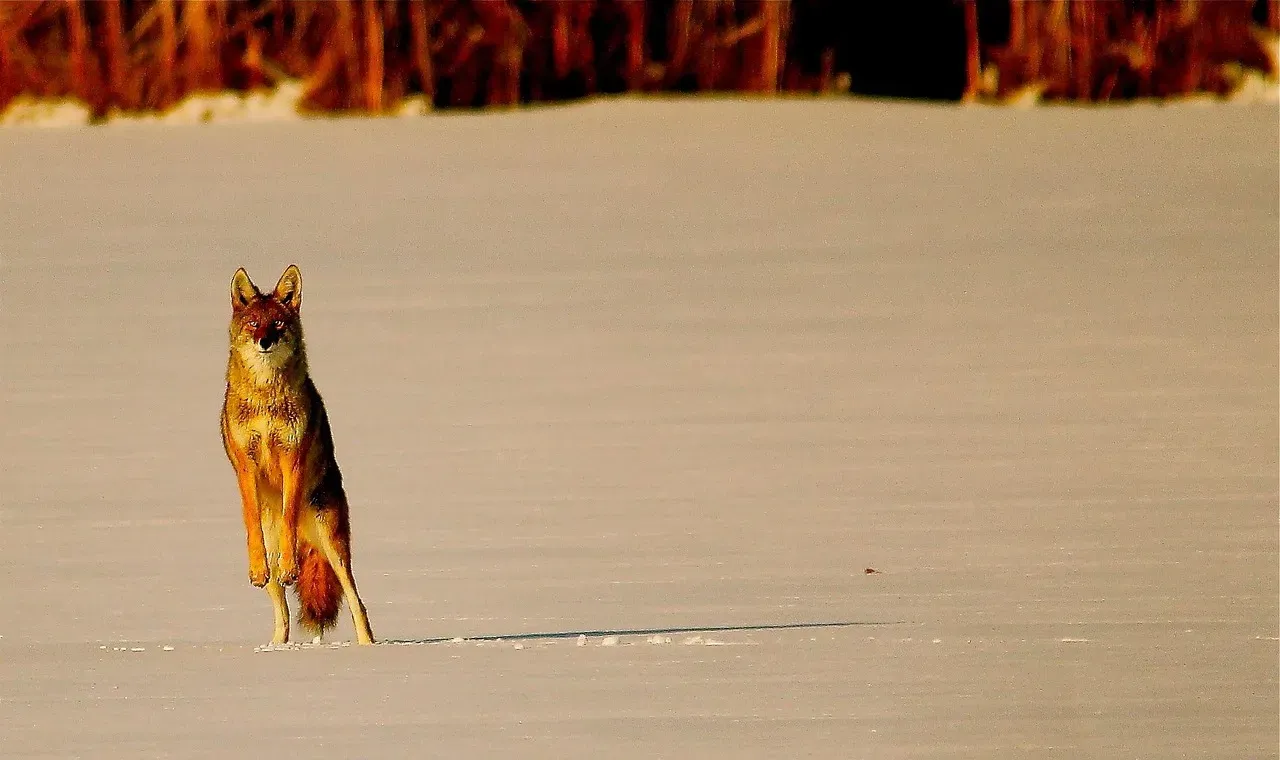
Coyotes didn’t stumble into American cities by accident. They read the landscape, adjusted their behavior, compressed their territories, rewired their schedules, and in some cases began changing at a genetic level. That’s not a pest species. That’s a remarkably successful wild animal navigating a world that humans built around it.
For dog owners, this is genuinely useful knowledge. Understanding why coyotes do what they do – why they follow, why they scavenge, why they’re more active at certain times of year – helps you respond thoughtfully rather than fearfully. Keep your dog leashed during dawn and dusk hours, remove outdoor food sources, keep vaccinations current, and haze any coyote that lingers too comfortably near your home.
Coexistence isn’t just possible – for most urban neighborhoods, it’s already happening quietly every single night. The dog walkers who stay informed are the ones who walk with confidence, not worry.


