
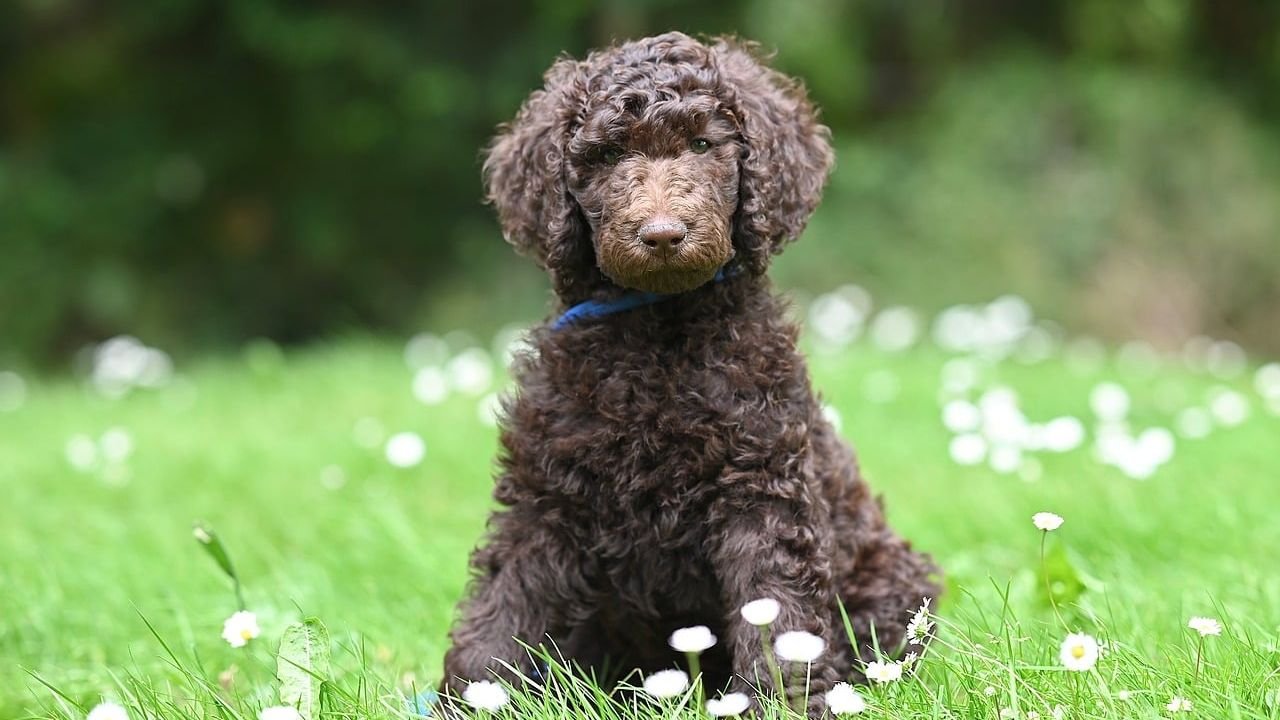
Walk through any Philadelphia neighborhood on a Saturday morning, or drive past a sprawling Lancaster County farmstead, and you’ll see them everywhere. Dogs of every shape, coat, and personality trotting alongside their people. Pennsylvania is a state that genuinely loves its dogs. With over 700 AKC Breeders of Merit located in the Keystone State, Pennsylvania ranks among the top five states in the country for AKC-registered breeders. That’s not a coincidence. It reflects just how seriously Pennsylvanians take their dogs.
Pennsylvania, with its rich history and diverse landscapes, offers a home to a multitude of dog breeds, each with its own unique set of characteristics, from the loyal and sturdy Boxer to the ever-popular Labrador Retriever. Whether you’re a first-time dog parent trying to figure out which breed fits your lifestyle, or a seasoned owner looking to understand your dog a little better, this guide is for you. Here’s an honest, caring look at the ten most popular dog breeds calling Pennsylvania home right now.
1. Golden Retriever: Pennsylvania’s Sunshine in a Fur Coat
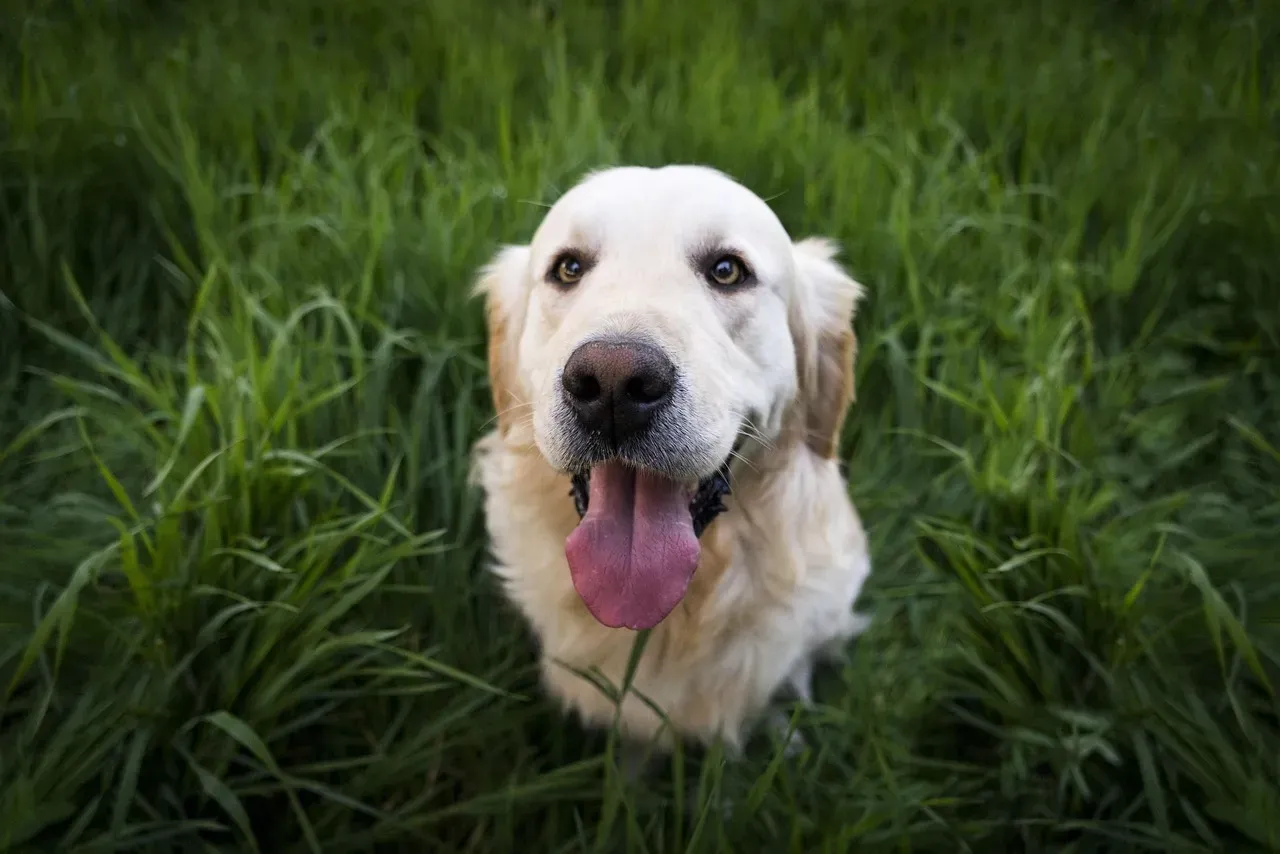
Golden Retrievers are popular all over the country, and Pennsylvania is certainly no exception. They’re great family dogs, and whether you’re single, already have pets, or have a family with kids, a Golden Retriever tends to fit right in. There’s something genuinely warm about a Golden. They’re not just friendly. They seem to know when you’ve had a hard day.
Golden Retrievers’ floppy ears trap moisture, creating a warm environment where ear infections due to bacteria or yeast can form. Many Goldens also enjoy swimming, which can lead to swimmer’s ear, especially if their ears are not properly dried and cleaned afterward. They also carry a genetic predisposition to hip dysplasia, an abnormal development of the hip joint that leads to pain and possible mobility issues. Stay on top of ear cleanings after any water activity, schedule regular vet visits, and watch your dog’s weight, as overweight Golden Retrievers are more prone to cancer, hip dysplasia, ligament tears, arthritis, and other problems.
2. Labrador Retriever: The Loyal All-Rounder Built for PA Life
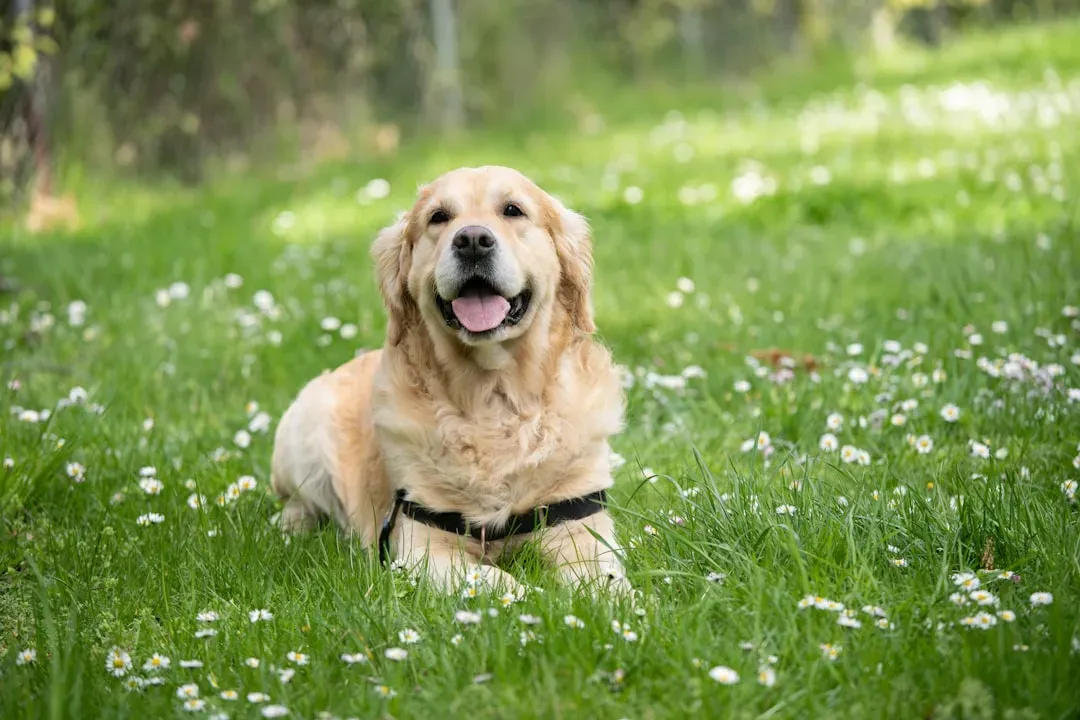
Labrador Retrievers are a super friendly and loving dog breed that’s popular throughout Pennsylvania. They get along great with other dogs and kids, and they make great companions through and through. They’re excellent companion dogs, and it’s not hard to see why they’re so popular. Labs are also one of the most versatile working breeds around, equally at home helping a hunter track through the Pennsylvania wilderness or curled up beside a child doing homework.
Labrador Retrievers remained in second place on the AKC’s most popular breeds list in 2025, a testament to just how consistently beloved they are. Labs are prone to weight gain if not exercised enough, which can snowball into joint problems. Aim for at least an hour of activity daily. If you notice your Lab moving stiffly in the morning or reluctant to climb stairs, those can be early signs of hip or elbow trouble. Catch these things early, and your vet has far more options to help.
3. German Shepherd: Intelligent, Devoted, and Always Alert
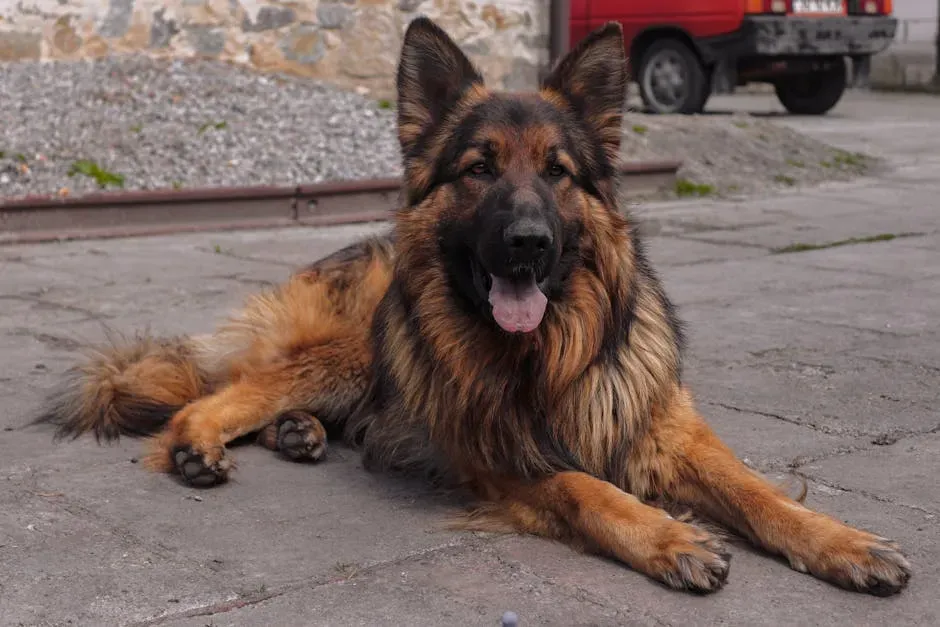
German Shepherds are known for their loyalty and intelligence. Walk around Philadelphia, and you’ll likely see these noble dogs serving in various roles, from dedicated family members to diligent service animals. The German Shepherd can be a bit more challenging for novice dog owners, but that hasn’t kept them from becoming so popular throughout Pennsylvania. They’re highly trainable, and if you have a bit of space, they can be a great fit.
German Shepherds are prone to hip and elbow dysplasia, allergies, degenerative myelopathy, inherited eye diseases, exocrine pancreatic insufficiency, and skin and heart disease. GSDs are naturally energetic and need dedicated time daily to burn it off. They need at least 60 minutes of daily physical exercise such as running and playing fetch in a park. Mental stimulation matters just as much. A bored German Shepherd will find its own entertainment, and it likely won’t be the kind you enjoy coming home to.
4. French Bulldog: The City Dog Taking Pennsylvania by Storm
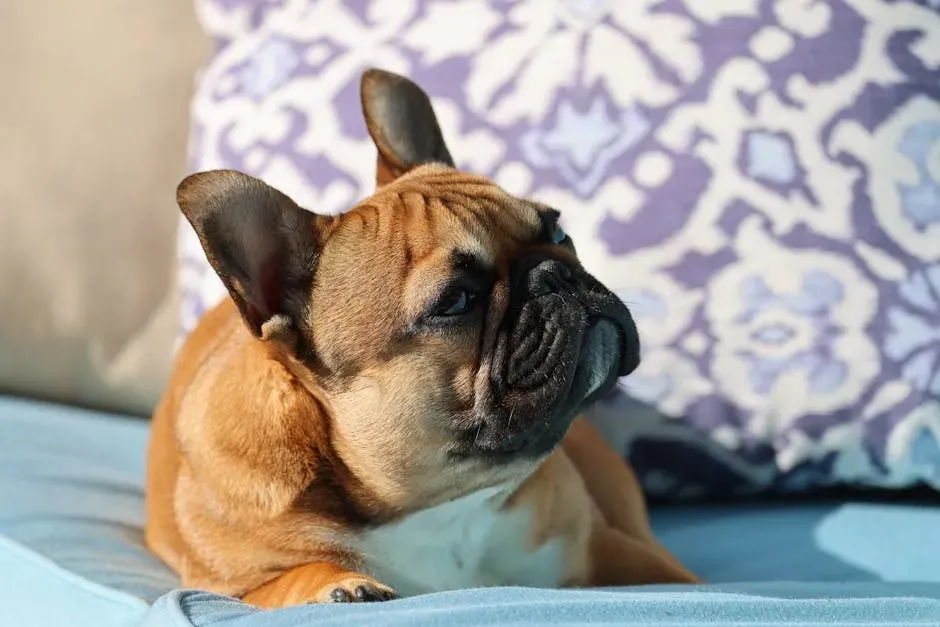
The French Bulldog remained at the top of the AKC’s most popular breeds list for the fourth year in a row after ending the Labrador Retriever’s 31-year run in 2022. While they’re especially common in cities, Frenchies are popular for their fun-loving attitudes and size suitable for a variety of homes. For Pennsylvanians living in apartments in Pittsburgh or Philadelphia, the compact Frenchie makes an awful lot of sense.
Some critics have argued against French Bulldog breeding because the dogs are prone to several health conditions due to their flat faces and narrow nasal passages. This is called brachycephalic airway syndrome, and it means Frenchies can struggle to breathe in hot weather or during intense exercise. Pennsylvania summers can get surprisingly humid. Keep your Frenchie cool, avoid midday walks in July, and never leave them in a warm car. Watch for loud snoring, excessive panting, or bluish gums as signs that breathing is becoming a problem.
5. Beagle: Born to Sniff, Bred for Pennsylvania’s Hunting Heritage
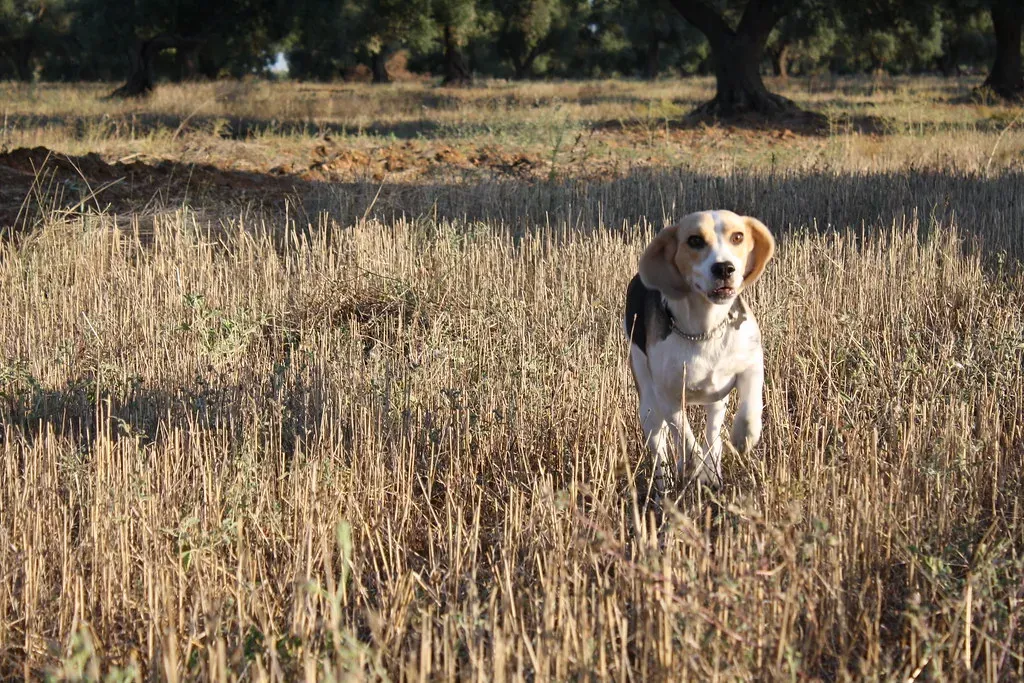
Beagles are excellent hunting dogs, and with a strong hunting heritage throughout Pennsylvania, it’s no surprise that the Beagle is so popular. They’re smaller dogs that hunt in packs and by scent, so often you’ll find that someone with a Beagle has more than one. That nose is truly something else. A Beagle on the scent of something interesting will follow it with single-minded focus, which makes a secure yard non-negotiable.
Beagles, while generally considered a healthier breed overall, can experience obesity, epilepsy, and ear infections due to their floppy ears. Their love of food is legendary, and it can genuinely work against them. Measure meals carefully, limit treats, and keep them moving. Beagles typically enjoy longer lives than some larger breeds, averaging 12 to 15 years. Give yours the right care and you could be looking at well over a decade of companionship with that sweet, howling soul.
6. Boxer: Goofy, Protective, and Full of Heart
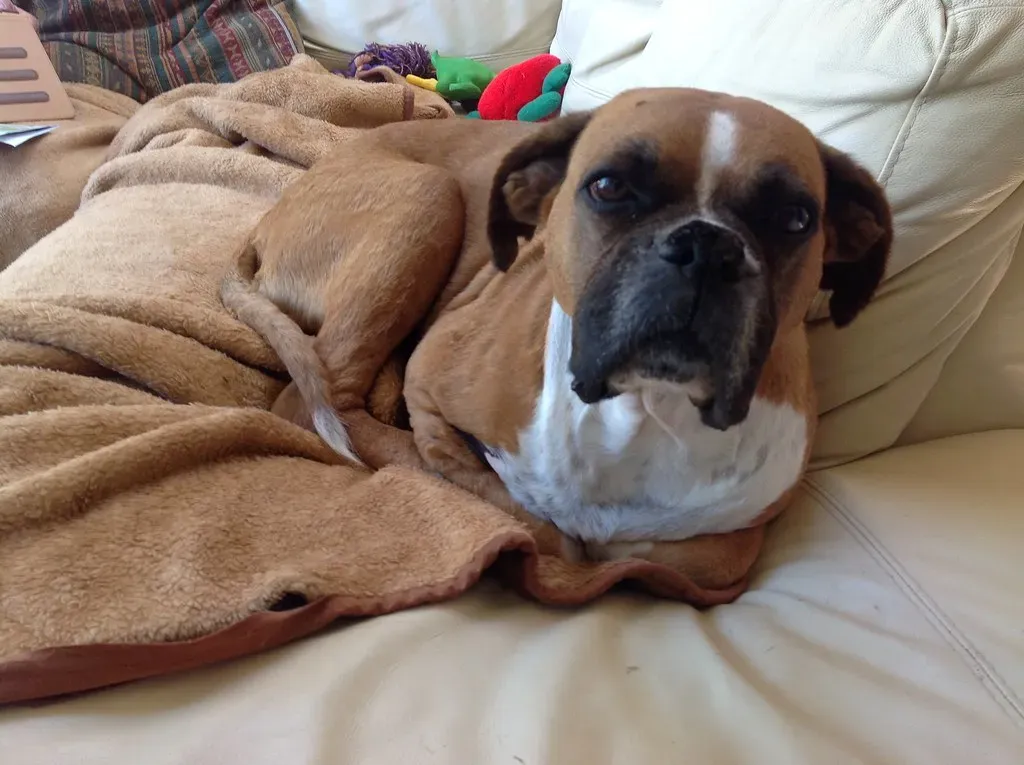
Boxers are another large dog breed that’s popular in Pennsylvania, especially in rural areas with more space. Boxers are great family dogs with the right socialization and training, though you need to train them properly early on because of their larger size. Boxers are a bundle of energy. Their playful antics combined with their protective nature make them excellent choices for families and individuals seeking a lively companion.
Boxers are another brachycephalic breed, meaning their short muzzles put them at risk in hot weather. They’re also known to be prone to certain heart conditions and cancers, so annual vet checkups are essential rather than optional. One thing Boxer owners quickly learn is that this breed craves human company. Leaving a Boxer alone for long stretches regularly can lead to anxiety and destructive behavior. If your schedule keeps you away from home often, this may not be the right match, or you’ll want to invest in doggy daycare or a trusted dog walker.
7. Dachshund: The Long Dog With a Big Pennsylvania Following
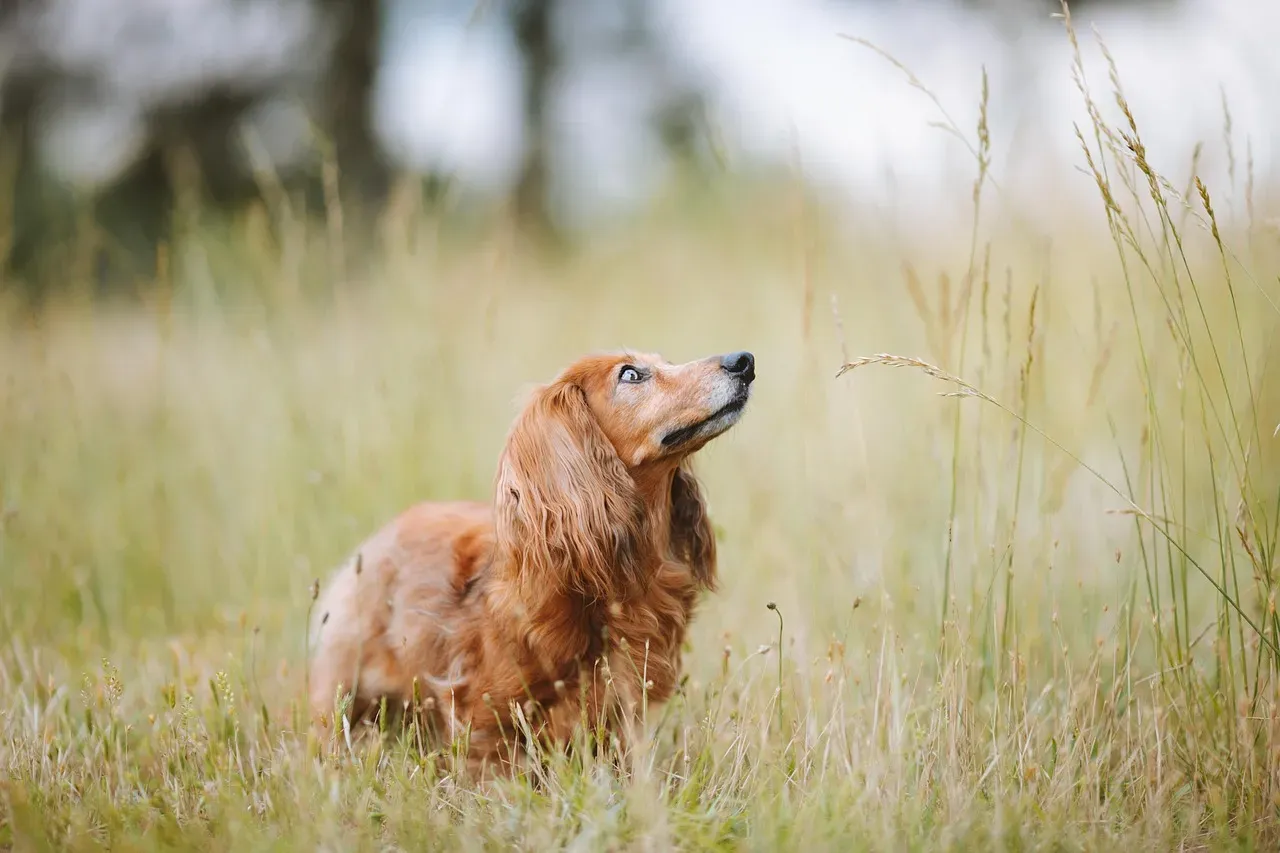
The Dachshund is a dog breed with strong hunting roots, which instantly makes them popular in Pennsylvania. They hunt by scent, and with a little training, you can teach them to hunt all sorts of animals. However, they are better lap dogs these days. If you have a family in Pennsylvania, a Dachshund might be the perfect pup for you. Dachshunds have even climbed their way into the AKC’s top five nationally, which tells you just how widely adored this little breed has become.
That long spine is the Dachshund’s biggest vulnerability. Intervertebral disc disease (IVDD) is very common in the breed, and it can cause sudden paralysis if a disc ruptures. Prevention is straightforward but requires consistency: avoid letting your Dachshund jump from high furniture, use ramps instead of stairs when possible, and keep their weight lean. Small breeds like Dachshunds often live between 12 and 16 years or more, so you’re making a long commitment. Protect that spine and they’ll be by your side for well over a decade.
8. Poodle: The Brainy Breed That Fits Any Pennsylvania Lifestyle
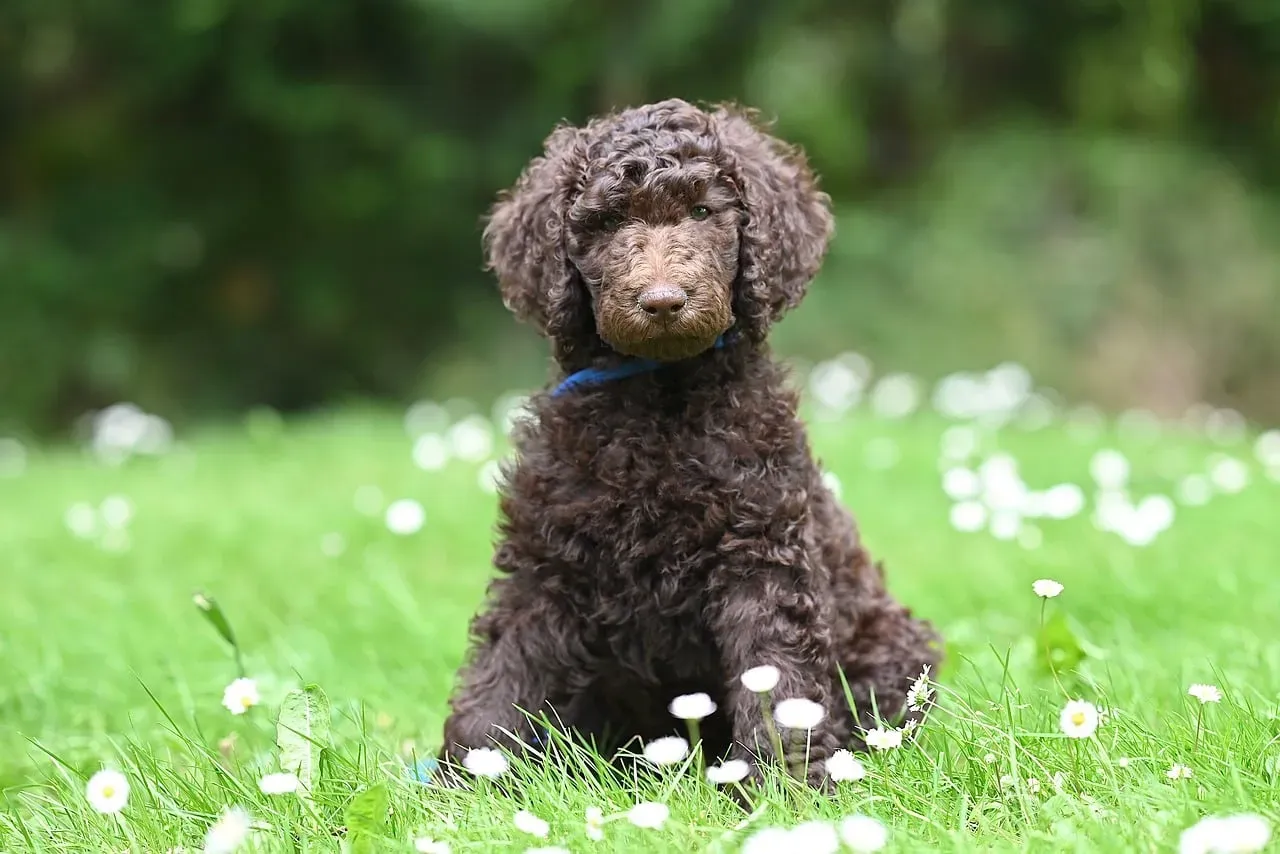
Poodles are an intelligent, loving, and hypoallergenic dog breed, and they’re extremely popular throughout the state of Pennsylvania. Poodles come in all different sizes, so you can find a Poodle that fits into a small apartment, or you can find larger ones that work great for larger properties and homes. That versatility is a genuine selling point. A Toy Poodle thrives in a cozy Pittsburgh condo just as comfortably as a Standard Poodle thrives on a Chester County farm.
Poodles are among the most trainable dogs you’ll ever work with. They pick up commands quickly, respond beautifully to positive reinforcement, and genuinely seem to enjoy learning. The trade-off is that they need regular professional grooming to keep that curly coat from matting. Ear infections are also relatively common because their ear canals are easily blocked by hair growth. Have your groomer keep the ear canal clear, and check ears weekly for redness or odor. A healthy, well-stimulated Poodle is one of the most joyful dogs you’ll ever share your home with.
9. Chihuahua: Small Size, Enormous Personality, and Surprisingly Common in PA
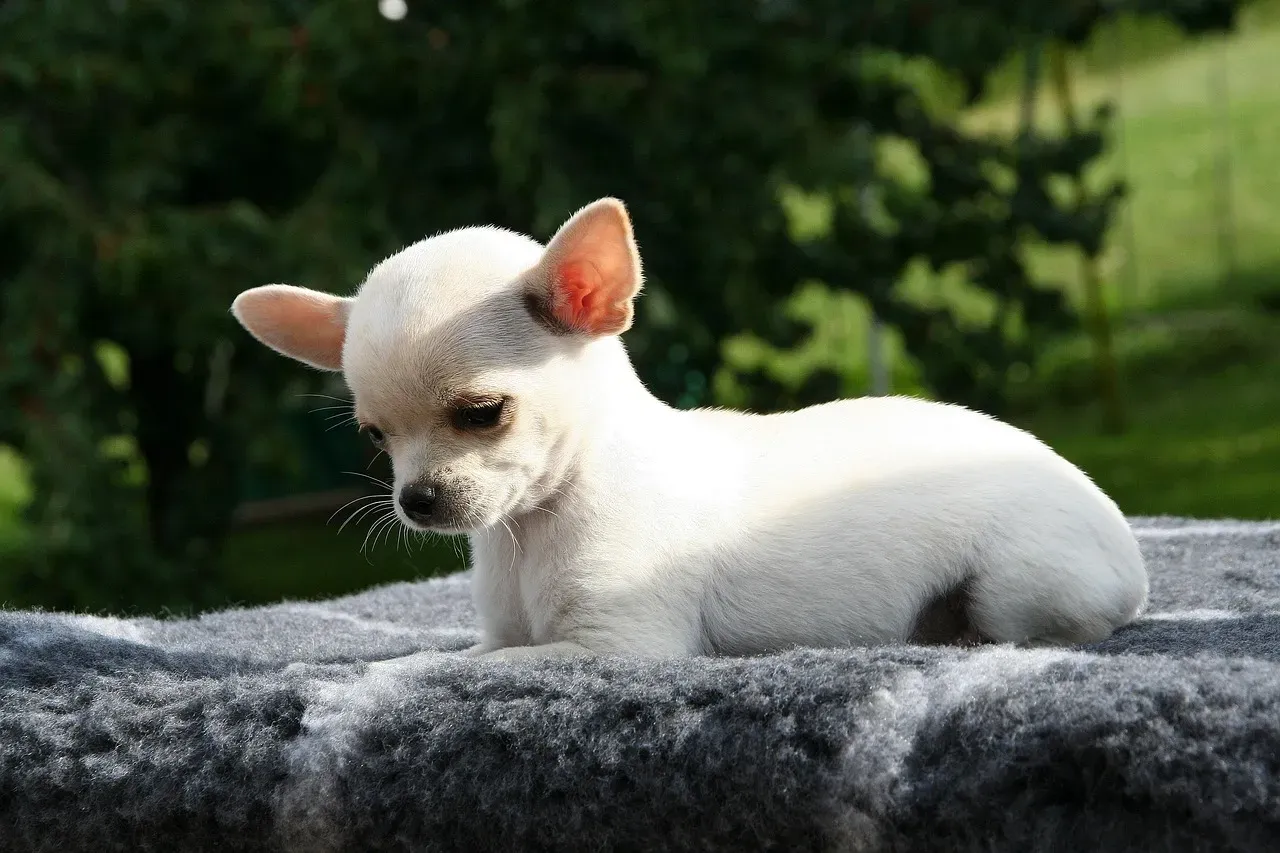
When you think about popular dog breeds in Pennsylvania, the Chihuahua might not be the first breed that comes to mind. The truth is that lots of Pennsylvanians have them. This is especially true in cities where people want a pup but don’t have as much space, so a Chihuahua’s small size comes as a real perk. They’re also fiercely loyal, which makes them wonderful companions for single adults and seniors alike.
Chihuahuas are prone to dental disease more than almost any other breed, mostly because their tiny mouths crowd their teeth. Brushing those little teeth several times a week isn’t just a nice-to-have. It’s genuinely important for their long-term health. They also get cold easily, so if you’re walking yours through a Pennsylvania winter, a small dog coat isn’t just cute, it’s practical. Watch for signs of low blood sugar in puppies, such as shivering, weakness, or disorientation, and always carry a small snack when traveling. Small breeds like Chihuahuas often live 12 to 16 years or more, so investing in their health pays dividends for a very long time.
10. Boxer Mix and Pit Bull Terrier: Misunderstood but Deeply Loved Across PA
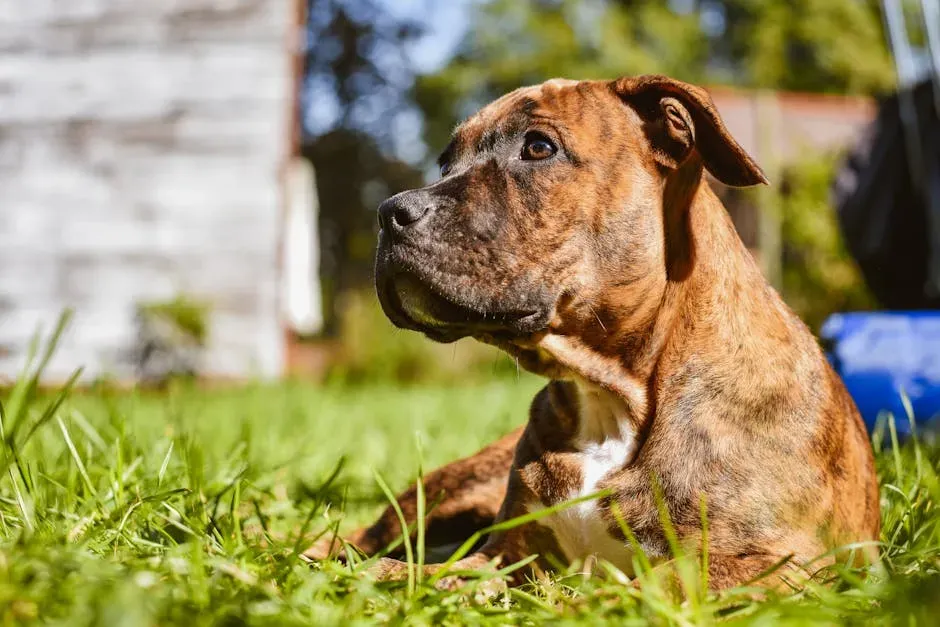
Pit Bulls can be a bit intimidating to some, but they’re among the . It’s also common to see them in shelters, so if you’re thinking about getting one, ensure you’re getting them for the long haul. The same is true for many Boxer mixes, which share a similar muscular build and sometimes face unfair assumptions. Both types of dogs are routinely among the most affectionate, people-centered dogs their owners have ever had.
The shelter reality for these dogs is real. If you’re considering adopting a Pit Bull or Boxer mix in Pennsylvania, know that you’re doing something genuinely meaningful. Early socialization and positive, consistent training matter enormously with these dogs. They’re sensitive and attentive to their humans. Isolation or harsh treatment tends to create anxiety rather than compliance. Watch for skin allergies, which are common in both, usually showing up as chronic itching, licking of paws, or recurring hot spots. Work with your vet to identify triggers, whether food-based or environmental, and address them early rather than waiting for things to escalate.
A Final Thought for Every Pennsylvania Dog Owner
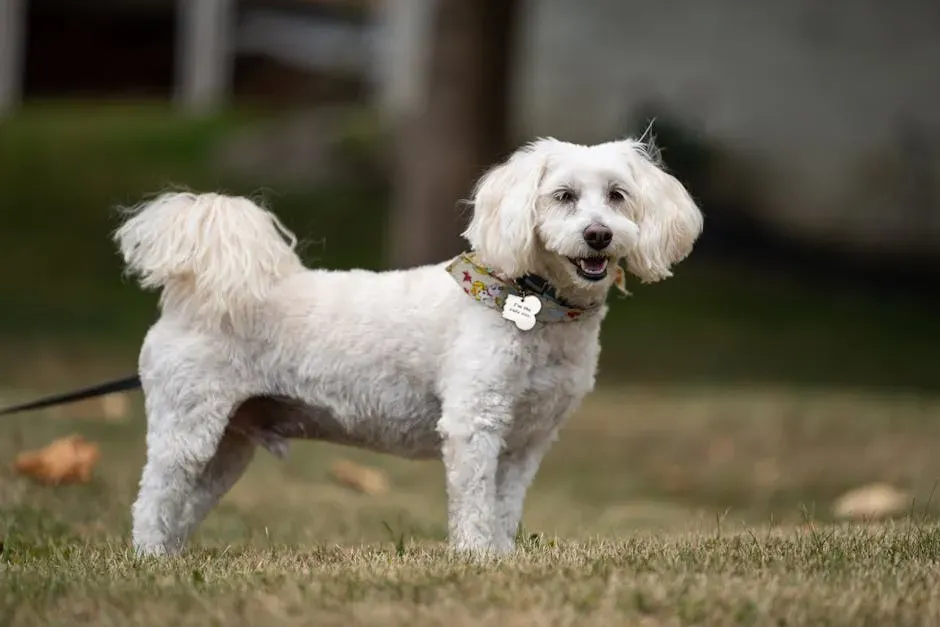
The rise and fall in the popularity of certain breeds may shift yearly, but the constant remains the love Pennsylvanians have for their four-legged companions. Popularity is one thing, but the right breed is always the one that genuinely fits your life, your energy level, your space, and your capacity to meet that dog’s needs day after day.
Every breed on this list has genuine strengths and real care considerations. None of them are low-maintenance in the fullest sense of the word. They all need regular vet care, consistent nutrition, mental stimulation, and most importantly, your time. The good news is that when you get it right, when the breed fits the person and the person commits to the dog, what you get in return is something that no list can fully capture. It’s just a dog who’s happy to see you every single time you walk through the door. That’s worth everything.


