
Los Angeles is a city that never quite settles down. Sirens wail through Silver Lake at midnight. Skateboards clatter past dogs on the Sunset Strip. Traffic hums like a low-grade fever across every neighborhood, every single day. For the humans who call this city home, the stimulation is part of the appeal. For certain dogs, it can be quietly overwhelming.
Cities are busy places with constant honking, car alarms, people shouting, music, and strangers at every turn. All of that commotion can be a little overwhelming even for humans, and there are dog breeds that really struggle with this kind of city life. The thing is, most people don’t find out their dog is one of those breeds until they’re already deep in apartment life, and the signs are impossible to ignore. If you live in LA and you have, or are thinking about getting, one of the breeds below, this is the honest conversation worth having.
The Border Collie: Too Much Brain for Too Small a World
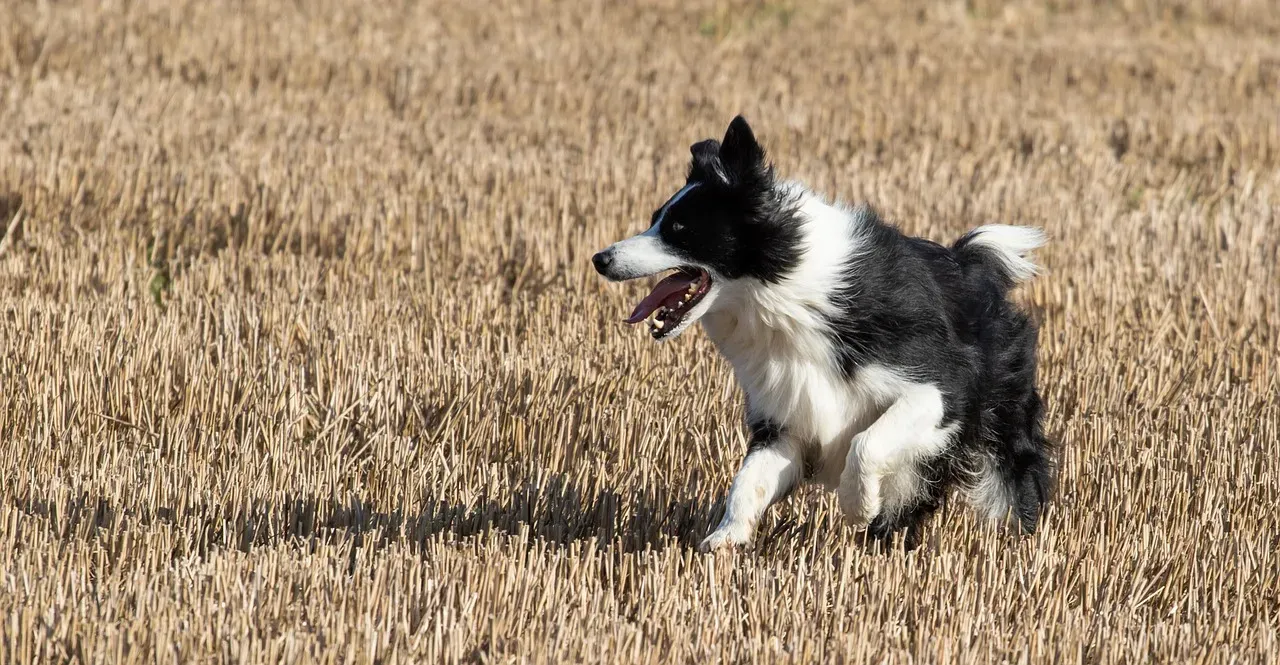
The Border Collie is widely regarded as the most intelligent dog breed in the world, and that’s precisely what makes Los Angeles such a poor fit. A Border Collie living in the city will struggle without space to run, and even dog parks are usually not big enough to accommodate the needs of this breed. Picture a 600-square-foot Silverlake apartment, a morning jog around the block, and then eight hours alone while you commute to work. For a Border Collie, that isn’t living. That’s barely surviving.
Border Collies are prone to anxiety, and the constant hustle and bustle of the city can be more than they can handle. They like to keep an eye on everything and are notoriously bossy, and in a city where their dog will constantly be confronted with new sights, sounds, and people, the need for control can turn into anxiety. Watch for behavioral cues like compulsive pacing, obsessive staring at shadows, excessive barking, or destructive chewing when left alone. Physical symptoms can include trembling, excessive panting even when not hot, loss of appetite, and dilated pupils. If your Border Collie is showing these signs, it’s time to talk to your vet and a certified trainer. Agility classes, nose work, and regular off-leash time in larger parks outside the city are practical ways to keep their mind from turning against them.
The Siberian Husky: A Pack Animal Trapped in an Apartment
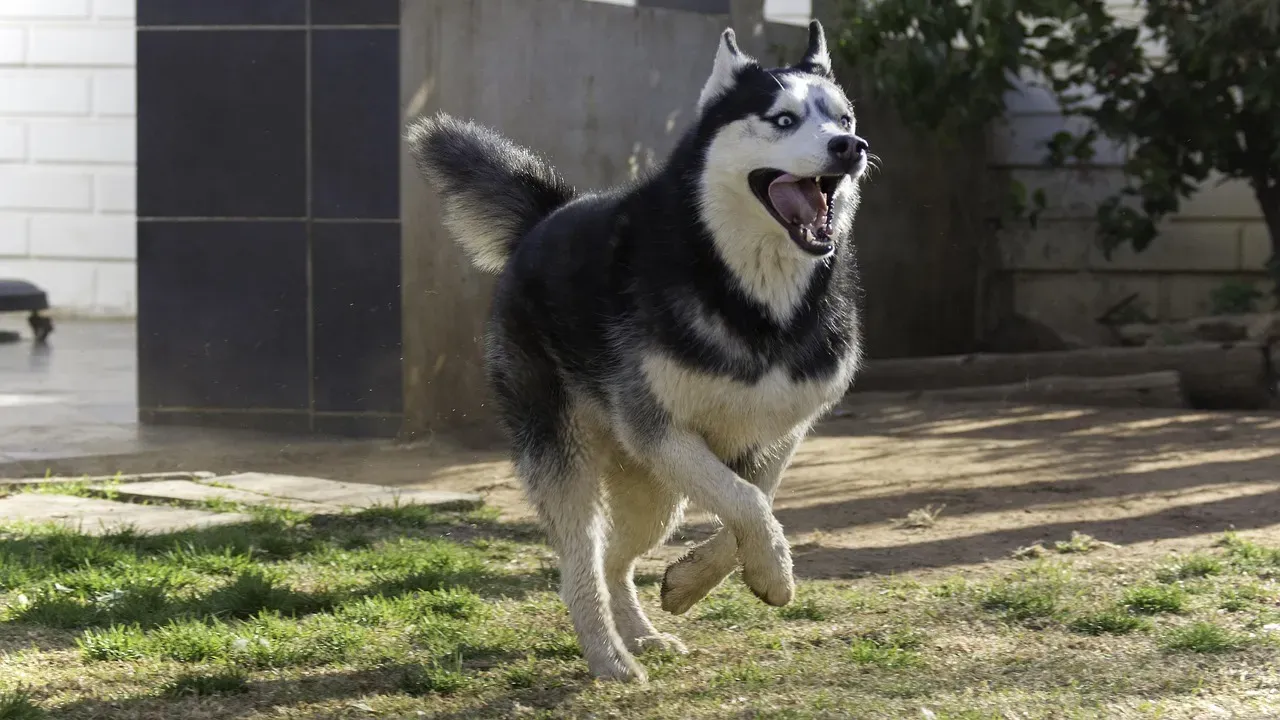
Huskies were bred to run dozens of miles a day across the Alaskan tundra, pulling sleds in packs with other dogs. Now imagine that same dog in a studio apartment in Koreatown, with a twenty-minute morning walk and a landlord who’s already complained twice about the howling. Siberian Huskies are social dogs who enjoy company, and when left alone for long stretches, they may howl, dig, or try to escape. Regular exercise and companionship are key for this active breed.
Siberian Huskies are also prone to anxiety, which can manifest as barking, destructive chewing, digging, escape attempts, or fixation on movement. To help an anxious Husky, providing daily mental stimulation and structured physical exercise matters enormously. LA’s heat adds another serious layer of concern. Thick-coated dogs may struggle in hot urban heat islands, and LA summers, especially in the Valley and inland neighborhoods, push temperatures into territory that can be genuinely dangerous for a double-coated arctic breed. Prevention tips here are straightforward: walk before 8am or after 7pm in summer, always carry water, and never leave your Husky in a parked car, not even briefly. Urban heat and activity levels require careful hydration monitoring, so carry water for both you and your dog and know the signs of overheating and heat stroke.
The Australian Shepherd: A Herder Without a Herd
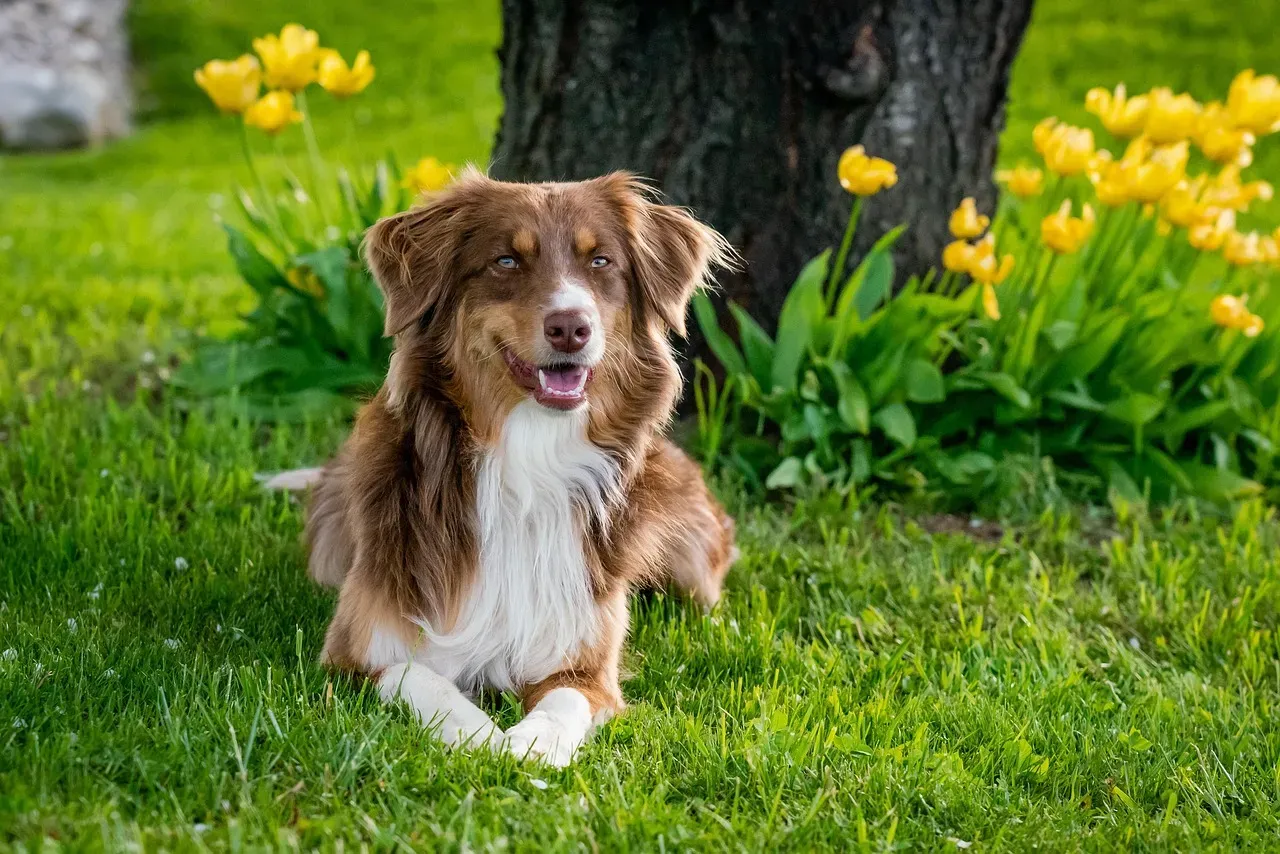
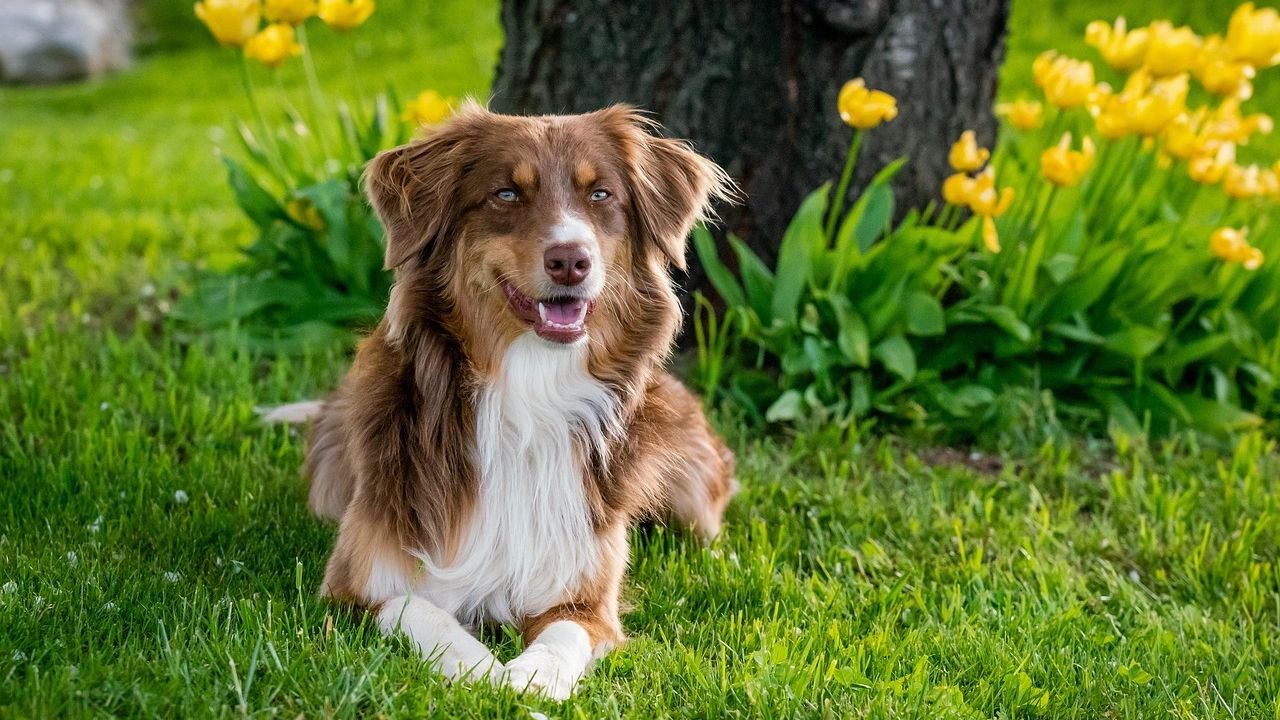
Bred as herding dogs, Australian Shepherds are brilliant and bustling with energy. Their sharp instincts and emotional awareness make them one of the more high-anxiety dog breeds, and they’re especially prone to separation anxiety and need regular engagement to feel secure. In Los Angeles, where working hours are long and commutes can eat up two or three hours of a day, an Aussie left to its own devices in an apartment becomes a different dog entirely. A busy street isn’t a substitute for a pasture.
Australian Shepherds are naturally sensitive to their environment. While this trait is advantageous on a farm, it can lead to anxiety in overstimulating environments. Noisy or crowded spaces can overwhelm them, and their acute senses make them more reactive to loud noises, sudden movements, and chaotic situations. Sirens, skateboards, and helicopters are frequently heard in Los Angeles, and for an Aussie, each of those sounds registers as a potential event that needs a response. Signs your Aussie is struggling include excessive herding behavior toward children or other pets, anxious circling, or refusal to eat during the day. Structured urban training, regular hikes to trails outside the city like Runyon Canyon or Malibu Creek, and puzzle feeders at home can help manage the gap between what they need and what the city provides.
The Beagle: A Nose That Never Rests in a City That Never Stops
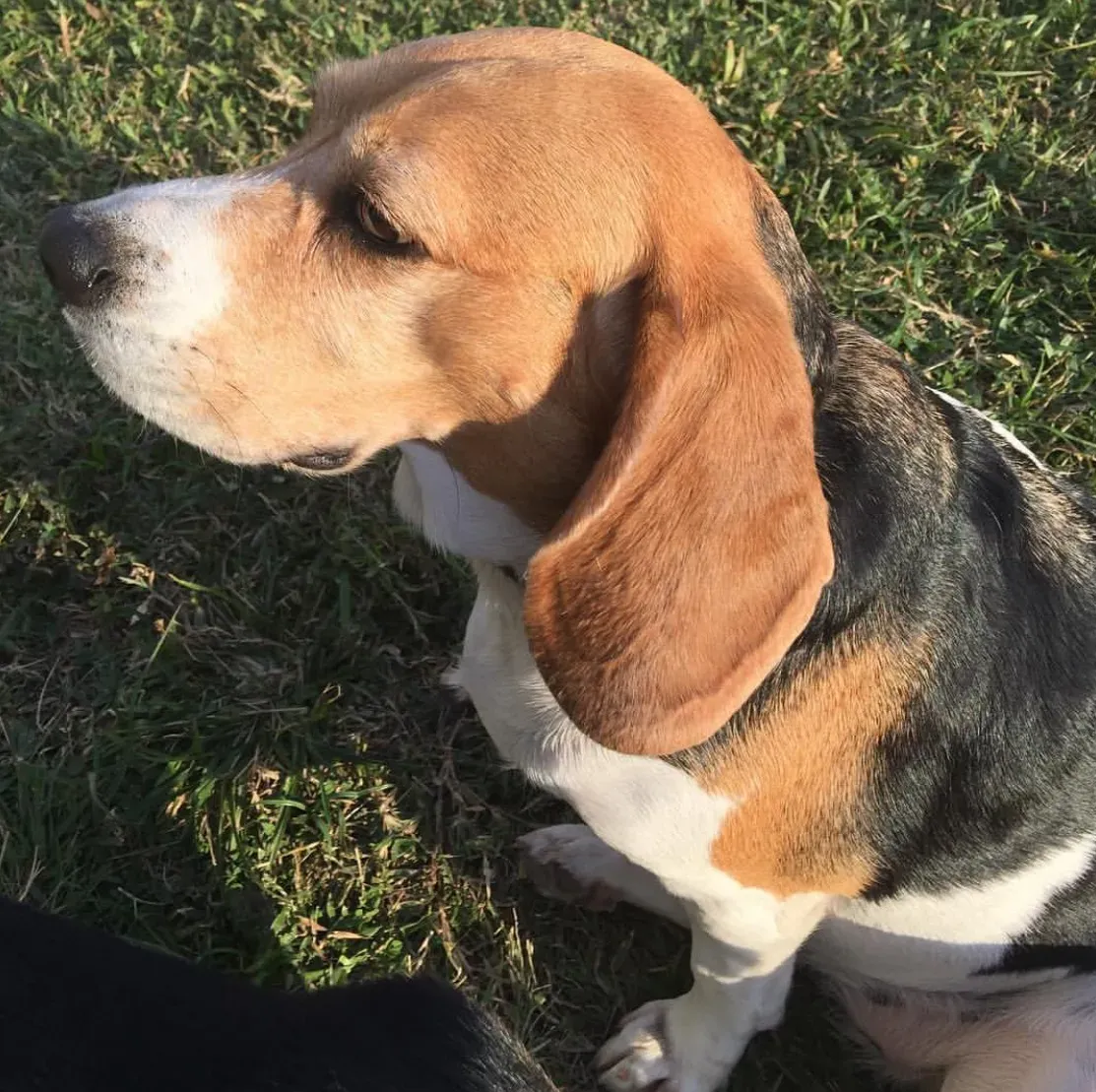
The Beagle is often underestimated as a city dog because of its compact size and cheerful personality. The reality is more complicated. Beagles are a hyper-vocal dog breed that barks a lot. In cities with constant stimulation, some Beagles can become even more reactive to the outside world. In an LA apartment building with thin walls and close-quarters neighbors, that matters. A lot. These hounds were bred to hunt in packs, which means they’re hardwired to bay loudly when they detect interesting scents or sounds.
Breeds like Beagles have an incredible sense of smell and love tracking scents. Their high energy levels and tendency to wander off following a scent make them less suited for an urban environment where control is crucial. LA’s sidewalks are a sensory overload for a Beagle nose, think restaurant food waste, other dogs, coyote traces, and city grime. This isn’t about a Beagle being badly behaved. It’s about a dog following the wiring it was given. If you have a Beagle in LA, invest in scent work classes, use a harness rather than a collar on walks to reduce bolting risk, and provide structured sniff sessions in grassy parks. The key is controlled, positive exposure that builds confidence. Work with a professional trainer on reactivity protocols including counter-conditioning and desensitization, and reward calm behavior during walks.
The Jack Russell Terrier: Small Dog, City-Sized Problems
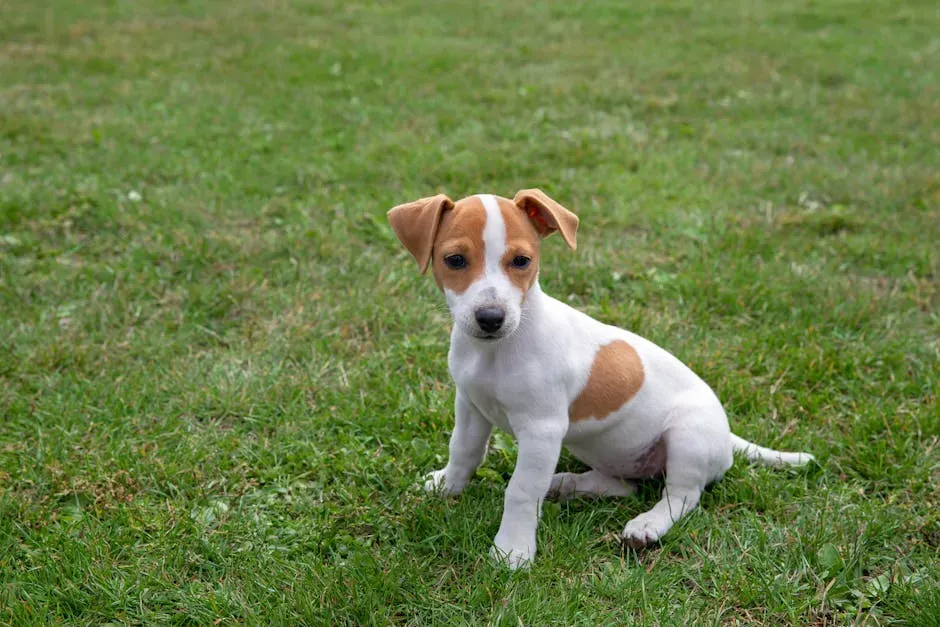
Few dogs punch above their weight quite like the Jack Russell Terrier. They’re compact, so people assume they’re apartment-ready. They’re not. High-energy, extremely vocal, and not particularly friendly with strangers or other dogs, the Jack Russell Terrier does not thrive in large apartment buildings or urban settings without space to run. These compact bundles of energy might seem apartment-appropriate due to their size, yet they’re anything but. Originally bred to hunt foxes, they retain an intense prey drive and fearless attitude.
They’ll chase shadows, bark at ceiling noises, and turn your peaceful evening into a high-energy obstacle course. Their intelligence works against apartment living too, as bored Jack Russells become destructive, capable of redesigning your furniture in ways you never imagined. In Los Angeles, where squirrels, birds, and skateboarders share sidewalks, a Jack Russell on leash can become a reactive nightmare for even the most experienced dog owner. Behavior cues to watch for include intense fixation on passing objects, lunging at cyclists, or nonstop barking at balcony railings. Urban dog training isn’t just about being well-behaved, it’s about safety, confidence, and the ability to navigate complex environments. City dogs encounter more stimulation in a single walk than many suburban dogs experience in weeks, requiring specific training that builds resilience. For Jack Russell owners in LA, structured training is not optional. It’s the foundation everything else stands on.
The Bigger Picture: It’s About Needs, Not Judgment

None of this is about labeling certain dogs as bad or lesser. These are brilliant, loyal, and deeply lovable animals. The point is much simpler: the dog breeds that do not do well in cities are often bred for rural life, either as herders, livestock guardians, or farm dogs. Many of these breeds can feel very insecure in a city environment, and their need for daily exercise and mental stimulation exceeds what most apartment dwellers can provide. Knowing this going in gives you a fighting chance to do right by your dog.
It is easy to build what trainers call “trigger stacking” in a city environment. Whenever a dog experiences a stressor, stress hormones spike, and it can take hours to days to reach a calmer baseline. With multiple triggers coming at a dog in even just one walk, it can be difficult for dogs to ever fully recover. An individual dog’s temperament, including their baseline anxiety level, resilience, and social confidence, predicts urban adaptability more accurately than breed alone. Sensitive individuals of any breed face greater challenges, while confident, flexible dogs can thrive regardless of genetics. The goal isn’t perfection. It’s awareness, compassion, and a commitment to meeting your dog where they are, even when that place is a noisy, sun-baked stretch of Los Angeles.
Conclusion: Knowing Better Means Doing Better
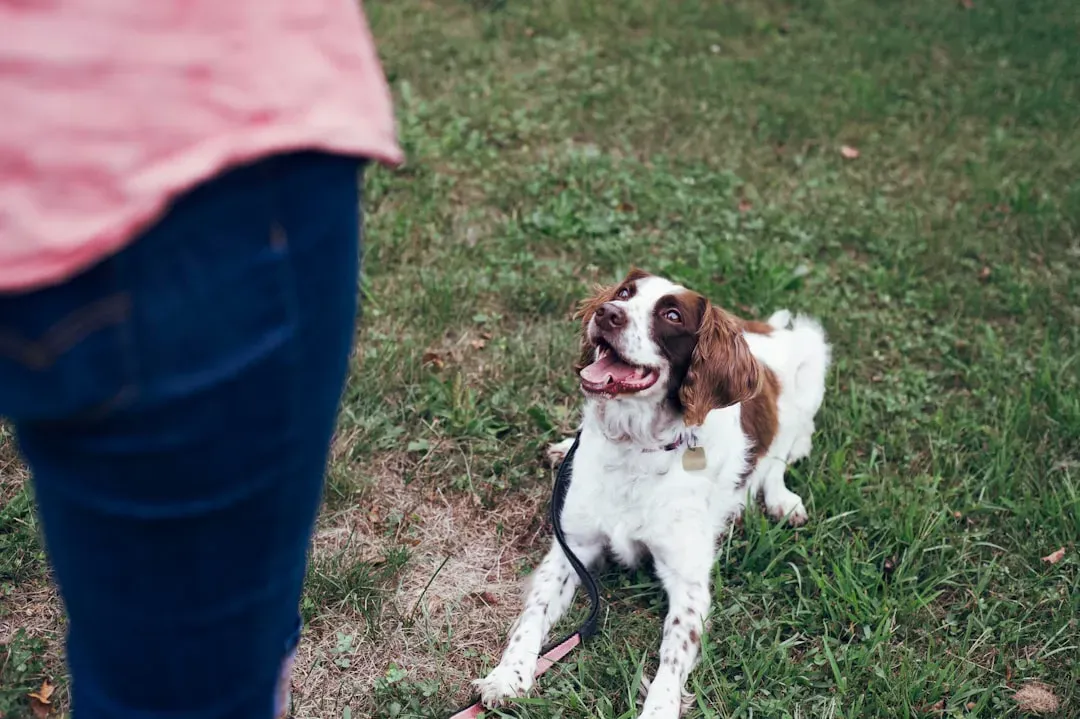
If you already share your LA life with one of these breeds, please don’t feel guilty. You didn’t make a mistake by loving them. What matters now is understanding what they need and getting creative about how to provide it. City dogs often face mental challenges due to limited natural environments. Without enough stimulation, dogs may develop anxiety or destructive habits. Mental exercise is as important as physical activity, and keeping a dog’s mind engaged improves behavior and happiness.
Early morning hikes on Griffith Park trails, weekend drives to dog-friendly beaches in Malibu, nose work classes in Studio City, and a good certified trainer can close a lot of the gap between what these breeds were built for and what city life offers them. Anxiety usually isn’t cured, but it can be managed. With training, environmental changes, and veterinary support, many dogs with anxiety live happy, balanced lives. The dogs on this list aren’t wrong for the city. They just need owners who understand them well enough to make the city work for them, and that kind of informed love is exactly what good dog ownership looks like.


