

There’s a particular kind of comfort that comes from a quiet home. Maybe you work from home and need to stay focused. Maybe you live in an apartment and have neighbors on the other side of a thin wall. Or maybe you’ve just reached a season of life where calm matters more than chaos. The good news is that a dog can absolutely be part of that picture.
Not all dogs are noisy, and choosing the right breed can make a world of difference. Quiet dogs aren’t mute – they still communicate through body language, gentle sounds, or occasional barks – but they’re far less vocal than the average pup. The five breeds below bring loyalty, warmth, and genuine companionship without turning your living room into a chorus of barking. Each one has its own personality, its own quirks, and its own way of filling your heart without filling your home with noise.
1. The Cavalier King Charles Spaniel: Softness in Every Sense
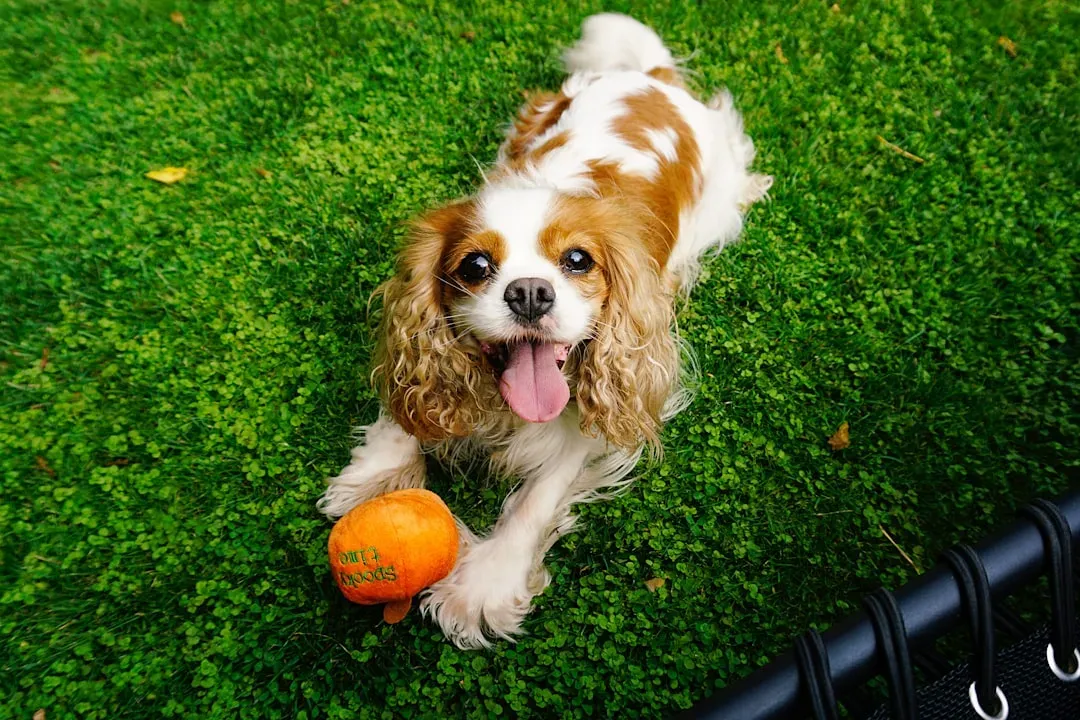
The Cavalier King Charles Spaniel is a graceful, affectionate breed that thrives on love and companionship. With its soft expression and silky coat, this small dog is as charming as it is gentle. Originally bred as a lap dog for royalty, it remains one of the most devoted and low-maintenance companions today.
Cavalier King Charles Spaniels are known for soft vocal habits and a gentle presence, making them well-suited to low-noise households. They communicate more through eye contact and tail wags than barking. That tells you a lot about who they are as a dog. They don’t need to make a fuss to make their feelings known.
Cavaliers are happiest when near their owners, whether relaxing on the couch or enjoying a slow stroll outdoors. Their calm temperament and minimal barking make them ideal for quiet homes and apartment living. One thing to keep in mind: this breed is prone to certain heart conditions, so routine veterinary checkups are especially important. Separation anxiety is a common trigger for barking in otherwise calm breeds like the Cavalier King Charles Spaniel. Gradual alone-time training, puzzle toys, and consistent routines help manage anxiety effectively.
2. The Whippet: Speed Outside, Serenity Inside

Most people picture a blur on a racetrack when they hear “Whippet.” What they don’t picture is a dog curled up like a croissant on your sofa, completely content. While they can run incredibly fast when given the chance, Whippets are just as happy stretching out and relaxing for hours. Their calm and quiet nature makes them a great match for families who enjoy a peaceful home.
Whippets are among the quietest dog breeds, bringing an almost serene presence into calm and relaxed homes. Barking is rare, and their soft movements create an atmosphere of quiet elegance. They’re also sensitive souls, which means harsh training methods don’t work well. They are intelligent and eager to learn, but can also be sensitive, so gentle training works best.
Whippets require regular exercise to satisfy their sprinting instincts but are otherwise content to curl up and rest quietly by their owner’s side. Their short coat is easy to care for, and their overall calm and loving nature makes them a perfect companion for those seeking a quiet and elegant dog breed. They’re ideal for active people who want quiet evenings after outdoor adventures. Just make sure they always run in a securely fenced area, as their prey drive can kick in fast.
3. The Basenji: The Dog That Doesn’t Bark (But Has Plenty to Say)
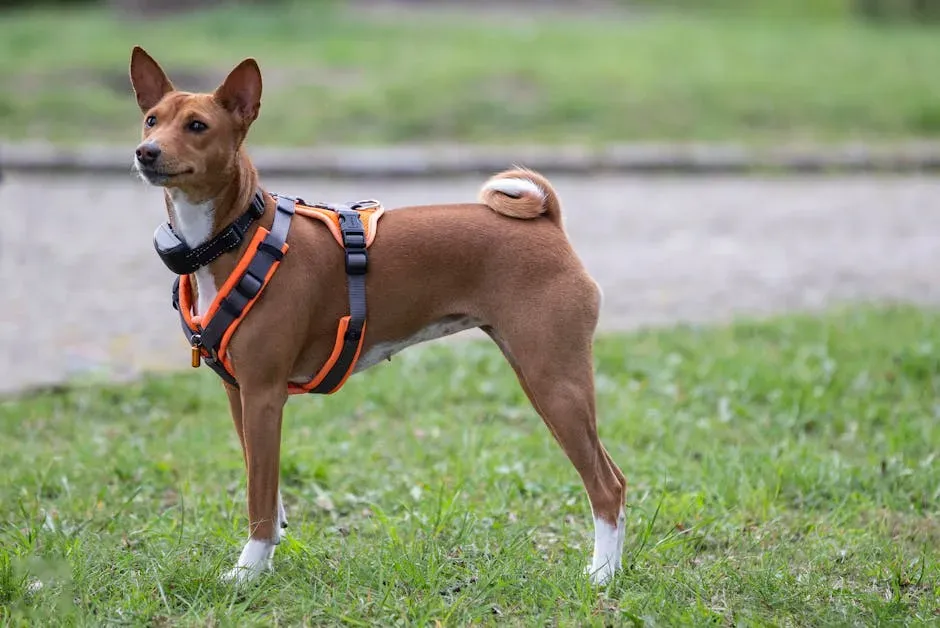
The Basenji, famously known as the “barkless dog,” originates from Central Africa where it was prized for its hunting prowess and silent tracking ability. This unique breed does not bark in the traditional sense; instead, it makes a variety of sounds, including a distinctive yodel, thanks to the peculiar shape of its larynx. If you’ve never heard a Basenji “baroo,” look it up – it’s genuinely one of the more delightful sounds in the dog world.
Basenjis are known for their intelligence, independence, and playful nature, but they are not excessive barkers, preferring to express themselves through body language. This makes them a perfect choice for those looking for a quiet, yet active and curious companion. They’re also notably cat-like in their cleanliness and self-grooming habits, which many owners find refreshing.
That said, the Basenji isn’t for everyone. Avoid starting with this breed if you have no prior dog experience. These dogs require confident, consistent handling to thrive. They have a strong prey drive and love to explore, so a securely fenced yard matters. Some may be very quiet, while others still exercise their larynx frequently, just with a variety of noises rather than a typical bark. Know what you’re signing up for, and you’ll have a fiercely loyal, wonderfully unusual companion.
4. The French Bulldog: Big Personality, Blissfully Little Noise

The French Bulldog is a compact, easygoing breed that thrives in quiet, low-maintenance homes. Known for its signature bat ears and affectionate personality, this small dog enjoys being near its owner without requiring constant activity. French Bulldogs are one of the best breeds for people who prefer peaceful companionship and minimal barking.
French Bulldogs are easygoing and rarely bark without good reason. They communicate more through expressive faces and the occasional snort than through noise. That expressiveness is part of their charm. A French Bulldog can convey excitement, disappointment, and pure joy without uttering a single sound – just through those enormous, soulful eyes.
They rarely bark unless necessary, and their sociable temperament helps them get along well with children and other pets. With a short coat and minimal shedding, grooming needs are simple – just occasional brushing and cleaning around facial folds to keep them comfortable. Though playful, French Bulldogs are content with short walks and plenty of relaxation. One important health note: because of their flat face, they can overheat easily. Always keep walks to cooler parts of the day and watch for signs of labored breathing, particularly in summer.
5. The Bernese Mountain Dog: Gentle Giant, Quieter Than You’d Expect

The Bernese Mountain Dog is a large, gentle companion known for its affectionate and calm personality. Despite its impressive size, this breed is laid-back, quiet, and surprisingly easy to live with. Originally bred to work on Swiss farms, the Bernese now enjoys life as a loving family dog that thrives on companionship and relaxation.
They are patient, loyal, and form deep bonds with their families, often showing their love through gentle affection. While they enjoy outdoor walks, Bernese Mountain Dogs are content with moderate exercise followed by cozy rest indoors. Picture a big, warm, tricolor bear who just wants to be near you – that’s a Berner in a nutshell. Despite their large size, Bernese Mountain Dogs are known for their calm and quiet demeanor. Originally bred as working dogs in the Swiss Alps, they have an easygoing nature that doesn’t involve unnecessary barking.
Their thick, tricolor coat adds to their majestic appearance and requires regular brushing to maintain its softness and shine. Though large, they are known for their kind hearts and rarely bark unless necessary. With their balanced temperament and devotion, they bring peace and warmth to any home. Families with children will find them especially rewarding. Breeds like the Bernese Mountain Dog, Cavalier King Charles Spaniel, and Newfoundland are known for being gentle, quiet, and great with children. Regular grooming and routine vet care are non-negotiables with this breed, particularly given their susceptibility to joint issues as they age.
What All Quiet Breeds Have in Common (And What You Still Need to Do)
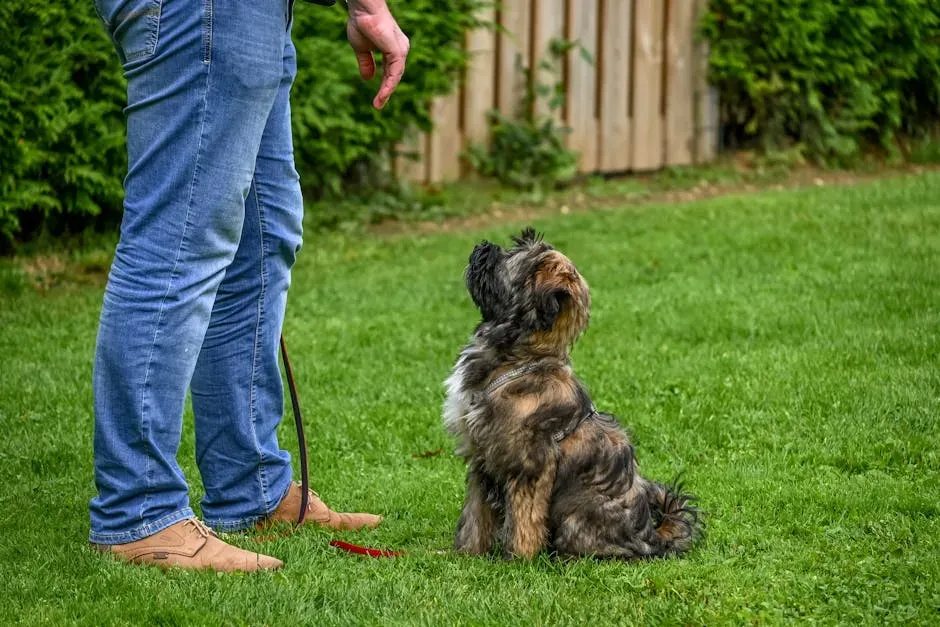
Choosing a naturally quiet breed is a great starting point, but it’s never the whole story. Early training, socialization, environment, and lifestyle all influence barking habits. Even naturally quiet dogs need guidance. A bored dog, regardless of breed, will find a way to express that boredom – and often loudly.
Consistent positive reinforcement training and early socialization can significantly reduce excessive barking, even in breeds traditionally considered more vocal. Provide mental stimulation, regular exercise, and a calm home environment. Address potential triggers like boredom, anxiety, or lack of attention that might cause increased vocalization.
To minimize disruptive barking: ensure they receive adequate exercise and mental stimulation, invest in early socialization and obedience training, and avoid leaving the dog alone for long periods to reduce boredom-related barking. The quietest home is one where your dog feels genuinely secure, mentally engaged, and deeply loved.
Conclusion: Quiet Doesn’t Mean Less Love
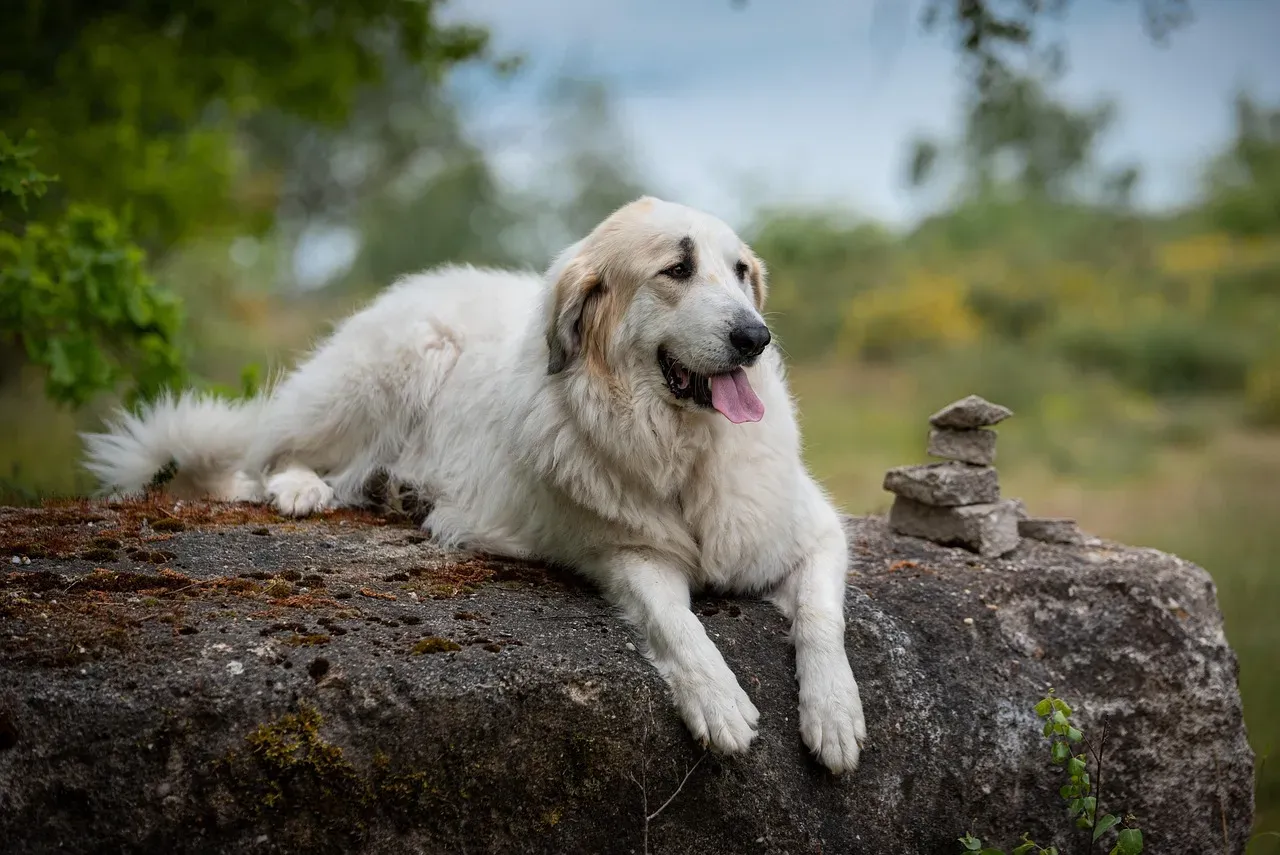
There’s a common misconception that a quiet dog is somehow less present, less expressive, or less connected. In reality, the opposite is often true. Many of the quietest breeds are the most emotionally attuned – communicating through touch, proximity, and gentle nudges rather than noise.
Whether you’re drawn to the Cavalier’s silky warmth, the Whippet’s elegant calm, the Basenji’s quirky spirit, the French Bulldog’s comedic expressiveness, or the Bernese’s mountain-sized heart, each of these dogs offers something deeply meaningful. Choosing a dog that matches one’s lifestyle and desire for tranquility can lead to a harmonious and fulfilling relationship, ensuring that the home remains a peaceful sanctuary for all its inhabitants.
The right quiet dog doesn’t just fit your home. It completes it – one soft paw at a time.


