
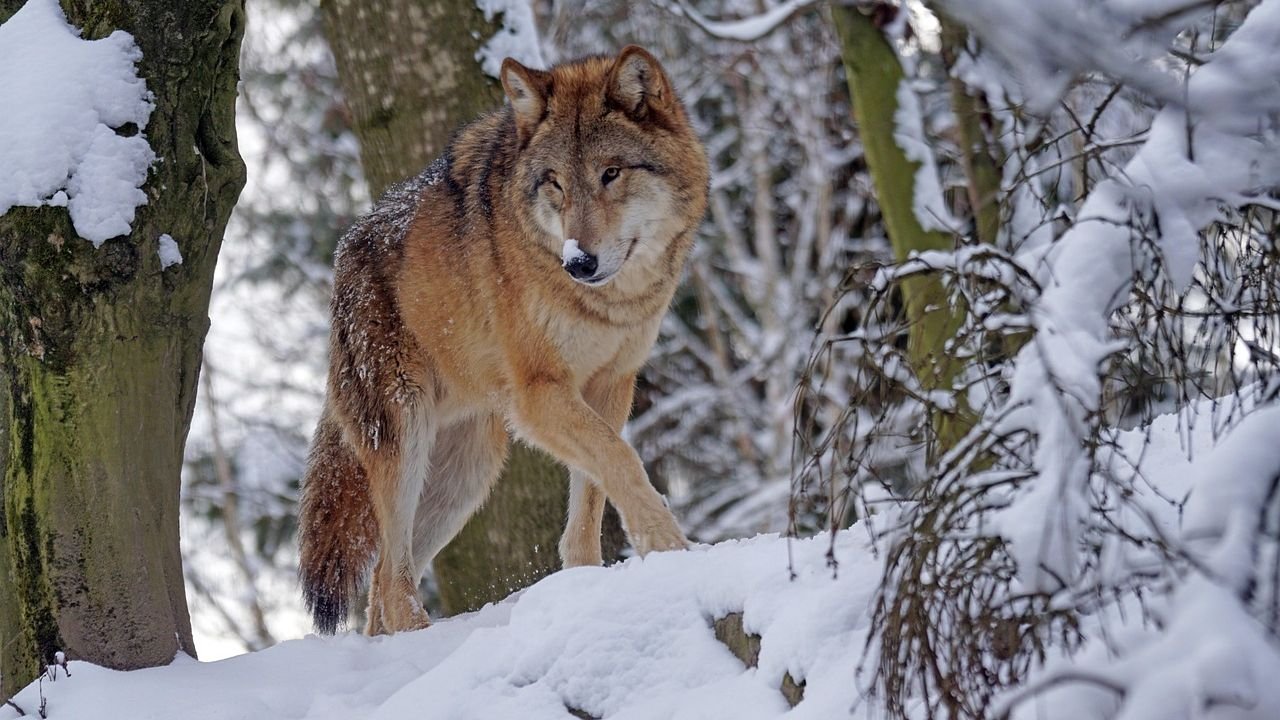
Picture a park so quiet that riverbeds erode away, trees stop growing, and entire bird populations disappear. That’s not a hypothetical. That’s exactly what happened to Yellowstone National Park across seven decades without wolves. When people think about wolves, they often think predator, danger, or the villains of old fairy tales. What they rarely picture is a living, breathing force that literally shapes rivers, builds forests, and keeps diseases from spreading through wildlife populations.
The science on wolves has grown remarkably detailed, and one thing keeps emerging from the data: remove a wolf, and the world around it starts unraveling in ways nobody expected. Restore a wolf, and the same world begins stitching itself back together. Here are twelve reasons why wolves aren’t just impressive animals – they’re irreplaceable pillars of healthy ecosystems.
1. Wolves Are a Keystone Species That Hold Ecosystems Together
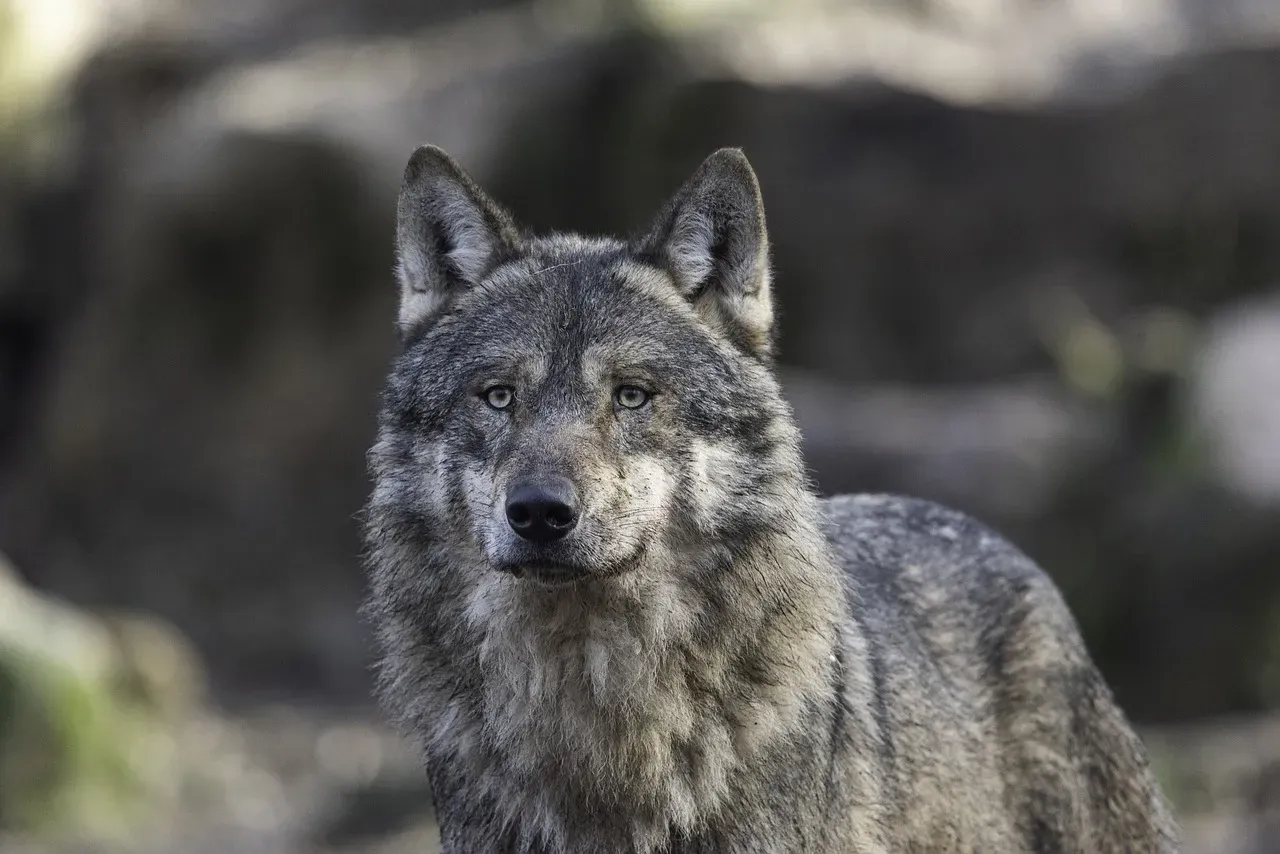
Wolves are what ecologists refer to as a “keystone species,” meaning they’re a species that other plants and animals within an ecosystem largely depend on. If a keystone species is removed, the ecosystem would drastically change, and in some cases, collapse. That’s not a small claim – it’s backed by decades of field research across multiple continents.
As a keystone species and apex predator, wolves apply top-down pressure to the ecosystems they inhabit, initiating interactions that can control entire ecosystems. Think of it like removing the main support beam from a building. The walls may stand for a while, but the structure is compromised in ways that become obvious only once failure begins.
The global literature is clear: on a broad scale, wolves overwhelmingly benefit the ecosystems they inhabit, the species they share habitat with, and play an important role in regulating the natural balance. The evidence isn’t scattered or inconclusive. It’s consistent across wildly different environments.
2. Wolves Control Prey Populations and Prevent Overgrazing
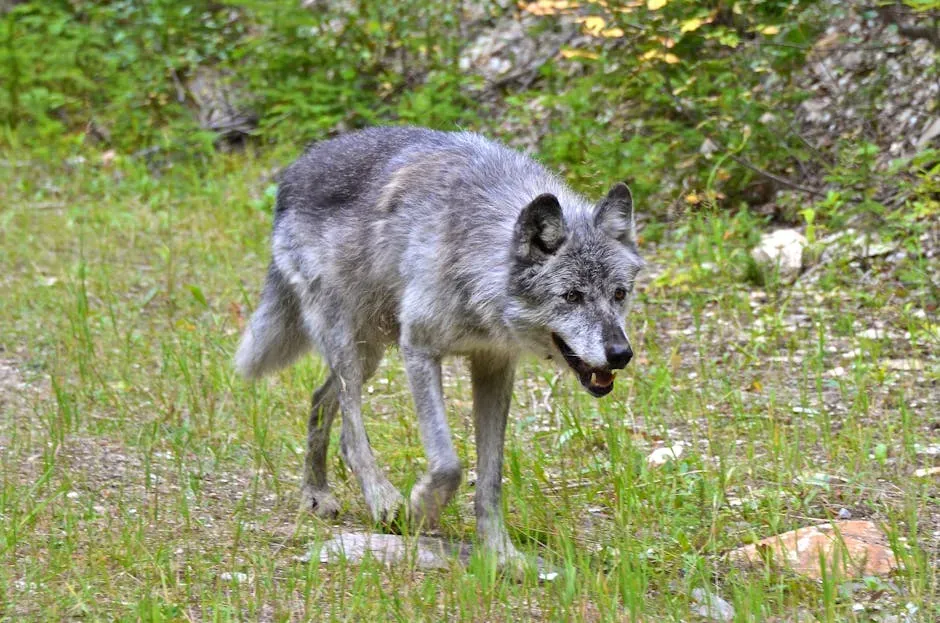
As top predators, gray wolves profoundly impact their environment by controlling herbivore populations and affecting vegetation growth and diversity. Without that control, prey animals like elk, deer, and moose multiply until they simply eat everything around them.
Wolves were eradicated from Yellowstone by the 1920s, which led to dramatic changes in the environment. Without wolves to control elk populations, elk numbers surged, causing overgrazing of young trees and vegetation along rivers and valleys. The ripple effects were visible for decades.
In areas where wolves roam, their presence creates a natural regulatory effect on herbivore numbers. This balance is crucial because overpopulation of herbivores can lead to severe degradation of plant life, leading to diminished habitat quality for countless other species.
3. Wolves Trigger Powerful Trophic Cascades
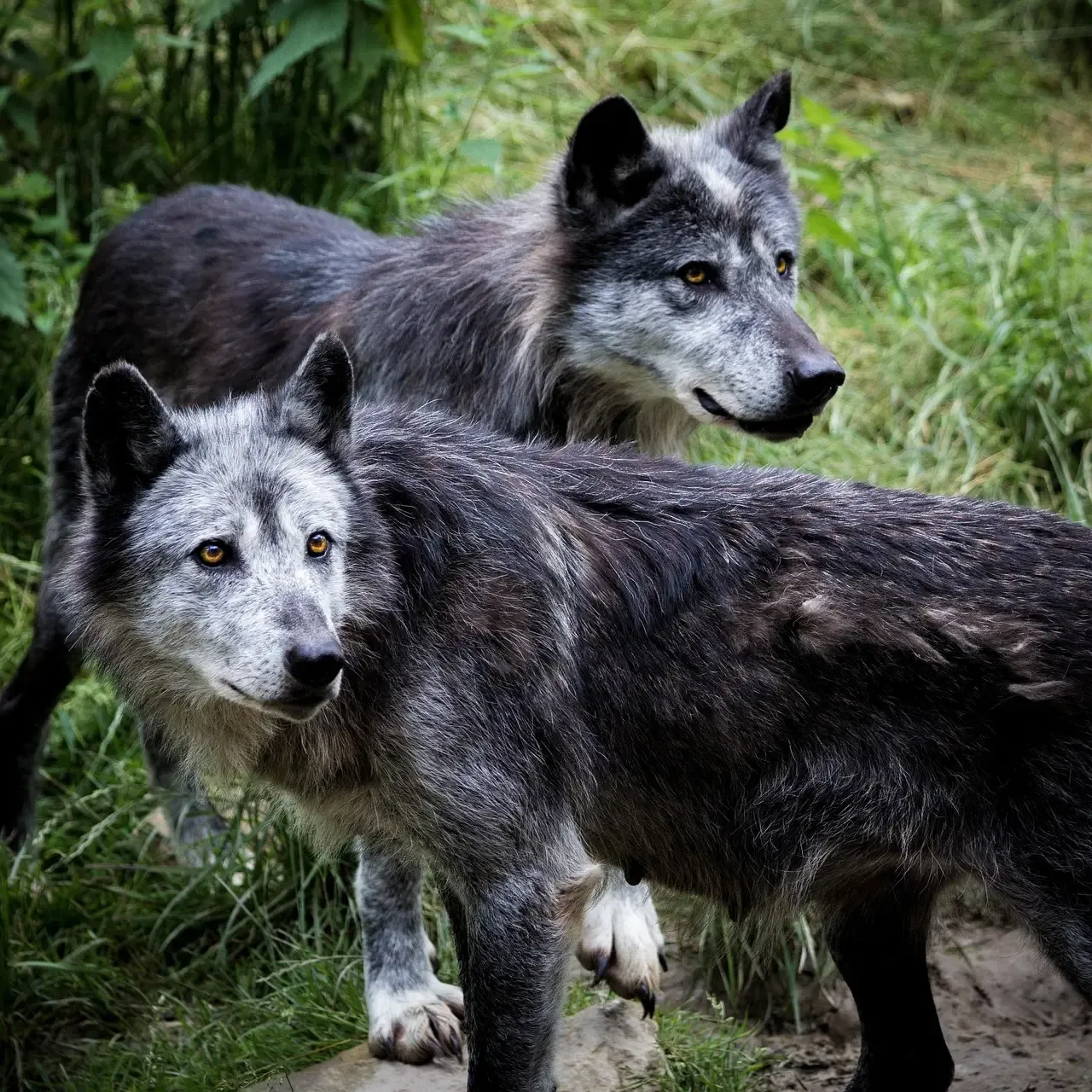
Trophic cascades – the indirect effects of predators propagating downward through food webs – play a critical role in shaping ecosystems. Wolves sit at the very top of this chain of influence, setting off changes that ripple all the way down to soil microbes and river flow.
Yellowstone wolves have boosted biodiversity through trophic cascades. This ecological phenomenon occurs when predators influence elk population numbers, creating significant ripple effects throughout the food chain, affecting herbivores and plants, and transforming entire ecosystems.
In essence, we have learned that by starting recovery at the top of the food chain, predators like wolves create benefits for the whole ecosystem. It’s a reminder that nature rarely works in straight lines. One species changes another, which changes another, and the effects compound in surprising ways.
4. Wolves Restore and Protect Vegetation
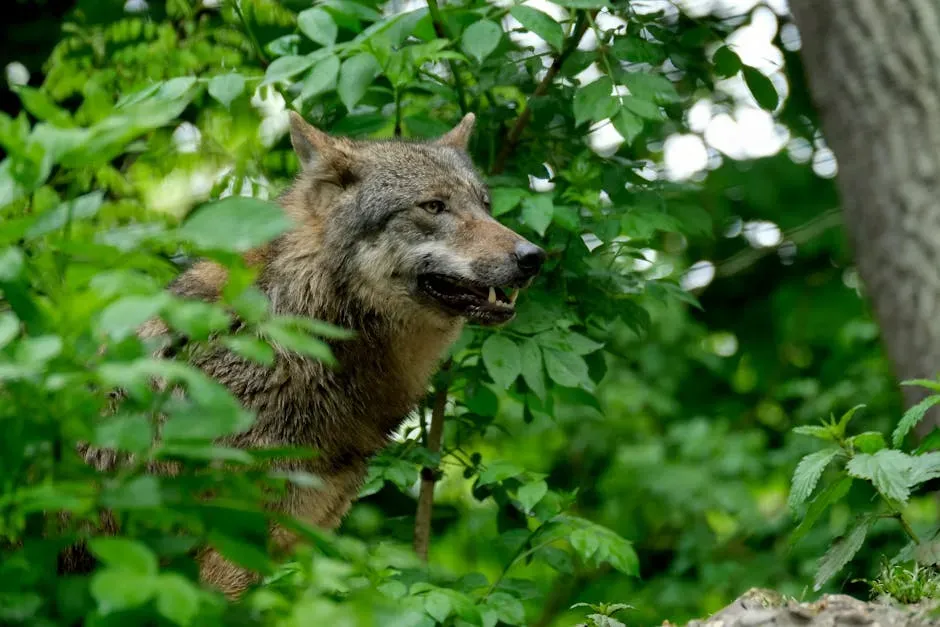
Wolves preyed on elk, and the elk population decreased, which altered its grazing behavior. With the elk population decreasing and grazing less, willow and aspen trees were able to regenerate after years of decline. Trees that had barely survived for seven decades suddenly had space to breathe again.
When researchers documented the cascading effects of wolf reintroduction, they found there was about a 1,500% increase in larger willows with a greater capability for carbon storage. That number is remarkable. It speaks to just how severely unchecked elk had suppressed plant growth during the wolf-free years.
When wolves are present in an ecosystem, they indirectly influence plant health and diversity. Through their predatory behaviors, they keep herbivore populations in check, allowing vegetation to flourish. With fewer deer, for instance, young trees, shrubs, and grasses have a better chance to grow, leading to a more robust and diverse plant community.
5. Wolves Reshape Rivers and Stabilize Waterways
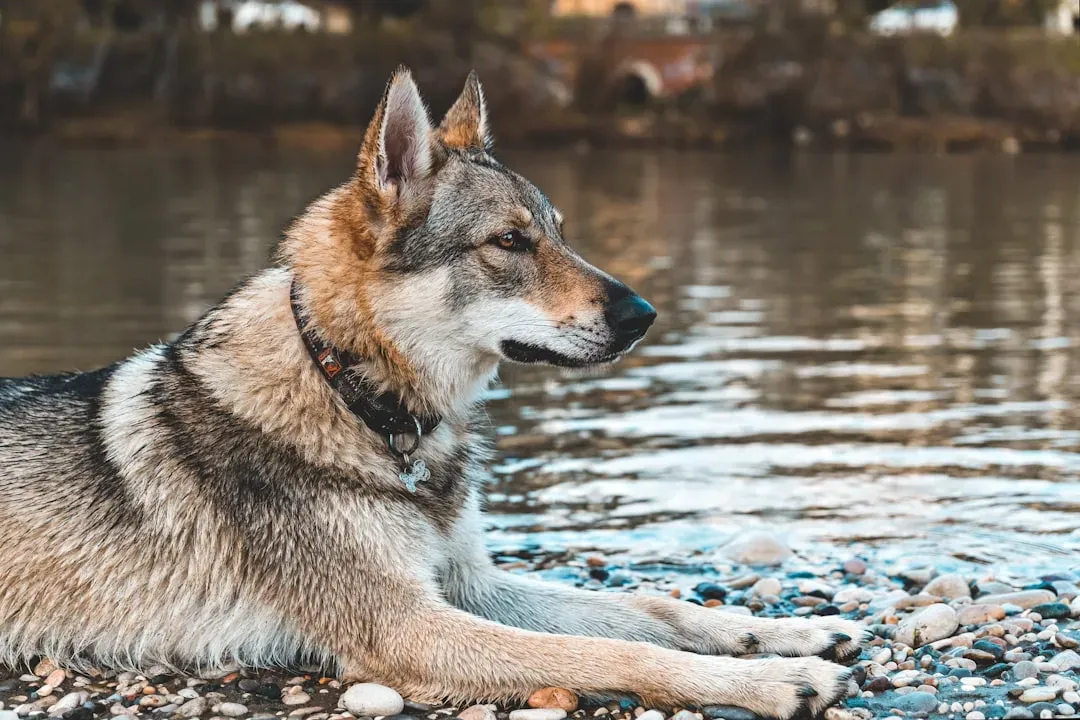
When wolves chase elk during a hunt, the elk are forced to run faster and farther. As the elk run, their hooves aerate the soil, making it prime for water retention and allowing more grasses to grow. Since the elk cannot remain stationary for too long, aspens and willows in one area are not heavily grazed and can therefore fully recover between migrations.
The songbirds are returning too, and the bigger trees along the rivers mean greater root structures, which means stronger riverbanks and less erosion. Stronger roots hold soil in place. That means cleaner water, steadier riverbeds, and healthier aquatic habitats downstream.
In some areas where wolves have disappeared, forest vegetation and biomass decreased, became less diverse, and plants rarely reached maturity before being grazed. As a result, soil and fine sediments along stream beds, which would have otherwise been held in place by the forest root system, eroded away, changing the form and flow of rivers.
6. Wolves Bring Back Beavers – and Beavers Change Everything
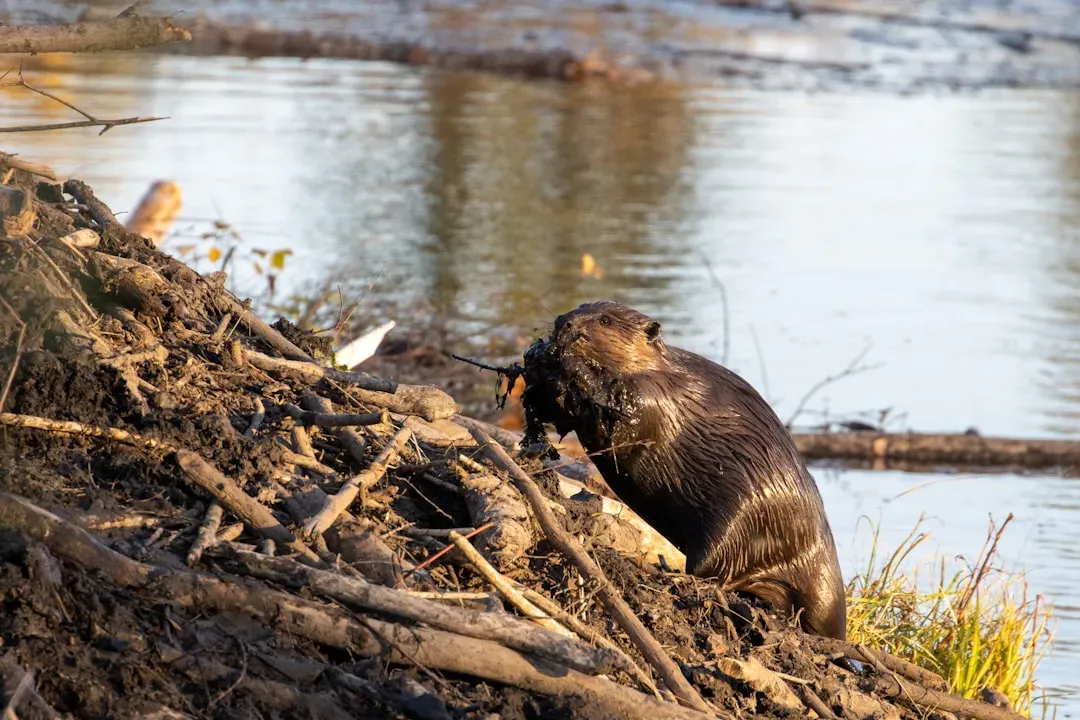
When the grey wolf was reintroduced into the Greater Yellowstone Ecosystem in 1995, there was only one beaver colony in the park. Today, the park is home to nine beaver colonies, with the promise of more to come, as the reintroduction of wolves continues to astonish biologists with a ripple of direct and indirect consequences throughout the ecosystem.
The resurgence of plants like willow and aspen provided essential resources for species like beavers, which played a vital role in shaping the ecosystem. Beavers began building dams, helping to create wetlands that offer habitats for fish, amphibians, and birds while simultaneously stabilizing riverbanks and reducing erosion.
As the beavers spread and built new dams and ponds, the cascade effect continued. Beaver dams have multiple effects on stream hydrology. They even out the seasonal pulses of runoff, store water for recharging the water table, and provide cold, shaded water for fish, while the now robust willow stands provide habitat for songbirds.
7. Wolves Support Scavengers and Feed Dozens of Species
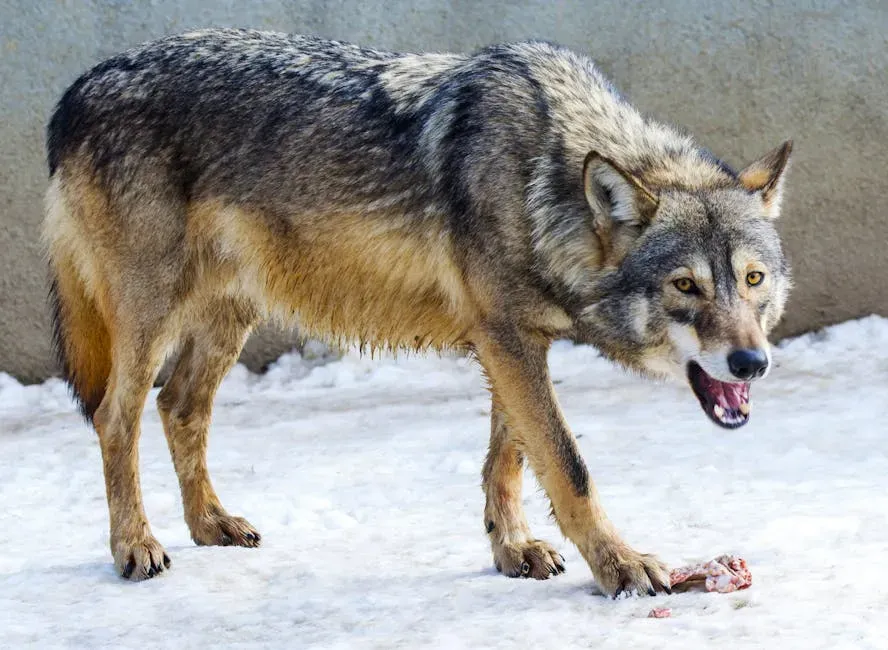
While wolves are highly protective of their kill, many other carnivores and scavengers benefit from the carcasses they leave behind. These carcasses may help to sustain large carnivores, wolverines, foxes, fishers, martens, raccoons, eagles, ravens, and magpies, especially during winter. For these species, a wolf kill isn’t just a meal – it’s survival.
Elk, moose, and bison carcasses from wolf kills provide plenty of leftovers for other animals to scavenge. This function was missing entirely during the wolf-free decades, and certain scavenger populations suffered noticeably as a result.
Wolves also contribute to nutrient cycling within their ecosystems. Their predatory practices ensure that dead animal remains are returned to the soil. As these carcasses decompose, they enrich the soil with necessary nutrients, promoting healthier plant life. Scavengers such as vultures and ravens benefit from these remains as well, creating a healthier cycle of life and death throughout the ecosystem.
8. Wolves Keep Coyote Populations in Check
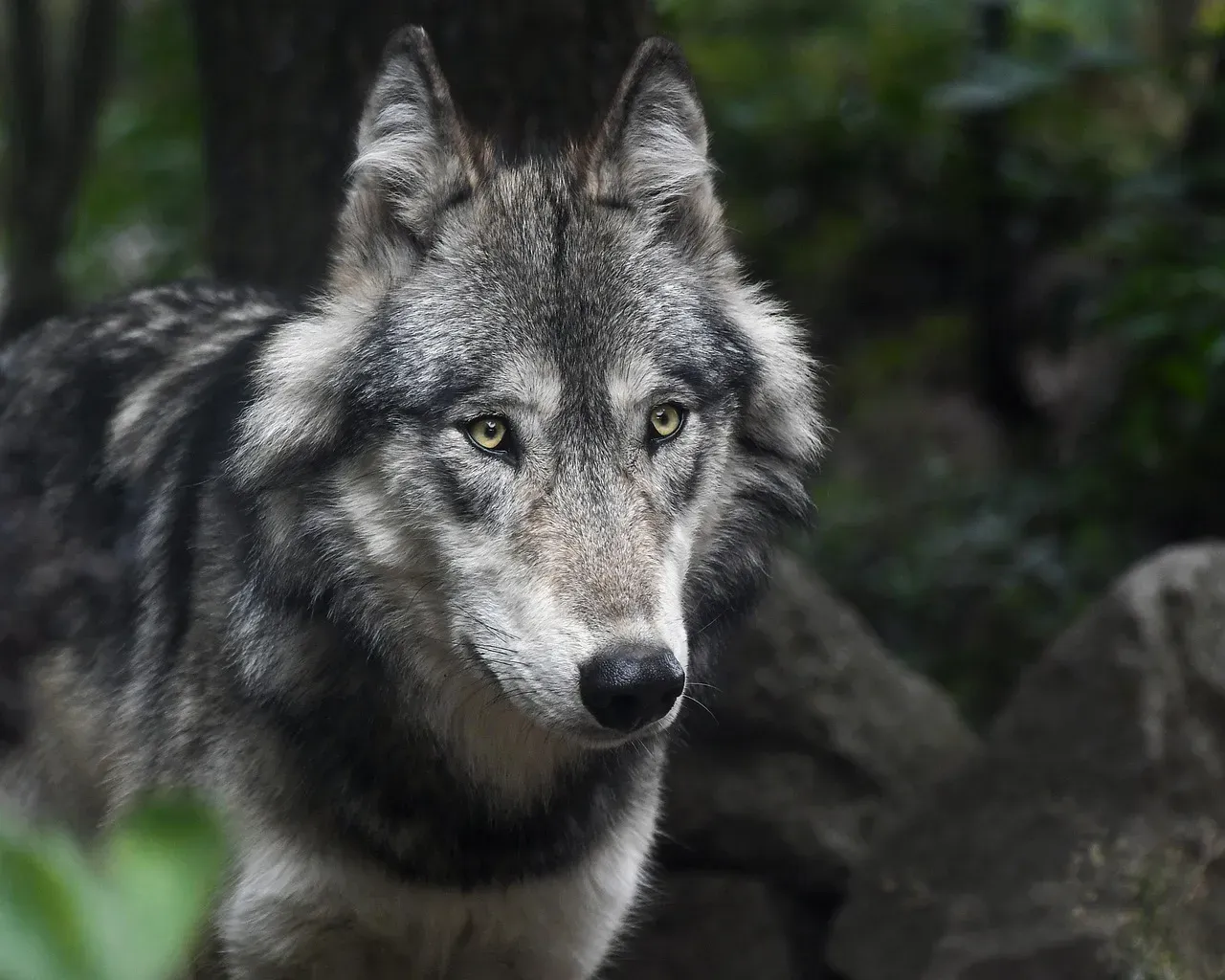
The reinstated wolf presence in Yellowstone has reduced the coyote population of the park by roughly half – and even more in some areas – since wolves view other canids as territorial competition. This has significant downstream effects on smaller animals that coyotes prey upon.
Once the dominant predator disappears from an environment, the next largest hunter assumes the top spot in the food chain. In the case of wolves, there are no large predators that fill their exact niche, and coyotes are the next species in line to take over when wolf populations decrease. While wolves primarily prey on larger animals, due to their smaller size, coyotes specialize in hunting mid-size to smaller prey. As the coyote population explodes, the populations of foxes, badgers, and martens – all of which compete with coyotes for rodents and other small game – begin to dwindle.
The chain of consequences from wolf absence to fox decline to rodent explosion is a vivid example of how deeply one species is woven into the lives of so many others.
9. Wolves Help Control Wildlife Disease
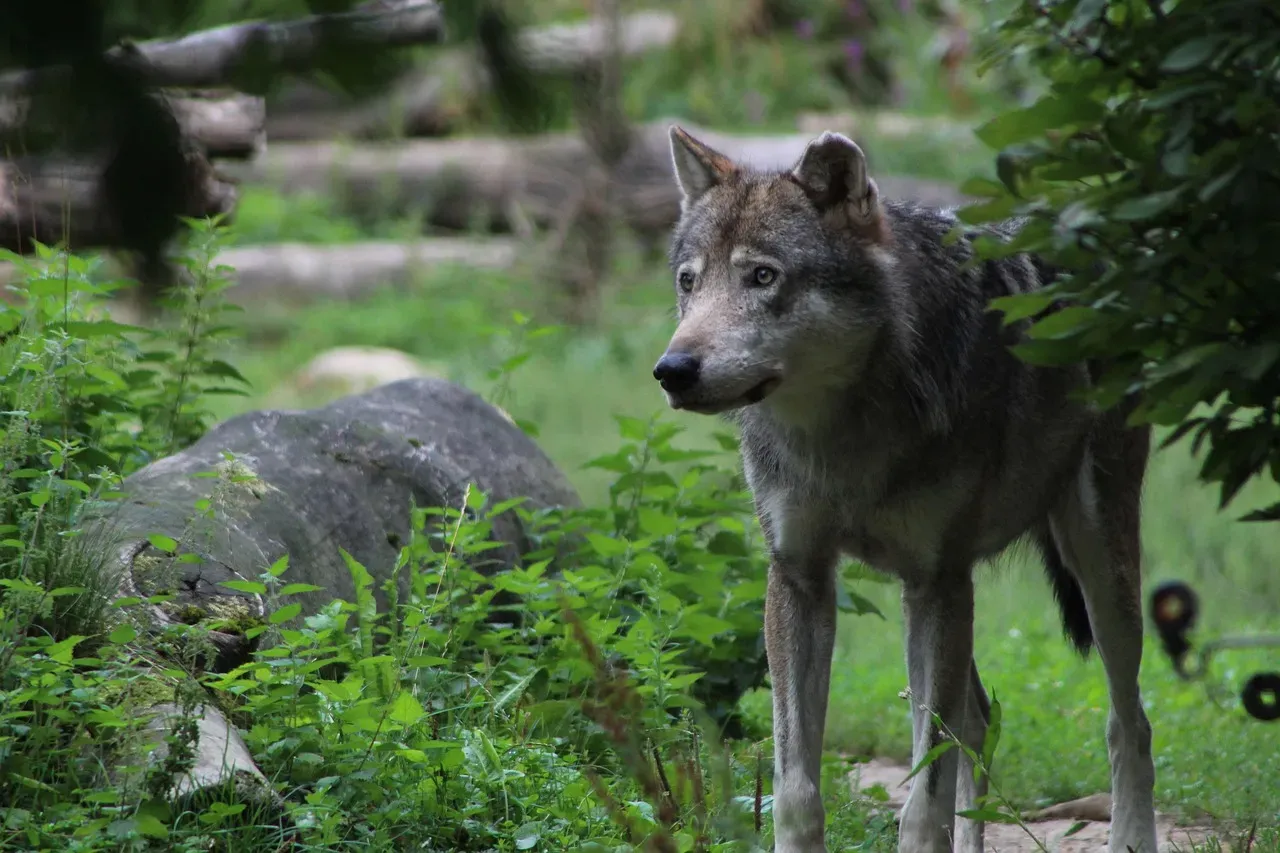
When herbivore populations become too large, they can become more susceptible to diseases. Chronic wasting disease (CWD) is a neurological disease that affects deer, elk, and moose. It is caused by a prion, which can spread more easily in crowded populations. By keeping the populations of these animals in check, wolves can help to reduce the spread of diseases like CWD.
Wolves are constantly testing their prey. All it takes is minor missteps, and a wolf, as a coursing predator, is going to pick that up and remove those animals earlier in the disease course. This is a form of biological surveillance that no human management program can replicate at scale.
Research shows that predation can lead to a marked reduction in the prevalence of infection without leading to a reduction in host population density, since mortality due to predation can be compensated by a reduction in disease-induced mortality. A key finding is that a population harboring a virulent infection can be regulated at a similar density by disease at high prevalence or by predation at low prevalence. Predators may therefore provide a key ecosystem service which should be recognized when considering human-carnivore conflicts.
10. Wolves Improve Soil and Water Quality
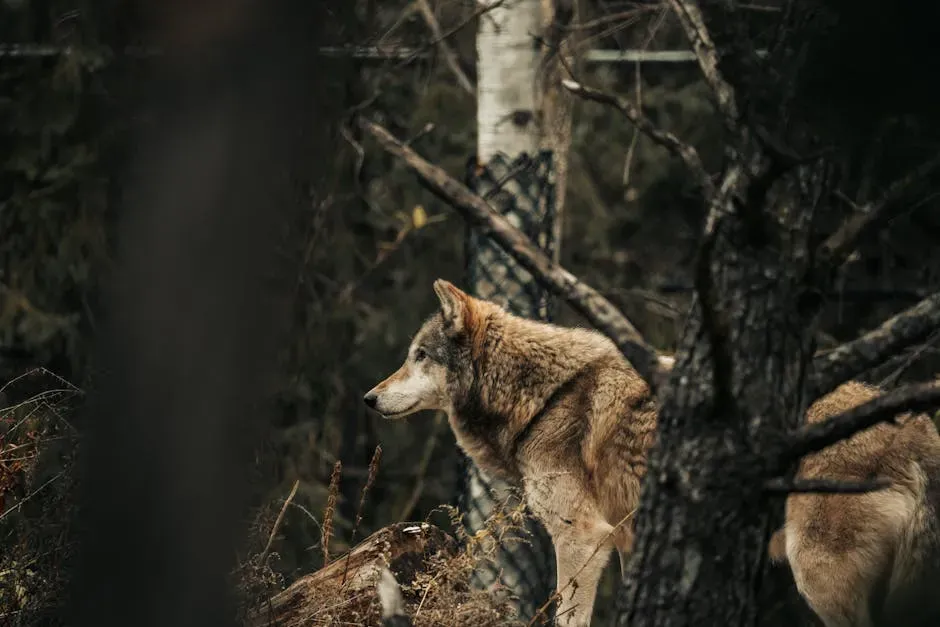
Wolves can also have an indirect impact on soil and water quality. When herbivore populations are too large, they can overgraze, which leads to soil erosion and water pollution. By keeping these populations in check, wolves help to prevent overgrazing and improve the quality of the soil and water.
Healthy ecosystems contribute positively to water quality and availability, and wolves play a direct role in that too. With vegetation returning in abundance due to balanced herbivore populations, soil erosion decreases, and water runoff is better managed. Plants absorb more rainwater, aiding in the replenishment of aquifers and improving local water sources. This not only benefits plants and wildlife, but it also ensures that nearby human communities have clean, reliable water supplies.
Clean water is not a separate issue from wildlife conservation. It’s directly connected to what’s happening at the top of the food chain.
11. Wolves Support Carbon Sequestration and Climate Resilience
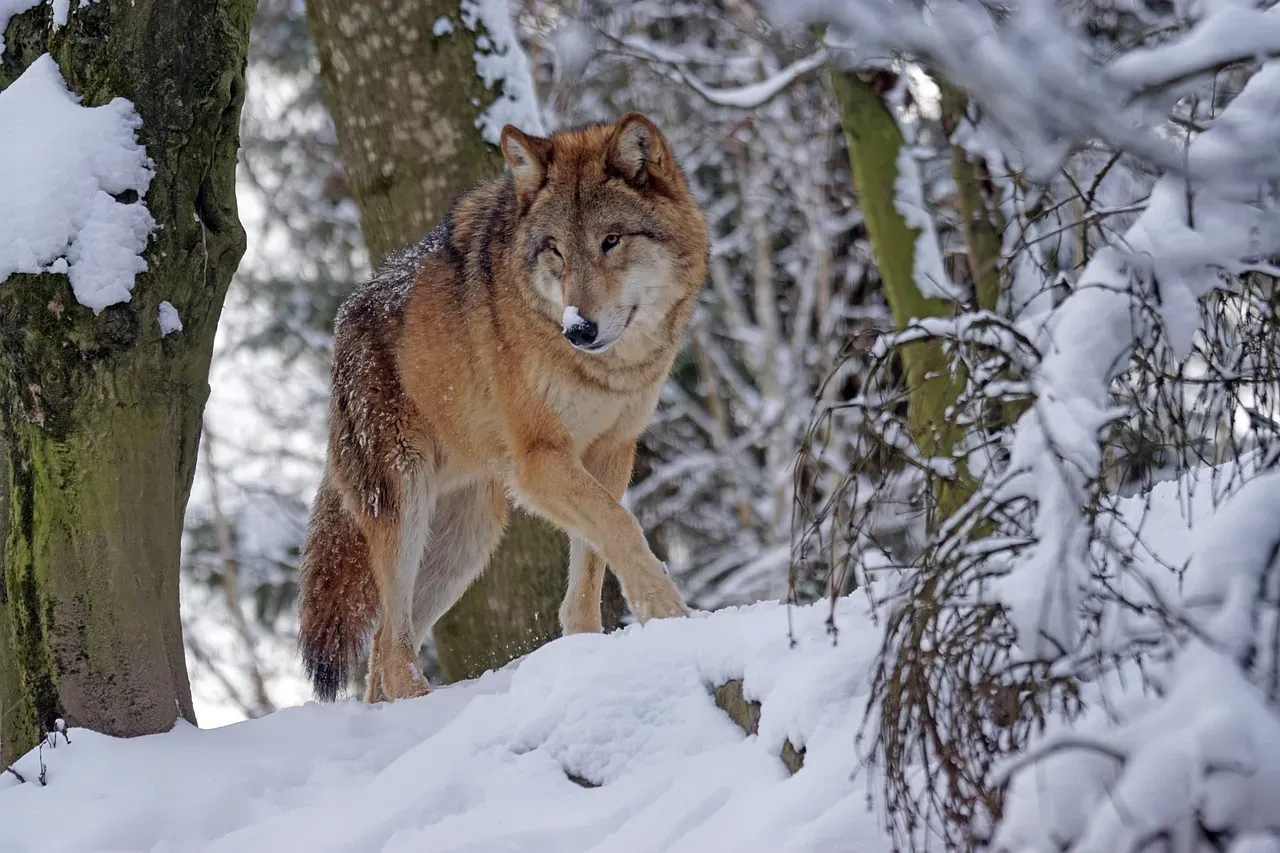
Recent research indicates that wolves may even affect the carbon balance in the regions they inhabit through their control of grazing species. The indirect effects of wolves on yearly carbon fluxes via carbon sequestration of vegetation are estimated to be comparable with the fossil fuel emissions of millions of passenger cars per year.
When healthy wolf populations are present in the boreal forest, they directly influence both the foraging behavior and abundance of moose. This changes the way moose interact with boreal plant communities, which alters the forest composition and increases tree biomass. The end result is that wolves enhance carbon storage in both plants and soils. By extrapolating their results, a study team estimated that wolves could increase carbon storage in North American boreal forest by up to 99 million tonnes a year, compared to an ecosystem without wolves.
Research shows that reintroducing wolves to the Scottish Highlands could help address the climate emergency – by controlling red deer populations, wolves would enable native woodlands to expand, capturing more carbon. The implications stretch well beyond Yellowstone.
12. Wolves Drive Ecotourism and Strengthen Local Economies
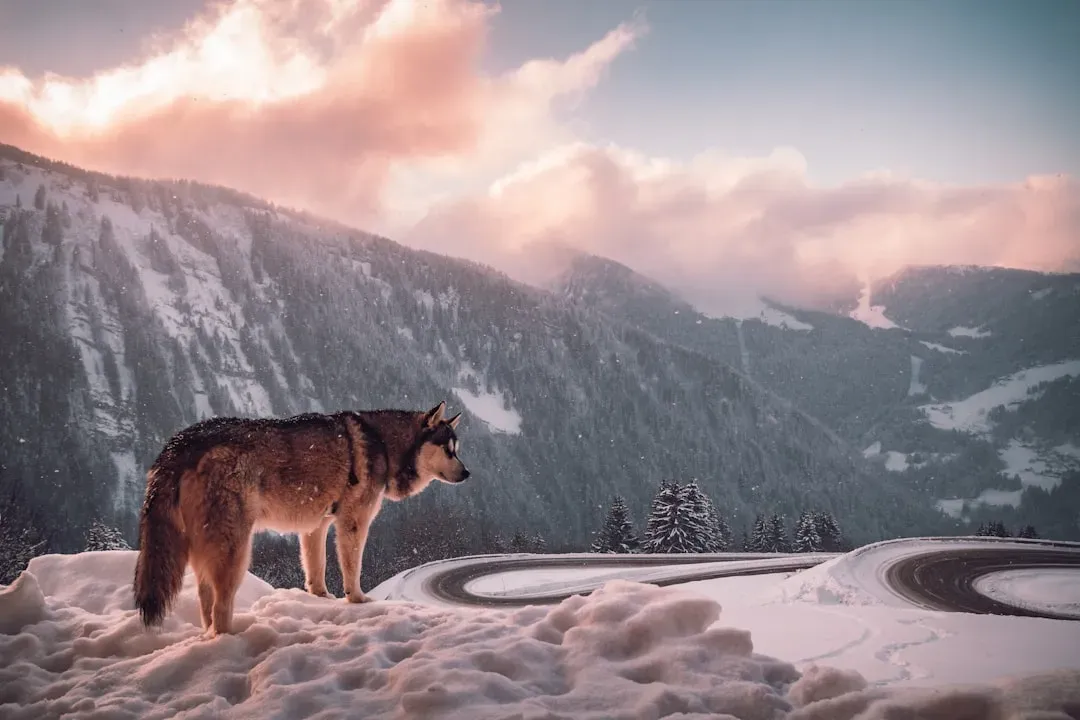
The reintroduction of wolves to Yellowstone has attracted over 150,000 new visitors each year, adding an estimated $35 million to the local economy annually. That’s a concrete, measurable benefit that flows directly from a single conservation decision made in 1995.
Over 150,000 people from around the world come to Yellowstone National Park each year specifically for the wolf population. This activity provides over $35 million in economic benefits to the three states that support the park. Wolf-watching tours add another $5 million in local revenues.
Community engagement – involving local people in decision-making and sharing benefits from wolf presence, such as ecotourism – has become a central pillar of successful conservation. When wolves thrive, the communities surrounding their habitat often thrive alongside them. It’s a relationship worth protecting.
Conclusion: A World With Wolves Is a World in Balance
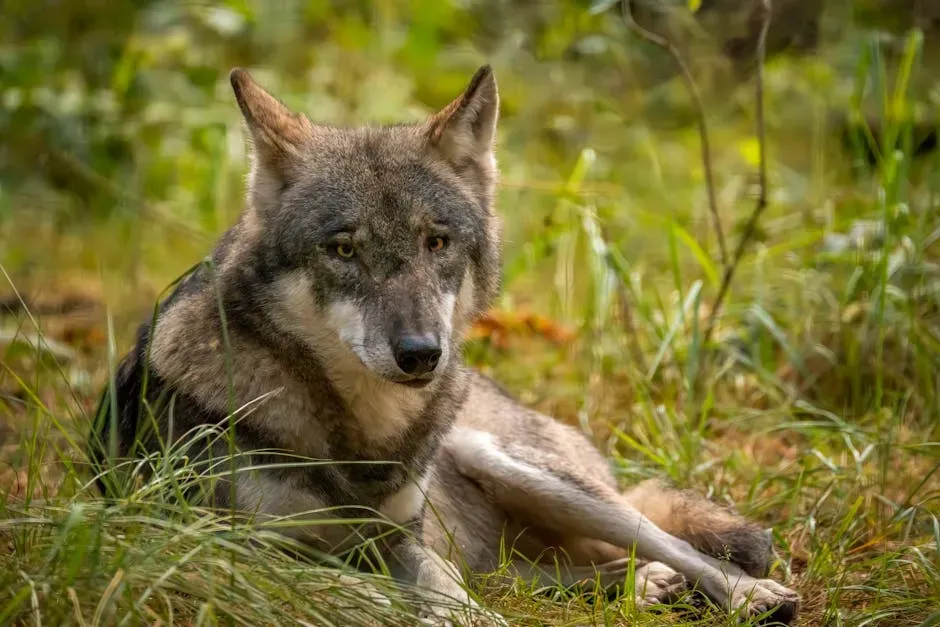
The story of wolves is really the story of how deeply connected every part of a living ecosystem is. Remove one piece and the whole picture quietly falls apart. Restore it, and the healing begins in directions nobody fully anticipated – cleaner rivers, growing forests, healthier herds, thriving birds, and richer soil.
As a top predator, wolves help keep ecosystems in balance by regulating prey populations, preventing overgrazing, and allowing forests, rivers, and grasslands to recover and thrive. The reintroduction of wolves reversed biodiversity loss, establishing a balanced and functional ecosystem, and underscoring the critical role of top predators in maintaining ecosystem health.
For dog lovers especially, there’s something worth sitting with here. The ancestor of your dog – loyal, intelligent, and deeply social – turns out to be one of the most important engineers of wild landscapes on the planet. Protecting wolves isn’t just about wolves. It’s about the rivers, the trees, the birds, the soil, and ultimately, the wild world that all life shares. That’s a cause worth understanding, and worth caring about.


