
Alaska isn’t just cold. It’s a place where winter temperatures can plunge to negative forty degrees, where blizzards arrive without warning, and where the wind doesn’t just bite – it cuts right through you. For the dogs who call this landscape home, survival is a matter of biology, bred into their bones and coats over generations. The right breed doesn’t merely tolerate these conditions. They thrive in them, often preferring a snowbank to a warm living room floor.
For dog lovers considering life in the Last Frontier, or simply curious about which dogs are wired for the wild, this guide lays out the full picture. Twelve breeds that were genuinely built for polar conditions – and five that absolutely were not. Knowing the difference could save your dog’s life.
1. Alaskan Malamute: The Original Arctic Powerhouse
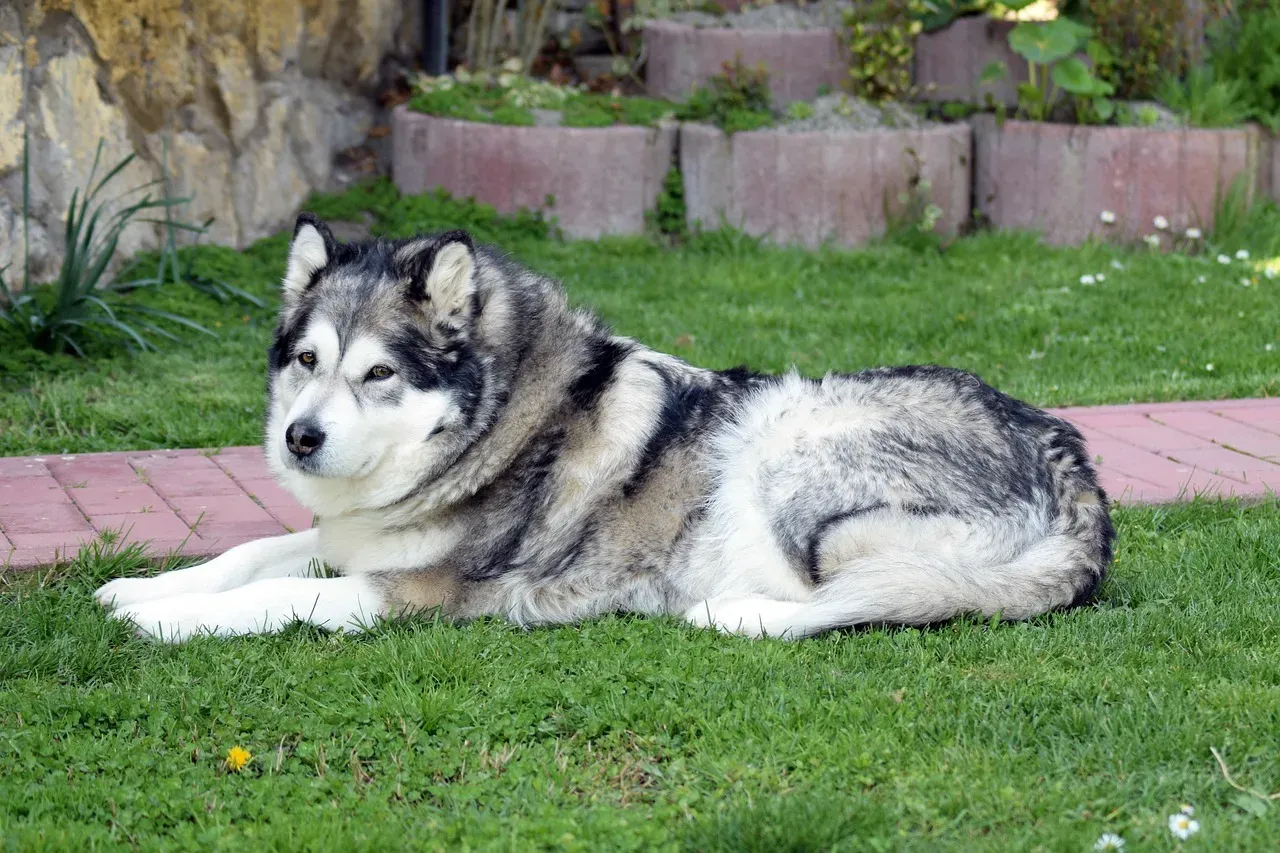
The iconic Alaskan Malamute is an ancient breed with roots in the Arctic that stretch back roughly 4,500 years. These powerful dogs were originally developed in the Norton Sound region of Alaska by the Malemiut Inupiaq people. Their entire existence was built around surviving conditions that would stop most other animals in their tracks.
Malamutes are known for their wolf-like appearance, sturdy build, and plumed tail carried over their back. These dogs exude power and athleticism, with a broad head, erect ears, and a dense double coat that provides insulation against frigid temperatures. Alaskan Malamutes not only tolerate cold temperatures but thrive in them.
They are often mistaken for Siberian Huskies, but while Huskies are bred for speed, Alaskan Malamutes are bred for strength. These pups possess thick double coats of medium length, furry plumed tails, and a heavy bone structure. One health note to keep in mind: hip and elbow dysplasia and thrombopathia, a blood clotting disorder, are common health issues in Alaskan Malamutes, so regular vet checkups are essential.
2. Siberian Husky: Born to Run in the Cold
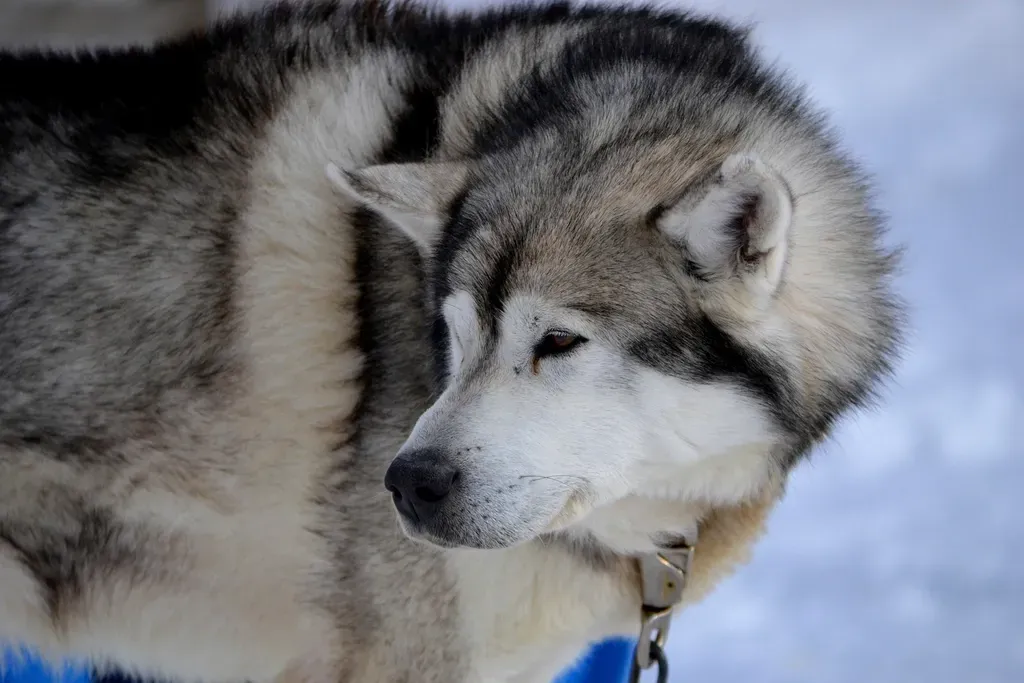
Recognized worldwide for their endurance, the Siberian Husky is one of the quintessential breeds known for its ability to thrive in Arctic conditions. Originally bred by the Chukchi people of Siberia, these medium-sized dogs were brought to Alaska during the Nome Gold Rush to serve as sled dogs. Their thick double coat, compact size, and remarkable stamina make them well-suited for long journeys in cold climates.
Their thick double coat, consisting of a dense undercoat and longer guard hairs, serves as a natural shield against biting cold winds. What sets the Siberian Husky apart is its unique ability to regulate body temperature efficiently. They’re equally comfortable napping in a snowdrift as they are pulling a sled for hours.
Huskies are spirited, highly social, and endlessly curious, thriving not only in the wild but also alongside families who can match their high energy. Their dense fur comes with a cost: expect heavy shedding, especially during seasonal “blowouts” in spring and fall, which means brushing isn’t optional – it’s essential. These dogs are happiest when active, whether running through snowfields, hiking rugged trails, or exploring frozen landscapes, and they require both mental and physical stimulation to stay content.
3. Samoyed: The Smiling Snow Dog
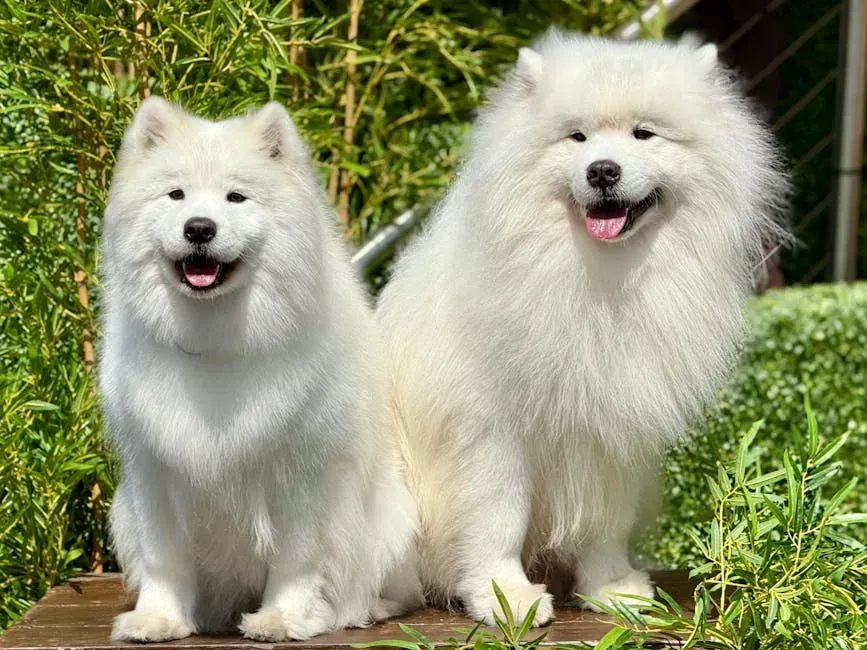
Samoyeds are the ultimate cold-weather companions – beautiful, hardy, and built for life in some of the planet’s most extreme climates. Originally bred in Siberia for sledding, herding, and hunting in subzero temperatures, these “smiling” dogs were made to work tirelessly in conditions where most breeds would struggle. Their thick double weather-resistant coat, with a harsh outer layer and soft, woolly undercoat, insulates them against wind, snow, and temperatures as low as minus-60 degrees, making them perfectly suited for Arctic adventures.
The Samoyed is an Arctic dog breed with an elegant white coat. These dogs were companions to the Samoyed people in Siberia for generations before coming to the U.S. in the early 20th century. Samoyeds are beloved for their friendly personality and face that’s shaped into a permanent smile. That cheerful expression isn’t just for show – these are genuinely warm, social dogs who bond deeply with their families.
One thing to know upfront: breeds like Samoyed, Great Pyrenees, and Alaskan Malamute often shed heavily, especially in warmer months, and regular brushing can help remove loose fur and keep the coat healthy. Daily grooming during seasonal transitions keeps their insulation working properly and reduces matting.
4. Greenland Dog: A Polar Workhorse
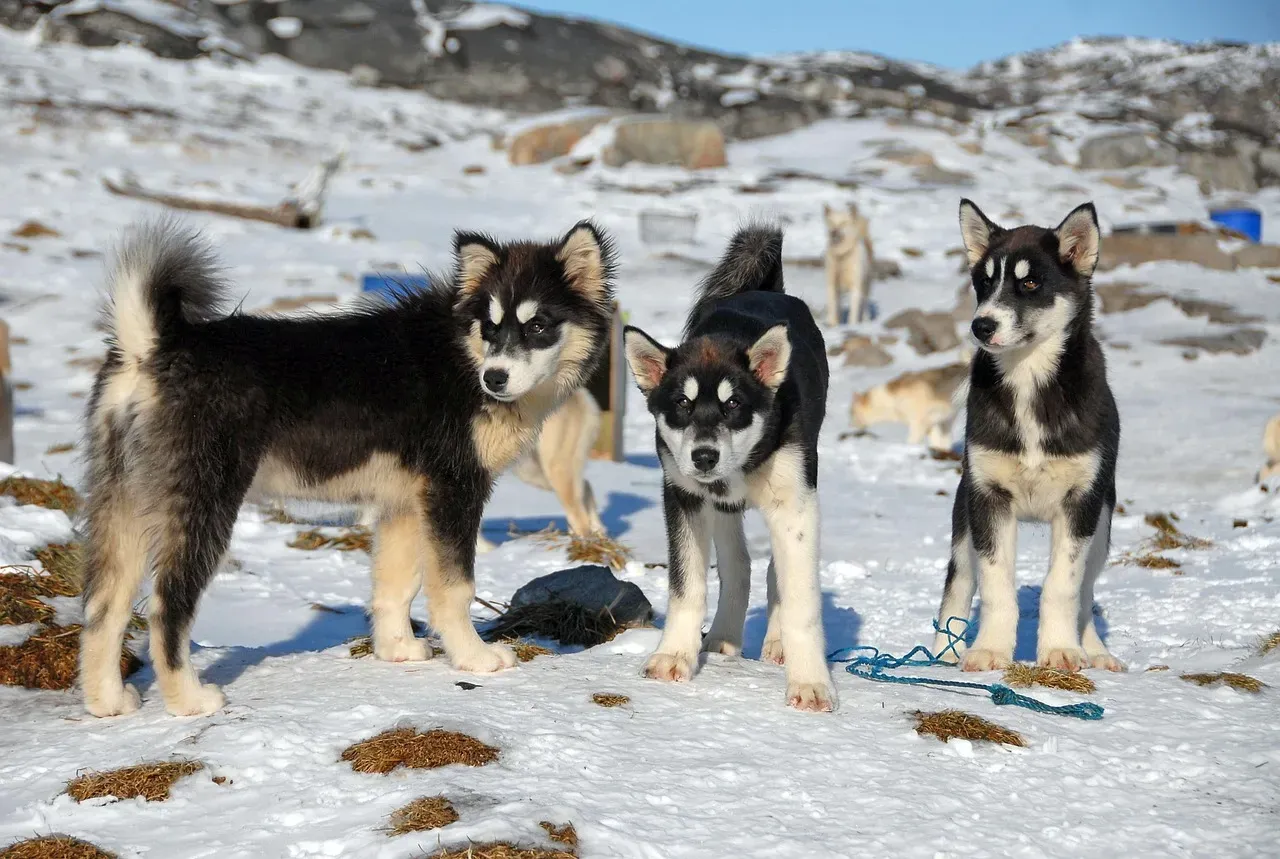
The Greenland Dog is a powerhouse built for Arctic exploration. Equipped with a robust frame and a thick insulating coat, this breed thrives in the most severe cold conditions. Historically used by Inuit communities for hunting and sledding, these loyal dogs are renowned for their endurance and ability to navigate treacherous icy terrains.
The Greenland Dog is gray, black, red, and gold with a medium-length coat. They are blessed with endurance, making them great sled dogs. They also hunted seals and polar bears. They can handle extremely cold temperatures in the range of negative 35 to negative 75 degrees Fahrenheit. That’s not a typo. This breed is one of the few in the world capable of functioning at those extremes.
They are energetic, friendly, loyal, mentally and physically strong, affectionate, willing to please, and fast dogs. They can also be stubborn, so they need training and socializing from an experienced owner. If you’re an experienced handler who lives an active outdoor life, the Greenland Dog is as capable as it gets.
5. Norwegian Elkhound: The Ancient Nordic Hunter
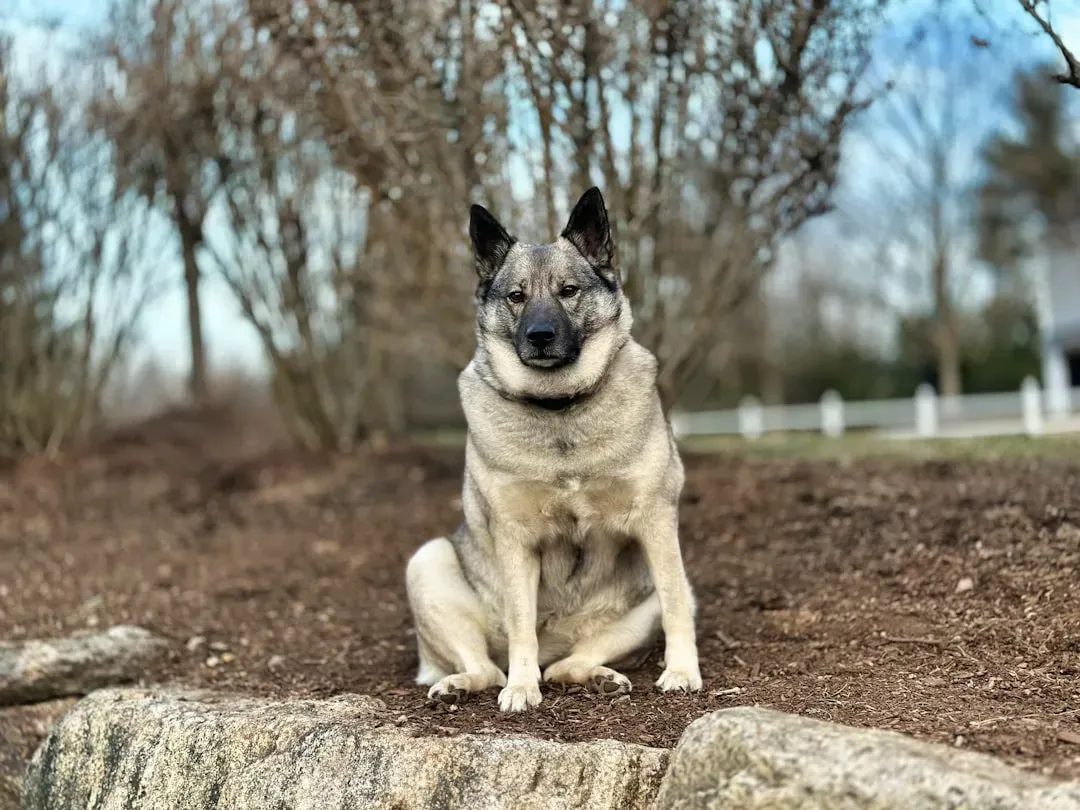
The Norwegian Elkhound is a breed with centuries of history in Scandinavia, where they were used for hunting moose and bears. Their robust build and thick, weatherproof coats allow them to thrive in freezing temperatures. These dogs are known for their strong will and affectionate nature, providing companionship and protection.
Norwegian Elkhounds are a Nordic spitz type dog that’s one of the best dog breeds for cold weather. They have a thick, double coat and hail from Scandinavia, making them well-equipped for freezing conditions. They even have extra fat on the pads of their feet to prevent frostbite in extreme cold. That last point is worth noting – their paws are specifically adapted for frozen ground.
These dogs are vocal communicators and not shy about letting you know what they think. They thrive with purpose-driven activity and do well with owners who enjoy hiking, tracking, or mushing. Keep them mentally challenged and physically active, and you’ll have one of the most loyal cold-weather companions imaginable.
6. Great Pyrenees: The Mountain Guardian
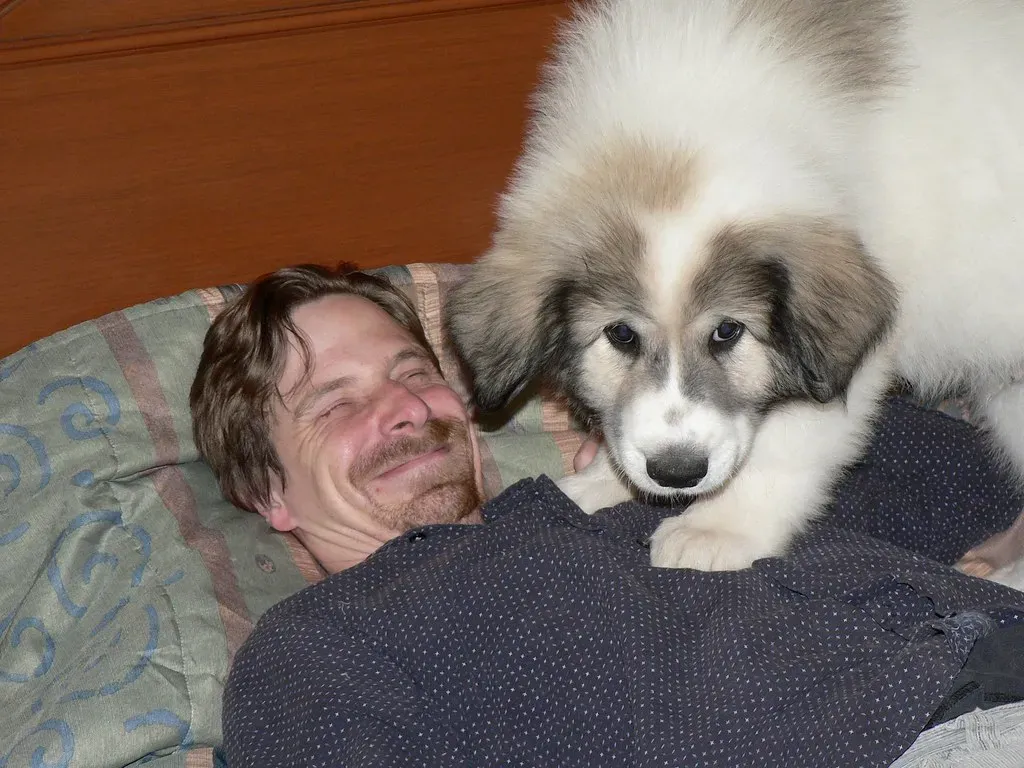
The Great Pyrenees is that elegant white dog that looks almost too pretty to be a working breed. Don’t be fooled – these dogs spent centuries guarding sheep in the Pyrenees Mountains between France and Spain. That thick coat kept them warm through mountain winters, while they protected their flocks from wolves and bears.
These gentle giants were bred to handle the cold and snowy conditions of France’s Pyrenees Mountains. Originally, these pups were livestock guards in the mountainous regions between Spain and France. Great Pyrenees are large with double coats that are usually white with various colored markings, and they have strong, muscular builds. These patient pups are affectionate with their families but often aloof with strangers.
Great Pyrenees are gentle and calm dogs that have a reputation for being great with kids. Their laid-back temperament is actually an asset in Alaska’s isolated communities, where calm, steady dogs are valued over reactive ones. Weekly brushing is non-negotiable with this breed, as their thick coats tend to pick up snow, ice, and debris during outdoor time.
7. Saint Bernard: The Legendary Rescuer
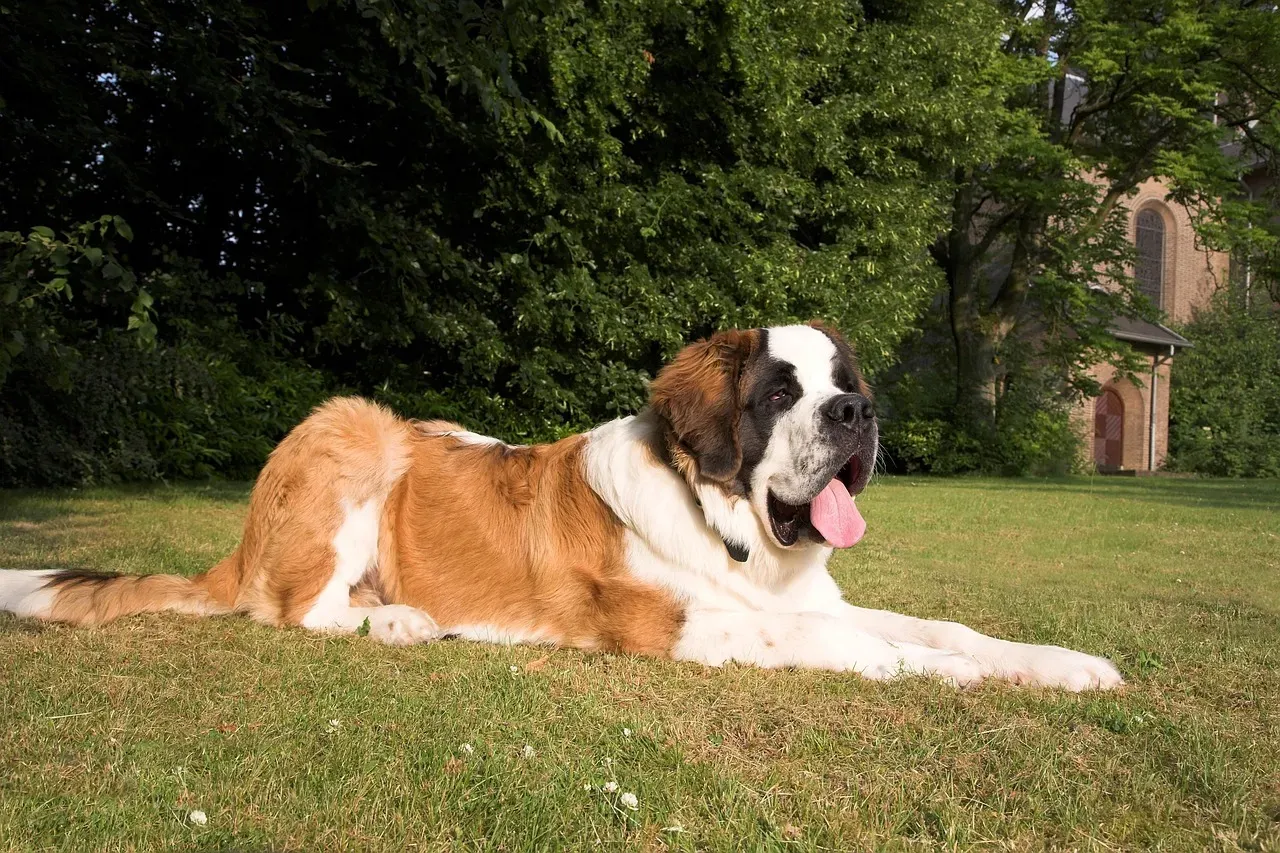
The Saint Bernard originated as a monastery dog in the mountains of Switzerland, serving as a companion and protector to monks. Their keen sense of smell and remarkable strength made them legendary snow search and rescue dogs, saving travelers stranded in the treacherous St. Bernard Pass between Italy and Switzerland. Massive and powerful, often weighing well over 100 pounds, Saint Bernards are gentle giants who enjoy winter weather.
Unlike some of the more energetic winter dogs, Saints are pretty chill indoors. They’re happy to lounge around but still enjoy winter walks. Their calm indoor manner makes them surprisingly family-friendly, even in smaller Alaskan homes. Just be prepared: they drool enthusiastically and shed heavily during seasonal coat changes.
Provide plenty of fresh water and a dry, straw-lined shelter protected from wind and ice. Monitor their paw pads for any problems, and look out for overexertion in deep snow. Despite their impressive cold tolerance, even Saint Bernards can tire out in deep powder, so always supervise outdoor play in heavy snowfall conditions.
8. Akita: Japan’s Cold-Weather National Treasure
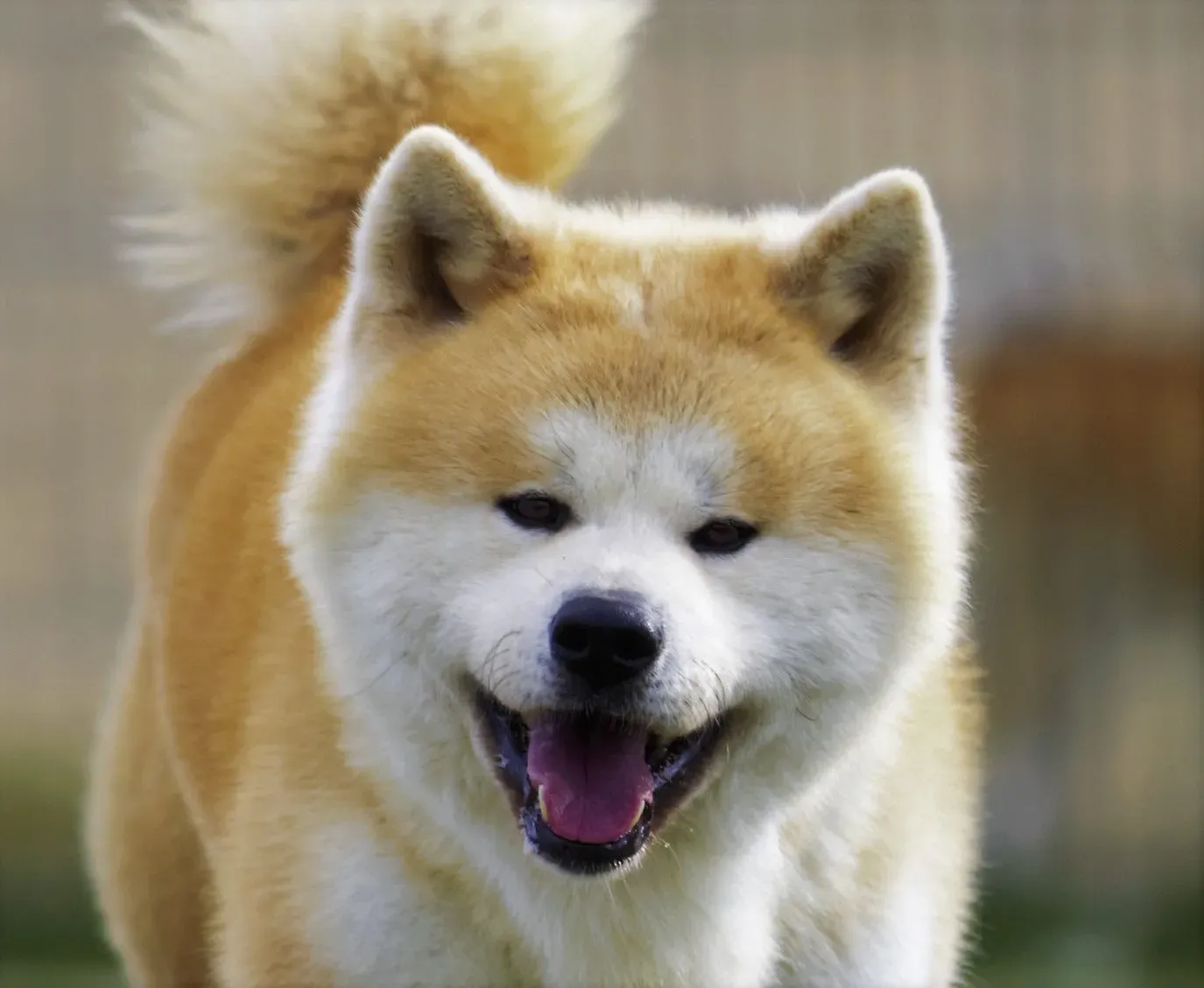
The Akita is one of the world’s oldest dog breeds, originating thousands of years ago in the snowy mountains of northern Japan. Bred by the Matagi people to hunt large game like bears and to guard homes, the Akita is strong, courageous, and able to thrive in harsh winter conditions. Muscular and powerfully built, Akitas have a dense, medium-length coat that provides excellent insulation against the cold.
Along with their physical weight, which can reach well over 100 pounds, the Akita is a breed that carries significant cultural weight in Japan, where they are considered national treasures. Though typically independent and reserved, Akitas form strong bonds with their close family members. Their plush double coat comes in a wide range of colors.
Akitas are not dogs for everyone. They’re fiercely loyal but need experienced handling, firm boundaries, and early socialization. In the right hands, they’re magnificent companions for cold climates – deeply devoted, weather-resistant, and self-possessed in a way few other breeds match. Keep them mentally engaged and physically active, as a bored Akita can become a challenging housemate.
9. Tibetan Mastiff: The Himalayan Sentinel
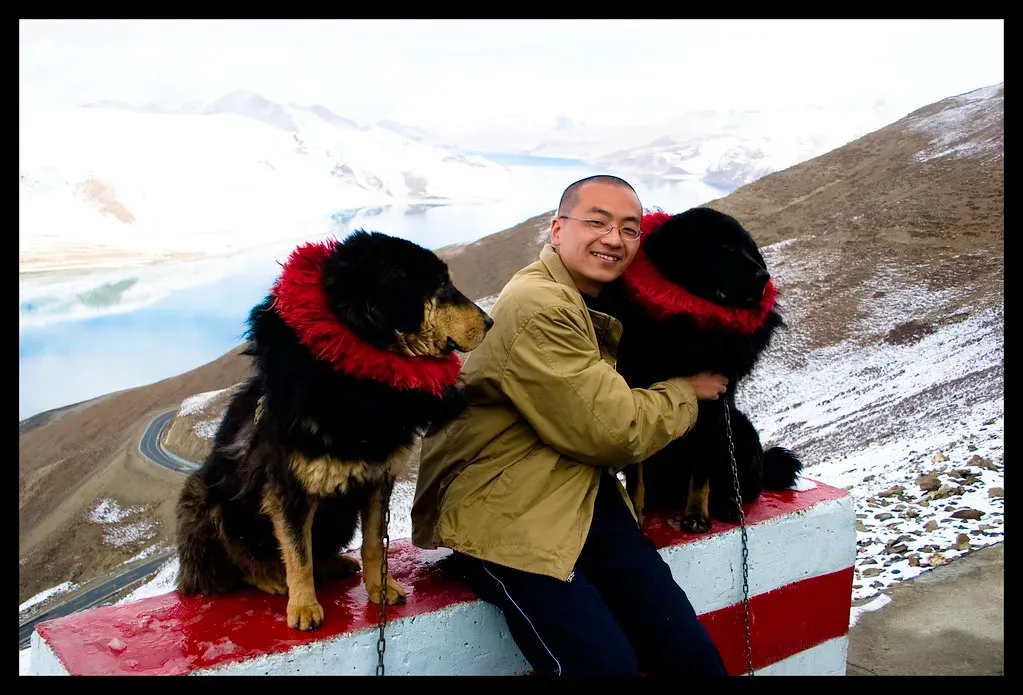
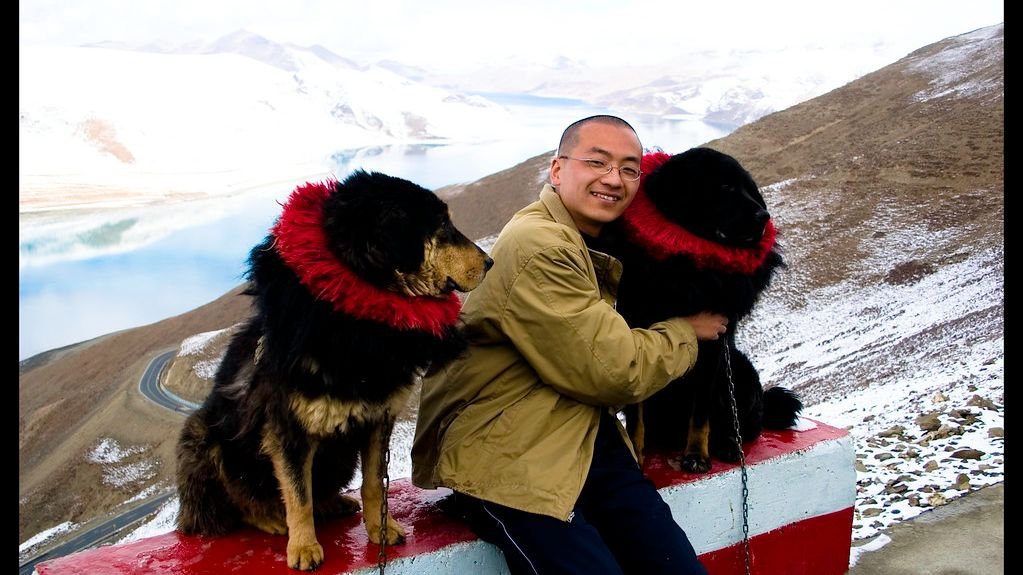
The Tibetan Mastiff is an ancient breed that spent thousands of years guarding homes and temples in Tibet, a region high in the Himalayas. Bred by nomadic peoples to withstand extreme altitudes and subzero temperatures, Tibetan Mastiffs developed a dense coat, imposing size, and protective nature. Independent but loyal, Tibetan Mastiffs prefer purposeful activity over casual play.
The giant dogs are broad with an ultra-thick, woolly mane that kept them warm in the Tibetan mountains, where the breed originated. Tibetan Mastiffs can be aloof toward strangers and, as with any breed, need consistent socialization. Their heavy coat is both their greatest asset in cold climates and their greatest grooming responsibility – regular brushing prevents matting, especially around the mane.
These dogs are natural-born guardians, which translates well in Alaska’s wildlife-heavy terrain. They’ll alert you to approaching bears or moose without hesitation. However, known for strong guarding instincts, this breed was developed for cold mountain climates, and they are independent dogs that need space and consistent training. Apartment living is genuinely not suited to this breed.
10. Newfoundland: The Gentle Giant of the Cold
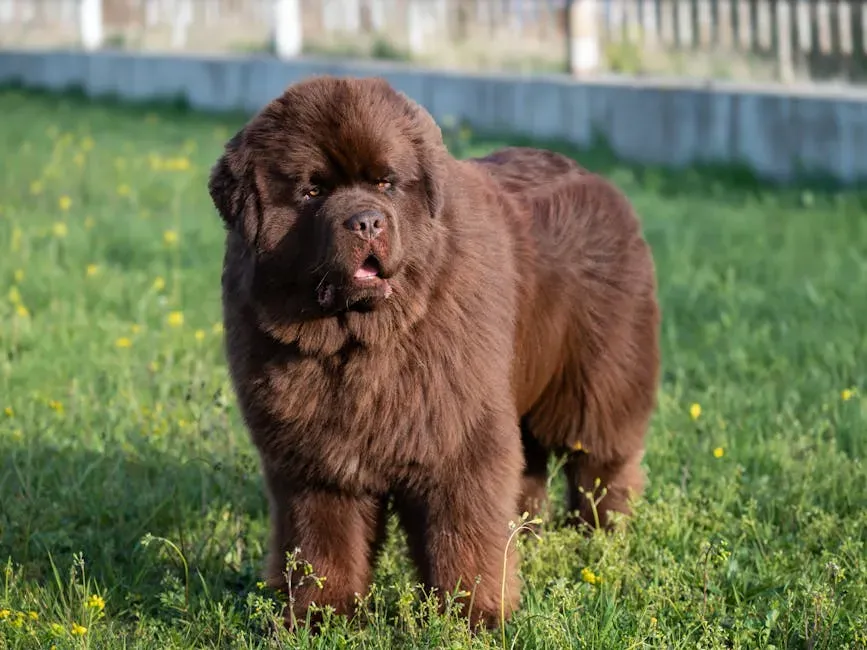
Newfoundlands come from Newfoundland, Canada, and are well-suited to winter. These large, powerful dogs were bred to work, helping sailors on ships and pulling carts. Like all double-coated dog breeds, Newfoundlands shed heavily in the spring and fall. This is a process called blowing coat, where the pup’s undercoat comes off in thick clumps to prepare for an upcoming change of season.
Newfoundlands are sweet, good-natured dogs that weigh up to 150 pounds and once worked on fishing vessels off the coast of Newfoundland. The breed is known for their strong swimming skills. Like other large breeds, Newfoundlands are prone to hip dysplasia, and their floppy ears also put them at higher risk of ear infections. Ear checks during and after outdoor winter activity are a smart habit.
They’re incredibly gentle and patient, especially with kids. Unlike the high-energy sled dogs, Newfoundlands are pretty calm and don’t need extreme amounts of exercise. They’re one of the best cold-weather dogs for families who want a winter companion without the intensity of breeds like huskies. For Alaskan families with children, the Newfoundland is a genuinely wonderful match.
11. Chow Chow: The Ancient Chinese Cold-Weather Companion
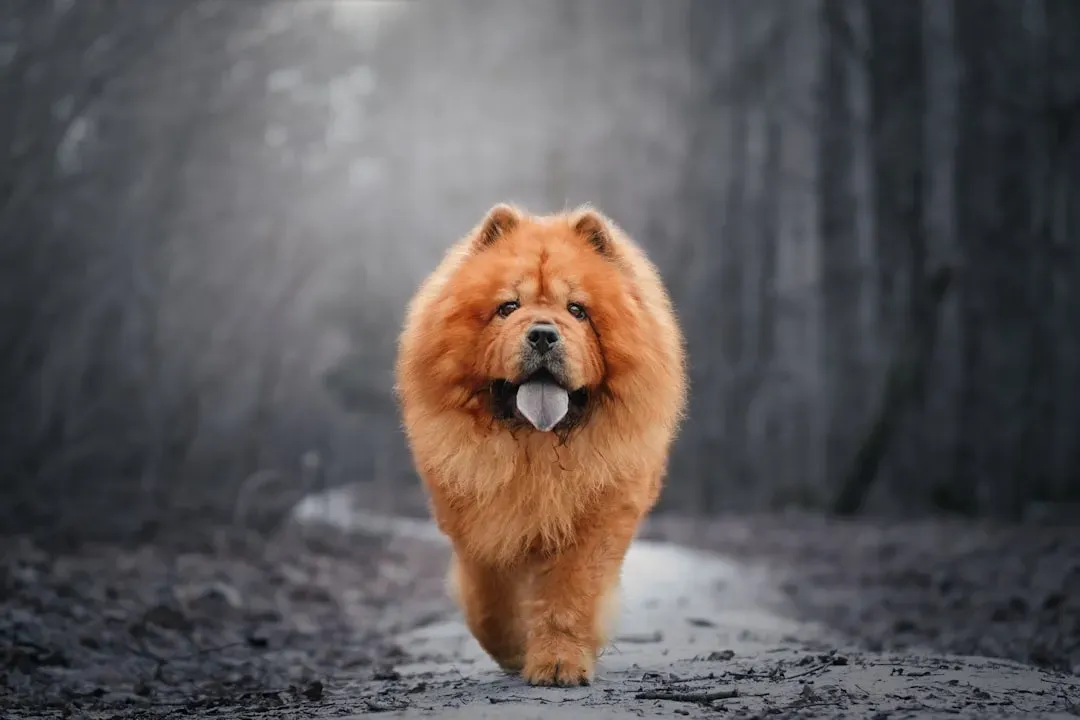
The Chow Chow is one of the oldest dog breeds, shown in artifacts dating back to China’s Han Dynasty (200 BCE to 220 CE). Chow Chows are a spitz-type dog from northern China with a thick coat to protect against cold temperatures. These furry pups also have extra fat on their feet to prevent frostbite in below-freezing temperatures.
Like other cold-weather dogs, they have a thick double coat that sheds heavily and needs consistent at-home grooming. Along with their fluffy coat, Chow Chows are identifiable by their flat face and blue-black tongue. That flat facial structure is worth noting: while it doesn’t affect them as severely as in pugs or bulldogs, it can slightly reduce airflow in extremely cold air, so monitor their breathing during strenuous outdoor activity in freezing temperatures.
It is because of their thick fur that they are prone to heat prostration. Chow chows should not be exposed to hot weather for prolonged periods. Keep them indoors during the summer and never leave them inside a car. In Alaska, summer heat isn’t the concern it is elsewhere, making the Chow an excellent cold-climate companion overall.
12. Bernese Mountain Dog: The Swiss Alps Transplant
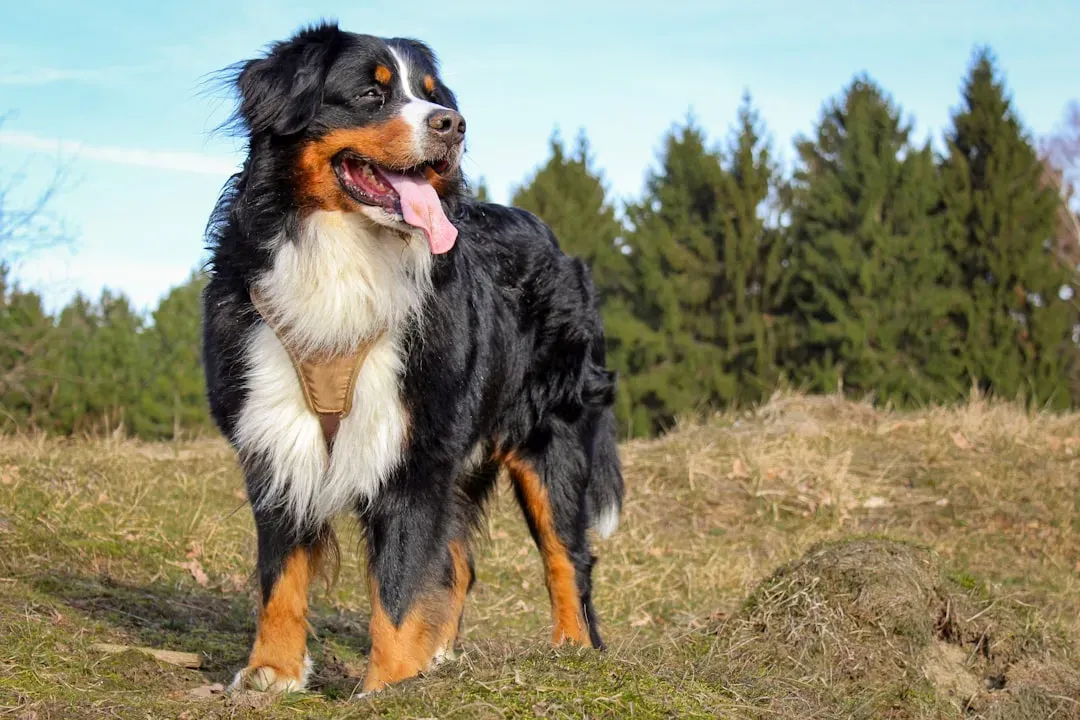
An affectionate cold-weather dog breed, the Bernese Mountain Dog is a gentle soul that loves to play. These pups were bred to be farm dogs in Switzerland and enjoy being outside. Their thick double coat protects their skin from moisture and low temperatures.
The Bernese Mountain Dog is a large fluffy breed known for its long coat and calm personality. Originally used as a farm dog in Switzerland, this breed is strong, loyal, and gentle with families. Their thick coat helps them handle cold weather but also means regular grooming is needed. Brush at least twice per week to prevent matting. Because of their large size, they need moderate exercise and plenty of space.
Berners are one of the more emotionally attuned cold-weather breeds. They read their owners well, don’t have the same intensity as Huskies or Malamutes, and genuinely enjoy being part of family life. They’re also one of the most visually striking dogs in the snow, their tricolor coats standing out beautifully against a white Alaskan landscape.
Now, 5 Breeds That Don’t Belong in Alaska’s Cold
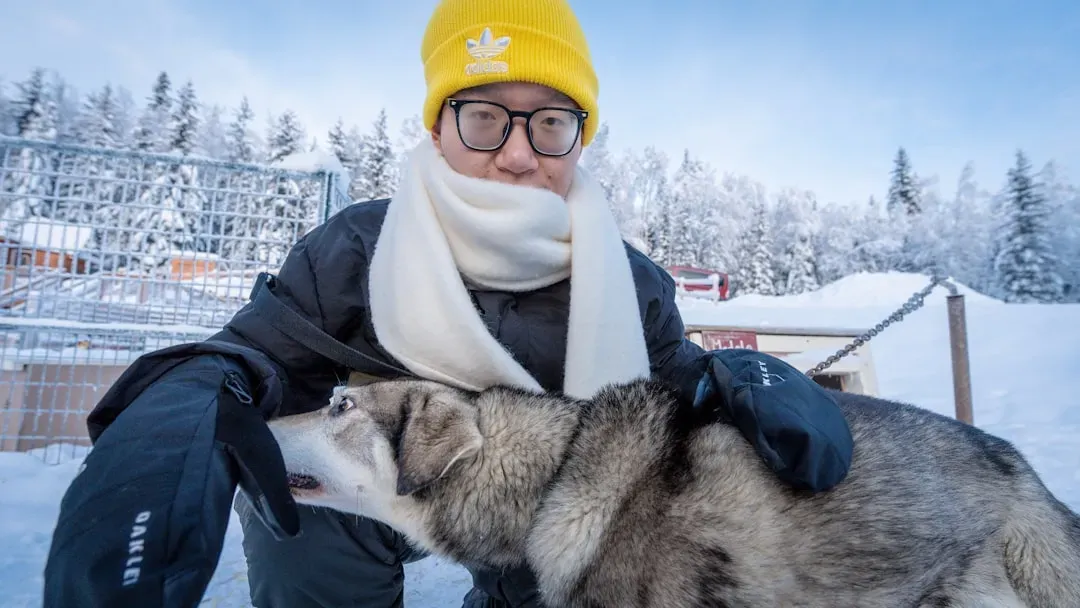
Not every dog is engineered for the freeze. Some breeds aren’t equipped for cold weather because they have low body fat, a short coat, or experience breathing problems when the temperature is too low. Owning one of these breeds in Alaska isn’t impossible, but it does require serious preparation, attentive care, and strong boundaries around outdoor time.
1. Chihuahua: Too Small, Too Thin, Too Cold
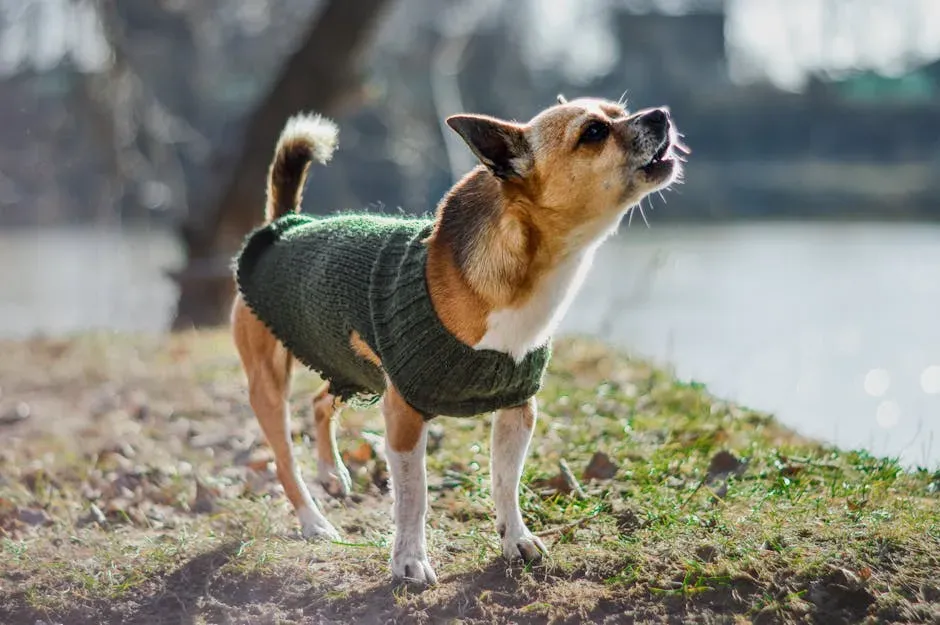
Tiny and lightweight, Chihuahuas are particularly sensitive to the cold. Weighing in at less than 6 pounds, these small dogs hail from Mexico’s warm climate and can lose body heat quickly in colder temperatures. Alaska would be genuinely dangerous for an unsupported Chihuahua. Their metabolism runs fast, but their surface area relative to their body volume means heat escapes faster than it can be replaced.
Chihuahuas have a higher surface area-to-volume ratio, which means they tend to lose body heat quickly, making it essential for their owners to provide them with warmth during chilly weather. If you love Chihuahuas and live somewhere cold, invest in a well-fitted insulating dog coat, dog booties, and limit outdoor time when temperatures dip below freezing. Indoors, a heated pet bed is not a luxury – it’s a necessity.
2. Greyhound: A Speed Machine With No Insulation
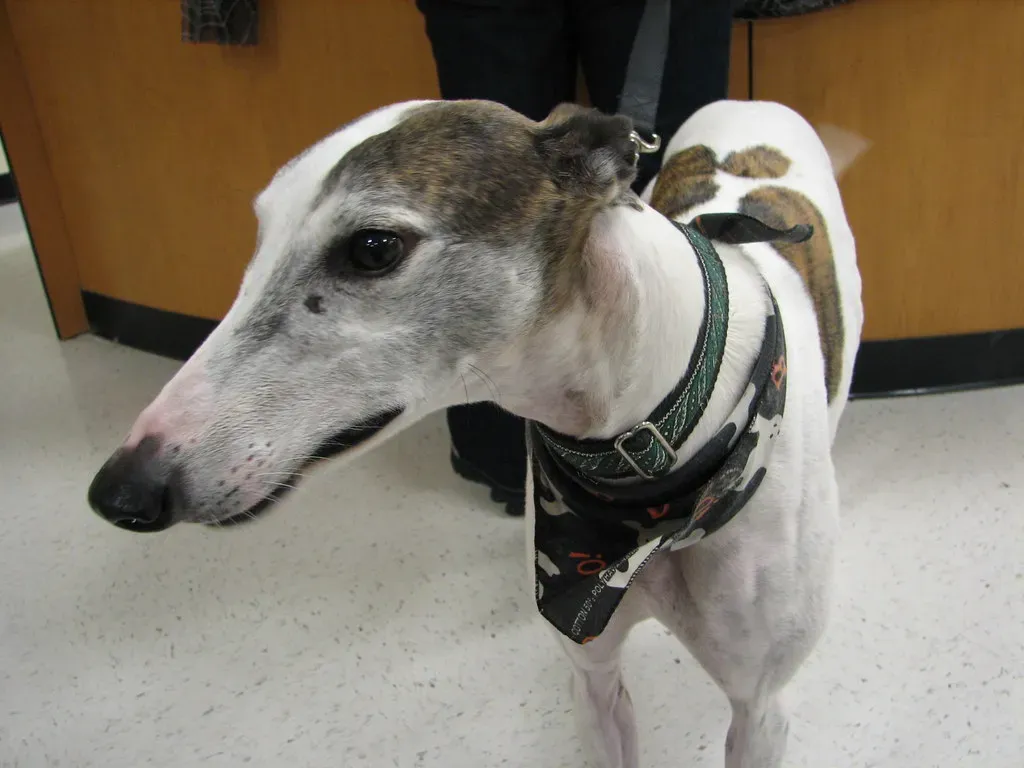
Capable of blazing fast speeds, the Greyhound has a lean physique with very little body fat and a very thin coat that allows for rapid heat dissipation. While these features make these dogs track stars, they’re less suited for cold weather conditions. Keep outdoor exposure brief when temperatures are below freezing, and don’t be surprised if your Greyhound needs a layer of clothing to stay warm.
Built for speed, Greyhounds have lean bodies with very little body fat and thin coats that don’t hold heat well. While their streamlined physique helps them excel on the racetrack, it makes them ill-suited for cold weather. In Alaska’s winters, an unprotected Greyhound outside for even a short time risks dangerously rapid heat loss. Watch for shivering, hunching, or reluctance to move – these are early warning signs of cold distress that require immediate action.
3. French Bulldog: Cold Air and Breathing Problems
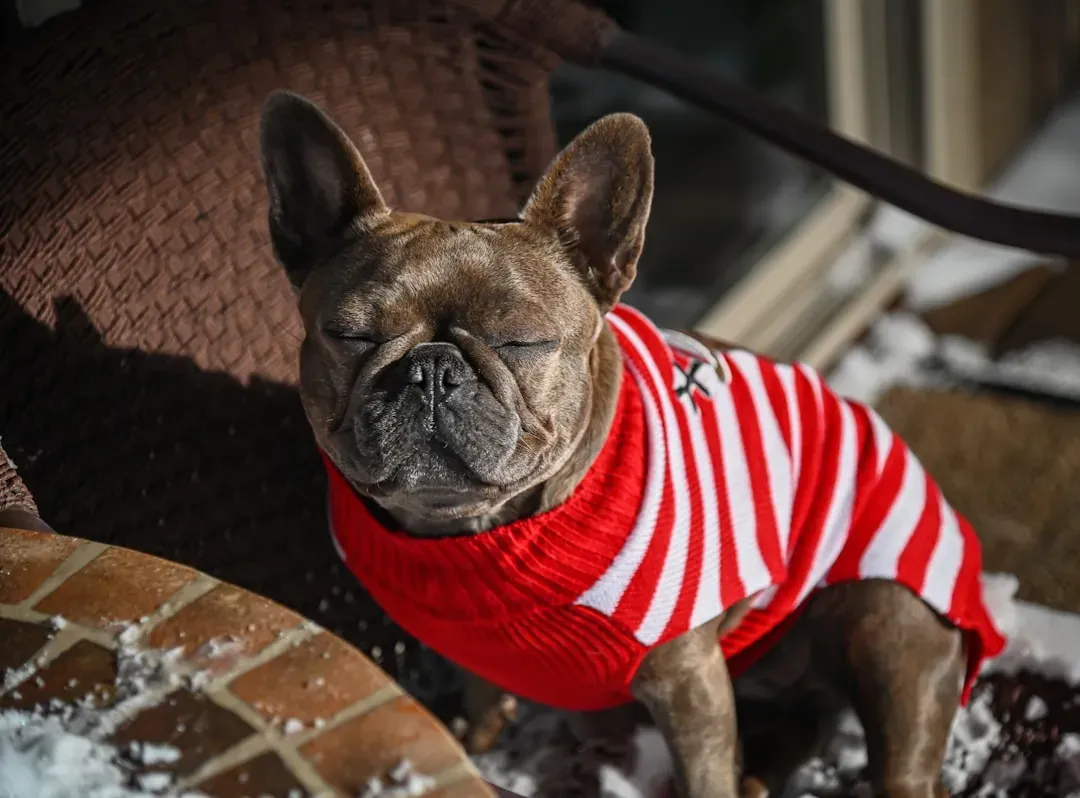
French Bulldogs have a short, thin coat that doesn’t offer much warmth, and their flat faces make it harder for them to regulate their temperature in extreme weather. While a cozy sweater or jacket can help protect them from the cold, prolonged exposure to freezing conditions is not safe for Frenchies.
Breeds like the French Bulldog and Pug not only have short coats but also possess a brachycephalic structure, which can make breathing more difficult in cold weather. These dogs may experience discomfort and stress when exposed to low temperatures, leading to potential health issues such as hypothermia. The double problem here is real: inadequate insulation plus restricted airway in freezing air is a health risk that should never be underestimated.
Prevention tip: keep outdoor sessions under five minutes in sub-zero temperatures, always use a fitted dog coat, and monitor your Frenchie’s breathing carefully. If they start making strained or labored sounds, bring them inside immediately and contact your vet.
4. Dachshund: Low to the Ground, High Risk

While Dachshunds are spirited and playful, their short legs and minimal body fat can make them vulnerable to cold weather. Their long bodies, combined with short fur, leave them at a greater risk for feeling chilly during winter months. The geometry works against them in snow: their long bellies drag along frozen ground and snowpack, chilling their core rapidly even during a short walk.
Dogs with little body fat or thin fur, such as Chihuahuas, Greyhounds, and Dachshunds, struggle to retain body heat. A Dachshund in Alaska needs a full-body insulating wrap, not just a sweater around the torso. Check their belly and paws after every outdoor outing for signs of ice accumulation or redness, and dry them thoroughly when they come inside.
5. Whippet: Sleek, Fast, and Freezing
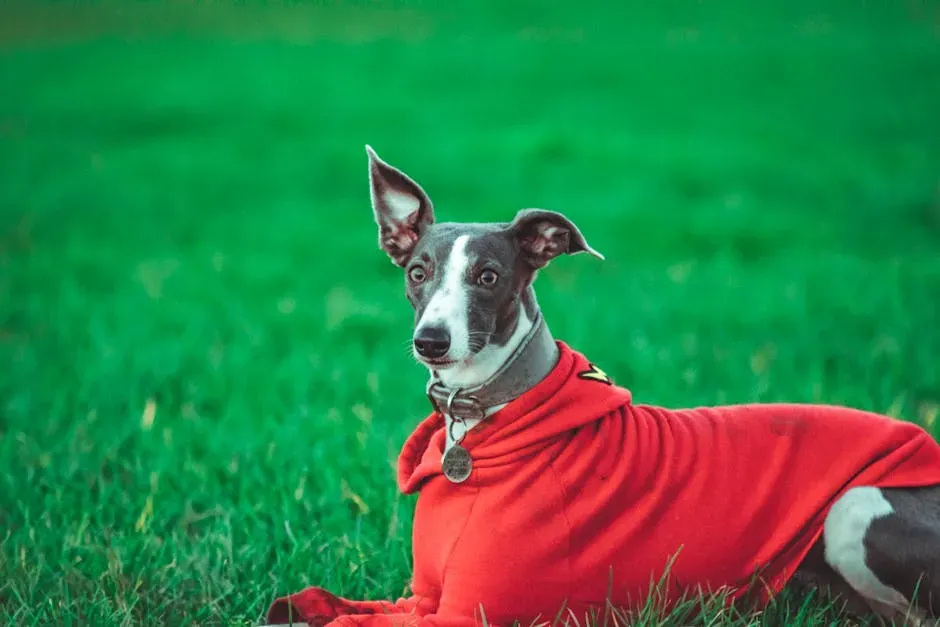
The lanky Whippet is built for speed and is closely related to the Greyhound. The breed has a short coat, thin skin, and very little body fat, so there’s not much to insulate against cold weather. When the weather takes a turn, Whippets need protection from the elements, including warm clothing and perhaps even dog boots to protect their paw pads from ice.
Closely related to the Greyhound, Whippets share the same sleek build and short coat, leaving them vulnerable to the cold. This breed needs extra protection from the elements, such as warm dog sweaters and paw protection, to prevent frostbite or discomfort in icy conditions. Whippets are affectionate, gentle dogs who deserve committed owners willing to go the extra mile – literally – to protect them in harsh climates.
A practical prevention plan for cold-sensitive breeds includes layered clothing, limited outdoor time, a warm sleeping area away from drafts, and regular monitoring for shivering or lethargy. When the outside temperature drops below 32 degrees Fahrenheit, keep winter walks short and track your dog’s signs of discomfort, such as shivering and taking paws off the ground. Below 20 degrees Fahrenheit, it can be too dangerous for your dog to stay outside unless you use dog coats and jackets.
A Final Word on Cold-Weather Dog Care
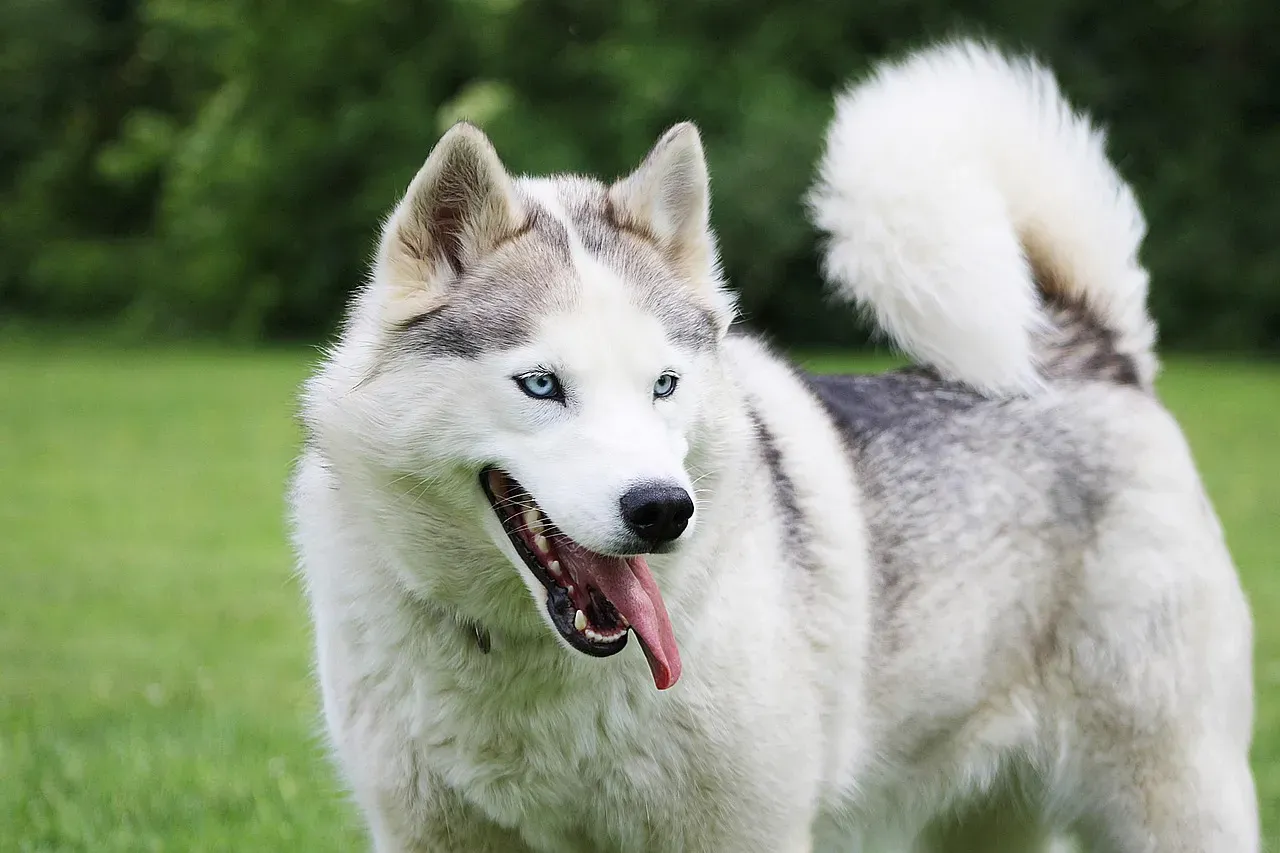
Cold-weather breeds, like those with thick double coats, evolved in frigid regions such as the Arctic, giving them the insulation and endurance to thrive in freezing temperatures. These hardy dogs can handle winter adventures that would leave most pets shivering, but owners should still monitor conditions and never leave them exposed for too long. Even the toughest Arctic breeds have limits.
Puppies and senior dogs don’t handle cold temperatures as well as adult dogs can. They can’t regulate their body temperature at these ages like they can when in the prime of life. If you’re bringing home a puppy or adopting a senior dog, pay attention to the temperature outside and take extra precautions during cold weather. Age matters as much as breed when it comes to cold safety.
Knowing your dog’s breed is step one. Knowing your individual dog is step two – and honestly, the more important one. Observe their behavior in cold, respond to their cues, and never assume that because a breed can handle it in general, your specific dog will be fine without attention. The dogs who thrive in Alaska’s extreme cold aren’t just genetically equipped. They’re loved and looked after by owners who pay close attention. That’s the combination that really makes the difference.


