
There’s a particular kind of quiet that settles into a home when a dog starts getting old. The clatter of nails on the kitchen floor slows. The greeting at the door becomes a little gentler. And somewhere in that stillness, you start to wonder if your dog knows something you don’t.
Dogs have spent thousands of years reading us, living for us, and loving us with a consistency that most humans can only aspire to. So when their bodies begin to fail them, something remarkable sometimes happens. They hold on. Not because they’re unaware of what’s happening, but possibly because you’re still there, and being near you still matters. While dogs can’t speak their goodbyes, some pet owners have observed behavior at the end of life that could be a dog communicating their goodbye, like seeking out extra companionship or solitude.
This article isn’t about grief. It’s about recognition. It’s about knowing your dog well enough to see what they’re telling you, so you can meet them exactly where they are in their final chapter.
1. They Follow You From Room to Room Despite the Pain
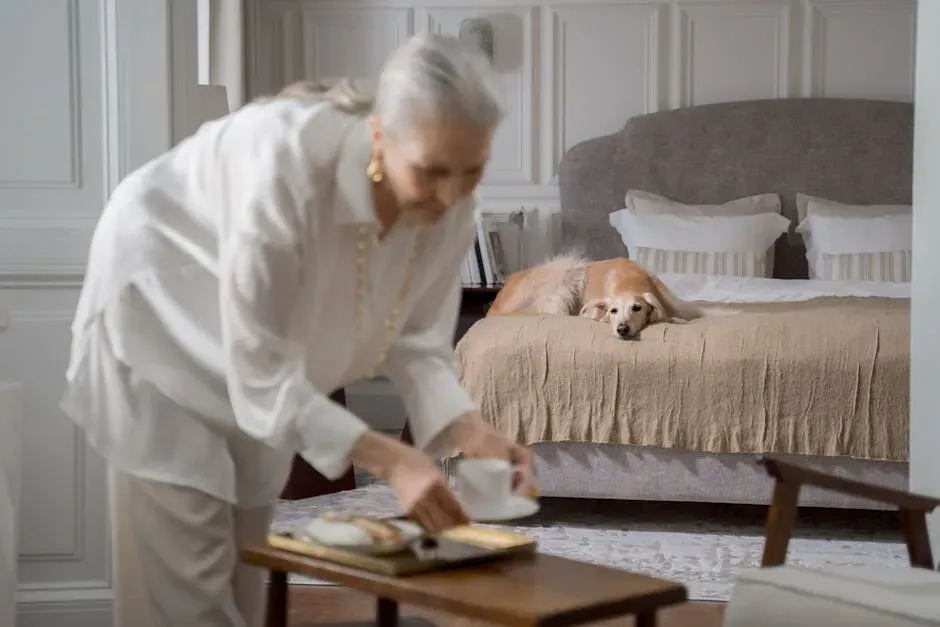
You’ve noticed it. You get up for a glass of water, and a few seconds later, you hear the slow click of paws behind you. Your senior dog, who struggles to stand up from their bed, has gotten up anyway just to stay close to you. It’s one of the most heartbreaking and beautiful things an aging dog will do.
Some dogs become clingier, needing constant reassurance as their senses deteriorate. This isn’t confusion. For many dogs, it’s a deep, instinct-driven need to be near their person. Their world is getting smaller, their senses less reliable, and you are the one constant they can anchor to.
What you can do: Make that easier for them. Bring your activities to where they’re resting when you can. Set up comfortable resting spots in the rooms you spend the most time in, so they don’t have to travel far just to feel safe. That small adjustment means everything.
2. They Still Greet You, Even When It Takes All Their Energy
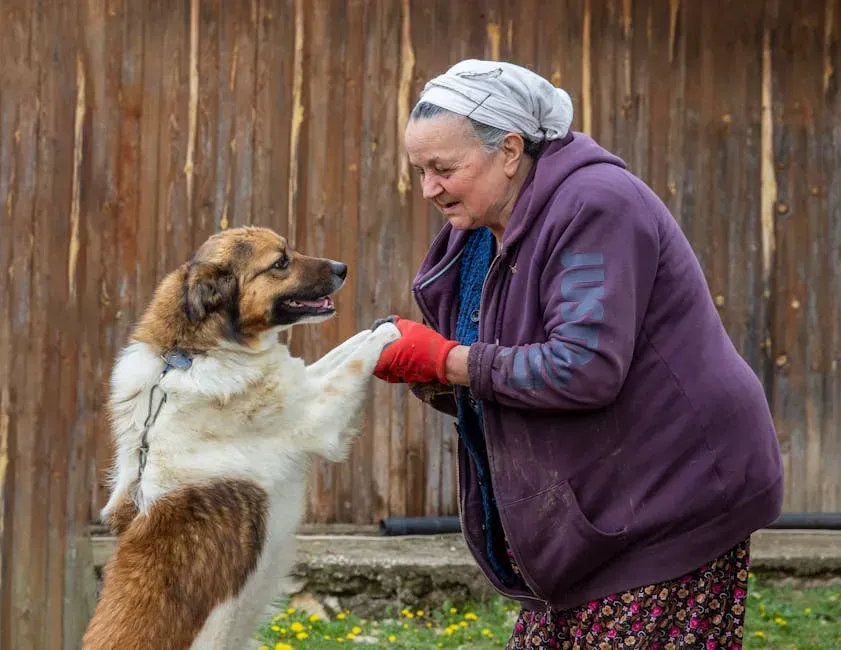
It might not look like the tail-wagging, jumping, spinning greeting of their younger years. It could be a slow lift of the head, a single thump of the tail, or a soft whine of recognition when you walk through the door. Don’t mistake the diminished expression for diminished feeling. The emotion is still there, whole and real.
A dog may no longer greet the owners at the door or may no longer be interested in going on walks or playing as their health declines, which is why those moments when they still do make the effort carry so much weight. When your dog summons whatever energy they have left to acknowledge your return, they’re choosing you over their own rest.
Take those moments in. Kneel down, get close, and let them know you see them. These small reunions are quiet declarations of loyalty, and they deserve to be honored as such.
3. They Seek Physical Contact More Than Ever Before
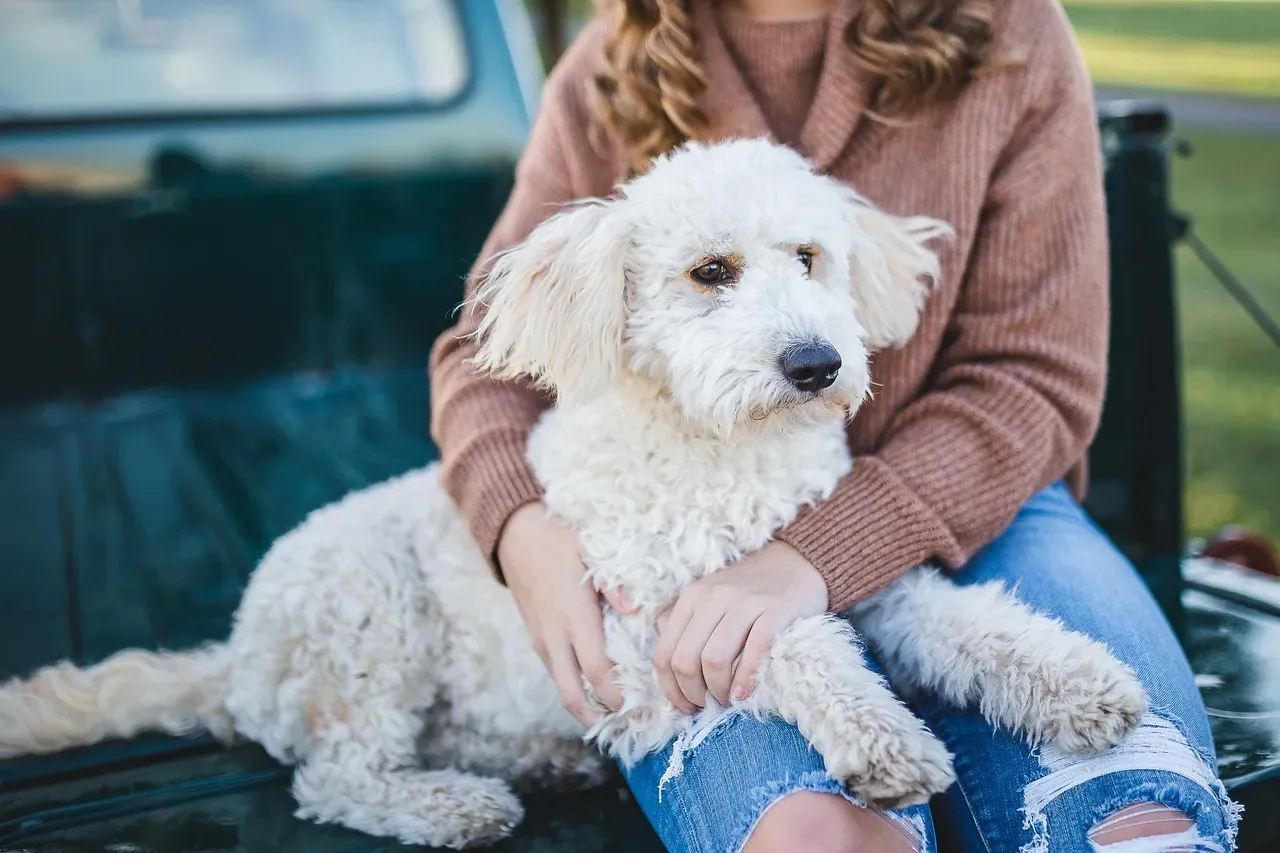
Some dogs become more affectionate and seek constant proximity to their owners as if seeking comfort and reassurance. This shift can catch you off guard, especially if your dog was always independent or not particularly cuddly. Suddenly they want to lean against your leg, rest their head in your lap, or sleep pressed against your side.
Touch is grounding for a dog whose senses are fading. Hearing may dull. Vision may cloud. Like people, dogs’ eyes can start to fail near the end of life, and you may notice that your pup’s eyes are cloudy or have trouble seeing. Physical contact with you becomes one of the clearest signals they still have that they’re not alone.
Lean into it. Gentle petting, quiet presence, and warmth are some of the most powerful forms of comfort you can offer. You don’t need to talk or do anything special. Just being there, touching them softly, is enough.
4. They Eat a Little More When You Hand-Feed Them
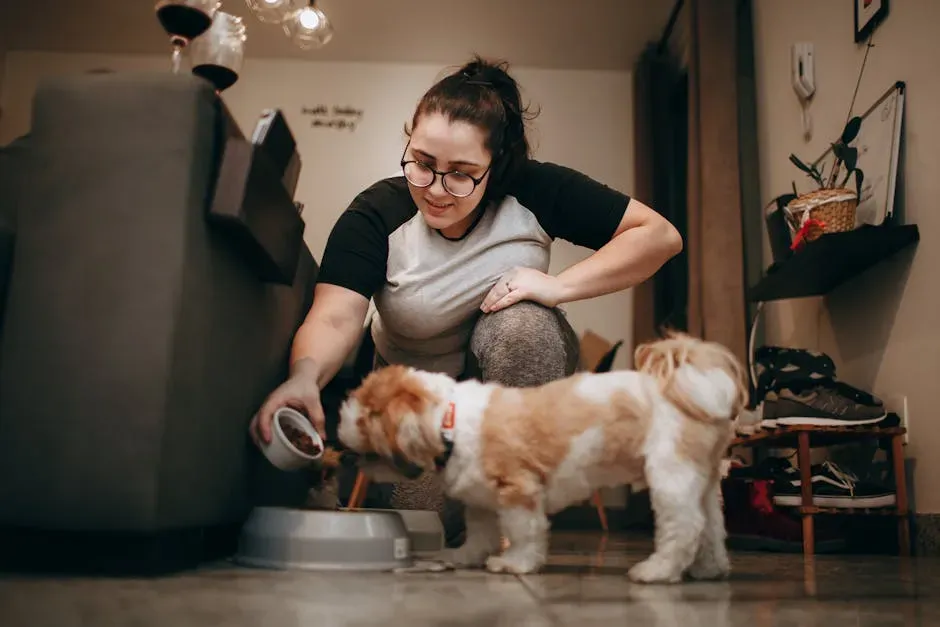
As their physical functions decline and pain increases, elderly dogs often lose interest in food in their final days. Even their favorite food can only be eaten reluctantly. A dog who once sprinted to their bowl may now barely acknowledge it. That’s one of the most clear signals that something significant is shifting in their body.
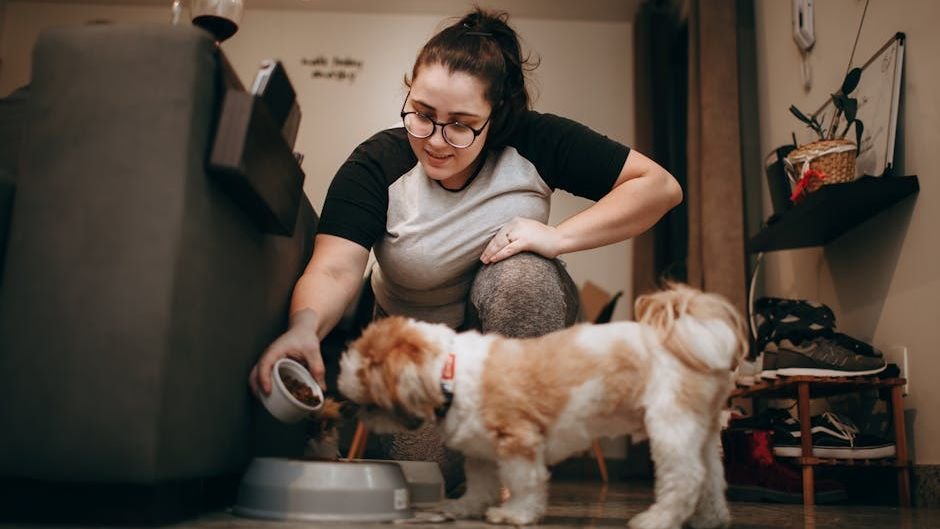
But here’s what’s interesting. Many dog owners notice that their senior dog will eat a few bites when fed by hand, even when the bowl goes untouched. It’s not purely about appetite. It’s about connection. Often warm food or hand-feeding makes a difference. Your dog’s bond with you can motivate them to do something their body has largely stopped wanting to do.
Try warming their food slightly to enhance the aroma, and offer small amounts frequently. Sit with them while they eat. Your presence during meals can be as nourishing as the food itself, and it’s one more way your dog shows they’re still in this for you.
5. They Rouse Themselves for Your Daily Rituals
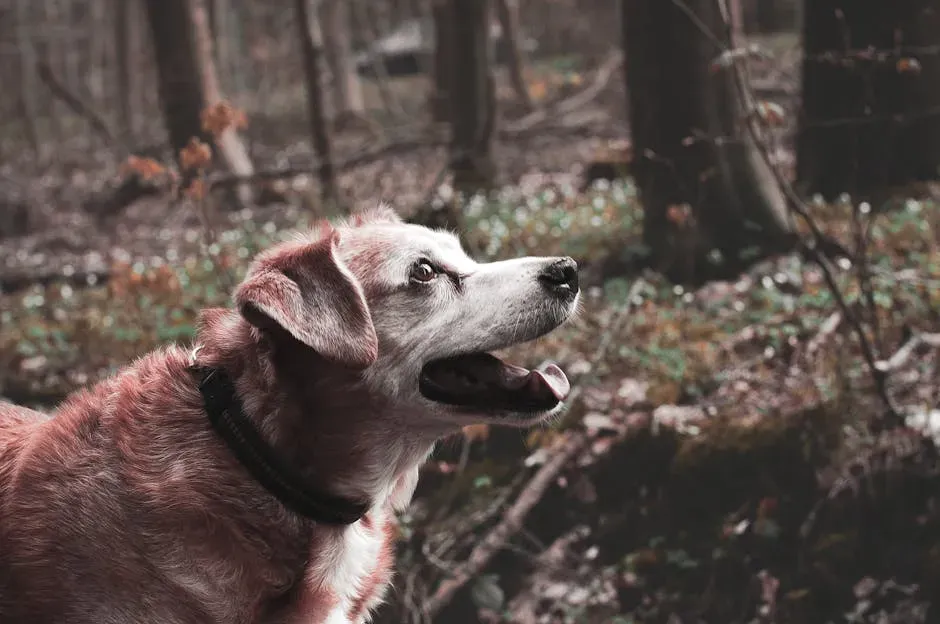
Maybe your dog always barked when the mail arrived. Maybe they always stationed themselves at the back door during your morning coffee. Even now, even when their body is tired and sore, they’re still trying to show up for those familiar moments. It’s as if the routine of your shared life is something worth getting up for.
One of the earliest signs your dog is dying of old age is a noticeable change in their behavior and personality. Senior dogs may become more irritable or withdrawn. They might show less interest in activities they once loved, such as playing fetch or going for walks. So when they still rally for your rituals, even imperfectly, that’s worth noticing.
Honor it gently. Keep those routines consistent where you can. Predictability is comforting to an aging dog whose world feels increasingly unpredictable. Your rituals together are an anchor, and your dog is still choosing to hold on to them.
6. They Watch You Intently, Even From Across the Room
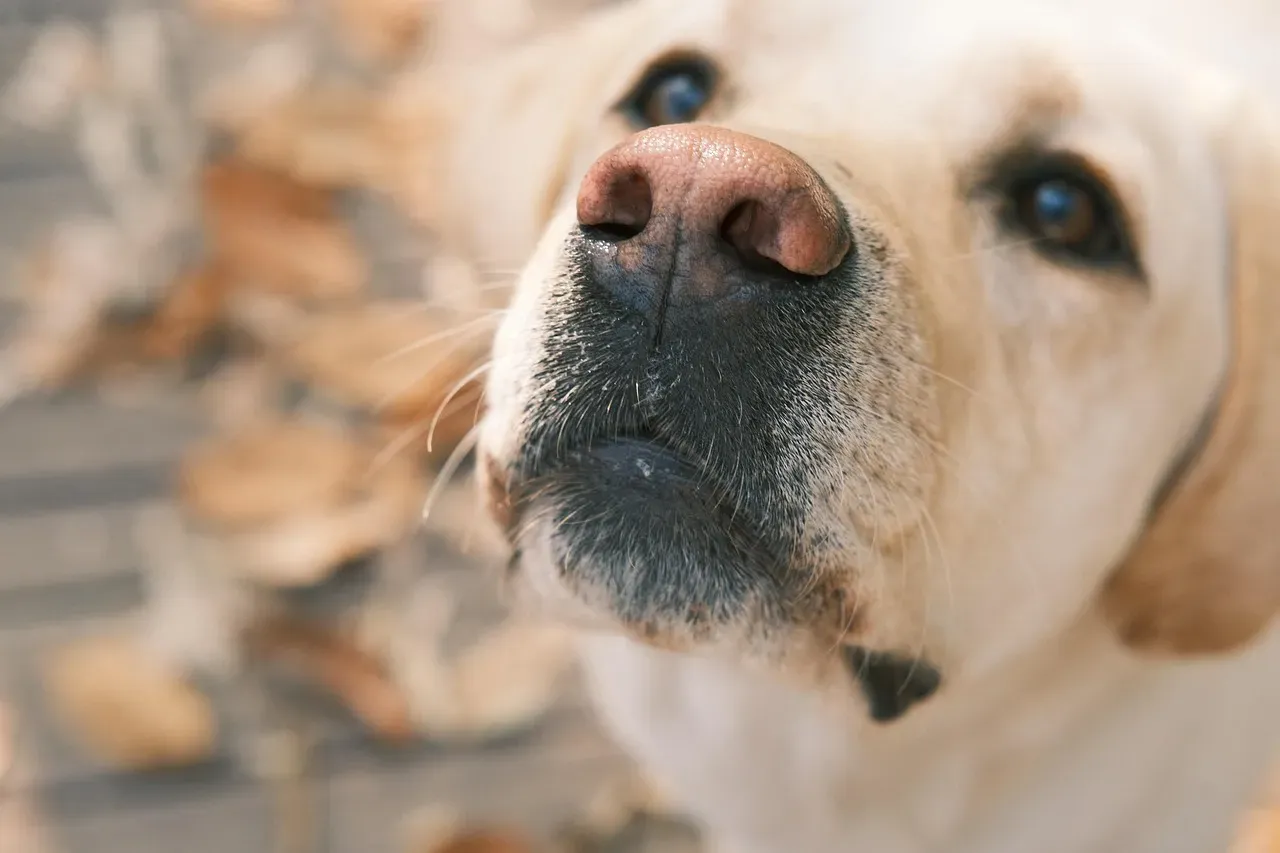
You look up from your book and your dog is just watching you. Not asking for food. Not needing to go outside. Just watching, the way they always have, with that steady, soft gaze that has followed you through every chapter of your shared life. For a dog who may not see or hear as well anymore, locking eyes with you is an act of deliberate connection.
Signs that a pet is nearing the end of their life may not be obvious, and you may struggle to recognize or accept them. While subtle or profound changes in appetite, behavior, or mobility can indicate that your dog or cat is dying, each pet’s journey is unique. That watchful gaze can be easy to miss precisely because it looks so normal, so much like the dog they’ve always been.
Return the look. Speak to them softly. We know our dogs and our dogs know us. That mutual recognition, even in silence, is a form of communication that neither of you needs words for.
7. They Still Try to Protect You
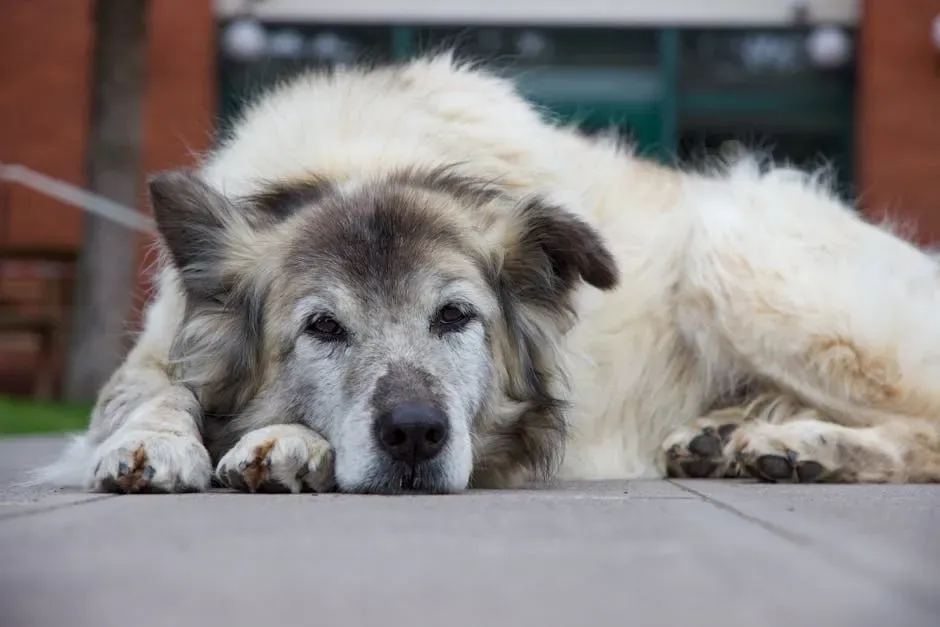
Your old dog, grey muzzle and stiff joints and all, still lifts their head and lets out a low woof when a stranger approaches. They still position themselves between you and the door. The protective instinct, so deeply wired into their sense of purpose, hasn’t fully dimmed even as their body has. It’s one of the most touching things an aging dog can do.
This isn’t just habit. Dogs derive meaning from their roles in your life. A dog who has spent years being your protector, your companion, your alert system, is still drawing identity from that role. Dogs show various signs before dying, including physical changes, like altered appetite, breathing, mobility, and increased accidents due to pain. This pain may also result in behavioral shifts, including altered social interaction, heightened anxiety, and disinterest in activities. When they push through all of that to still protect you, that’s holding on.
Let them feel useful. Don’t over-correct the low woof at the mailman. Acknowledge their alert with a calm “good dog” and a gentle touch. Feeling needed is something dogs experience, and you can honor that right up to the end.
8. They Sleep Near You Rather Than Isolating Themselves

Dogs may become less interactive with family members. They might choose to spend more time alone, away from the usual hustle and bustle of the household. This withdrawal is often a coping mechanism as their energy levels diminish. Many dying dogs do pull away. They find quiet corners, they seek out solitude. So when your dog still chooses to sleep near you rather than retreating, pay attention to it.
A dog who is holding on for you will often position themselves close to wherever you spend your time, even if they’re sleeping most of the day. They want proximity. They want to feel your presence even in sleep. Those final moments together are about presence. The most important thing you can offer amid signs your dog is dying is the peace of knowing they are not alone.
Set up a comfortable bed near your own sleeping space if you haven’t already. The sound of your breathing, the warmth of being close, these things genuinely matter to a dog who is finding fewer and fewer things that bring them comfort.
9. They Show Flickers of Their Old Joy
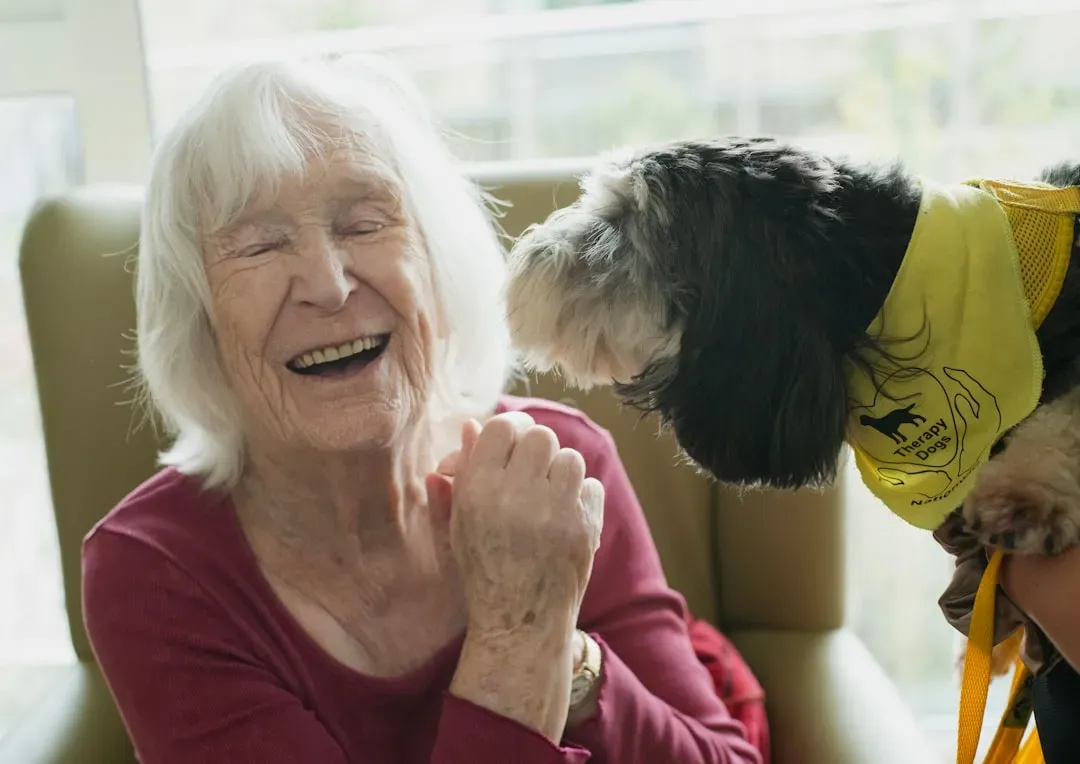
You pull out their favorite toy. Or you say a word they’ve always loved. And for a moment, just a moment, the old dog is back. The tail goes faster, the eyes brighten, there’s that head tilt you’ve loved for a decade. These flickers of personality, of joy, are one of the most moving things you’ll witness in an aging dog’s final weeks.
Keep track of your dog’s good days and bad days. Occasional bad days are a part of life, but there will come a point when the bad days outnumber the happy, comfortable ones. Note whether or not your dog still enjoys his favorite things. When those moments still happen, they matter enormously, both for your dog’s quality of life and for yours.
Create space for those moments intentionally. A short, slow walk in a favorite spot. A gentle game with a beloved toy. A treat they rarely get. These experiences communicate love in a language your dog has always understood. They’re worth offering, even when the windows of joy are brief.
10. Their Breathing Changes but They Stay Calm With You Present
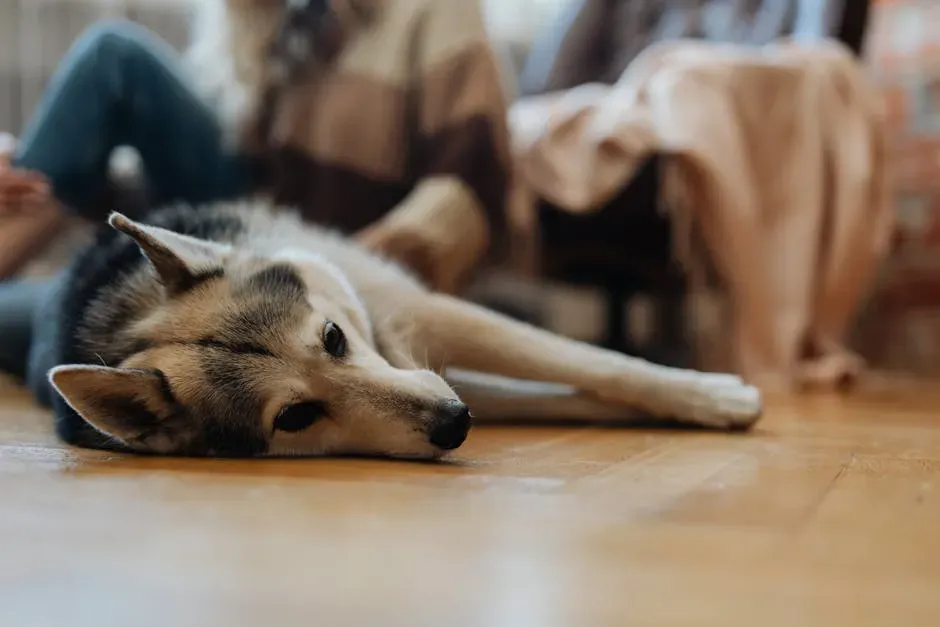
You may notice changes in their breath rate, faster or slower, or uneven breathing. You may also see changes to the sounds of their breathing, harsher or quieter. Labored breathing often indicates that a dog is at the very end of life. This is one of the harder signs to witness, because it signals that the body is working harder to sustain itself.
What’s notable, and what many pet owners report, is that a dog in respiratory distress often visibly settles when their person comes close and places a hand on them. Your touch has a calming effect that goes beyond simple comfort. It’s anchoring. Some universal comfort strategies include creating a calm, familiar space free from loud noises and filled with soft bedding, and providing gentle interaction, laying near them, light petting, or soft speaking.
If you notice breathing changes, contact your vet promptly. There are sometimes interventions that help, and at minimum, your vet can help you understand what your dog is experiencing. Stay close. Your presence is measurably soothing, and that’s not a small thing.
11. They Lick You More Than Usual
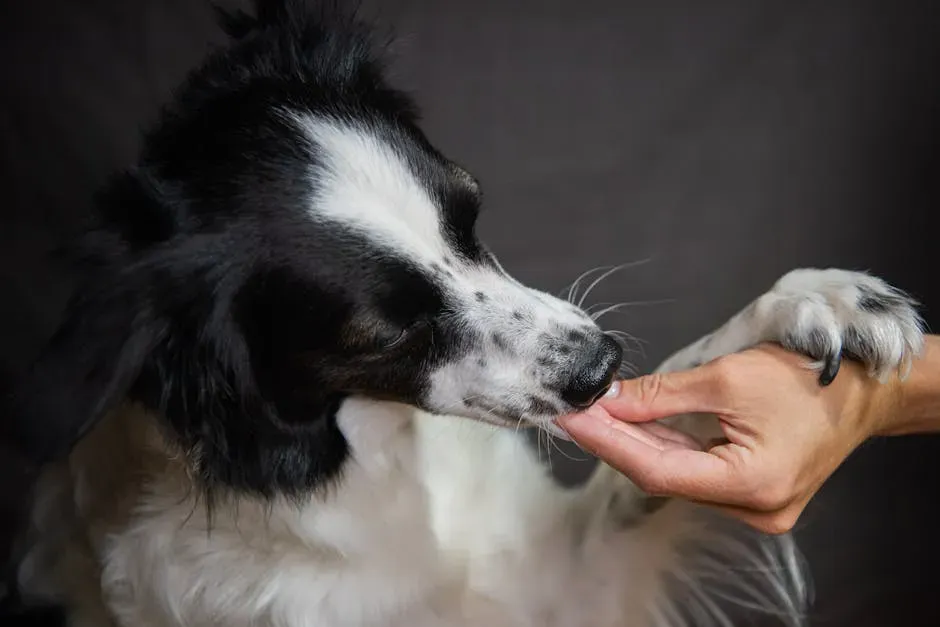
Elderly dogs may leave scent marks by licking their owners or rubbing their bodies against clothing. This is their final goodbye ritual and an expression of love. It might seem like a small, almost ordinary thing. But when an older dog who has slowed down in every other way starts licking your hand or your face more frequently, it’s worth reading as something deeper than a simple habit.
Dogs communicate through physical touch and scent in ways that go far beyond what we can fully interpret. Licking is a form of bonding, of social reassurance, and in an aging dog, it may be one of the primary ways they can still reach out and connect with you. Their mobility may be compromised. Their bark may be quieter. But their tongue still works, and they use it to say what they can no longer express in other ways.
Accept it. Let them lick your hand as long as they want to. It’s one of the few physical gestures that costs them almost nothing and communicates everything. Don’t pull away. That contact is a conversation.
12. They Experience Incontinence but Show Visible Shame or Distress
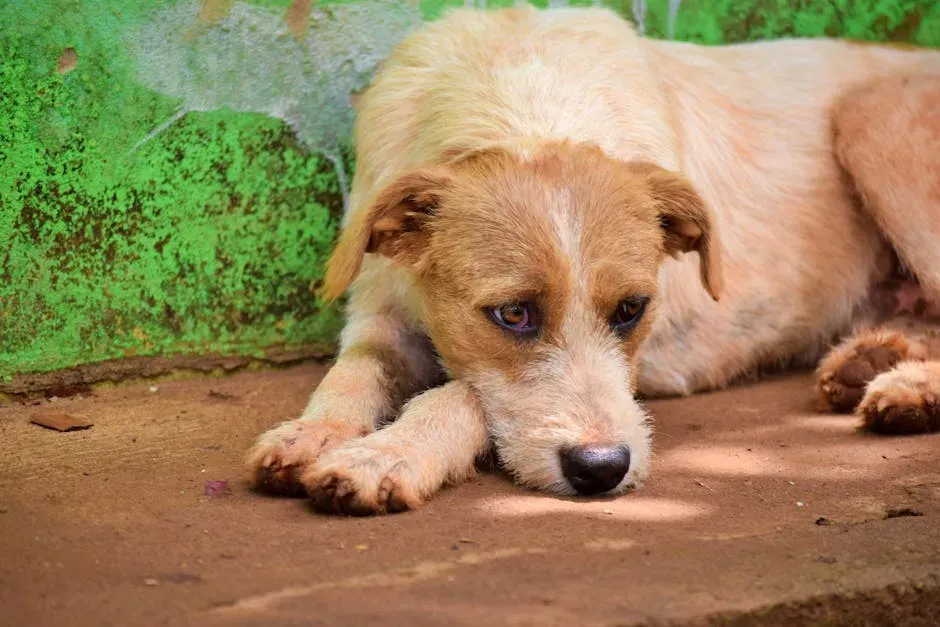
Incontinence, or the inability to control urination or defecation, is common in elderly dogs. This can be distressing for both the dog and the owner. Many dogs who have spent their entire lives being housebroken find loss of bladder or bowel control genuinely upsetting. You’ll see it in their face, a worried look, a hunched posture, an attempt to get away from the accident.
That distress tells you something important. Your dog still cares. They still want to be a good dog for you. They haven’t given up on the standards they’ve held their whole life, even as their body stops cooperating. Incontinence often indicates a decline in bodily functions and requires compassionate management to keep your pet comfortable. How you respond to these moments matters enormously to your dog’s emotional state.
Clean it up calmly and without any fuss or disappointment in your voice. Your dog is watching your face and reading your tone. Reassure them with a gentle touch and a quiet voice. Waterproof mattress covers and dog diapers can help manage the practical side, and your vet may have additional suggestions to address the underlying cause.
13. They Have Moments of Restlessness at Night
A dog who sleeps lightly, gets up frequently to pace the room, or moves to a new sleep location during the night may be ailing. As our sweet pups age, senior dog anxiety at night can definitely increase. Night-time restlessness in old dogs is often a sign of discomfort, cognitive changes, or anxiety. It’s easy to mistake for stubbornness or confusion, but it’s usually something that deserves a closer look.
Canine Cognitive Dysfunction is very similar to dementia in humans. Early signs include pacing at night, fussiness, and irritability. As it progresses, your dog may seem to get lost in the house and yard or not to know who you are. Even in this disorientation, many dogs will seek out their owner’s scent or presence to recalibrate. You are their compass.
Talk to your vet about nighttime anxiety and cognitive dysfunction. There are medications and supplements that can help. Keeping a nightlight on, maintaining consistent sleep times, and staying in a familiar room can also reduce disorientation. Your calm, predictable presence at night is genuinely therapeutic.
14. They Struggle to Walk but Still Try to Come When You Call
As your dog’s body ages, his muscles and nerves stop functioning as well as they used to. Between the loss of muscle mass and the malfunction of proprioceptive nerves, coordination will decline. He may struggle with steps and navigating obstacles, or slip on non-carpeted surfaces. Some dogs stumble or have trouble placing their feet correctly when walking.
Despite all of that, when you call their name, they try. They get up, even if it takes multiple attempts. They head toward you, even if the path is wobbly. That willingness to move toward you despite real physical pain is one of the clearest expressions of devotion a dog can show. It’s holding on, in the most literal sense.
You can help your dog by providing non-slip surfaces to walk on and using a harness or sling to support him when walking and going outside to eliminate. Ramps can help him navigate stairs and get on and off furniture. Reduce the distances they have to travel. Bring yourself to them more than you ask them to come to you. The effort is there. Meet it halfway.
15. They Remain Calm During Vet Visits Because You’re There
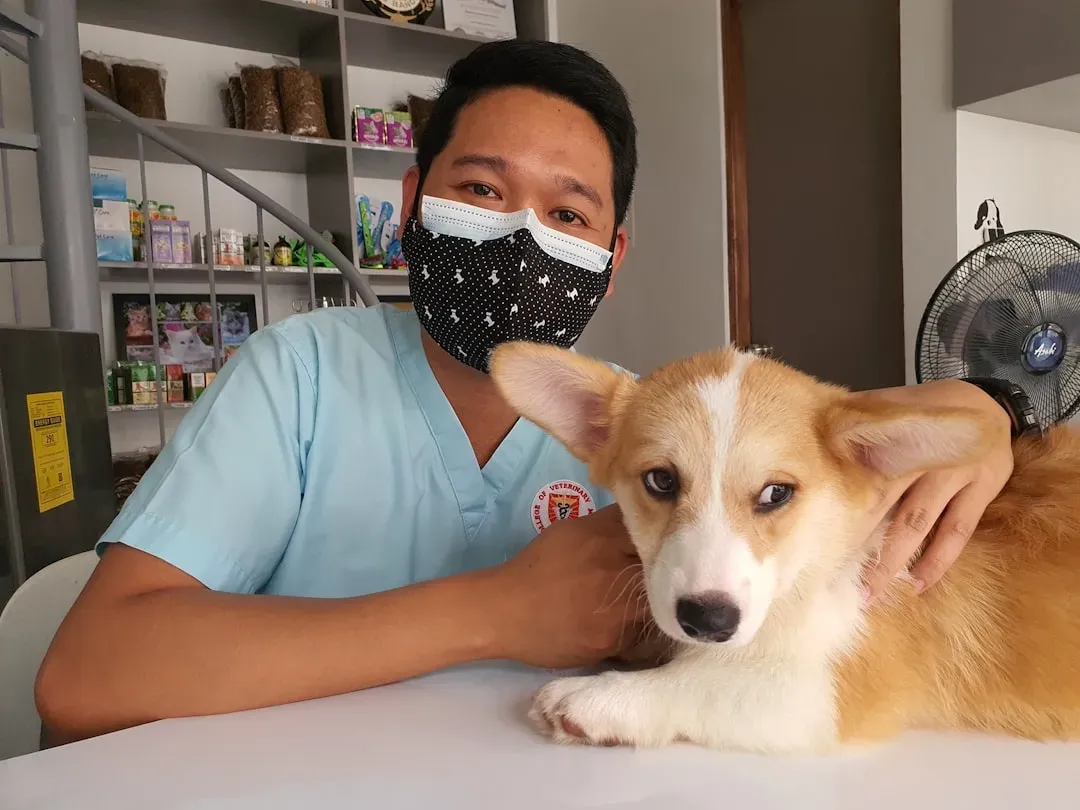
Vet visits have always been stressful for many dogs. But something shifts in an older dog. They may not have the energy to protest, or the anxiety may have mellowed, or they’ve simply learned that you’ll be there and things will be okay. Many pet owners notice their senior dogs actually settle during examinations when they’re held or spoken to by their owner.
Many pet parents seem to sense when something is off with a pet’s overall energy or expressions. Trust your gut as a pet owner, especially if other signs of dying are present or your pet has a diagnosis that makes dying more likely. Your dog has always read your emotional state. If you’re calm, they’re more likely to be calm. Your composure at the vet is a gift you give your dog during every difficult appointment.
Ask your vet if you can stay close during the examination. Most veterinarians encourage owner presence and understand how much it affects the dog’s stress level. When you notice signs that your dog is dying of old age, it’s crucial to seek veterinary guidance. A veterinarian can provide a thorough examination and offer advice on how to manage your dog’s symptoms and maintain their comfort. You are both your dog’s advocate and their comfort in that room.
16. Their Eyes Still Find Yours in Moments of Fear or Pain
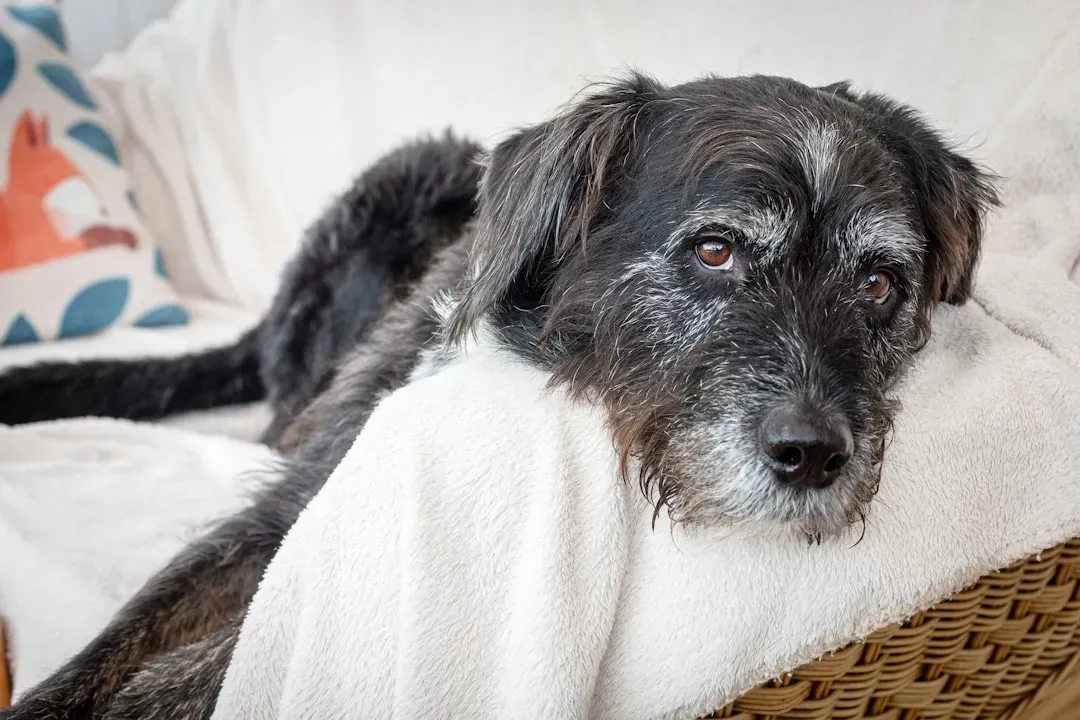
Discomfort from an illness or condition can become more noticeable in a dying dog or cat. Signs of pain include limping, trembling, vocalizing, panting, or flinching, depending on the source of the pain. But even in pain, many elderly dogs do something profoundly moving. They look for you. They turn their head in your direction. They find your eyes, and something in them settles, even if only slightly.
That eye contact in a moment of pain or fear is not random. It’s trust. It’s your dog saying: I don’t understand what’s happening, but I know you’re here. As you spot these changes, you can create meaningful, peaceful final experiences filled with love and comfort rather than confusion and distress. The fact that they still look to you, still trust you as their safe place, is the most profound sign of all that they’re holding on for your sake.
Hold their gaze back. Don’t look away. Place your hand on them. Speak in a low, calm voice. Hold your dog. Be present and tell them you love them. They’ve spent their entire life learning to read your face. Let it be the last thing they see that brings them peace.
Conclusion: What Holding On Really Means
None of this means your dog isn’t suffering, or that holding on is always the right thing for them. Changes in appetite, energy, behavior, or breathing may signal it’s time to consult your veterinarian. With attentive care and compassion, you can help ensure your dog’s comfort and dignity in their final days. Being a good dog owner means being honest about that line, and not crossing it out of your own need rather than their wellbeing.
If you’re looking for signs that it’s time to talk about humane euthanasia, ask yourself: Is your dog still eating and drinking? Are they still able to enjoy the same activities and social interactions? Is your dog comfortable at home, able to move about to urinate or poop, and able to rest without experiencing pain? Ultimately, are they having more good days than bad? These are the questions worth sitting with.
What these 16 signs ultimately tell us is something simple and staggering: your old dog loves you enough to keep going. They love the sound of your voice, the smell of you, the warmth of being near you. It’s an opportunity to love them and offer security, dignity, and comfort in return for a lifetime of loyalty.
That loyalty deserves the same in return. Be present. Be attentive. And when the time comes to let them go, know that holding on and letting go can both be acts of love, depending on the moment. Your dog trusted you with their whole life. Trust yourself to know how to honor it at the end.


