
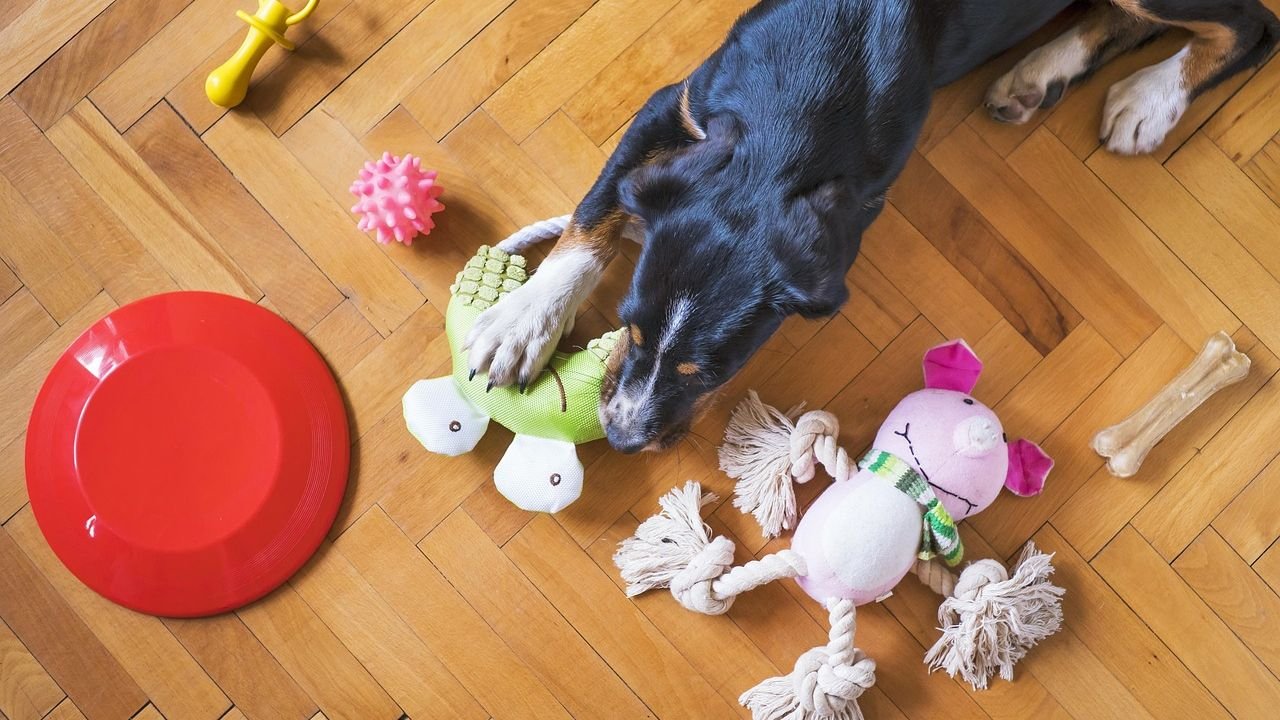
Your dog has been staring at you for twenty minutes. Not the “I need to go outside” stare. The other one. The one that says, “I am slowly losing my mind and taking you with me.” Sound familiar?
Dogs are intelligent, active, and social animals wired to explore, solve problems, and interact with their surroundings in ways that go far beyond a quick daily walk. Without regular mental and physical stimulation, they can become bored, anxious, or even develop unwanted behaviors such as excessive barking or chewing furniture. The tricky part is that most of us focus almost entirely on physical exercise and forget the brain needs its own kind of workout.
Exercise works your dog’s body, and enrichment works your dog’s brain. A long run in the park is physically tiring but mentally repetitive. A 10-minute scent work session is physically easy but mentally exhausting. Dogs need both, but most pet dogs get far more physical exercise than mental stimulation. The good news? You don’t need a big yard, expensive gear, or a trainer on speed dial. You just need the right ideas and a little consistency.
1. Turn Mealtime Into a Brain Game With Puzzle Feeders
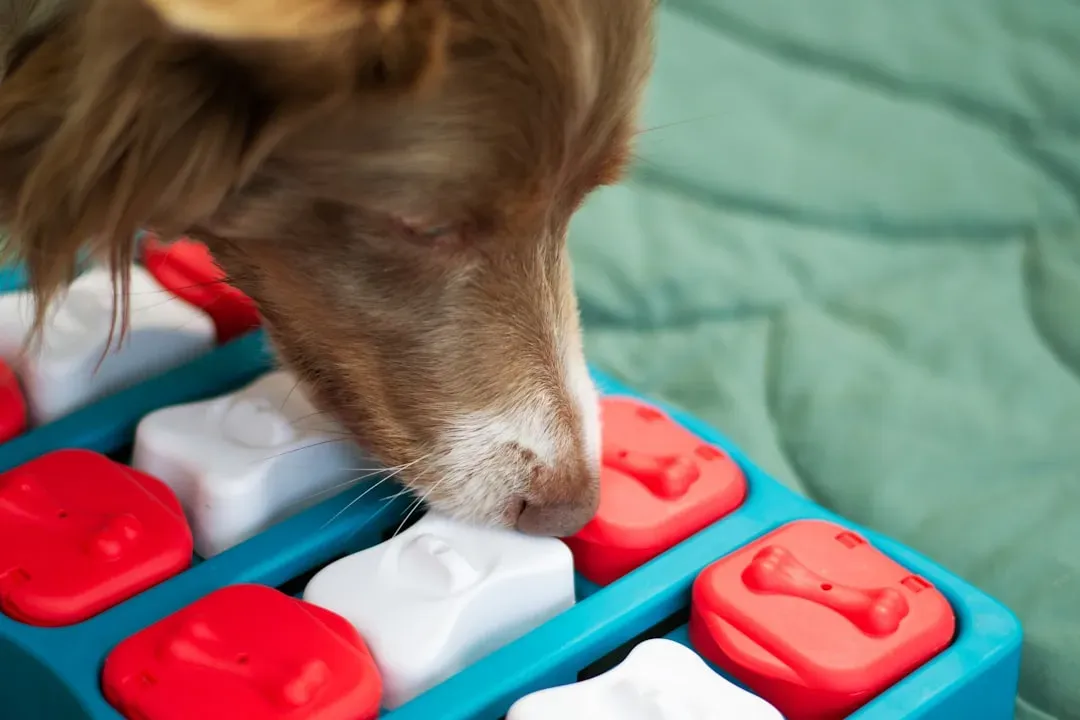
Think about what your dog’s ancestors spent most of their waking hours doing: foraging, hunting, and problem-solving for every single calorie. Your dog’s ancestors spent the majority of their waking hours foraging, hunting, and working for every calorie. Dumping kibble into a dish and having it disappear in 90 seconds does nothing for your dog’s brain. Making them work for their meals is enrichment that happens twice a day without adding anything to your schedule.
Puzzle feeders and food-dispensing toys come in a wide range of difficulty levels, so you can match the challenge to your dog’s experience. You can use commercial treat-dispensing toys or make your own with a muffin tin and tennis balls. These brain games dogs love require problem-solving and persistence. Puzzle feeders slow down mealtime and turn eating into a mental exercise. Start with something beginner-friendly, and once your pup masters it, level up. The progression itself keeps things interesting.
The key is variety. If you use the same slow feeder bowl every day, it will still slow down your dog, but it won’t be very enriching. Get a few bowl alternatives, and you’ll have an enrichment toolbox you can rotate. Think of it as giving your dog a new puzzle to solve every few days rather than the same one on repeat.
2. Introduce Nose Work and Scent Games Indoors
If there’s one activity that’s wildly underrated for indoor enrichment, it’s nose work. A dog’s nose contains approximately 300 million olfactory receptors compared to about 6 million in humans. The part of their brain dedicated to analyzing smells is proportionally 40 times larger than ours. When a dog is actively sniffing and searching, they are using their brain at near full capacity. The result is a dog who is genuinely tired and genuinely settled, not just physically depleted.
Structured scent work adds a problem-solving element that casual sniffing does not provide. In scent work, your dog has a specific target to locate in an unfamiliar search area. They need to develop a search strategy, discriminate the target scent from background odors, and communicate the find to you. This focused task engages deeper cognitive processing than general environmental sniffing.
You can start easily at home. In addition to playing hide and seek, which is a form of scent work, you can create scent trails to encourage your dog to sniff out their favorite treats. Create a scent trail by sprinkling treats or kibble around your living space, encouraging your dog to use their nose to follow the trail. Watch for behavioral cues that your pup is on the right track: intense sniffing, a focused posture, and an upright tail are all signs they’re locked in and loving it.
3. Play Indoor Hide-and-Seek
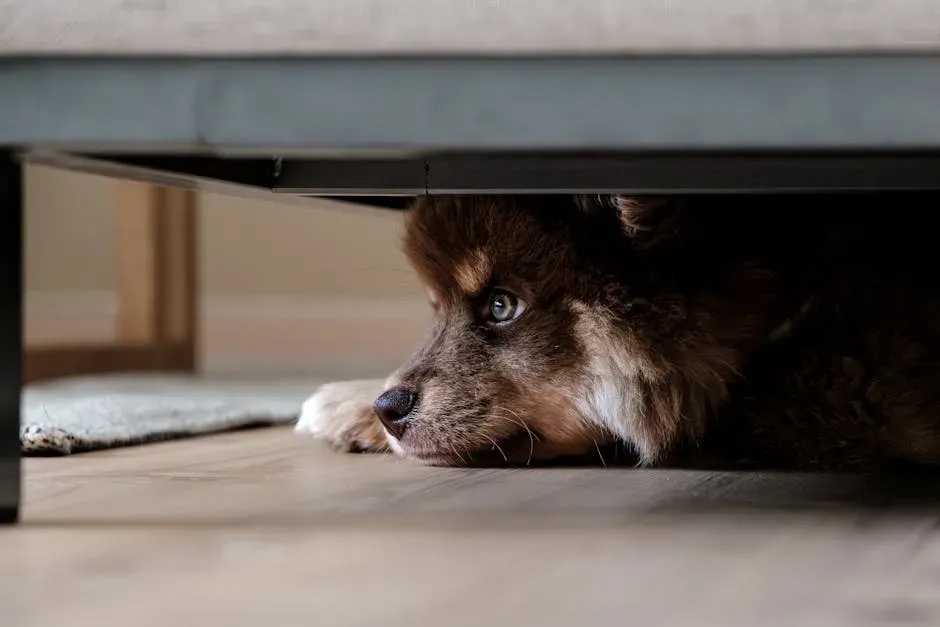
This one’s free, requires zero equipment, and honestly, it’s just fun. Playing hide-and-seek requires two things from your dog: critical thinking skills and a good nose. In a home setting, dogs don’t need to use these skills as often, and having the opportunity to use them is lots of fun for them. It taps into their natural drive to track and find something they value, and in this case, that something is you.
Simply hide in a different room or behind furniture, and call your dog’s name. They’ll use their natural problem-solving skills and sense of smell to track you down. This game taps into their instincts and keeps their mind active, all while strengthening your bond and providing great exercise. If you have multiple people in the household, you can take turns hiding and calling your dog’s name so the challenge keeps changing.
You can also do a treat-based version. Hide treats or favorite toys around the house and encourage your dog to find them. Start easy, then increase difficulty by hiding items in new rooms or under objects. As your dog gets better at it, the game grows with them. That scalability is exactly what keeps enrichment feeling fresh.
4. Try Lick Mats and Snuffle Mats for Calm, Focused Stimulation
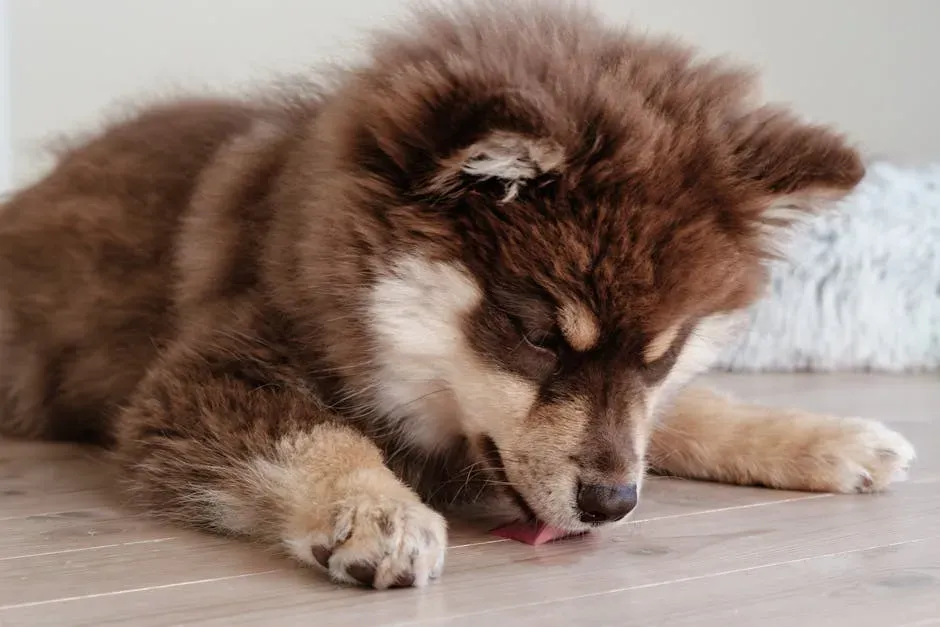
Not all enrichment needs to be high energy. In fact, some of the most powerful tools for mental stimulation are also the quietest ones. For dogs, licking actually reduces anxiety, and it’s not just anecdotal. The repetitive motion of licking activates the parasympathetic nervous system, releasing endorphins and lowering stress hormones like cortisol. A lick mat smeared with some xylitol-free peanut butter, plain yogurt, or pumpkin puree can genuinely shift your dog’s nervous system into a calmer state.
Snuffle mats work differently but are equally valuable. Snuffle mats are designed to engage your dog’s natural foraging instincts. Made from fabric sewn to a sturdy base, they create a maze of hidden pockets and crevices where you can hide kibble or treats. Instead of just lying down to lick, your dog has to actively use their nose to root around and find the hidden treasures.
A snuffle mat aids in energy, sniffing, and play, while a lick mat helps with calming and relieving stress. Many pet owners opt to use both, since they prefer a balanced combination. Safety note: always supervise your dog with a snuffle mat, particularly if they’re prone to chewing fabric. The enrichment benefit is only worthwhile if the activity stays safe.
5. Do Short, Consistent Trick Training Sessions
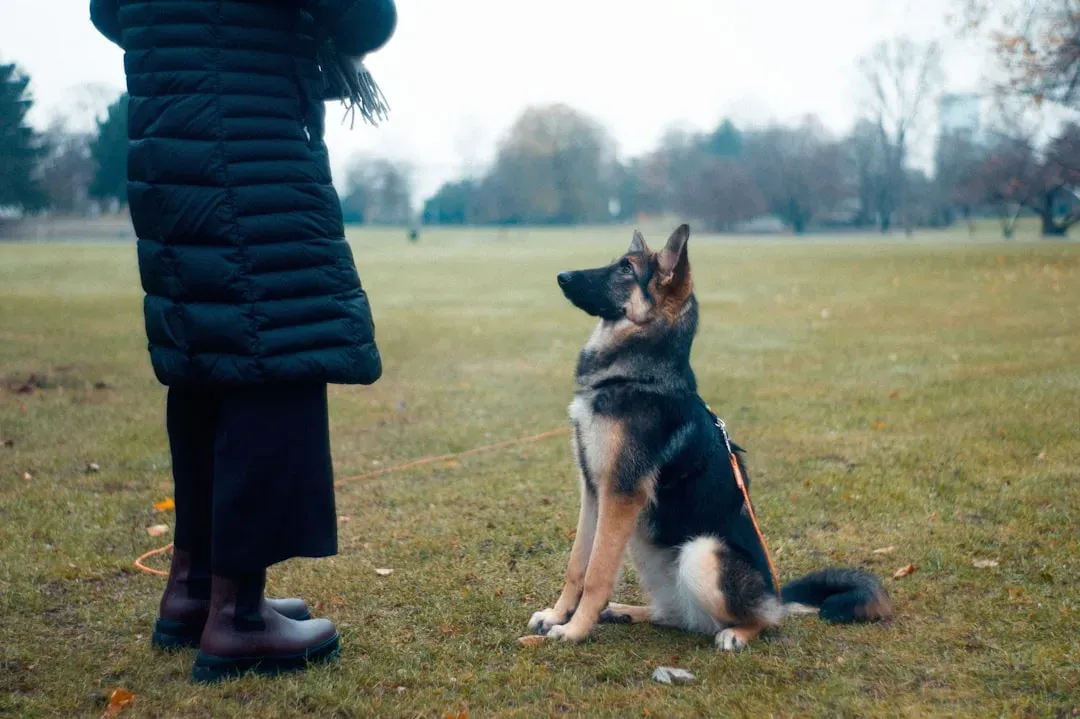
Training isn’t just about obedience. It’s one of the richest forms of mental stimulation you can offer your dog, and it doesn’t require any special tools. A five-minute training session where your dog is actively thinking, making choices, and earning reinforcement is more cognitively demanding than 20 minutes of fetch. Fetch is physically tiring but mentally repetitive. Training asks your dog to figure something out, which is the definition of enrichment.
You do not need to work on formal obedience to get the enrichment benefit. Trick training, shaping games, and impulse control exercises are all mentally demanding and fun. Teach your dog to spin, to bow, to touch a target with their nose, to back up, to weave between your legs. Chaining several of these behaviors together into a short sequence is even more mentally demanding, and dogs tend to love it when they feel genuinely clever.
Training isn’t just for obedience; it’s an enriching mental exercise. Short, consistent training sessions sharpen your dog’s attention, improve communication, and satisfy the mental craving often unmet when your dog is bored. Keep sessions to five to ten minutes, always end on a win, and your dog will come back eager for more.
6. Build a DIY Indoor Obstacle Course
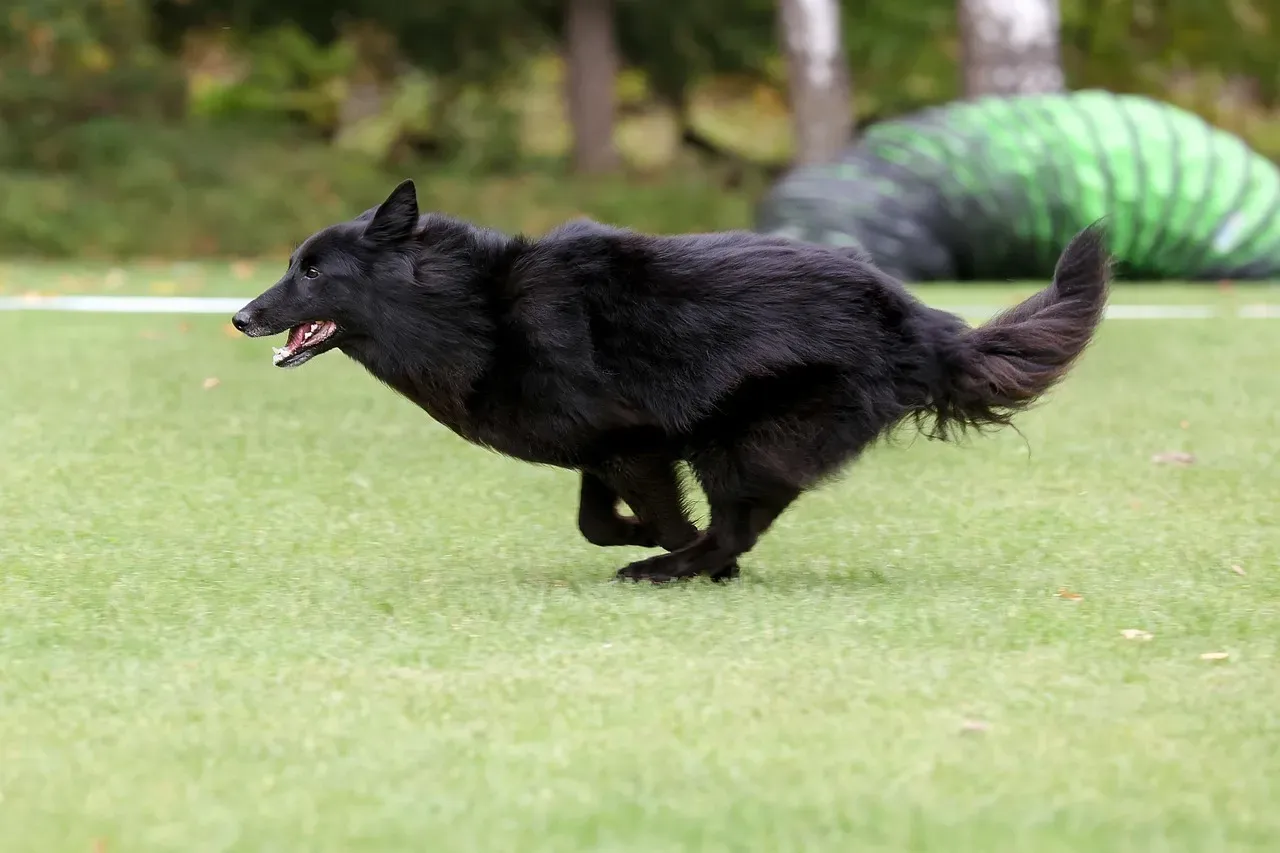
You don’t need a professional agility setup to give your dog a genuinely stimulating physical and mental challenge. Using everyday household items, you can create a fun obstacle course in your yard or living room to keep your dog entertained. Try setting up cones or even chairs for your dog to weave through, placing broomsticks on the ground for them to jump over, or using boxes for them to crawl under. Agility training not only gives your dog a great physical workout, but it also keeps their mind sharp as they learn to navigate different challenges.
The real mental work here happens in the learning process itself. Each new obstacle is a small puzzle your dog has to solve with your guidance. Indoor obstacle courses are perfect for dogs with high energy levels, as they provide both mental stimulation and a way to burn off excess energy. Just make sure the course is safe and free from sharp or unstable objects.
You can also use tug-of-war as part of an indoor activity routine. Tug-of-war is a great way to engage your dog’s mind and body while reinforcing positive behaviors. While it may seem like a purely physical game, it also requires focus and problem-solving skills. It builds your dog’s strength and coordination, and teaches impulse control as they learn to follow your cues to start and stop. Always use a designated tug toy and keep the energy level playful rather than overly intense.
7. Rotate Toys Strategically to Maintain Novelty
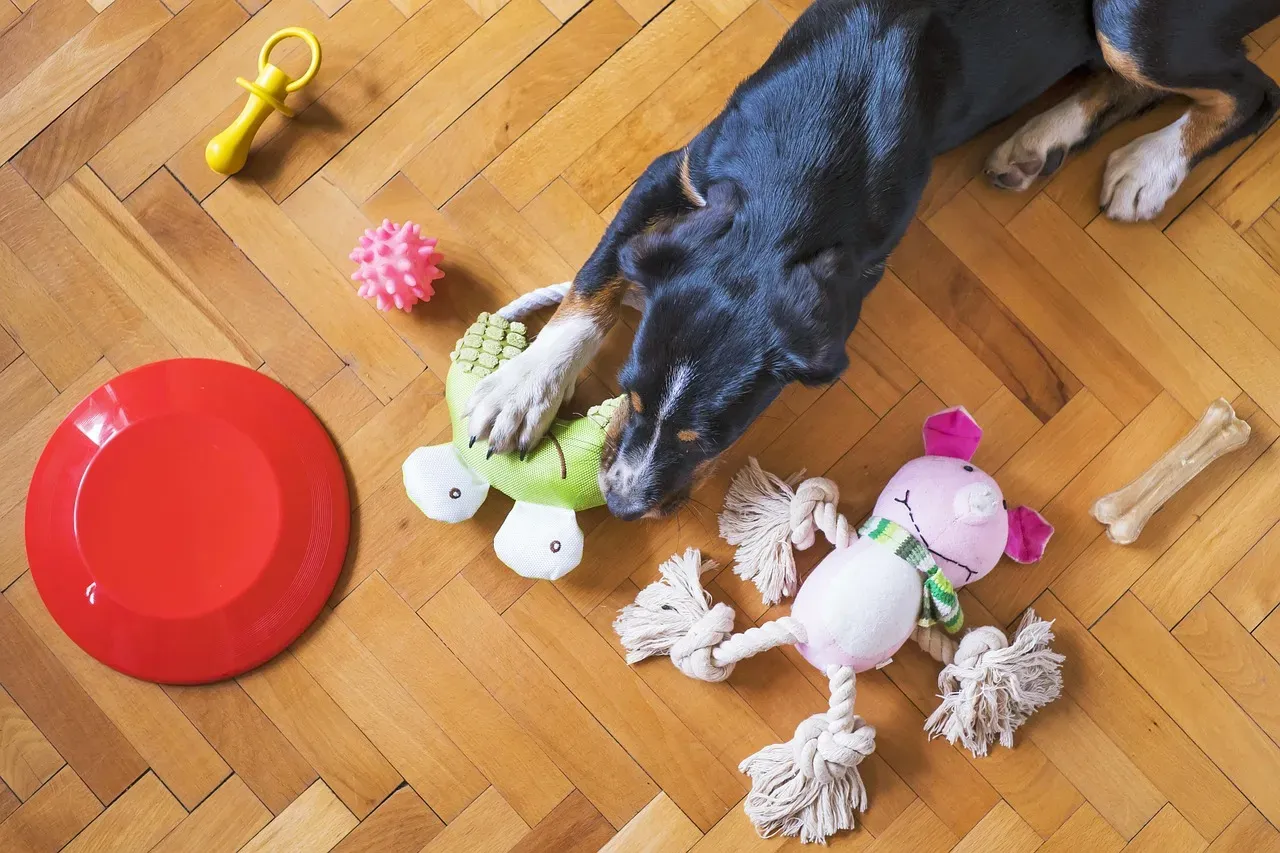
Here’s something most dog owners overlook entirely: the toys your dog already owns can feel brand new, if you manage them well. Rotate your dog’s toys regularly to keep their interest in them. This can be as simple as holding back a few toys each week and swapping them back and forth every week, or every few days depending on your preference. When a toy disappears for a week and comes back, it carries novelty again, and novelty is one of the most powerful forms of mental stimulation.
This simple trick keeps your dog’s toys exciting and helps prevent boredom. Each week feels like they’re getting the toys for the first time. Pair the rotation with different textures, sounds, and interactive features across your collection, and the variety compounds nicely. Regularly rotating toys and activities helps maintain novelty and keeps these experiences engaging.
When choosing what to rotate in, think beyond squeaky toys. It’s great to give your dog comfort and squeaky toys, but consider adding some puzzle toys to the toy box too. There are stuffed puzzle toys with hidden squeaky bits, lift-the-flap toys that hide treats, and balls your dog must roll around to get at the treats you’ve placed inside. Consider a snuffle mat as well, with fabric flaps and loops that hide pieces of food or treats for your dog to sniff out.
Recognizing When Your Dog Needs More

It’s worth knowing what an under-stimulated dog actually looks like, because the signs aren’t always obvious. Signs of boredom exist on a spectrum and vary between individuals, but they may include increased attention-seeking behaviors, such as pawing, barking, or bringing toys to initiate play. Restlessness, pacing, struggling to settle down, or constantly patrolling around the house can often mean your dog has excess energy with no outlet. Constant barking or staring out the window and barking at every passerby is often your dog’s way of creating their own entertainment when they’re bored. Obsessive or repetitive behaviors like tail chasing, excessive licking, or spinning in circles can develop into compulsive behaviors when dogs don’t have enough enrichment or healthy outlets.
Long days alone, minimal exercise, and a lack of enrichment can all lead to boredom, and when boredom is prolonged or severe, frustration and stress may build over time and increase the risk of anxiety. If the behavioral cues above persist even after you’ve introduced new enrichment, it’s worth a conversation with your vet to rule out underlying anxiety or health issues rather than chalking everything up to boredom.
Puppies, adults, and seniors all benefit from mental stimulation, but the types and intensity of activities should be age-appropriate. Puppies need short, simple games; adults thrive on complex challenges; seniors benefit from gentle, low-stress puzzles that keep their minds sharp. Tailoring enrichment to where your dog is in life makes all the difference in how effective and enjoyable it is for both of you.
A Final Thought

Mental enrichment doesn’t have to be a complicated production. Most of the activities here take under ten minutes to set up and cost little to nothing. The real shift is in how you think about your dog’s day: not just as a cycle of feeding and walks, but as a series of small opportunities to challenge, engage, and connect with a mind that genuinely wants to work.
The key to a happy and healthy dog is regular enrichment and allowing them to engage in their innate behaviors, such as playing, chasing, smelling, chewing, and scavenging. By allowing your dog to engage in these behaviors, you allow them to be physically, emotionally, and mentally satisfied.
A mentally fulfilled dog is calmer, more responsive, and more content. That chewed-up pillow or the relentless barking isn’t your dog being difficult. It’s a request. Once you start answering it consistently, you might be surprised how quickly things change.


