
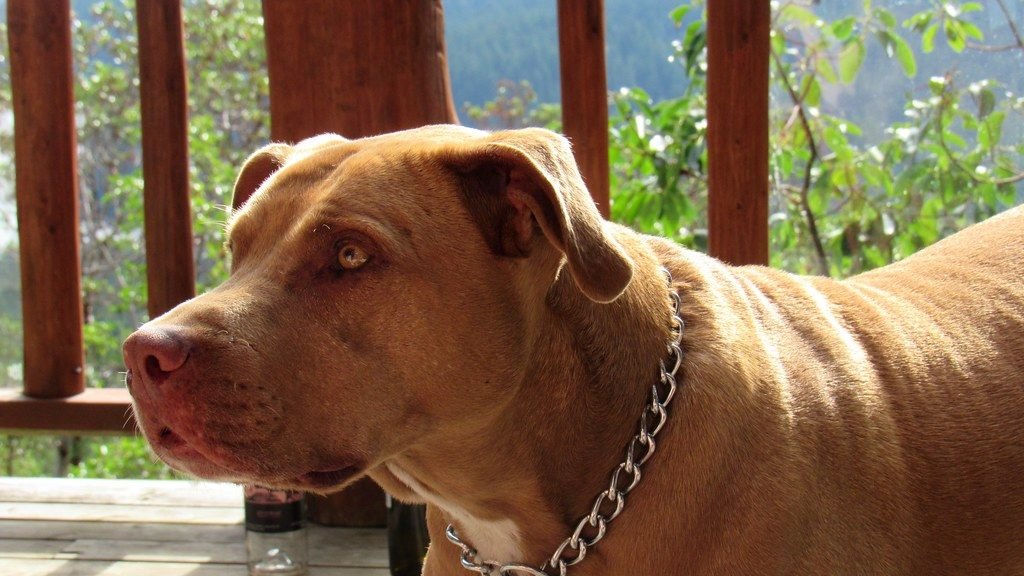
Minnesota is a state that takes its dogs seriously. With subzero winters, thousands of lakes to swim in, and miles of wooded trails to explore, the North Star State practically demands a canine companion. It’s no accident that the bond between Minnesotans and their dogs runs so deep.
Over half of all households in Minnesota are currently home to at least one pet. Of those owners, roughly a third are dog owners. That’s a lot of paws padding across a lot of snowy floors. Whether you’re a first-time dog parent trying to figure out which breed fits your lifestyle, or a seasoned owner looking to understand your current dog better, knowing which breeds thrive here gives you a real edge in caring for them well.
From waterproof retrievers built for Minnesota’s lakes to compact city companions who’ve found their way into rural homes, these are the ten breeds Minnesota keeps falling for – and everything you need to know to keep them healthy, happy, and thriving in the Bold North.
1. Golden Retriever: Minnesota’s Undisputed Favorite
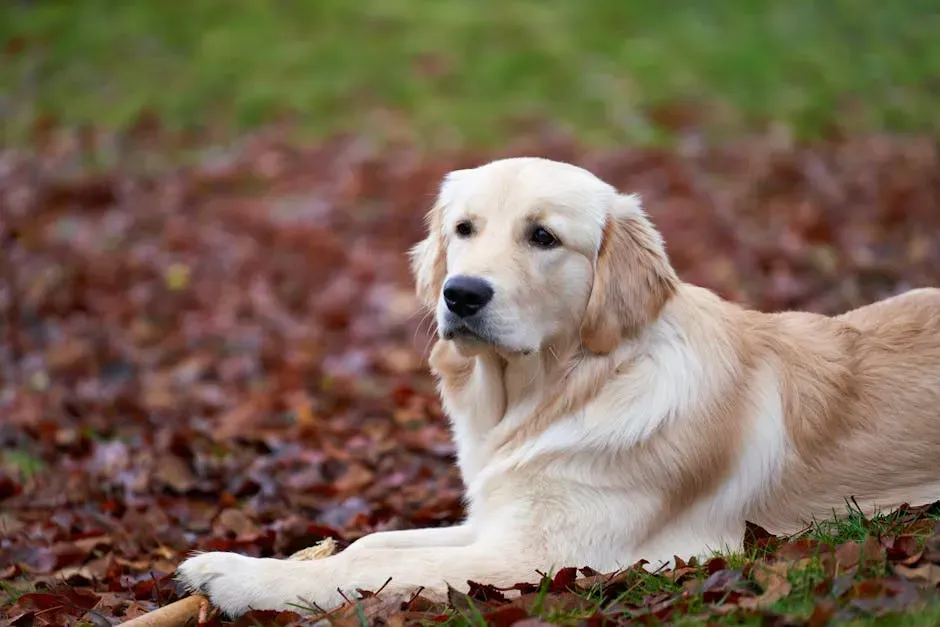
It’s no surprise that Minnesotans have a soft spot for the Golden Retriever. According to U.S. News and World Report, the Golden Retriever is Minnesota’s most popular dog breed. Goldens are loved by Minnesota families for their happy disposition, gentle temperament, and active nature. They’re the kind of dog that greets everyone at the door like it’s the best moment of their life, every single time.
Golden Retrievers are known for their friendly temperament, intelligence, and love for outdoor activities, originally bred to assist hunters with a dense, water-repellent coat that helps protect them from various weather conditions. Golden Retrievers in Minnesota will have no problems splashing and playing in lakes and rivers, given their water-repellent coat. Still, winter care matters. Pay extra attention to your dog’s feet, as Golden paws have lots of hair, and snow and ice can accumulate in painful clumps between the toes. Trim that fur between the pads regularly and rinse their paws after every winter walk.
2. Labrador Retriever: The All-Weather Family Dog
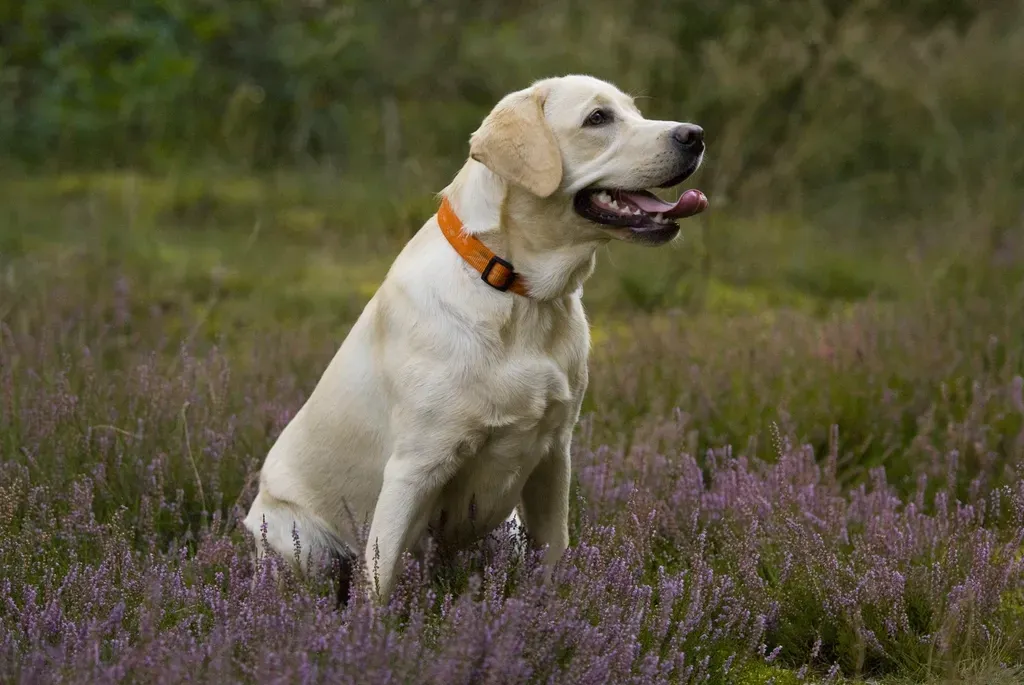
The Labrador Retriever is the second most popular breed in Minnesota. Globally, the Labrador Retriever was the most popular breed overall in the U.S. in 2025 and was the most popular breed in 17 other states. That kind of reach says a lot about how reliably loveable Labs are.
Although they are popular family pets today, Labrador Retrievers were originally bred as water dogs and fishermen’s helpers, and their thick, water-resistant coat and excellent swimming abilities make them the ideal pets for Minnesota families who like to take a dip on a hot summer day. The Lab’s weatherproof coat is particularly well-suited to the notorious Minnesota winters. Labs are social creatures at heart, and isolation or prolonged boredom can lead to destructive behavior. Daily exercise and mental stimulation, whether it’s a game of fetch at a local park or a training session, makes a world of difference in keeping your Lab balanced and content.
3. Pit Bull Terrier: Misunderstood but Deeply Loyal
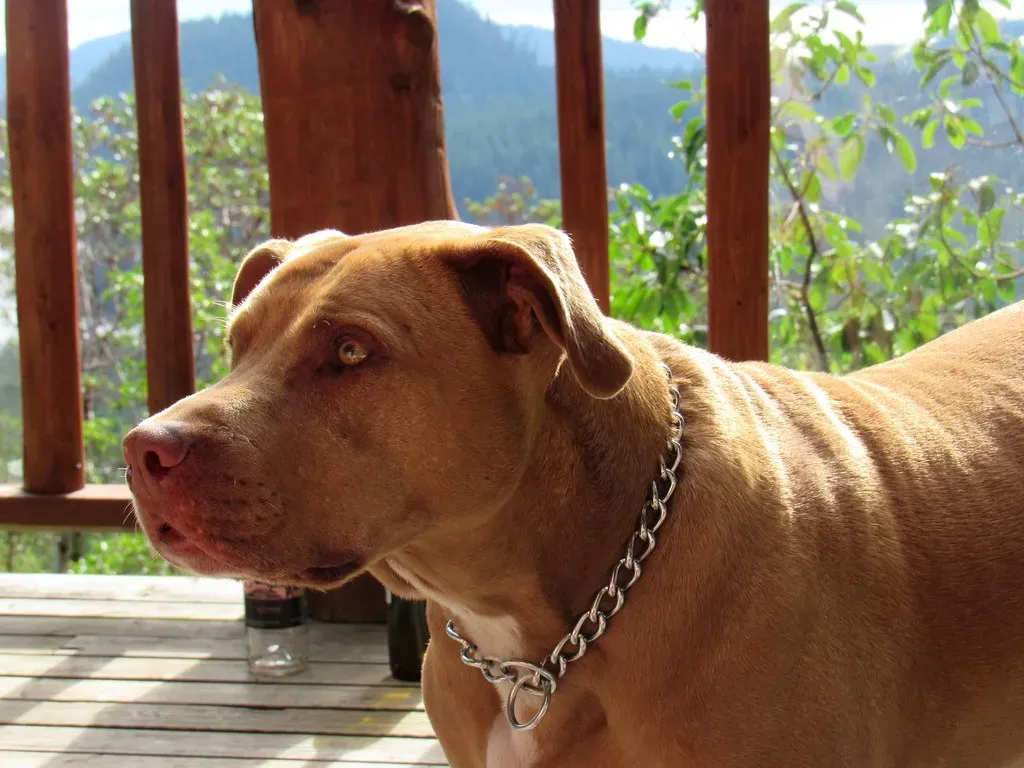
Minnesota’s third most popular dog breed goes to the Pit Bull Terrier. The Pit Bull Terrier was the most popular breed in five U.S. states and ranked as the fourth most popular breed overall in the U.S. in 2025, according to U.S. News and World Report. Despite a complicated public reputation, owners of this breed tend to be deeply devoted advocates for it.
Pit Bulls are affectionate, energetic, and highly people-focused dogs that thrive on structure and connection. They need consistent, positive training from an early age, not because they’re inherently difficult, but because their strength and enthusiasm need a healthy outlet. If you live in Minnesota with a Pit Bull, be mindful of local ordinances, as some municipalities still have breed-specific restrictions. Always check before moving or renting. With the right guidance and a committed owner, these dogs are among the most loyal companions you’ll find anywhere.
4. German Shepherd: Intelligence in Every Step
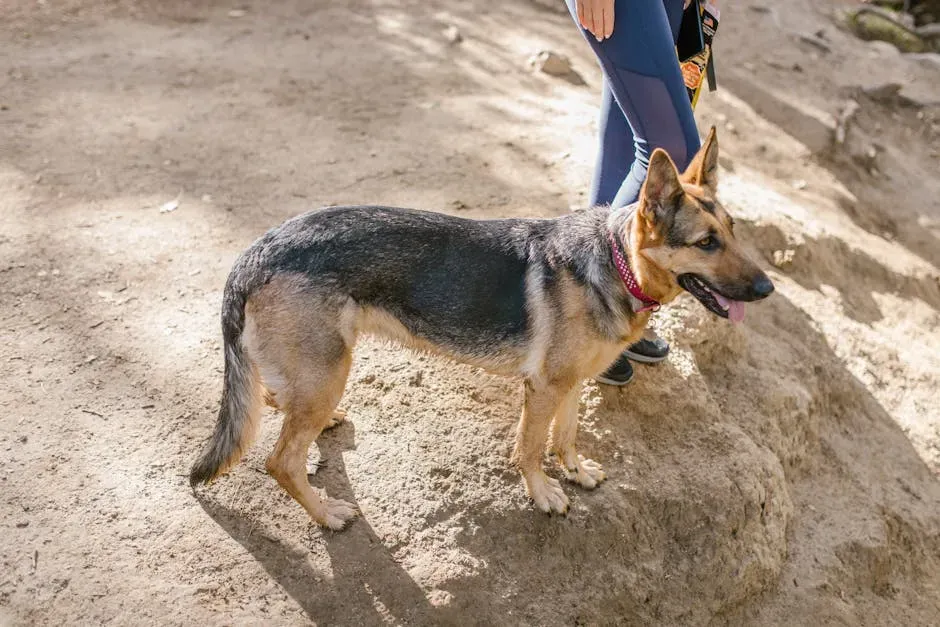
German Shepherds are popular in Minnesota for their natural athletic abilities and high intelligence. They enjoy getting active with their owners such as going hiking, and they also make excellent guard dogs and are good at activities like tracking and herding. They’re the kind of dog that seems to always be watching, learning, and waiting for their next assignment.
German Shepherds are deeply bonded with their families but can be wary of strangers, which means early socialization isn’t optional. Introduce them to different people, sounds, and environments when they’re young, and you’ll raise a confident, well-adjusted dog. Health-wise, German Shepherds are prone to hip dysplasia, especially as they age. Keeping them at a healthy weight, providing joint-supportive nutrition, and scheduling regular vet checks goes a long way toward protecting those powerful hips through the Minnesota winters and beyond.
5. French Bulldog: The Urban Dog Who Found the Midwest

The results from the AKC are in – the French Bulldog takes the number one national spot, with 2025 marking the fourth year in a row that the French Bulldog has held the top spot. Other include French Bulldogs, and it’s easy to see why the compact, charming Frenchie has made inroads even in the coldest corners of the state.
French Bulldogs are brachycephalic, meaning their flat faces come with real respiratory trade-offs. Minnesota’s cold air can make breathing harder for them in winter, so monitor them closely during outdoor time in frigid temperatures and keep walks short when it’s truly bitter out. In summer, they overheat quickly, so never leave a Frenchie in a car and always offer shade and water. Their low-maintenance coats are a bonus, but their ears and facial folds need regular cleaning to prevent bacterial buildup. They’re loyal little dogs who just need an owner paying close attention.
6. Poodle: Smarter Than They Look (And They Already Look Smart)
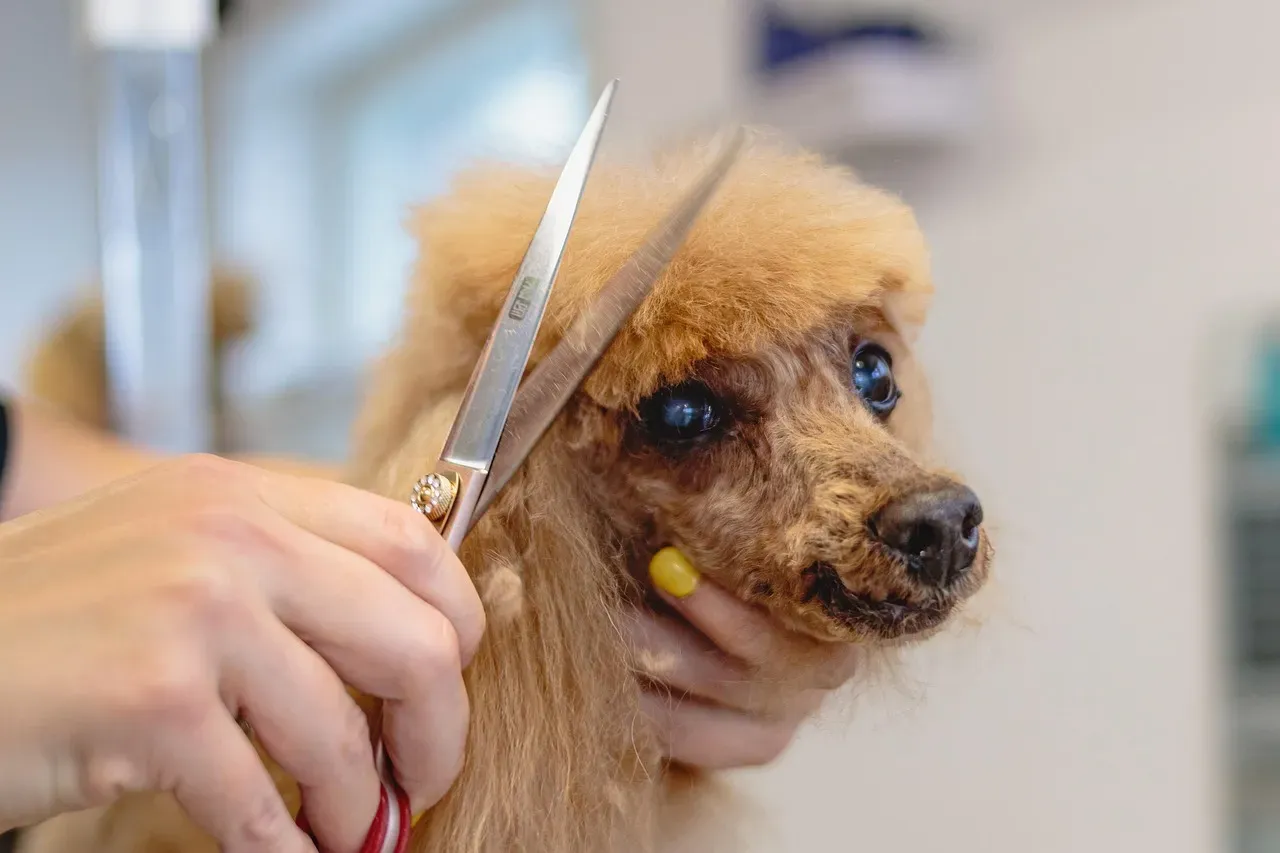
Poodles are known for their elegant appearance and sharp minds. They come in standard, miniature, and toy sizes, all of which carry the breed’s signature curly coat that’s both stylish and suggested to be hypoallergenic. Poodles are active, alert, and trainable, excelling in obedience and agility sports. Poodles are also among the popular dog breeds found in Minnesota homes.
Don’t let the fancy haircuts fool you. Poodles were originally water retrievers, and that working-dog spirit is still very much alive in them. They need real exercise and mental engagement, not just a lap to sit on. The curly coat, while often celebrated as low-shedding, requires consistent grooming every six to eight weeks to prevent painful matting. In Minnesota’s wet spring and muddy fall seasons, that coat catches everything. Build a regular grooming routine early, and your Poodle will be much more comfortable, and much less of a tangled mess.
7. Beagle: The Nose Knows No Boundaries
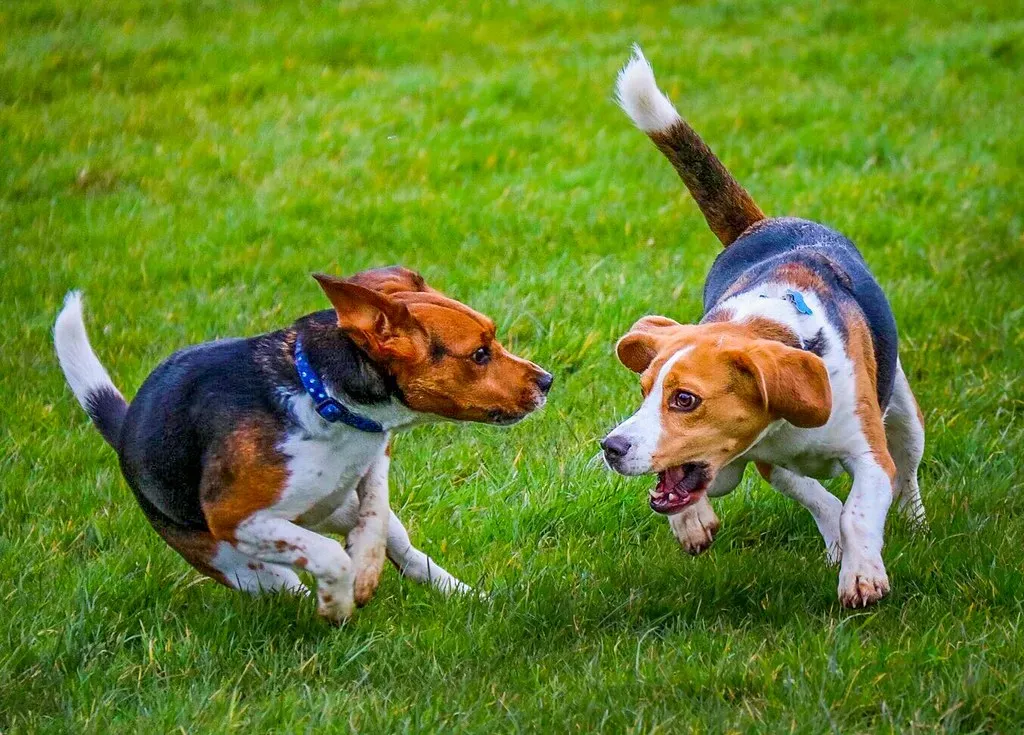
Beagles bring cheerful, merry personalities to Minnesota households, combining compact size with enough sturdiness for outdoor adventures. These scent hounds were bred to trail rabbits in packs, creating dogs with strong hunting instincts, loud baying voices, and independent streaks that challenge training efforts. That nose of theirs is both their greatest gift and their biggest management challenge.
Their short, dense coats provide adequate protection for Minnesota weather while requiring minimal grooming, and they adapt well to various living situations from apartments to rural properties, though their vocal nature can create conflicts with close neighbors. If a Beagle catches a scent on a walk, they will follow it, full stop. A secure fence and a reliable recall command are absolutely essential. Never trust a Beagle off-leash in an unfenced area, no matter how obedient they usually seem. Their nose will win every time.
8. Rottweiler: Gentle Power in the Right Hands
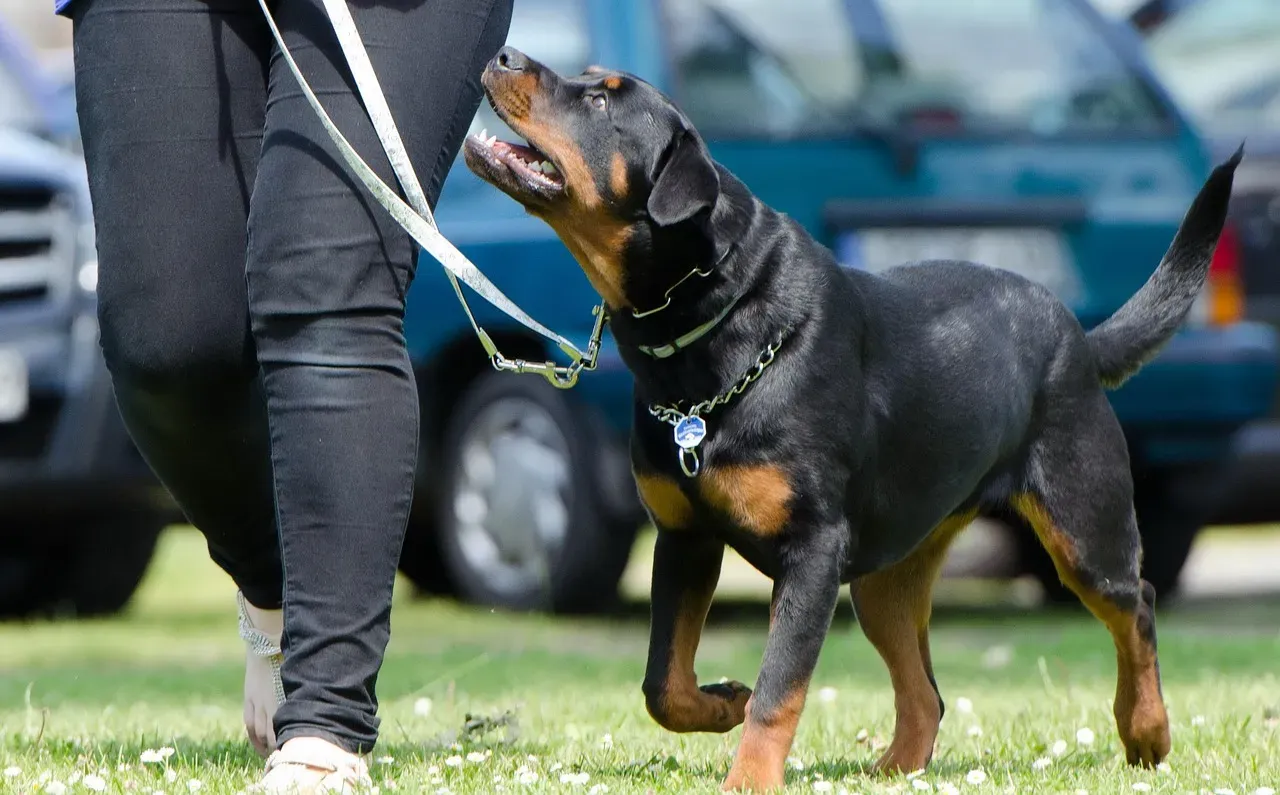
Rottweilers have found a firm foothold in Minnesota, particularly among owners who appreciate a confident, protective companion. Rottweilers have remained in the same national ranking spot year over year, which speaks to their consistent and steady appeal across the country. In Minnesota, their calm authority and thick coats make them genuinely well-suited for the climate.
Rottweilers are incredibly loyal to their families but need firm, consistent training and clear boundaries from puppyhood. Without it, their size and confidence can become difficult to manage. Early socialization is especially important; a well-socialized Rottie who’s grown up around children, other animals, and visitors is a completely different dog from one raised in isolation. Health-wise, watch for signs of hip and elbow dysplasia, as well as bloat, which is a life-threatening stomach condition common in large, deep-chested dogs. Feeding smaller meals more frequently and avoiding vigorous exercise right after eating are simple prevention steps every Rottweiler owner should know.
9. Siberian Husky: Born for the Cold
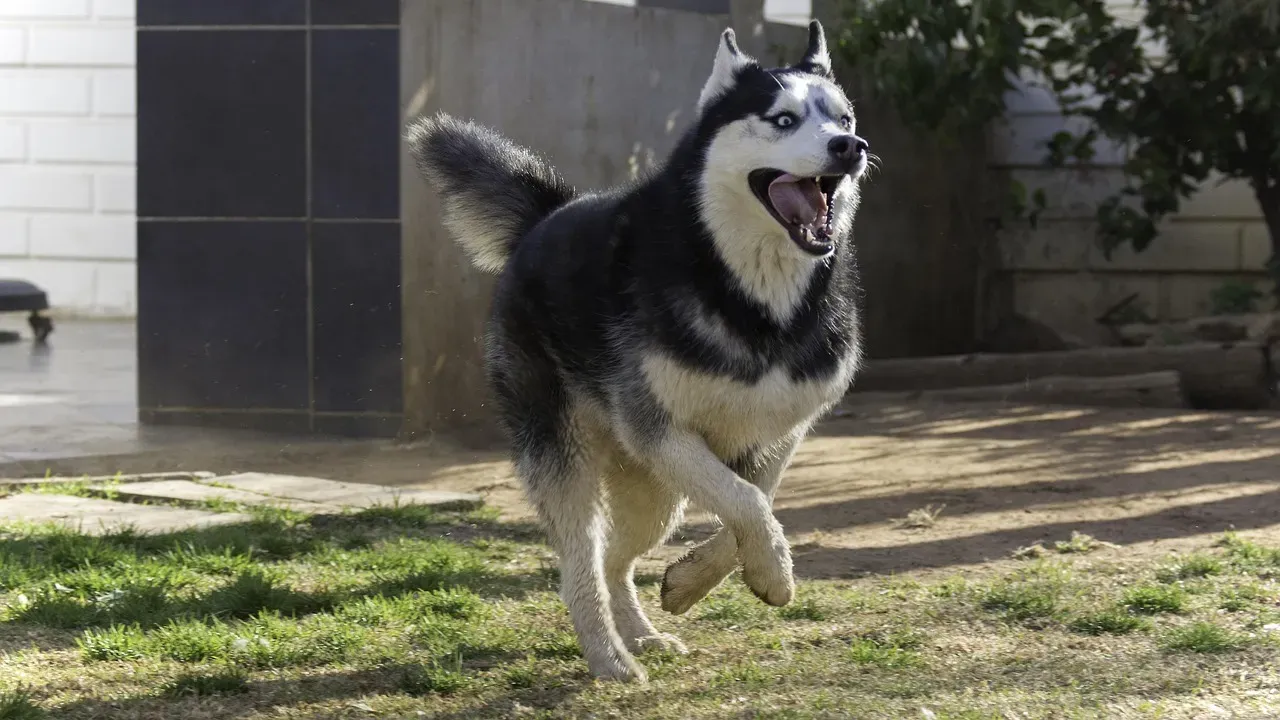
If there’s one breed that doesn’t just tolerate a Minnesota winter but genuinely welcomes it, it’s the Siberian Husky. Breeds with thicker coats such as a Siberian Husky can handle colder weather better. These dogs were literally bred to run long distances in arctic conditions, and that heritage shows up every single day in how they behave and what they need.
Huskies are high-energy, high-intelligence dogs that will test the patience of any owner who underestimates their exercise requirements. An under-stimulated Husky will remodel your home in ways you did not request. They also have a strong prey drive and are exceptional escape artists, so a tall, secure fence and consistent leash habits are non-negotiable. On the flip side, their stunning double coat means you’ll need to brush them frequently, especially during the spring and fall shedding seasons when the fur comes off in what can only be described as impressive quantities. But in return, you’ll get a dog that runs joyfully through January blizzards without a second thought.
10. German Shorthaired Pointer: The Hunter’s Partner, the Family’s Secret Weapon
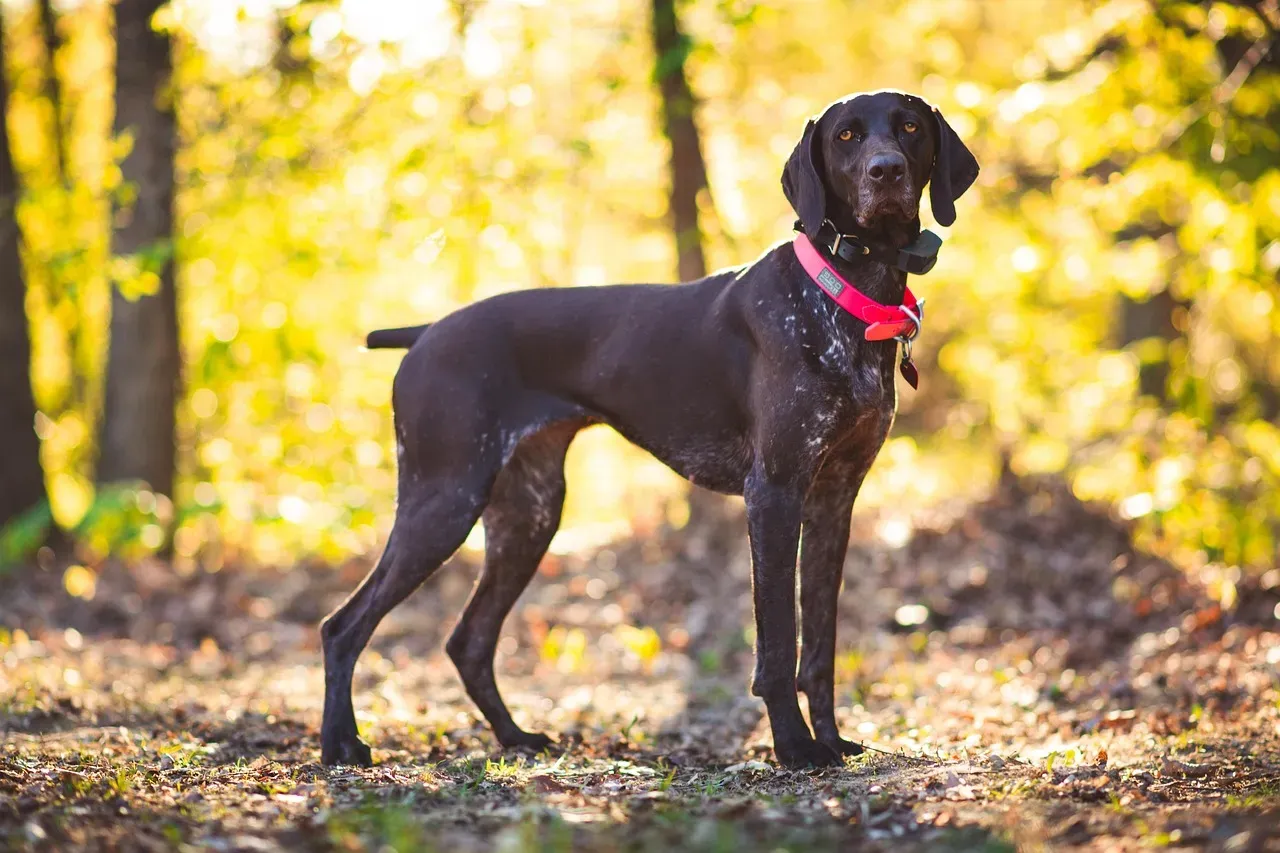
The versatile, medium-sized German Shorthaired Pointer is an enthusiastic gundog of all trades who thrives on vigorous exercise, positive training, and a lot of love. German Shorthaired Pointers are currently ranked in the top ten most popular purebred dogs in the United States. In Minnesota, they’re a natural fit, thriving alongside hunters and active outdoor families alike.
The GSP is one of the most popular breeds in the United States. Although their energy levels and occasional stubbornness can make them a challenge for first-time dog owners, the German Shorthaired Pointer makes a charming, playful companion with the proper guidance and appropriate amount of exercise. German Shorthaired Pointers are prone to several inherited health conditions, and responsible breeders will always screen for them. If you’re considering a GSP, ask breeders about hip evaluations and cardiac screening, and commit to at least an hour or two of vigorous activity every single day. This isn’t a couch dog. Give them a job, a run, or a training challenge, and they’ll reward you with unwavering devotion.
Conclusion: Finding the Right Match in the Land of 10,000 Lakes
Minnesota asks a lot of its dogs. Temperatures swing from brutal January lows to warm, humid summers, and the pace of life here, whether in Minneapolis or deep in the Northwoods, shapes what kind of companion actually fits. The breeds on this list aren’t just popular by accident. They’ve earned their spots by proving they can handle the weather, connect with families, and match the active, outdoor spirit that defines life in this state.
Whatever breed shares your home, the foundation is always the same: understand their specific needs, stay ahead of health risks, give them the exercise and mental stimulation they were bred for, and pay attention when they’re trying to tell you something. Dogs don’t ask for much. They ask to be understood. In a state as resilient and warm-hearted as Minnesota, that feels like a reasonable deal.


