
Most dog owners are doing their absolute best. They love their dogs deeply, spend money on the good kibble, and genuinely want their four-legged companions to thrive. Yet even the most devoted pet parents can unknowingly fall into habits that stress, confuse, or even physically harm their dogs.
The tricky part is that many of these mistakes don’t look like mistakes at all. They look like love. Sharing your dinner, letting the “bad” behavior slide just once, skipping the vet because everything seems fine. It all feels harmless in the moment. The truth is that understanding what not to do is just as important as knowing what to do. Here are eleven things you should stop doing to your dog, starting today.
1. Hitting or Physically Punishing Your Dog
This one is non-negotiable. You might be surprised how many people resort to hitting their dogs out of frustration, yet hitting a dog does almost nothing when it comes to obedience, focus, training, or learning. It only causes fear, anxiety, and intimidation, which can then manifest as bad behaviors. The irony is painful: the punishment meant to correct behavior often creates far worse behavior in its place.
Dogs who are physically abused may develop trust issues with their owners, making it difficult to train them and form a strong bond. Dogs who are physically abused may also suffer from psychological trauma, leading to long-term anxiety, depression, and other mental health problems. Your hands should be associated with safety, comfort, and play. Use them that way, always.
2. Yelling at Your Dog
Unless your dog is hard of hearing or far enough away that you must raise your voice to communicate, never yell at your dog. If you tell your dog to do something and it ignores you but obeys when you yell, your training needs to be revisited. If the dog listens only when you yell, that means your dog knows what was expected but chose not to obey until intimidated into doing so.
Yelling at your dog does not work because it will just get them more stressed or increase their energy level and excitement about the situation. Instead, a calm yet firm voice is far more effective for refocusing your dog and teaching desired behavior. Your dog should never have a single moment in its entire life where it fears you. A dog should respect the boundaries you set and obey commands it knows, but it should never be afraid. Making a dog afraid is a slippery slope that ends in trust issues, poor pack structure in the home, and even fear aggression.
3. Leaving Your Dog Alone in a Hot Car
Temperature inside a car rises much quicker than it does outside, and even just a few minutes can be fatal for your dog on a sunny day. Regardless of whether your car is parked in the shade or the windows are down, dogs can still quickly become dehydrated, develop heatstroke, or even die. This is not an exaggeration designed to scare you. It is a documented reality that veterinary emergency clinics see far too often.
Dogs are highly susceptible to heatstroke, which can occur when their body temperature rises above a dangerous threshold. In a hot car, the temperature can quickly rise to life-threatening levels. No matter the weather or season, a dog alone in a car is also a target for thieves, and dogs should never be left alone in an unattended vehicle. If you can’t take your dog inside with you, leave them home where they’re safe.
4. Skipping Vet Visits and Self-Medicating
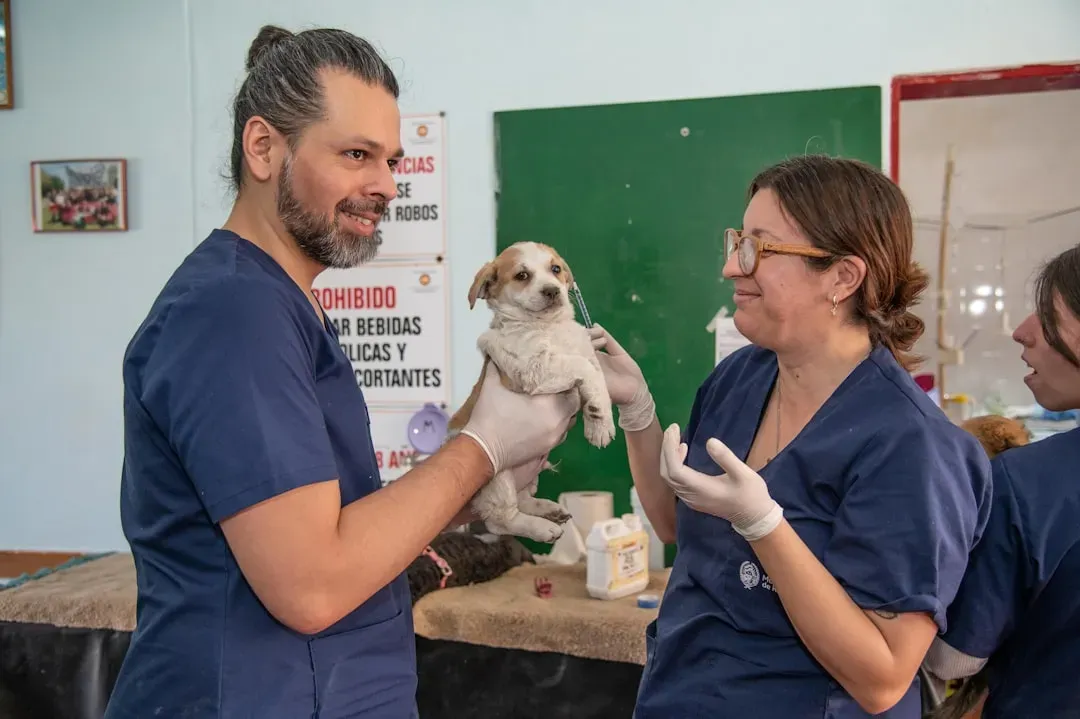
Some people believe they can self-diagnose their dog’s health problems online and not seek veterinary care. There is a time and a place for online research, but if a dog acts out of the ordinary or shows any symptoms of poor health, seeking veterinary care is of utmost importance. A Google result can never replace a physical exam, blood work, or a trained clinical eye.
Some pet owners try to self-medicate their dogs. Maybe their dog is limping or vomiting, so they give either another dog’s medications or human medications to fix the problem. Some medications are very toxic to dogs and prescriptions are only valid for the patient to which they were prescribed. Regular vet visits also ensure that your dog is checked for early signs of arthritis, kidney and liver issues, heart problems, and possible gum disease before they have a chance to affect their health. The vet will also check their weight and monitor that they have the necessary vaccinations and booster shots.
5. Neglecting Dental Care
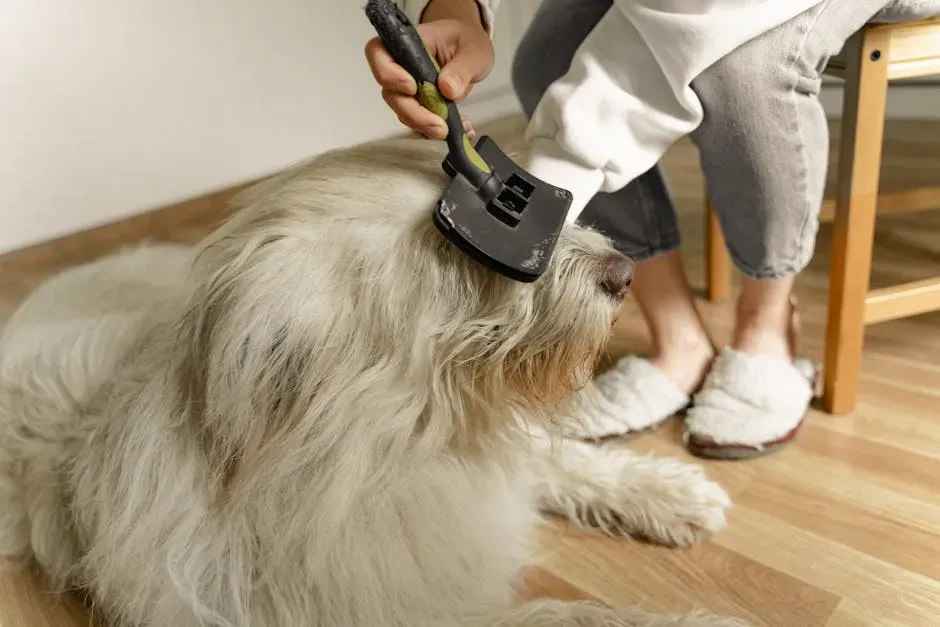
Some dog owners will wait until there is a problem before providing dental care for their pet. However, just like humans, dogs need preventative care. By providing your dog with routine cleanings and check-ups, you can help prevent dental disease. Canine periodontal disease is serious and can lead to pain, tooth loss, bad breath, bacterial infections, bone loss, heart disease, and organ damage.
Never use human toothpaste on a dog. They can’t spit, and there are ingredients in many human toothpastes that can make a dog sick. Having a dog that tolerates and even enjoys tooth brushing can make a big difference in their dental health. Daily brushing can prevent expensive dental procedures down the road and also improves their breath and general health. It takes just two or three minutes a day. The payoff is enormous.
6. Leaving Your Dog Chained or Tethered Outdoors
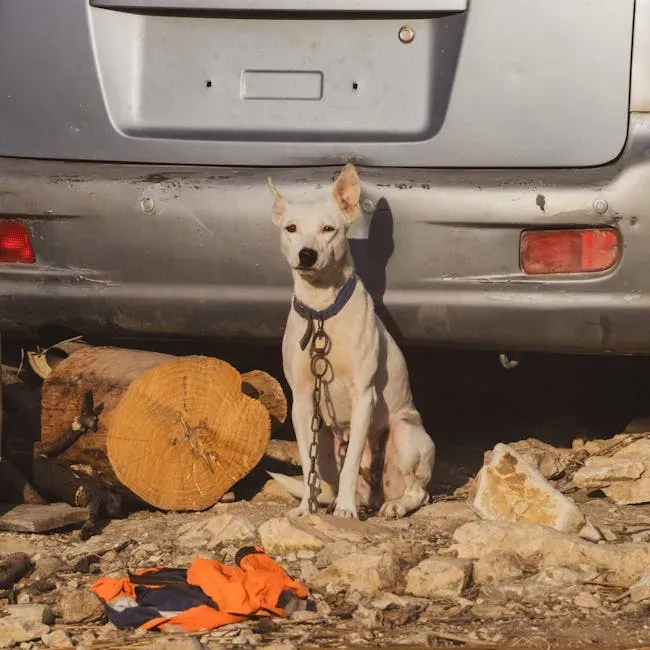
You should never tether or chain your dog because it can lead to injury and cause anxiety. Chained dogs will often pull on their tethers, causing damage to the neck and throat areas, and tethered collars can rub and cause sores or hair loss on the neck. Dogs can become tangled and injure their legs. What starts as a temporary solution often quietly becomes a cruel routine.
Dogs need human interaction and stimulation, to be part of a family, and a measure of freedom. Being left out on a chain while the rest of your family is together indoors is simply cruel. Dogs can also accidentally strangle themselves or become trapped when chained up. If your yard isn’t fully fenced, explore other options: a dog run, indoor supervision, or enrichment activities that tire them out naturally.
7. Overfeeding and Ignoring Weight Management

It’s hard to say no when they beg for a snack, but keeping your dog at a healthy weight is good for their overall health. Canine obesity can cause health problems such as diabetes, osteoporosis, high blood pressure, heart disease, and cancer. It can also lead to injuries and cause back, hip, and knee problems. Those extra treats feel like love in the moment. Over time, they accumulate into something far less loving.
One of the most common mistakes pet owners make unintentionally is overfeeding their pets. Some people think dogs need to eat several times a day, but the truth is that every dog is different, and as dogs get older their appetite and need for food decreases. Depending on their size, dogs need a specific number of calories every day to keep them healthy, and overfeeding can lead to serious health complications such as obesity. When in doubt, ask your vet to help you calculate the right daily intake for your dog’s age, size, and activity level.
8. Skipping Socialization
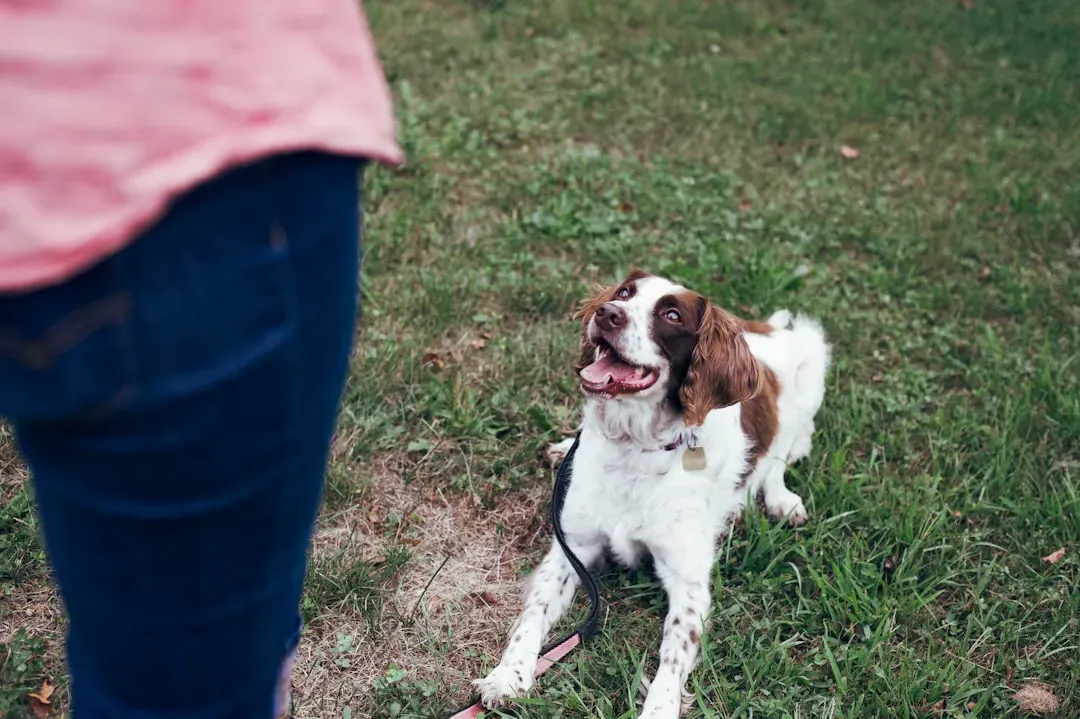
Dogs need exposure to diverse environments, people, and other animals to develop proper social skills. Failure to socialize a dog properly can lead to fear, aggression, or anxiety issues later on. Proper socialization is key to a well-adjusted and happy canine companion. Many owners assume their dog will just “figure it out” naturally. That’s not how canine development works.
Puppies who are not properly socialized can grow up to be fearful and anxious around people and other animals. This can lead to a number of problems, including aggression, biting, and barking. It can also make it difficult for your dog to enjoy activities like going for walks or visiting the dog park. Socialization doesn’t mean meeting every dog and person you encounter. It mostly means taking your dog out to various places to get them exposed at an early age to varying sights and stimuli. Start small and build their confidence gradually.
9. Punishing Your Dog Long After the Fact
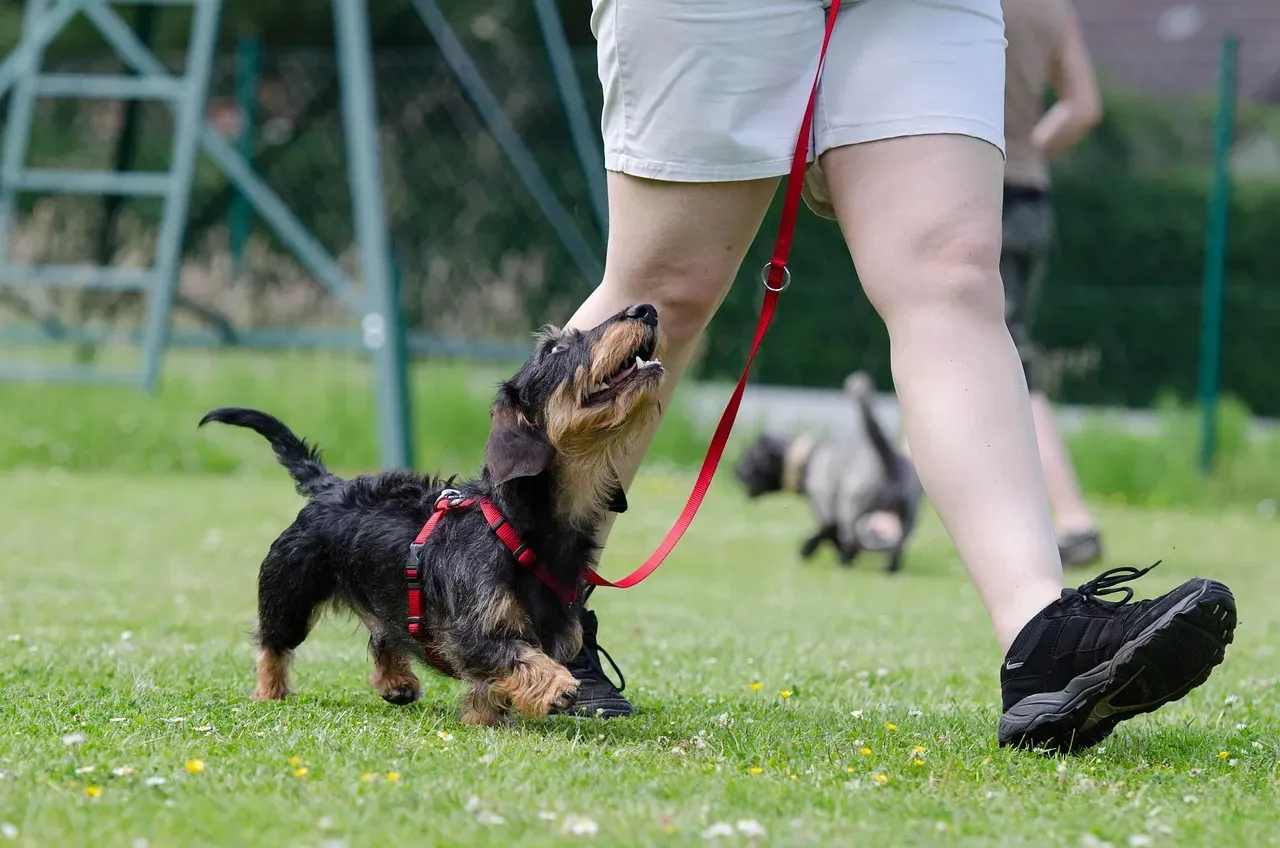
If you come home and your dog has had an accident, they will have already performed multiple behaviors since it happened. Punishing them hours later will only confuse them, as they won’t associate the telling off with their earlier misbehavior. From your dog’s perspective, they’re just being scolded for no reason. That kind of confusion breeds anxiety, not understanding.
Correcting a dog who does not understand a request reduces trust and increases stress. Before adding pressure, it is essential to ensure the dog truly understands the cue, the environment is appropriate, and the reinforcement is meaningful for the individual at the time. Timing is everything in dog training. Redirect in the moment, reward generously for the right behavior, and move on. Dogs live in the present. You should too, when it comes to correction.
10. Neglecting Exercise and Mental Stimulation
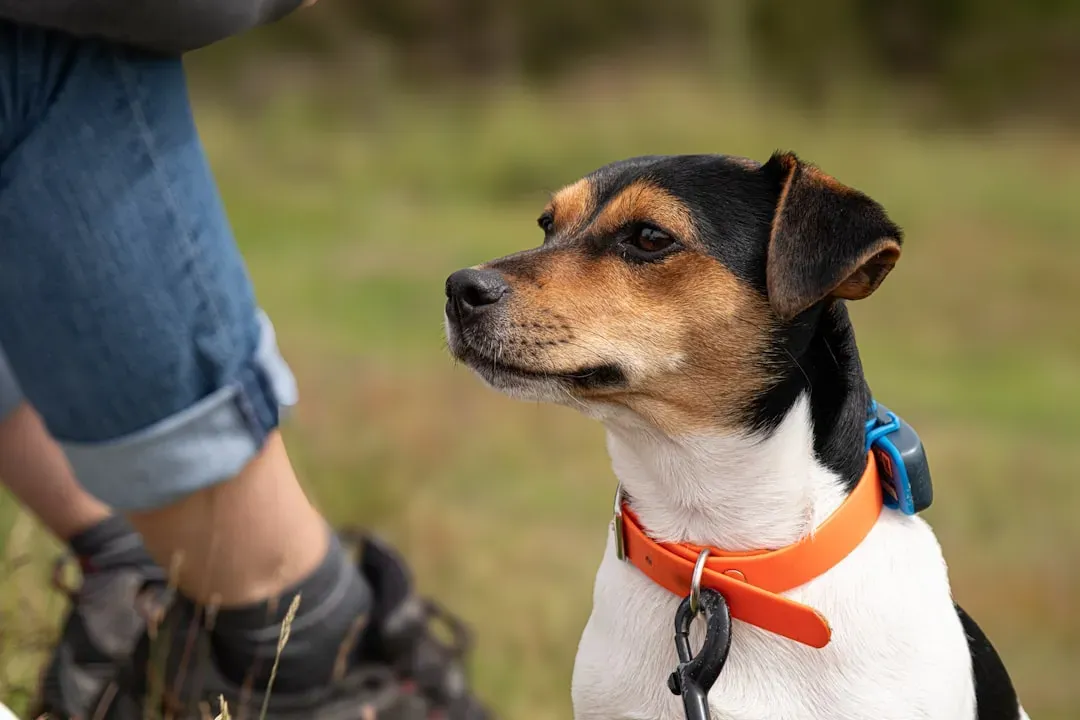
Many dog owners overlook the importance of regular exercise for their furry companions. Dogs require physical activity to maintain their health, prevent obesity, and release excess energy. A lack of exercise can lead to behavioral problems and health issues. That chewed-up couch cushion or constant barking you’re dealing with? It might simply be a dog with too much energy and nowhere to put it.
Working breeds have lots of energy and require plenty of exercise or they can become destructive, anxious, or misbehave in general. Exercise can come in many forms such as training, playing fetch, allowing them to run around the yard, or going for a walk. A dog that does not get enough exercise will find a way to burn off their excess energy, and it probably won’t be owner-approved. Beyond physical activity, mental stimulation matters just as much. Puzzle feeders, training sessions, and scent games all go a long way toward a calmer, more balanced dog.
11. Feeding Dangerous Human Foods
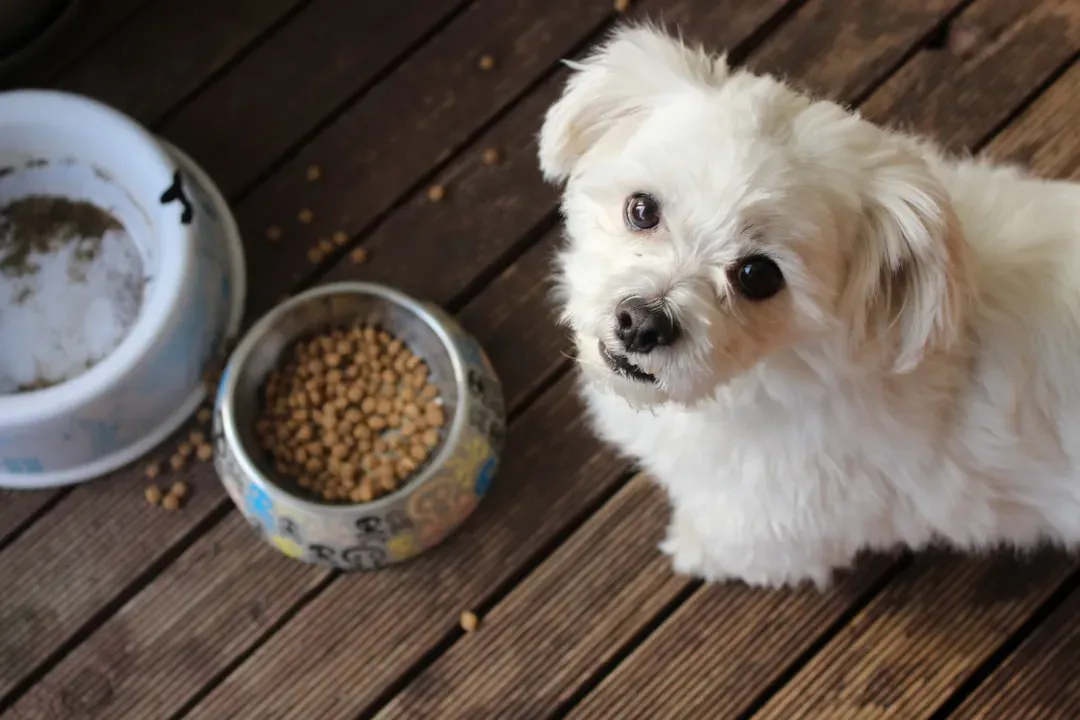
Some foods are dangerous to dogs, and before sharing any food with your dog, make sure that it is safe for them to eat. Food dangerous to dogs includes chocolate and bones with meat on them. Small amounts of chocolate can give your dog an upset stomach, while large amounts can actually kill them. Bones can get stuck in a dog’s throat, make them choke, and possibly cause damage to your dog’s throat, mouth, or intestines.
Sharing food from your plate creates bad habits and you risk feeding your dog something they shouldn’t be eating. Many human foods contain an unhealthy amount of sodium for dogs, which can cause rapid dehydration and muscle cramps. Some table foods are toxic and others just don’t agree with a dog’s digestive system. For example, some dogs will get gastrointestinal upset or pancreatitis from being fed table scraps. Grapes, onions, xylitol, and macadamia nuts are also on the danger list. When in doubt, check with your vet before sharing anything from your plate.
A Final Thought for Every Dog Lover
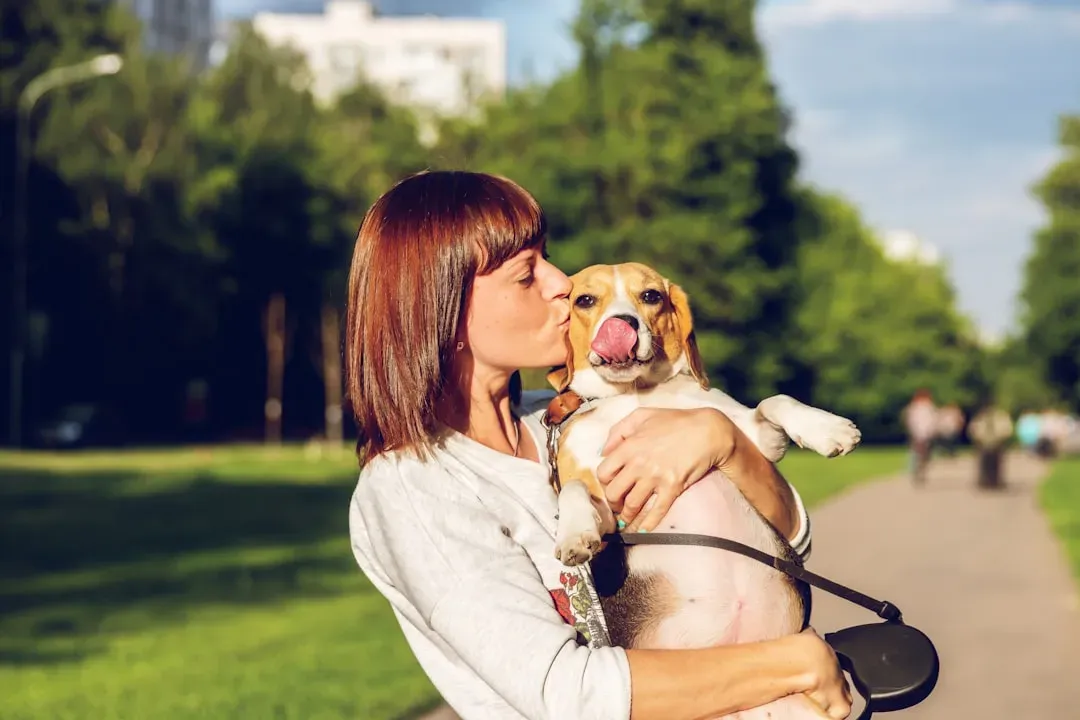
Nobody becomes a better dog owner by being shamed. Most of the mistakes covered here are made out of love, habit, or simply not knowing any better. The fact that you’re reading this already puts you ahead of the curve.
Most dog behavior issues do not appear overnight. They develop through repetition, stress, and misunderstanding, starting with unrealistic expectations and poor management. Avoiding these common mistakes can prevent many cases of jumping, pulling, and barking, as well as aggression, reactivity, and anxiety, before they take hold.
Your dog asks for remarkably little: consistency, safety, a walk, a full bowl, and your company. Meeting those needs well, and avoiding the pitfalls that quietly erode trust, is how you go from a good owner to a great one. The relationship between a dog and their person, when it’s built on patience and understanding, is one of the most uncomplicated sources of joy there is. Protect it.


