
Your dog is staring at you from across the kitchen floor. You’re flaking apart a piece of fish, and the smell alone has them sitting up straighter than they ever do during training. Sound familiar? Most dog owners have been there. The good news is that fish isn’t just a tempting smell to your pup. Served correctly, it’s one of the most nutritious things you can add to their bowl.
Fish is a healthy source of protein and is often included in commercial dog food as an alternative protein source. It’s rich in omega-3 fatty acids, which may have health benefits such as decreasing inflammation. Still, not every fish belongs on the menu, and preparation makes all the difference. Whether you’re looking to upgrade your dog’s diet, manage allergies, or simply share a healthy snack, here are five fish that are genuinely safe and beneficial for dogs.
1. Salmon: The Omega-3 Powerhouse
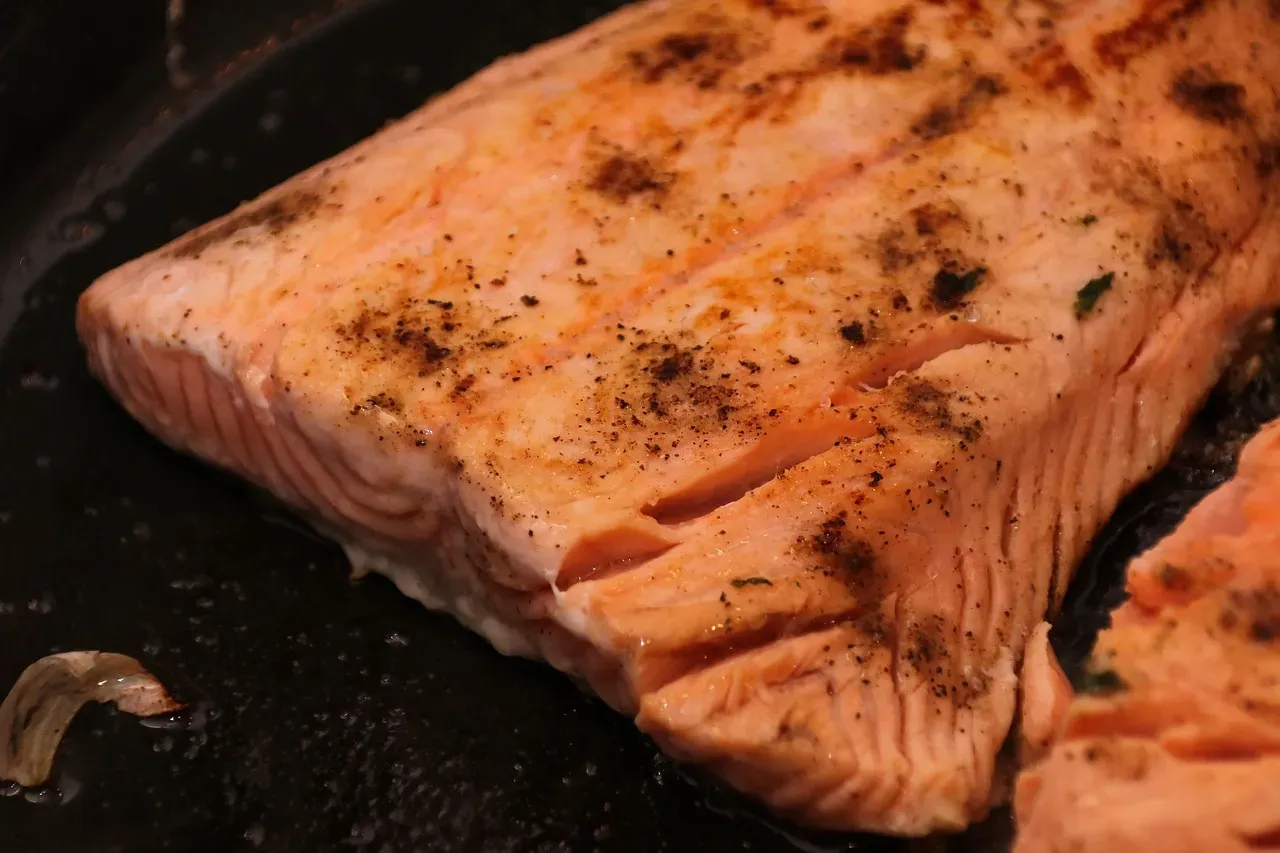
Salmon is rich in omega-3 fatty acids, healthy fats that can strengthen the immune system, improve coat and skin health, and support development during puppyhood. For dogs with dry, flaky skin or a dull coat, adding a modest portion of cooked salmon can produce noticeable improvements over time.
Unlike some seafood such as tuna, the U.S. Food and Drug Administration (FDA) reports that salmon contains very low levels of mercury. Adding a little cooked, plain salmon to your dog’s bowl can be a great way to give them an extra boost of flavor and nutrition.
The one firm rule with salmon is to always cook it thoroughly. Feeding your dog uncooked salmon can make them very sick. Raw and undercooked salmon can contain a parasite known to cause salmon poisoning disease, which can be fatal for dogs if left untreated. Baked, steamed, or boiled salmon with zero seasoning is the safest route.
Generally, as a rule of thumb, you shouldn’t feed your dog prepared salmon more than once a week. The calorically dense fish shouldn’t be the bulk of your dog’s diet. Think of it as a nutritious treat rather than a daily staple, and your pup gets all the benefit without any of the risk.
2. Sardines: Small Fish, Big Nutrition
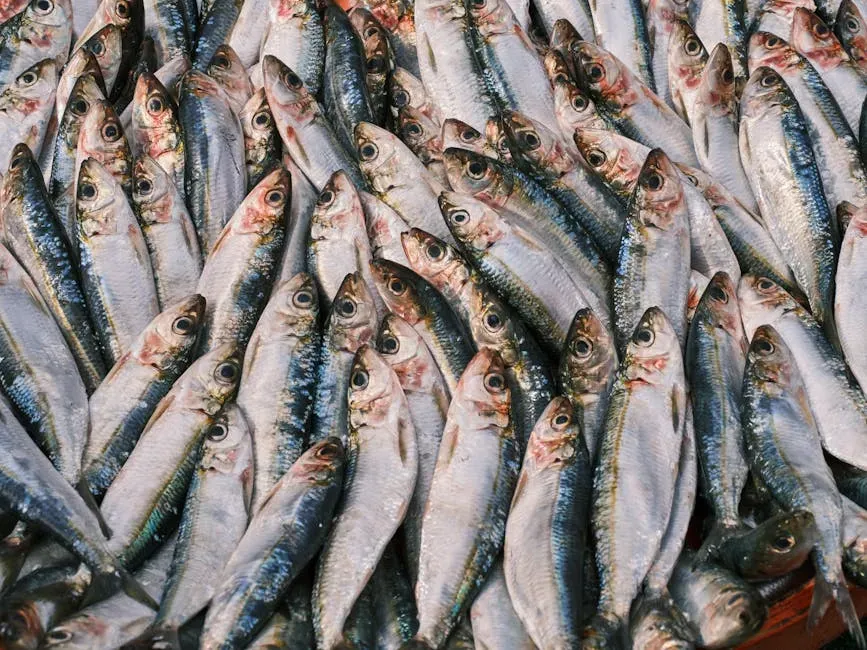
Sardines are an incredibly nutrient-dense choice for your dog. They provide all the beneficial omega-3s and high-quality protein found in larger fish, while also offering an excellent source of both calcium and B vitamins. Few fish pack this much goodness into such a small package.
Sardines can be nutritious additions to a dog’s diet. Similar to other fish, sardines are a great source of omega-3 fatty acids and protein. They also provide Vitamin C, calcium, and vitamin B12, making them a nutritious addition to a canine diet. That range of vitamins is particularly useful for senior dogs who can sometimes fall short on key nutrients.
Choosing the right type of canned sardine matters enormously. It’s important to avoid sardines that are packed in oil or contain added salt, as these can be harmful to your dog’s health. Opt for fresh or water-packed sardines to ensure your dog gets the most benefit.
Sardines can be a choking hazard for small dogs and pups, so consider chopping them first. Tinned varieties in oil can be fattening, so don’t overdo it. For larger breeds, a whole sardine tossed into the bowl as a meal topper is a quick, fuss-free way to add real nutrition.
3. Cod: The Gentle Option for Sensitive Stomachs

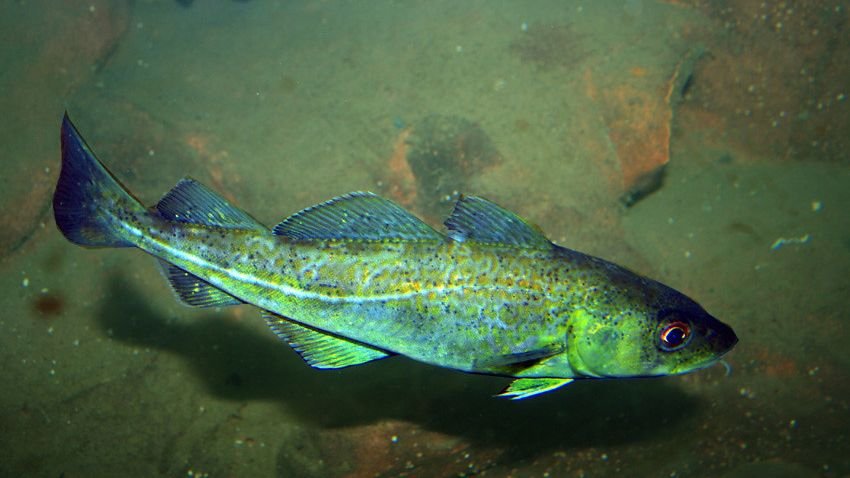
Cod is an excellent and safe choice for dogs, making it a great place to start. As one of the lower-fat types of fish, it’s a fantastic source of lean protein that can easily fit into a healthy diet. Despite being lean, it’s still rich with beneficial omega-3 fatty acids, which support everything from heart and kidney health to their immune system.
Another major plus is that cod is naturally low in mercury, as its shorter lifespan means it has less time to accumulate mercury, so it’s one of the safest fish you can offer. This makes it an especially reassuring choice for owners who want to include fish regularly without worrying about toxin build-up.
Cod’s mild flavor is worth noting, too. Dogs who are picky eaters or transitioning away from chicken-based diets often take to it more easily than stronger-tasting fish. Whitefish varieties like cod are mild in flavor and easy on sensitive stomachs.
If your dog has been dealing with recurring digestive upset or has a known sensitivity to common proteins like chicken or beef, cod is a smart first fish to try. Fish provides a great source of protein, is relatively low in saturated fats, and is easily digestible as a cooked product. Fish is considered a novel protein in many commercial prescription diets, which may be beneficial to dogs with medical conditions such as food allergies or other dietary intolerances.
4. Herring: The Underrated Everyday Fish

Herring is a small, oily fish that’s high in DHA and EPA, which are beneficial omega-3 fatty acids. These two specific compounds play a meaningful role in brain function, eye health, and managing inflammation throughout the body, making herring more than just a budget-friendly option.
DHA is a component of mother’s milk and is critical for brain and vision development in growing puppies. Studies show that the benefits of DHA in the diet continue after weaning. DHA and EPA also help maintain a healthy coat and skin, and have roles in inflammation and the immune response.
Herring tends to fly under the radar compared to salmon, but it’s a genuinely strong choice, especially for puppies and older dogs. Smaller, younger, wild-caught fish are generally safe options when considering adding fresh or processed fish to your dog’s diet. These fish are generally less likely to have high tissue mercury levels or significant parasite burdens. Herring fits squarely in that category.
As with all fish, serve herring cooked, plain, and deboned. Never season seafood with spices, butter, garlic, or onion. Many common seasonings are toxic to dogs, especially garlic and onion, which can cause digestive issues and damage red blood cells. The fish itself is the treat. It doesn’t need any dressing up.
5. Whitefish (Including Haddock and Pollock): Lean, Clean, and Easy to Love

White fish varieties like cod, haddock, and pollock are excellent sources of lean protein and essential nutrients. They’re widely available, affordable, and gentle enough for dogs at almost any life stage, from growing pups to aging seniors working through joint stiffness.
Haddock is high in protein, vitamins B6, B12, and niacin, meaning it can be a nutritious and tasty addition to a dog’s diet. When feeding haddock, it’s important to make sure there are no additional flavorings, seasonings, or other ingredients that would be harmful to dogs.
The broader whitefish category gives you flexibility. On weeks when salmon is pricey or unavailable, pollock or haddock can step in without any drop in nutritional quality. High in protein and low in fat, they provide omega-3 and omega-6 fatty acids to aid joint and coat health. They also contain significant levels of omega-3 fatty acids which can boost heart and kidney health, as well as helping the immune system and aiding brain development.
The same golden rules apply to any white fish you choose: it must be cooked thoroughly, completely deboned, and served plain to be a healthy and safe treat. Watch your dog after the first serving. Signs of a food sensitivity can include itching, vomiting, or loose stools, and if any of these appear, stop and consult your vet before offering fish again.
A Few Golden Rules Before You Start Serving Fish

No matter which fish you choose from this list, preparation is everything. It’s really important to make sure all the fish bones have been removed, as bones can be a choking hazard and can perforate the digestive tract. That applies even to small bones that seem harmless.
You shouldn’t feed your dog raw fish. If dogs eat raw fish, they risk ingesting harmful bacteria like salmonella or listeria. Baking, steaming, or boiling are the safest and healthiest cooking methods. Skip the frying pan entirely.
A general rule of thumb to follow for portion control is to make sure treats only make up 10% of your dog’s daily diet. Fish can be wonderful as an occasional treat or a meal topper, but it shouldn’t crowd out a complete and balanced diet.
If your dog has never eaten seafood before, start with a small amount and monitor for any signs of allergies or digestive issues. If your dog experiences any adverse reactions, discontinue feeding seafood and consult your veterinarian for further guidance. Starting slow is always the right call.
Conclusion: Real Food, Real Benefits

Fish is one of those foods that genuinely earns its place at the dog bowl. It’s not a trend or a gimmick. Fish offers a digestible, nutrient-dense protein source rich in omega-3 fatty acids, supporting skin, coat, and joint health. For dogs who struggle with common meat allergies, it’s especially meaningful.
Rotating your dog’s protein sources regularly keeps mealtime exciting and diminishes the risk of food allergies developing over time. Much like humans, dogs can become bored with eating the same food every day. Introducing different proteins ensures a broader nutrient intake and maintains your dog’s interest in meals. Moreover, alternating proteins often reduces the chances of food sensitivities or allergies emerging as your dog grows older.
Caring well for a dog isn’t always complicated. Sometimes it’s as simple as knowing which fish to pick up at the grocery store and how to prepare it safely. The five fish covered here, salmon, sardines, cod, herring, and whitefish, give you a reliable, vet-aligned starting point. Your dog doesn’t know the difference between an ordinary Tuesday dinner and a nutritional upgrade. You do, and that’s exactly what makes you a great dog parent.


