
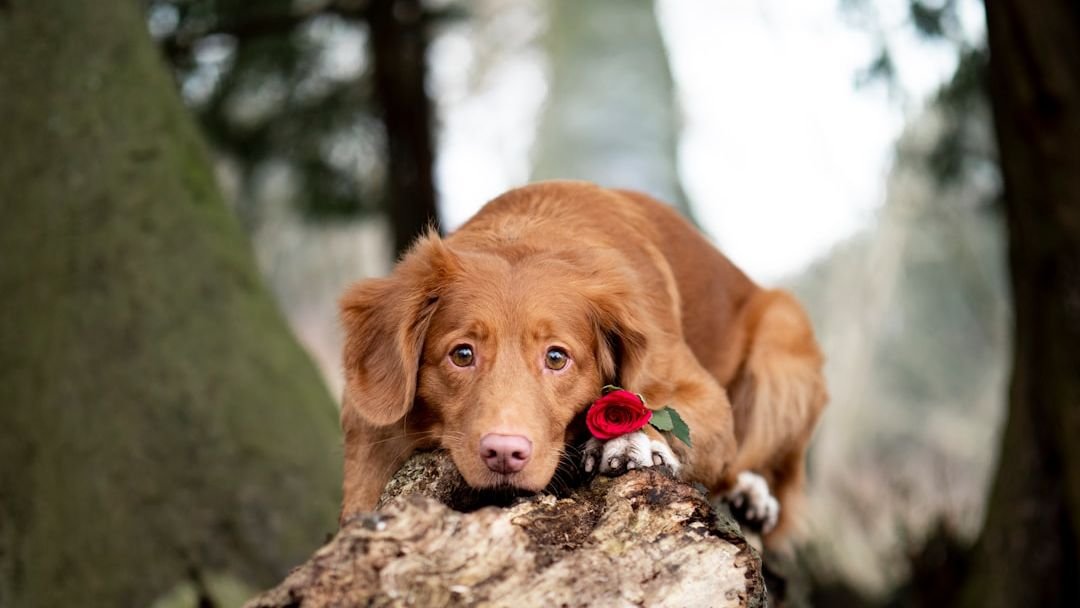
Your dog has been talking to you every single day. The slow blink across the room, the sudden stillness when a stranger approaches, the unmistakable wiggle that takes over their whole back half when you come through the door. Dogs are fluent communicators. The challenge, for most of us, is that we’ve never been properly taught to listen.
Without the gift of gab, dogs rely on a bark, a tail wag, or sometimes even a snarl to communicate with their two-legged companions. Understanding the unspoken becomes immensely important in recognizing their wants and needs. The good news? Once you start learning the language, you can’t unsee it. Every walk, every greeting, every quiet evening on the couch becomes a richer exchange.
The Tail Tells More Than You Think
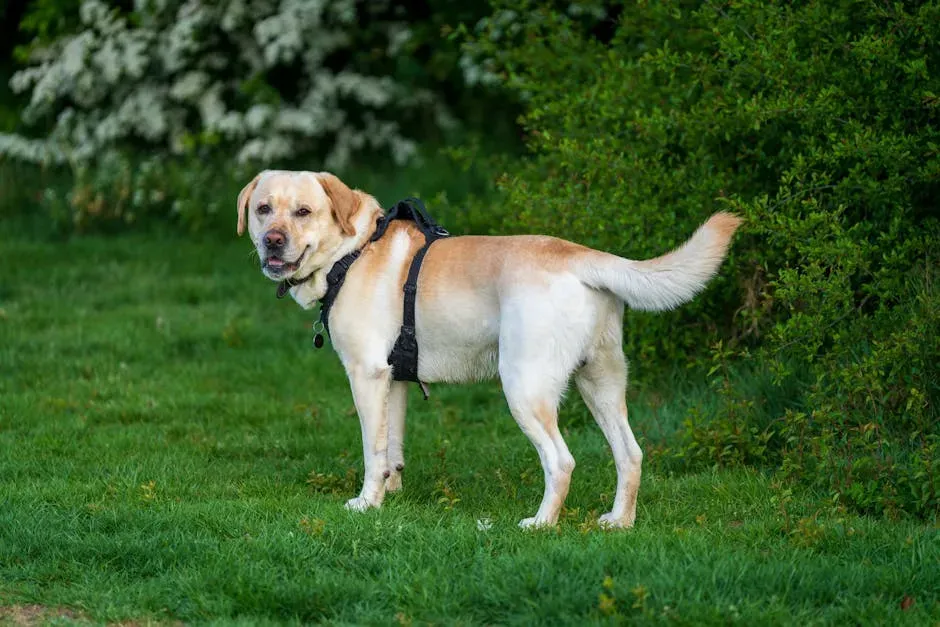
Most people assume a wagging tail means a happy dog. It’s one of the most persistent and potentially dangerous misconceptions in the world of dog behavior. We may have all grown up thinking a wagging tail means a happy dog, but that is not always true. Misinterpreting a wagging tail has gotten countless well-intentioned dog-lovers bitten, sometimes quite badly.
The real message lives in the details. Tail wags are complicated and complex; not all tail wags are alike. The rate at which a tail moves contributes to the dog’s communication, as does the position of the tail while wagging. As a dog’s arousal increases, the tail may wag more quickly regardless of the nature of that arousal.
Studies show that dogs wag their tails to the right when they are happy or confident, and to the left when they are frightened. Practically speaking, direction is subtle to catch, so focus on position and speed together. A stiff tail wag held high often indicates dominance or alertness. Dogs that are feeling assertive or protective may hold their tails up and wag them in small, controlled movements. If a dog exhibits this type of wag while staring intently or stiffening its body, it could be signaling a warning. Train yourself to read the whole dog, not just the tail.
Ears, Eyes, and the Face That Says Everything
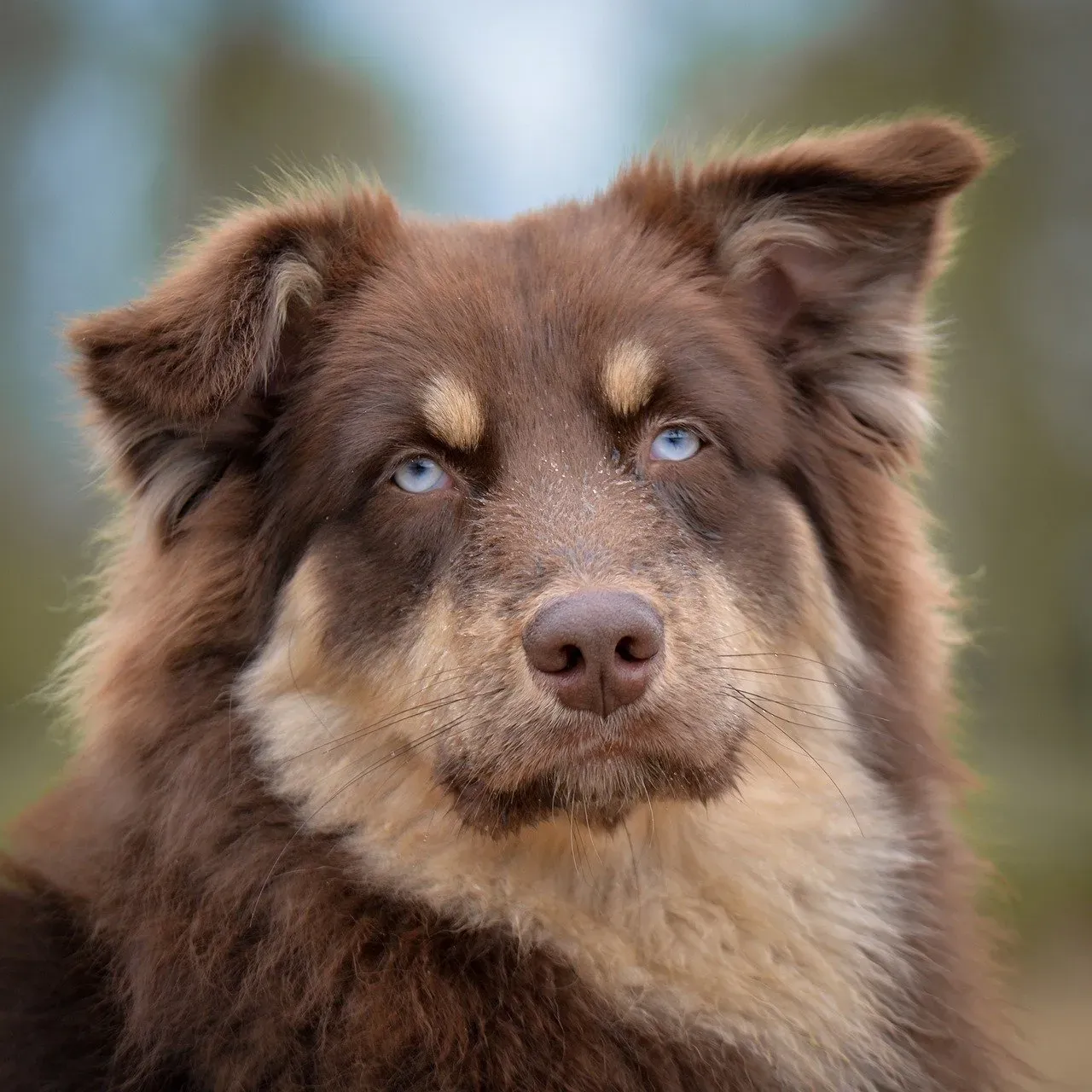
A dog’s face is astonishingly expressive when you know what to look for. Something as simple as the position of your dog’s ears or head can tell you if your pup is feeling excited, scared, or stressed. When a dog’s ears are forward, the dog is alert and interested in something. That’s often paired with a forward lean and focused gaze.
Ears pulled back are where things get more nuanced. A dog with a loose posture and ears pulled slightly back might be curious or interested in their surroundings. On the other hand, a dog with a tense posture and ears pinned straight back is probably feeling extremely scared. Context is everything here. The same ear position on a relaxed Golden Retriever greeting their favorite person looks very different from that same position on a trembling dog at the vet.
The eyes carry some of the most urgent information. Whale eye is one of the most important stress signals to learn. It occurs when a dog turns their head away from something while keeping their eyes on it, exposing a crescent of white sclera at the outer edge. Whale eye almost always indicates discomfort, anxiety, or a warning that the dog is approaching their threshold. A dog’s eyes can be soft or hard. Soft eyes have relaxed lids and can sometimes look like the dog is squinting, which is a good sign. Hard, unblinking eyes pointed at a fixed target are not.
Calming Signals: The Quiet Language Most Owners Miss
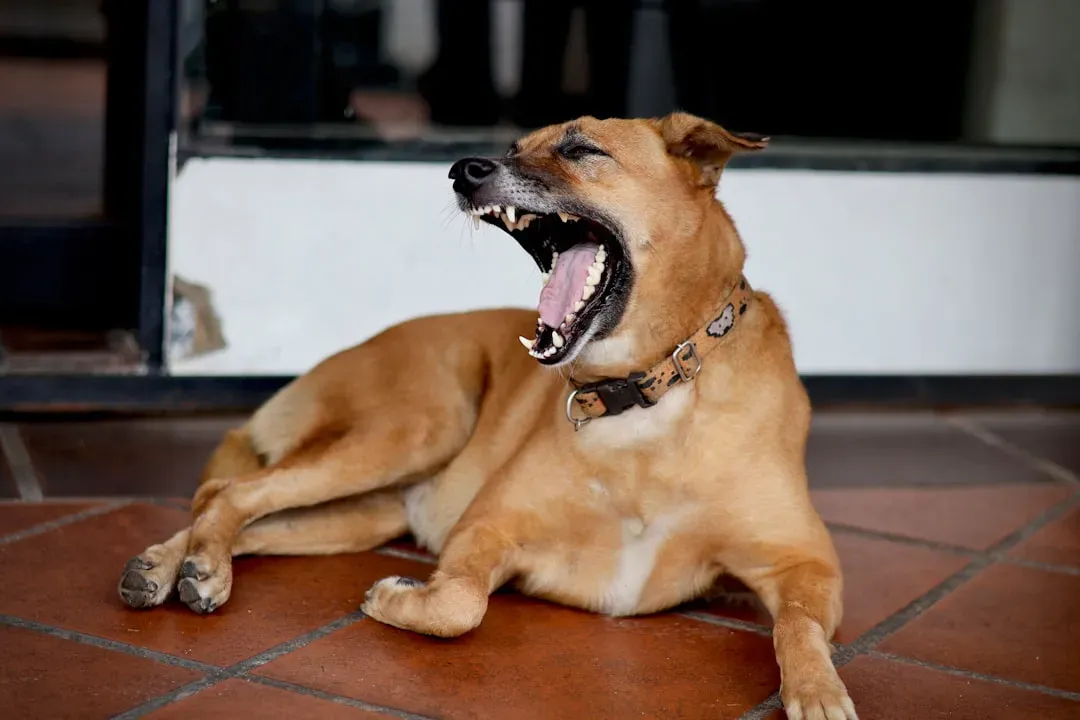
Dogs have a whole vocabulary of subtle behaviors designed to de-escalate tension and self-soothe. These are called calming signals, and they show up far more often than most owners realize. Norwegian dog trainer Turid Rugaas realized that dogs have more than 30 ways to avoid stressful situations and try to calm themselves. When dogs exhibit these behaviors, they’re trying to diffuse the situation or tell you or another dog that they aren’t a threat.
Yawning is one of the most misread signals of all. Dogs yawn when they’re stressed. According to Turid Rugaas, dogs use yawning to calm themselves in tense situations and to calm others, including their owners. Dogs yawn when they are tired or bored, and they also yawn when stressed. A stressful yawn is more prolonged and intense than a sleepy yawn. Context is the difference between a lazy Sunday morning stretch and a nervous signal at the groomer.
Lip licking is equally easy to dismiss. Lip licking is one of the most frequent stress signals dogs display, and it’s often misinterpreted as the dog simply being hungry or licking food residue from their mouth. It looks like a quick tongue flick across the nose or lips, often so fast you might miss it if you’re not paying attention. This is different from the slower, more deliberate licking after eating or drinking. This behavior is a calming signal that dogs use to self-soothe when they’re feeling anxious or to communicate peaceful intentions to others. When you start noticing it, you’ll see it constantly, and that awareness changes how you respond.
The Play Bow and the Joy of Happy Dog Signals
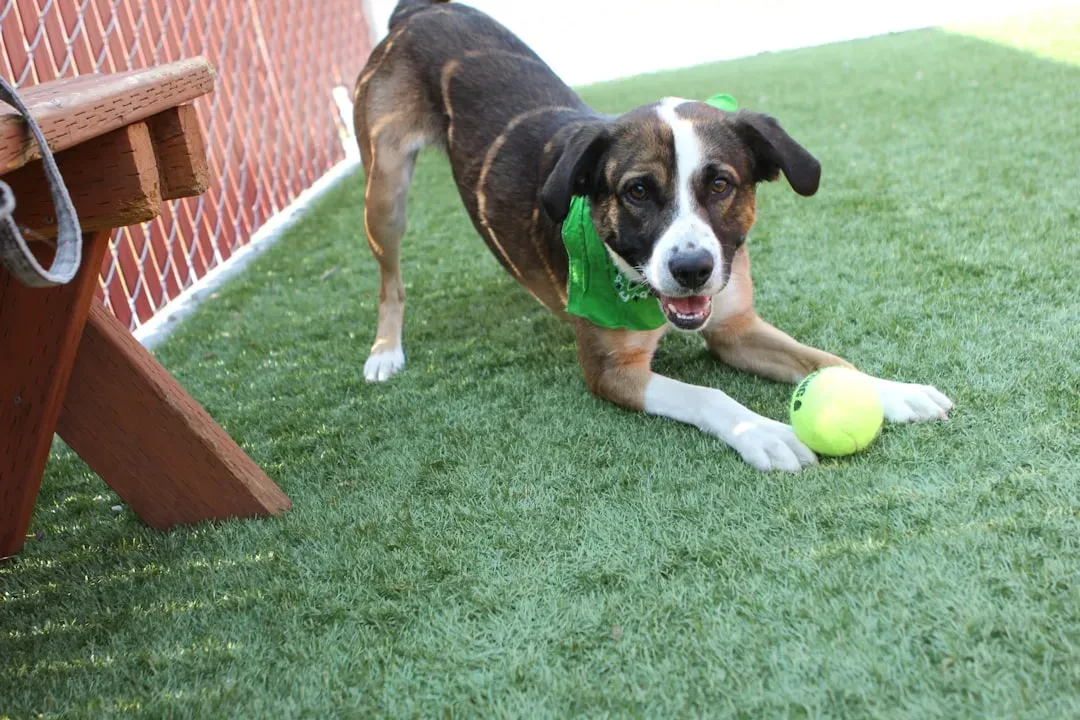
Not every signal is a warning. Learning what a relaxed, happy dog looks like is just as important as reading stress. Relaxed dogs show signs like circular tail wags, eye squinting, and leaning on their owners, indicating happiness. There’s a softness to the whole body, nothing pinched, nothing braced.
The play bow is one of the most joyful and unambiguous signals in a dog’s repertoire. A well-known behavior associated with playful moods in dogs is the play bow, where a dog lowers its forelimbs and chest while raising its hind end and wagging its tail. This may be followed with other playful actions, such as bouncing movements and face pawing. A play bow directed at you is a clear invitation to play. Your dog is essentially saying, “Let’s have some fun together!” Responding positively to your dog’s play bow strengthens your bond and provides them with much-needed physical and mental stimulation.
Happy play has a characteristic looseness and rhythm to it. Dogs playing well together will be reading each other’s body language closely. They’ll also tend to switch between who is chasing and who is being chased. They will naturally take breaks before initiating play again. That natural give-and-take is your signal that things are going well and that both dogs are genuinely enjoying themselves.
When Body Language Becomes a Health Signal
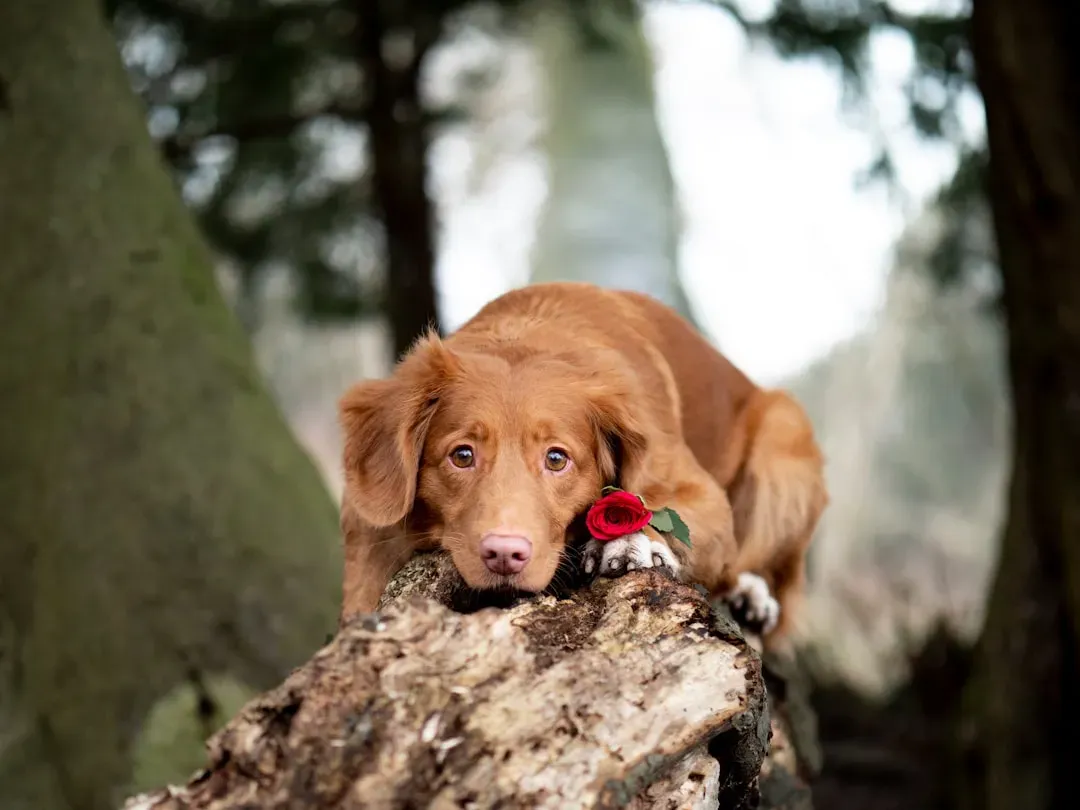
Learning your dog’s normal body language creates a powerful baseline for noticing when something is off. Behavioral changes are often the first sign that a dog is unwell, and owners who are tuned in to their dog’s everyday signals are better equipped to catch problems early.
An ill dog may sleep more, be grumpier, and not want the normal interaction they usually get excited about. Other red flag indicators that can signal pain or tension include lip-smacking, which can be a precursor to nausea. If your normally active and happy dog starts to isolate and show lethargy or decreased appetite, this is a sign that something has changed with their overall health, and seeking the care of a veterinarian is a suggested course of action.
A dog’s tail position can also indicate the state of their physical health. If their tail stays low for a while, they may be feeling tired or under the weather. When it’s accompanied by tiredness, loss of appetite, vomiting, diarrhea, joint stiffness, or other signs of illness, they should be checked over by the vet. According to the American Veterinary Medical Association, behavioral changes are important indicators of underlying health problems. If your normally calm dog suddenly starts showing signs of anxiety, a veterinary check-up should be your first step to rule out pain from conditions like arthritis, dental disease, or other internal issues.
Conclusion: Learning to Listen Changes Everything
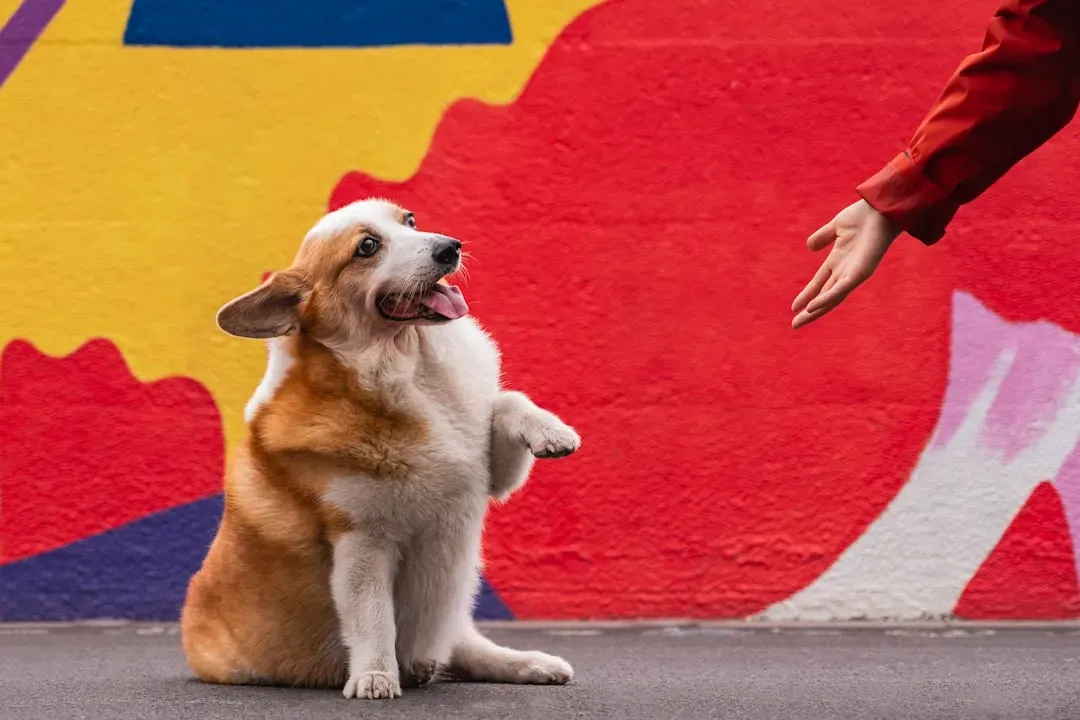
Reading your dog’s body language isn’t a skill reserved for trainers or behaviorists. It’s something any attentive owner can develop, one careful observation at a time. The more time you spend observing your dog in relaxed, comfortable situations, the easier it becomes to spot the signals that mean something is “off.”
Miscommunication arises in human-dog relationships, creating risks to the welfare of both, and negatively affecting the human-dog bond. Research shows a lack of awareness of the meaning or interpretation of canine signaling and communicative behaviors. That gap closes one signal at a time. Notice the yawn at the vet. Notice the whale eye when a child leans in too fast. Notice the full-body wiggle when you walk through the door.
The human-dog bond strengthens when owners accurately interpret and respond to their dog’s communications. Dogs that feel understood and appropriately supported develop greater trust and attachment to their human companions, leading to more harmonious relationships and better behavioral outcomes. Your dog has always been talking. The deeper connection you’re looking for starts the moment you truly begin to hear them.


