
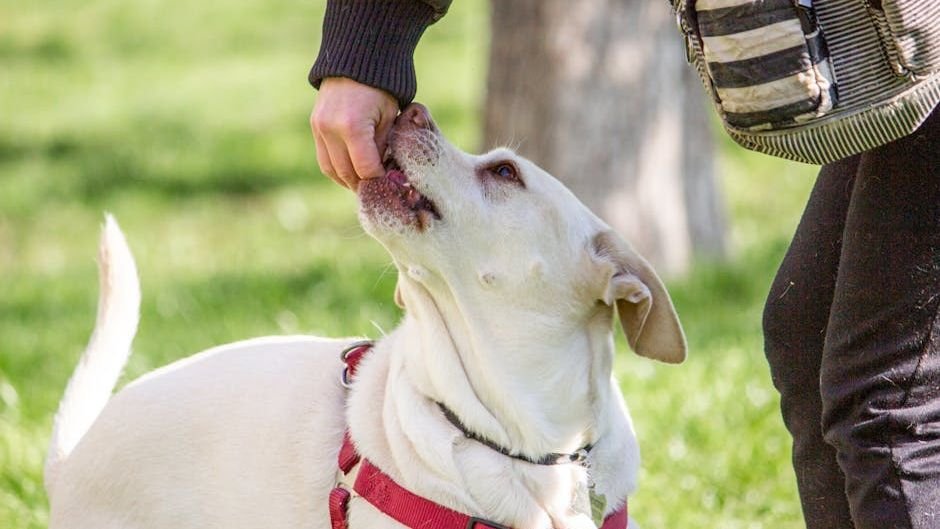
Playtime is one of the best parts of having a dog. That happy tail, those bright eyes, the full-body wiggle when you reach for the toy basket – it’s pure joy. Most of us dive in with good intentions, genuinely wanting to give our dogs a great time. The problem is, a few habits that feel fun or harmless to us can quietly do real damage to our dog’s physical health, emotional wellbeing, or sense of trust.
The good news? Most of these mistakes are easy to fix once you know what to look for. Whether you’re a first-time dog owner or a seasoned pro, this guide will help you play smarter, safer, and in a way that actually strengthens your bond.
1. Using Your Hands as the Toy
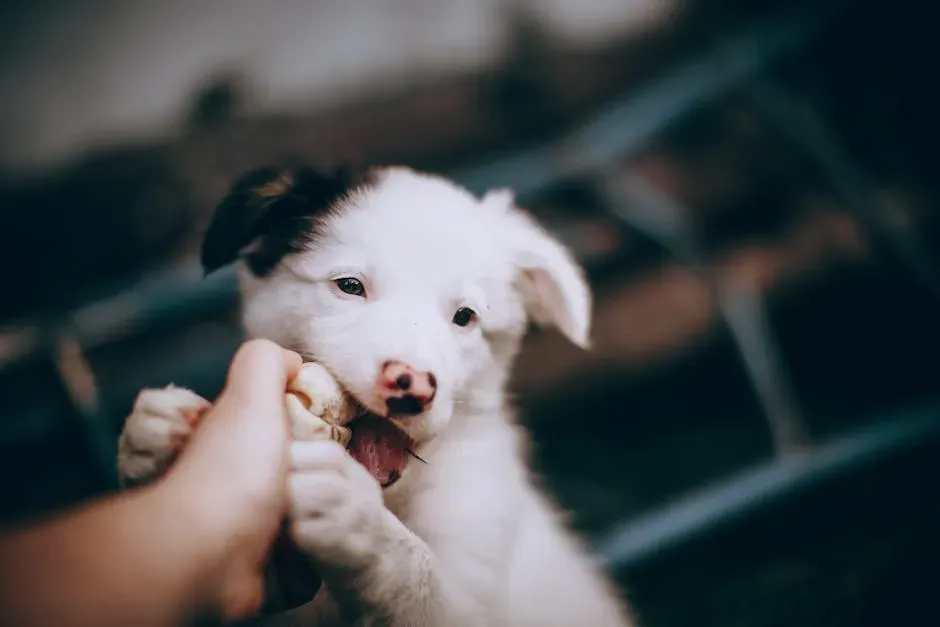
It seems innocent enough – wiggling your fingers at a puppy, letting them mouth your hands, laughing when they nip. Never use your hands to play with your furry friend. It may be fun to tap and tease your pet with your hands, but it could lead to misunderstandings, and your pup may interpret biting at fingers and feet as positive reinforcement. That puppy who mouthed your hand at eight weeks will be a much bigger dog at two years old, with much stronger jaws.
Do yourself a favor and use pet toys intended for these situations. There’s a reason manufacturers created specific toys for dogs – they build the right size, shape, and type for every breed to avoid choking hazards. Keep a rope toy, tug toy, or ball nearby and redirect any mouthing toward those instead. It’s a small shift that makes a big difference over time.
2. Ignoring Your Dog’s Body Language
Your dog’s body language is a great way to tell if your dog is having fun with a game. While playing, closely watch their body language and adjust your play style according to how your dog is physically responding. Dogs use their bodies to communicate how they are feeling, and a loose and relaxed body is a good sign that your dog is having fun.
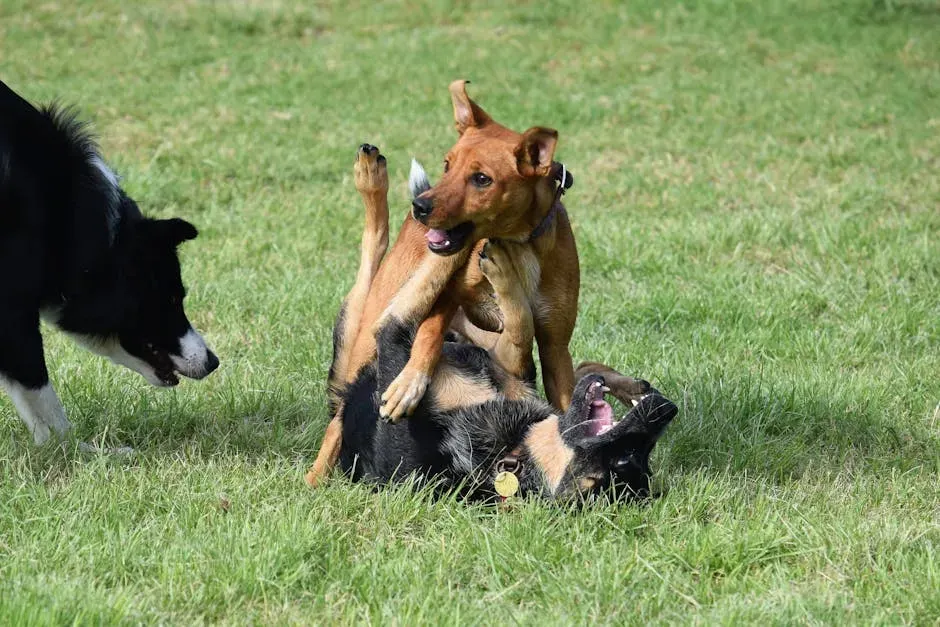
If your dog’s body becomes stiff, or they display other signs of discomfort, it’s important to stop what you are doing right away. Other signals worth watching for include raised hackles, a tucked tail, flattened ears, and a closed mouth with a low growl. It is easy to misread the language of dogs interacting with one another, whether it’s incorrectly mistaking innocent play as dangerous fighting, or taking too lightly what is actually aggressive behavior. Pay attention, and your dog will thank you for it.
3. Playing Too Rough or Wrestling Aggressively
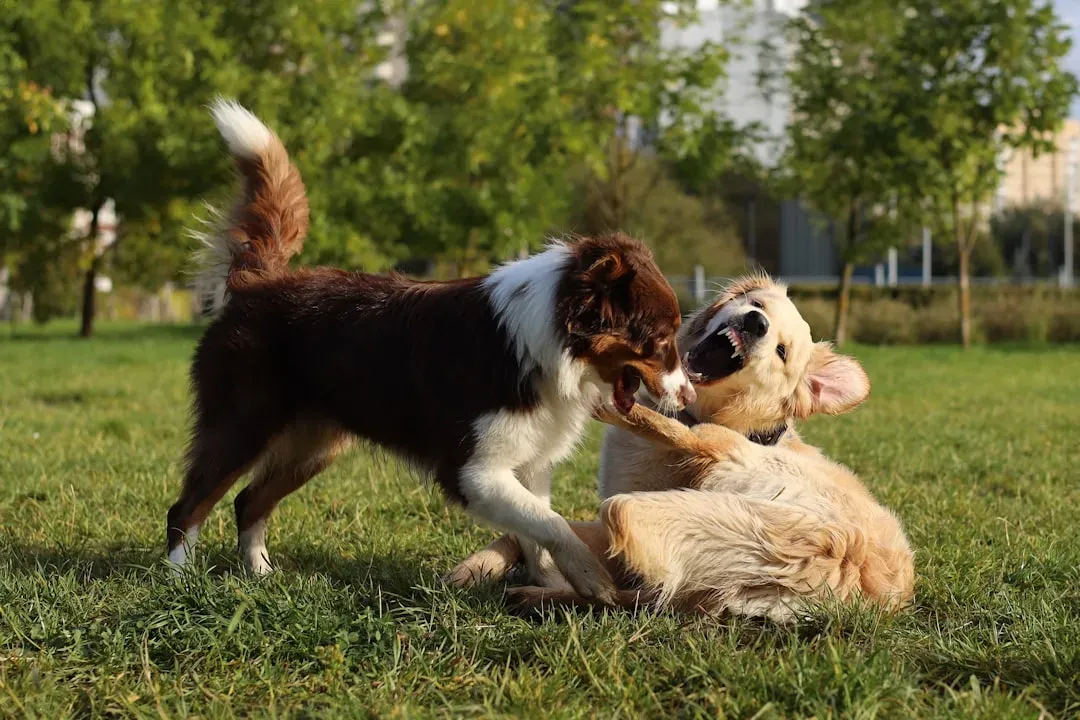
Rough play is typically okay between dogs but can create real danger with people. When you are down on the ground with your face next to an excited dog with dangerous weapons in their mouth, serious bites can happen, even if the dog has never bitten before. This is especially true for children, who may not read escalating signals in time.
Though wrestle play between dogs and humans can feel fun, the high emotional arousal that results often leads to a lack of inhibition, and that’s when trouble can happen – even to nice dogs and nice people. The reason is that the play style used in wrestling is also used in serious fights and predation. Some people think it’s fun to play aggressive games with their dogs, but this is not only dangerous for the dog, it’s also bad for their mental health. Dogs don’t understand why they’re being hurt or what they did wrong, so they’ll be scared of you and distrustful of other people too.
4. Lifting Your Dog by the Tug Toy
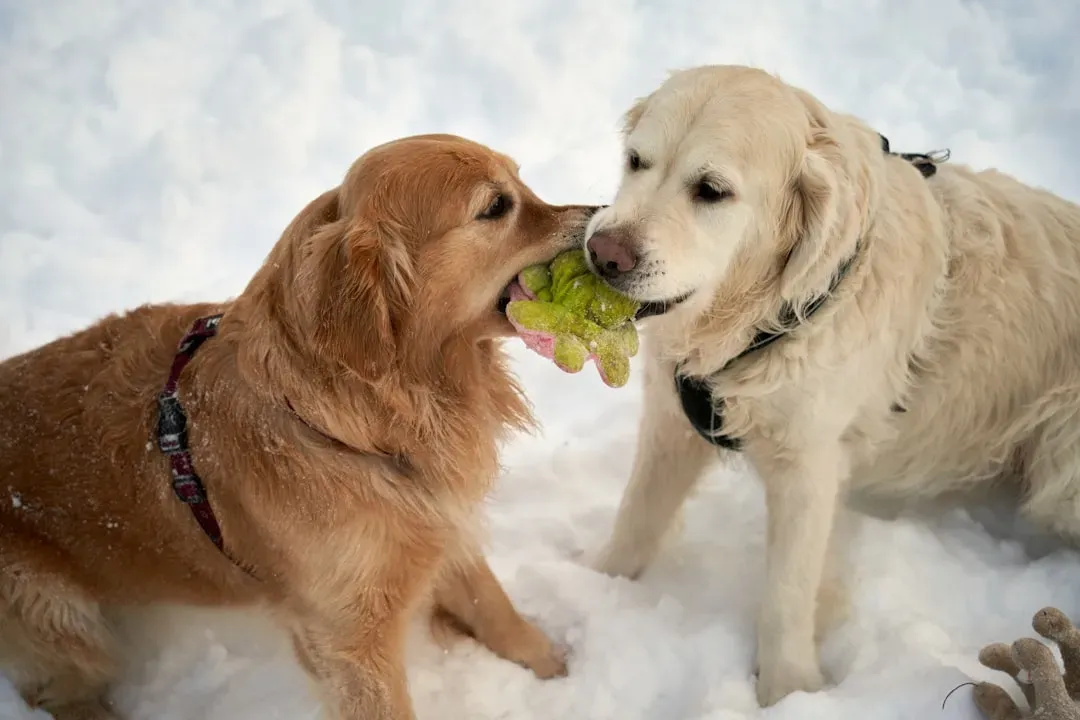
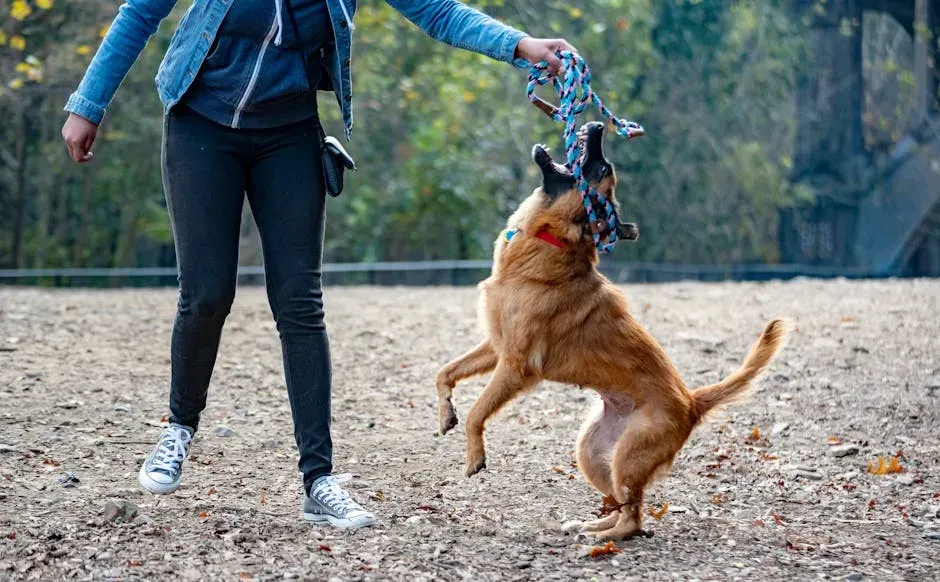
Tug is a great game to play with your dog, but don’t pick your dog’s body up off the ground by the tug toy while you are playing. Lifting your dog up by their mouth in play can be scary or uncomfortable. It can also cause injury to your dog’s teeth, or orthopedic injuries. What feels like harmless fun to you can put serious strain on a dog’s neck, spine, or jaw joints.
Instead, keep your dog’s tug game on the ground and let your dog control how hard they pull against you, rather than you pulling your dog. This can also help prevent accidental nipping, as your dog can better see where the toy is. Keeping things low and controlled makes tug a safer, more enjoyable game for both of you.
5. Chasing Your Dog During Play
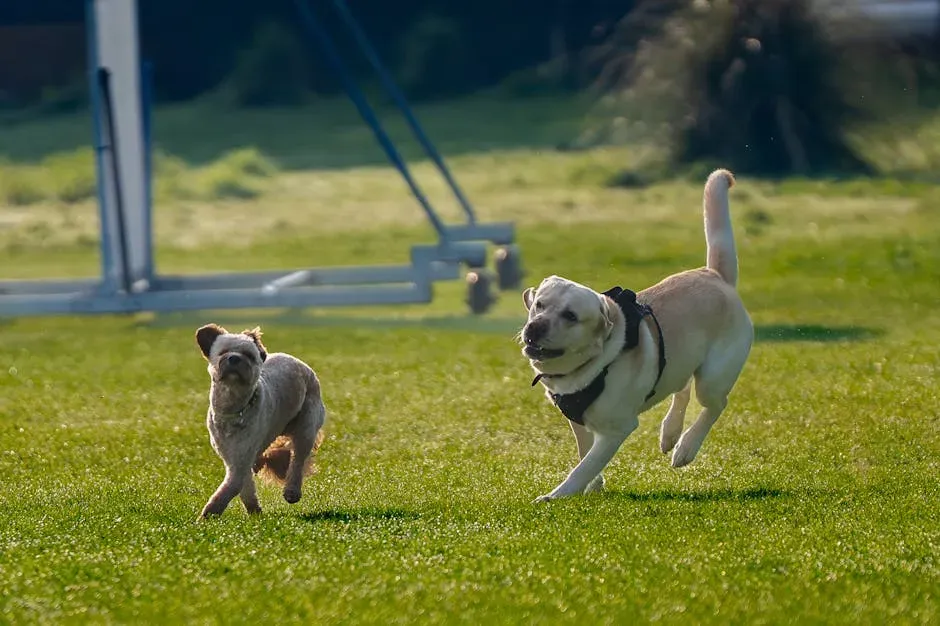
Many experts oppose chasing dogs, preferring to let dogs chase people instead. If you chase your dog, you risk teaching your dog that moving toward them means the game is afoot, making them more likely to run away even when you approach them for another reason. This can ruin your dog’s recall. Chasing your dog can also lead to injury if your dog charges away from you into the street or another unsafe area.
Think about what you’re actually training when this becomes a habit. Every time your dog runs and you follow, you’re reinforcing the idea that bolting is rewarding. Instead, make yourself the exciting destination – crouch down, turn and run away from your dog, and let them do the chasing. It’s safer, more effective, and dogs absolutely love it.
6. Never Letting Your Dog “Win”
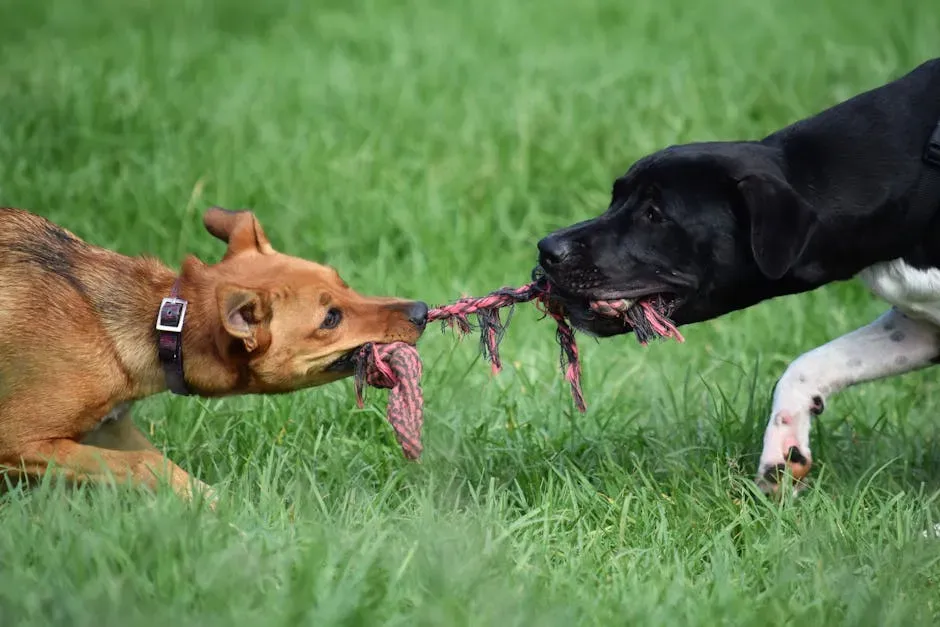
You might have heard you should never let your dog “win” if you play tug-of-war, but this isn’t true. The outdated idea was that if you let your dog win, they were “dominating” you. However, dominance theories have been disproven when it comes to canine behavior. This old myth has robbed a lot of dogs of genuinely fun playtime.
If your dog never “wins” their toy, the games will quickly become boring. Instead, make your games fun for both of you by taking turns about who wins while playing. A dog who occasionally “wins” is a dog who stays engaged, enthusiastic, and motivated to keep playing with you. That enthusiasm is exactly what you want to build.
7. Playing Outside in Extreme Heat
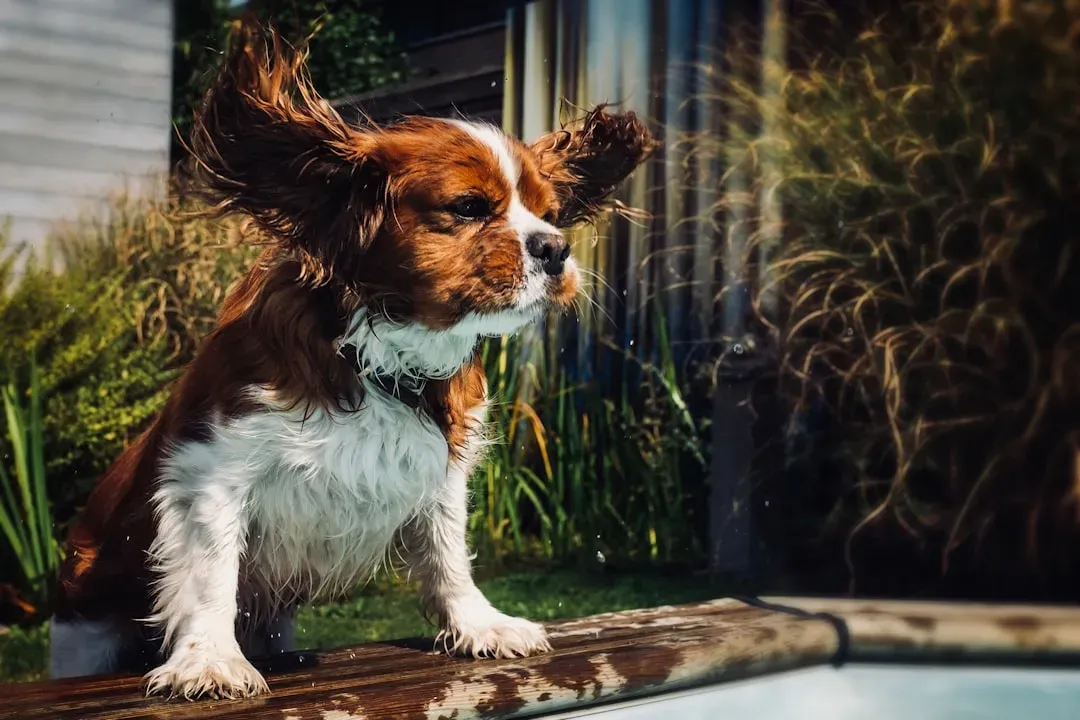
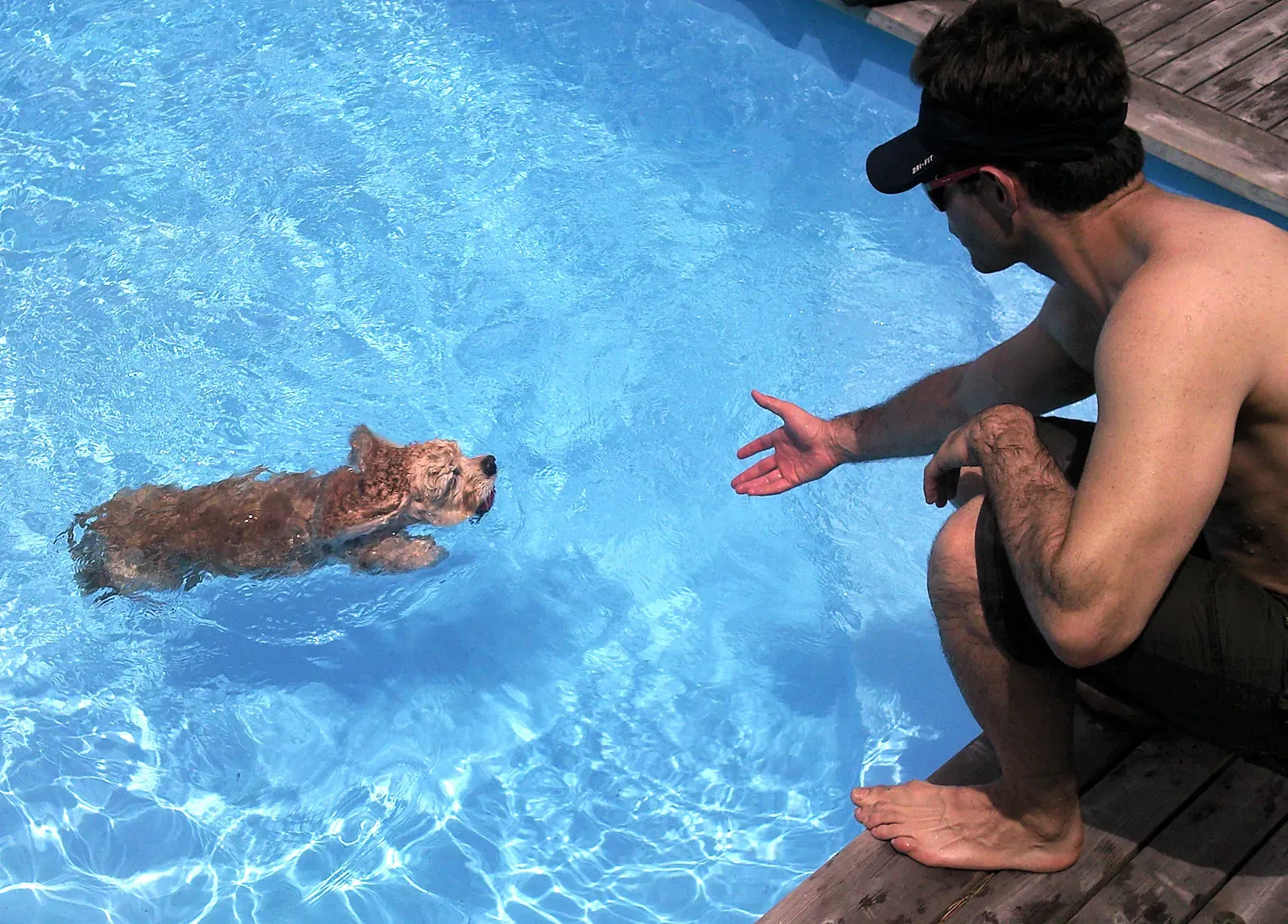
Playing with your pet during a humid day can cause heatstroke. So, it is not ideal for playing outside when the temperature rises. The rule is simple: stay indoors and keep your pup cool during those scorching days of summer. Dogs regulate body heat differently from humans, and they can overheat faster than most owners realize, especially flat-faced breeds like Bulldogs or Pugs.
Signs of overheating include excessive panting, drooling, glazed eyes, weakness, or staggering. If you notice any of these during play, stop immediately, move your dog to a cool area, offer fresh water, and contact your vet if symptoms persist. Morning or evening sessions are far safer options during warm months. Your dog’s safety always comes before finishing a game of fetch.
8. Using Punishment When Your Dog Makes a Mistake
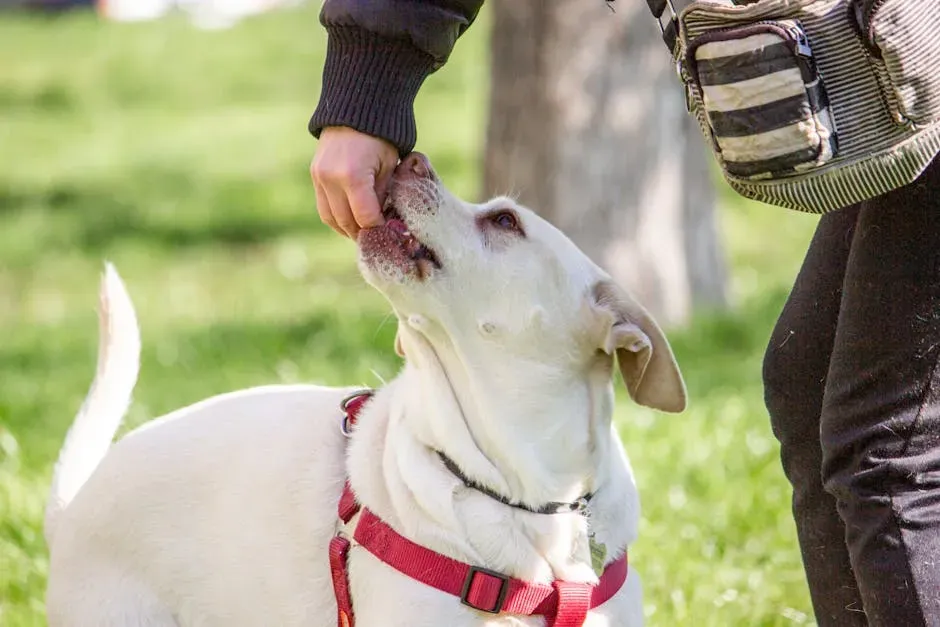
Scolding your pup when it makes a mistake during play can cause behavioral issues. When a dog does any inappropriate actions like biting, correct it properly. Focus on the good – say a command, use treats, and implement positive reinforcements. Shouting or physical correction during playtime creates fear and confusion, not learning.
Punishment methods of training have been shown to worsen aggression. A large proportion of dogs presented to behavioral specialists for problem aggression have been trained using punishment methods at home. The more skilled and reward-based the training, the more well adjusted and friendly the dog will be. If your dog nips too hard, a calm “ouch,” brief pause, and redirection toward a toy is far more effective than any kind of scolding.
9. Pushing Playtime Past Your Dog’s Limits
Like humans, pets also need to take a break in any activity, no matter how fun it may be. When you push your pet to play for long periods, your pet can become exhausted. An overtired dog is also more likely to show irritability, snapping, or poor impulse control. What begins as a fun session can tip into frustration quickly if rest breaks aren’t built in.
Keep play sessions short so your dog doesn’t get worn out, and make sure to take breaks to let your dog rest between play sessions. Pouncing, wrestling, nipping, and biting exhibited during play rarely escalate to aggression; however, these behaviors might become excessive and lead to injury. If a dog becomes overly aroused during play, there is an increased risk of aggression if something occurs to change the dog’s emotional state. Recognizing when to stop is just as important as knowing how to play.
10. Using the Wrong Toys for Your Dog’s Size
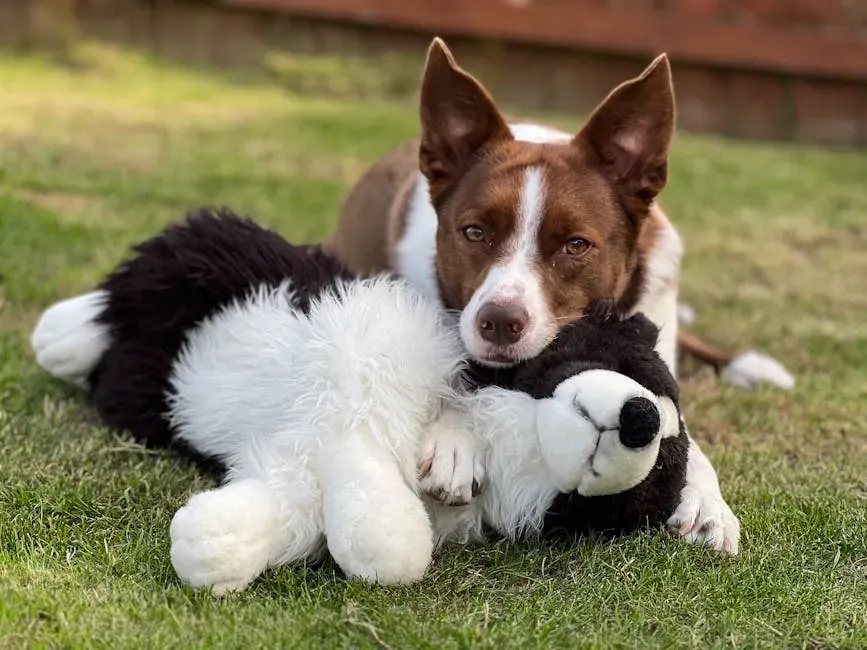
Picking small dog balls for large breeds is also a mistake. It is essential to pick the suitable pet toy for each play, depending on your dog’s breed and size. If your pup is into playing with those rounded objects, you can use larger and softer balls. Avoid toys with buttons or plastic eyes, as they may come loose and become choking hazards.
Toy manufacturers build the right size, shape, and type for every breed to avoid choking hazards. Tennis and golf balls that humans use can lead to tragic choking accidents. Take a moment to check that every toy in the basket is appropriate for your dog’s size, chewing strength, and play style. It’s one of the simplest ways to keep playtime safe without sacrificing any of the fun.
Conclusion: Play Like You Mean It
Playtime is not just exercise – it’s communication, trust-building, and one of the clearest expressions of the bond between you and your dog. Play is an important part of your dog’s daily life, and play with you is a great way to connect with your dog. Playtime is fun for our dogs, and is an easy way for us to bond with them.
None of the mistakes on this list come from bad intentions. They come from not knowing. Once you do know, you can shift the way you play in small but meaningful ways – using the right toys, reading body language, stepping in when needed, and stepping back when it’s time to rest. Play is only enjoyable if everyone involved is having fun.
Your dog doesn’t need elaborate games or expensive gear. They need you – present, attentive, and willing to learn their language. That kind of play is the kind they’ll always come running for.


