

You grab your keys, pull on your jacket, and your dog starts pacing. By the time you reach the door, they’re whining. When you come home hours later, the sofa cushion is destroyed and the neighbors have texted. Sound familiar? You’re not alone, and neither is your dog, at least not in the sense of suffering quietly.
Separation anxiety is one of the most common behavioral disorders in dogs. Yet it’s also one of the most misunderstood. Many owners assume their dog is being dramatic, attention-seeking, or just badly behaved. The truth is far more layered, and far more worth understanding.
It’s Not Misbehavior. It’s a Genuine Emotional Crisis.

When your dog tears apart a door frame the moment you leave, it’s easy to reach for words like “stubborn” or “naughty.” Those words don’t hold up scientifically. Separation anxiety is a serious condition that goes beyond the occasional mournful whimper or a shredded sock. It’s not the same as boredom, and unlike a little mischief when your dog is left alone, it is the result of legitimate stress.
According to Patricia McConnell, Ph.D., a Certified Applied Animal Behaviorist, although we can’t know for sure what’s in a dog’s mind, we can think of separation anxiety as the equivalent of a panic attack. That framing matters enormously. A dog in a panic isn’t making a choice to destroy your belongings any more than a person having a panic attack chooses to hyperventilate.
Some people believe their dog chews up furniture or soils the house out of spite. There is simply no evidence for this. The distress and panic that a dog experiences is real. Recognizing that changes everything about how you respond.
The Behaviors You See (And the Ones You’re Missing)
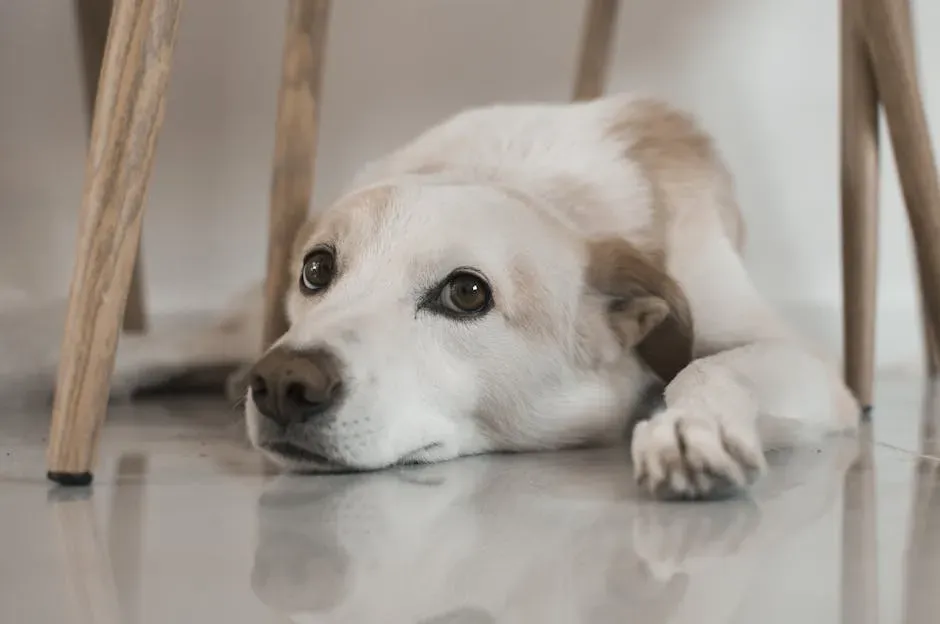
Signs of separation anxiety in dogs can vary, and each dog may exhibit a unique combination of behaviors. Common signs include excessive barking, whining, or howling when left alone, destructive behavior such as chewing furniture or belongings often near exits, and house soiling even in dogs that are typically house-trained. These are the obvious ones, the ones that get noticed.
The subtler signs are often overlooked entirely. Some dogs shadow their pet parent around the house, unwilling to be separated at all, while others refuse to eat when the owner is not present. Physical cues like ears pinned back or a tucked tail also signal distress. These quiet signals often start long before you even reach the front door.
Research suggests that roughly eight out of ten dogs find it hard to cope when left alone, yet nearly half won’t show any obvious signs, making it easy for owners to miss. That’s a striking gap between what’s happening internally and what we actually observe. If your dog seems “fine,” it’s worth looking a little closer.
Why It Happens: The Roots Run Deeper Than You Think

Separation anxiety in dogs should be seen as a symptom of underlying frustrations rather than a single diagnosis, and understanding these root causes could be key to effective treatment. There isn’t one tidy explanation for why a dog develops this condition, and the science reflects that complexity.
Dogs exposed to humans outside the home and to a wide range of experiences between the age of 5 to 10 months are less likely to develop separation-related problems. Some evidence suggests that dogs separated from the litter early, before 60 days old, are more likely to develop problem behaviors, including destructive behavior and excessive vocalization. Early life experiences cast long shadows.
Canine separation anxiety can be triggered or exacerbated by a change in the household such as a new human resident, a job change, a shift in the routine of owner absences, or even a single traumatic event. Other triggers include life changes like a sudden switch in schedule, a move to a new house, or the sudden absence of a family member, whether through divorce, death, or a child leaving for college. In other words, context matters as much as character.
The Departure Ritual Your Dog Has Already Decoded
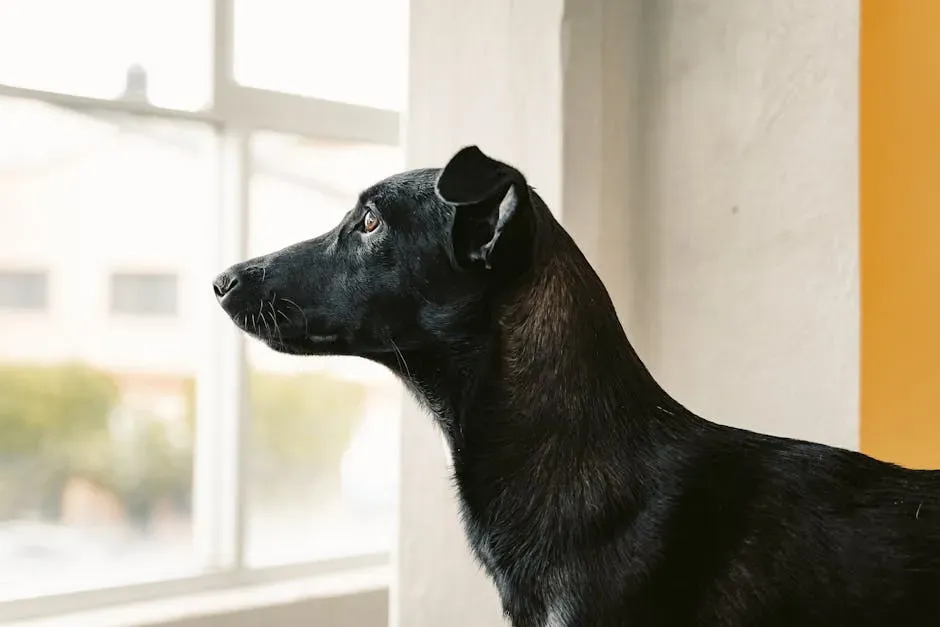
Dogs are extraordinarily observant. Most of them have your morning routine memorized down to the last detail, and they know exactly what it means. A dog might start to pace, pant, and whine when he notices his guardian applying makeup, putting on shoes and a coat, and then picking up a bag or car keys. By the time you’re at the door, they’ve been anxious for twenty minutes.
Usually, right after a guardian leaves a dog with separation anxiety, the dog will begin barking and displaying other distress behaviors within a short time after being left alone, often within minutes. The peak intensity of separation-related behaviors occurs shortly after the owner’s departure, and dogs with these problems also tend to engage in excessive excitement when the owner returns.
One practical way to disrupt this cycle is to scramble the signals. One treatment approach is to teach your dog that picking up your keys or putting on your coat doesn’t always mean you’re leaving. For example, you can put on your boots and coat, then just watch TV instead of leaving, or pick up your keys and sit down at the kitchen table for a while. This reduces your dog’s anxiety because these cues won’t always lead to your departure.
What Actually Helps: Practical Steps Grounded in Evidence
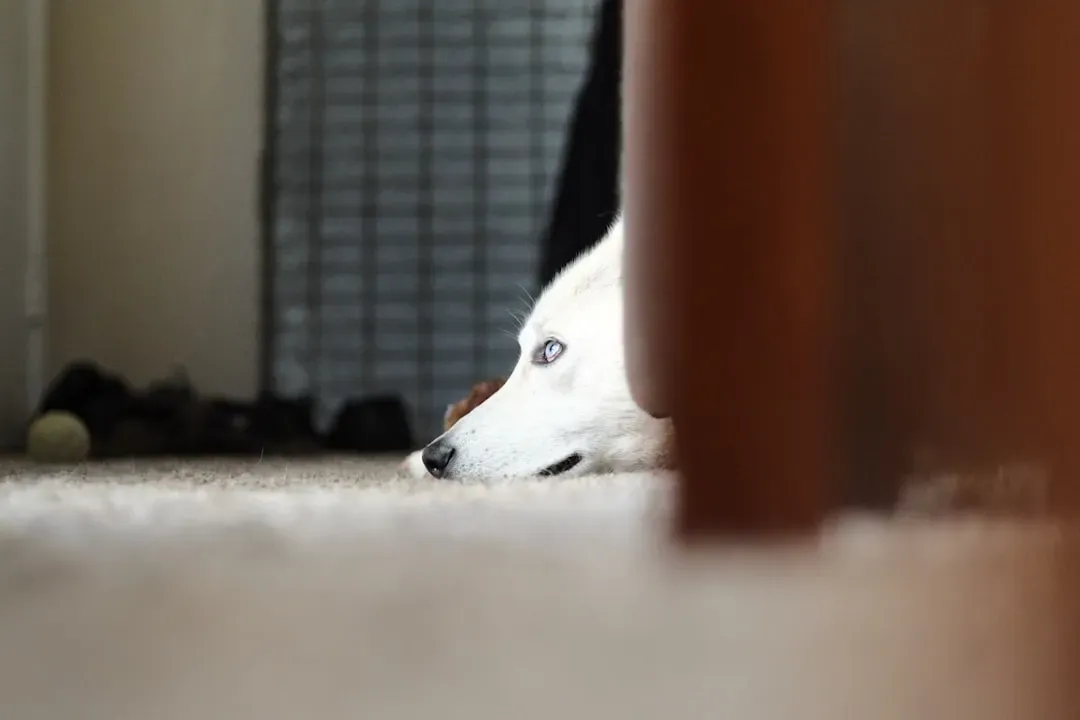
The good news is that this condition responds well to structured support. The most successful treatment for canine separation-related problems is behavior modification that focuses on systematic desensitization and counterconditioning. That sounds clinical, but in practice it simply means teaching your dog, slowly and patiently, that being alone is safe.
One effective method to reduce anxiety is to encourage your dog to exercise and release energy before you leave for the day. A long walk, a run, or a game of fetch may help. Through exercise, a dog trades morning stress-filled yelps for a morning nap instead. Tired dogs are calmer dogs, full stop.
For dogs with more persistent anxiety, the support toolkit can be expanded. Light noise can be comforting when dogs are alone. Playing calming music or turning on the TV can help, and pheromone diffusers such as Adaptil can serve as a natural calming aid. The severity of the anxiety often dictates the treatment approach, with milder forms benefiting from basic behavioral interventions, and severe forms requiring a combination of behavioral training, environmental changes, and medication. When symptoms persist or a dog is harming itself trying to escape, talking to a veterinarian or certified animal behaviorist is the right move, not a last resort.
What It Really Says About Your Dog (And Your Bond)

There’s something worth sitting with here. A dog that falls apart when you leave isn’t a broken dog. The unwanted behavior arises because of a combination of risk factors that may include elements of the dog’s temperament, the type of relationship it has with the owner, and how the two of them interact. It’s a reflection of emotional depth, of a bond that formed strongly, sometimes too strongly for the dog to manage alone.
The condition affects not only the dog but also the pet parent, and can put a strain on the human-animal bond. Separation anxiety can cause severe stress and emotional trauma for the dog, and often results in environmental and household damage and costly repairs. That’s a heavy weight for both sides of the leash.
The relationship doesn’t need to be dismantled. It needs to be balanced. The most important aspect of retraining is to teach your dog to be independent and relaxed in your presence. Only when your dog will stay in his bed or relaxation area rather than constantly following you around will you be ready to begin graduated departures. Independence, when built with patience, actually deepens trust rather than weakening it.
Conclusion: Your Dog Isn’t Dramatic. They’re Asking for Help.

Separation anxiety isn’t a character flaw, a training failure, or proof that you’ve done something wrong. It’s a behavioral and emotional condition shaped by genetics, early experiences, life changes, and the powerful attachment dogs form with the people they love. Separation anxiety in puppies and dogs isn’t always preventable despite your best efforts, and once it takes hold it can be a complicated process to treat. Working with a Certified Applied Animal Behaviorist or a veterinary behaviorist can help smooth the process. As serious as the condition may be, it has a high rate of treatment success.
The dog pacing at your door, shredding the couch, howling through the wall: they’re not trying to punish you. They’re trying to cope with an emotional reality they haven’t been given the tools to handle yet. That’s where you come in. Not with frustration, but with the kind of steady, informed patience that reminds your dog the world is still safe, even when you’re not in it.


