
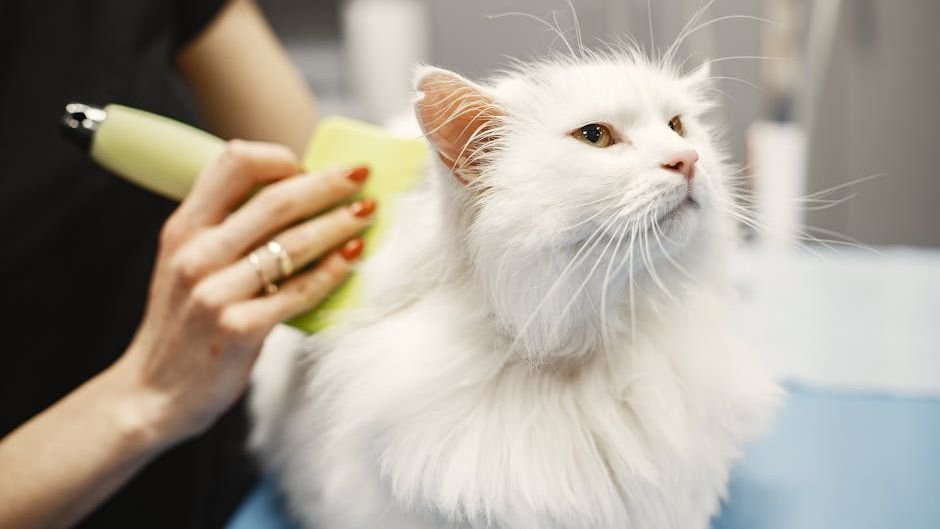
There’s a running joke among cat owners that their cats merely tolerate them. The cat sits on the couch, stares into the middle distance, and offers nothing resembling the enthusiastic tail-wagging of a golden retriever. So naturally, you wonder: does my cat actually like me, or am I just the person who operates the can opener?
Here’s the thing science keeps quietly confirming: cats do form real emotional bonds with their humans. A study published in Current Biology found that cats form attachment bonds to their human caretakers in very much the same way that dogs and human children do. The catch is that feline love speaks its own language. Cats are much more subtle in showing their love, though that doesn’t mean that the shared bond between cats and humans is any less than with dogs. Once you learn to read the signals, you’ll realize your cat has been telling you they adore you all along.
Sign 1: The Slow Blink That Says Everything
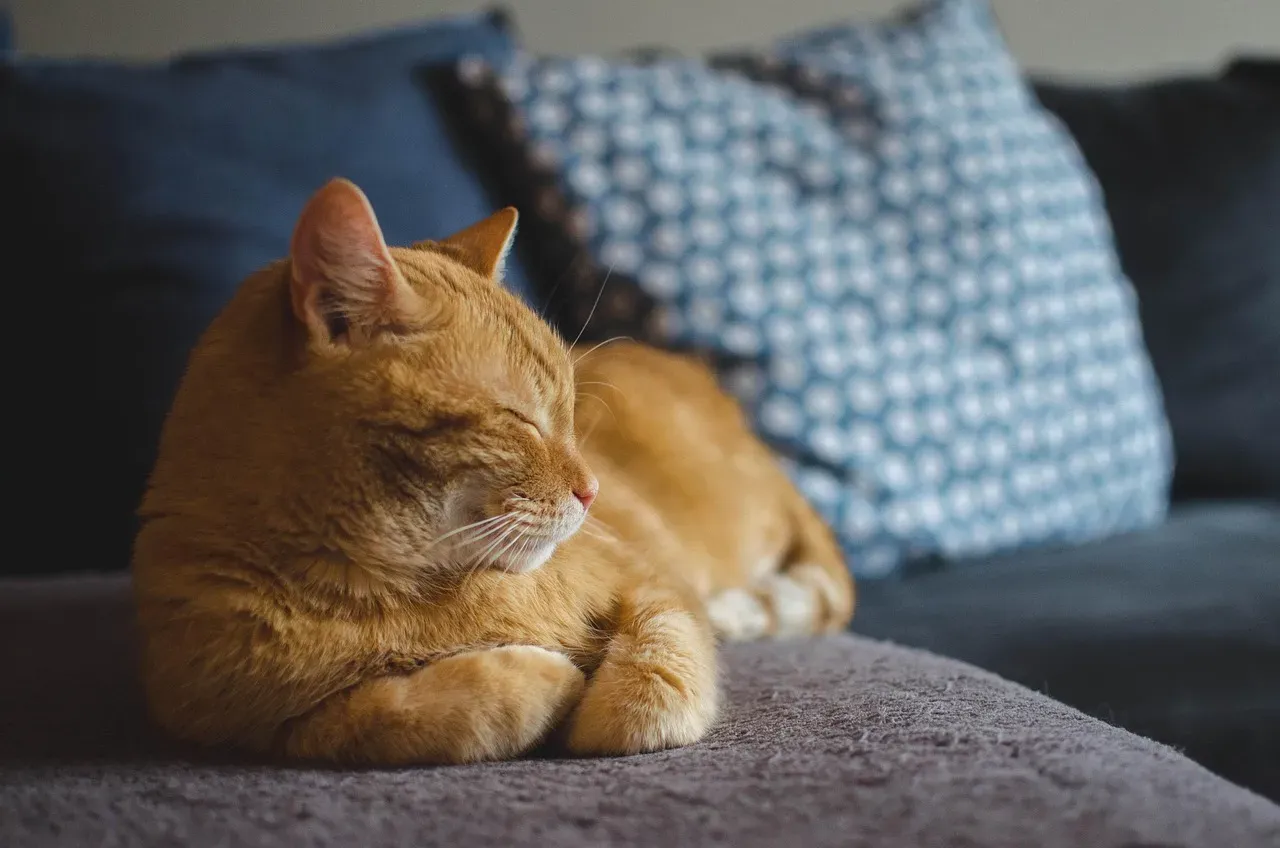
You’ve probably caught your cat watching you from across the room, eyes half-closed, blinking at a pace that seems almost theatrical. That’s not boredom. Cat behavior experts call this the “kitty kiss,” a series of slow blinks your cat may show around people whom they know and trust. Research has found that if you initiate slow blinks or kitty kisses, your cat is more likely to approach you and seek out attention.
Wild cats instinctively avoid prolonged, direct eye contact, as it can be interpreted as a threat or challenge. The slow blink is therefore a clever way to express friendliness and trust without triggering these defensive instincts. In short, your cat is lowering their guard completely, right in front of you.
Research revealed that cat half-blinks and eye narrowing occurred more frequently in response to owners’ slow blink stimuli toward their cats. In a second experiment, cats had a higher propensity to approach the experimenter after a slow blink interaction than when the experimenter had adopted a neutral expression. You can participate in this exchange too. Try softly closing your eyes and reopening them slowly while your cat watches. Many cats will blink right back, and that small moment of silent communication is genuinely meaningful.
One health note worth knowing: excessive blinking, squinting, or redness in the eyes could indicate a medical problem, such as conjunctivitis. A purposeful slow blink while your cat is relaxed is the positive kind. If the blinking seems involuntary, frequent, or paired with discharge, a vet check is a smart idea.
Sign 2: Head Bunting and Face Rubbing on You Specifically
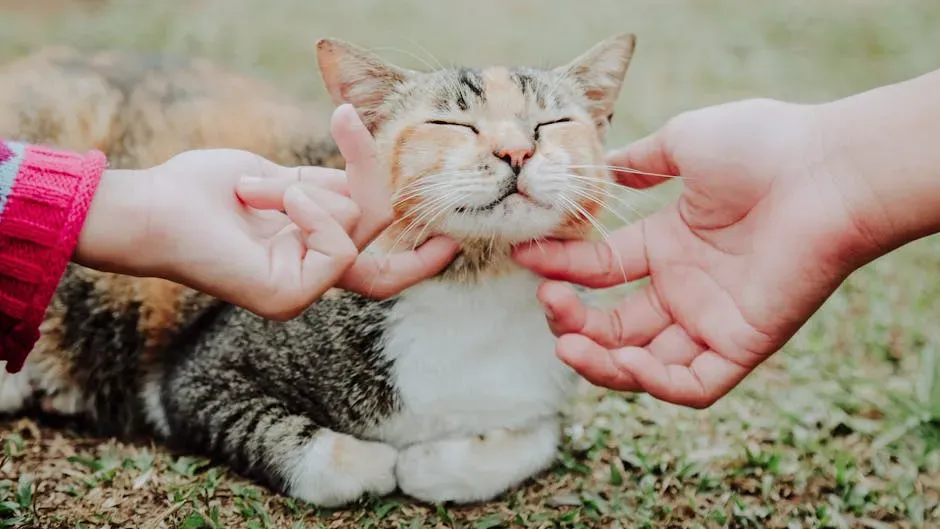
If your cat walks up to you and presses their forehead firmly against yours, or rubs their cheek along your chin, congratulations. You’ve just been claimed. Cat behaviorists maintain that this can be a very strong form of affection. It’s an action known as head “bunting,” and it’s usually reserved for members of a cat’s colony.
This behavior is a sure sign that your cat thinks you’re awesome. Cats will only carry out this behavior with other cats that they feel confident and happy around, so if they’re doing the same to you, it means they feel safe and secure in your presence. There’s also a territorial dimension to it that’s actually quite sweet. Cats have scent glands on their faces, including on their cheeks near the base of their ears. By rubbing you with these areas, they’re transferring their scent markers and effectively marking you as part of their territory.
When a cat rubs their cheek against you, they’re putting their scent onto you to demonstrate that you’re part of their family. When a cat rubs up against an object, another animal, or person, their body releases calming pheromones that signal that area or individual is safe. That’s your cat essentially telling the world, “This one is mine, and I feel good around them.”
One useful thing to watch for: there’s a difference between affectionate bunting and head pressing. Don’t confuse head bumping with more prolonged head pressing that cats may do when they’re in pain. If your cat is pressing their head against you or furniture, or starts making strange noises in the process, they may be in need of medical attention. The affectionate version is quick, soft, and social. If it seems compulsive or sustained, talk to your vet.
Sign 3: Kneading You Like You’re the Warmest Place on Earth
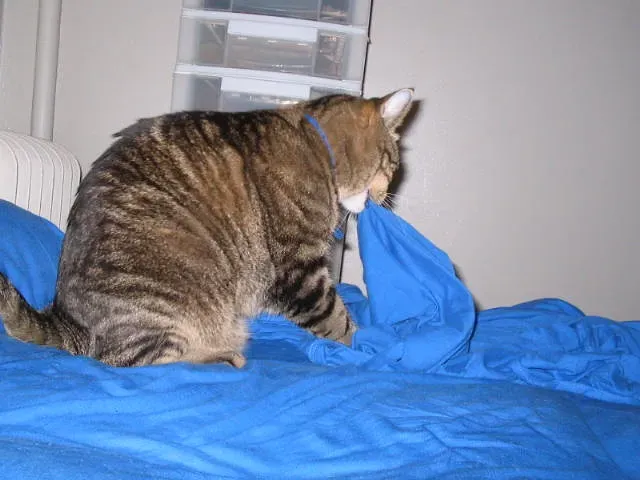
The rhythmic push-pull of your cat’s front paws on your lap, your blanket, or your stomach at six in the morning might feel a little odd. It can even be mildly painful if their claws are out. Still, it’s one of the purest displays of affection a cat can offer. Kneading, or “making biscuits,” is an instinctive behavior that cats possess. Kittens display this behavior when feeding from their mother’s teats, and many adult cats continue kneading well into adulthood. It’s thought to be a behavior they carry out as a sort of self-comfort mechanism. So, if your cat snuggles up next to you and starts kneading you, it can mean they’re trying to bond and gain comfort from your presence.
Cats also have scent glands on their paws, so kneading is also a way of depositing pheromones and marking you as clearly theirs. There’s a practical tip here too. If your cat’s kneading on you and it’s uncomfortable, try trimming their nails or putting a blanket between you so you’re not accidentally scratched. That way you can enjoy the moment without wincing.
Kneading in adulthood mostly takes place just before settling down or when your cat is feeling content, relaxed, and adored. Pay attention to the context. A cat that kneads on you while purring, with soft eyes and relaxed ears, is in a deeply happy state. That’s not accidental. That’s devotion, expressed in the only language they’ve got.
Sign 4: Allogrooming, or When Your Cat Decides You Need a Bath
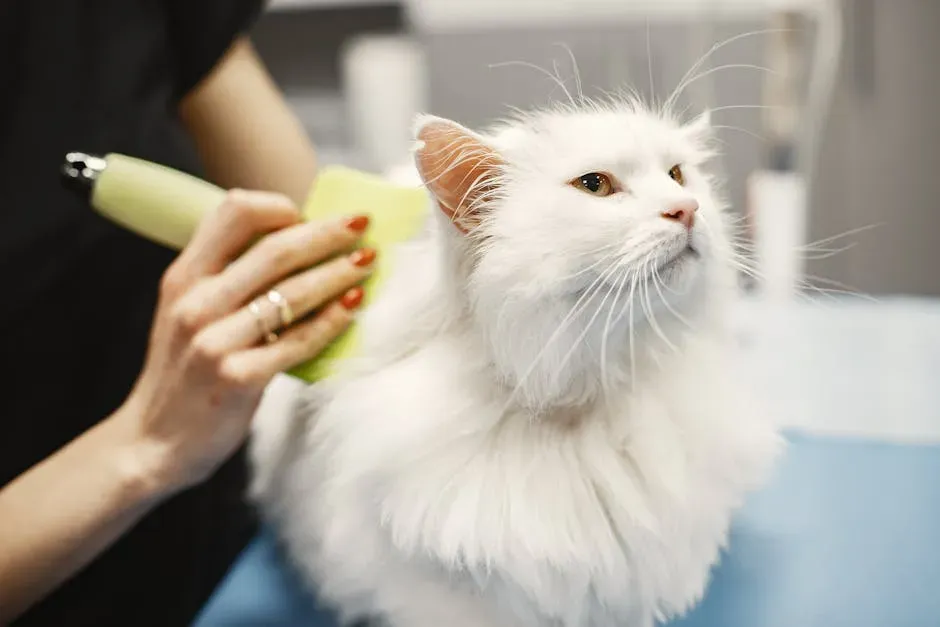
Cats groom themselves constantly. What’s less obvious is that when a cat grooms another cat, or you, it carries deep social meaning. Grooming only happens between cats with a warm relationship, so licking your hand or face can be a show of endearment, even though those barbed tongues may not feel all that gentle.
Cats groom each other to combine their individual scents and demonstrate trust. The same is true for their human companions, so as uncomfortable as that sandpaper tongue can feel, your cat grooming you is definitely intended as a compliment. It means your cat sees you as part of their social group, not just a convenient source of food and warmth.
Cats spend lots of time self-grooming and allogrooming, which means two cats grooming one another. When your cat licks your skin, nibbles your hand, or suckles on clothing, they’re presumably engaging in scent exchange to make a grouping scent, meaning you become a part of their family. That’s a meaningful form of inclusion in cat social terms.
If your cat also offers gentle love bites during this grooming, that’s usually still affectionate. When a cat gifts you with a gentle nibble, it’s considered a playful sign of love. When the nibbling crosses into painful territory or gets too aggressive, it’s no longer a love bite. Learning the difference just takes a little observation of your cat’s overall body language in the moment.
Sign 5: Choosing to Simply Be Near You
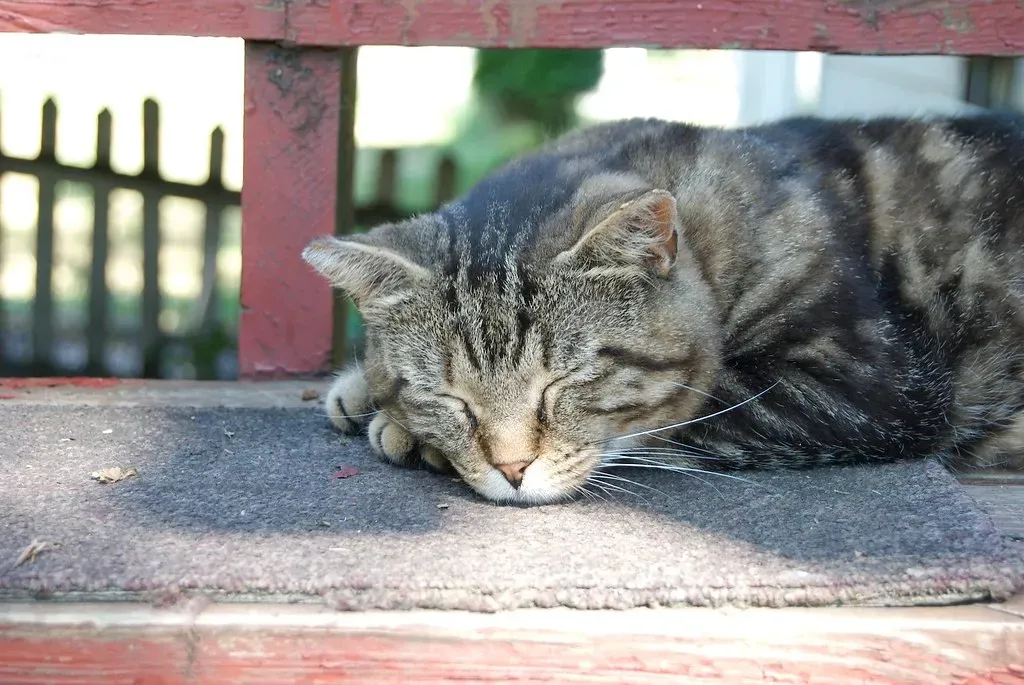
This one gets overlooked all the time, and it’s arguably the most telling sign of all. A cat doesn’t have to be in your lap to show love. Sitting near you is also a meaningful choice. Cats are selective about where they spend their time. In fact, their independence can be one of their most admired qualities. That makes choosing to share space with you a quiet but powerful sign of attachment.
Cats are vulnerable when sleeping, so choosing to sleep near you shows deep trust. Even if your cat isn’t draped across you, settling in the same room, at the foot of your bed, or in the chair beside yours is a deliberate choice. Sleep is a vulnerable state for cats. Choosing to nap next to you, or even in the same room, is a strong indicator of trust. Some cats may sleep at your feet or nearby rather than directly on you, but that close proximity still counts as a sign of love.
If you notice that your cat trails you around the house, there can be many reasons for this, from wanting food to being anxious. But there are many cases in which your cat simply enjoys your company and wants to be with you. If it’s not close to feeding time and your cat isn’t acting like they want anything, chances are they’re just trying to bask in your presence.
Cats tend to form close bonds with a small number of individuals rather than spreading affection widely. If your cat shows you specific behaviors they don’t offer to others, that’s often a sign you are one of their chosen few. That quiet proximity, that peaceful choice to be in the same orbit as you, is one of the most honest expressions of trust a cat can give.
How to Strengthen the Bond You Already Have
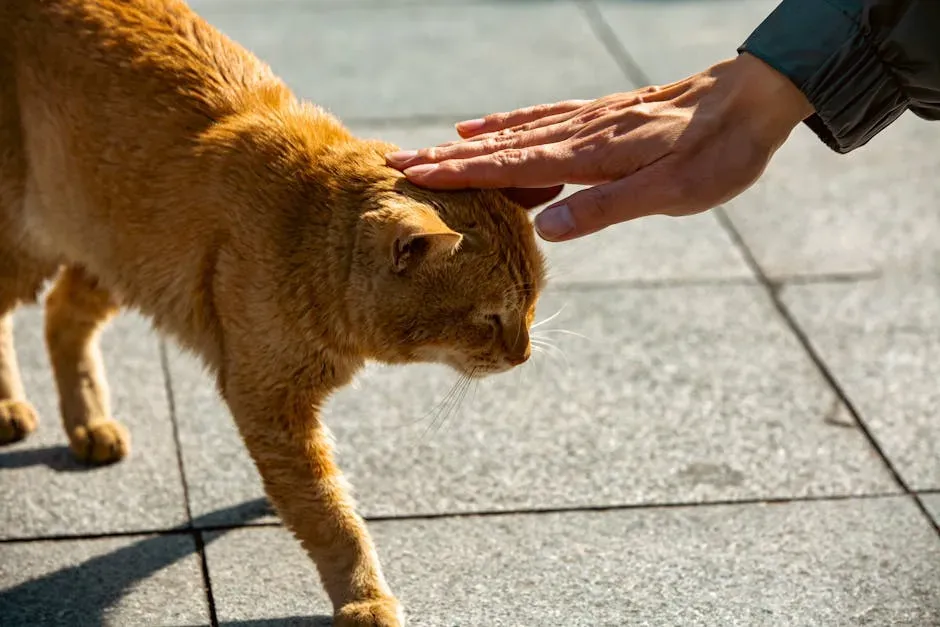
Understanding these signals is a starting point, not a finish line. You’ll need to work a little to understand your cat’s love language and boundaries to build trust. The good news is that most of what cats need is consistency and calm. Predictable routines, quiet interactions, and giving them the freedom to approach you on their own terms go a long way.
Early socialization plays a crucial role. Kittens exposed to positive human interaction are more likely to become affectionate adults. For older cats or newly adopted rescues, patience matters more than technique. Trust is earned over time, and some cats simply take longer to show it openly.
Cats are usually pretty clear about what they like and don’t like, so watch your cat, and always give your cat room to escape when you are in physical contact. Respecting boundaries consistently is actually how you deepen the bond, not weaken it. A cat that can choose to leave but stays anyway is telling you something genuine.
A Final Thought
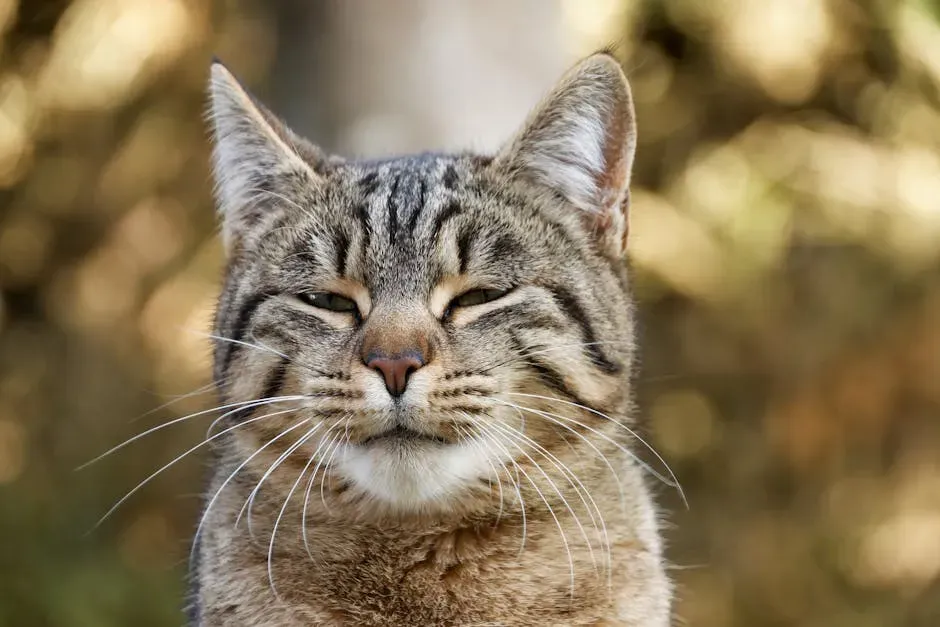
Cats are not small dogs. They don’t broadcast their feelings in obvious, continuous ways, and that’s precisely what makes their affection worth paying attention to. Because of their independence, affection isn’t about dependence. It’s about preference. When a cat interacts with you, it’s because they want to, not because they need to.
There’s overwhelming evidence to suggest that cats are indeed capable of experiencing and reciprocating affection. By understanding feline communication, recognizing the signs of affection, and reciprocating their love in meaningful ways, you can build a strong and lasting bond with your feline companion.
The slow blink from across the room, the forehead pressed gently against yours, the sound of purring that starts the moment you sit down. These aren’t random behaviors. They’re a quiet, consistent vocabulary of trust. Once you know how to read it, you’ll never again wonder whether your cat loves you. You’ll just know.


