
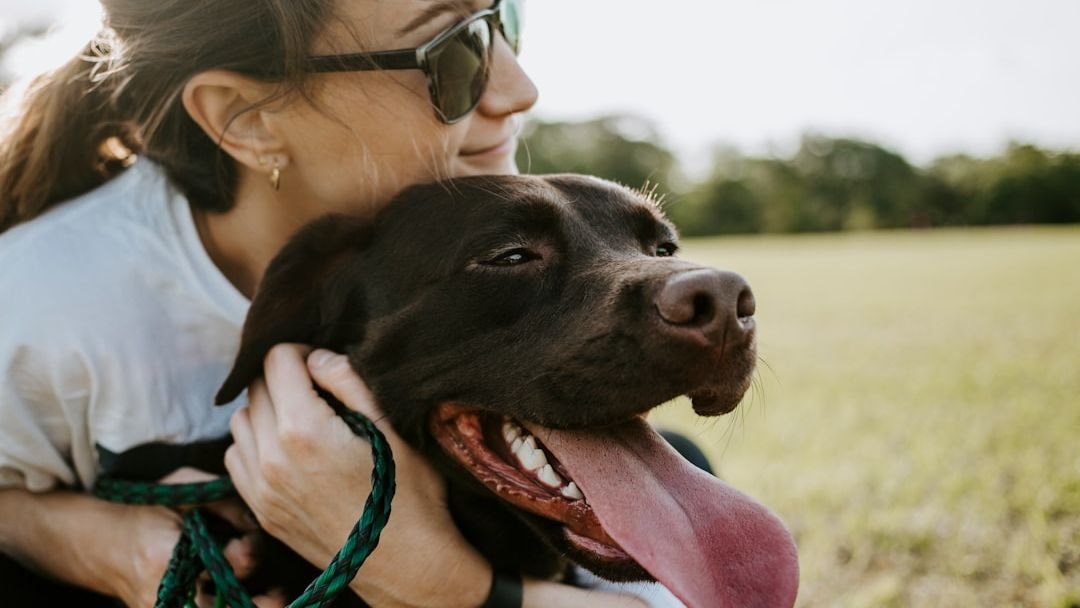
You’ve probably noticed it before. Two dogs of the same breed, raised in the same neighborhood, maybe even from the same litter – and yet they couldn’t be more different. One rushes to greet every stranger at the door. The other retreats behind the couch. One thrives with rough-and-tumble play. The other prefers quiet evenings and a warm lap. That kind of individuality isn’t a fluke or a training failure. It’s something deeply real, rooted in biology, early experience, and the unique relationship your dog has built with you.
Science is catching up to what dog owners have known intuitively for years: dogs have unique personalities shaped by genetics, social factors, and their environment. Understanding what drives your dog’s personality isn’t just fascinating – it changes how you care for them, train them, and strengthen the bond you share.
The Science Behind Your Dog’s One-of-a-Kind Personality
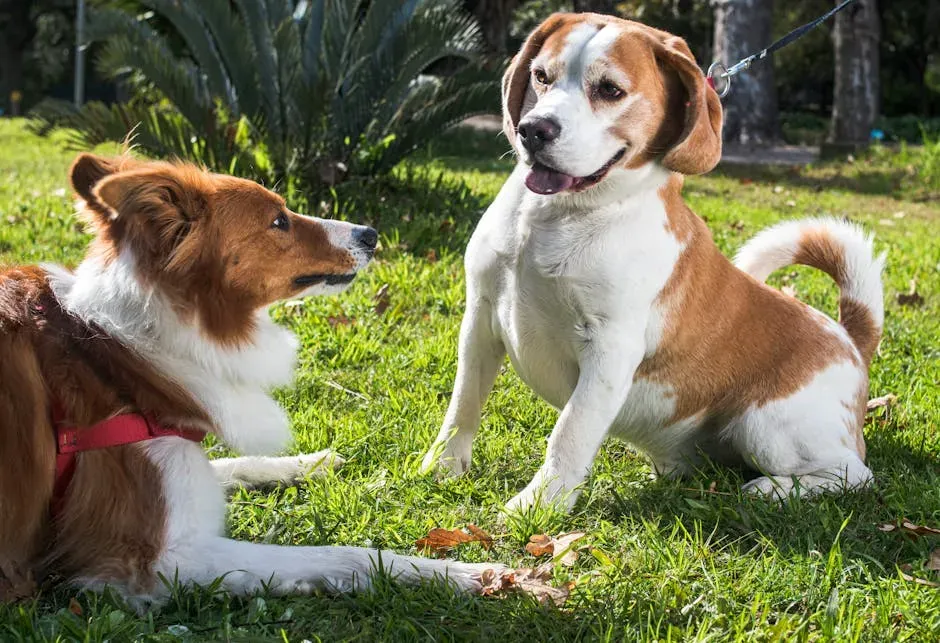
For a long time, people assumed that breed said everything about a dog’s personality. A golden retriever would be friendly. A German shepherd would be protective. A border collie would be a workaholic. Those assumptions aren’t entirely wrong, but they’re far from the full picture.
A genetic study of more than 2,000 purebred and mixed-breed dogs, combined with over 18,000 owner surveys, challenged existing notions about dog breed stereotypes and personality types. The study identified eleven locations along the canine genome that were strongly associated with behavior, none of which were specific for any breed. That’s significant. It suggests that personality traits in dogs predate the concept of modern breeds entirely.
On average, just about nine percent of the personality differences between dogs were related to their breed. The rest? A complex mix of individual genetics, early life experiences, environment, and the humans who raised them. As one researcher put it, if you’re looking for a dog with a specific personality, “you shouldn’t shop out of a catalog. Each dog is an individual.”
Nature vs. Nurture: What Actually Shapes Who Your Dog Is
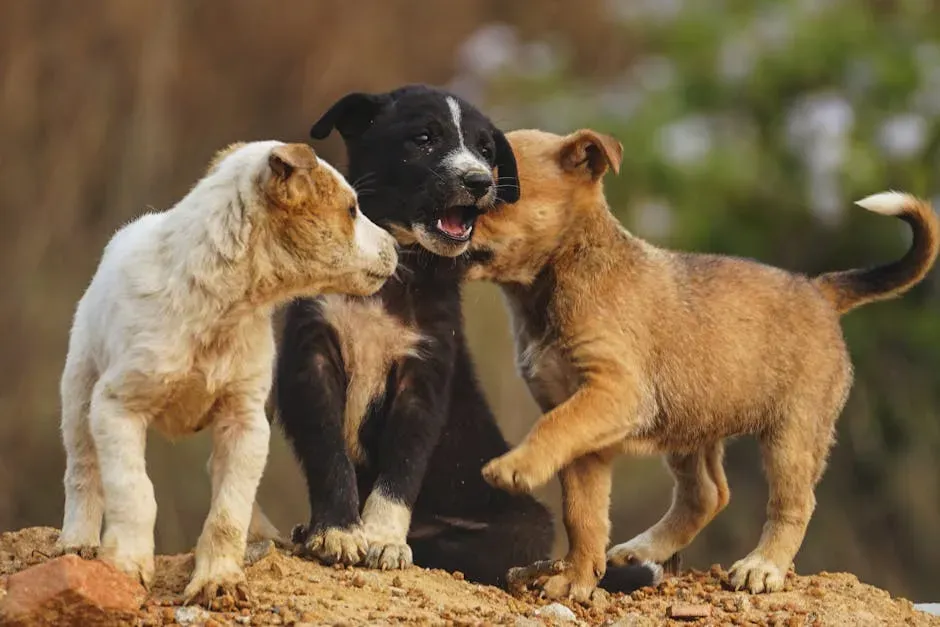
Dog personality isn’t just in the genes, and it isn’t just in the upbringing. It’s both – working together in ways that are still being untangled. Personality traits are determined by many factors, including genetics, the behavior and health of the mother, access to adequate nutrition during development, and the puppy’s early physical and social environment. These factors began to shape your puppy’s personality before your puppy even joined your household.
Early life is especially consequential. Positive early experiences during the sensitive periods of development are crucial to create well-adjusted adult dogs able to cope in their environment. Puppies that are handled gently, exposed to varied sights and sounds, and given calm, consistent human interaction during those first weeks carry those experiences forward into adulthood.
If puppies experience early stress – such as neglect, abuse, isolation, nutritional compromise, or environmental instability – or if their mothers experienced gestational stress, it’s likely there will be adverse effects on early behavior. That’s a meaningful reminder that the conditions surrounding a puppy’s birth matter just as much as the conditions you create once they come home.
Your Dog Might Be More Like You Than You Think
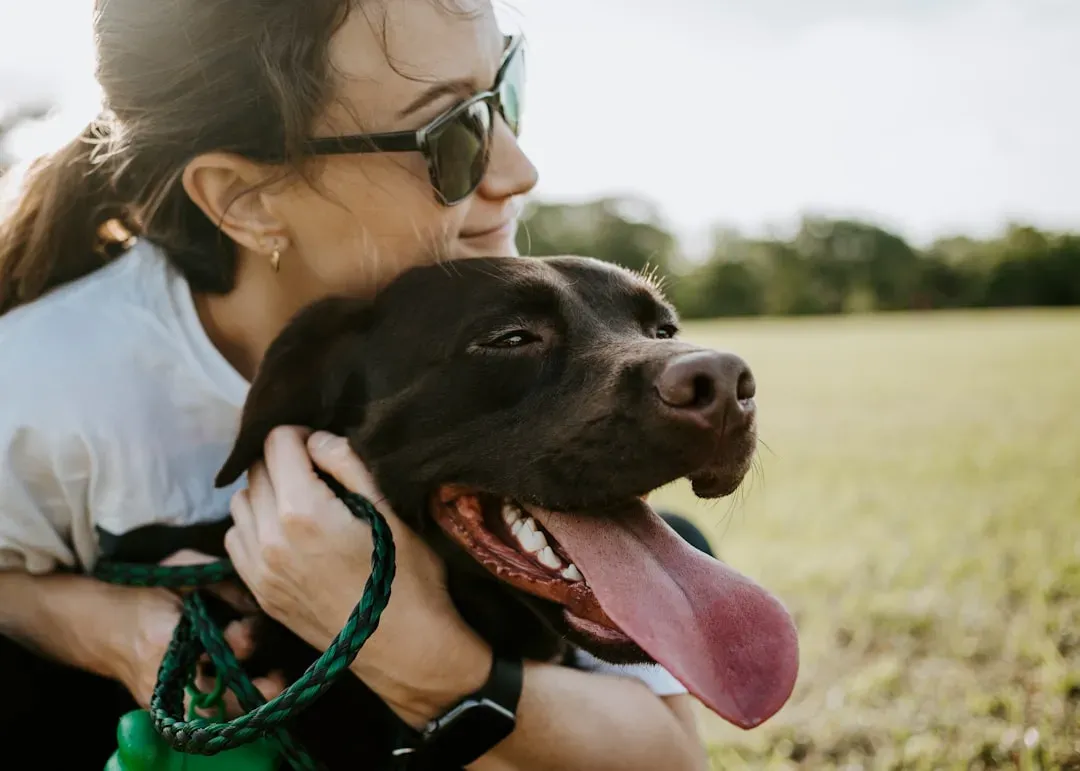
There’s a reason the saying “dogs resemble their owners” has stuck around for so long. It turns out there’s real science behind it. The idea that dogs act like their owners has merit: research suggests that humans both choose and influence their dog’s behavior to match their own. While people often choose a pup that matches their physical characteristics, they also choose to match their personality.
Dogs are empathetic: they pick up what we put down. Dogs can sense when we are tense, anxious, happy, and excited; over time, this sensitivity means that dogs often take on elements of our personalities. Think about that for a moment. Your stress doesn’t just affect your own mood – it ripples outward and can quietly shape how your dog responds to the world.
Research has shown that extroverted humans rated their dogs as more excitable and active, while pet parents high in negative emotions rated their dogs as more fearful, active, and less responsive to training. Pet parents who rated themselves as agreeable rated their dogs as less fearful and less aggressive toward people and animals. Your emotional climate, in other words, is part of your dog’s environment too.
When Behavior Changes: What Your Dog Might Be Telling You
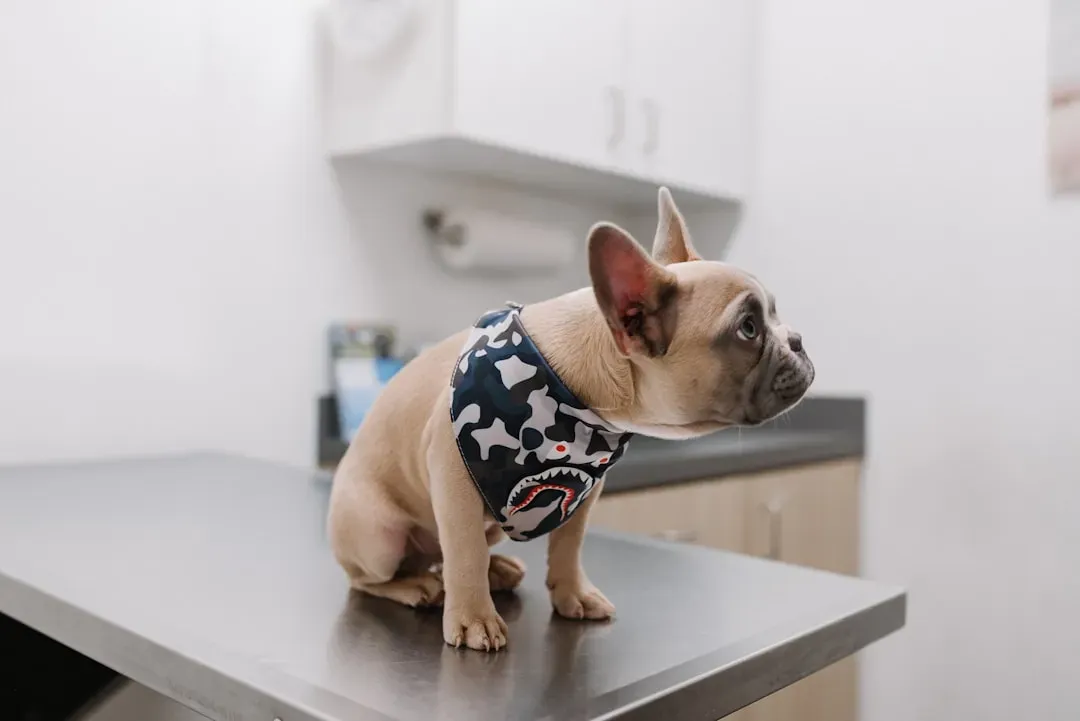
Knowing your dog’s baseline personality isn’t just about enriching your bond – it’s one of the most practical tools you have for keeping them healthy. Recognizing uncharacteristic behavior in dogs can signal health issues, making it crucial to seek assistance when needed. A normally outgoing dog that starts withdrawing, or a calm dog that suddenly snaps, deserves a closer look.
Physical discomfort is often the main cause of behavioral changes in dogs. Pain or illness can unsettle dogs and affect their behavior. Dental problems, joint pain, back pain, or muscle tension can cause sudden aggressiveness, restlessness, or withdrawal. These aren’t behavioral problems in the traditional sense – they’re your dog’s way of communicating that something hurts.
Around one to three years of age, many pet parents begin to notice their pup’s personality is changing. Perhaps they are more selective about what dogs they’ll play with at the dog park, or they’ve lost interest in highly physical games. It’s important to remember that, although your furry friend is still young in your eyes, they’re maturing at an incredible pace. Don’t panic – some of these shifts are perfectly normal. Still, sudden or sharp behavioral changes always warrant a vet visit first, before drawing any conclusions.
How to Support and Nurture Your Dog’s Unique Personality
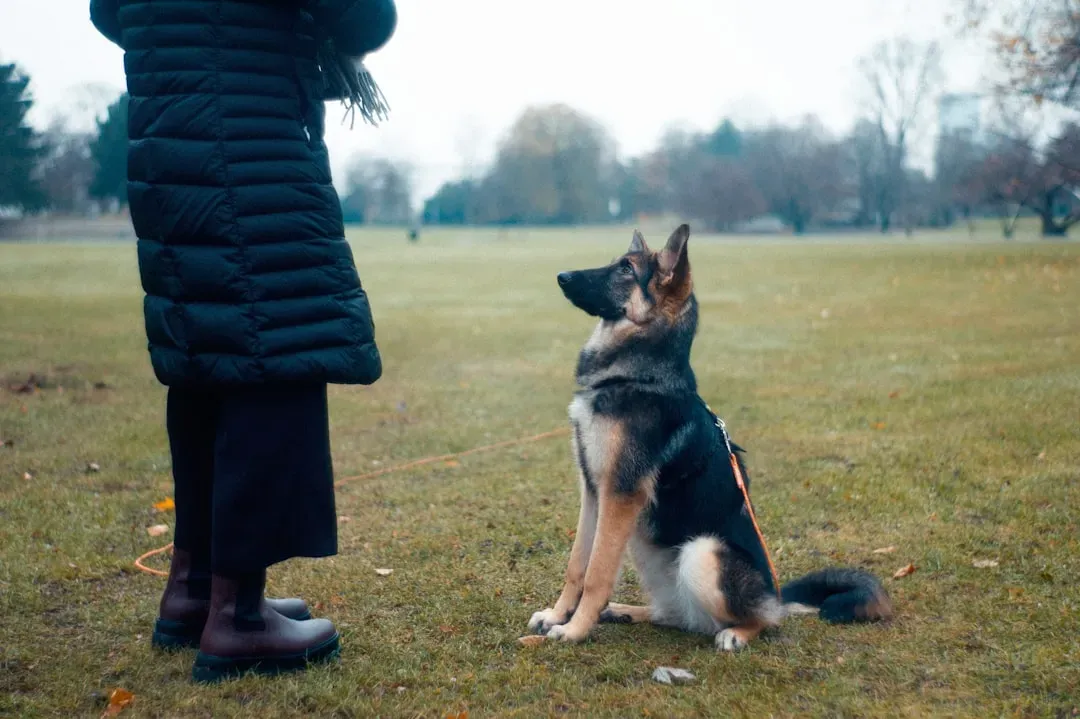
Understanding your dog’s personality isn’t passive knowledge – it’s a guide for action. Understanding your dog’s personality helps identify potential medical issues and enhances your bond with them. The more clearly you see who your dog actually is, the better you can tailor their daily life to suit them.
Socialization remains one of the most powerful investments you can make, especially early on. In the context of dog training, socialization means exposing puppies to an assortment of stimuli and experiences they might encounter in their adult lives. Just as vaccinations prevent physical illnesses, safe exposures to unfamiliar people and situations inoculate puppies against the development of fearful behavior. That said, forcing a scared dog through frightening situations doesn’t build confidence – it can do the opposite. Progress should always be on the dog’s terms.
The dog-owner relationship is reflected in the dog’s emotional reactions. A close emotional bond with the owner appears to decrease the arousal of dogs. Consistent time together, calm interactions, and attentive caregiving aren’t luxuries – they’re foundational to your dog’s emotional wellbeing. Positive reinforcement training and a stimulating environment lead to healthier, happier dogs, while neglect can result in behavioral problems. The good news is that most dogs are remarkably responsive to the care and attention you give them.
Conclusion: See the Individual in Front of You
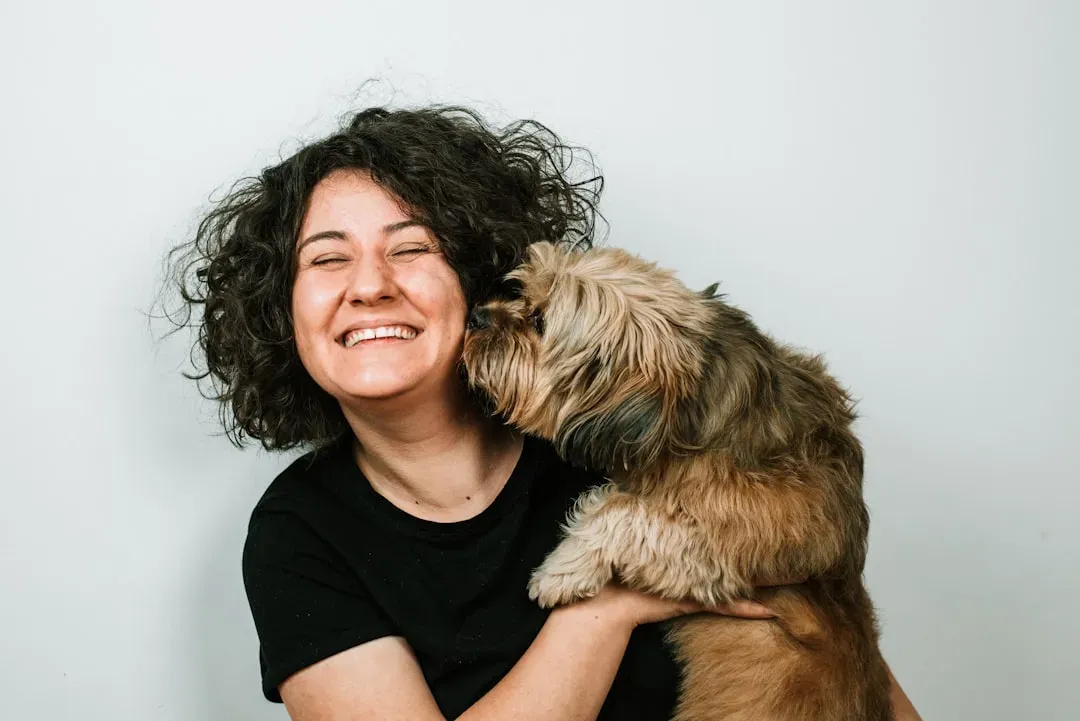
Every dog who walks through your door carries their own particular history, their own sensitivities, their own way of reading the world. Some are bold explorers. Some are gentle homebodies. Some take weeks to trust a stranger. Some trust everyone immediately, to their own detriment.
Research indicates that personality traits are complex and strikingly similar in dogs, humans, and other nonhuman animals. That parallel is worth sitting with. It means the inner life of your dog isn’t as foreign or unknowable as it might seem. They experience fear, curiosity, joy, and attachment – and they express those states consistently and reliably if you know what to look for.
The most useful thing you can do as a dog owner is stay curious about who your dog actually is – not who their breed suggests they should be, not who you hoped they’d become, but who they genuinely are right now. That kind of clear-eyed attention is how real trust gets built, one small moment at a time.


