

Picture this: you’re prepping dinner, you snap a carrot in half, and your dog comes sprinting into the kitchen like there’s a fire. Those alert eyes, that hopeful tilt of the head. You wonder, is it actually okay to share?
The good news is that carrots are one of the friendliest vegetables you can offer your dog. They’re crunchy, naturally sweet, and packed with real nutritional value. Still, like most good things, there’s a right way and a not-so-right way to go about it. Understanding both sides of the carrot equation helps you make smarter choices for the dog who trusts you completely.
Are Carrots Actually Safe for Dogs?

Carrots are not toxic to dogs. That’s the short answer, and it’s a reassuring one. Carrots are safe for dogs and even offer some health perks, from supporting eye health to promoting dental hygiene.
When served plain and prepared appropriately, carrots are healthy snacks for a dog to eat. Most dogs can safely eat carrots in moderation, whether raw or cooked, as long as they are cut to an appropriate size and introduced gradually. That last part matters more than most people realize.
Every part of this vegetable, from the carrot itself to the leafy green tops, is safe for dogs to eat. So next time you’re trimming fresh carrots from the garden, feel free to let your pup sample both ends.
The Impressive Nutritional Profile of Carrots
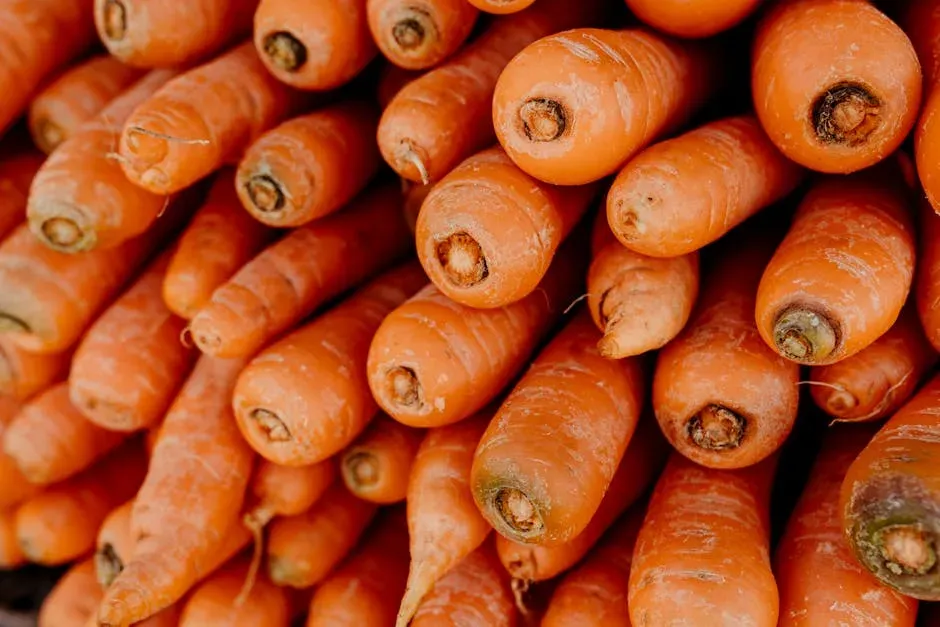
Carrots are rich in beta-carotene, which helps support healthy eyes and vision, plus they bring along vitamins A, K and C to keep your pup’s immune system strong. That’s a solid lineup for one humble vegetable.
This orange root vegetable is a healthy treat low in fat and is chock-full of essential nutrients like vitamin A, fiber, and potassium. Carrots also contain beneficial nutrients like vitamin C, vitamin K, vitamin B8, pantothenic acid, folate, iron, copper, and manganese.
The vitamin A and antioxidant content within carrots helps promote a healthy and shiny coat while boosting skin health. So the benefits aren’t just internal. Your dog’s coat may actually thank you too.
How Carrots Support Your Dog’s Vision

Beta-carotene is converted to vitamin A by the liver. Vitamin A helps support vision, including night vision. That’s because vitamin A travels through the bloodstream to the retina, where it nourishes the rods and cones. In turn, the rods and cones, which are sensitive to light, communicate with the brain what your dog is seeing.
Carrots contain natural Vitamin A (retinol), which is known for supporting eye health. For senior dogs especially, whose vision naturally changes with age, this is one subtle but meaningful benefit worth noting.
Carrots and Your Dog’s Digestive Health

Carrots are an excellent source of both soluble and insoluble fiber, which play vital roles in your dog’s digestive health. Insoluble fiber helps soften stools by drawing water into the intestines, making it especially helpful for dogs prone to constipation. On the other hand, soluble fiber, like the pectin found in carrots, creates a gel-like substance that aids digestion, firms up stools, and helps regulate blood sugar levels.
Soluble fiber is a prebiotic that ferments in your dog’s gut, producing short-chain fatty acids that boost the immune system, help with nutrient absorption, protect the lining of the gut and reduce harmful gut bacteria. That’s a lot of quiet work happening from one crunchy snack.
Carrots are high in natural fiber, which can support healthy digestion. They help reduce bloating, flatulence, and even firm up loose stools. If your dog has occasional tummy troubles, carrots may be a gentle and natural ally.
The Dental Health Bonus You Didn’t Expect
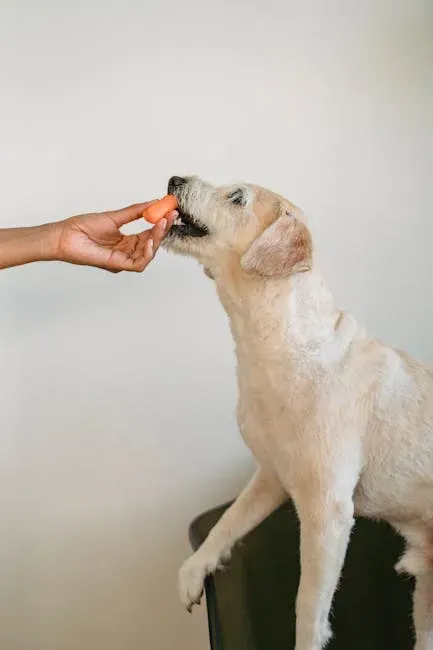
Crunchy raw carrots may help reduce plaque buildup by gently scraping teeth as your dog chews. While they don’t replace brushing, they can be a helpful addition to a dental routine. Think of them as a light, daily polish between proper cleanings.
Eating raw carrots is a convenient way to help clean your dog’s teeth as their natural abrasion and the action of biting down on a whole carrot can help scrape away food debris. They also encourage saliva production, which helps your pet’s oral hygiene.
If your dog hates regular brushing, a crunchy carrot a day can help freshen their breath and support overall dental hygiene. It won’t replace your toothbrush routine, but it’s a much easier sell to most dogs.
Carrots as a Low-Calorie Treat for Weight Management

Carrots are mostly water and fiber, so they can help dogs feel full without adding many calories. Because they’re low in calories, they make a perfect healthy treat for dogs who need to maintain their weight.
Carrots are ideal for dogs on a weight management plan. A medium carrot has just 25 calories, making it the perfect treat for dogs of all sizes, including seniors who may be less active. Compare that to even the lightest commercial dog biscuit, and the difference is striking.
Carrots are often recommended as a low-calorie alternative to commercial treats for dogs on weight management plans. If your vet has ever mentioned watching your dog’s waistline, swapping out store-bought treats for a few carrot slices is a painless first step.
The Real Risks: What to Watch Out For

While carrots are generally safe for healthy dogs, there are a few potential risks to keep in mind. While the natural sugars in carrots are fine in moderation, too much sugar over time can be dangerous for dogs with health problems like diabetes and obesity.
Carrots also contain a decent amount of oxalate, which can cause predisposed dogs to form bladder stones. Dogs prone to bladder stones and other urinary issues may benefit more from a different treat. This one catches many dog owners by surprise, so it’s worth a conversation with your vet if your dog has any urinary history.
Sometimes carrots will cause inflamed, itchy skin. Much less often, a dog will exhibit chronic gastrointestinal issues, ear infections, or wheezing. If you suspect your dog may be allergic to carrots, stop feeding them and visit your veterinarian.
Choking Hazards and Safe Sizing
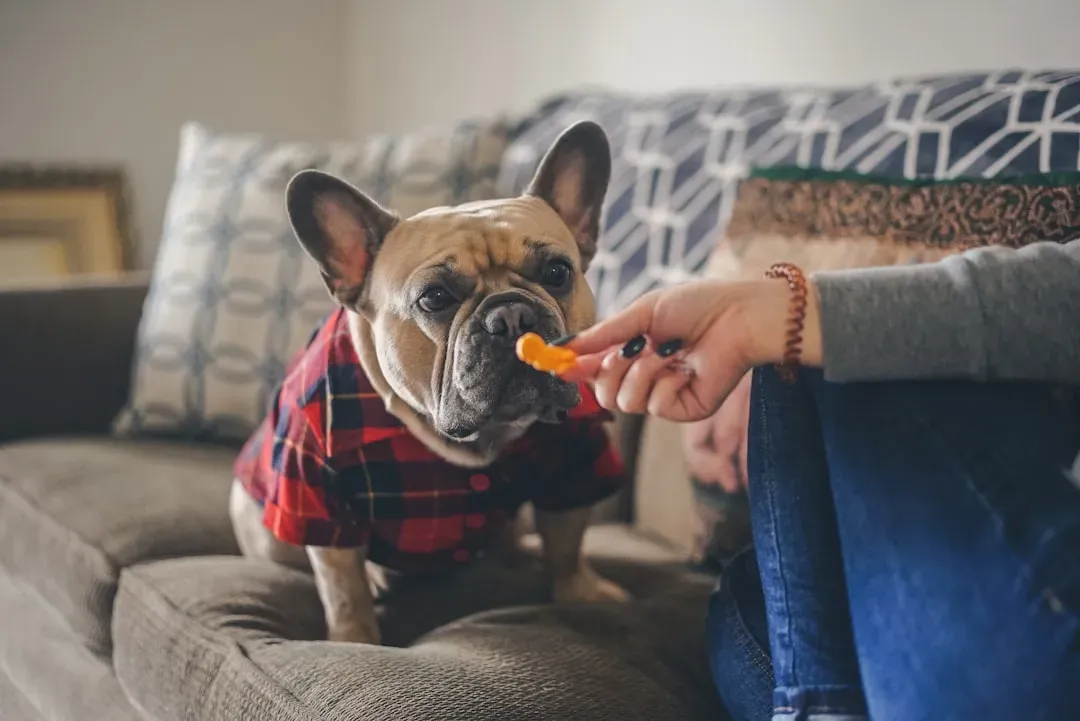
Carrots can pose a choking hazard. Large pieces of carrot may get stuck in your dog’s throat or cause intestinal blockage, so always cut them into bite-size pieces. This is especially true for small breeds and fast eaters who barely chew before swallowing.
For small dogs or puppies, raw carrots should be cut into thin sticks or slices to reduce choking risk. A golden retriever can handle a larger piece than a Chihuahua can, so sizing really does depend on the individual dog.
Always supervise whilst your dog eats anything, being aware of the risks of choking. That supervision habit is worth building across all snack time, not just with carrots.
Raw vs. Cooked: Which Is Better for Your Dog?

Carrots can be served raw or cooked, each offering different benefits. Raw carrots are great for dental health, while cooked carrots are easier to digest. So your choice may come down to what your dog actually needs most right now.
Some nutrients in carrots, like vitamin C, are reduced when carrots are cooked, but the availability of others, like beta carotene, is actually increased. There’s a genuine nutritional trade-off either way, so rotating between both forms isn’t a bad idea.
Cook without seasonings or oils. Plain steamed or boiled carrots are the best and safest options. The moment you add butter, garlic, or any seasoning, you’ve turned a healthy snack into something potentially harmful.
Can Puppies and Senior Dogs Eat Carrots?

Puppies can eat carrots in small amounts. Start with tiny, bite-size pieces and introduce them gradually, as their developing digestive systems may be especially sensitive to new foods. Teething puppies especially tend to appreciate having something firm to gnaw on.
Cold carrots also help soothe teething puppies, and they are a planet-friendly, plastic-free chew toy alternative. A refrigerated carrot stick can do a lot of heavy lifting during those chewy, fussy weeks of puppyhood.
Some dogs will appreciate the crunch that raw carrots provide whereas older dogs may prefer carrots that have been cooked because they will be softer on their teeth and easier to digest. Senior dogs with worn teeth or sensitive stomachs often do better with lightly steamed carrot pieces.
How Much Carrot Is Actually Enough?
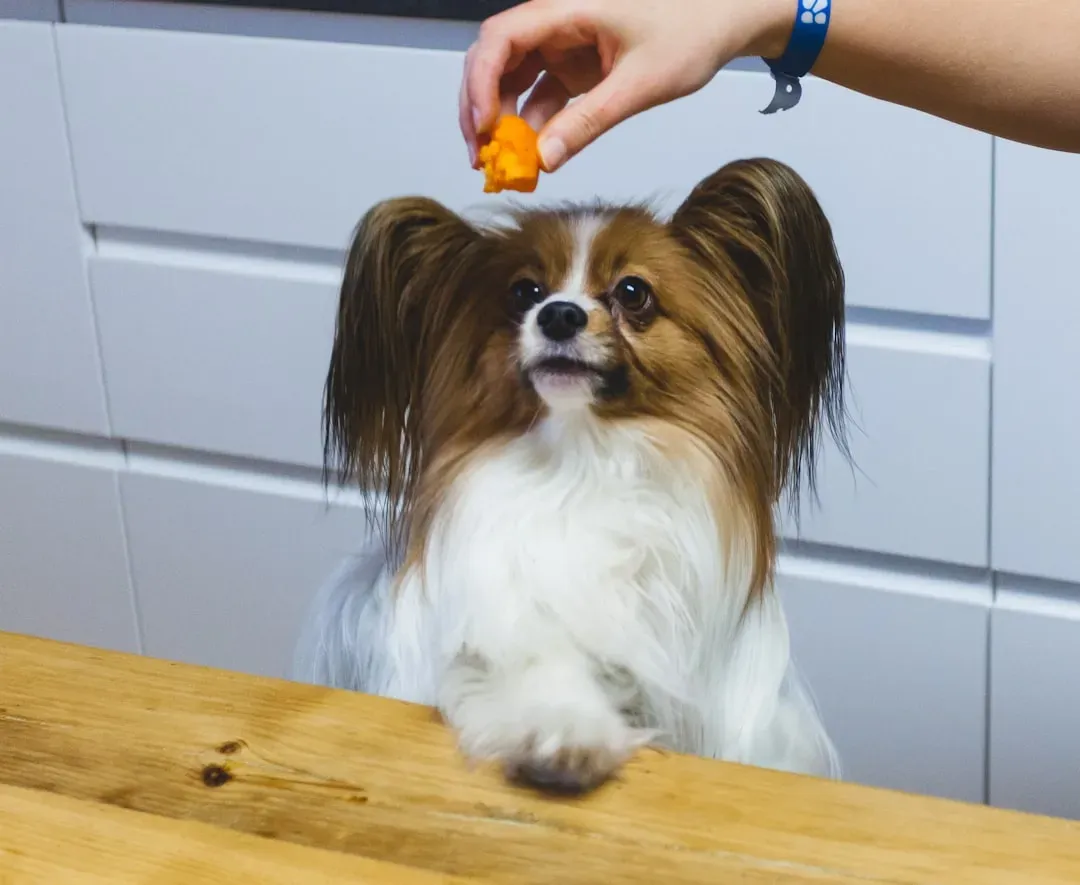
Even though carrots are quite healthy, your dog should only eat them in moderation. In fact, all treats you feed your dog should only make up 10% of their diet. The other 90% should come from a well-balanced dog food. That’s the golden rule, and carrots are no exception to it.
Generally, a medium or large adult dog can safely eat a whole carrot or three baby carrots a day, two to three times a week. Each serving should be approximately a half-cup. Small breeds like Terriers and other small or miniature dogs can be given a few slices of baby carrot a day, a few times a week. This measures to about one-quarter cup or less.
Talk to your vet about the number of carrots you should feed your dog per day. You can also ask if there are any other health concerns associated with adding this human food to your dog’s diet. When in doubt, your vet is always the best first call.
Conclusion: A Simple Snack That Actually Earns Its Place
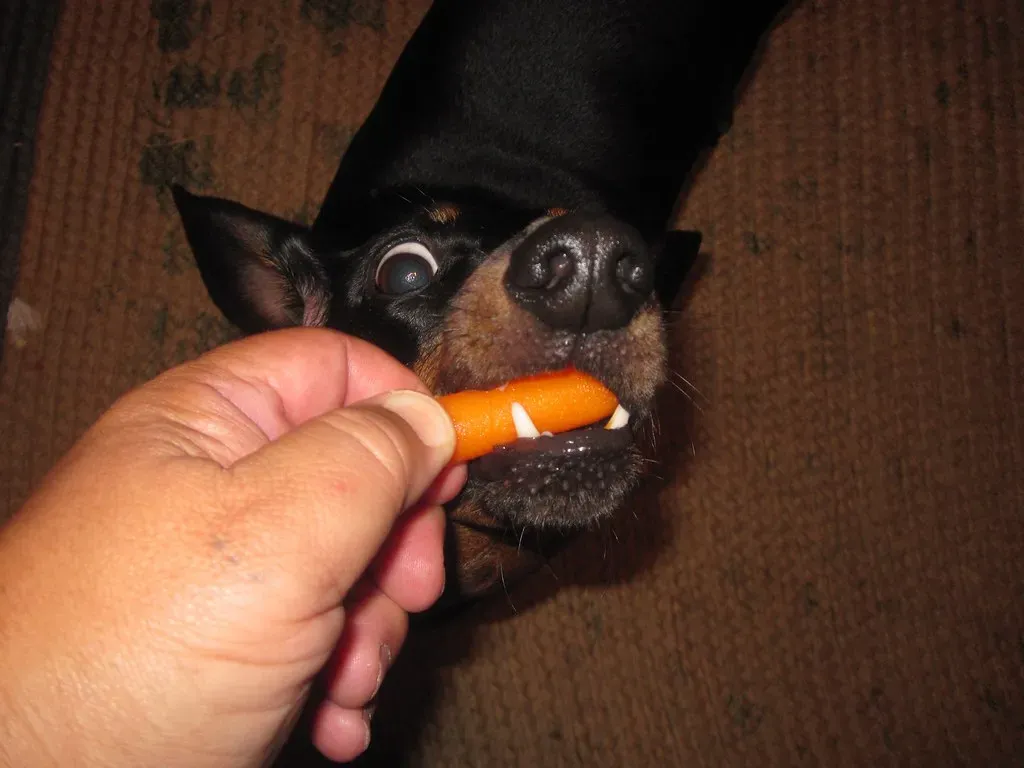
Carrots aren’t a miracle food, and they won’t replace a balanced diet or proper veterinary care. What they are is something genuinely useful: a low-cost, low-calorie, nutritionally real snack that most dogs enjoy and most owners can feel good about offering.
The key is preparation and proportion. Wash them, cut them to the right size for your dog, skip any seasonings, and keep servings modest. Introduce carrots slowly into your dog’s diet and monitor for any digestive changes. For most dogs, they’re a healthy, crunchy snack that can be enjoyed several times a week in small amounts.
That excited sprint to the kitchen when you snap a carrot in half? It’s a small joy. And now you know it can be a healthy one too. The best care you give your dog often lives in the small, consistent choices made every single day.


