
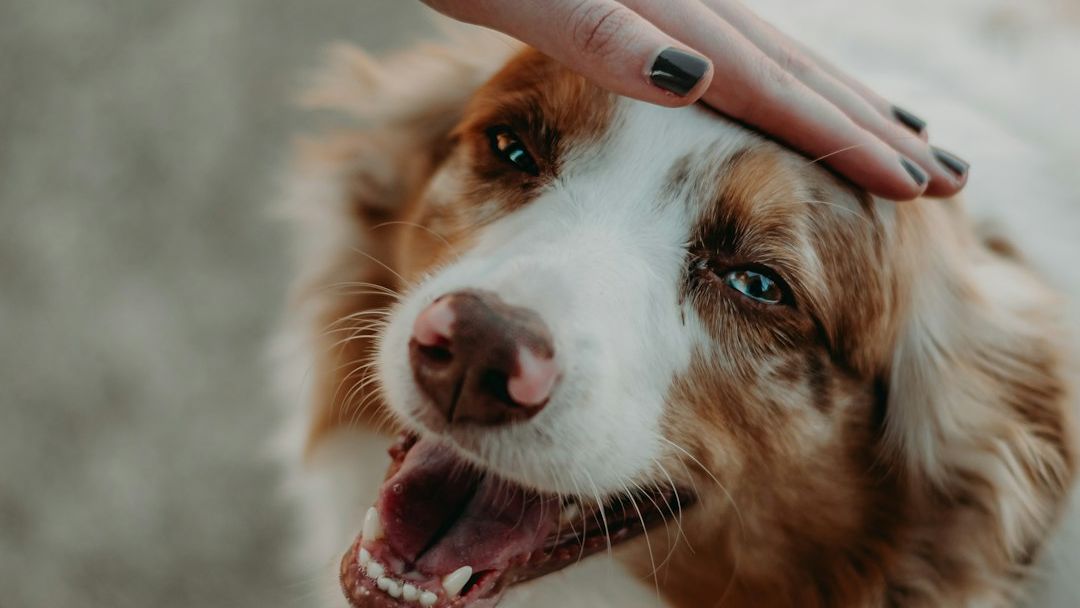
Most of us have had that moment. You come home after a long, draining day, and your dog is already at the door. You sit down, start running your hand along their back, and somewhere in the middle of it, your own shoulders drop. Your breathing slows. The day feels a little more manageable. What’s fascinating is that this isn’t just a feeling. There’s real science behind what’s happening in that quiet moment between you and your dog.
Petting your dog isn’t just a routine act of affection. It turns out it’s one of the most powerful, accessible tools you have for reducing stress, and not just yours. Your dog benefits just as profoundly. Understanding the biology behind that exchange, reading your dog’s cues correctly, and learning how to make petting truly count can transform an everyday habit into something genuinely therapeutic for both of you.
The Biology of a Belly Rub: What Happens Inside Both of You
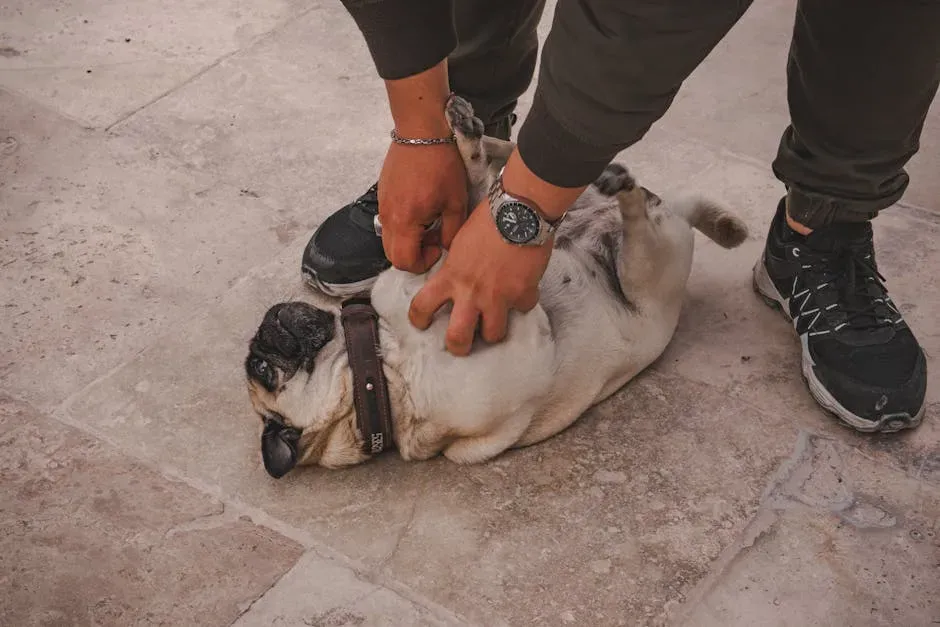
Petting a dog releases oxytocin, serotonin, and dopamine in both humans and dogs while lowering cortisol levels, reducing stress, and strengthening the dog-human bond. That’s not a small thing. These are the same chemical shifts that happen between parents and newborns, between close friends sharing a moment of connection.
Interaction between humans and dogs, which includes pleasant, non-noxious sensory stimulation, can induce oxytocin release in both humans and dogs and generate effects such as decreased cortisol levels and blood pressure. The exchange is genuinely mutual. Your dog isn’t just passively receiving comfort. They’re giving it back in the same breath.
Evidence is accumulating that levels of the stress hormone cortisol drop in people after just five to twenty minutes spent interacting with dogs. That’s roughly the length of one episode of a podcast, or the time it takes to eat lunch. The investment is small. The return is measurable.
Your Dog Is Stressed Too: How to Read the Signs

Before you can help your dog decompress, you need to know when they need it. Dogs don’t announce their anxiety. They whisper it through their bodies, and those signals are easy to miss if you don’t know what you’re looking for.
Stress signs to look for include whale eye (when dogs reveal the whites of their eyes), tucked ears or tail, raised hackles, lip-licking, yawning, and panting. Your dog might also avoid eye contact or look away. Context is everything here. Panting after fetch is normal. Panting in a quiet room could mean stress.
Mild stress usually appears through simple actions like yawning, lip licking, or panting even when your dog is not tired. Your dog may also look away or avoid eye contact. These quiet signals are your dog’s way of asking for space and comfort. Think of these as early warnings, not emergencies. Catching them early lets you step in before the tension escalates.
Like people, nervous dogs may experience an increased urgency to urinate or defecate. Dogs may experience gastrointestinal upset that can include vomiting, diarrhea, and refusing food. If you’re seeing these signs regularly and can’t identify a clear trigger, a conversation with your vet is a worthwhile next step.
Where and How You Pet Actually Matters
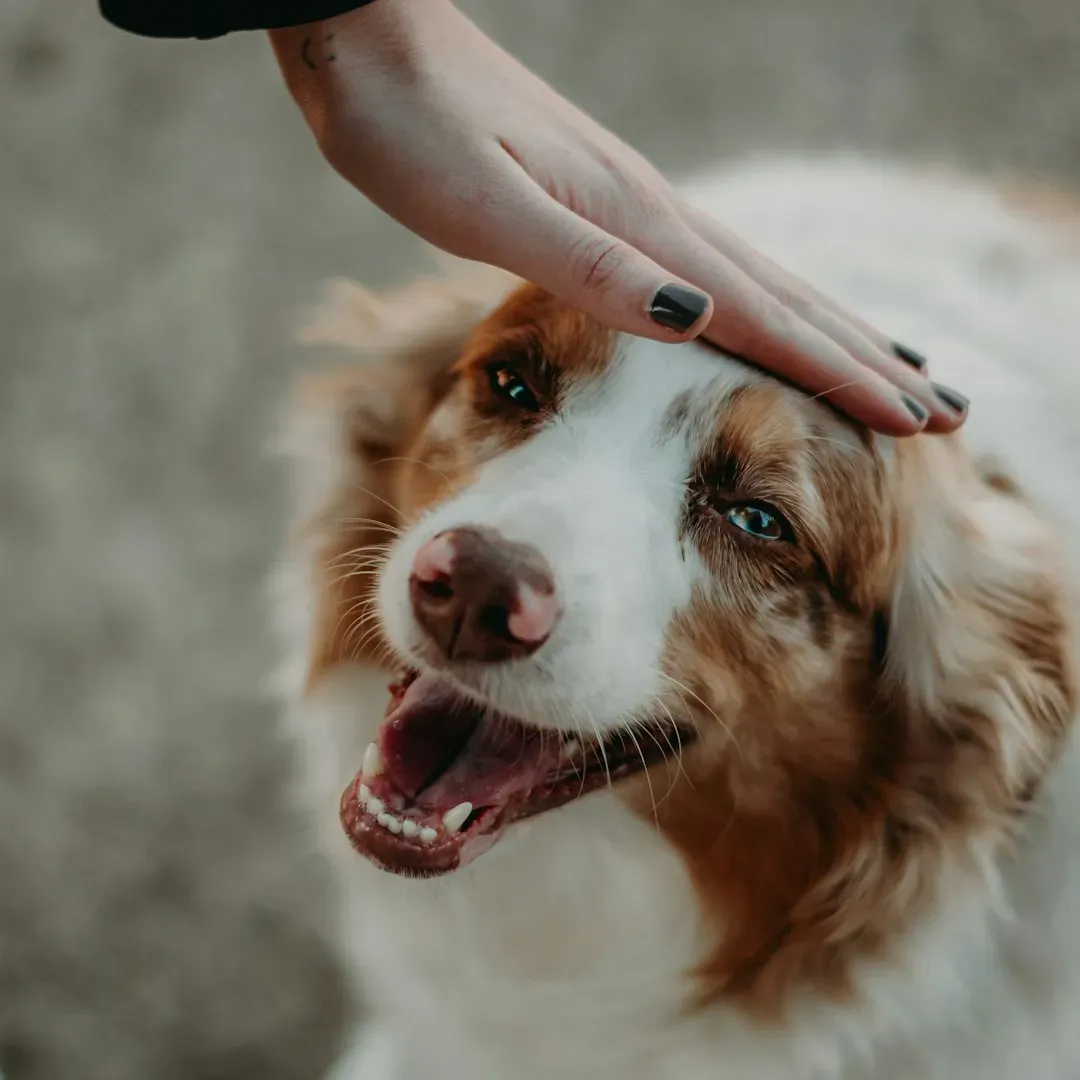
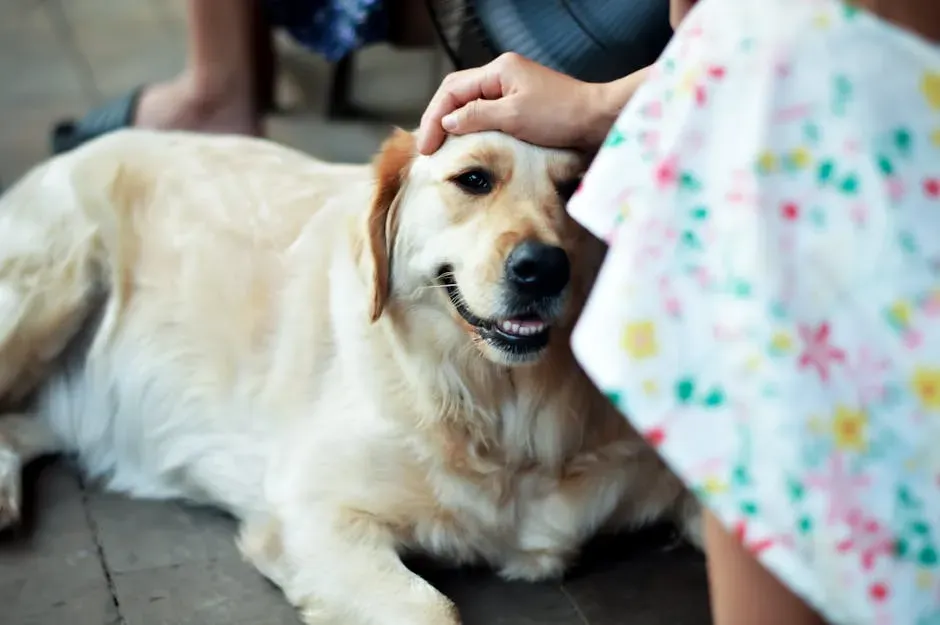
Most people default to patting a dog on top of the head. It feels natural. The dog tolerates it. Yet for many dogs, that’s actually one of the less comfortable spots. Genuinely calming petting requires a bit more intention.
Most dogs are comfortable being petted on the chest, the shoulders, and the base of the neck. When petting these areas, reach in from the side, rather than moving your hand over the top of the dog’s head. Starting at the chest is especially smart with unfamiliar dogs, since it keeps your hand visible and feels less threatening.
Slow petting, similar to gentle massage or light scratching, can calm a dog down. Place your hand on an area where the dog enjoys being handled and gently move your hand or fingers in the same direction the fur lies. Rhythm and pace matter. Long, gentle strokes are generally more calming than quick pats. Move your hand in one direction with light pressure, adjusting based on how your dog responds. This kind of touch helps lower your dog’s heart rate and reduces stress.
There’s also a simple “consent test” worth knowing. Pet your dog for a few seconds. Then, stop and see what they do. If they look at you, nudge your hand, or shift closer, it is a green light to keep going. If they wander off or stay still, they may not want more attention right now. This one small habit can completely change your dynamic with your dog.
When Petting Becomes a Real-World Lifeline
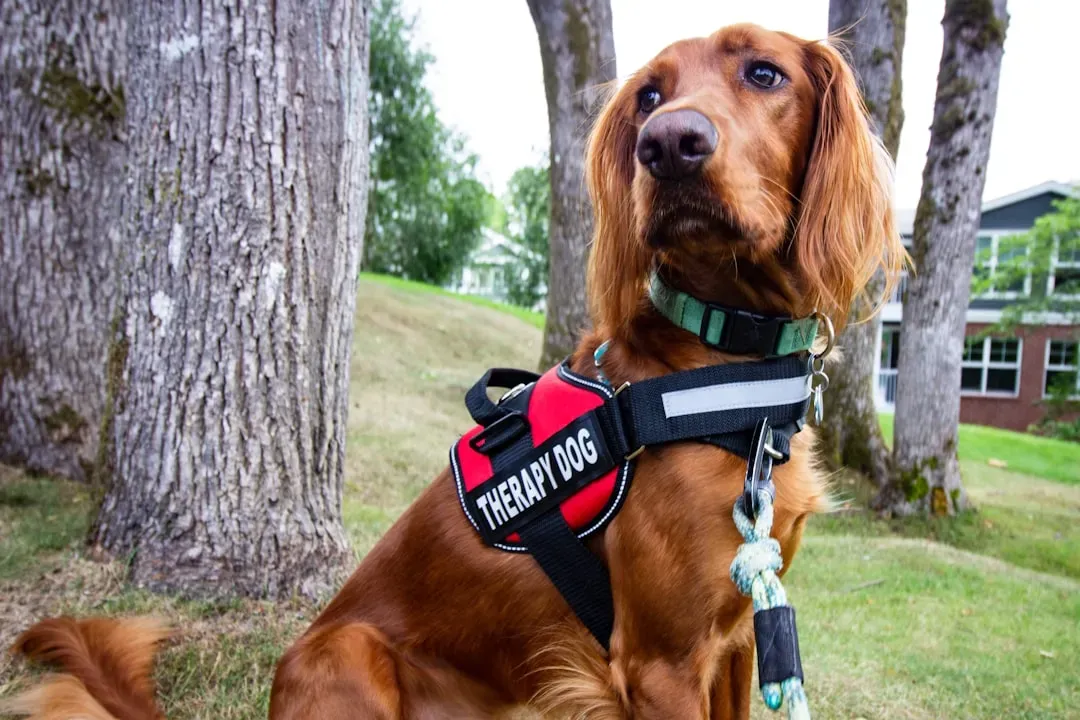
The research on petting and stress relief has moved well beyond living rooms. It’s now showing up in hospitals, schools, crisis centers, and more. The scale of what a simple touch can do is genuinely remarkable.
Therapy dogs are used in schools to provide comfort to students either in a group setting or one-on-one. By petting and interacting with a therapy dog, students find relief from stress, experience increased feelings of safety and care in a school environment, and have more positive interactions in the classroom. As little as twice-weekly interactions between school kids and dogs have been shown to improve children’s reasoning skills and concentration, and these positive effects persisted for months on end.
It’s not uncommon to see wagging tails in oncology units, acting as a distraction for patients receiving tough treatments, or in children’s hospitals to help kids facing scary medical procedures. The U.S. is home to more than 50,000 therapy dogs, each of them demonstrating what most dog owners already sense at home: that the connection created by touch carries weight far beyond sentiment.
Veterans and trauma survivors often find comfort in the non-judgmental presence of therapy dogs. These animals help reduce symptoms like anxiety and hyperawareness by creating a calming environment. For people navigating invisible pain, a quiet dog resting its head in their lap sometimes reaches places that words simply can’t.
Making Petting a Mindful Daily Habit
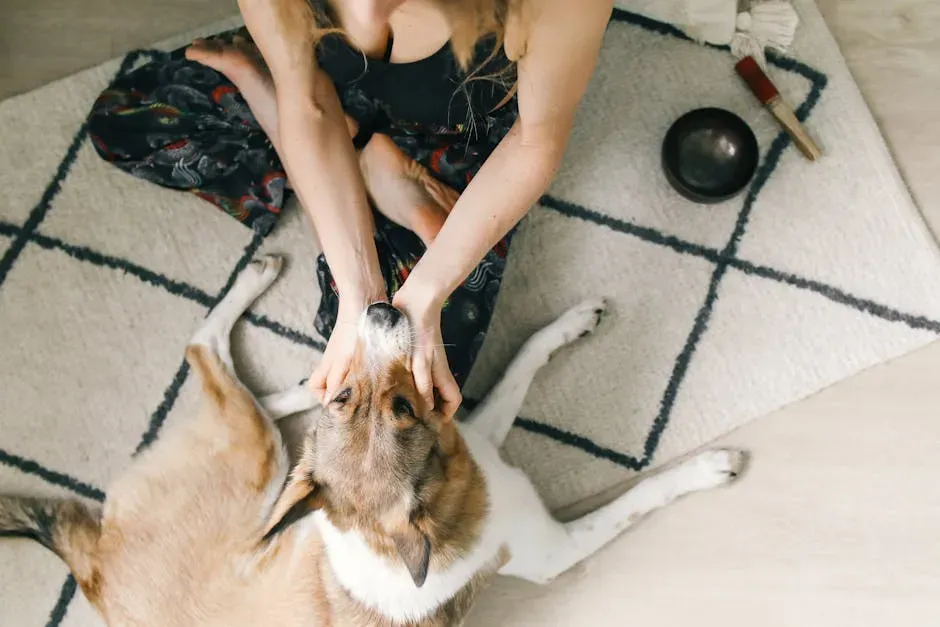
Knowing the science is one thing. Building it into your daily life in a way that actually sticks is something else. The good news is that this doesn’t require a schedule or a program. It just requires presence and a little consistency.
Spend ten distraction-free minutes petting your dog daily. That means phone down, TV off, full attention. Use petting as a mindfulness practice: focus on the texture of your pet’s fur and the rhythm of their breathing. That deliberate attention amplifies the calming effect for both of you, turning a routine moment into a genuine reset.
Dogs that feel secure with their owners are typically easier to examine, less stressed during veterinary visits, and recover more smoothly from procedures. Daily, intentional petting builds a foundation of trust that shows up everywhere, from vet check-ups to loud thunderstorms to new and uncertain situations. Avoid petting when a dog is sleeping, eating, or showing signs of stress, because timing matters as much as technique.
Scientists explain that the repetitive, rhythmic motion of stroking an animal has a meditative quality, similar to deep breathing exercises. Over time, this practice can contribute to overall heart health and reduce the risk of stress-related illnesses. You’re not just calming your dog. You’re actively taking care of yourself in the same moment.
Conclusion: The Most Underrated Thing You Can Do for Your Dog Today
There are no supplements to order, no equipment to buy, and no complicated training protocols to follow. The most powerful thing you can offer your dog’s emotional health is already in your hands, literally. A slow, intentional stroke from shoulder to tail, offered at the right moment, in the right place, with your full attention, does something that nothing else quite replicates.
Touch is one of the most powerful ways to bond with your animal, and it doesn’t take much scratching or stroking to see the difference. Your dog has been trying to tell you this for years. Every time they press against your leg, rest their chin on your knee, or follow you from room to room, they’re asking for exactly this kind of connection. The science now confirms what dog lovers have always known in their gut: showing up, slowing down, and reaching out your hand is enough.


