
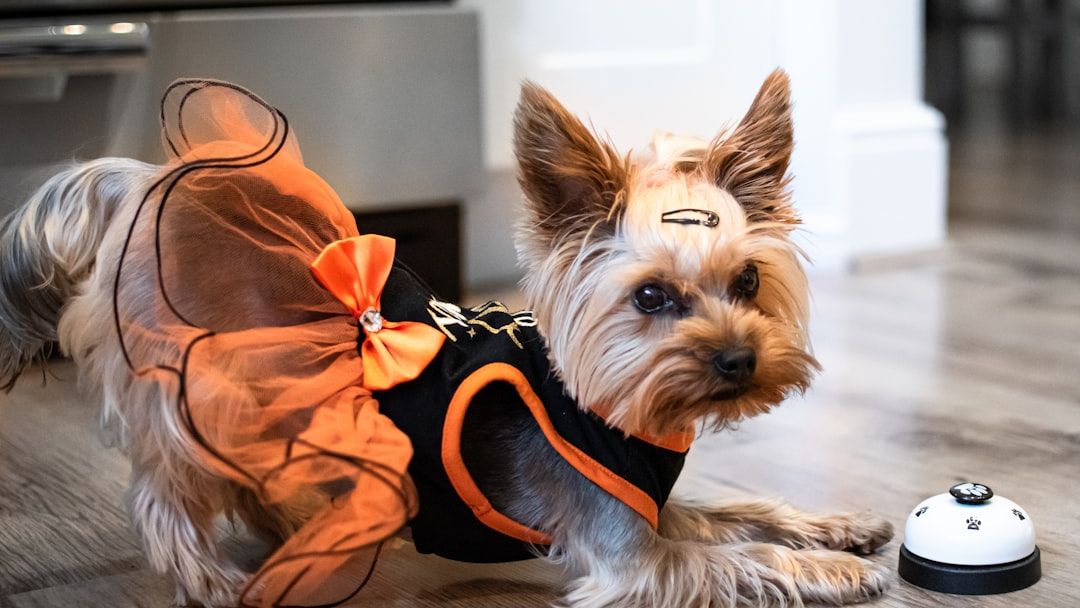
Most of us grew up thinking dogs “talk” by barking. And sure, they do that too. But any dog owner who’s spent a quiet evening watching their pup will tell you there’s a whole other conversation happening, one that never makes a sound.
Dogs are master communicators, constantly sending messages through a rich vocabulary that goes far beyond barking. While we often focus on the obvious woofs and howls, our canine companions are having full conversations with us every single day using subtle body language, facial expressions, and behaviors that many of us completely miss.
Unlike in people, canine body postures and olfactory cues are significant components of dog language, while vocal communications are actually less significant. People are listeners; dogs are watchers. Once you start learning their silent language, you’ll never look at your dog the same way again.
1. The Meaningful Gaze: Eye Contact as a Love Language
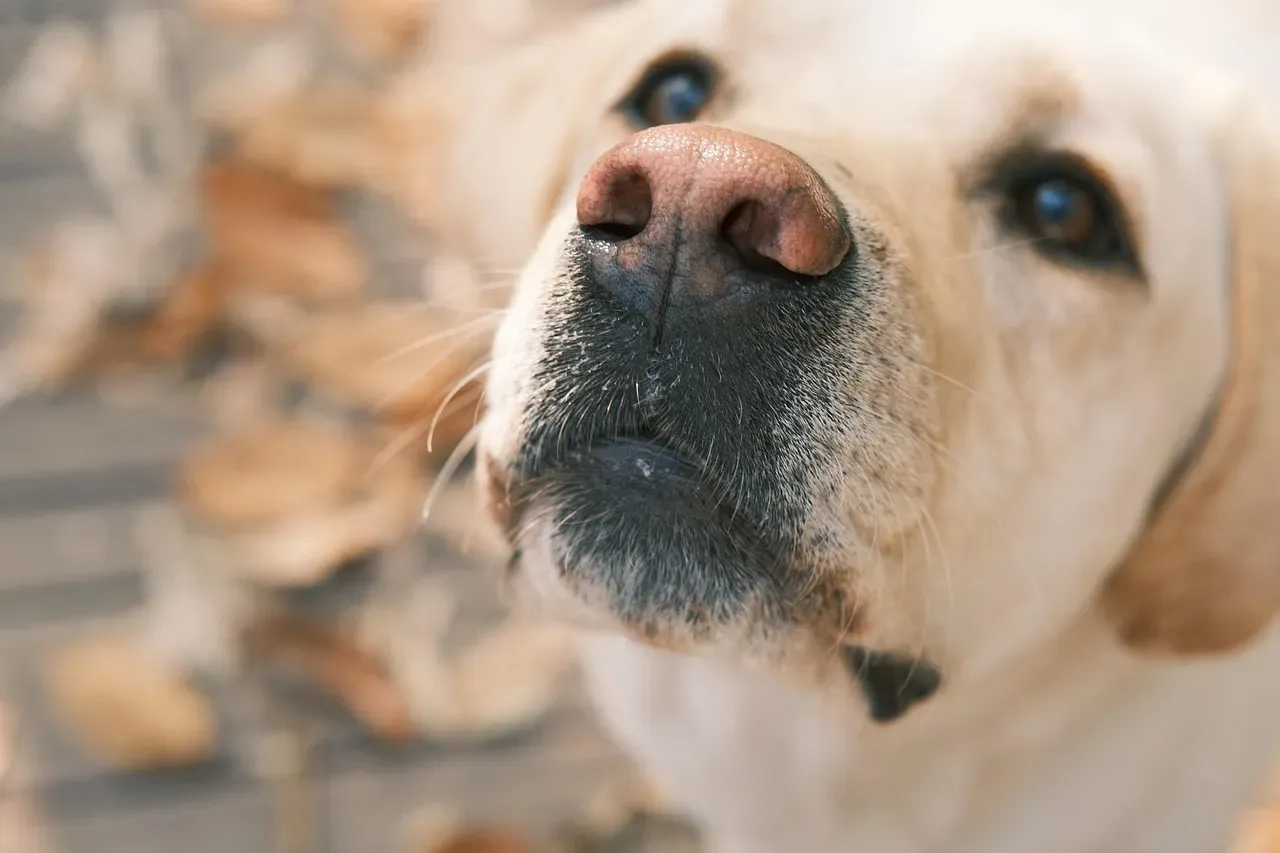
Of all the ways your dog reaches out to you without making a sound, the steady, soft gaze might be the most profound. Human-like modes of communication, including mutual gaze, in dogs may have been acquired during domestication with humans. Research shows that gazing behavior from dogs increased oxytocin concentrations in owners, which consequently facilitated owners’ affiliation and increased oxytocin concentration in dogs.
Studies have shown that mutual gazing can increase oxytocin levels by up to 130% in dogs and an astounding 300% in humans, creating a biological bond similar to that between parents and children. In practical terms, when your dog looks up at you calmly with relaxed eyes while you’re sitting together, that’s not passive behavior. That’s connection.
So-called soft eyes are when a dog’s eyelids are heavy and relaxed. Soft eyes are a clear indication of a relaxed and comfortable dog, often paired with a slow, casual wagging tail and an overall lack of physical tension. A direct, hard stare, however, is a very different signal and one worth paying attention to.
2. Tail Talk: It’s Far More Nuanced Than You Think
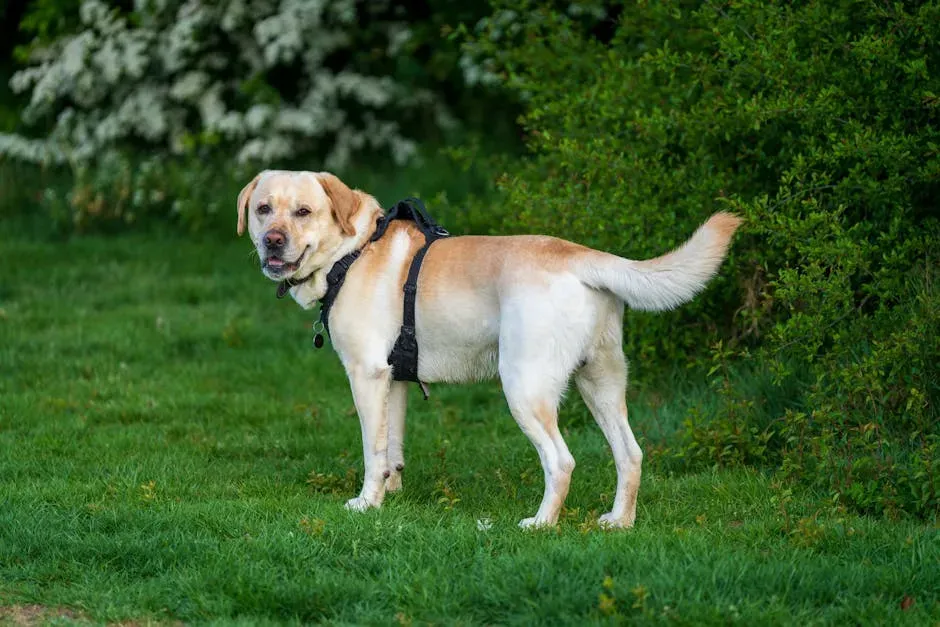
The tail might be your dog’s most expressive tool, but it’s widely misunderstood. All a wagging tail means is that the dog is emotionally aroused. It could be excitement, but it could also be frustration or worse. Context is everything here.
The direction of the wag may hold clues as well. A study on tail-wagging showed that dogs tend to wag their tails more to the right when they’re feeling positive about something, such as interacting with their owner. Tails wagged more to the left when dogs faced something negative.
The position of the dog’s tail relative to the ground holds important clues about their emotional state. Essentially, the higher the tail, the more assertive the dog. Dogs with their tails pointing down to the ground or even tucked between their legs are feeling fear and stress. Next time your dog greets you, notice not just that the tail is wagging, but how and where.
3. The Play Bow: An Invitation You Should Always Accept
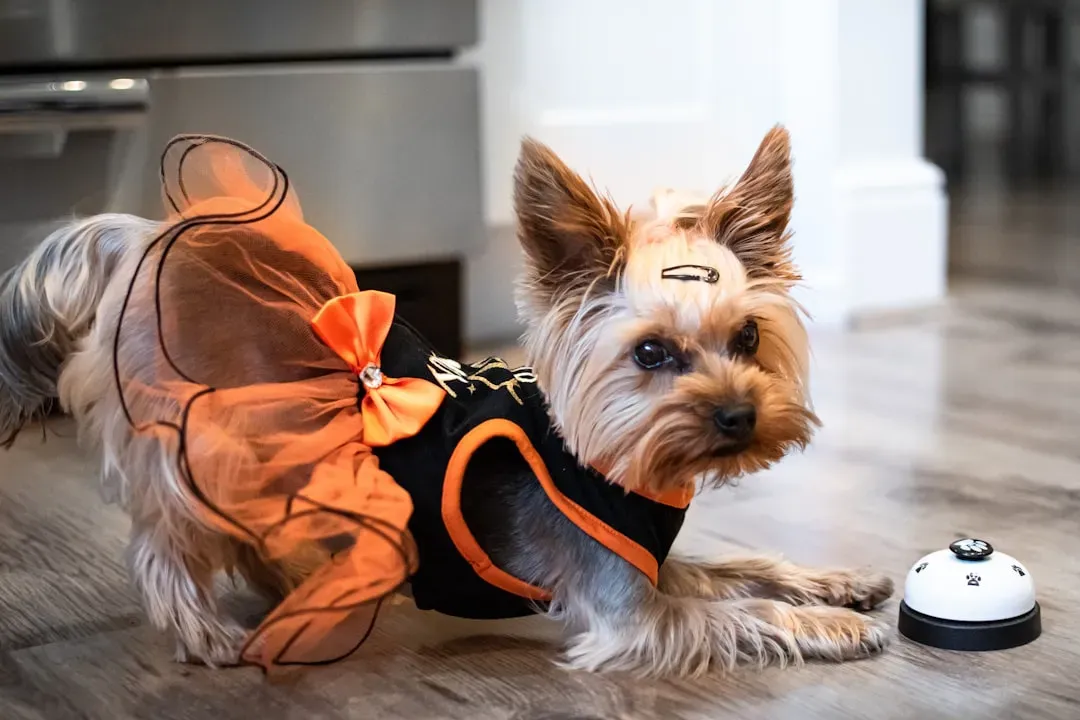
A well-known behaviour associated with playful moods in dogs is known as a play bow, where a dog lowers its forelimbs and chest while raising its hind end and wagging its tail. This may be followed with other playful actions, such as bouncing movements and face pawing. It’s one of the clearest, most enthusiastic messages your dog sends you.
The play bow, also known as the ‘downward dog’ pose, is a sure sign of a dog’s desire for play. The low chest and raised rump communicates an openness to engagement with a person or other dog. Think of it as a universal handshake between species.
The classic play bow is also recognized as a calming signal. So even in a tense moment with another dog at the park, if your dog dips into that posture, they may be communicating, “Let’s keep this friendly.” Responding with gentle play or a happy voice reinforces that you got the message.
4. Ear Position: The Mood Antenna on Their Head
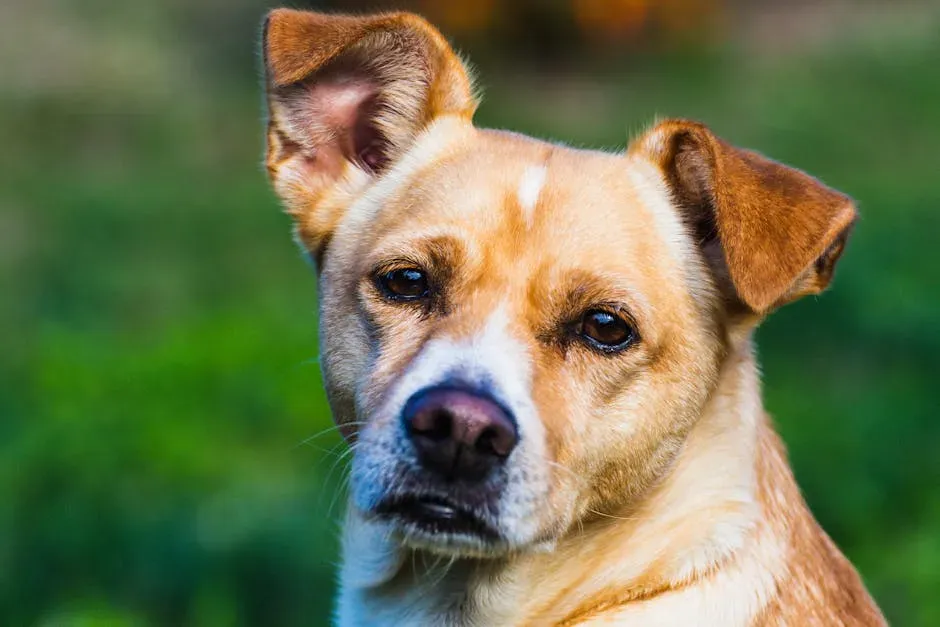
Dog ears are incredibly expressive, though their range depends a lot on breed. Things to watch for when dogs communicate are primarily body language and posturing, including position of the head and neck, position of the ears, tail position and activity, raised hair over shoulders or back, position of eyes and ears, facial expressions, and vocalization.
Happy and relaxed dogs offer a great deal of body language intel. The ears of these dogs can range from forward and relaxed to pointed back and relaxed. Dogs that are happy and submissive may even fold their ears back. A key sign of happiness is a circular tail wag as well.
Dogs that are agitated or distressed may flatten their ears against their head or hold them out to the sides in a rigid manner. Breed variations matter here. A Basset Hound’s ears hang regardless of mood, while a German Shepherd’s radar-dish ears shift with remarkable clarity. Learn your own dog’s baseline and you’ll pick up on shifts quickly.
5. Yawning and Lip Licking: The Stress Signals Most Owners Miss
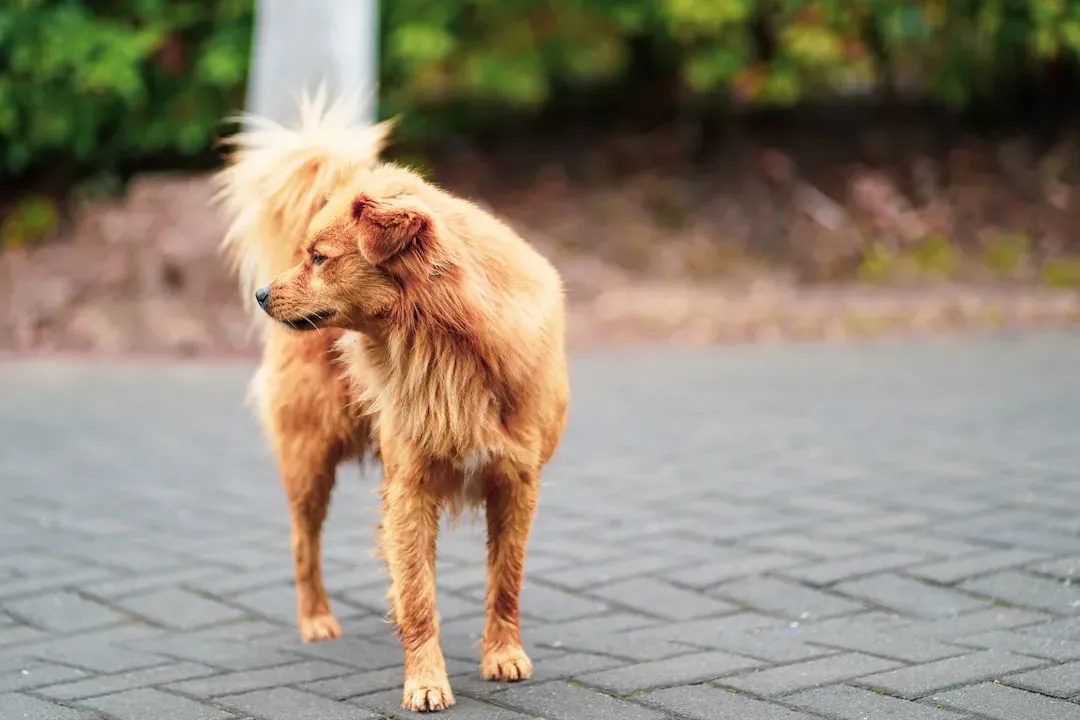
A yawn from your pup doesn’t always mean your dog is tired. Although a yawn may mean drowsiness, it can also serve as an important signal. A dog yawn is considered an appeasement behavior. If your dog yawns while you’re scolding them, or at the vet’s office, that’s not boredom. That’s your dog trying to de-escalate a situation they find stressful.
Lip licking is a common calming signal observed in dogs that can provide valuable insights into their emotional state. When a dog quickly flicks its tongue across its lips, it is often a clear indicator of stress or unease. The key word is “context.” When lip licking occurs in contexts without food, it is most likely a calming signal. These lip licks are very quick and can easily be missed.
When displacement behaviors like yawning, lip licking, or body shaking are ignored, it’s not just a missed message. These are warnings that your dog is overwhelmed, anxious, or conflicted. Recognizing them early means you can step in, remove the stressor, and prevent the situation from escalating to something more difficult.
6. Leaning and Physical Closeness: The Quiet Ask for Connection
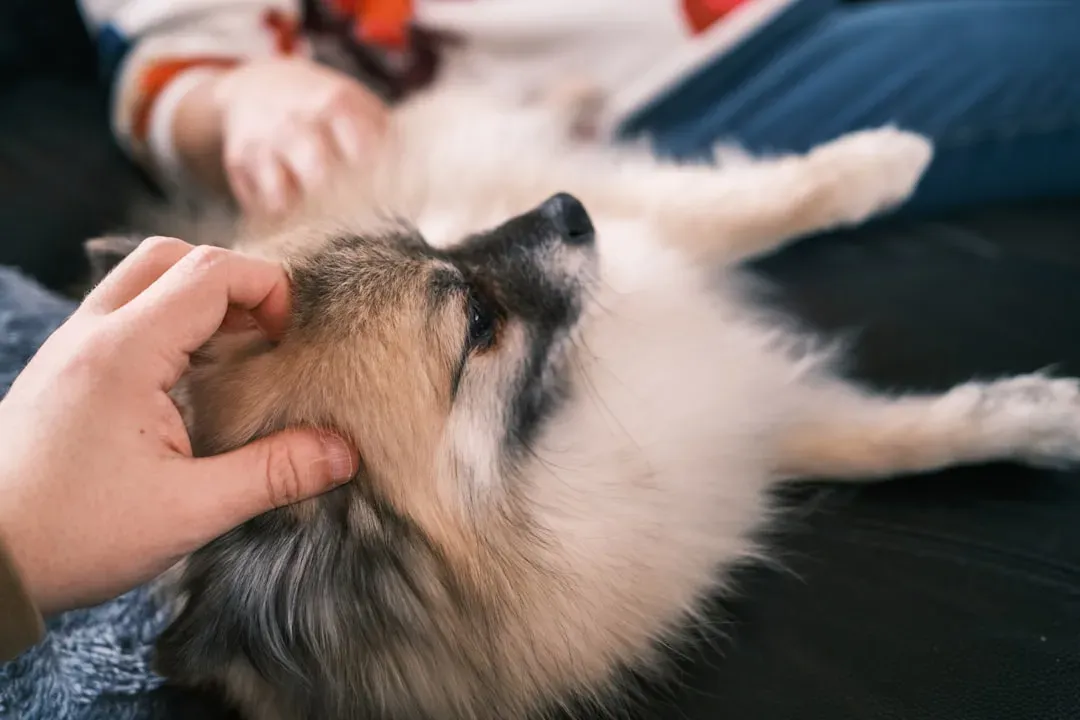
Dogs are physically expressive creatures, and the way they use their bodies to initiate contact with you carries real meaning. A happy dog may seek attention from you by nudging you with their nose, pawing at you, or leaning against you. This is a sign that they feel safe and comfortable around you and want to be close to you.
When your dog presses their full weight against your legs or leans into your side, that’s not clumsiness. Leaning is a sign of trust and comfort. Your dog feels secure and is strengthening the emotional connection. It’s one of the most understated ways a dog says, “I’m glad you’re here.”
Physical proximity also plays a health role. Studies have shown that the oxytocinergic system may be involved in the regulation of inter-specific relationships, with both dogs and their owners showing an increase in oxytocin levels following positive social interactions. Simply sitting close to your dog, allowing them to lean and touch, does measurable good for both of you.
7. Body Posture: The Full-Body Broadcast
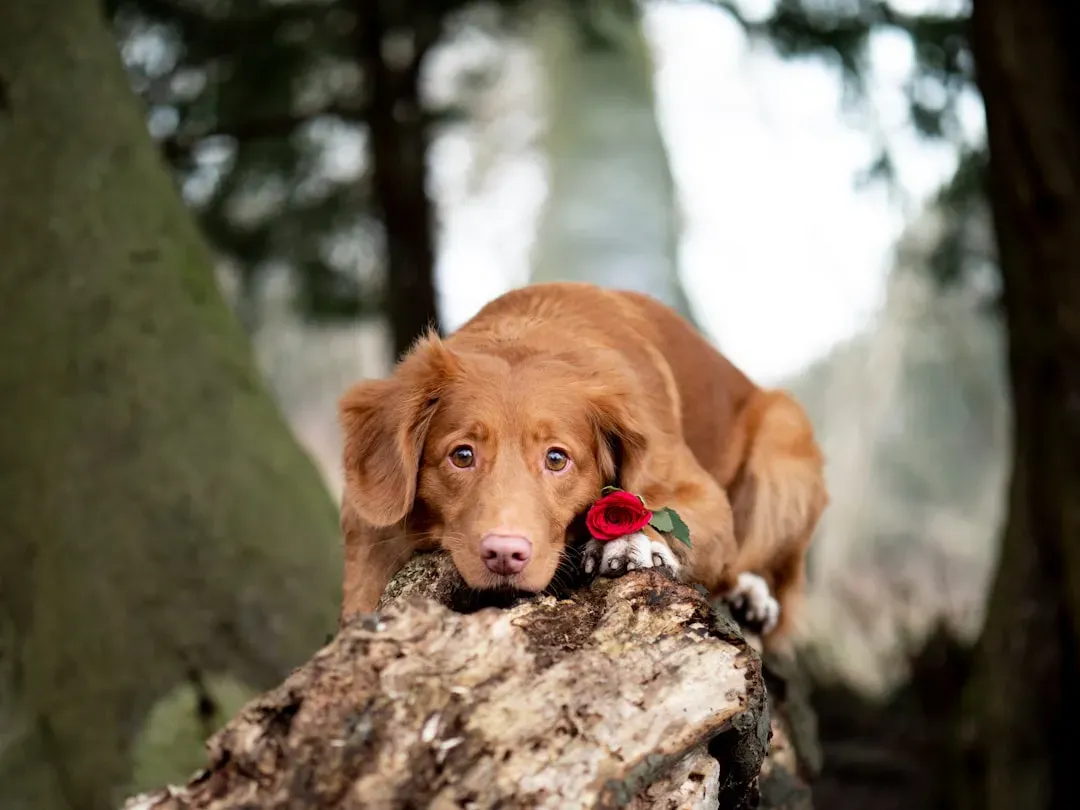
When a dog stands tall with their chest out and weight forward, they’re displaying confidence or potentially asserting dominance over a situation. Conversely, a lowered body position with weight shifted back often indicates submission, fear, or a desire to appear non-threatening.
When a dog’s posture is relaxed and shows little to no tension in the muscles, it signals a sense of comfort and ease. That’s the body language you’re aiming for in everyday life with your dog. Tension in the muscles, stiff legs, and a forward-leaning stance all tell a different story.
The most important factor is the overall picture. No single signal tells the full story. It’s the combination of posture, movement, and expression that reveals how a dog is feeling. A tail wagging on a stiff, forward-leaning body is a completely different message from a tail wagging on a relaxed, wiggly frame.
8. The Whale Eye and Facial Expressions: Reading the Fine Print
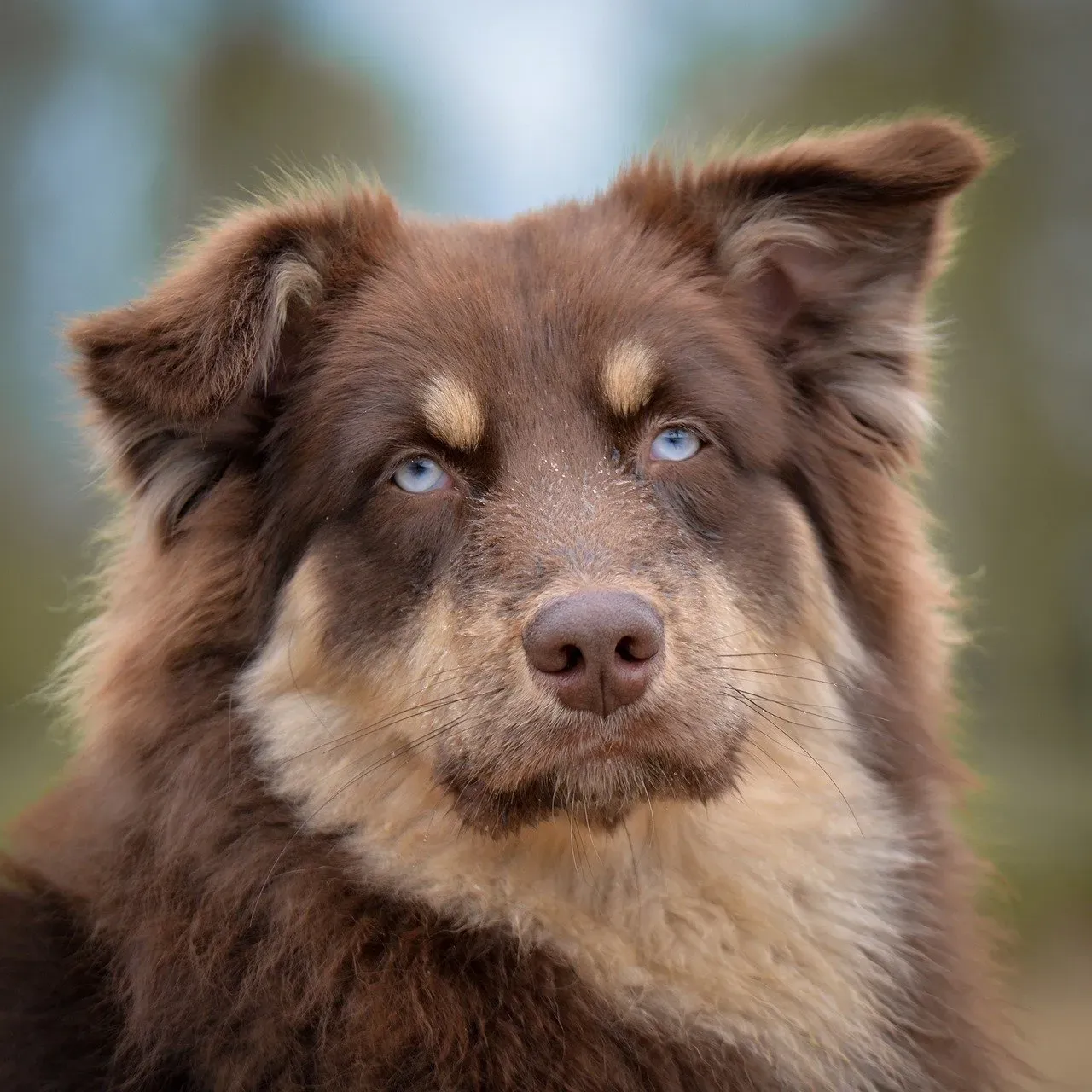
Dogs’ faces communicate more than most people realize. The whites of the eyes are a key indicator. Known as “whale eye,” when a dog shows the whites of the eyes, it’s a signal that they’re feeling anxious or stressed in a situation. You might see them when you make your dog uncomfortable, like when you pat your dog on the head, or when they’re afraid someone will steal a bone or toy.
Along with postural and facial displays, dogs can exhibit other behaviours to signal their inner state; for example, they turn their head away from a stimulus when stressed, they lift their forefoot paw to indicate uncertainty, or they lick their lips to communicate their appeasement intentions.
Flatten that knowledge against everyday life. If you go in for a hug and notice your dog’s head turning slightly away, whites of the eyes showing, and mouth closed tightly, your dog is politely asking you to stop. Hugging can feel confusing and threatening to dogs. It is a common cause of dog bites in the face of young children. Teaching children in your household to read these facial cues could be genuinely safety-critical.
9. Sniffing the Ground and Head Turns: The Art of Deliberate Distraction
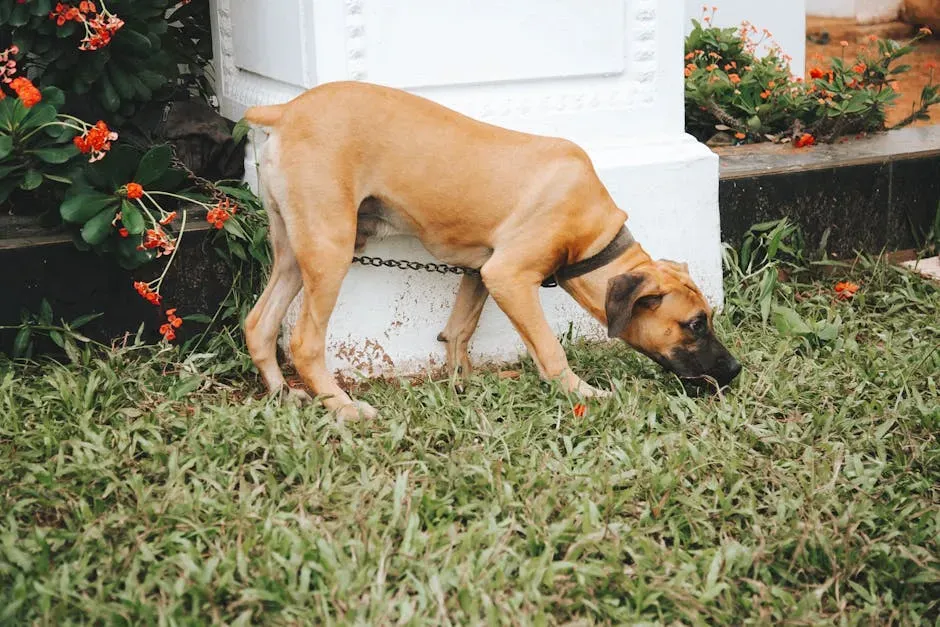
Have you ever called your dog’s name and watched them suddenly become fascinated with a patch of grass? That’s not defiance. Spontaneous sniffing can often be seen in training situations in which the dog is uncomfortable. The dog suddenly seems extremely interested in the ground, even if there is no objective reason why they should want to sniff.
Turning the head aside and looking away are categorized behaviors used by dogs as calming signals. When your dog averts their gaze from another dog or even from you during an uncomfortable moment, they’re not being rude. They’re choosing a peaceful path.
Overall, despite the fact that communication behaviours can be described separately, single behaviours need to be considered and observed in the context of all the other signals displayed at that time, as well as the general body language, in order to interpret correctly the individual’s emotional state. If your dog frequently redirects to sniffing during training, that’s useful feedback. It might mean the session is too long, too intense, or not rewarding enough.
10. The Shake-Off and Stretch: Resetting and Reaching Out
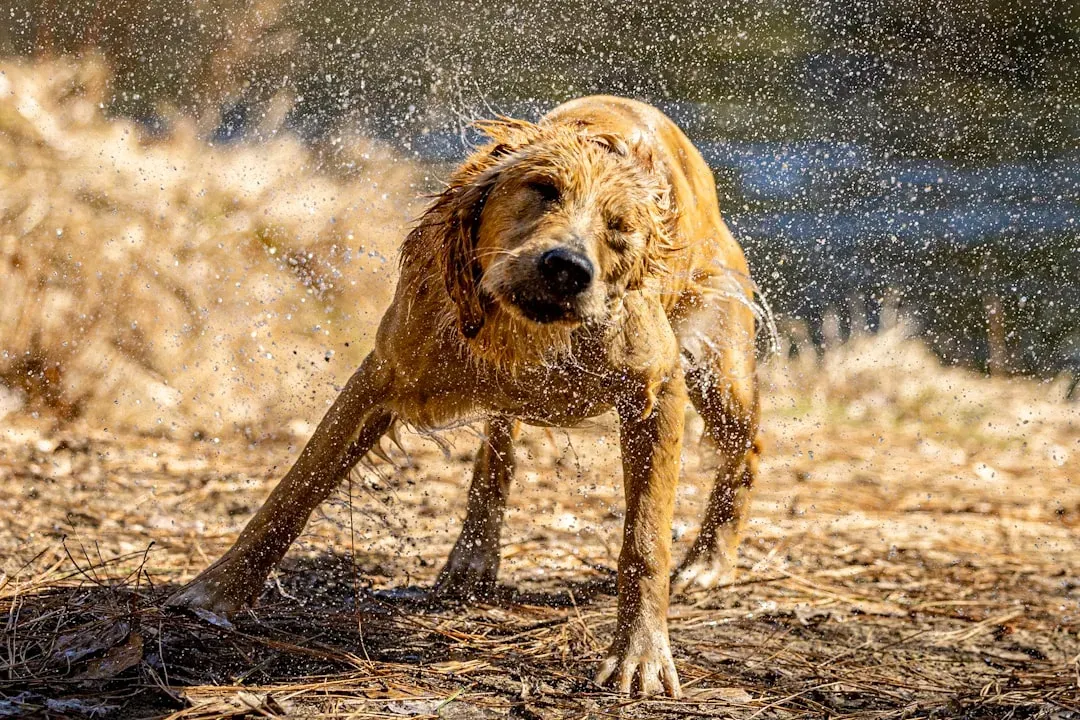
Two of the most commonly overlooked dog signals happen right after a moment passes. Similar to shaking off water from the pool, dogs also give a shake to reduce tension or stress from their bodies. If your dog shakes off after a stranger approaches, after being petted, or after an interaction that seemed fine to you, note it. Something about that moment registered as uncomfortable for them.
The play bow stretch with front end down and rear end up is an invitation for interaction and fun. Some dogs will stretch dramatically in front of their owners as a way of getting attention or indicating they’re ready for activity. This “greeting stretch,” as it’s sometimes called, tends to appear when a dog is genuinely excited to see you and wants to engage.
Your dog’s body speaks before they bark. Displacement behaviors like yawning, licking, and shaking off are quiet pleas for clarity, safety, and understanding. Listening carefully can build or break their trust. When you acknowledge these resets calmly, your dog learns that you’re paying attention and that they’re safe to communicate honestly with you.
Conclusion: Learning the Language That Was Always There
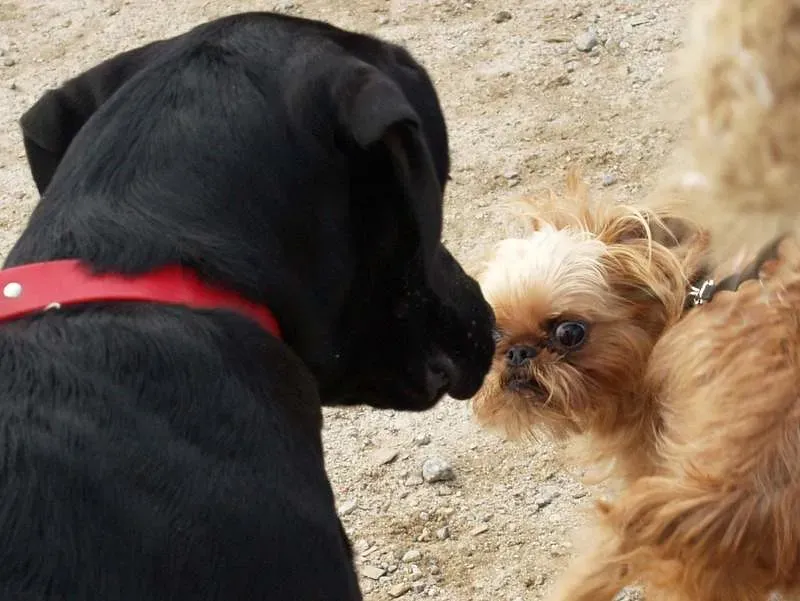
Learning how to decode your dog’s signals is an important step in understanding issues surrounding their happiness, stress, and health. Understanding how dogs communicate can help owners recognize their pet’s emotions and needs. It’s one of the most practical investments you can make in your dog’s wellbeing.
When subtle signals of discomfort are missed, communication escalates. What begins as a small shift in posture or expression can quickly turn into barking, lunging, or other behaviors that feel sudden or confusing. Learning to observe your dog’s body language allows you to respond earlier, reduce stress, and create more clarity in everyday interactions.
The beautiful thing about canine communication is that it never stops. Your dog is always sending signals, always reaching out. Your dog is “talking” to you all the time. If you learn what your dog is saying, you will develop a deeper bond of trust and respect. Plus, your newfound understanding of your dog’s emotional state can help you predict their behavior and prevent problems before they arise. The conversation has been going on since the day they came home. All you have to do is start listening with your eyes.


