
Most dog owners have been there. You ask your dog to sit, he stares at you blankly. You call him to come inside, he stands at the doorway as if seeing it for the first time. It’s tempting to think he’s being stubborn or difficult, but the truth is often far simpler and far more forgiving than that.
Most owners assume their dog is stubborn, ignoring them, or choosing not to listen, but in many cases the dog isn’t being disobedient at all. After years of dog training, experienced professionals have learned that many behavior problems are really communication problems. Once you start reading your dog’s signals more carefully, the frustration tends to dissolve, replaced by something closer to empathy.
The Classic Head Tilt
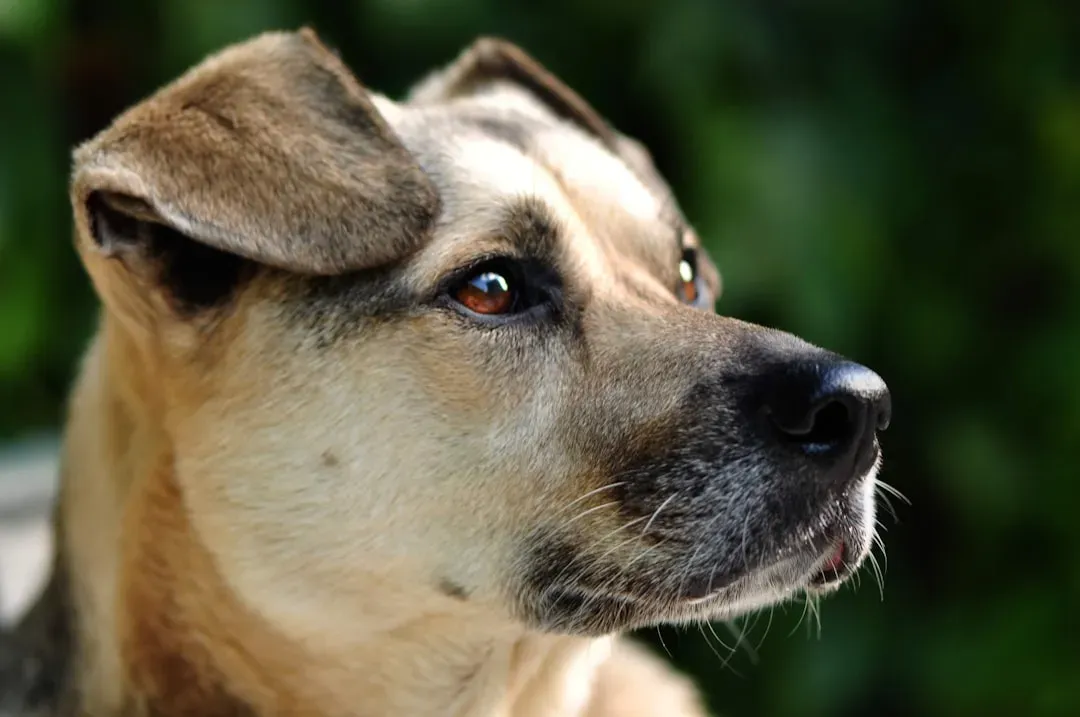
That irresistibly cute sideways tilt of the head is one of the most recognized confused dog expressions in existence. It’s endearing, yes, but it’s also telling you something real.
The head tilt is definitely a sign of confusion. Experts aren’t entirely sure whether the dog is trying to understand language, hear a sound more clearly, or see something better. Regardless, a dog that tilts its head is trying to resolve something that has it genuinely stumped.
A confused dog will often display specific body language cues, including a tilted head, uncertain posture, or looking back and forth between you and other family members. These signals indicate they want to comply but simply don’t understand what you’re asking. It’s effort in action, not indifference.
Lip Licking Without Food in Sight
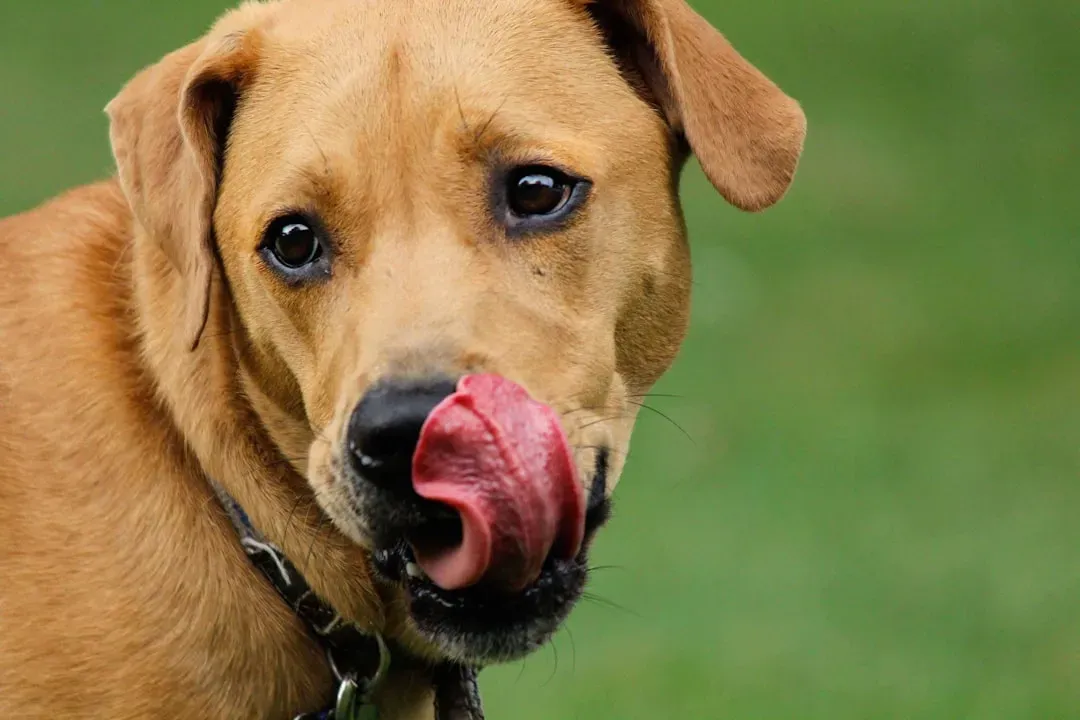
A quick flick of the tongue across the lips might seem completely random, especially if there’s no treat nearby. Most people miss it entirely. That’s a shame, because it’s one of the clearest signals a dog can offer.
Another sign of a dog feeling confused may be seen in the licking of the lips. The licking can be a signal that the dog is feeling distressed, an expected response to a confusing situation.
When lip licking occurs in contexts without food, it is most likely a calming signal. Dogs lick their lips when they are nervous, and the tongue flick can be challenging to detect at times because it is so rapid. Your dog isn’t indicating a desire to lick your face but instead is trying to show unhappiness about a particular situation.
Sudden Sniffing of the Ground
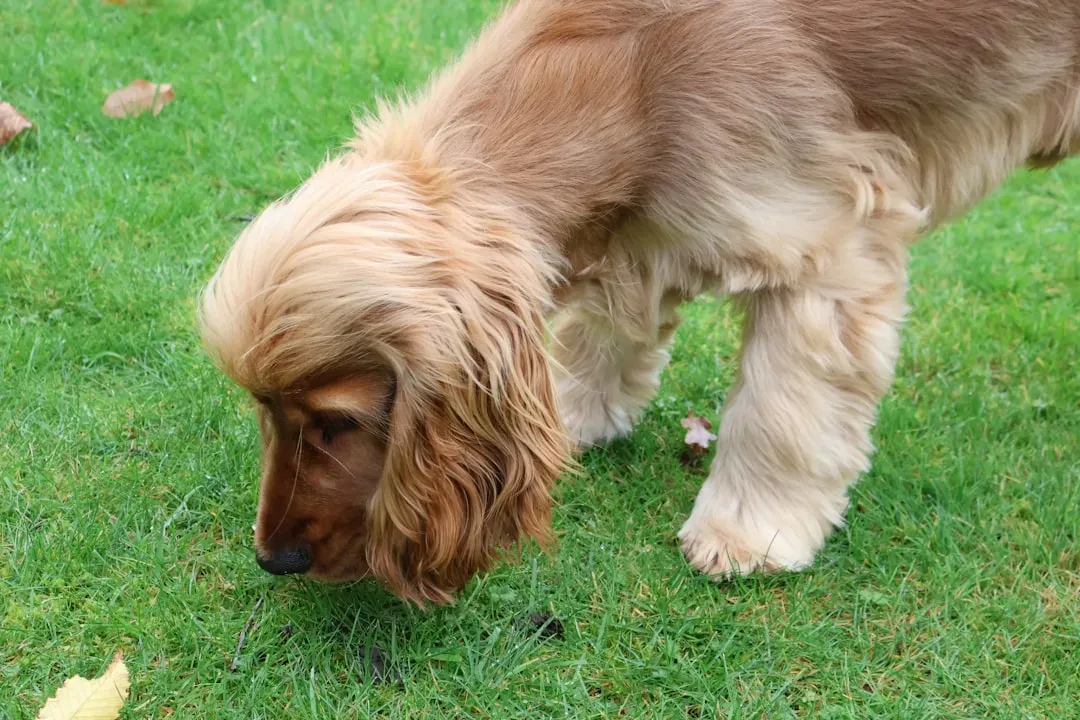
Your dog is mid-training session, you give a clear command, and he drops his nose to the grass as if he has discovered the most interesting scent in history. It can feel dismissive. It rarely is.
These actions are not random. They are nonverbal signs that a dog is experiencing inner conflict, arousal, or stress. In animal science, displacement behaviors are described as actions that appear out of place or unnecessary in the moment, giving a peek into the dog’s emotional world when they’re torn between different feelings or unsure how to respond.
Sniffing the ground and yawning, which are both considered calming signals, are most often displayed when the distance between the sender and the recipient increases. Essentially, the dog is creating a bit of emotional breathing room for itself while it processes what’s being asked of it.
Freezing in Place
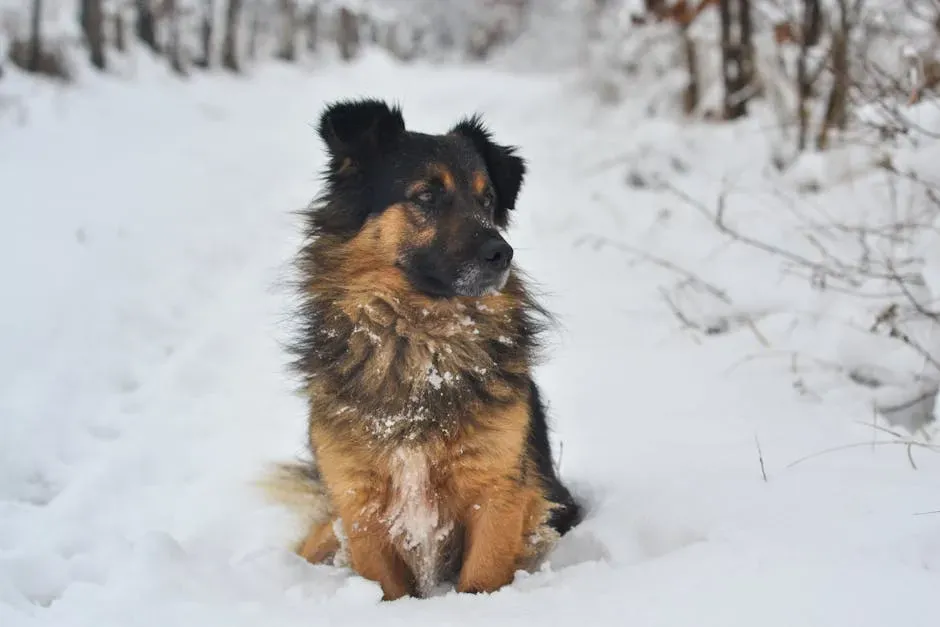
Some dogs go very still when they’re overwhelmed. Not aggressive, not threatening, just utterly frozen. Owners sometimes read this as defiance. It’s closer to the opposite.
Freezing is a serious signal that is also one of the most overlooked. If your dog suddenly goes still in response to a person, pet, or situation, they are often trying to decide what to do and may escalate if their warnings are ignored.
If a dog stays still while you’re telling them off or correcting them, they are not showing submission. They feel helpless because they don’t know how to react or where to go from there. Patience is the only useful response in that moment.
Exaggerated or Unexpected Yawning
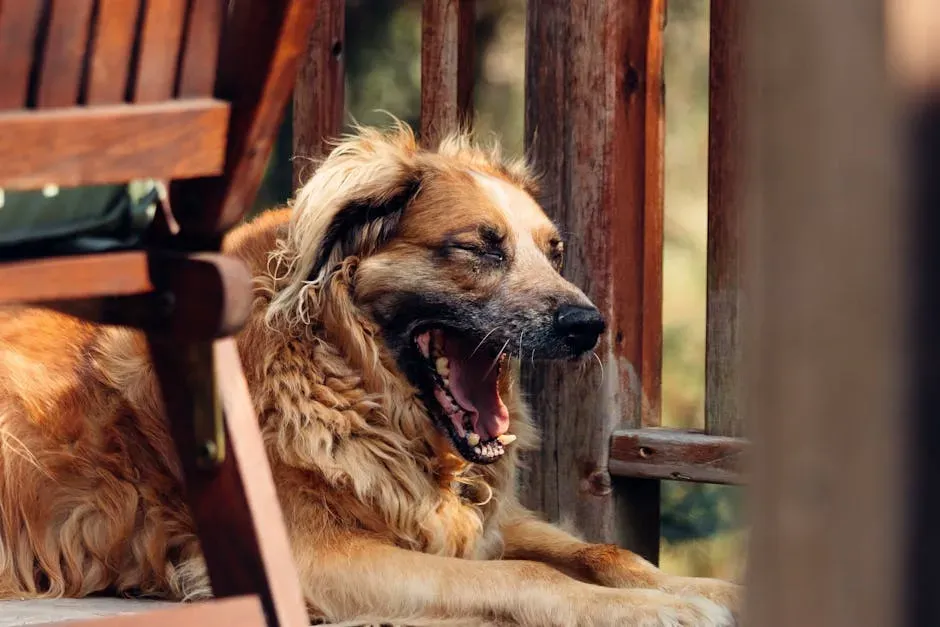
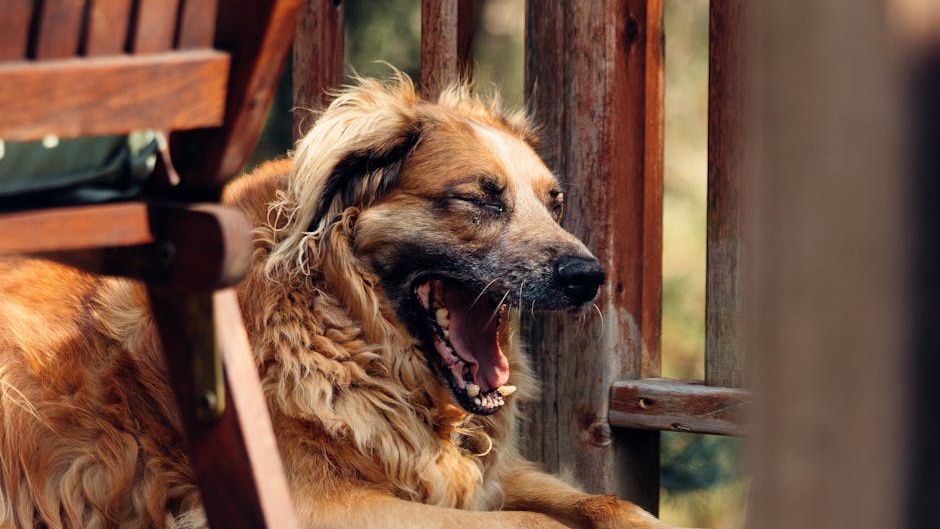
Dogs yawn when they’re tired, of course. But a yawn that arrives in the middle of a training exercise, a greeting, or a tense moment is something different entirely. It deserves a second look.
Unlike humans, who yawn when tired or bored, dogs yawn when stressed. Dogs use yawning to calm themselves in tense situations. The signal can indicate discomfort or confusion as to what you’re asking, and in some cases yawning can also be a way for dogs to relieve stress or anxiety. Dogs, much like humans, yawn when feeling nervous or when they are in new environments that might make them uneasy.
If you pay closer attention, you will notice that the stressed yawn actually looks a bit different from a normal yawn. The stressed yawn has the dog opening the mouth extra wide, sometimes curling the tongue, and the dog might shake its head slightly as it closes again.
Looking Away or Turning the Head
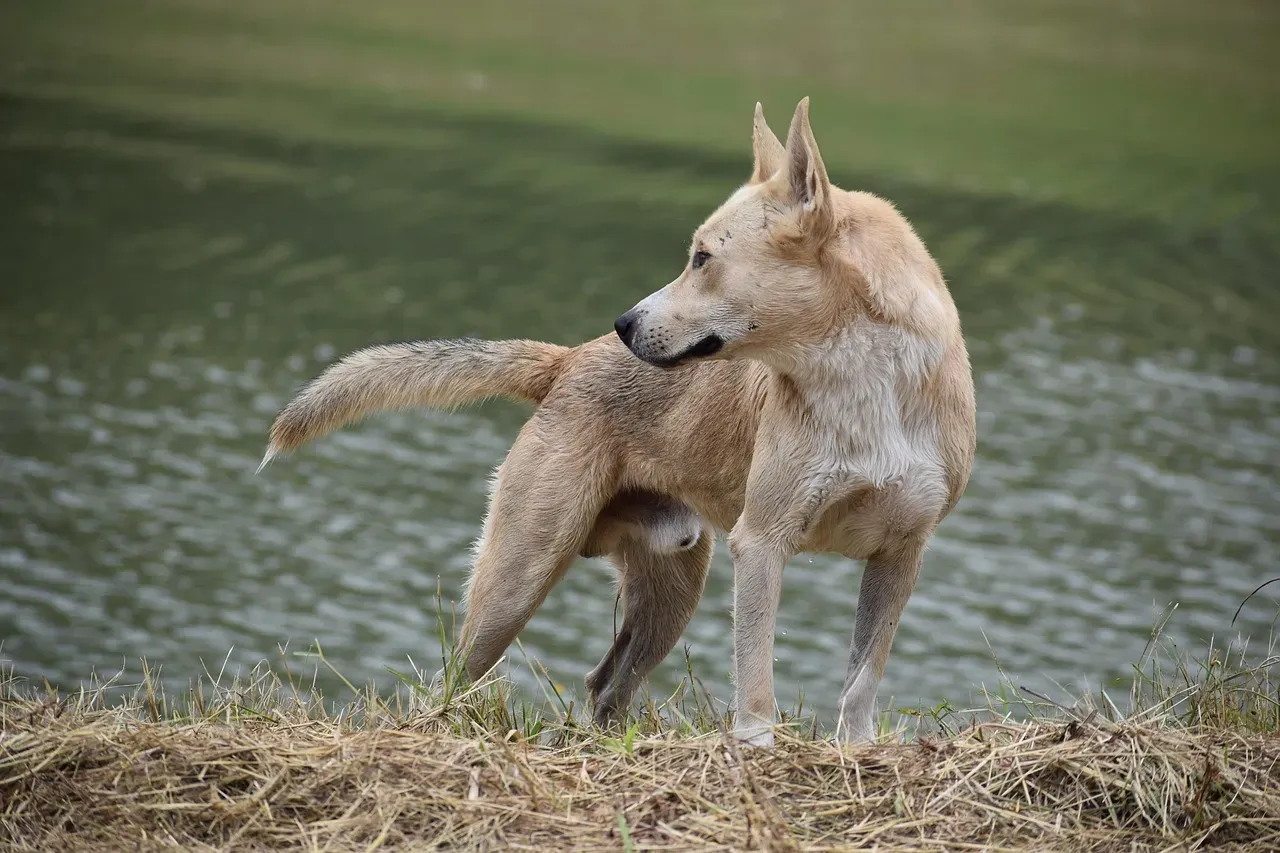
Eye contact in the dog world is a loaded thing. When your dog breaks your gaze and turns their head away, it can feel like rejection. What it usually means, though, is that they’re trying to navigate something they find confusing or uncomfortable.
When you try to get closer to your dog and they turn their head away from you, this gesture indicates discomfort and signals that they want their space. Looking away is a calming signal used by dogs in both interactions with other dogs and with humans, and in both cases is thought to be used to appease the recipient.
A lot of times, dogs won’t engage with you because they don’t know what you want. They don’t know that you’re trying to get them to focus, so they look away instead. It’s avoidance born of uncertainty, not attitude.
Hyperactivity or Erratic Movement
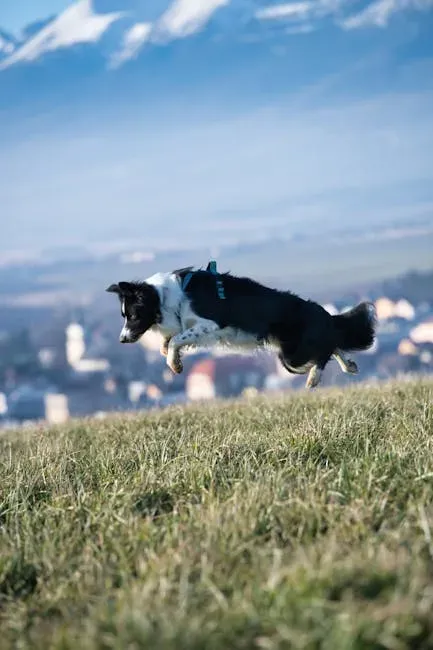
Not all confused dogs go quiet. Some go the other direction entirely, bouncing around, spinning, or offering a string of random behaviors in quick succession. It can look like pure chaos, but there’s a logic to it.
Hyperactivity is a sign that the dog is searching to emit the desired behavior. The dog may ignore you and reject treats. As the confusion intensifies, the dog may bark or startle easily.
In training situations, confused dogs often offer multiple behaviors trying to discriminate what it is the person wants them to do. They’re not out of control. They’re trying everything they know in the hope that something lands.
Hesitation Before Responding
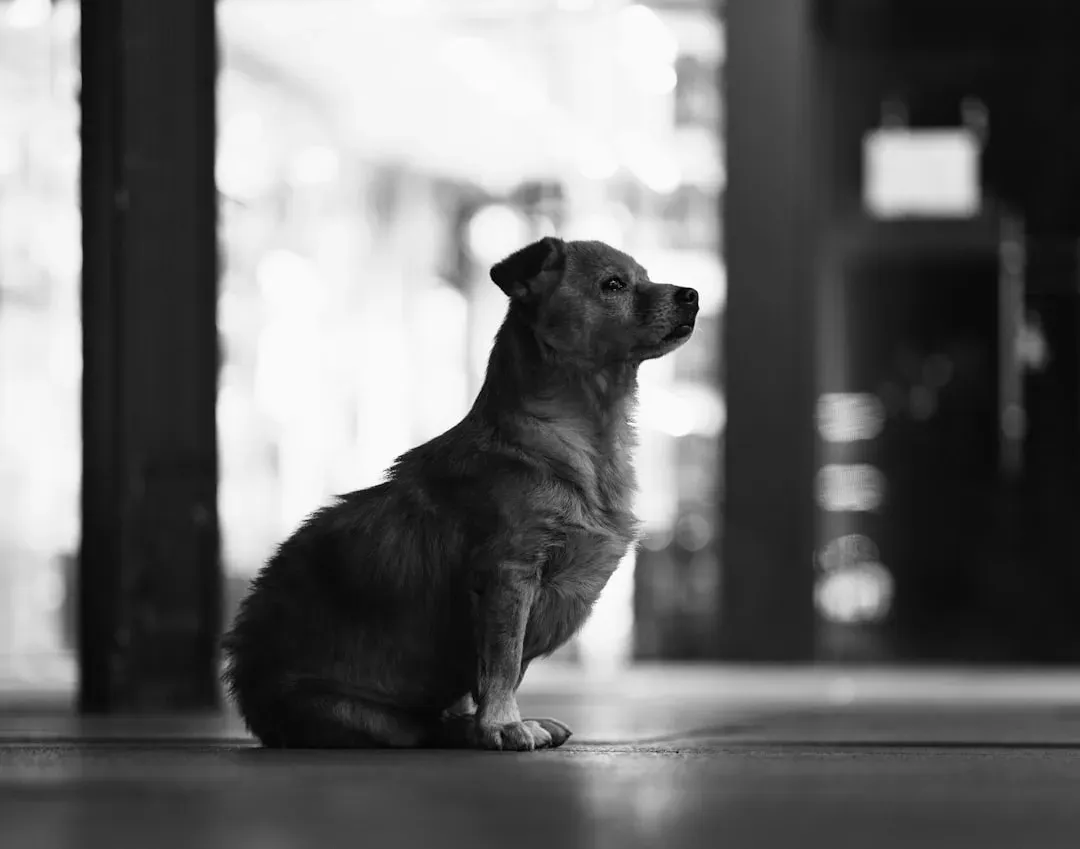
There’s a meaningful difference between a dog who pauses because they’re choosing not to comply and one who pauses because they genuinely don’t know what’s expected. Telling them apart is one of the most useful skills a dog owner can develop.
Dogs who hesitate before doing something are confused. They may not know what you want. They may also think they’re going to do something wrong and get punished or yelled at, so their confidence drops. They’d rather do nothing than risk making a mistake.
Dogs learn through association and repetition, but they also rely heavily on context clues. When the location, tone of voice, or body position changes, dogs might not recognize that you’re asking for the same behavior they’ve practiced many times before. That hesitation is often a context problem, not a character flaw.
Scanning the Environment Anxiously
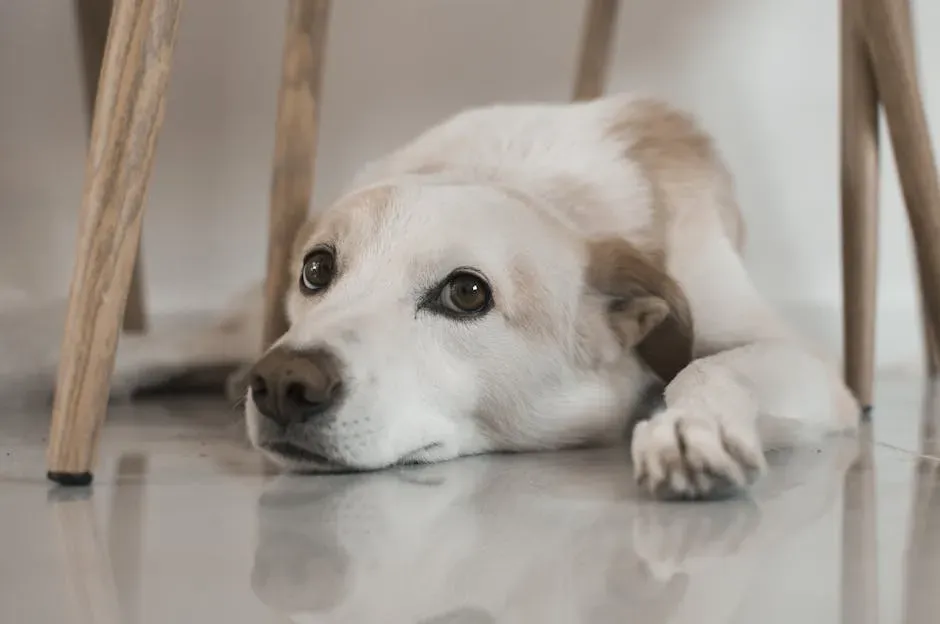
When a dog starts looking back and forth rapidly, ears back, head low, it’s a recognizable picture of disorientation. The dog hasn’t checked out of the conversation. It doesn’t know where to focus within it.
Signs of confusion or distress can be seen in how the dog checks out the environment. You may see the dog scanning, looking back and forth, while panting with ears back and the head held low.
Sudden life changes, like loud noises or a family move, can quickly escalate a dog’s stress. In these settings, look for signs like lip licking, shaking off, or increased scanning. Many dogs display these subtle behaviors as a way to release tension and regain control when their environment feels unpredictable.
Giving Up and Walking Away
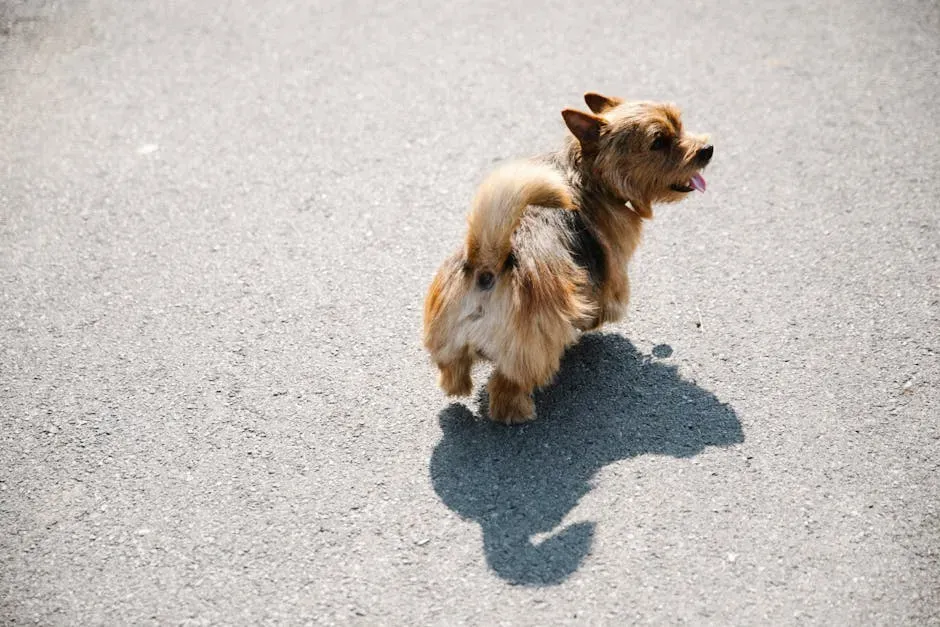
Perhaps the most misread behavior of them all. When a dog simply turns around and walks off during a training session or interaction, owners often interpret it as the dog being dismissive or dominant. In many cases, it’s the opposite.
The confusion may even lead the dog to give up and go lay down. When displacement behaviors like yawning, lip licking, or body shaking are ignored, it can set off a chain reaction leading to greater stress or unwanted behaviors. Displacement behaviors are warnings that a dog is overwhelmed, anxious, or conflicted.
Dogs don’t act out of spite, revenge, or long-term plotting. They live in the moment. Walking away wasn’t a protest. It was probably confusion or anxiety. When a dog shuts down and disengages, the kindest and most productive thing you can do is give them a moment to reset.
What This All Means for You and Your Dog
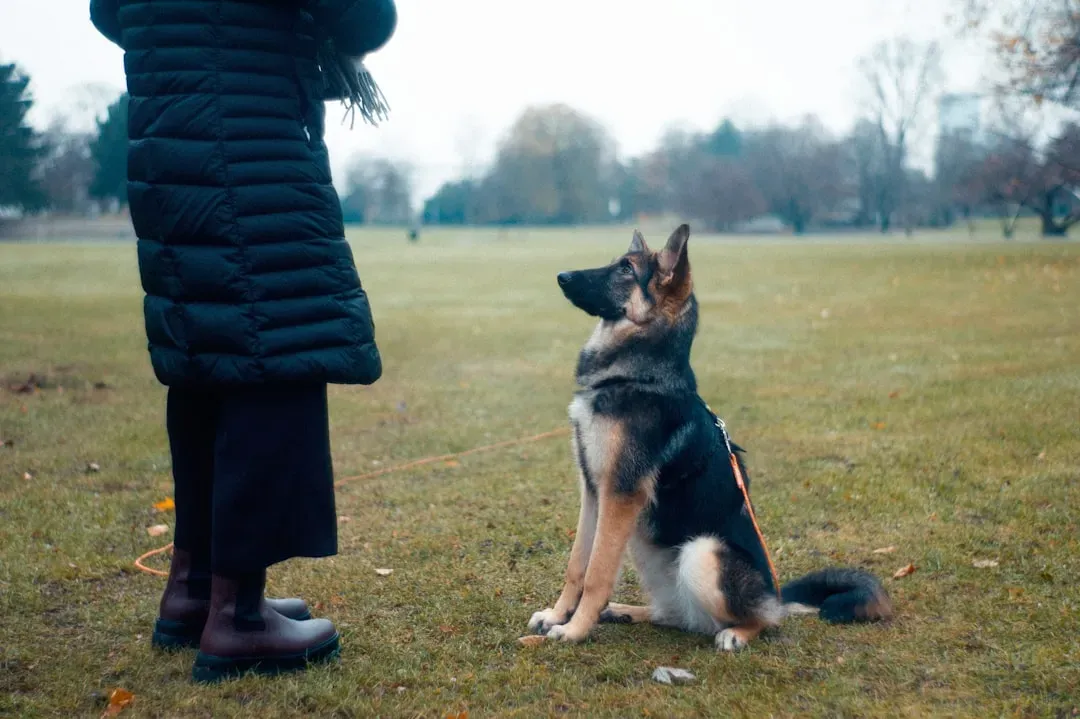
Dogs are often better at reading us than we are at reading them, which makes it especially significant when we end up confusing them. Your dog isn’t trying to be stubborn or naughty. They’re just trying to make sense of inconsistent signals. Fortunately, dogs are forgiving and can quickly adjust when given clarity and structure.
Noticing and reacting kindly to these signals shows your dog they’re heard and safe with you, which is a significant step for reducing future stress and building trust. Understanding and respecting these behaviors goes a long way toward better communication, trust, and overall dog welfare.
The next time your dog seems unresponsive, erratic, or disengaged, slow down before you label it as stubbornness. Displacement signals are normal behaviors dogs use when they’re feeling uncertain, anxious, or conflicted. They help dogs self-soothe and de-escalate a situation. Most of the time, the behavior you’re seeing isn’t resistance. It’s a request for more clarity, offered in the only language your dog has. Learning to read that language changes everything.


