
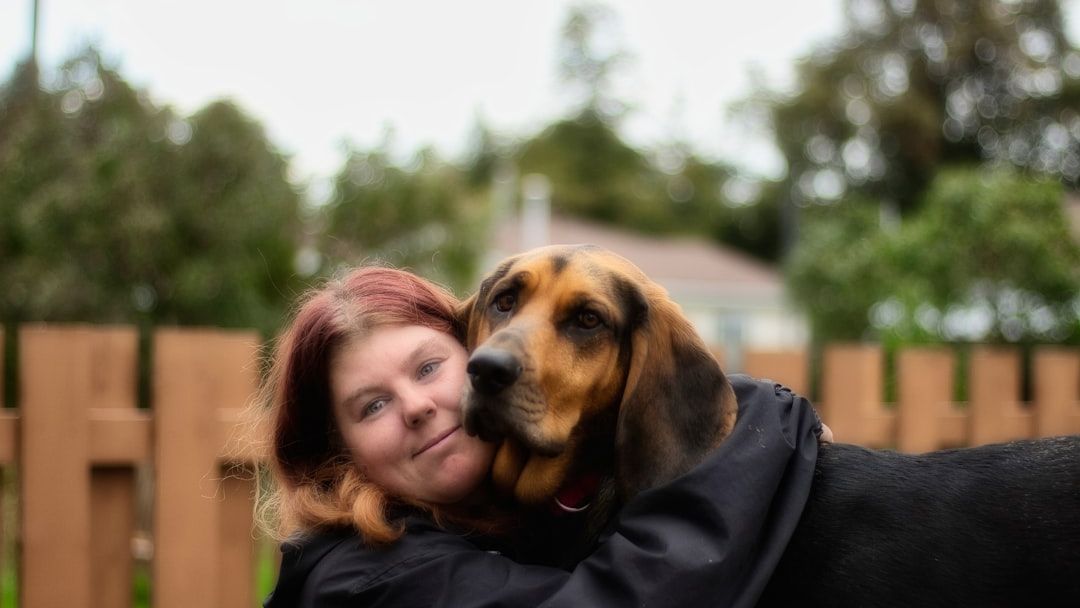
There’s a particular quality to life with an old dog. The pace slows. The mornings get quieter. You find yourself watching them sleep in a patch of sunlight and wondering, for just a second, when exactly the years moved so fast. It catches you off guard, every time.
Research has confirmed that for most people, the loss of a dog is, in almost every way, comparable to the loss of a human loved one. That’s not a small thing. It means those daily moments, however ordinary they seem, carry real emotional weight. The senior years of a dog’s life carry a bittersweet kind of beauty, and the small moments are often the ones that stay with you longest.
The Slow Morning Greeting at the Door
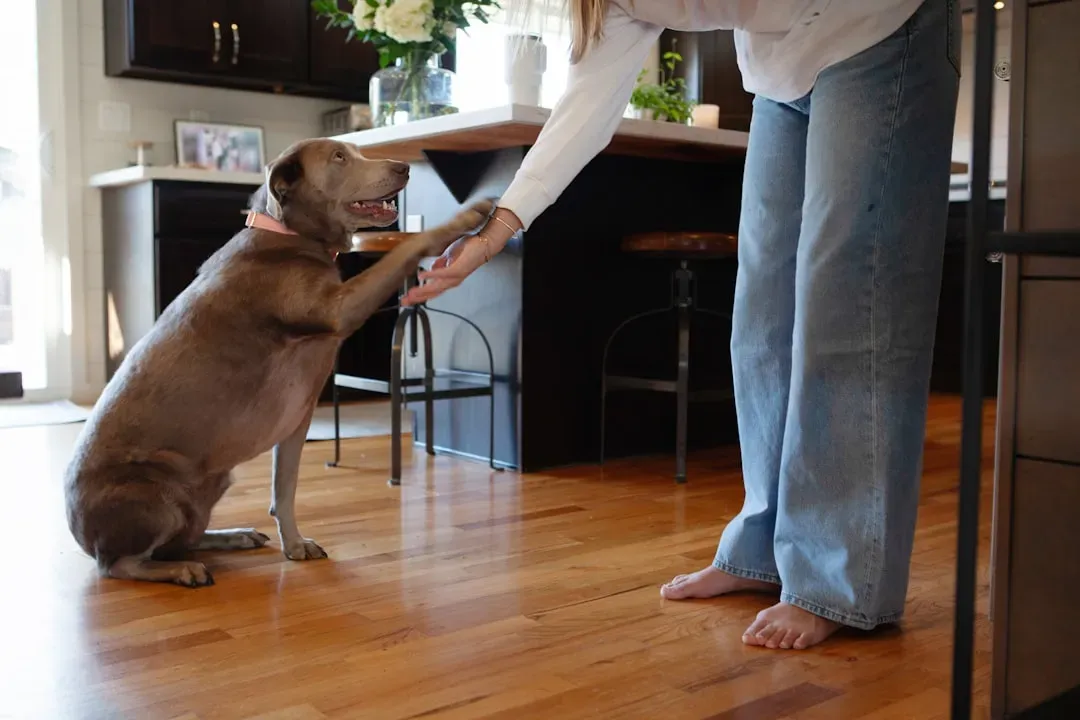
There was a time when your dog launched themselves at the door the moment they heard your keys. Now, a slower greeting at the door is easy to brush off as “just aging,” but these quieter moments are often the earliest signs that something deeper is happening beneath the surface. It’s not less love. It’s just a different kind of welcome.
Stand still for it. Let the greeting take however long it takes. As dogs age, they may seem stiff when getting up from a nap or hesitate before crossing the room to sit beside you. That slow trot toward you, tail moving just a little, is still everything.
The Weight of Them Leaning Against You
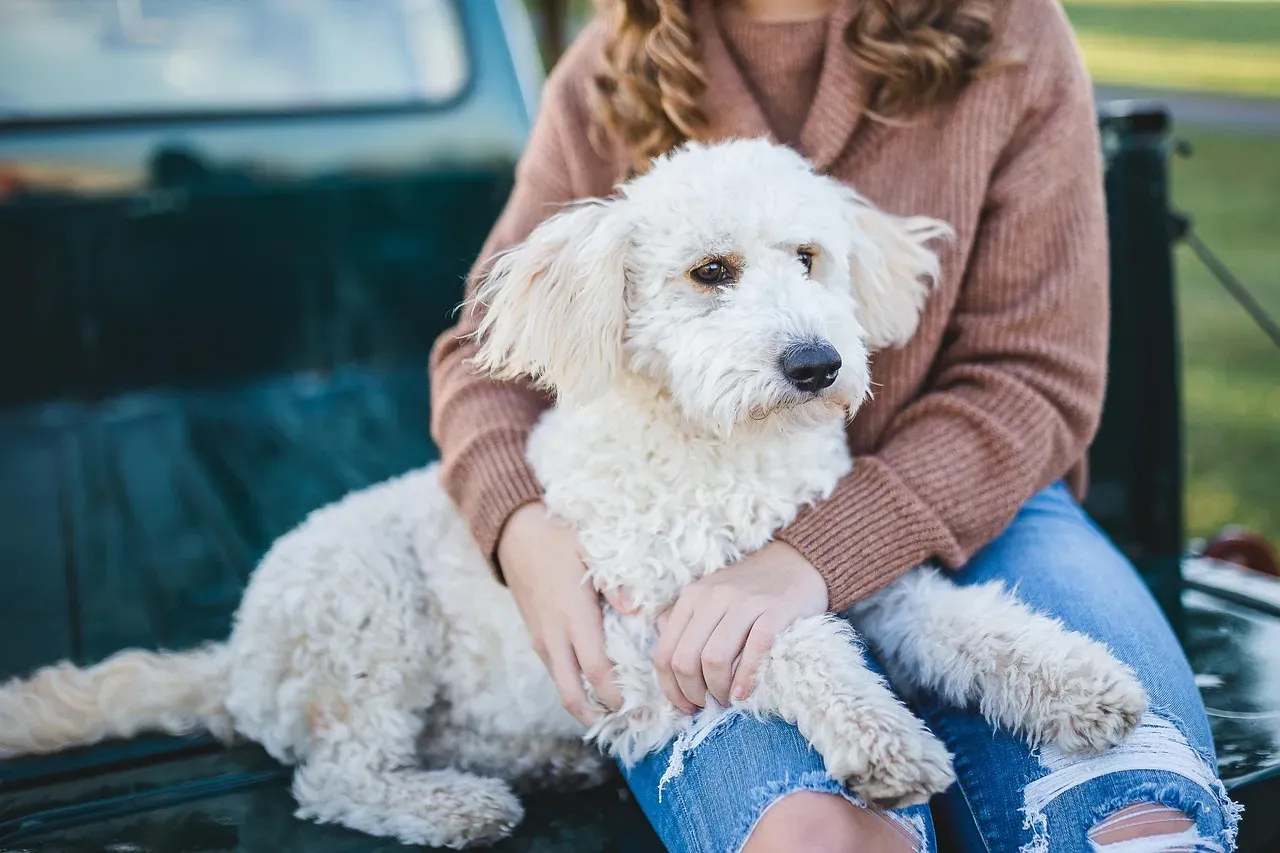
Aging can change a dog’s social relationships with you and other pets in your home. Some dogs actually lean in closer as they get older, seeking more contact, more reassurance. That warm, heavy weight pressed against your leg on the couch is a form of communication.
It won’t always be there. So when they press their graying side against your knee, don’t shift away. Feel the warmth of it. Let it last a little longer than you normally would.
Watching Them Sleep
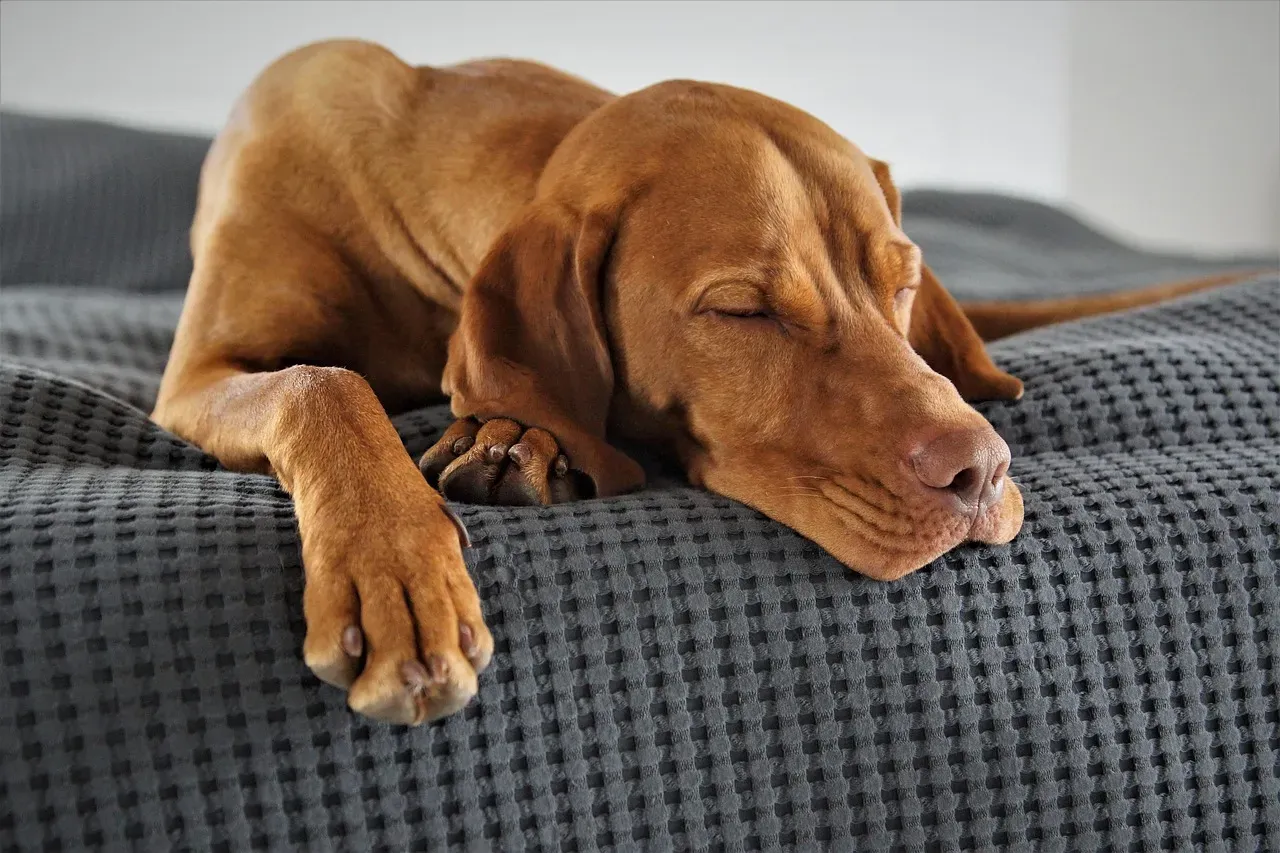
Your once active dog may sleep between 18 and 20 hours every day as they age into their later senior years. That means a lot of naps, a lot of slow breathing, a lot of soft dreaming. It can feel like they’re slipping away from you in small increments.
Watch them anyway. Notice the twitch of a paw, the gentle exhale, the way they curl into themselves. Spending quality time with your dog, offering affection and reassurance during these moments, is precious and can provide both you and your pet with a sense of peace.
The Last Burst of Zoomies
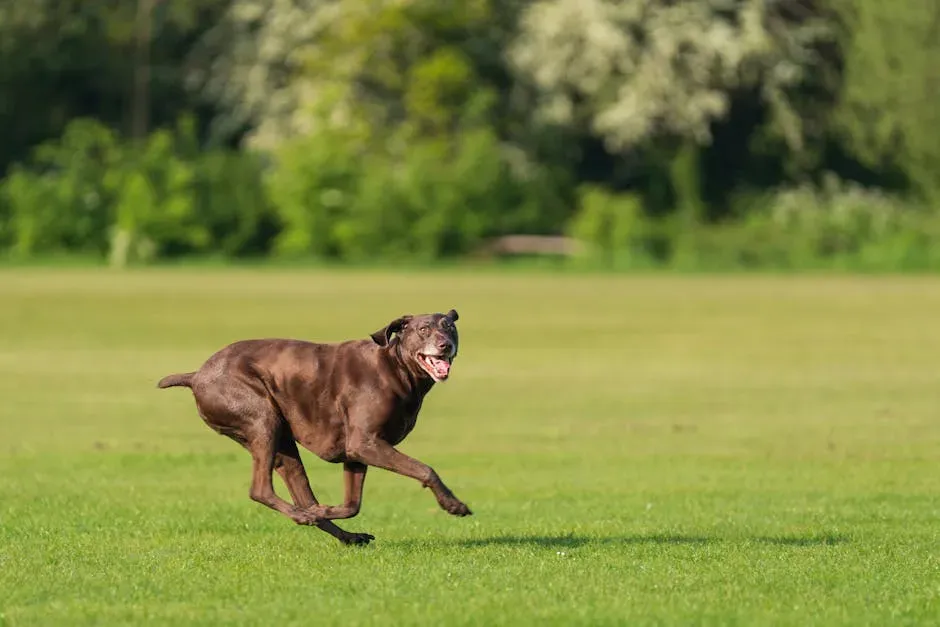
On the good days, something sparks. Maybe it’s a cool morning or a favorite smell, and suddenly your senior dog is running in circles like they did five years ago. It’s brief. It’s a little wobbly. It’s one of the most beautiful things you’ll ever see.
In general, seniors may prefer more relaxed activities than they did as rambunctious adults, and will likely spend more time resting and sleeping. Which is exactly why those spontaneous bursts of joy, however short-lived, deserve your full attention. Put your phone down. Watch every second of it.
The Slower Walk Around the Block
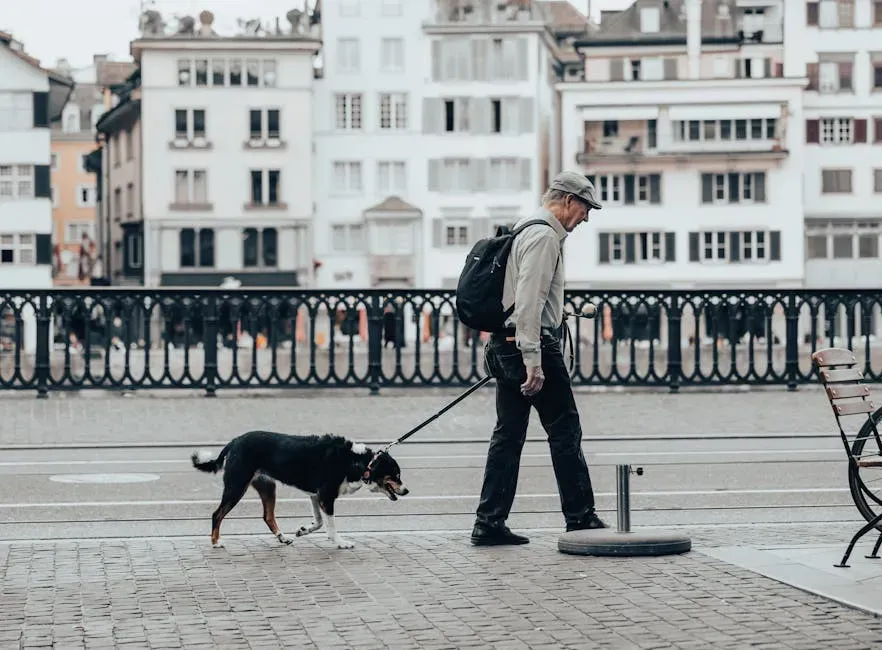
It’s normal for your dog to slow down a little as they age. They will typically have less stamina and won’t be able to exercise for as long as they did when they were younger. The walk that used to take 15 minutes now takes 30, and that’s actually a gift, not an inconvenience.
They stop at every smell. They linger on patches of grass. They’re not in a hurry because they’re not tracking destinations the way you are. Follow their lead. The slow walk is its own kind of meditation if you let it be.
The Moment They Still Choose You
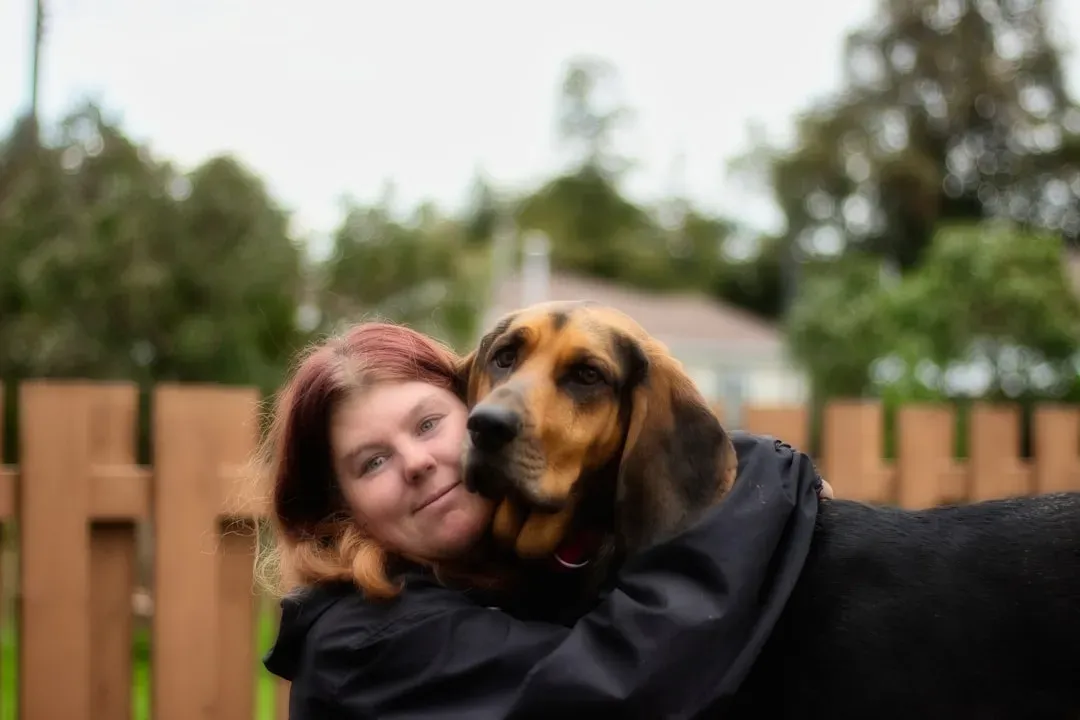
One reason our relationships with dogs can be deeply satisfying is that dogs provide us with such unconditional, uncritical positive feedback. Even when they’re tired, even when their joints ache and the world is harder to navigate, they still find their way to where you are.
That quiet act of choosing you, moving slowly across the room just to be near you, holds more meaning than most gestures you’ll receive in your lifetime. Don’t take it as background noise. Receive it for what it is.
The Gray Muzzle Up Close
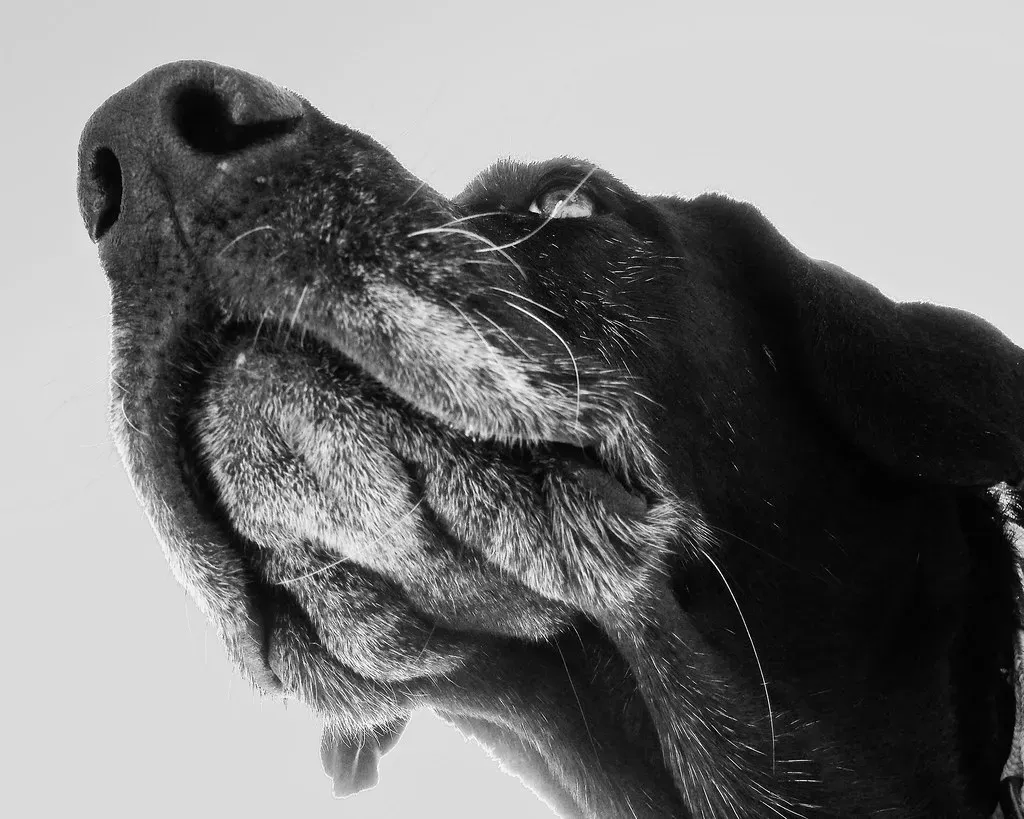
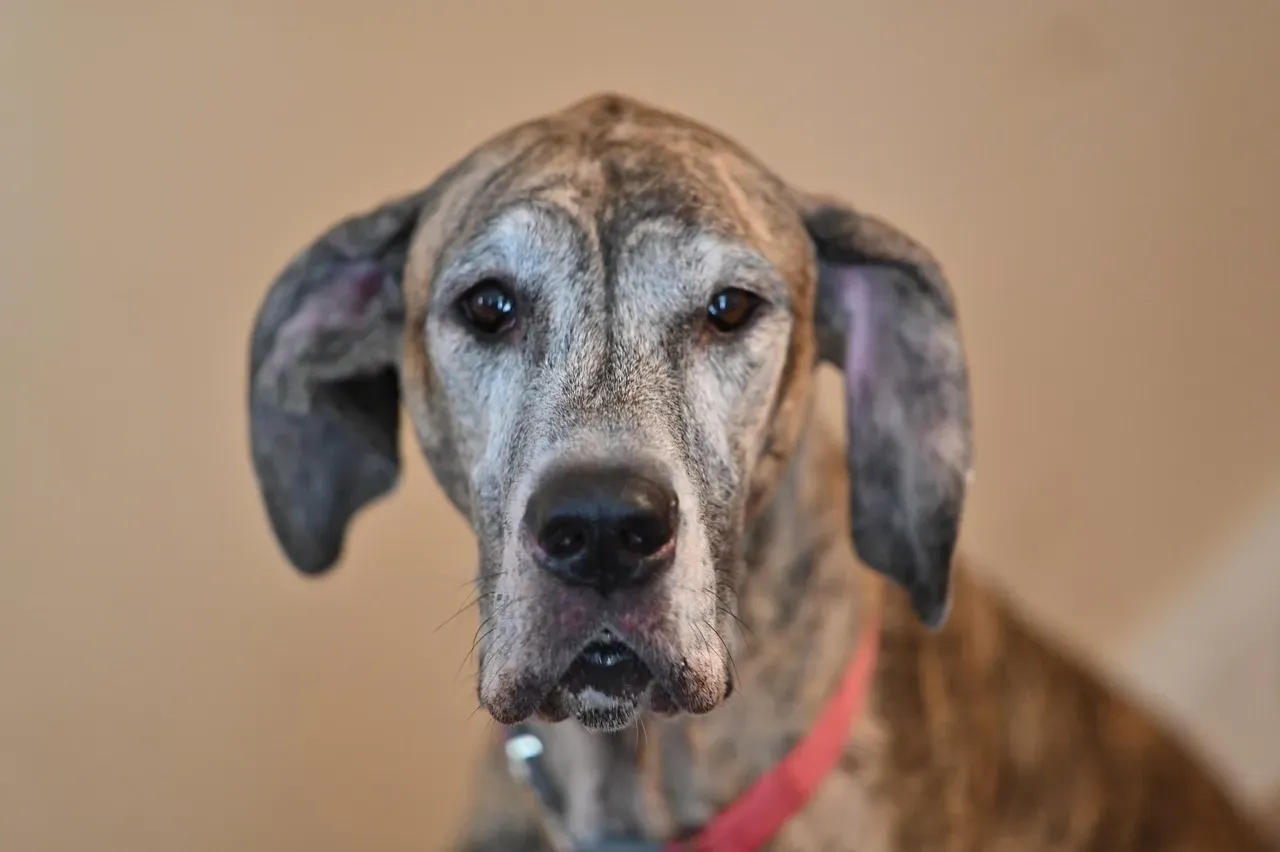
One of the most obvious signs of your dog aging is a distinguished, silvery muzzle. People often describe it with a wince, like it’s something to be sad about. It isn’t. It’s a record of a life well lived, right there on their face.
Touch it. Cup their face in your hands and really look at them. The white hairs around the eyes, the softness of the forehead, the way they look back at you with complete patience. That face has loved you without conditions. Let yourself notice it fully, while you can.
Sharing a Meal Together
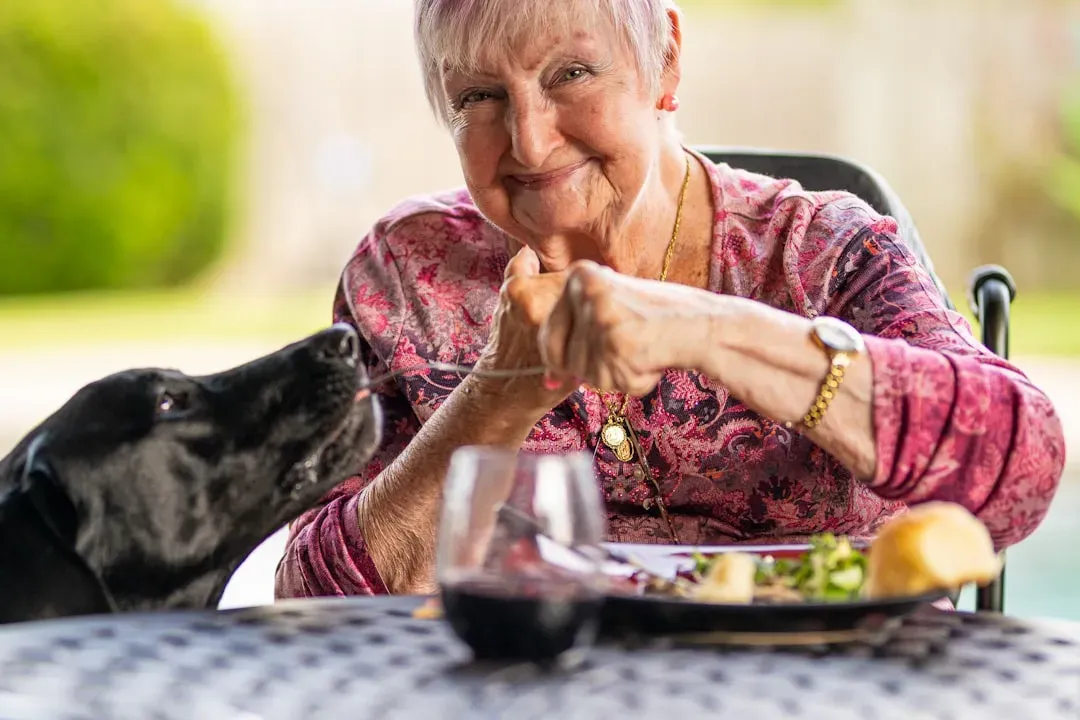
Food often becomes more complicated with an aging dog. Pet parents might notice shifts in appetite, unexplained weight changes, lower energy levels, or a general sense that your dog just doesn’t seem quite like themselves. Some dogs become pickier. Others eat more slowly and with less enthusiasm than they once did.
Whatever their appetite looks like now, sitting with them during meals is worth doing deliberately. Be present for it. That shared quietness, you at the table and them at the bowl, is one of the most ordinary and underrated rituals of life with a dog.
The Sigh Before They Settle
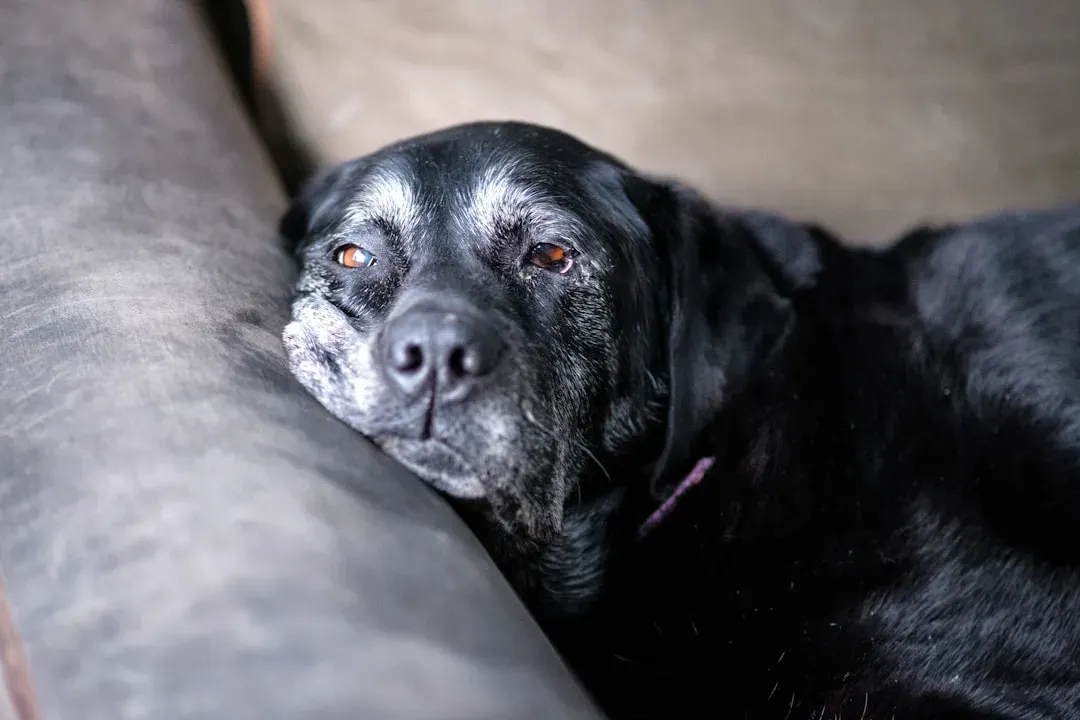
You know the one. That deep, full-body exhale your dog lets out right before they finally collapse into their spot on the bed or the floor. It carries a whole day in it. Senior dogs communicate quietly through habits, routines, and moods that seem only slightly “off,” and recognizing these signals can make a meaningful difference.
The sigh isn’t “off.” It’s contentment. It’s the sound of a dog who feels safe enough to fully let go for the night. Hear it for what it is. That sound will be one of the things you miss most.
The Old Familiar Trick
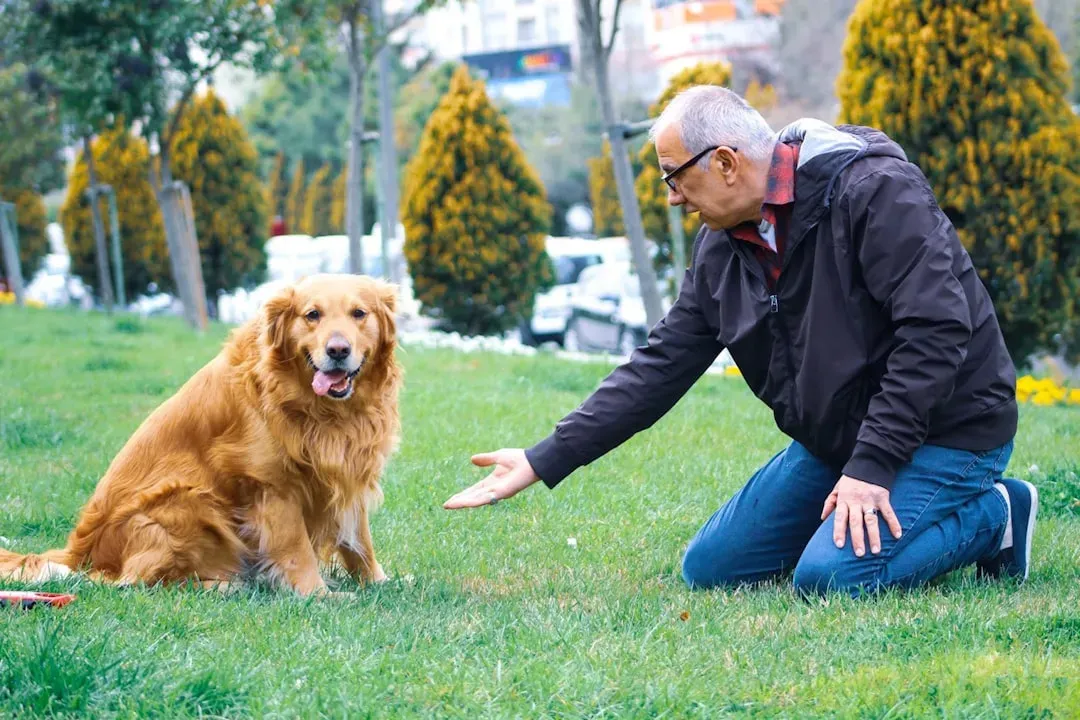
Ask your senior dog to sit. Or shake. Or do whatever trick you taught them years ago in a kitchen that felt like a different lifetime. Dogs with cognitive changes may seem confused in familiar places or forget routines they once knew well. Not every dog gets there, but many stay sharp in surprising ways for a long time.
When they do it, when they offer you that paw or hold that sit with their slightly wobbly back legs, they’re reaching back across the years to find you. That’s worth a treat. That’s worth more than a treat.
Watching Them With a Child
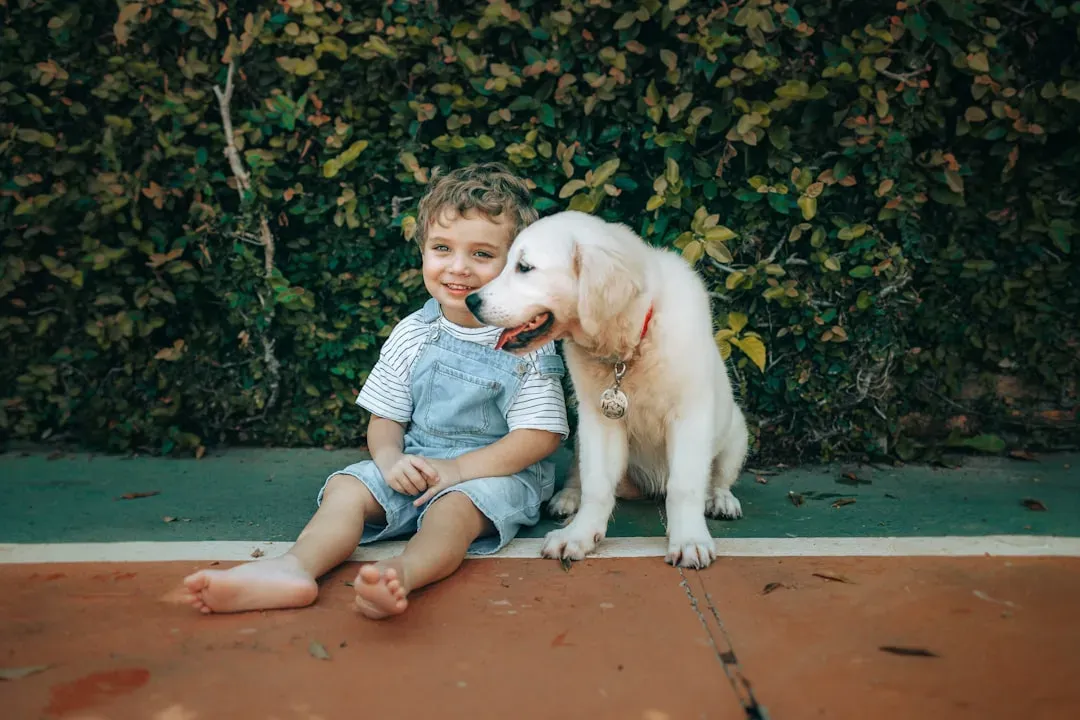
Senior dogs often have a specific kind of gentleness around children that younger dogs don’t always manage. Something in them softens further. They’re patient in a deep, earned way. It’s the patience of a dog who has seen everything and isn’t rattled by much anymore.
Animals live in the moment, and every moment you share with your friend is significant. Watching a child sit beside your old dog, both of them completely in the present, is one of those moments that gets pressed into memory whether you try to save it or not. Pay attention when it happens.
The Ear Scratch That Means Everything
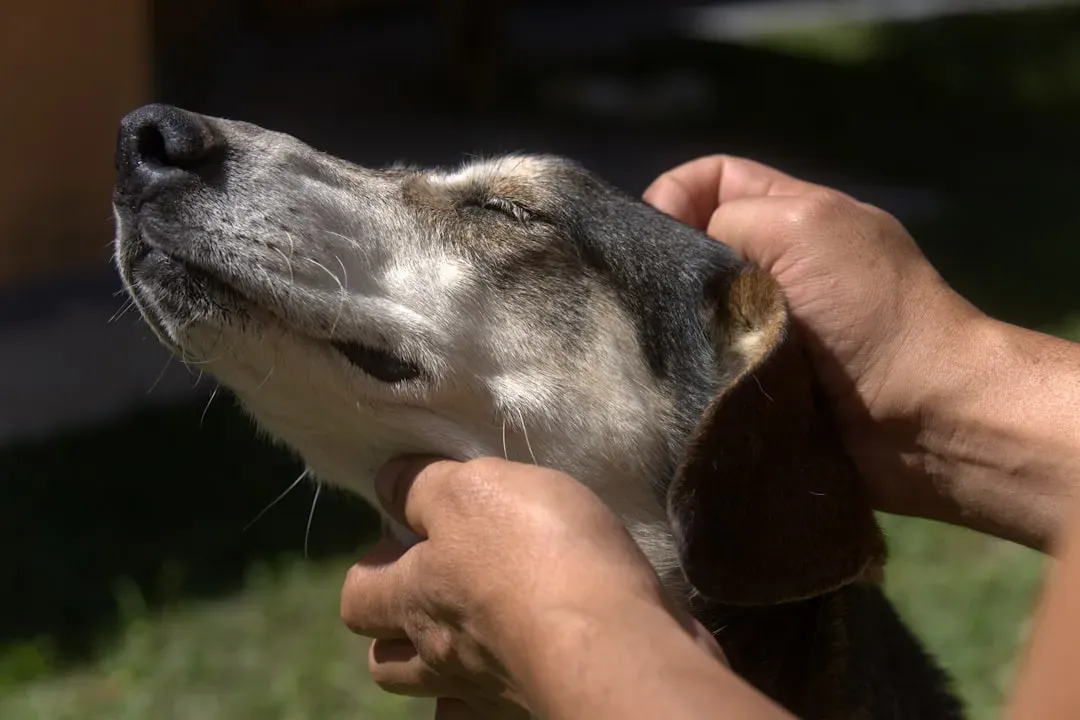
Find their spot. Behind the ear, under the chin, at the base of the tail. Every dog has a place where they just dissolve. Their eyes go soft. Their breathing slows. For a few minutes, nothing else exists in either of your worlds.
Understanding your pet’s needs builds trust and confidence. Touch is one of the clearest languages between a dog and their person. In the senior years, it matters more. Stay in that moment a little longer than feels necessary. It will never feel long enough once it’s gone.
The Ride in the Car
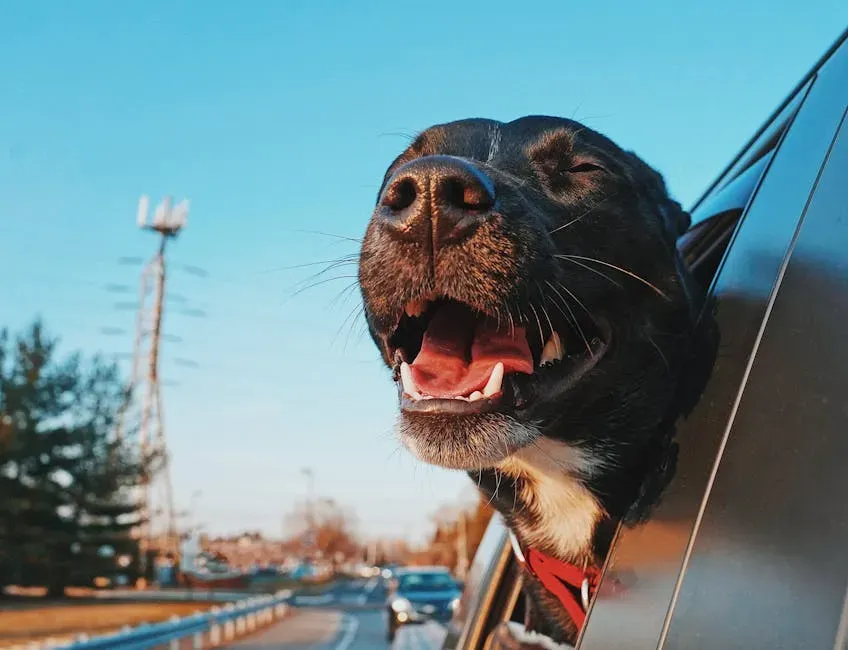
Some dogs love the car their whole lives. For older dogs, the window-down, nose-out ride often remains one of their most reliable joys even as other pleasures fade. It’s natural to want to make the most of every moment and allow your pet to experience as much joy as possible.
Take them for a drive with no destination. Let them smell the air. Watch their nose work a hundred miles an hour while their body stays still. It costs nothing and it gives them everything. Do it more than once.
The Night They Sleep at Your Feet
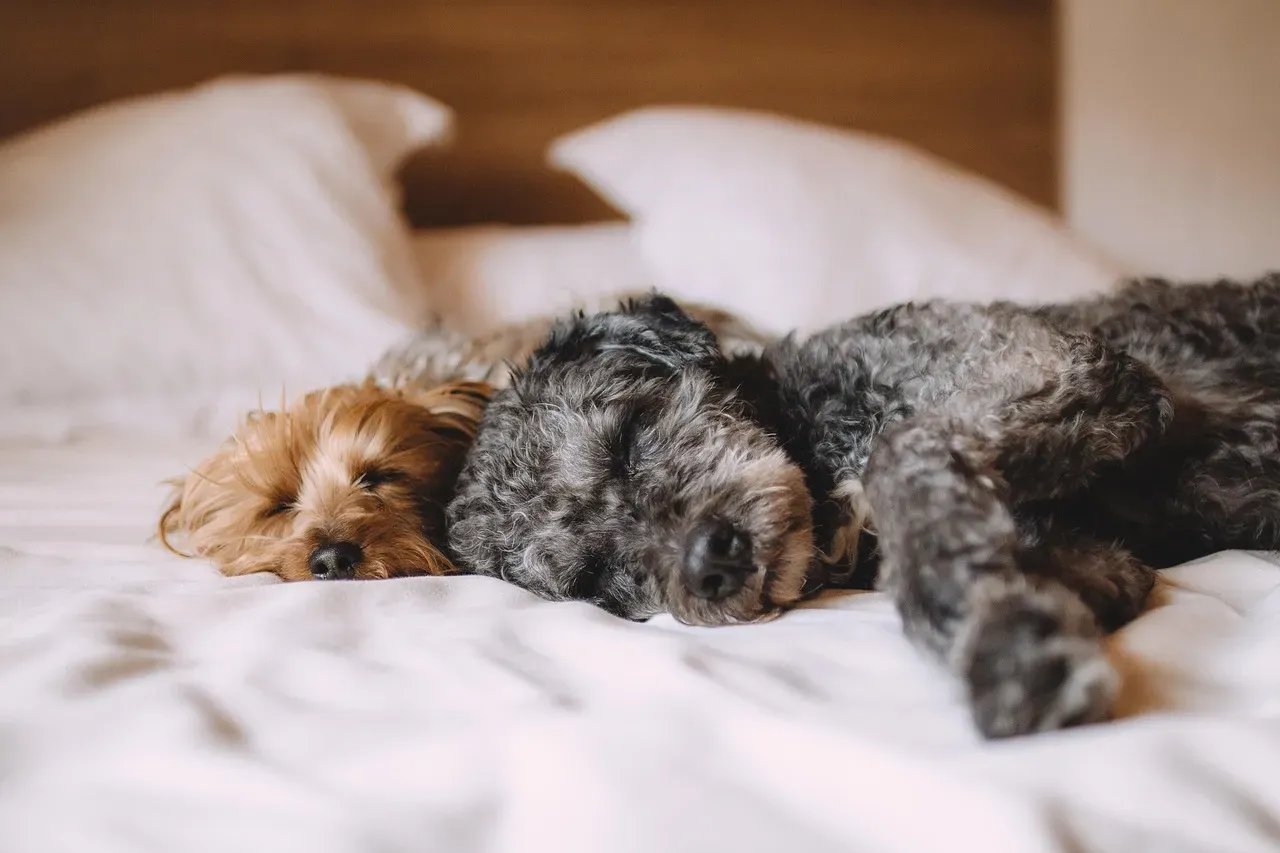
Small changes to the environment can make a big difference in how your dog moves, rests, and enjoys the space they are in. Some older dogs migrate. They leave their usual spot and choose to sleep closer, sometimes curled at the foot of your bed or just outside the bedroom door.
Don’t redirect them. Don’t quietly nudge them back to their bed. Let them be near you. That proximity is deliberate, and it matters to them in a way you can’t fully measure. Some of the best sleep you’ll ever get is with an old dog nearby.
The Quiet Afternoon Together
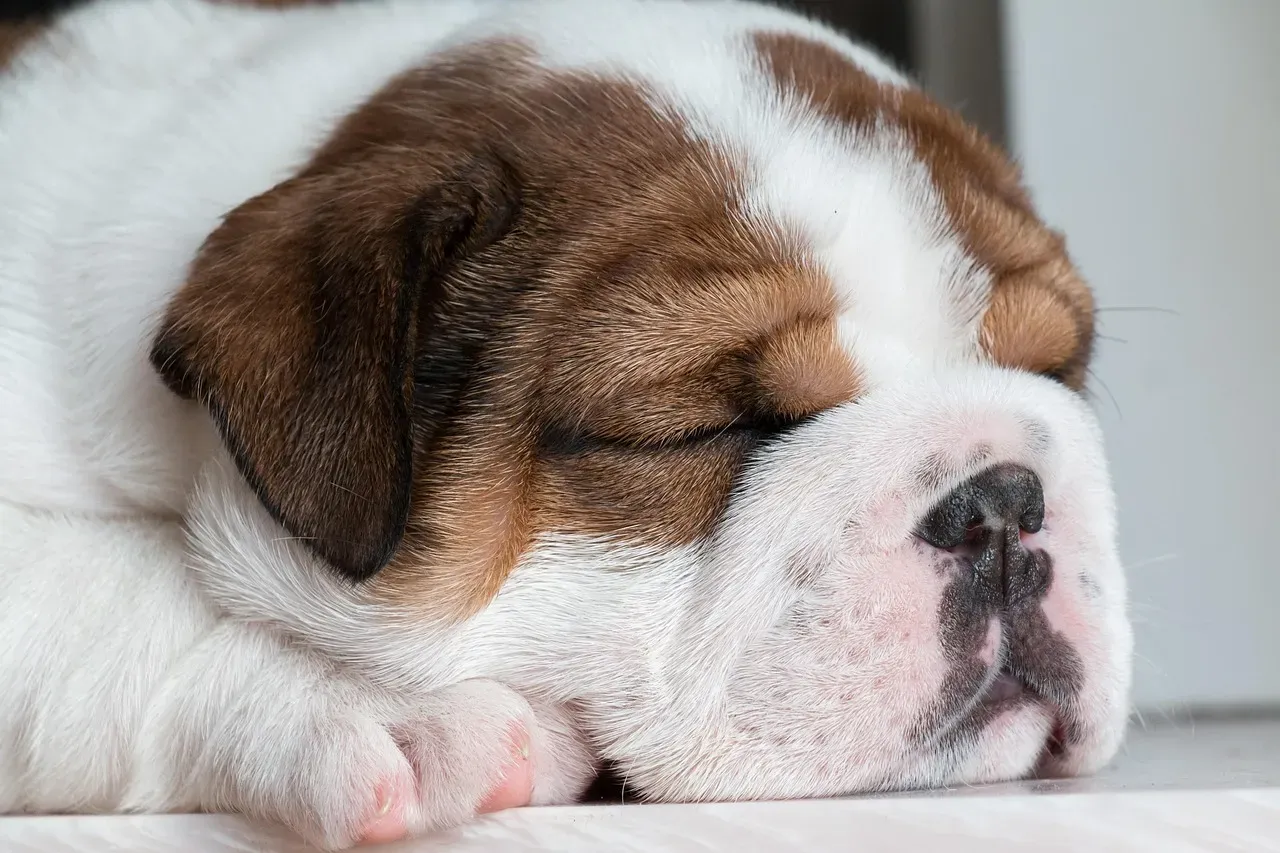
Dogs are not aware of what the future holds. They live in the present, in a state of blissful unawareness. On a slow Sunday afternoon when there’s nowhere urgent to be, your senior dog has already figured out the secret. They’re just here, with you, in this room, in this hour.
Match their pace for an afternoon. No scrolling. No half-attention. Just you and them in the same quiet space. Beneath it all is the quiet understanding that this isn’t a temporary detour, it’s a sacred, tender chapter.
The Last Look Before You Leave the House
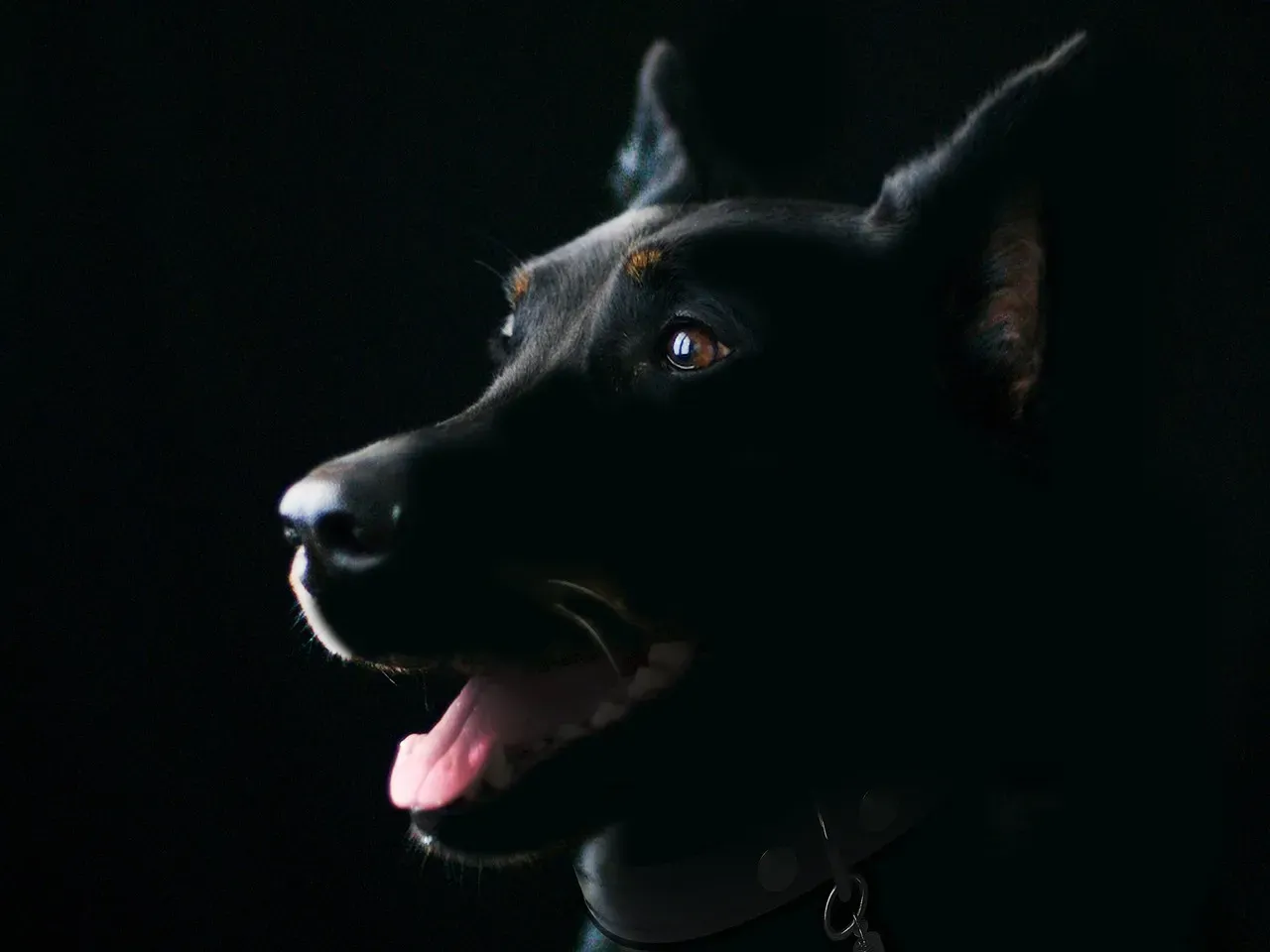
You grab your bag. You reach for your keys. You turn back once, like you always do, and they’re watching you from the hallway or the window or their bed. Dogs recognize people and can learn to interpret human emotional states from facial expression alone. They know something about goodbye, even small daily goodbyes.
Hold the look for a second longer. Go back for one more pat. Take each day as it comes, just like you would with a human loved one who is elderly. That last look before you walk out the door is one of the simplest and most irreplaceable moments in a life shared with a dog. One day it will be the last one. You won’t know it was.
Conclusion: Be Here For All of It
The senior years ask something of you that the puppy years never did. They ask you to slow down, pay attention, and stay fully present inside moments that don’t announce their own importance. As our beloved canine companions grow older, understanding what they’re going through allows you to provide the best care and comfort for your aging dog.
Adopting a dog’s philosophy of life can help owners make the most of the final days rather than filling them with fear. Cherishing your dog’s last days is the most productive way to honor them. They’re not thinking about what comes next. They never were.
The gray muzzle, the slow walk, the heavy sigh before sleep – none of it is tragedy dressed up as daily life. It’s just life, at its most honest. The smallest moments are rarely labeled as the ones worth remembering. With an old dog, they almost always are.


