
The Silent Gestures Your Dog Uses To Ask For Comfort And Reassurance
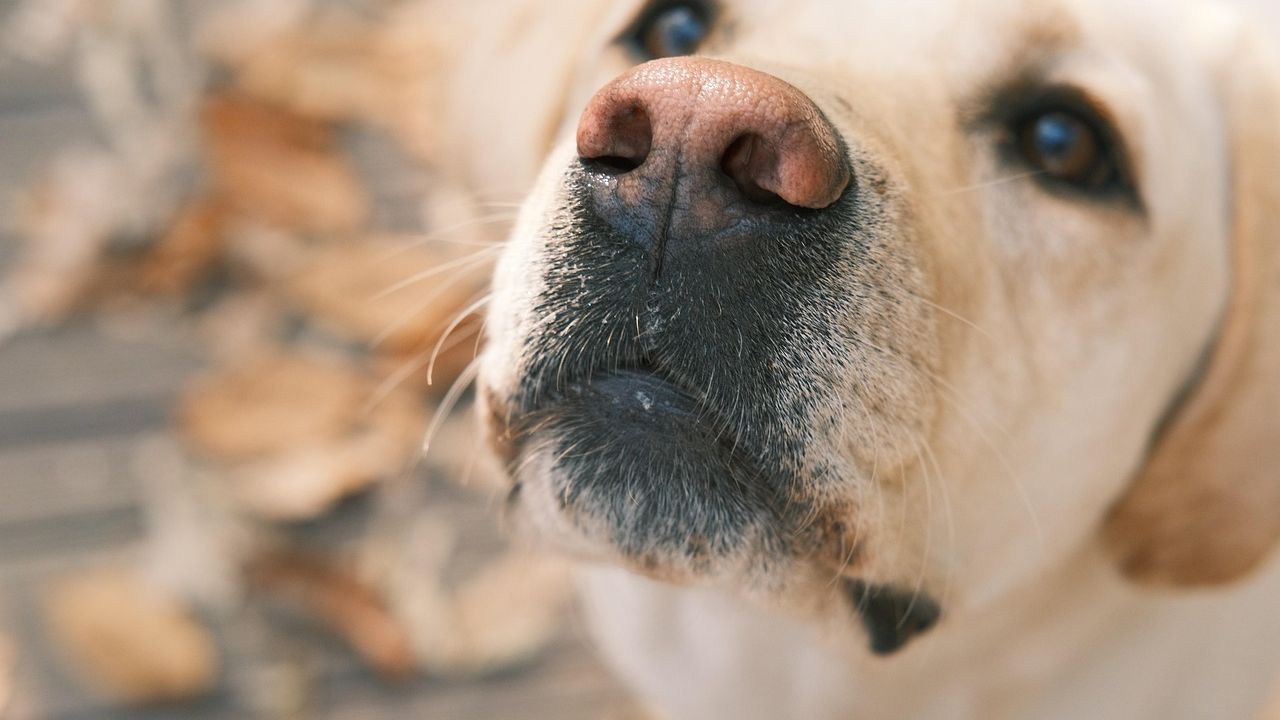
Your dog has been trying to talk to you all along. Not with words, obviously, but with something far more nuanced – a language built from posture, glance, and gesture that most people walk right past without a second thought. There’s a moment that happens in thousands of homes every day where a dog quietly leans against a leg, lowers their head, or yawns in what seems like boredom, and the human in the room simply moves on. What they’re missing is a request. Sometimes it’s urgent, sometimes barely a whisper.
As dog owners, we often wish our furry companions could simply tell us what they’re feeling. While they can’t speak our language, dogs communicate constantly through a sophisticated system of calming signals and body language – subtle cues they use to de-escalate tension, avoid conflict, and express discomfort or stress. The fascinating thing is that once you learn how to see it, you can’t unsee it. These gestures have been there the whole time.
The Lean: When Your Dog Presses Into You
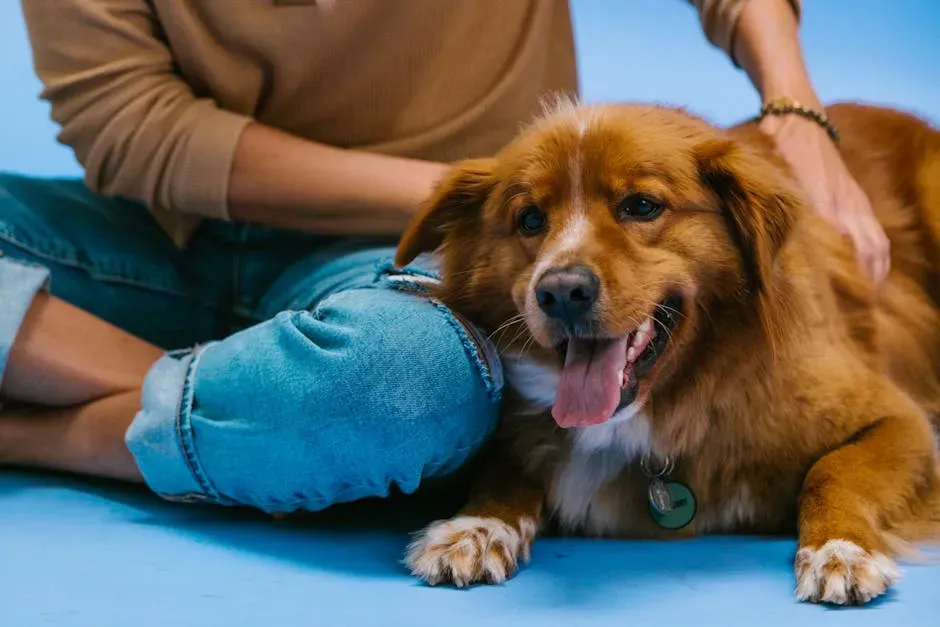
Of all the ways a dog can ask for comfort, leaning might be the most physically direct. Physical contact such as leaning against your legs, sitting close, or touching with a paw is strong evidence of comfort and connection, and dogs find reassurance in physical proximity, making leaning a subtle but precious love gesture. It looks casual. It isn’t.
Dogs lean for support during moments of insecurity, such as loud noises or new settings, trusting their owner as their emotional anchor. Think about the last time a thunderstorm rolled in or an unfamiliar visitor knocked at the door. If your dog found a way to be suddenly, quietly glued to your side, that was the lean – a wordless request that said, stay with me right now.
Dogs often use touch to express the need for reassurance, and leaning against an owner signals trust and a desire for closeness. It’s worth pausing to acknowledge these moments rather than stepping away. Your stillness alone can be enough to answer the question your dog is asking.
The Stress Yawn: Not As Sleepy As You Think
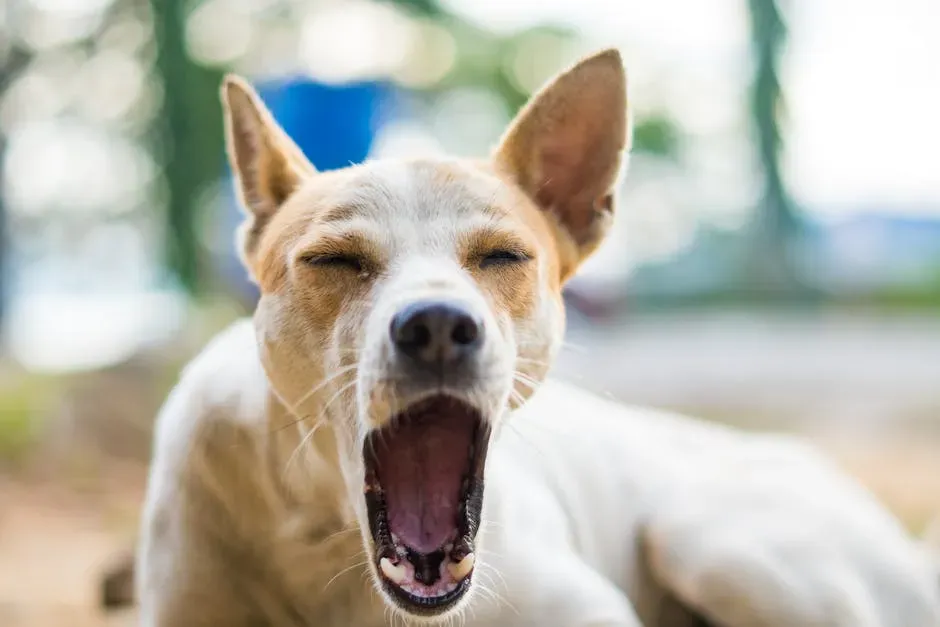
Most people see a yawn and assume their dog is simply tired. The reality is a good deal more interesting. People yawn when they’re tired or bored, but dogs yawn when they’re stressed. According to Turid Rugaas, author of “On Talking Terms With Dogs: Calming Signals,” dogs use yawning to calm themselves in tense situations and to calm others, including their owners.
If you pay closer attention, you’ll notice that the stressed yawn actually looks a bit different from a normal yawn. The stressed yawn will have the dog open his mouth extra wide, and he might shake his head slightly as he closes it again. That extra exaggeration is the tell. It’s not laziness – it’s a genuine self-soothing attempt.
Calming signals can be seen in both stressful and exciting situations, as good and bad stress affect a dog the same way. The top three calming signals owners should be on the lookout for are lip licking, yawning, and shaking off. So the next time your dog yawns during a vet visit, a training session, or a tense conversation in the room, they’re not bored. They’re coping, and they’re hoping you’ll help.
Lip Licking and Tongue Flicks: The Subtle Distress Flag
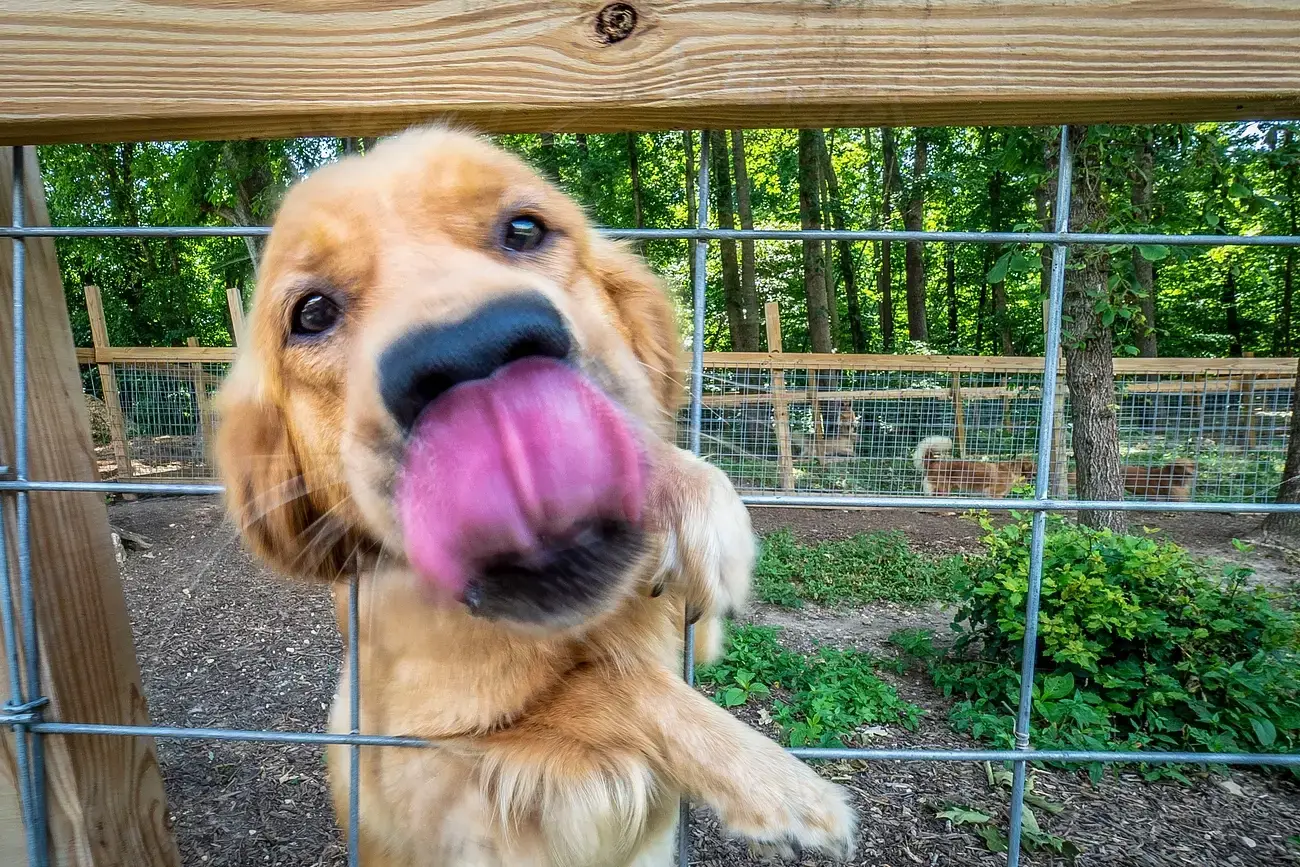
A quick flick of the tongue across the nose or lips is so brief that most owners never register it. Lip licking is a bit of dog body language that people often misinterpret. Just like people, dogs will lick their lips after a delicious meal, but they’ll also do it when they feel anxious. Sometimes the tongue flick is so quick it’s tricky to notice.
Dogs naturally lick their lips or noses when eating, drinking, or after getting wet. But if your dog is repeatedly licking when no food or water is around, it may be a “calming signal” – a way to self-soothe during a stressful moment. Context is everything here. Spotting it during dinner preparation is one thing. Spotting it in the middle of a quiet afternoon tells a different story.
If your dog tongue flicks when you and another person are having a heated discussion, your dog is telling you they notice the tension and want everyone to get along. You can adjust your voice and tone to a normal level to reduce the stress for your dog. It’s a small thing to notice, but responding to it actually strengthens the bond between you in a meaningful way.
The Body Press and Shadowing: Staying Close on Purpose
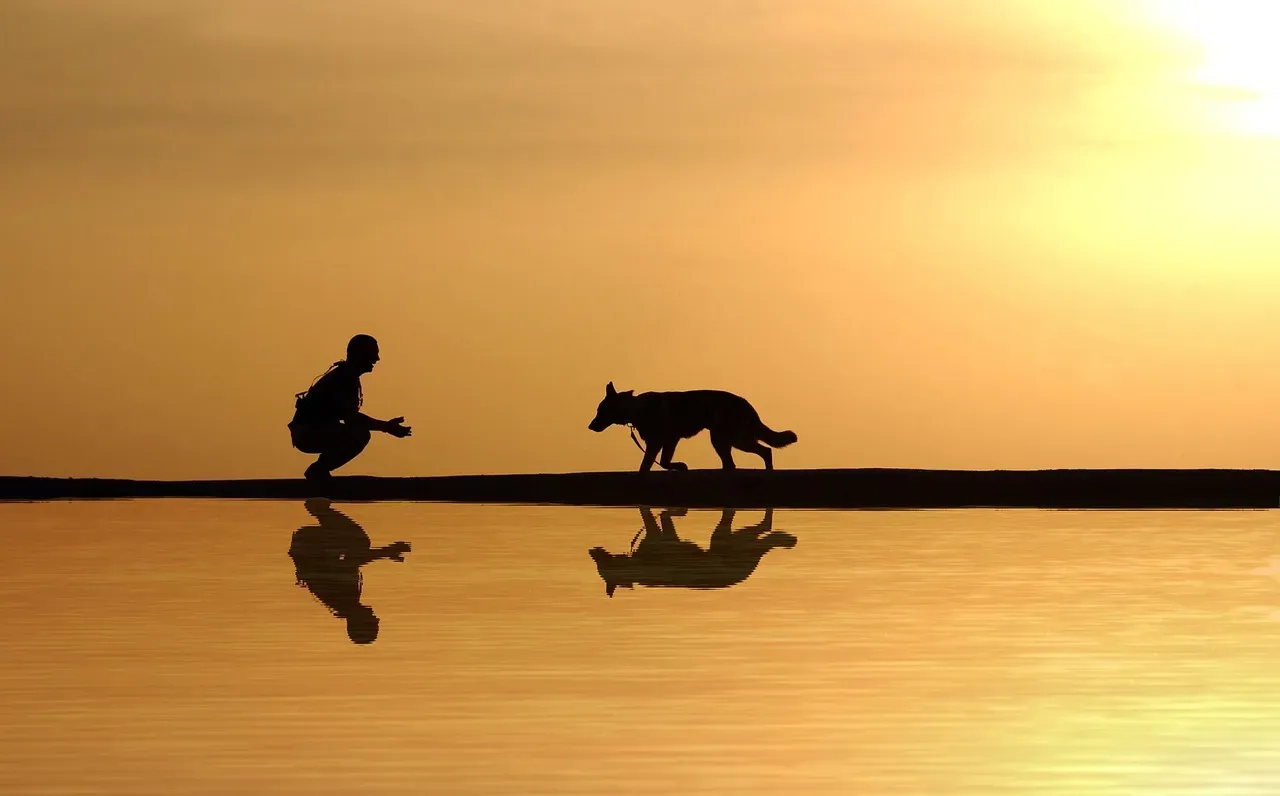
Some dogs become what owners lovingly call “velcro dogs” during stressful periods. A lot of dogs follow their loved ones around the house, and it’s not just a fear of missing out – it may be a desire to keep close to the pack to feel and provide a sense of safety. It’s instinctive, and it’s telling.
Dogs bond to their owners in ways that closely mimic caregiver-infant relationships, showing genuine attachment behaviors such as proximity seeking, separation distress, and secure base effects. Research suggests that the dog-human bond encompasses emotional warmth akin to parent-child relationships mixed with the low-conflict companionship typical of close friendships. When a dog shadows you from room to room, they aren’t being clingy for no reason – they’re drawing on one of their deepest emotional frameworks.
Many dogs, especially those raised from puppies, imprint on their humans and view them as a parental figure. This results in shadowing behaviors which, while sometimes excessive, are a clear sign of loyalty and affection. Recognizing this as communication rather than nuisance changes how you respond, and that response matters far more than most owners realize.
Soft Eye Contact and the Look That Says Everything
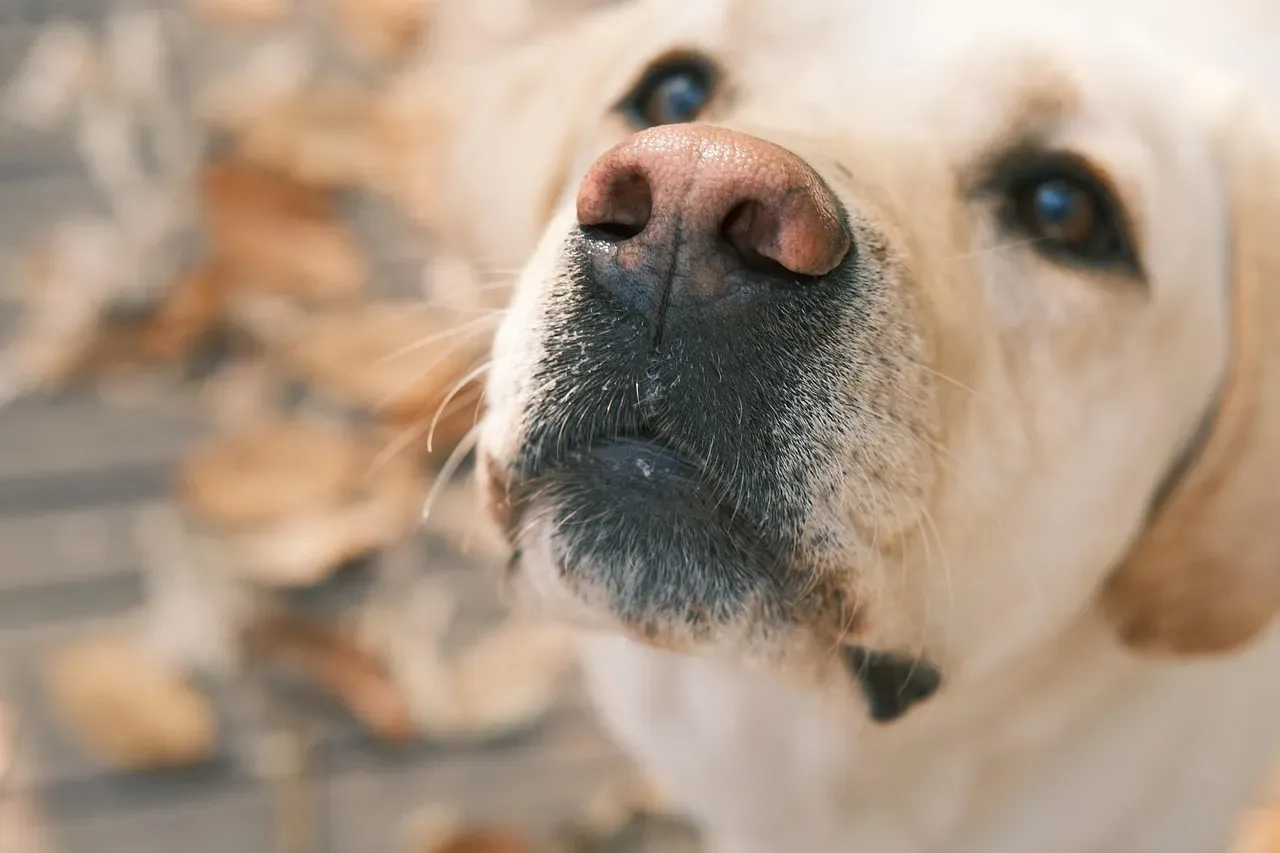
Not all eye contact is the same, and dogs know this better than we do. Soft eye contact builds trust. In canine communication, long, hard stares are signs of dominance or threat – so gentle, relaxed gazes from your dog are always affectionate. That soft, slightly droopy-eyed look your dog gives you from across the room isn’t spacing out. It’s reaching out.
Relaxed eyes and calm facial expressions are signs your dog feels secure with you. When your dog seeks that soft eye contact during an unfamiliar situation or a noisy environment, they’re using you as a reference point. Dogs look to their humans for cues about the world, and your response in uncertain or stressful moments shapes how safe they feel.
A trusting dog will present with body language that shows their comfort level with you – you’ll likely see a relaxed face, soft eyes, and a wag that wiggles the entire hind end. Learning to return that soft gaze calmly, without tension in your face or posture, communicates directly back to your dog that the world is still safe. It’s a two-way conversation most people never realize they’re having.
Postural Shifts and Slowing Down: The Body’s Quiet Plea
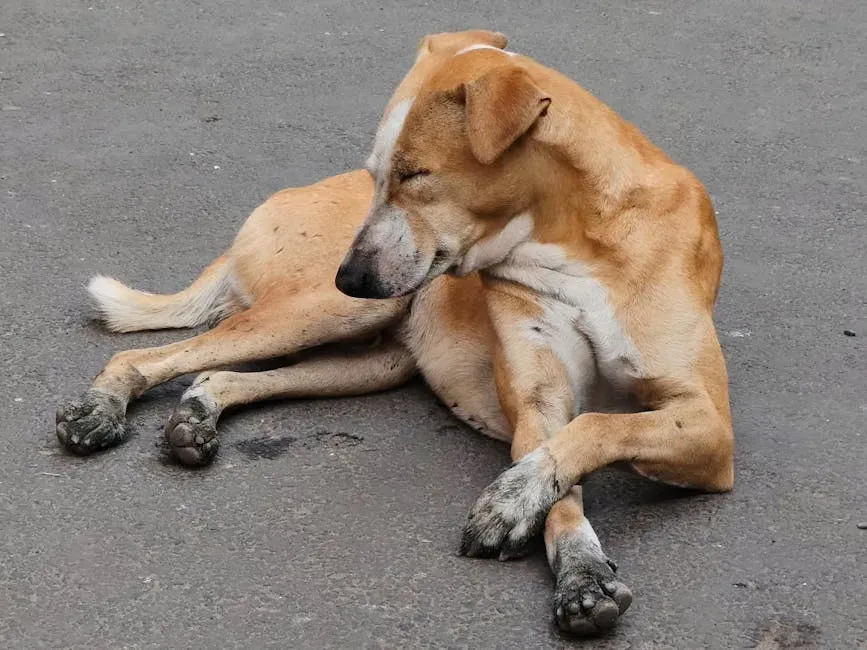
A dog may adjust its posture when seeking calm. Lowering the body, curling up, or tucking the tail signals a desire for safety, and slow, deliberate movements often indicate thoughtfulness or uncertainty. These postural changes happen gradually, and that’s exactly why they’re so easy to miss in the flow of a normal day.
Low body postures are a clear signal. Dogs crouch when they’re scared, and they might also arch their back or just lower their head – they’re trying to appear smaller and less threatening. When a dog makes themselves physically smaller, they’re not just being submissive in a generic sense. They’re asking for the environment around them to soften, and often they’re asking you specifically to be the one who makes that happen.
When responding to your dog’s signals, it’s important to remain calm, patient, and encouraging, as dogs are very sensitive to human emotions and can easily pick up on stress or frustration. If your dog appears unsure, anxious, or uncomfortable, give them space and allow them to move away or observe the situation from a distance rather than forcing interaction. Giving your dog the room to communicate without consequence is one of the most underrated acts of care an owner can offer.
A Final Thought Worth Sitting With
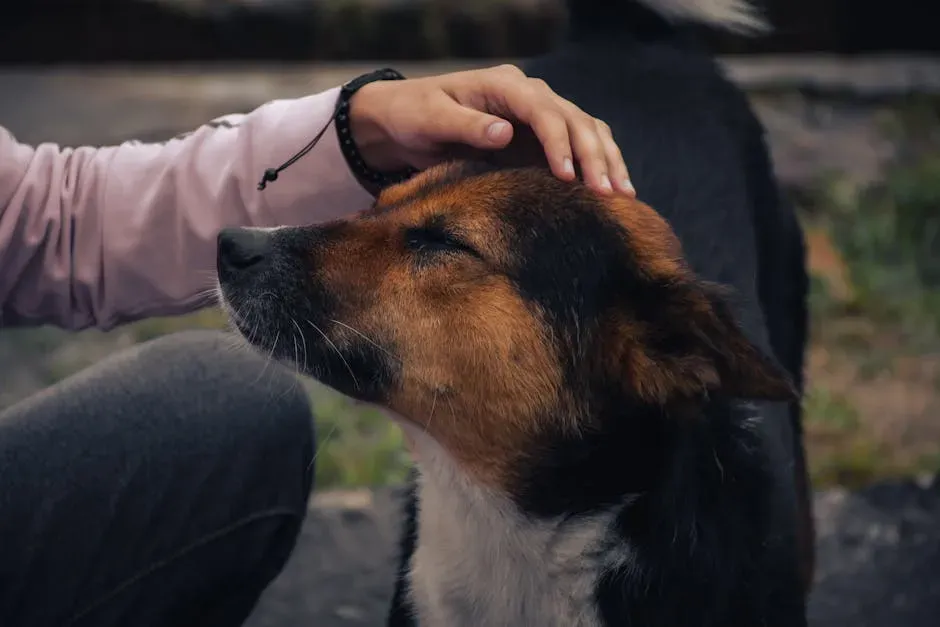
There’s something quietly humbling about realizing your dog has been speaking all along. Your dog is always communicating with their body. Yawns, tail wags, and ear position all tell a story, and by watching closely and thinking about the situation, you can tell if your dog is tired, happy, or stressed. The signals have never been the problem. The awareness has.
Learning your dog’s silent language is one of the most powerful tools you can develop as an owner. By understanding their calming signals and stress cues, you can respond proactively, prevent negative experiences, and strengthen your bond based on mutual respect and understanding. That’s not a small thing. That’s the whole relationship, really.
In my view, the dogs who seem “difficult” or “anxious” are often simply the ones whose signals have gone unread for too long. When you listen to your dog’s signals, you build trust. Your dog learns that their person pays attention and keeps them safe. That trust, once earned, is one of the most genuine things you’ll ever have. It just starts with paying attention to what your dog has been trying to tell you all along.